Ricard Camarena
In Residence
Ricard Camarena
Chef
- 01CuisineModern Vegetable-Focused Mediterranean Fine Dining
- 02CityValència, Spain
- 03RecognitionTwo Michelin Stars
- 2 Michelin Stars · Michelin Guide
- World's 50 Best · #96 · World's 50 Best Restaurants
- Opinionated About Dining Top Restaurants in Europe Recommended · 2026
- Macarfi 9.4 Food Rating · 2026
- La Liste Top Restaurants: 95pts · 2026
- Star Wine List · 2026
- Michelin 2 Stars · 2026
- Guía Repsol 3 Soles · 2026
- La Liste Top Restaurants: 97pts · 2025
- Opinionated About Dining Top Restaurants in Europe Ranked #291 · 2025
- We're Smart World Top 100 #6 · 2025
- The Best Chef Two Knives · 2025
- We're Smart World 5 Radishes · 2025
- Michelin 2 Stars · 2025
A Former Factory, a Serious Kitchen
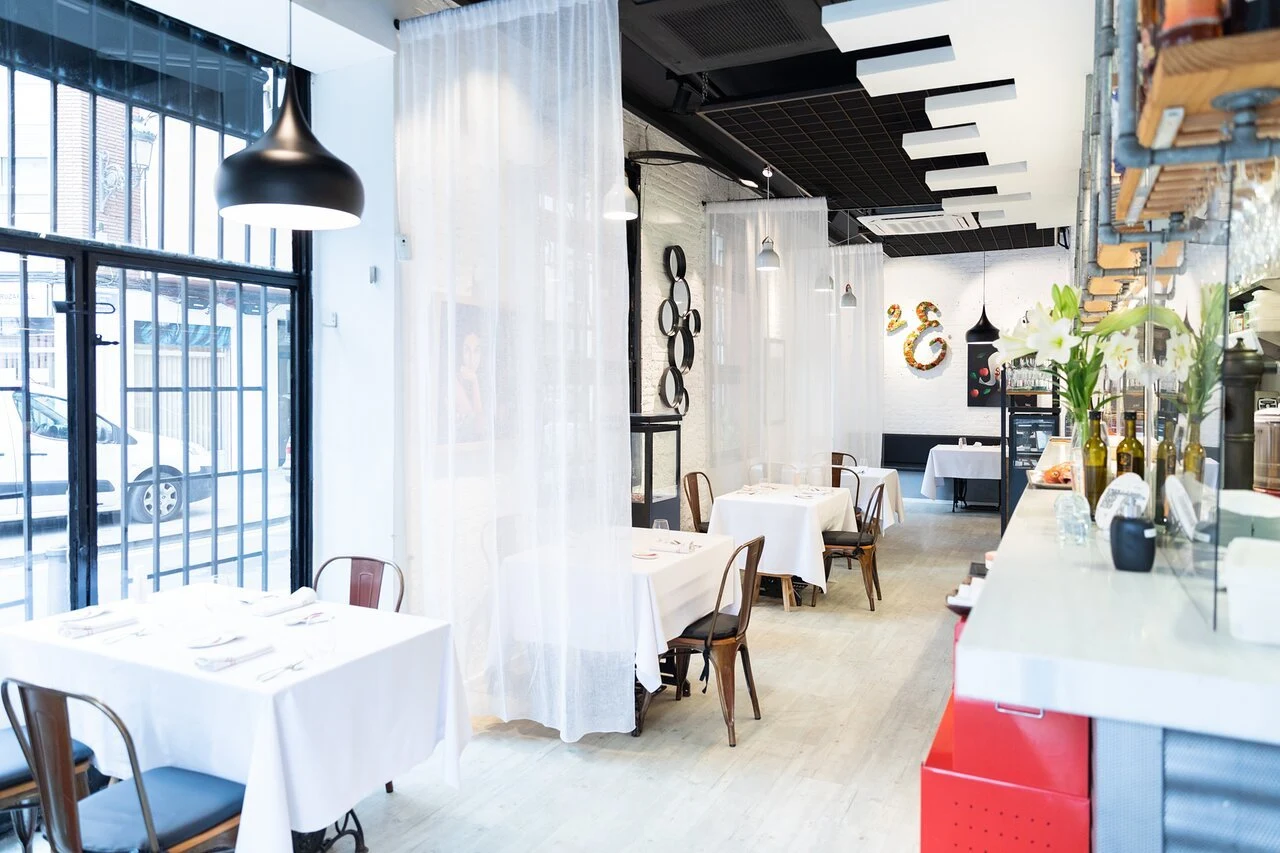
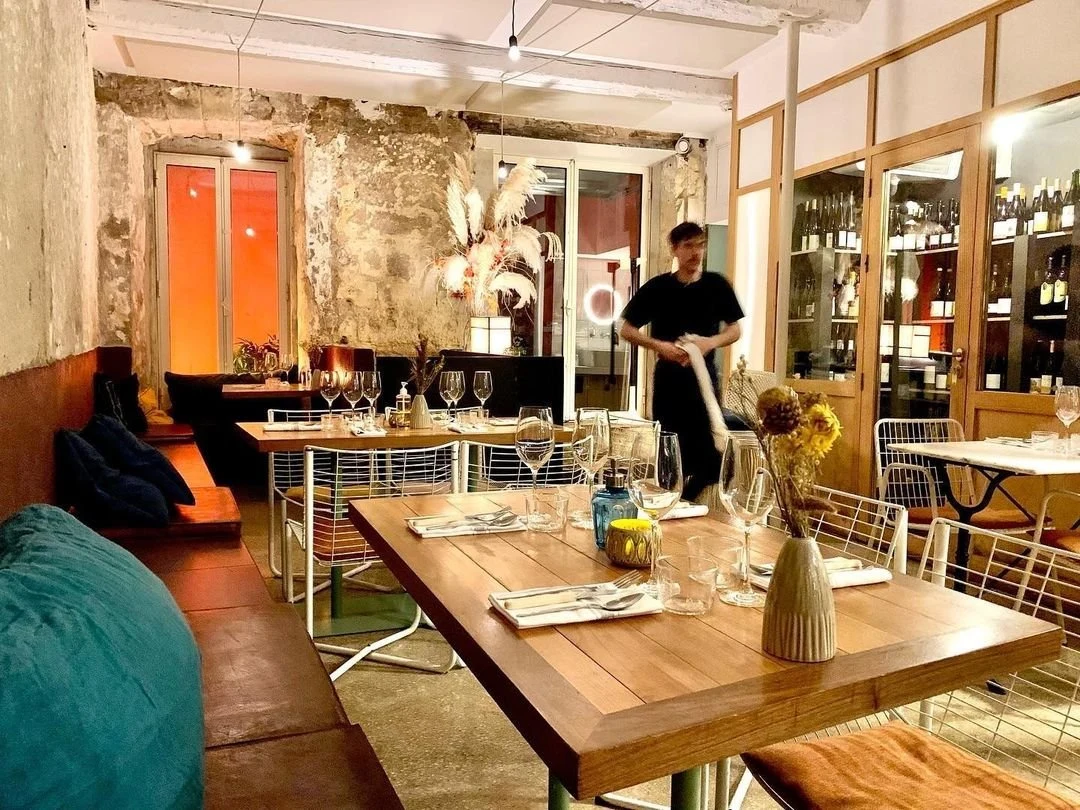
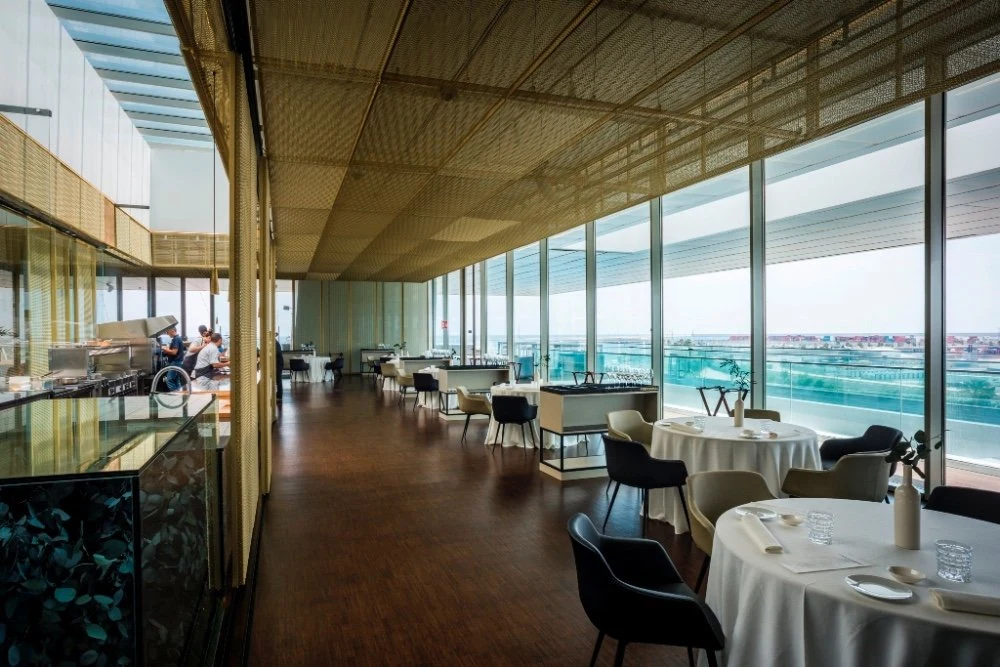
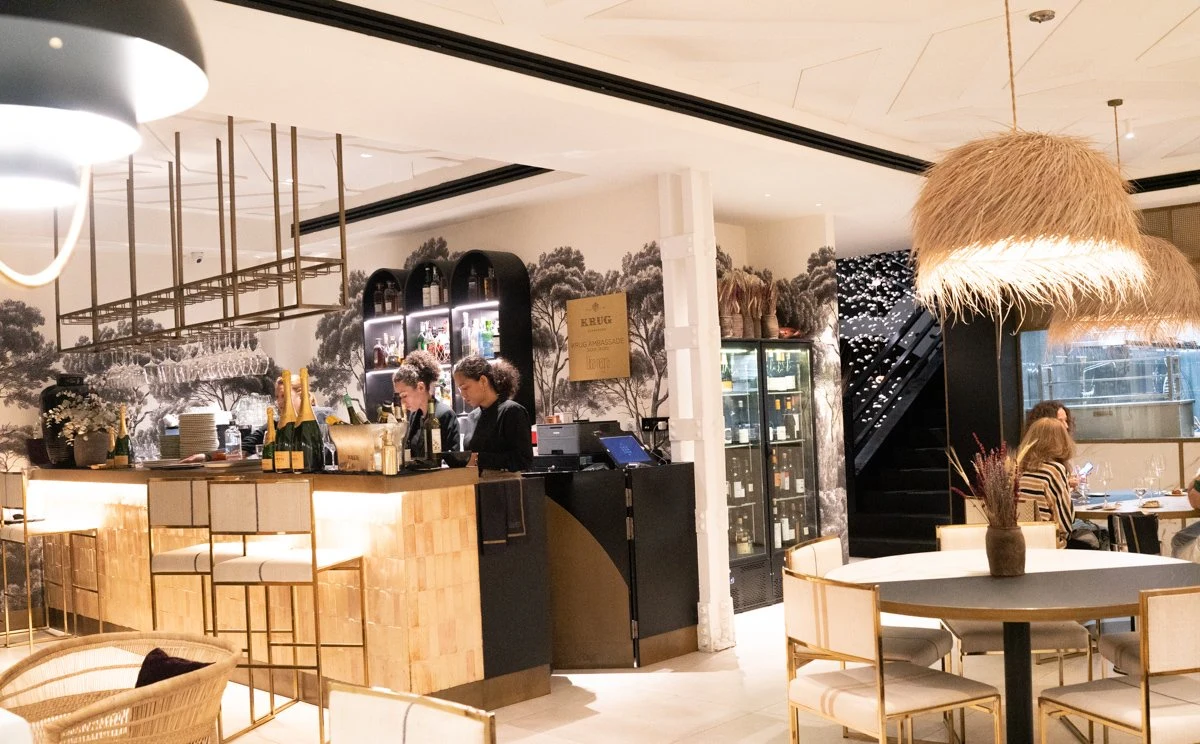
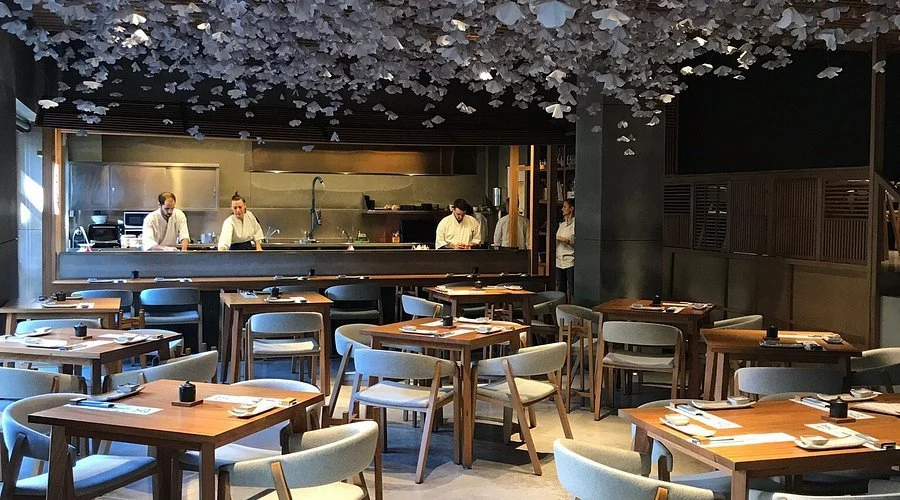
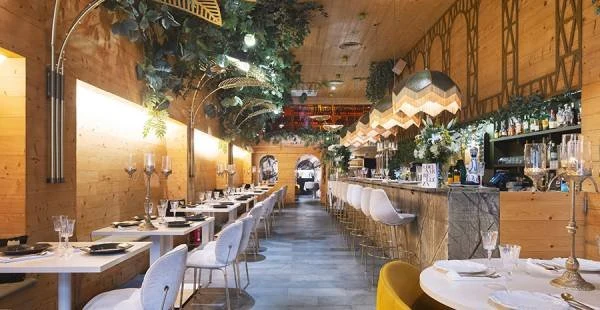
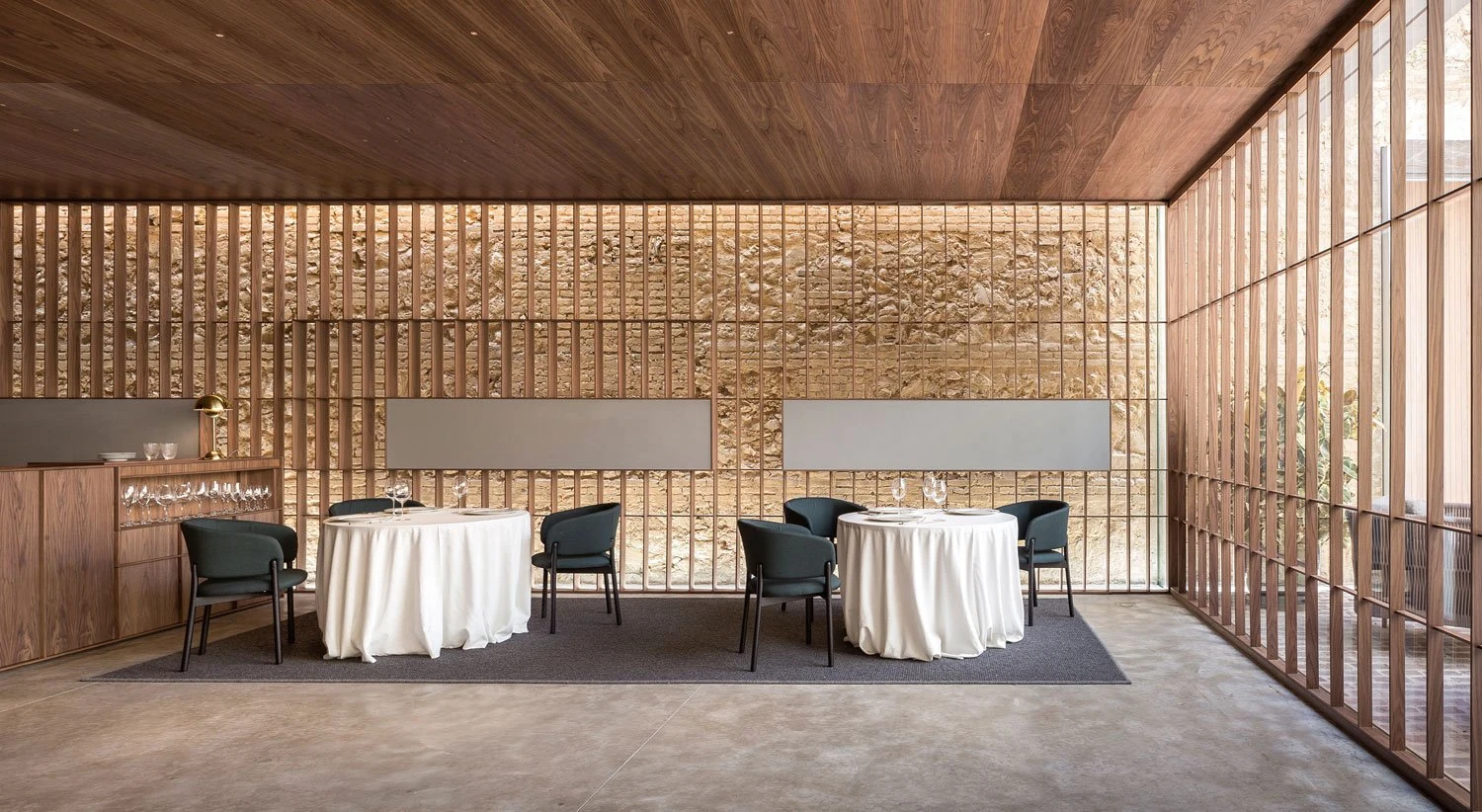
Ricard Camarena is a two Michelin star restaurant in València, serving Modern Vegetable-Focused Mediterranean Fine Dining at about €250 per person. The Bombas Gens complex on Avenida de Burjassot began life as a hydraulic pump factory in the 1930s. Its reinvention as a combined arts centre and fine-dining destination says something about how Valencia has repositioned itself over the past decade: the city that once exported citrus and ceramic tiles now exports cultural ambition. Ricard Camarena occupies the rear of the complex, past a contemporary foyer and a private bar where the meal begins with hors d'oeuvres before guests move through to the modern dining room. The open-plan kitchen is visible throughout, which in Spain's leading creative restaurants has become less a theatrical gesture and more a statement of transparency. You are not being invited to watch a performance; you are being shown how the work is done.
Within Valencia's fine-dining bracket, the restaurant sits at the apex of what is a genuinely competitive local tier. El Poblet operates nearby with its own creative Spanish programme at the same price point, while Fierro (Modern Cuisine) and Fraula (Contemporary) represent a younger, smaller-format wave of creative cooking in the city. Ricard Camarena sits above that cohort on credential alone: two Michelin stars, a 2023 entry at number 96 on the World's 50 Best Restaurants list, and 97 points from La Liste in 2025, adjusting slightly to 95 points in the 2026 edition. Those figures place it comfortably within Spain's upper tier alongside houses like Quique Dacosta in Dénia and El Celler de Can Roca in Girona, even if it operates with less international name recognition than those two.
Vegetables as the Structural Argument
Spain's creative restaurant scene built its international reputation largely on protein. The Basque and Catalan vanguard of the 1990s and 2000s, from Arzak in San Sebastián to the molecular experiments that defined elBulli's legacy, placed seafood and meat at the centre of the tasting menu logic. The current generation has been slower than Nordic counterparts to shift that hierarchy. Ricard Camarena is the clearest exception in the Valencian Community, and one of the more consequential ones nationally.
The kitchen's commitment to vegetables is structural, not decorative. Sauces are made from vegetable offcuts, no leaf goes unused, and the seasonal menu shifts with the rhythms of the huerta, the irrigated agricultural plain that has supplied Valencia's kitchens for centuries. We're Smart, a specialist guide tracking vegetable-forward restaurants globally, ranks Ricard Camarena among its leading vegetable-forward restaurants. That ranking is not based on the absence of animal products but on the coherence and technical depth of the vegetable work. Still, the framing matters: in Spain, where jamón remains the default luxury food reference and where a meal without cured pork is often treated as a compromise, building a two-star reputation on seasonal vegetables represents a direct argument against that hierarchy.
This is worth understanding in the context of Spanish dining tradition. Jamón ibérico de bellota, the cured rear leg of acorn-fed Iberian pigs, sits at the centre of Spain's culinary self-image in a way that has no precise equivalent in other food cultures. It appears on tasting menus at DiverXO in Madrid, at Azurmendi in Larrabetzu, and at essentially every fine-dining table in the country as either a course, a garnish, or a conceptual reference point. The curing tradition, with its geographic denominaciones de origen from Jabugo to Guijuelo, carries the same cultural weight in Spain that AOC wine classifications carry in France. Against that backdrop, a kitchen that systematically builds its tasting logic around Valencia's market gardens is making a conscious editorial choice about what regional identity means. It is not anti-jamón; it is pro-huerta, which in this context amounts to the same thing.
How This Fits the Broader Spanish Fine-Dining Picture
Spain's two- and three-star restaurants cluster in a few geographic pockets: the Basque Country, Catalonia, and Madrid account for the majority. Valencia has historically punched below its culinary weight at the leading level, despite having one of Spain's most productive agricultural regions and a seafood tradition that predates the rest of the country's rice cooking. Aponiente in El Puerto de Santa María changed what was possible for creative fine dining outside those established poles; Ricard Camarena has done the same for Valencia specifically.
Within the current generation of Modern Spanish creative restaurants, there is a meaningful split between those that emphasise technical spectacle and those that build menus around ingredient sourcing and restraint. Casa Marcial in Arriondas and Deessa in Madrid represent different points on that spectrum. Ricard Camarena sits closer to the restraint end: the complexity is in the sourcing and the sauce work, not in tableside theatrics. Opinionated About Dining, which aggregates critic votes across Europe, ranked the restaurant at 269th in Europe in 2024 and 291st in 2025, movements that reflect the competitive density of the category rather than any decline in the kitchen's output.
What to Know Before You Go
The restaurant is open Tuesday through Thursday from 8pm to 9:30pm, and Friday and Saturday from 1:30pm to 3pm and 8pm to 9:30pm. Mondays and Sundays are closed. The price range sits at €€€€. For context, El Poblet and Fierro operate in comparable brackets, though El Poblet sits at the same top tier while Fierro and La Salita offer slightly different formats and entry points.
The Bombas Gens address at Av. de Burjassot, 54 is slightly removed from the tourist core of central Valencia, which has the practical benefit of avoiding the compression of the historic centre on busy evenings. The arts complex setting means the arrival and the pre-dinner bar experience function as part of the meal's structure, not as waiting-room logistics. Guests arriving for dinner enter a sequence that has been thought through from the foyer inward.
For visitors structuring a broader food trip through the region, A visit to the Mercat Central before a dinner here is not incidental: the same agricultural supply chain runs through both. For Japanese-influenced dining of a different register, Kaido Sushi Bar represents the city's most technically serious Japanese counter and sits at a different but comparable level of commitment.
What You Are Actually Booking
Two Michelin stars and a green star at a four-price-tier restaurant in a converted industrial arts complex, running a seasonal vegetable-led tasting menu through a kitchen with full visibility and a pre-dinner bar sequence built into the format. The 4.7 rating across 1,132 Google reviews suggests a consistency that is unusual at this level of ambition. The World's 50 Best number 96 placement in 2023 brought international attention that the restaurant's relatively modest public profile had previously underplayed. What the awards collectively point to is a kitchen that has built its reputation on a single coherent argument about what Valencian fine dining should look like, and has sustained that argument across multiple award cycles without revision.
Questions
Frequently asked
What recognition does Ricard Camarena hold?
Ricard Camarena holds 2 Michelin stars and a place on the World's 50 Best list at number 96.
Who works at Ricard Camarena?
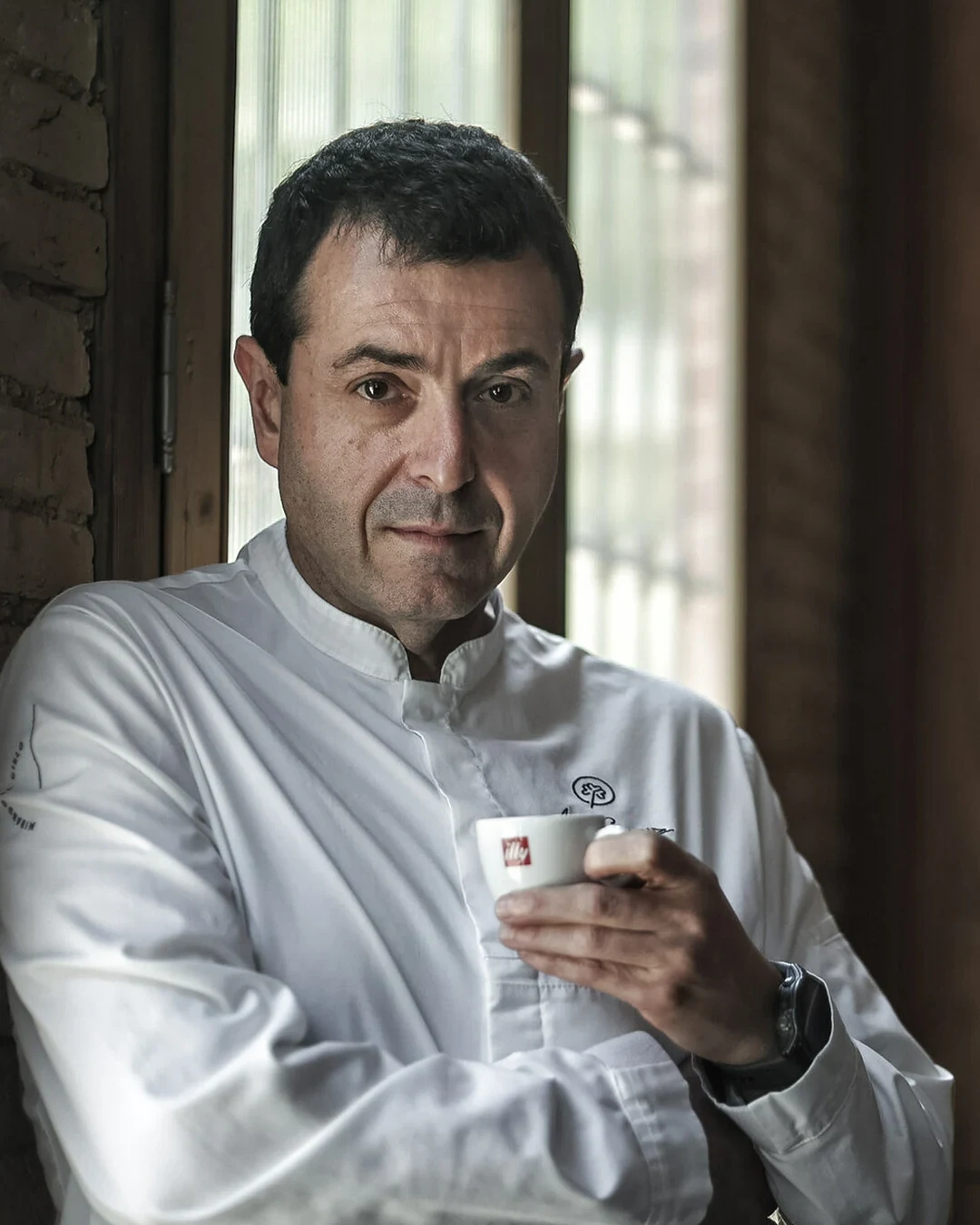
Made By profiles Ricard Camarena (Chef) at Ricard Camarena.
How expensive is Ricard Camarena?
Ricard Camarena is listed at a price level of $$$$.
Where is Ricard Camarena and what does it serve?
Ricard Camarena is in Marxalenes, València, serving Modern Vegetable-Focused Mediterranean Fine Dining.
The field
How it compares
| Place | Awards | Cuisine | Notes |
|---|---|---|---|
| Ricard Camarena | Michelin 2 Stars, World's 50 Best #96 | Modern Vegetable-Focused Mediterranean Fine Dining | Marxalenes, $$$$ |
| 2 Estaciones | · | Seasonal Mediterranean Bistro | València |
| Fierro | Michelin 1 Star | Modern Mediterranean Tasting | València |
| La Sucursal | · | Modern Mediterranean Fine Dining | València |
| Llisa Negra | · | Modern Spanish Grill & Wood-Fired Paella | València |
| Nozomi Sushi Bar | · | Modern Japanese Sushi Bar | València |
| Vuelve Carolina | · | Modern Spanish Fusion Tapas | València |
In residence
Similar places
Seasonal Mediterranean Bistro
2 Estaciones
València, Spain
Modern Mediterranean Tasting
Fierro
València, Spain
★
Modern Mediterranean Fine Dining
La Sucursal
València, Spain
Modern Spanish Grill & Wood-Fired Paella
Llisa Negra
València, Spain
Modern Japanese Sushi Bar
Nozomi Sushi Bar
València, Spain
Modern Spanish Fusion Tapas
Vuelve Carolina
València, Spain