Made ByWinery
Crocus Winery
- 01CityTokaj, Hungary
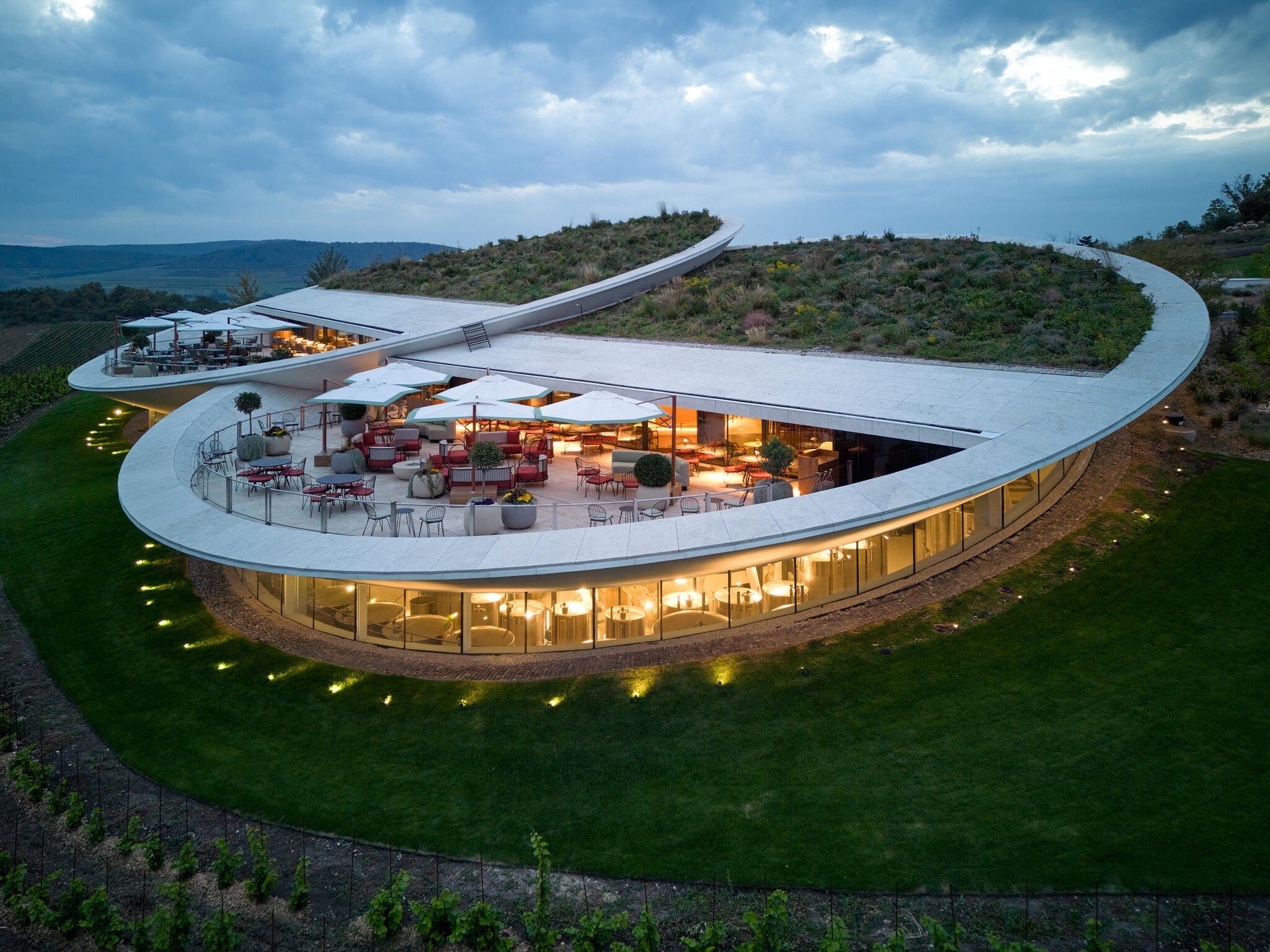
Crocus Winery operates from Tolcsva in the heart of the Tokaj wine region, earning a Pearl 1 Star Prestige recognition in 2025. The estate sits within one of Hungary's most historically freighted appellations, where volcanic soils and noble rot have shaped winemaking for centuries. Its 2025 award places it among a select tier of Tokaj producers drawing serious critical attention.
At a glance
- Hours
- Mon: 8 AM–4 PM; Tue: 8 AM–4 PM; Wed: 8 AM–4 PM; Thu: 8 AM–4 PM; Fri: 8 AM–4 PM; Sat: Closed; Sun: Closed
- Rating
- 4.8 (207)
Tolcsva and the Geography of Tokaj Ambition
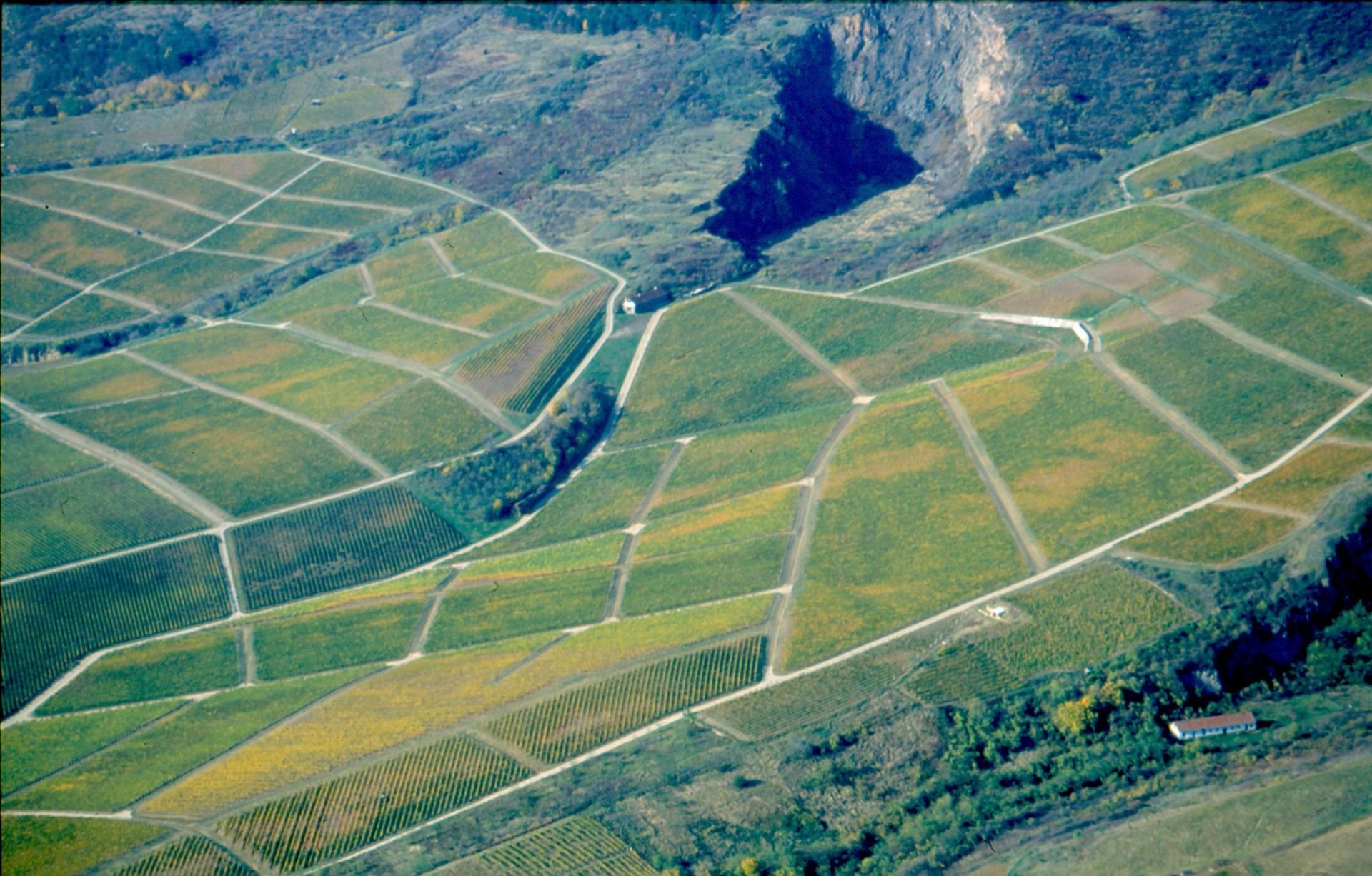
The village of Tolcsva sits in the southern reaches of the Tokaj wine region, a stretch of northeastern Hungary where the Bodrog and Tisza rivers create the humidity conditions that make botrytis cinerea, noble rot, not an accident but an annual expectation. This is the same landscape that produced wines coveted by the Habsburg court and classified by royal decree in 1700, making Tokaj's official appellation structure one of the oldest in the world. Crocus Winery operates from this address, at Arany János u. hrsz. 31/3 in Tolcsva, placing it within a village that carries significant historical weight even by Tokaj's demanding standards. Tokaj Oremus in Tolcsva is the other producer most closely associated with this specific address, giving visitors a natural two-winery itinerary within the same commune.
Tokaj's geography rewards close reading. The region's classified vineyard sites, the dűlők, vary in exposition, altitude, and soil composition across a relatively compact area, and which parcels a producer controls tells you something meaningful about their potential ceiling. Rhyolite tuff, volcanic loam, and clay-rich alluvial soils each impose distinct signatures on the finished wines, and producers who understand those distinctions tend to vinify parcels separately rather than blending them into a single house style. The finest Tokaj estates treat their vineyard roster the way Burgundy producers treat their premier and grand cru holdings: the address matters as much as the winemaker.
A 2025 Award in a Region Under Critical Reassessment
Crocus Winery received a 2025 award, a recognition that places it within the upper tier of the region's acknowledged producers. For context, the Tokaj appellation has been under sustained critical reassessment since the post-communist privatisation era of the 1990s brought in significant foreign investment, French, Spanish, and British capital all entered the region, followed by a second wave of Hungarian family estate revivals in the 2000s and 2010s. The result is a bifurcated producer landscape: large-scale historic estates with deep export infrastructure on one side, and smaller family-run producers with single-vineyard ambitions on the other.
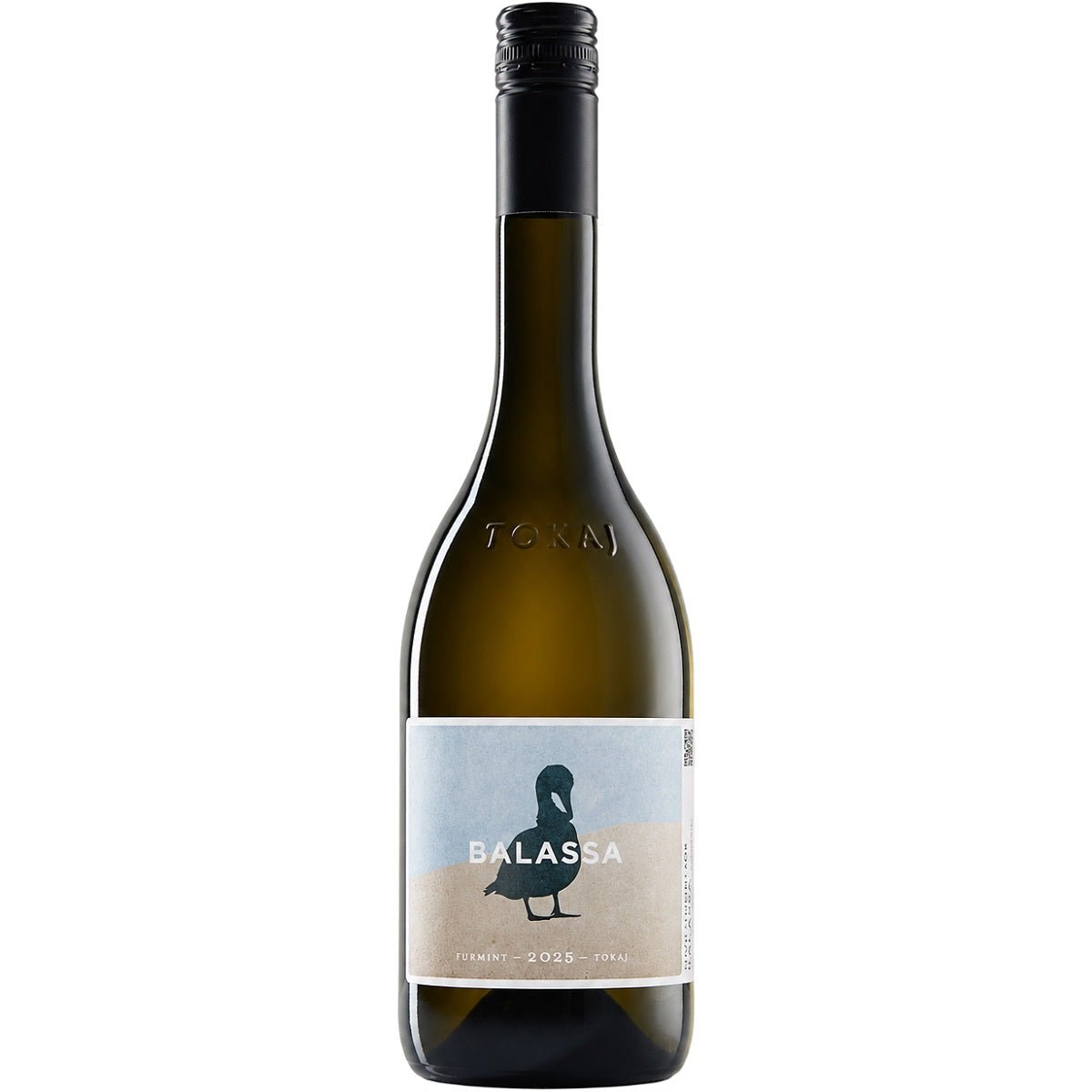
The 2025 recognition signals that Crocus Winery is being evaluated against that broader competitive field and found to be operating at a level worth tracking. It is a useful calibration point for visitors who are building a tasting itinerary across the region. Producers at this recognition tier in Tokaj typically draw attention from the same critics and importers who follow Balassa Winery, Demeter Zoltán Winery, and Dobogó Pincészet, all of which have established export profiles and critical followings across European and North American markets.
What the Winemaking Philosophy Looks Like in Tokaj's Context
The question of winemaking philosophy in Tokaj is more consequential than in most other regions, because the appellation produces wines across a spectrum of sweetness levels, from dry furmint to the intensely concentrated Aszú categories measured in puttonyos, and each point on that spectrum demands different decisions in the vineyard and cellar. The editorial angle that matters for producers like Crocus is not biography, but positioning: are they oriented toward the traditional oxidative style of aged Aszú, toward the modern reductive approach that prizes fresh acidity and primary fruit in dry furmint, or toward some deliberate synthesis of the two?
Tokaj's most discussed producers have staked out clear positions on this question. Tokaj Hétszőlő operates with one of the region's most historic vineyard holdings, while Erzsébet Pince has built recognition around a more intimate estate model. Crocus Winery's Tolcsva base places it in a village with conditions associated with botrytised fruit, which is a prerequisite for serious Aszú production. What the 2025 award confirms is that the approach, whatever it is, has drawn formal recognition.
Producers across other premium wine regions offer a useful comparison: in Napa, the split between Cabernet-focused estates and restrained Burgundian-trained outliers mirrors the tension in Tokaj between volume-oriented Aszú production and precision-focused dry wine specialists. Accendo Cellars in St. Helena represents the kind of allocation-model, critically-tracked producer that occupies an analogous niche in its own appellation. Similarly, Bock Winery in Villány demonstrates how Hungarian producers outside Tokaj have built international recognition through a combination of estate discipline and export focus, a model available to Tokaj estates as well.
Placing Crocus Within the Broader Tokaj Visit
Visiting Tokaj seriously means spending at least two full days in the region. The principal villages, Mád, Tarcal, Erdőbénye, Tolcsva, Mezőzombor, Rátka, each have distinct characters and producer concentrations, and any itinerary that tries to compress the region into a single afternoon will miss the specificity that makes Tokaj worth the journey from Budapest. Crocus Winery's Tolcsva address puts it in natural proximity to Tokaj Oremus and within reasonable driving distance of producers in neighbouring villages.
For visitors building a complete picture of the appellation, the other anchor points are well established. Royal Tokaji in Mád controls some of the region's most prominent classified sites and offers a benchmark for understanding how the appellation's leading vineyard addresses translate into the glass. Disznókő in Mezőzombor represents the larger-estate model, with significant AXA Millésimes investment behind it. Árvay Winery in Rátka and Béres Winery in Erdőbénye offer further points of comparison across the village spread. Crocus Winery at the 2025 recognition level belongs in that itinerary alongside these peers.
Practically, Tolcsva is reached by car from the regional hub of Sátoraljaújhely or from Nyíregyháza. The Budapest-to-Tokaj drive runs roughly two and a half hours on the M3 motorway. Winery visits in the Tokaj region often require advance appointment. Contact the estate before arriving.
For visitors with broader Hungarian wine curiosity beyond Tokaj, Babarczi Winery in Győr represents one of the country's other emerging fine wine addresses, showing that Hungary's premium wine story is no longer exclusively a Tokaj narrative, even if Tokaj remains the reference point for international recognition. The same cross-regional awareness that leads serious wine travellers toward Aberlour in Aberlour as a destination distillery in Speyside applies here: the award-recognised producer within a historically significant appellation is usually worth the deliberate detour.
Practical Planning
Crocus Winery is located at Arany János u. hrsz. 31/3, Tolcsva, 3934 Hungary. The estate holds a Pearl 1 Star Prestige recognition awarded in 2025. Prospective visitors should verify booking arrangements before planning a visit. The optimal visiting season for Tokaj broadly runs from late spring through autumn harvest, with October offering the additional context of watching botrytis conditions develop in real time across the vineyards.
Frequently asked
What recognition does Crocus Winery have?
Crocus Winery has received recognition including: Pearl 1 Star Prestige (2025).
Where can I find Crocus Winery?
Crocus Winery is located at Tolcsva, Arany János u. hrsz. 31/3, 3934 Hungary, Tokaj.
What's the signature bottle at Crocus Winery?
Specific bottle details are not confirmed in current records. What the 2025 Pearl 1 Star Prestige award does indicate is that Crocus is producing at a level that draws formal critical recognition within the Tokaj appellation, a region that spans dry furmint, late-harvest szamorodni, and Aszú across widely varying quality tiers. Visiting the estate directly is the most reliable way to assess the current range.
What's the standout thing about Crocus Winery?
The 2025 Pearl 1 Star Prestige award is the clearest external marker, placing Crocus among the acknowledged upper tier of Tokaj producers at a moment when the region is under serious international critical reassessment. The estate is located in Tolcsva, one of Tokaj's historically significant villages, which adds geographical context to that recognition. In a region where producer quality varies sharply, a formal award of this category carries weight.
Should I book Crocus Winery in advance?
Yes. Across Tokaj, estate producers including those in Tolcsva operate by appointment, and unannounced visits to working wineries routinely result in closed gates. Contact Crocus Winery ahead of your visit to confirm availability, particularly during harvest season in October when estates prioritise cellar work over tourism.
How does Crocus Winery's location in Tolcsva affect the wines it produces?
Tolcsva sits in the southern reaches of the Tokaj appellation, where the confluence of the Bodrog and Tisza rivers generates the autumn mist conditions that promote botrytis development, the biological process behind Tokaj's most celebrated sweet wines. The village has a long production history within the appellation, and Crocus Winery's 2025 Pearl 1 Star Prestige recognition reflects output shaped by that specific terroir. For visitors, Tolcsva also offers a less trafficked entry point into the region compared to the better-known village of Mád.
Address
Tolcsva, Arany János u. hrsz. 31/3, 3934 Hungary
How it compares
Crocus Winery
- Price
- —
- Awards
- 1 recognition
- Notes
- Winery
Hímesudvar
- Price
- $$
- Awards
- 1 recognition
- Notes
- Tokaj, Furmint, Sárgamuskotály
Balassa Winery
- Price
- $$
- Awards
- 1 recognition
- Notes
- Tokaj, Furmint, Zéta
Gizella Pince
- Price
- $$
- Awards
- 1 recognition
- Notes
- Tokaj, Furmint, Hárslevelű
Erzsébet Pince
- Price
- $$
- Awards
- 1 recognition
- Notes
- historic center, Furmint, Hárslevelű
Demeter Zoltán Winery
- Price
- $$
- Awards
- 1 recognition
- Notes
- Tokaj, Furmint, Hárslevelű