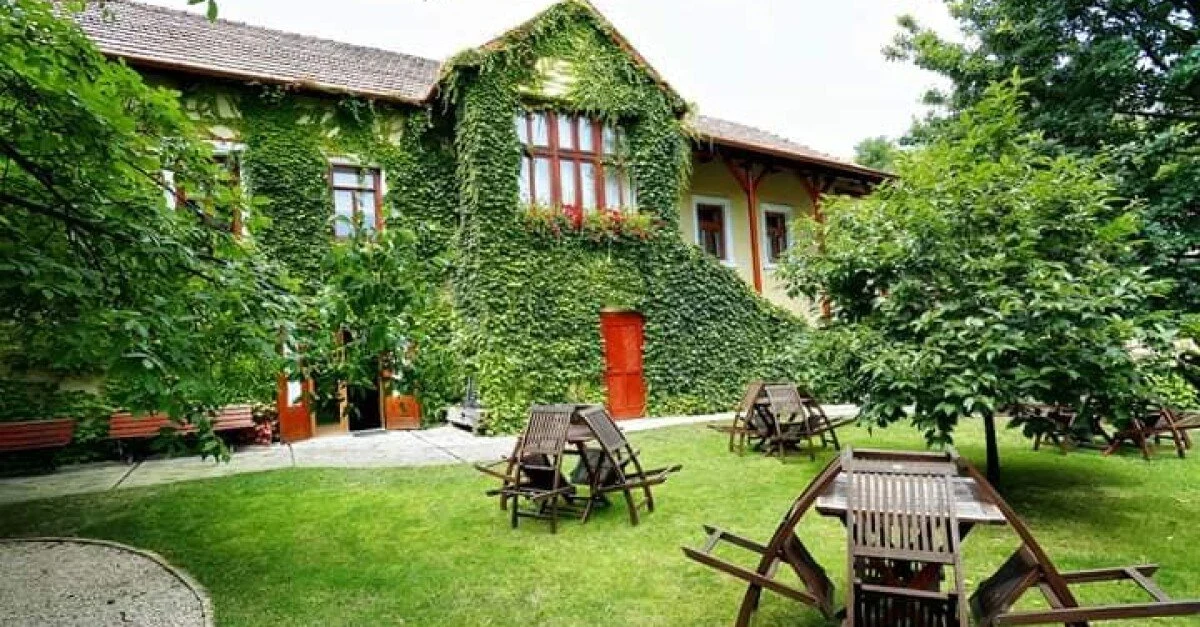
Gizella Pince sits on Dienes Pál utca in the heart of Tokaj town, earning a Pearl 2 Star Prestige rating in 2025, a position that places it among the upper tier of producers working within Hungary's most historically significant wine appellation. For visitors arriving during the autumn harvest window or the quieter spring tastings, it offers a direct encounter with the aging and cellar traditions that define the region's identity.
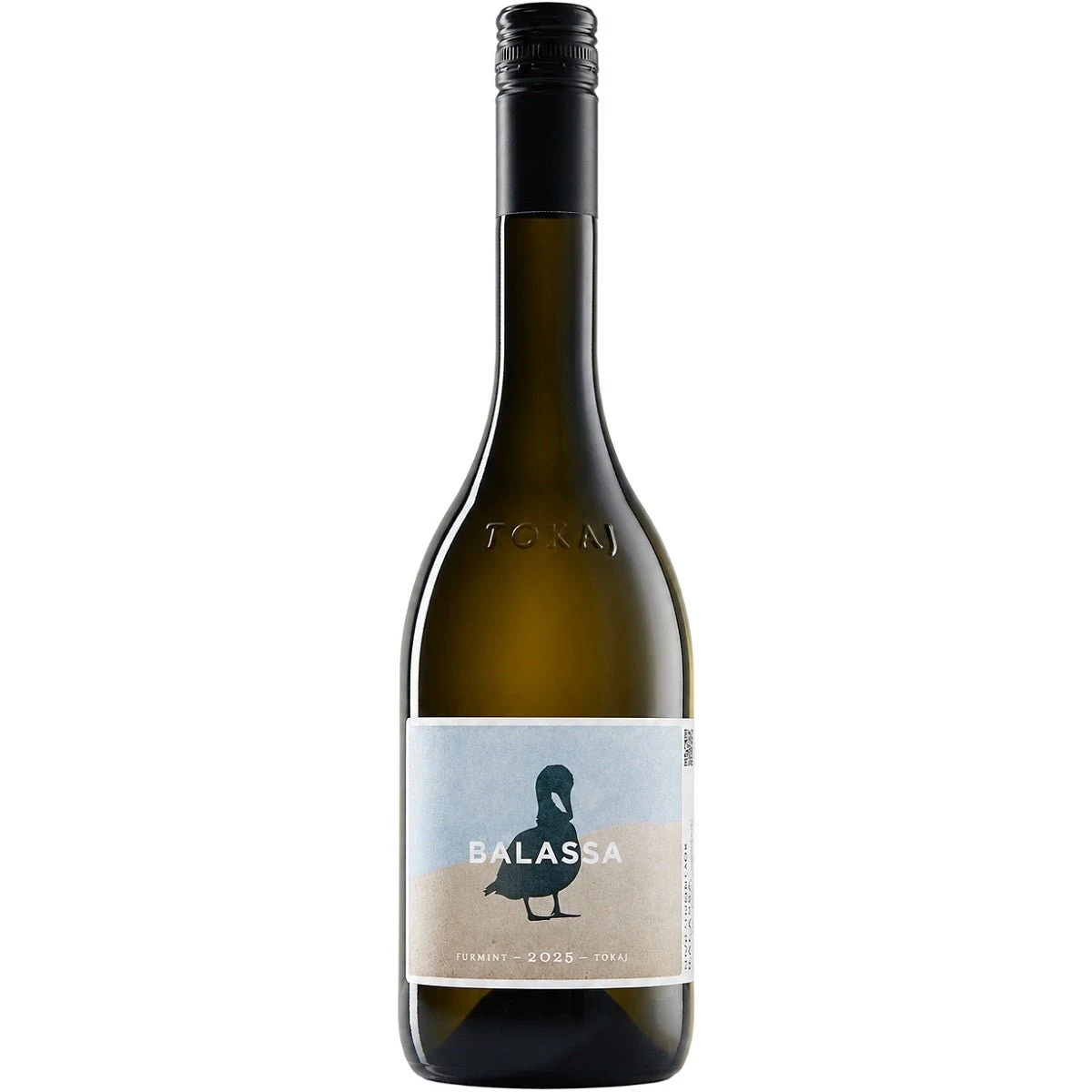
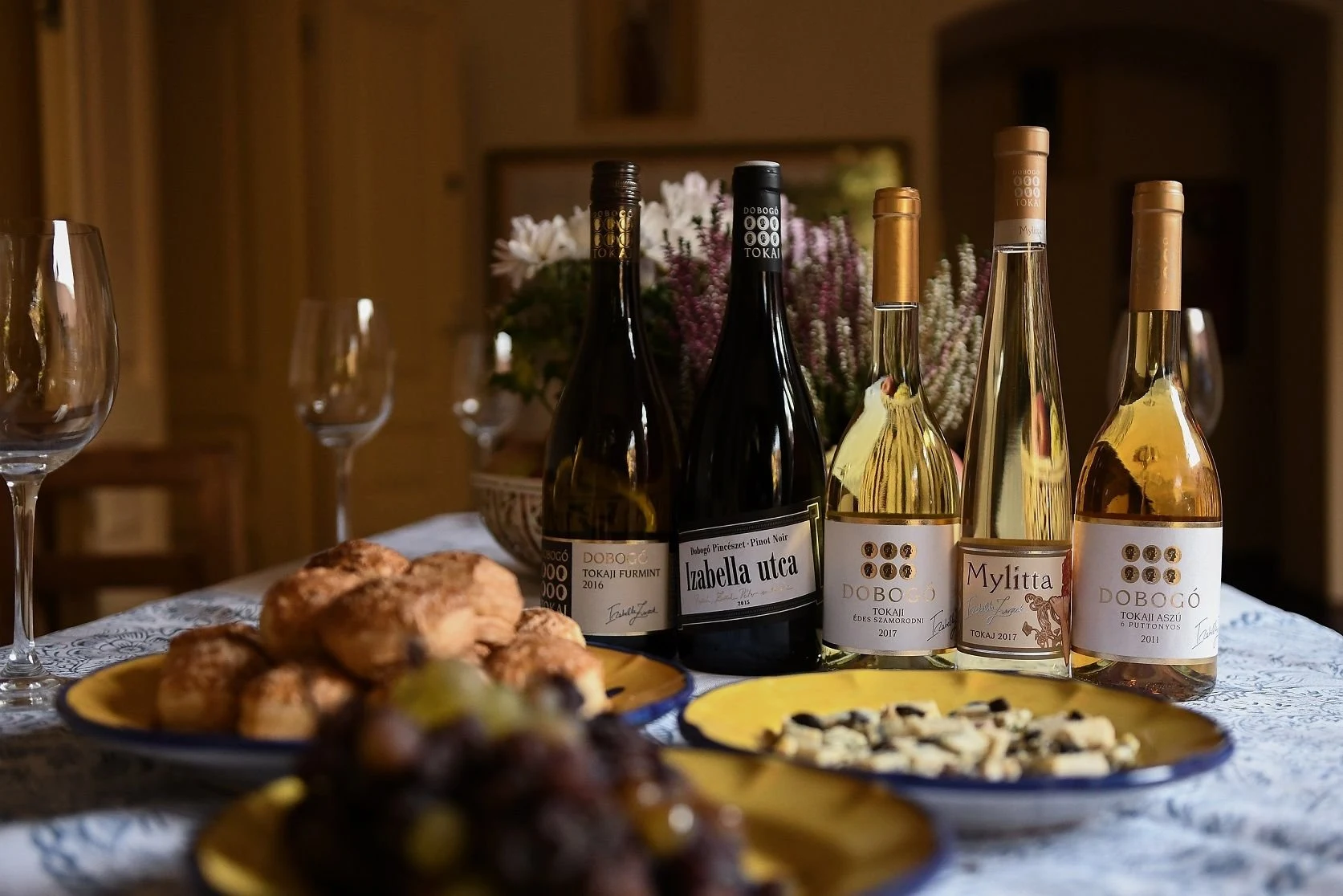
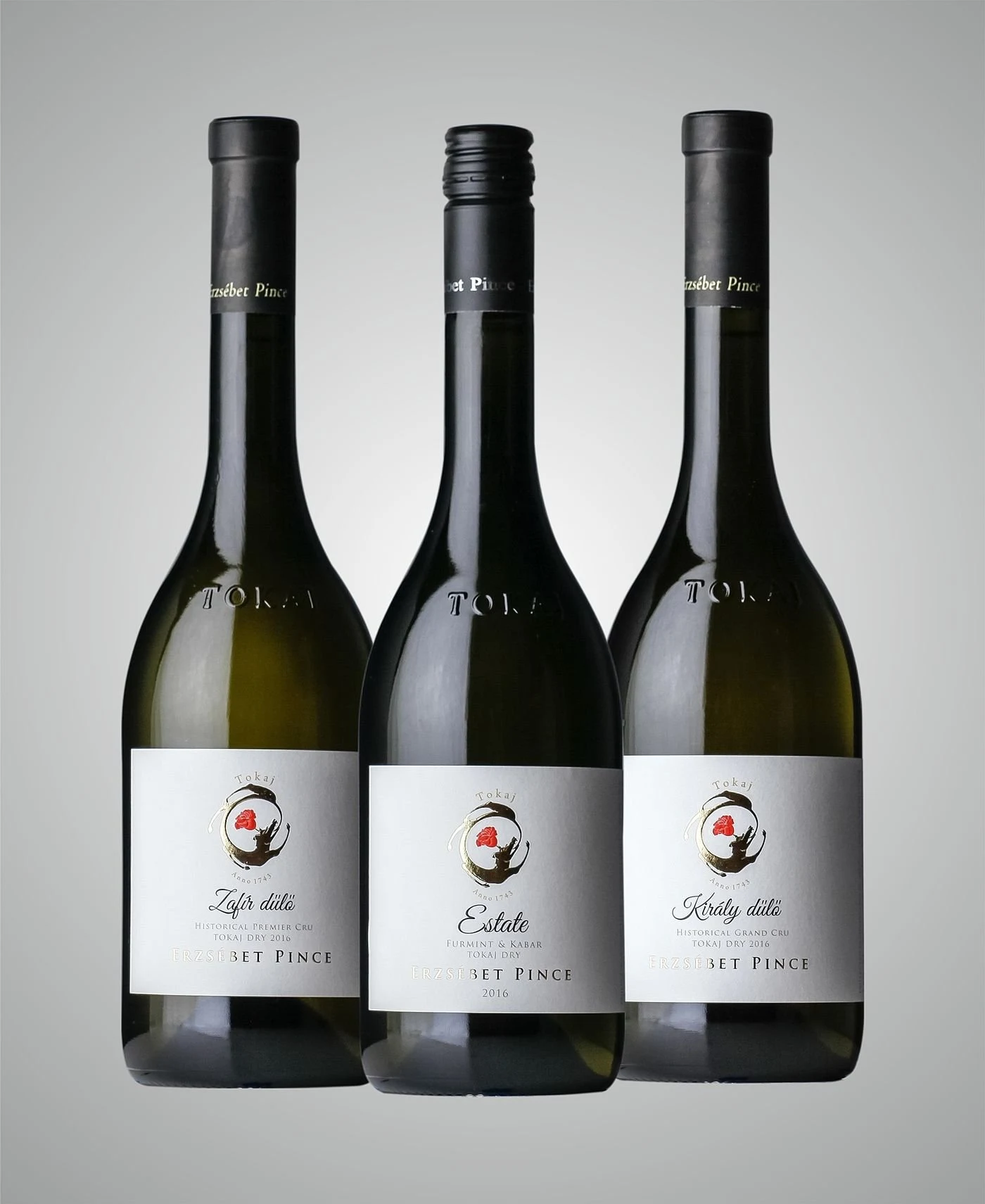
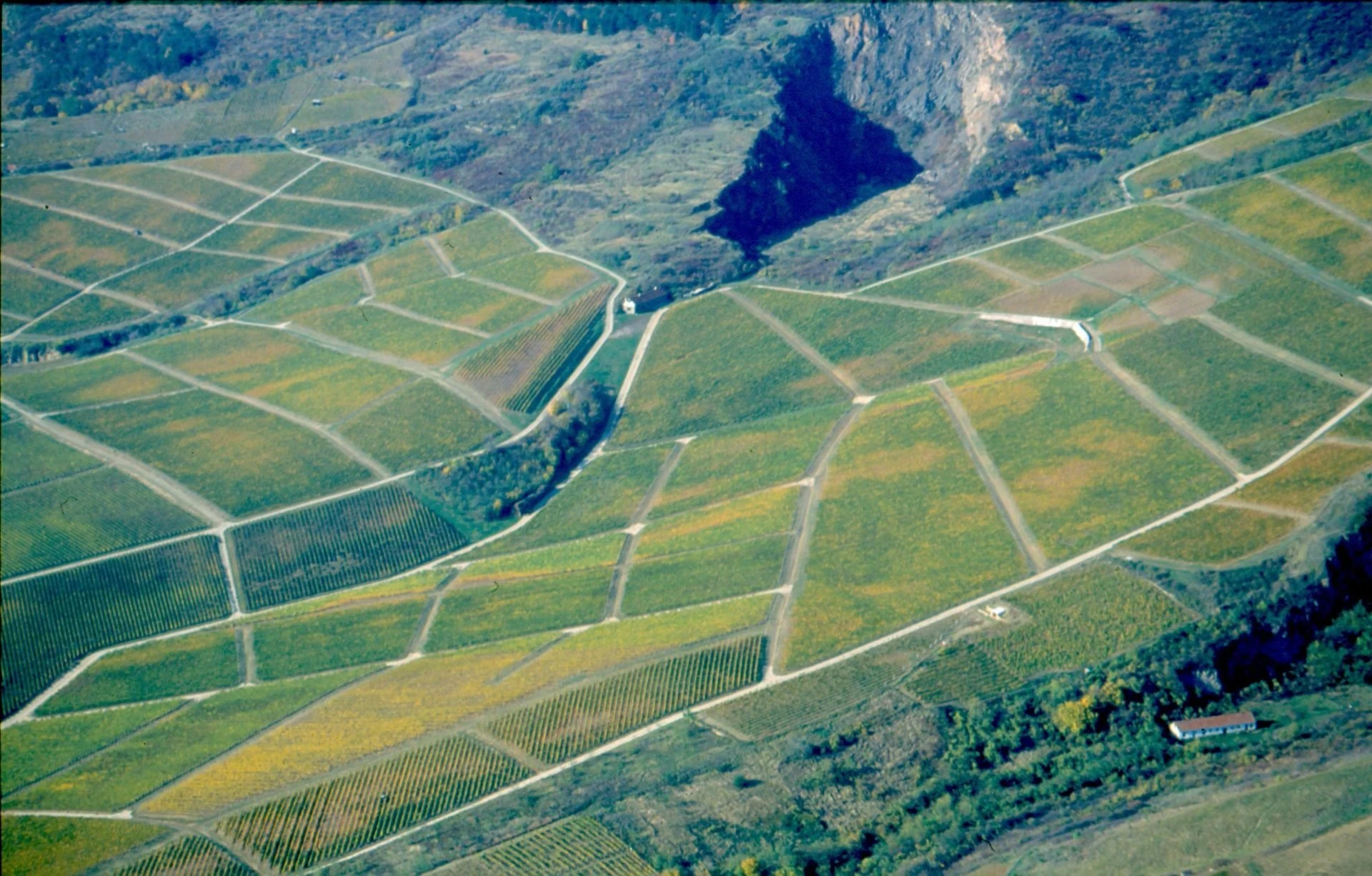
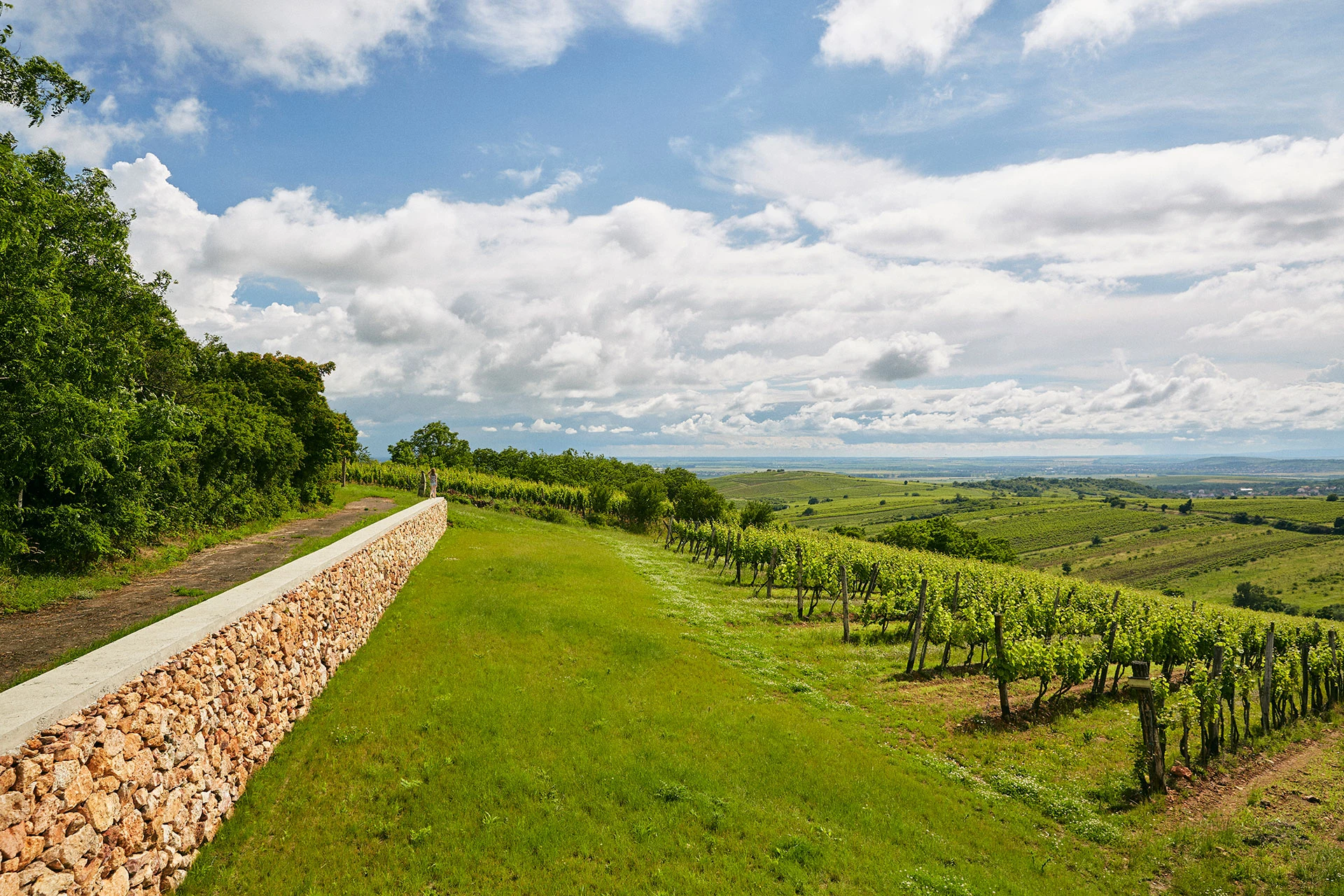
<h2>What the Cellars of Tokaj Actually Do</h2><p>Few wine regions make as much of time as Tokaj does. The Aszú classification system, in which individually selected botrytised berries are measured in puttonyos and aged under strict protocols, was codified centuries before most of the world's premium appellations existed. The volcanic tufa cellars running beneath Tokaj town are not atmospheric backdrop, they are functional infrastructure, providing the specific humidity and temperature range that allows Furmint and Hárslevelű to transform across years of barrel aging. Gizella Pince operates from within this tradition. Its 2025 Pearl 2 Star Prestige recognition signals consistent quality across both winemaking decisions and cellar practice.</p><p>To understand what that designation reflects, it helps to understand what Tokaj's upper-tier cellars are actually being judged on. At this level, the differentiation rarely comes from viticulture alone, the classified vineyard sites around Tokaj town, Mád, Tarcal, and Erdőbénye are well-mapped and widely respected. What separates one prestige producer from another is the aging programme: which barrels, which duration, whether late-harvest and Aszú wines receive the extended wood contact the appellation permits, and how the blending decisions across vintages are handled. These are cellar choices, not field choices, and they accumulate across years into a house style.</p><h2>The Architecture of Tokaj Aging</h2><p>The traditional Tokaj aging vessel is the Gönc barrel, a 136-litre cask named for a town north of the region, and its modest size relative to Bordeaux barriques or Burgundy pièces means more wood-to-wine contact over shorter periods. Producers working at the prestige tier tend to hold wines longer than the appellation minimum, in some cases extending Aszú aging well beyond the five-year mark for late-release bottlings. The topping-off ritual in humid tufa cellars, where evaporation is low and oxidation is controlled, produces a different style of aged sweetness than, say, an oxidatively aged Beerenauslese from the Rhine. Tokaj's character is specific: the botrytis-derived acidity cuts through what in lesser cellars would become cloying sugar.</p><p>Gizella Pince's address in Tokaj town itself places it within the most historically dense part of the appellation, where the tufa networks run deepest. Producers here sit alongside names like <a href="https://www.enprimeurclub.com/wineries/tokaj-hetszolo-tokaj-winery">Tokaj Hétszőlő</a> and <a href="https://www.enprimeurclub.com/wineries/erzsebet-pince-tokaj-winery">Erzsébet Pince</a>, both of which operate from within the town's cellar network. The concentration of serious producers in a compact geography means visitors can compare cellar programs across a single afternoon's walk, a feature of Tokaj that distinguishes it from more sprawling appellations like Eger or Villány, where the driving distances between estates add hours to any serious comparison tasting.</p><h2>Tokaj's Competitive Tier in 2025</h2><p>The Tokaj appellation has seen a genuine quality realignment over the past two decades. Foreign investment in the 1990s, notably from AXA Millésimes at <a href="https://www.enprimeurclub.com/wineries/disznoko-mezozombor-winery">Disznókő in Mezőzombor</a> and from the consortium behind <a href="https://www.enprimeurclub.com/wineries/royal-tokaji-mad-winery">Royal Tokaji in Mád</a>, stabilised the region's international reputation after decades of Soviet-era cooperative production. What followed was a gradual emergence of smaller, family-scale producers operating at the prestige tier, developing distinct house styles within the appellation's framework.</p><p>By 2025, the best of the Tokaj quality pyramid is occupied by a relatively small cohort. Producers like <a href="https://www.enprimeurclub.com/wineries/balassa-winery-tokaj-winery">Balassa Winery</a>, <a href="https://www.enprimeurclub.com/wineries/demeter-zoltan-winery-tokaj-winery">Demeter Zoltán Winery</a>, and <a href="https://www.enprimeurclub.com/wineries/dobogo-pinceszet-tokaj-winery">Dobogó Pincészet</a> each occupy a position at or near the prestige designation, competing on cellar philosophy and single-vineyard expression rather than volume. Gizella Pince's Pearl 2 Star Prestige rating in 2025 places it directly in this conversation. For context, the Pearl designation within EP Club's framework is not awarded on a sliding scale of size or marketing presence, it reflects assessed quality signals relative to the appellation's reference points.</p><p>Comparisons to producers outside the appellation are worth making. <a href="https://www.enprimeurclub.com/wineries/tokaj-oremus-tolcsva-winery">Tokaj Oremus in Tolcsva</a>, with Vega Sicilia ownership and a cellaring tradition that stretches back to the late 17th century, operates at a different scale and with different international distribution infrastructure than most town-based independents. <a href="https://www.enprimeurclub.com/wineries/arvay-winery-ratka-winery">Árvay Winery in Rátka</a> and <a href="https://www.enprimeurclub.com/wineries/beres-winery-erdobenye-winery">Béres Winery in Erdőbénye</a> represent the appellation's reach across its hillside villages. What Gizella Pince represents is the town-centre producer, embedded in Tokaj's physical and historical core rather than positioned at the appellation's geographic periphery.</p><h2>When to Visit and How to Plan</h2><p>Tokaj's wine calendar has two natural windows for serious visitors. The first is late October through early November, when the late harvest and Aszú picking occurs, and the vineyards carry the blue-grey haze of Botrytis cinerea, the noble rot that concentrates the sugars underpinning the region's signature wines. Cellar visits during this period can coincide with active winemaking, which adds context to any tasting. The second window is April through early June, when the region sees fewer visitors than the autumn peak and most cellar programmes are fully operational for tastings. Both windows suit Gizella Pince's Dienes Pál u. address, which is accessible from the town centre without requiring a car.</p><p>Planning ahead through a visit to the physical address is the practical route. Tokaj town is compact enough that arriving at a producer's door during announced hours is viable, a feature of the region's hospitality culture that distinguishes it from, say, Napa Valley, where appointment-only policies and gatekeeping have become structural. That said, prestige-tier producers during harvest season operate under genuine production pressure, and visitors who expect a relaxed, extended session should aim for the off-peak spring window rather than the October rush.</p><p> Babarczi Winery in Gyor and Bock Winery in Villány represent two of the country's other serious appellations. For those whose palate reference points are outside Hungary entirely, the extended barrel-aging logic at prestige Tokaj houses has more structural parallels with <a href="https://www.enprimeurclub.com/wineries/aberlour-aberlour-winery">Aberlour in Aberlour</a>'s cask maturation thinking, or the allocation-driven production model at <a href="https://www.enprimeurclub.com/wineries/accendo-cellars">Accendo Cellars in St. Helena</a>, than it does with the volume-driven wine tourism model of larger European appellations.</p>
Gizella Pince is located at Tokaj, Dienes Pál u. 78, 3910, Tokaj.
Gizella Pince has received recognition including: Pearl 2 Star Prestige (2025).
What the Pearl 2 Star Prestige rating (2025) does confirm is that Gizella Pince operates at a recognised quality tier within the Tokaj appellation. For current release information, contacting the cellar directly via their Dienes Pál u. 78 address in Tokaj is the most reliable route.
Gizella Pince earned a Pearl 2 Star Prestige award in 2025, placing it among the appellation's formally rated producers. Tokaj's core strength as a region is its botrytised sweet wines — Aszú and Eszencia — where meticulous berry selection and extended oxidative aging define quality.
Tokaj's two peak visiting windows — late October through early November during harvest and Aszú picking, and again in spring when cellars open for trade — compress demand considerably. Producers at the Pearl 2 Star Prestige level attract serious buyers and wine tourists during those periods. Reaching out several weeks in advance is advisable; the cellar is located at Dienes Pál u. 78, Tokaj.
The Pearl Prestige system is one of the formal quality benchmarks applied to Tokaj producers, and a 2 Star designation in 2025 positions Gizella Pince within the appellation's recognised upper tier. Tokaj has undergone a genuine quality realignment since the 1990s, and formal ratings now help visitors differentiate between the region's many cellars. For a wine itinerary centred on Tokaj, a Pearl 2 Star producer at Dienes Pál u. 78 is a substantiated stop rather than a speculative one.
Gizella Pince suits visitors who want direct cellar access to a formally rated Tokaj producer rather than a tourist-circuit tasting room. The Pearl 2 Star Prestige recognition (2025) positions it as a reference point within the appellation's current quality tier alongside other awarded estates. It is particularly relevant for anyone building a structured itinerary around Tokaj's competitive producer landscape.
Tokaj, Dienes Pál u. 78, 3910
Tokaj