Di Majo Norante
- 01CityCampomarino, Italy
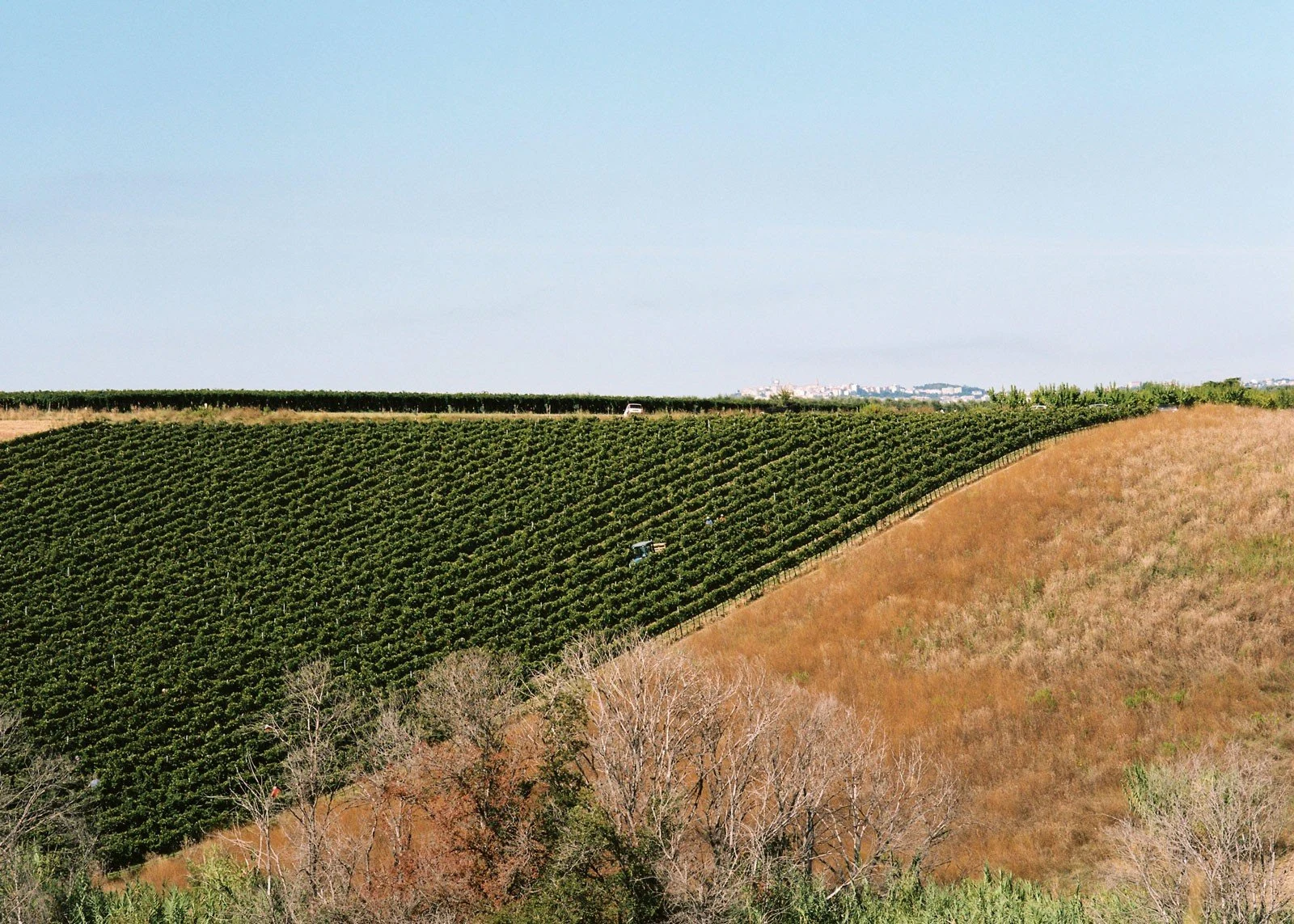
Organic Molise fruit, selected by hand
- Falstaff Winery - 4 Stars · 2026
Manual selection in the Ramitello vines
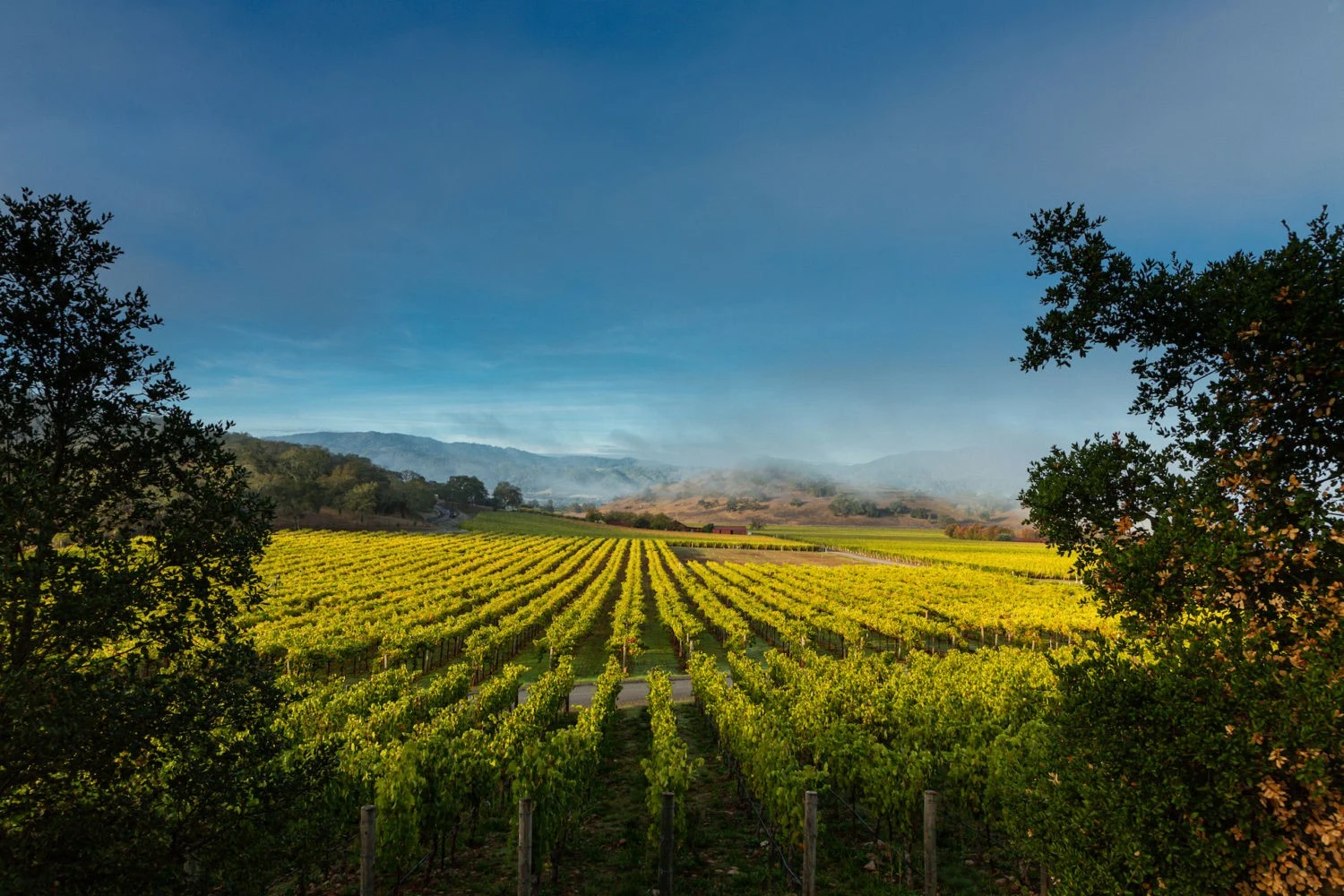
At harvest, the bunches are chosen by hand from the estate vines before Alessio Di Majo, winemaker at Di Majo Norante in Campomarino, carries the decision into the cellar. His role joins ownership with the practical judgments of winegrowing, the kind that begin well before fermentation, in pruning, foliage, yield, and the refusal to let volume flatten character. The estate sits in the Campomarino countryside, in the Ramitello district north of the Gargano promontory, where loose, partly sandy soils and summer breezes give the vineyard its working conditions. Di Majo inherited the commitment to grape growing from his father, Luigi Di Majo, and the family’s wine history reaches back to the 19th century, with old cellars under the town square and in the old family building at Campomarino. At this station, tradition is not nostalgia. It is a method: southern varieties in southern ground, selected for their fit with Molise rather than trained toward a more anonymous polish.
Organic work across three tenute
The program rests on biological and organic viticulture, with the estate describing the practice as biorganic as a way of living. In the vineyards, the work favors manure and non-invasive insect repellents, while grass and flowers remain between the rows to hold a living soil for microorganisms and predator insects. The vines are managed across Tenuta Camarda at 200 meters, Tenuta Cocciolete at 100 meters, and Tenuta Ramitelli at 100 meters, a set of exposures that keeps the farming close to place rather than recipe. The estate grows its own fruit across 123 hectares, with Aglianico, Montepulciano, Sangiovese, Tintilia, Falanghina, Greco, and Moscato Reale among the varieties at the center of the work. For Sangiovese, maceration stays in contact with the skins for approximately one month before complete malolactic fermentation. The cellar uses modern technology, purified estate water for irrigation, and solar power, but the governing discipline remains selection: low yields, manual sorting, and bunches that arrive because they have earned their place.
The Sunday letter
Find new places through the people who run them.
Our Sunday email brings you the chefs, winemakers and hoteliers behind our newest stories. See a sample before you subscribe.
See a sample of the Sunday emailOne email a week. Unsubscribe from any issue.
The cellar and the countryside
The masseria keeps the pace of an agricultural estate rather than a polished tasting machine. Around it, vineyards and countryside set the scale; inside, the cellar work answers to the fruit coming from the tenute. The atmosphere is quiet, with the rustic feel of a family-run Molise property where the method is visible in the land as much as in the glass. This is a winery of red, white, rosé, sparkling, and dessert wines, but the through-line is narrower than the range suggests: preserving the Mediterranean accent of the grapes, the edges and textures that would be easier to smooth away. Ramitello and Aglianico Contado Riserva 2011 sit close to Di Majo’s signature, not as trophies, but as names that keep returning to the same question of soil, vine, and restraint at Di Majo Norante.
Questions
Frequently asked
What kind of place is Di Majo Norante?
Di Majo Norante is a winery in the Campomarino countryside, in the Ramitello district north of the Gargano promontory. It works as a family-run Molise estate, with vineyards, cellar work, and tasting set within an agricultural property rather than a polished hospitality venue.
Who makes the wine here?
Alessio Di Majo is the winemaker at Di Majo Norante and carries the decisions from the vineyard into the cellar. The family’s wine history at Campomarino reaches back to the 19th century, and the commitment to grape growing was inherited from his father, Luigi Di Majo.
How are the vineyards farmed?
The estate works with biological and organic viticulture, described by the winery as biorganic. In the vines, the work uses manure and non-invasive insect repellents, while grass and flowers are kept between the rows to support living soil, microorganisms, and predator insects.
What grapes and wines are central to the estate?
Di Majo Norante grows its own fruit across 123 hectares, with Aglianico, Montepulciano, Sangiovese, Tintilia, Falanghina, Greco, and Moscato Reale among the main varieties. The winery makes red, white, rosé, sparkling, and dessert wines.
Should a visit be booked in advance, and is there parking?
Reservation is recommended, and there is on-site parking available.
The field
How it compares
| Place | Notes | Awards |
|---|---|---|
| Di Majo Norante | Contrada Ramitello / Campomarino countryside, $$ | · |
| Ata Rangi | Martinborough | World's 50 Best |
| Borgo di Colloredo | Campomarino | · |
| Château Les Carmes Haut-Brion | Bordeaux | · |
| Domaine François Raveneau | Chablis | · |
| Screaming Eagle | Napa | · |
| Tenute Martarosa | Campomarino | · |
Similar places

The Sunday letter
Get the next Made By story in your inbox.
We send one email every Sunday morning with the places and people we covered that week.
See a sample of the Sunday emailOne email a week. Unsubscribe from any issue.