- La Liste Top Restaurants: 83pts · 2026
- Michelin Plate · 2026
- Opinionated About Dining Top Restaurants in Europe Highly Recommended · 2026
- The Best Chef Two Knives · 2025
- La Liste Top Restaurants: 85.5pts · 2025
- Opinionated About Dining Top Restaurants in Europe Ranked #175 · 2025
- Michelin Plate · 2025
- Opinionated About Dining Top Restaurants in Europe Ranked #136 · 2024
- Michelin Plate · 2024
- Opinionated About Dining Top New Restaurants in Europe Recommended · 2023
A Late-19th-Century Door and What Lies Behind It
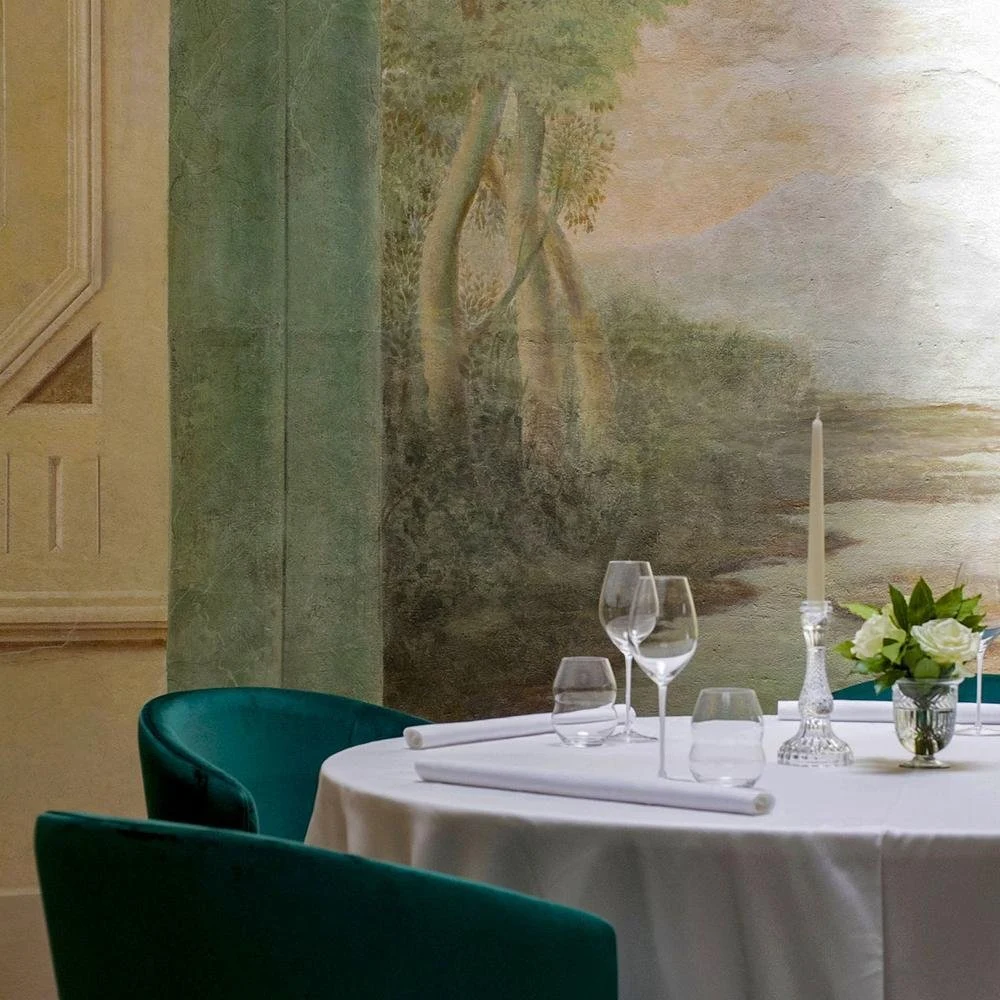
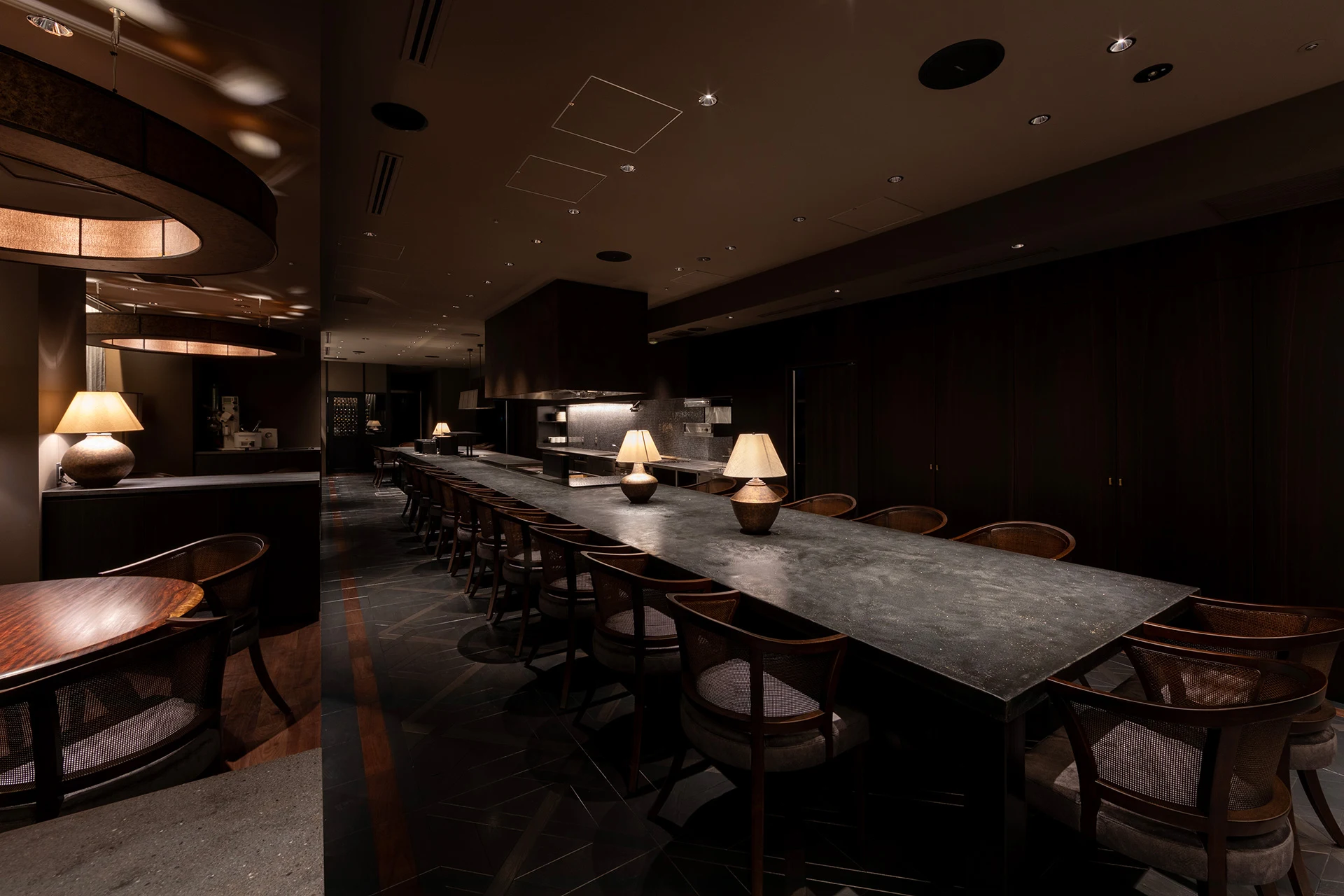
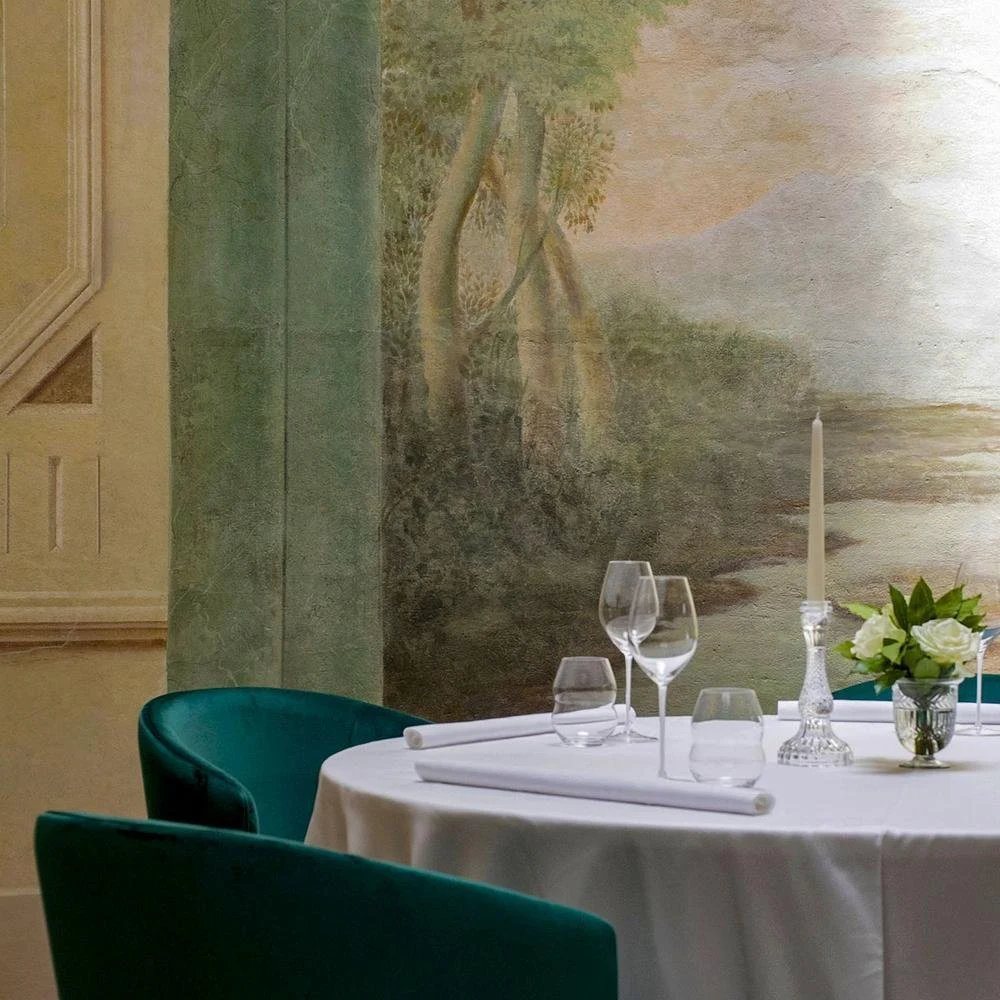
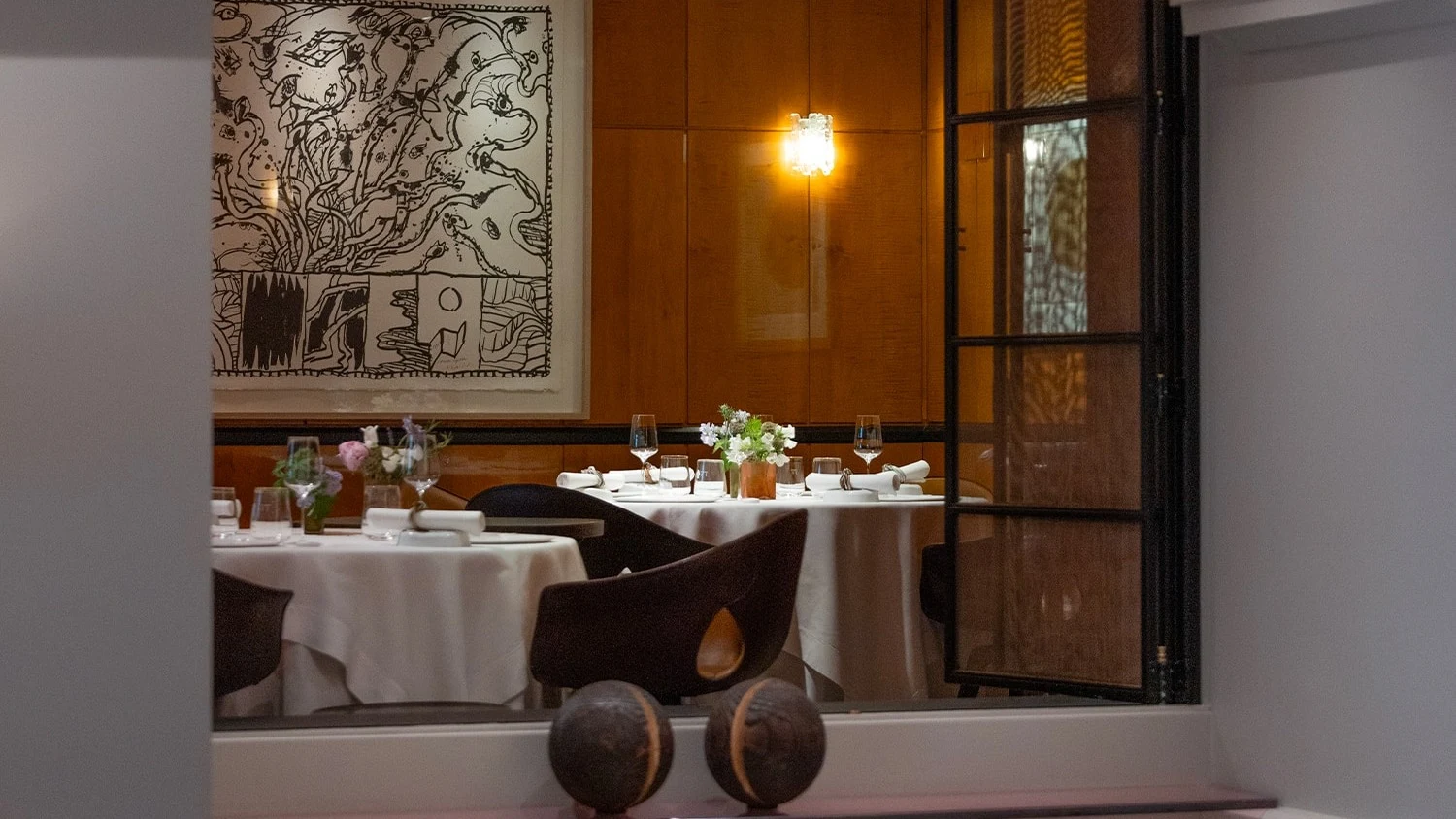
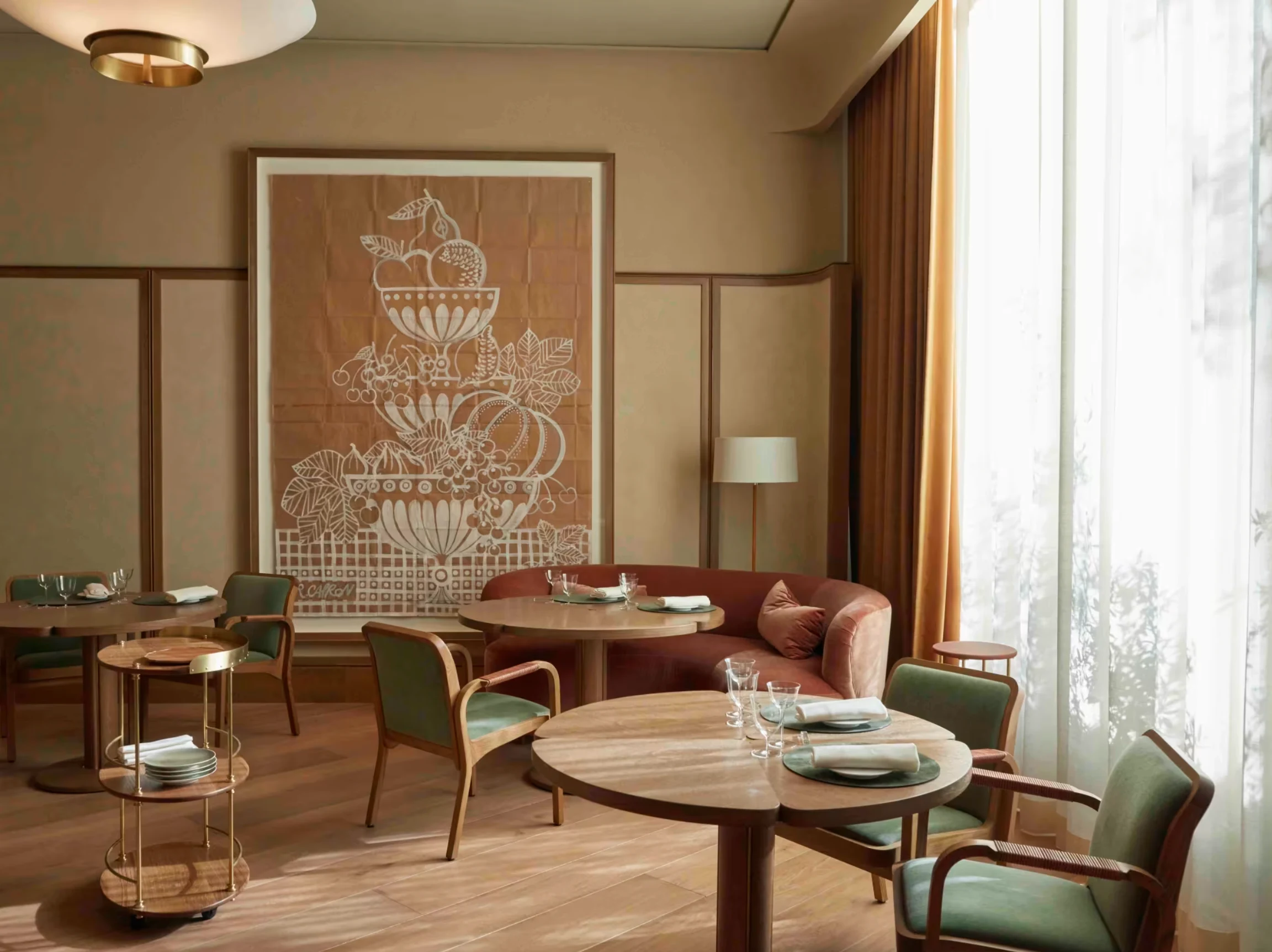
The approach to Dina sets the tone before you sit down. A heavy wooden door, dating from the late nineteenth century, marks the entrance at Via Santa Croce, 1 in Gussago, a small comune in the Brescia hills east of Lago d'Iseo. Step through it and you move through a dark-toned reception area before arriving in one of three dining rooms furnished with antique pieces, most from the 1950s. The layering of centuries here is not decorative coincidence. It reflects a restaurant that positions itself between tradition and progressive cooking, two registers that chef Alberto Gipponi holds in deliberate tension throughout the menu.
Gussago sits outside the circuits that draw international dining tourists to Lombardy, which means Dina operates in a different register than the city-facing addresses in Milan or the Franciacorta wine belt nearby. That geographic remove has arguably sharpened its identity. The restaurant is not competing for passing trade. Its recognition on the Opinionated About Dining Europe rankings, where it placed at #136 in 2024 and #175 in 2025, and its La Liste score of 85.5 points in 2025, confirm a sustained critical presence built without the amplification of a major urban address.
The Sunday letter
Find new places through the people who run them.
Our Sunday email brings you the chefs, winemakers and hoteliers behind our newest stories. See a sample before you subscribe.
See a sample of the Sunday emailOne email a week. Unsubscribe from any issue.
Alberto Gipponi and the Progressive Tradition in Northern Italy
Northern Italy's contemporary fine dining scene has developed two broad tendencies in the past decade. One strand reaches back into regional larder and technique, refining vernacular dishes into high-precision expressions. The other uses Italian product as raw material for more conceptual work, drawing on acidity, fermentation, and unexpected botanical references. Gipponi's cooking at Dina belongs to the second tendency, and his positioning within that strand is what the critical rankings are responding to.
Italy's most decorated progressive kitchens operate at price points and under institutional recognition that creates a clear upper tier: Osteria Francescana in Modena, Le Calandre in Rubano, Piazza Duomo in Alba. These are three-Michelin-star operations at the €€€€ price tier, drawing on decades of accumulated prestige. Dina is priced at €€€ and carries a Michelin Plate rather than stars, which places it structurally in a different bracket. What is editorially interesting is how closely the OAD rankings bring it toward that upper cohort despite those distinctions. Placement at #136 in Europe in 2024 is not a gap-filler position; it is a signal that the cooking is resonating with the expert critic community regardless of the institutional tier the restaurant occupies.
That gap between Michelin recognition and OAD ranking is worth noting as a broader pattern in contemporary European fine dining. OAD weights survey responses from frequent high-level diners rather than anonymous inspectors applying a codified checklist, which means it can surface restaurants where the cooking is unconventional or the format does not map cleanly onto the starred-restaurant template. Gipponi's approach at Dina appears to fall into that category. The guinea fowl with lemon and gentian, referenced in Michelin's own entry, illustrates a palate oriented toward soft textures and precise, slightly unexpected acidity: gentian is a bitter alpine root used in digestifs and amari, not a conventional pairing partner for poultry. That kind of compositional logic is more likely to energise OAD's respondent base than to accumulate Michelin stars, which historically reward consistency, luxury product, and technical polish.
For comparable progressive kitchens worth benchmarking against Dina, Reale in Castel di Sangro and Uliassi in Senigallia represent two other Italian addresses that have built reputations in non-metropolitan settings. Outside Italy, Atelier Moessmer Norbert Niederkofler in Brunico shows how alpine product and rigorous creativity can anchor a destination-dining argument far from any major city.
Two Menus, One Underlying Logic
Dina runs two tasting menus simultaneously: one described as classic in orientation, one more creative. That dual structure is a practical device as much as a culinary one. It allows the kitchen to speak to diners who want a legible reference to Italian tradition alongside those who are specifically there for Gipponi's more experimental register. Many Italian fine dining restaurants in the €€€ tier face this tension and resolve it in different ways. Running two menus in parallel rather than forcing a single direction on every table is a coherent solution, though it requires a kitchen confident enough in both modes to execute them at the same service.
The sommelier operation is an active part of the experience. Michelin specifically noted a wine recommendation from the Val Brembana, a valley in the Bergamo Alps producing Riesling at altitude, as particularly strong. That reference matters because Val Brembana Riesling sits well outside the standard Lombardy wine conversation, which defaults to Franciacorta sparkling, Lugana whites, and the reds of Valtellina. Steering toward it suggests a wine program with genuine regional depth rather than the expected luxury-label anchors.
Gussago in Context
The Brescia province does not draw the same fine dining attention as Bergamo or the Lago di Garda circuit, which works in the favour of those who make the trip specifically for Dina. The restaurant sits in a town of around sixteen thousand people, reachable from Brescia city in under fifteen minutes by car. The address on Via Santa Croce places it in an older part of Gussago where the built fabric is historic and pedestrian in scale, which gives the restaurant's entrance its understated quality. There is no signage designed to catch passing attention.
Brescia itself is a serious art and archaeology city, and the Franciacorta wine zone begins immediately to the west, offering a logical reason to stay multiple nights in the area rather than treating Dina as a day trip from Milan.
Dina is open for lunch on Monday, Saturday, and Sunday from 12:30 to 2 pm, and for dinner Wednesday through Monday from 8 to 10 pm, with Tuesday as the weekly closure. At €€€ pricing, it sits below the leading bracket of Italian fine dining represented by addresses like Dal Pescatore in Runate, Enoteca Pinchiorri in Florence, or Enrico Bartolini in Milan, which price at €€€€ and carry three Michelin stars. For diners comparing progressive menus at different commitment levels, Quattro Passi in Marina del Cantone and Casa Perbellini 12 Apostoli in Verona represent other Italian contemporaries worth cross-referencing. Internationally, Vespertine in Los Angeles and Destroyer in Los Angeles show how the progressive-contemporary register plays out in a very different culinary culture.
Google reviewers give Dina 4.7 from 260 reviews, a score that holds up well for a restaurant at this price and format in a small Italian town where expectations are specific. The combination of that public score, OAD rankings in consecutive years, and La Liste recognition across both 2025 and 2026 suggests consistent performance rather than a single strong cycle. Consistency at this level, in a location without easy foot traffic, is a harder thing to sustain than it looks from the outside.
Planning Your Visit
The three dining rooms with antique furniture suggest a total capacity that is deliberately modest, and at that scale, the sommelier relationship Michelin describes functions as a genuine service encounter rather than a formulaic recommendation script.
Questions
Frequently asked
Who works at Dina?
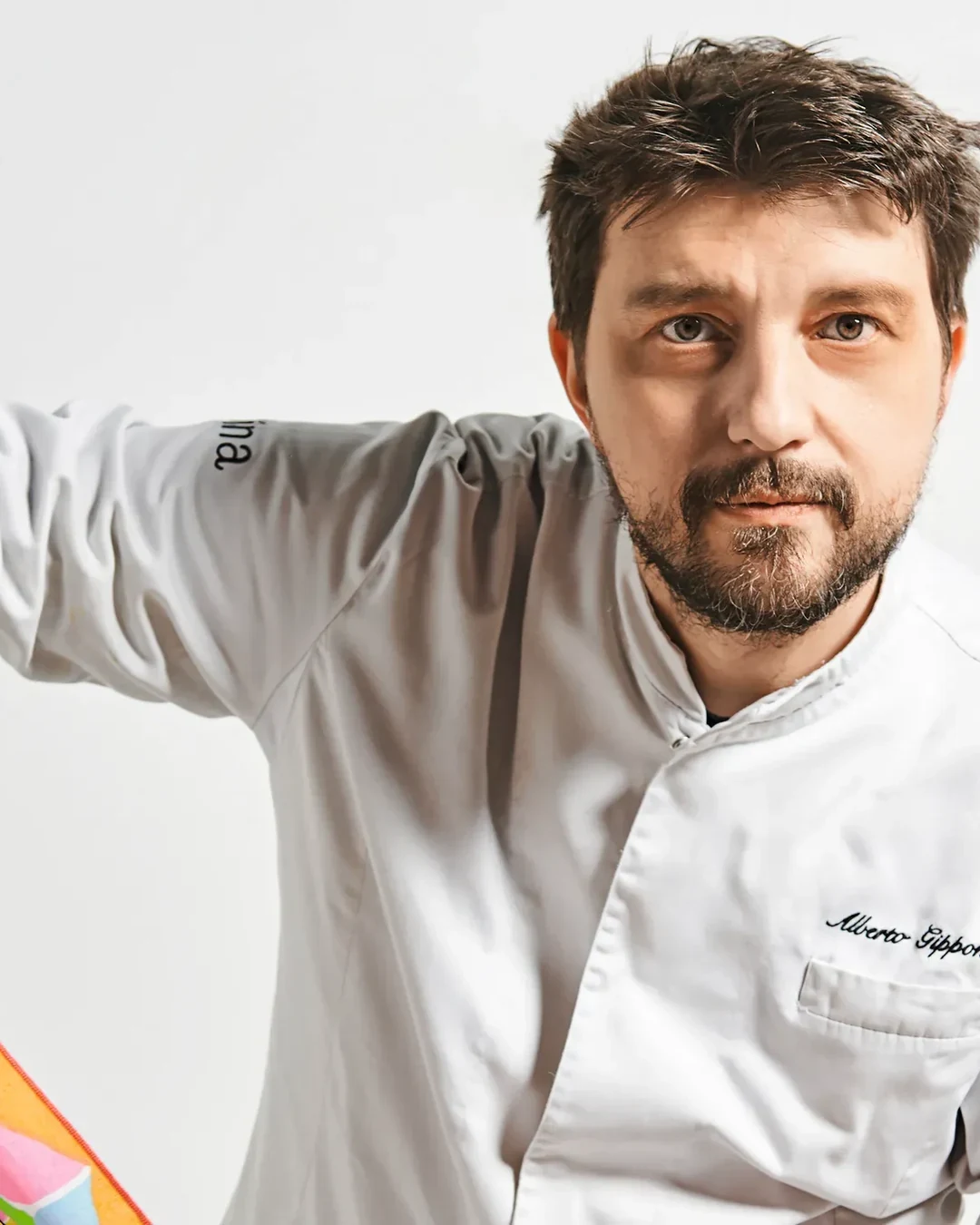
Made By profiles Alberto Gipponi (Chef) at Dina.
How expensive is Dina?
Dina is listed at a price level of $$$.
Where is Dina and what does it serve?
Dina is in Gussago, Gussago, serving Modern Italian Contemporary.
The field
How it compares
| Place | Cuisine | Notes | Awards |
|---|---|---|---|
| Dina | Modern Italian Contemporary | Gussago, $$$ | · |
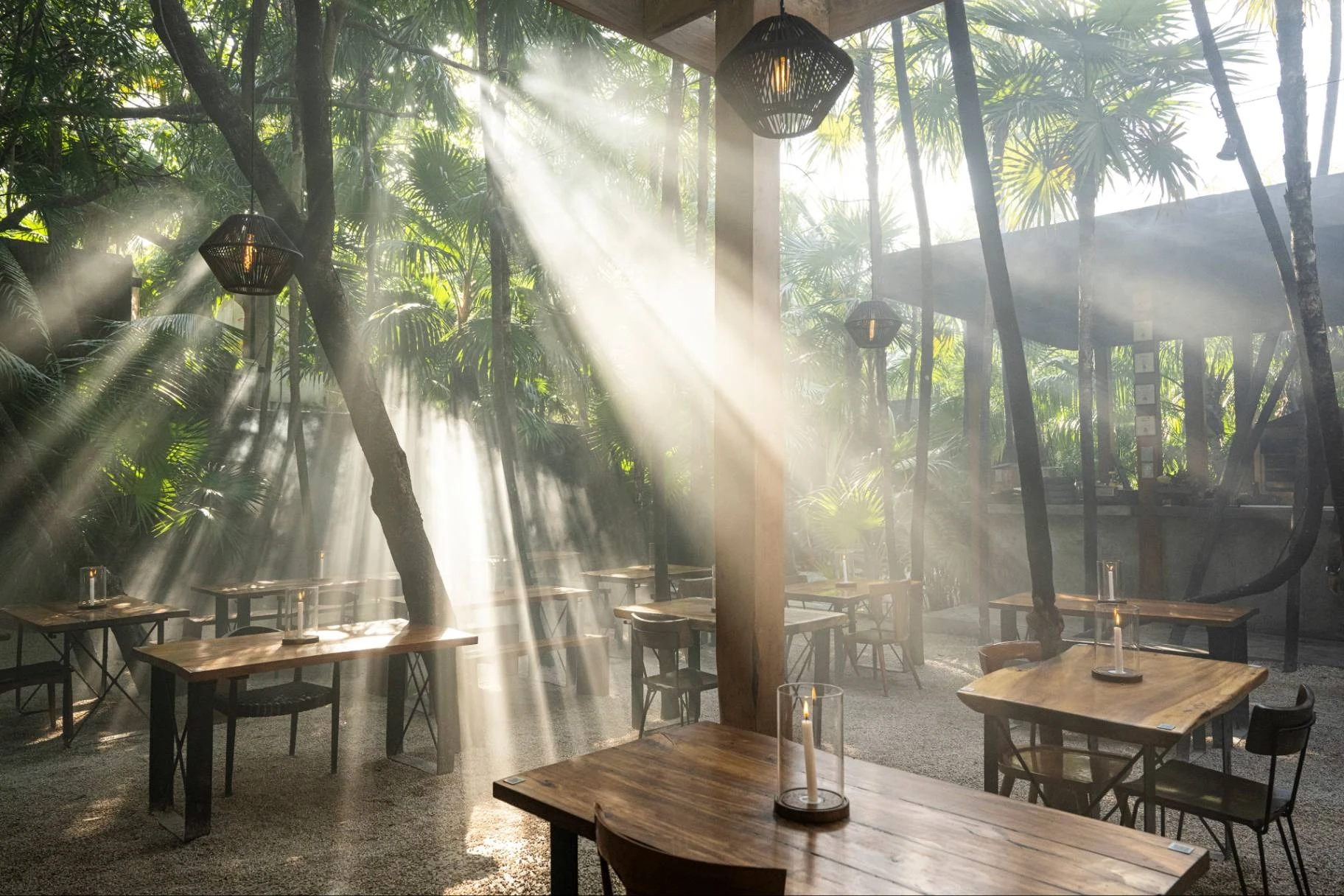
| Arca | Modern Yucatan Fire-Cooked Small Plates | Tulum | World's 50 Best |
| Casa Leali | Modern Italian Contemporary | Puegnago sul Garda | Michelin 1 Star |
| Florilège | Modern French-Japanese Plant-Based Fine Dining | Tokyo | Michelin 2 Stars, World's 50 Best |
| Impronta d'Acqua | Modern Italian Contemporary | Lavagna | Michelin 1 Star |
| Pierre Gagnaire | Avant-Garde French Fine Dining | Paris | Michelin 3 Stars, World's 50 Best |
| Quince | Modern French Fine Dining | San Francisco | Michelin 3 Stars, World's 50 Best |
In residence
Similar places
Modern Yucatan Fire-Cooked Small Plates
Arca
Tulum, Mexico
50 Best
Modern Italian Contemporary
Casa Leali
Puegnago sul Garda, Italy
★
Modern French-Japanese Plant-Based Fine Dining
Florilège
Tokyo, Japan
★★ · 50 Best
Modern Italian Contemporary
Impronta d'Acqua
Lavagna, Italy
★
Avant-Garde French Fine Dining
Pierre Gagnaire
Paris, France
★★★ · 50 Best
Modern French Fine Dining
Quince
San Francisco, United States
★★★ · 50 Best
The Sunday letter
Get the next Made By story in your inbox.
We send one email every Sunday morning with the places and people we covered that week.
See a sample of the Sunday emailOne email a week. Unsubscribe from any issue.