Made ByWinery
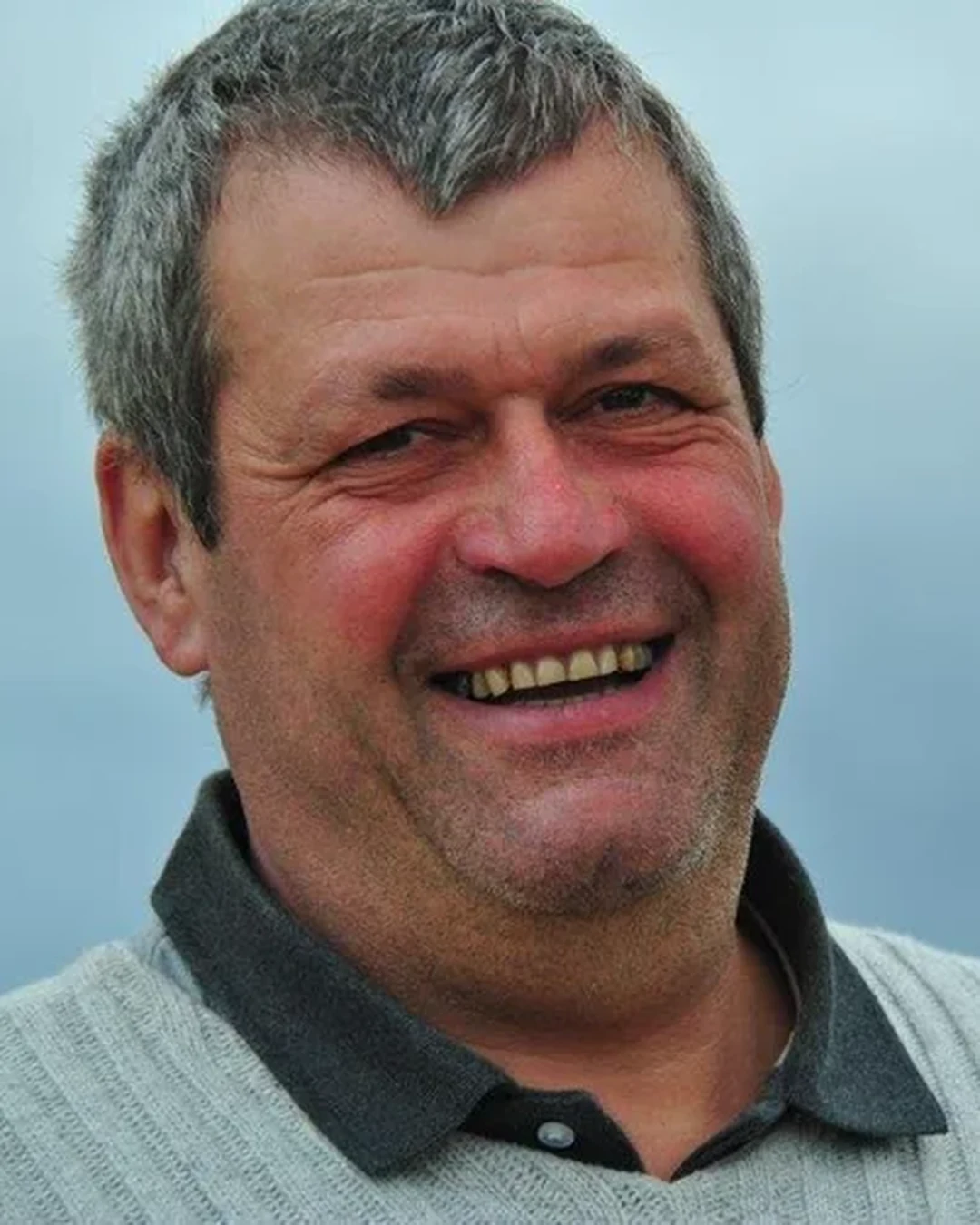

Regis Forey, winemaker at Domaine Forey Père & Fils in Vosne-Romanée, works a family cellar shaped by Pinot Noir.
At a glance
- Price
- $$$$
- Neighborhood
- Vosne-Romanee
Since 1989, the same cellar decisions
Since 1989, the cellar has answered to the same hand. Regis Forey, winemaker at Domaine Forey Père & Fils in Vosne-Romanée, carries both proprietor and cellar work at the family estate. The domaine itself reaches back to 1840, founded by the great-grandfather of the current proprietor, and its name still keeps the Burgundian grammar of father and son in plain view. Jean Forey, Regis’s father, held the preceding generation at the bench and made wines noted for finesse and delicacy. Regis joined the domaine full-time in 1987 and took complete responsibility for winemaking with the 1989 vintage, moving the house toward a more concentrated, structured register without separating that change from the family line. In a village where repetition becomes identity, the role matters because ownership, vineyard reading, and cellar judgment do not sit in different rooms. Forey holds them together.
Ten hectares read by cuvée
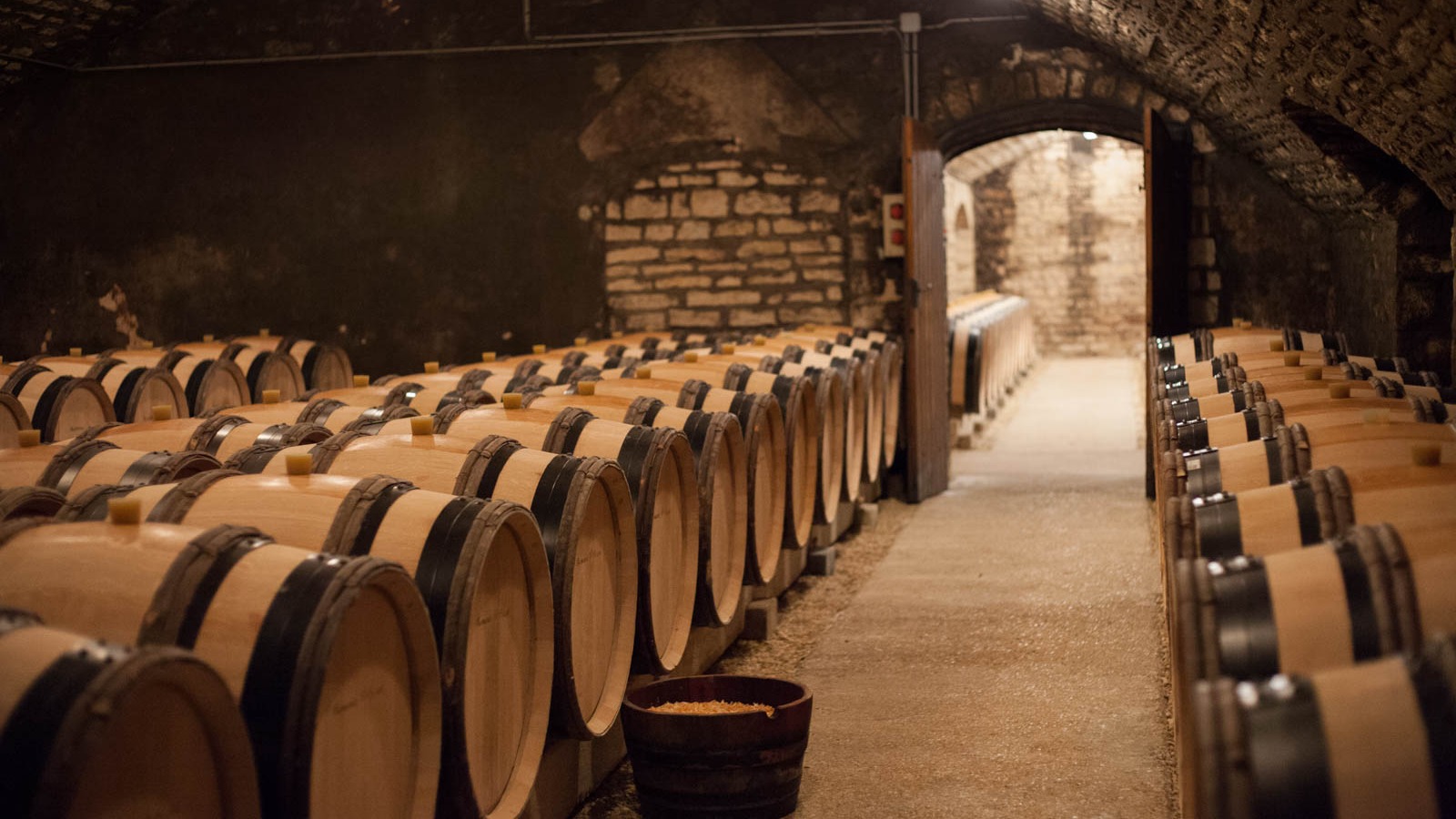
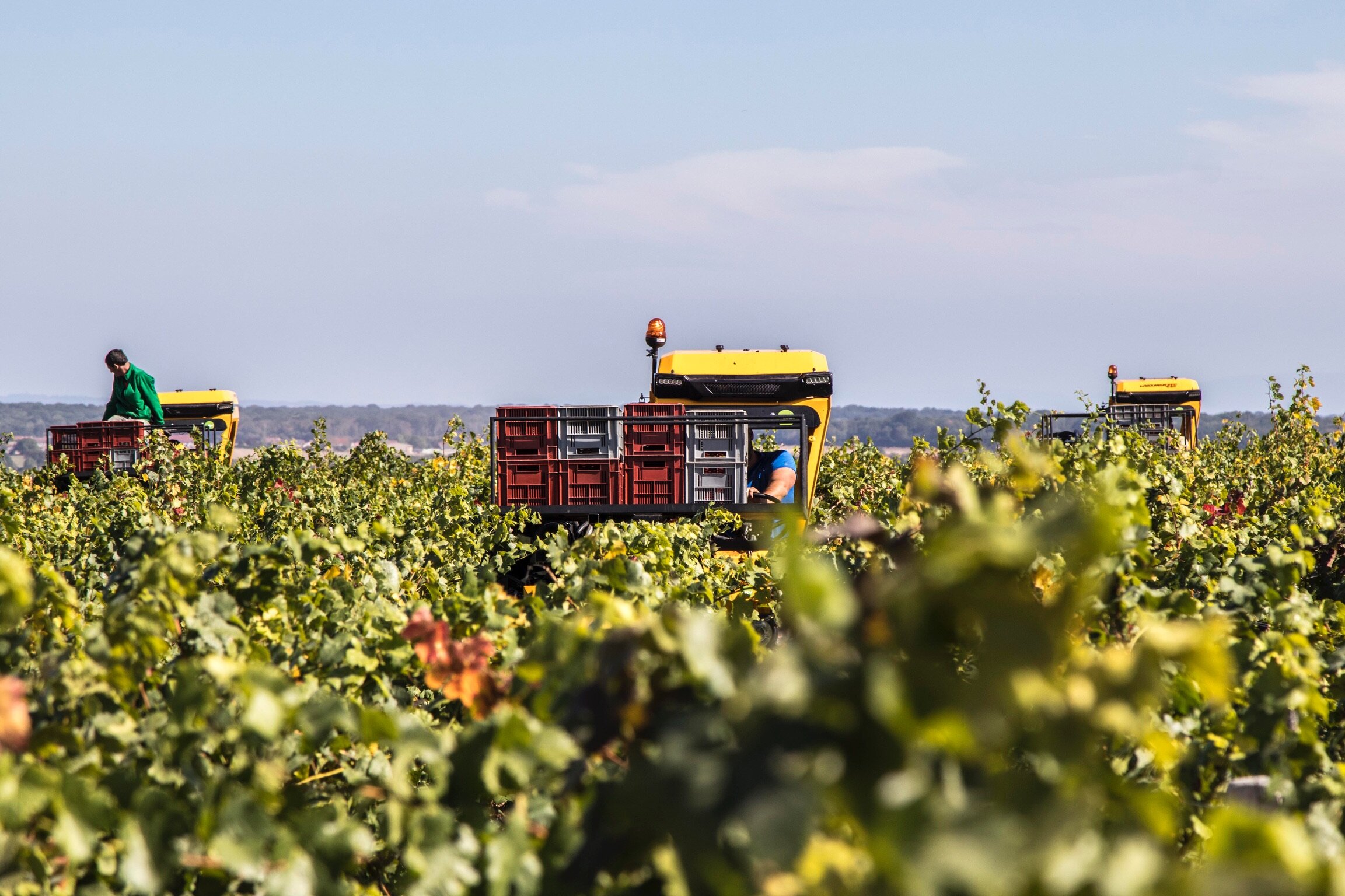
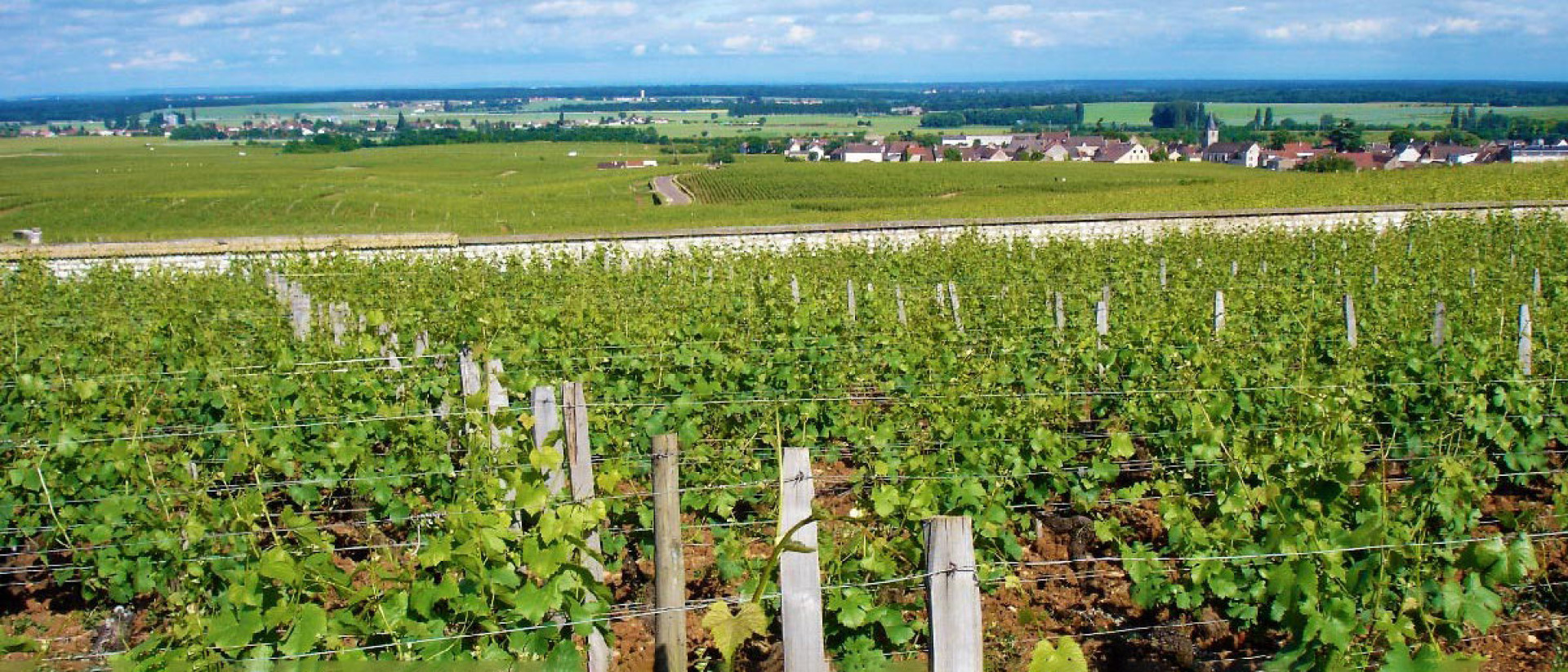
The estate works about 10 hectares, with 5 hectares owned outright and 5 hectares held through fermage and métayage. Its holdings sit principally in Nuits-Saint-Georges, Vosne-Romanée, and Flagey-Echézeaux, with additional ground in Vougeot and Morey-Saint-Denis. Pinot Noir carries the main voice, with Chardonnay present in limited white production. The method stays close to the Burgundian cellar: manual harvest, then a 3–4 day cold maceration before fermentation. Cuvaison usually runs 3–4 weeks, with pigeage used according to the needs of the vintage rather than as a fixed gesture. Malolactic fermentation takes place in barrel. During élevage, Forey racks only once, then bottles unfined and unfiltered. Aging runs 16–20 months in small oak barrels and demi-muids, with 20%–50% new oak depending on the vintage, the structure of the wine, and the volume of each cuvée. Village wines and Bourgogne can see demi-muids; Premier and Grand Cru wines work through smaller barrels. The point is not uniformity. It is keeping each appellation separate enough to speak in its own weight.
Les Gaudichots and the family line
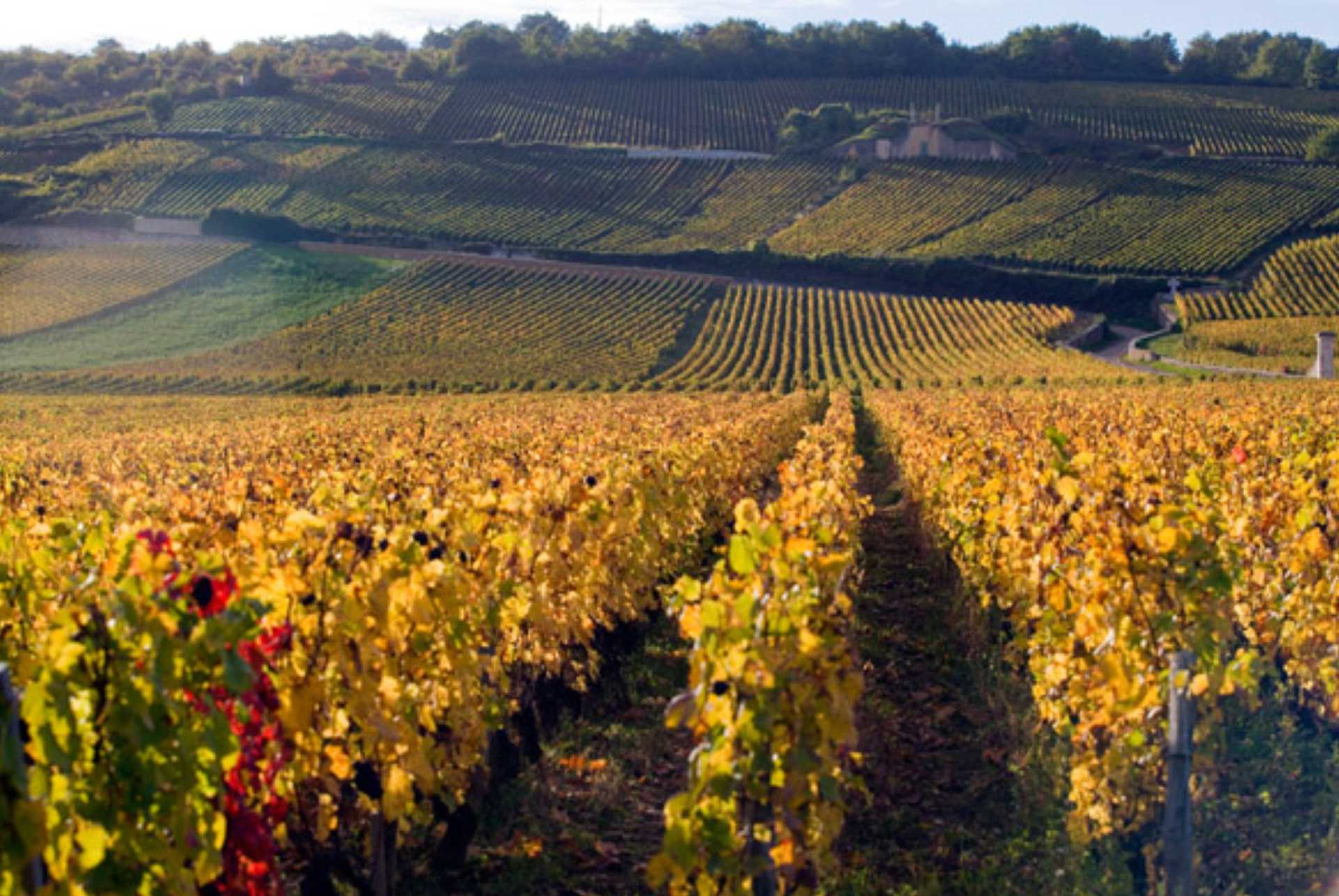
Some of the domaine’s clearest signatures are names of place: Vosne-Romanée 1er Cru Les Gaudichots, Nuits St. Georges Les St. Georges, Clos Vougeot, and Echezeaux. Les Gaudichots carries particular weight here. The Forey family has held its portion for many generations, and the wine was separated from the village blend in 1983. That decision gave the climat its own line in the domaine’s vocabulary, a way of letting a parcel stand without being folded into a broader address. The estate does not blend across appellations; each cuvée remains bottled apart. In Burgundy, that restraint is not cosmetic. It is the discipline that lets a label read as vineyard, not as style alone.
A quiet cellar before a visitor room
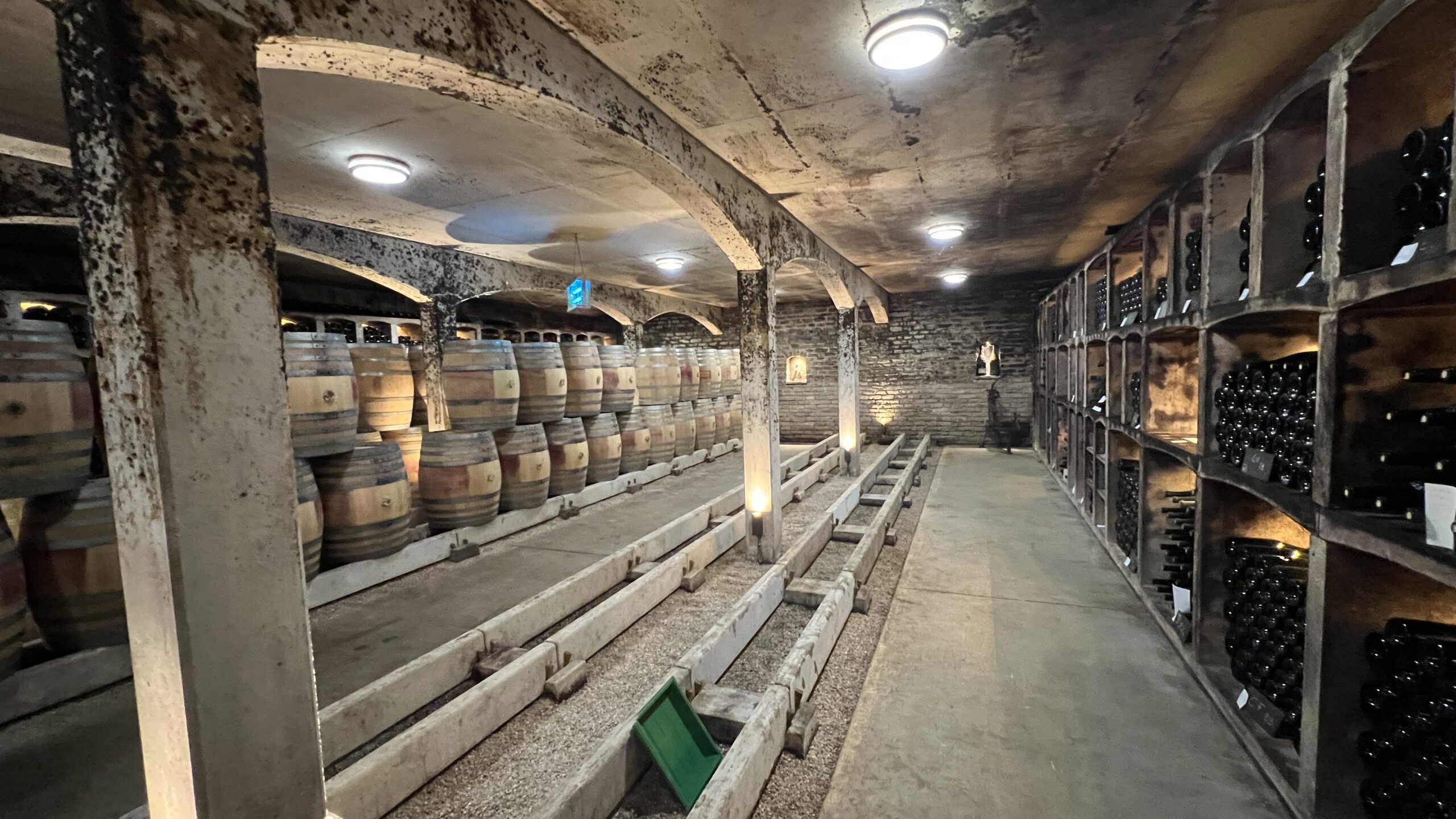
The room around this work is not built as a large visitor facility. It reads as a small family-run Côte de Nuits domaine, with the cellar and vineyard environment taking precedence over polished hospitality. The atmosphere is quiet, traditional, and close to the tasks that make the wines: fruit coming in by hand, barrels carrying malolactic, one racking in the élevage, bottles leaving without fining or filtration. Rosenthal Wine Merchant began working with the domaine in 1982, buying the 1980 vintage for export to the United States, and that long merchant relationship suits the house’s scale. At Domaine Forey Père & Fils, the bottles rather than the reception desk are Les Gaudichots, Clos Vougeot, and Echezeaux.
Know before you go
- Reservations
- appointment_only
Address
Vosne-Romanée, Cote de Nuits, Bourgogne-Franche-Comté, Frankreich
Vosne-Romanee