Organic Rhône fruit, family hands
- Falstaff Winery - Listed · 2026
Since the mid 1990s at the family estate
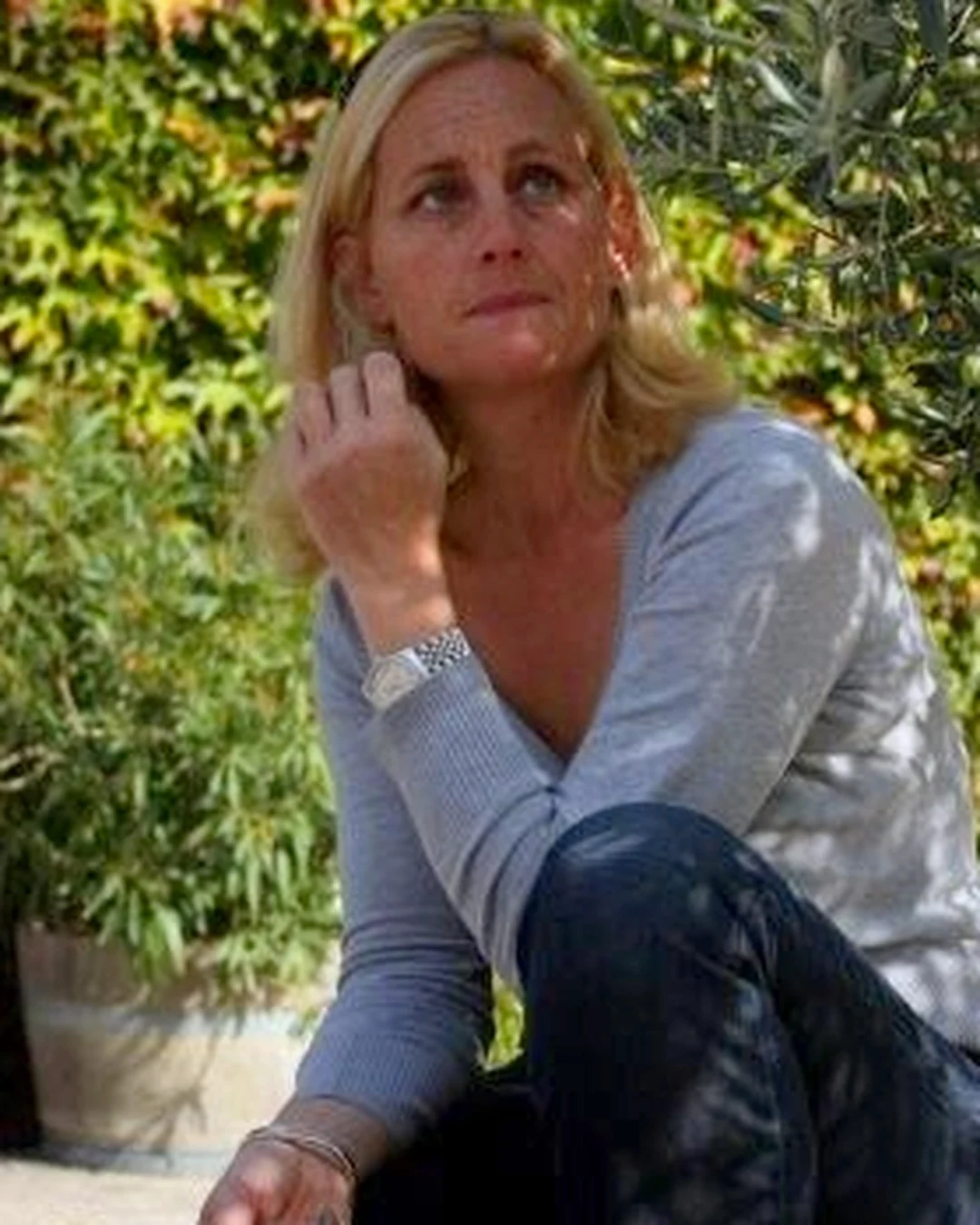
Since 1995, the same family property has set the rhythm of Coralie Goumarre, winemaker at Domaine Galevan in Courthézon. She took over the estate that year, becoming the first woman to take the reins of a domaine founded in 1836 by Jean-François Goumarre and held by the Goumarre family across nine generations. The work is not framed here as rupture. It is stewardship, carried through vineyard decisions, cellar judgment, and the steady discipline of keeping a family name attached to its own fruit.
Before Coralie, the estate passed through the hands of Jean-Pierre and Pierrette, with earlier marks left by Eloi and Jean-François. That lineage matters because Domaine Galevan did not begin as a brand built for the tasting room. Until 1968, the estate sold wine to négociants rather than bottling under its own name, a common Southern Rhône pattern for growers whose value sat first in land, vines, and labor. Coralie’s tenure belongs to the later chapter, the independent vigneron chapter, where the family estate speaks through its own labels and its own caveau.
Organic Rhône fruit across the appellations
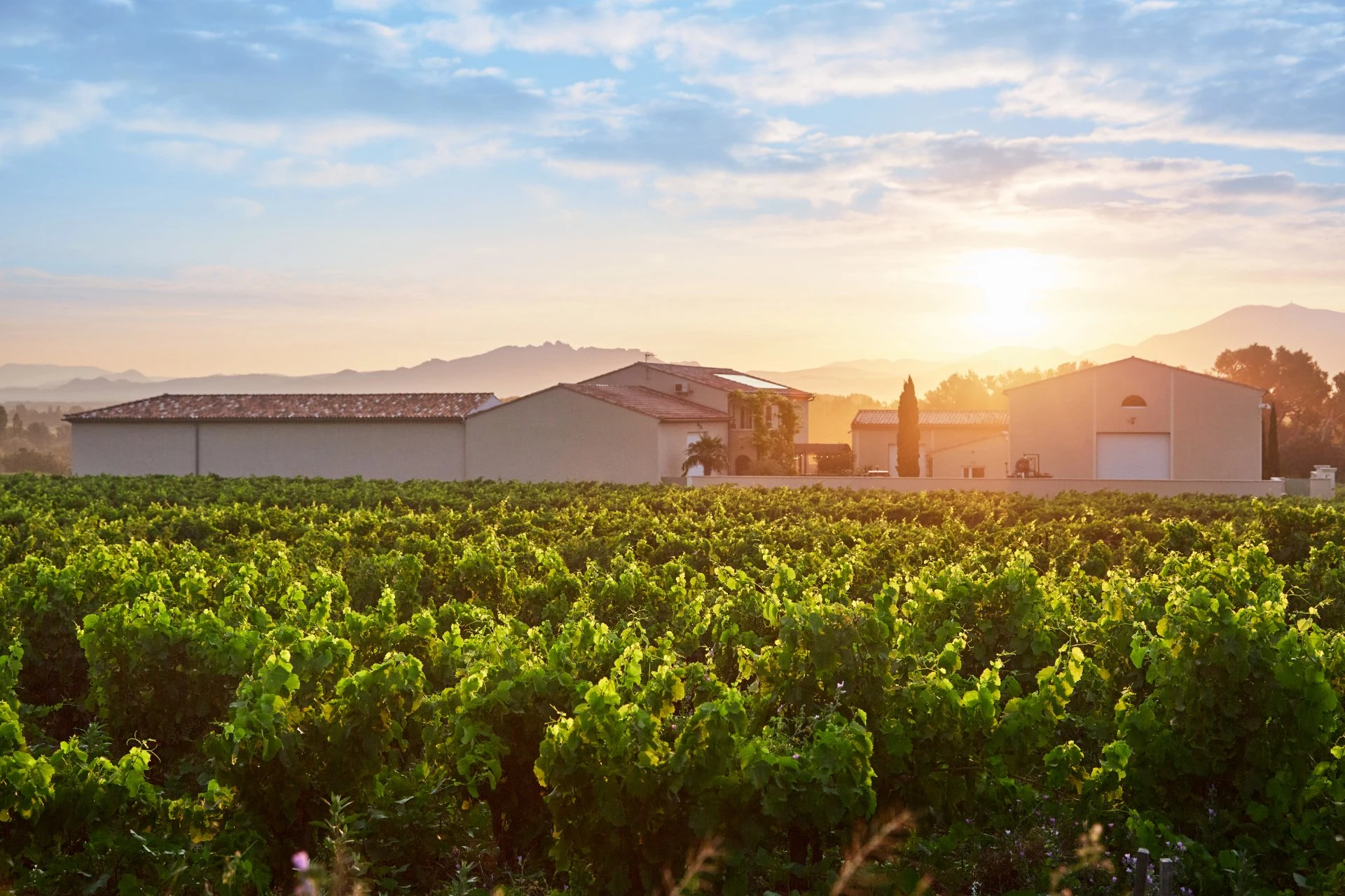
The method begins in a vineyard of about 60 hectares, farmed organically and spread through Châteauneuf-du-Pape AOC, Côtes du Rhône Villages AOC, Côtes du Rhône AOC, IGP Méditerranée, IGP Vaucluse, and Vin de France. The estate earned Agriculture Biologique certification in 2011, and Coralie works from estate fruit across a broad Rhône register rather than building a cellar around purchased grapes.
The plantings carry the Southern Rhône vocabulary in full voice: Grenache noir, Mourvèdre, Syrah, Carignan, Cinsaut, Clairette, Roussanne, Marsanne, Cabernet Sauvignon, and Bourboulenc. In Châteauneuf-du-Pape, Domaine Galevan holds 2 hectares, with 1.5 hectares given to red wine production. The red Châteauneuf-du-Pape is built on 90% Grenache and 10% Mourvèdre, with the fruit completely destemmed. The white draws on 80% Grenache Blanc with Roussanne, Bourboulenc, and Clairette. Puy Saint Martin and Aureus sit among Coralie’s named signatures, part of a portfolio that moves between red, white, and rosé without losing the estate’s organic line.
The caveau at the center of the property
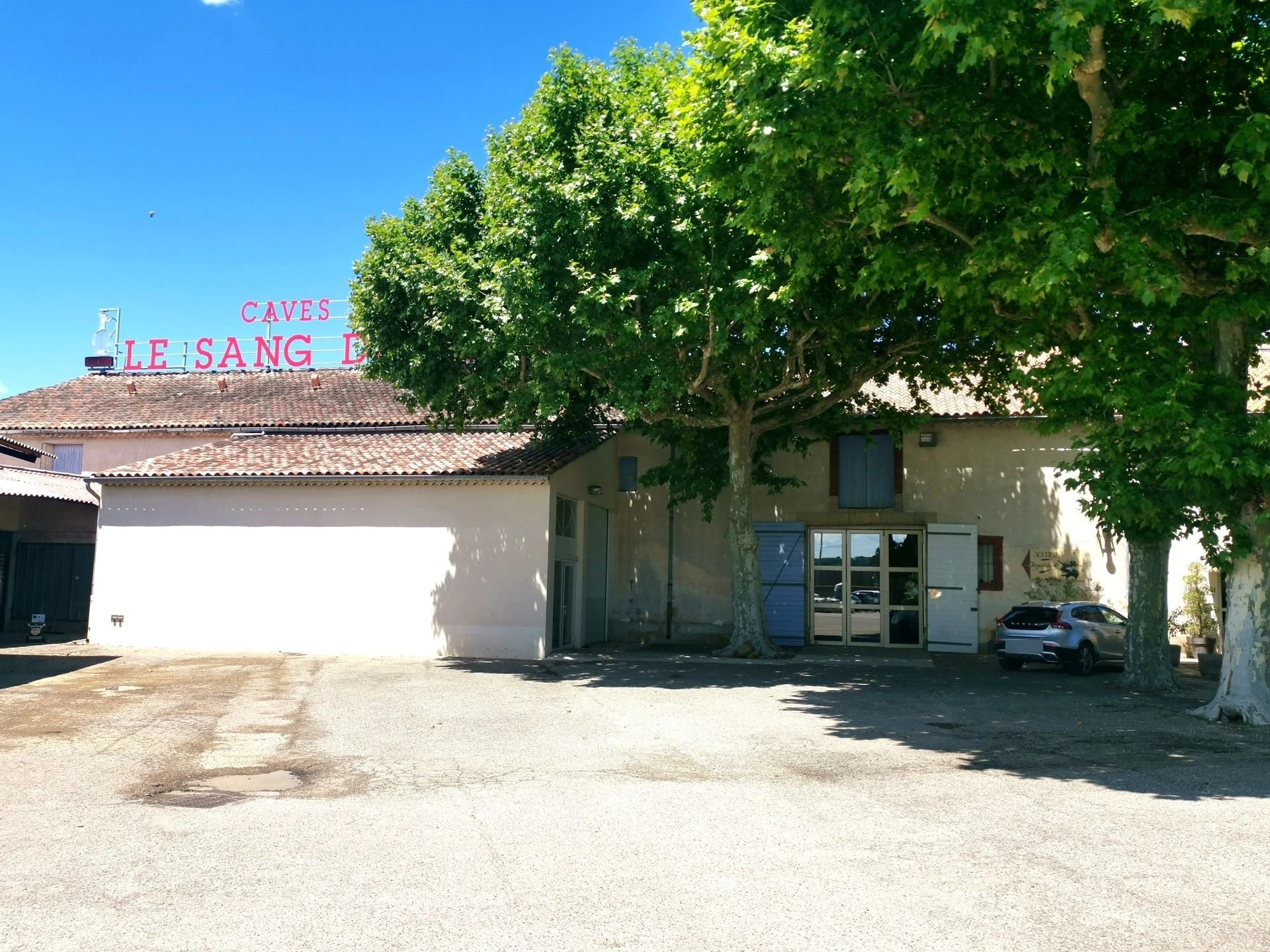
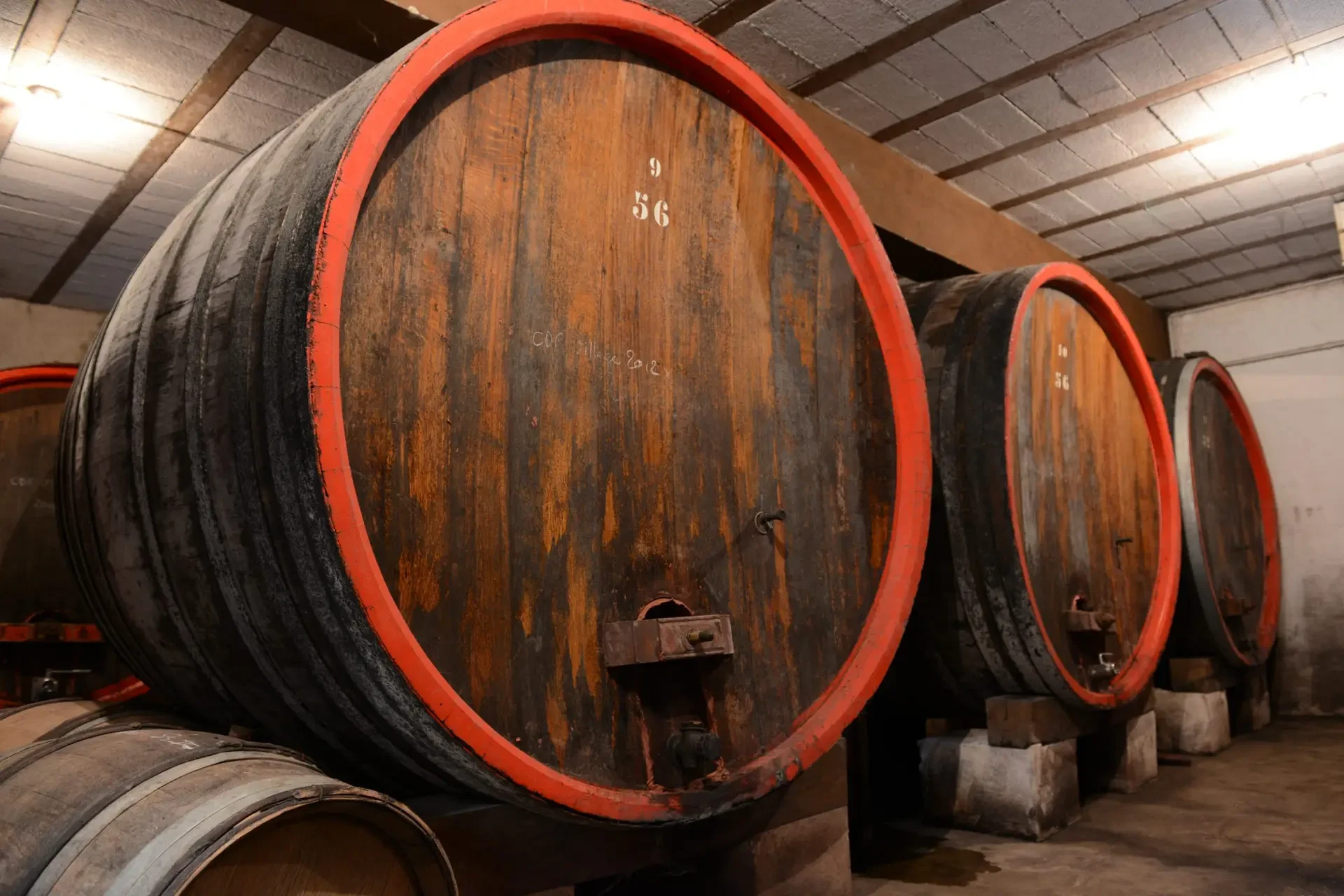
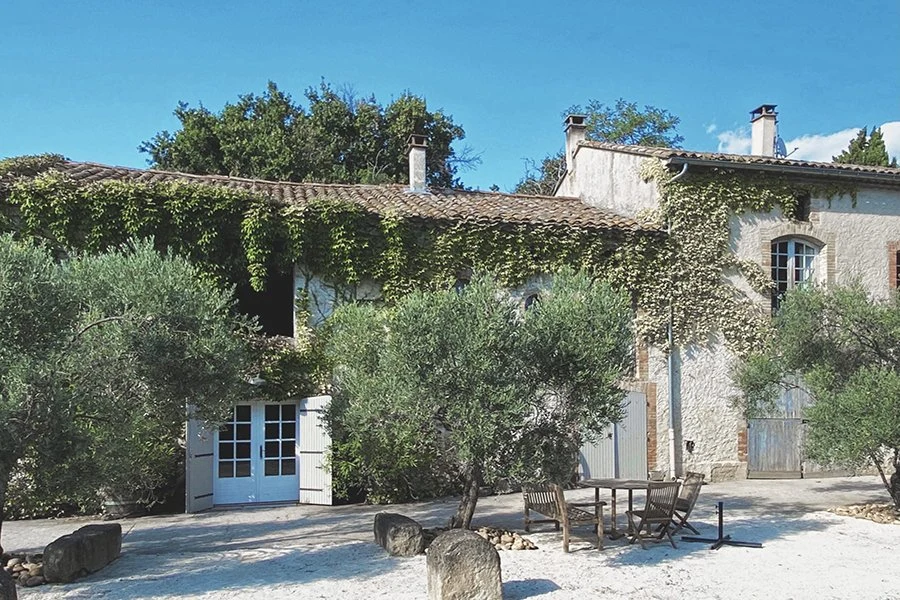
The caveau sits within the estate rather than apart from it, close to the cellar and the 60 hectares that feed it. The room is built for conversation more than spectacle: a guided glass, a question about vinification, a turn toward aging, then the next cuvée. Tastings often move with boards of charcuterie, cheeses, and seasonal vegetables, not as ornament but as a way of reading texture, salt, fruit, and tannin at the table.
There is a family scale to the welcome. The caveau keeps the experience close, with tours and tastings held for a maximum of 15 persons, and the tone stays instructive without becoming formal. Outside, the vineyard estate gives the tasting room its ground. Inside, Coralie’s work is measured in Grenache, Mourvèdre, Clairette, and the patience required to keep Domaine Galevan recognizably itself.
Questions
Frequently asked
Who makes the wine at Domaine Galevan?
Coralie Goumarre has run the family estate since 1995 and is the first woman to take the reins of Domaine Galevan, which has stayed in the Goumarre family for nine generations.
What kind of vineyard work does the estate do?
Domaine Galevan farms about 60 hectares organically across Châteauneuf-du-Pape AOC, Côtes du Rhône Villages AOC, Côtes du Rhône AOC, IGP Méditerranée, IGP Vaucluse, and Vin de France, and it has held Agriculture Biologique certification since 2011.
What is the tasting room like?
The caveau sits on the estate near the cellar and is set up for guided tastings and conversation rather than spectacle, often with charcuterie, cheeses, and seasonal vegetables.
How many people can visit at once, and is booking advised?
Tours and tastings are held for a maximum of 15 people, and reservation is recommended.
The field
How it compares
| Place | Notes |
|---|---|
| Domaine Galevan | $$ |
| Caves Jamet | Courthézon |
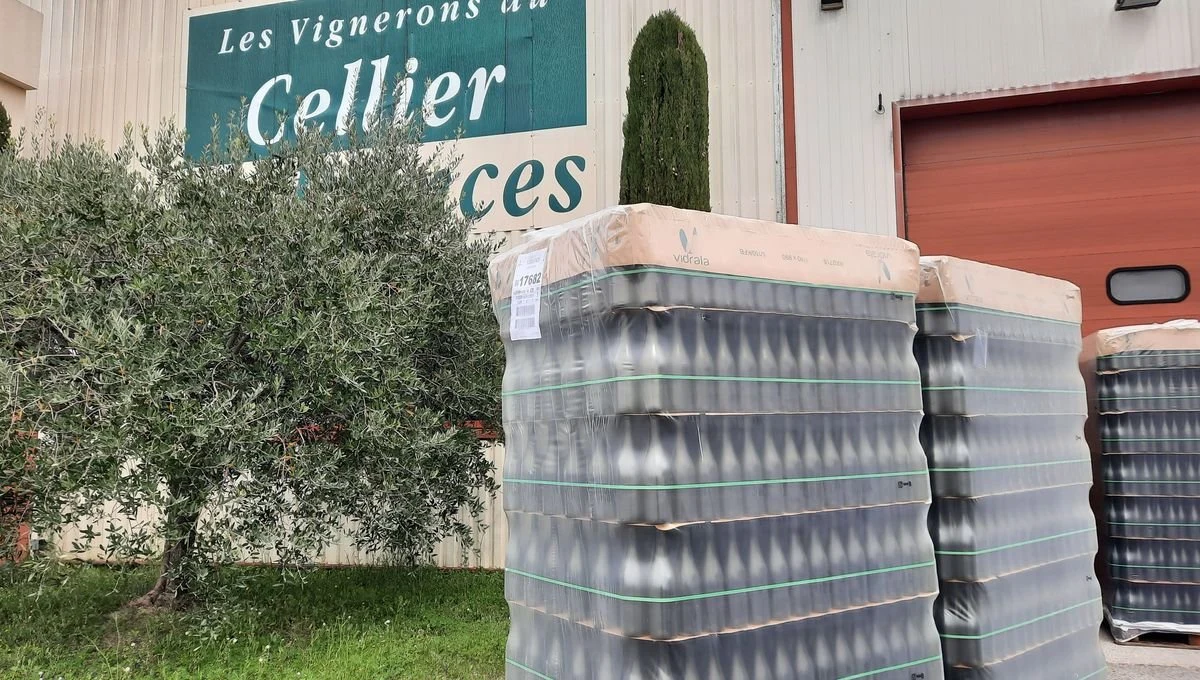
| Cellier des Princes | Courthézon |
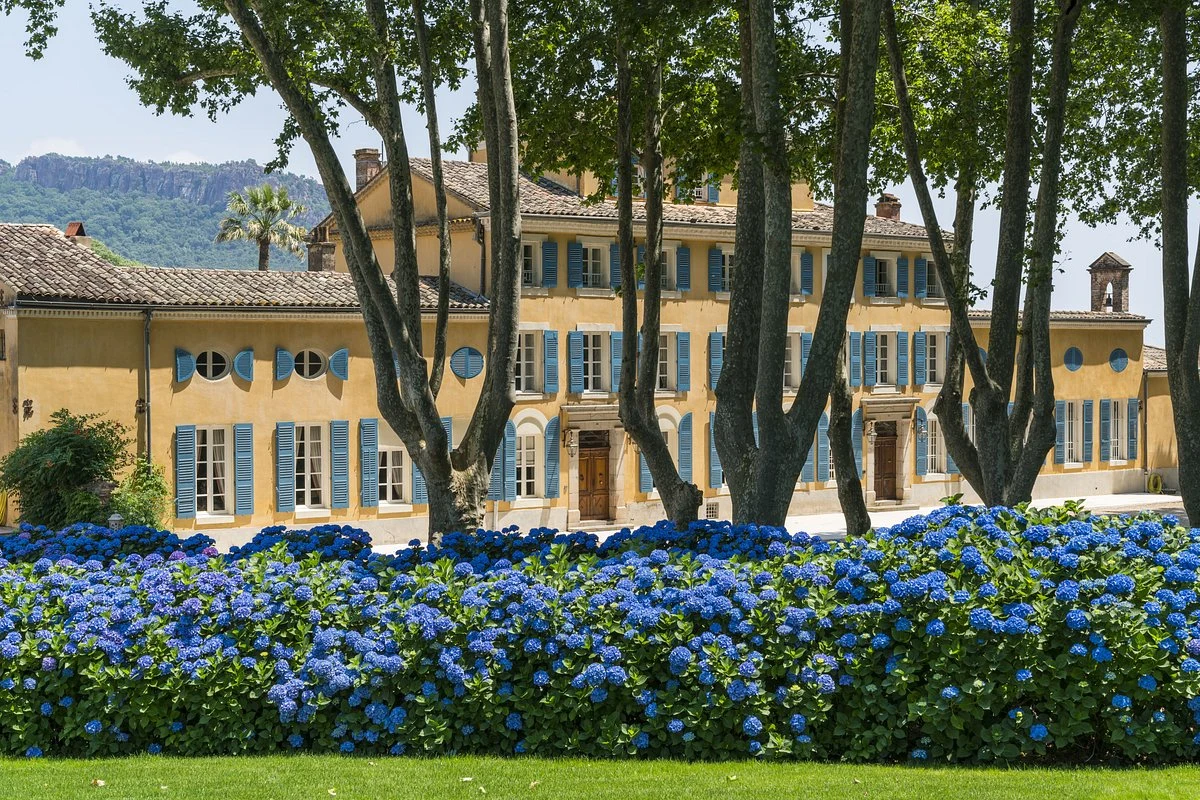
| Château d'Esclans | Courthézon |
| Domaine de la Janasse | Courthézon |
| Domaine des Saumades | Courthézon |
| Le Jas des Papes | Courthézon |