Made ByWinery
Domaine Jean-Claude Fourrier
Chef in Residence
Jean-Marie Fourrier
Winemaker
- 01CityGevrey-Chambertin, France

Jean-Marie Fourrier, winemaker at Domaine Jean-Claude Fourrier in Gevrey-Chambertin, brings old-vine Pinot Noir and cellar restraint to his work.
At a glance
- Price
- $$$$
- Neighborhood
- Gevrey-Chambertin
Fruit chosen before the cellar
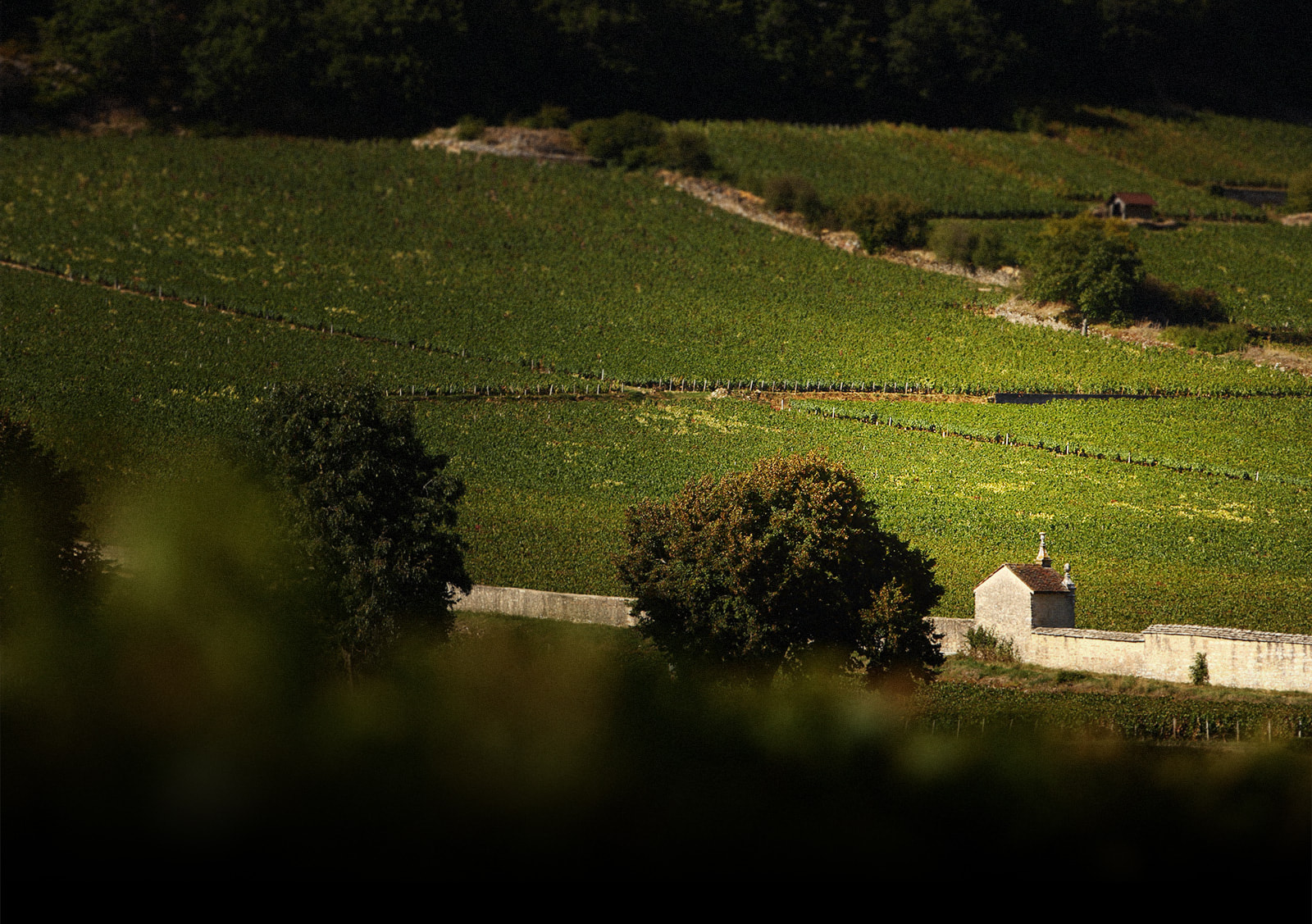
At the vine, Jean-Marie Fourrier, winemaker at Domaine Jean-Claude Fourrier in Gevrey-Chambertin, makes the first cut before the fruit reaches the cellar. Selection begins outside, not at a sorting table, because he wants to keep oxidation out of the picking process. The discipline suits a house where inheritance has to earn its place through farming, timing, and restraint.
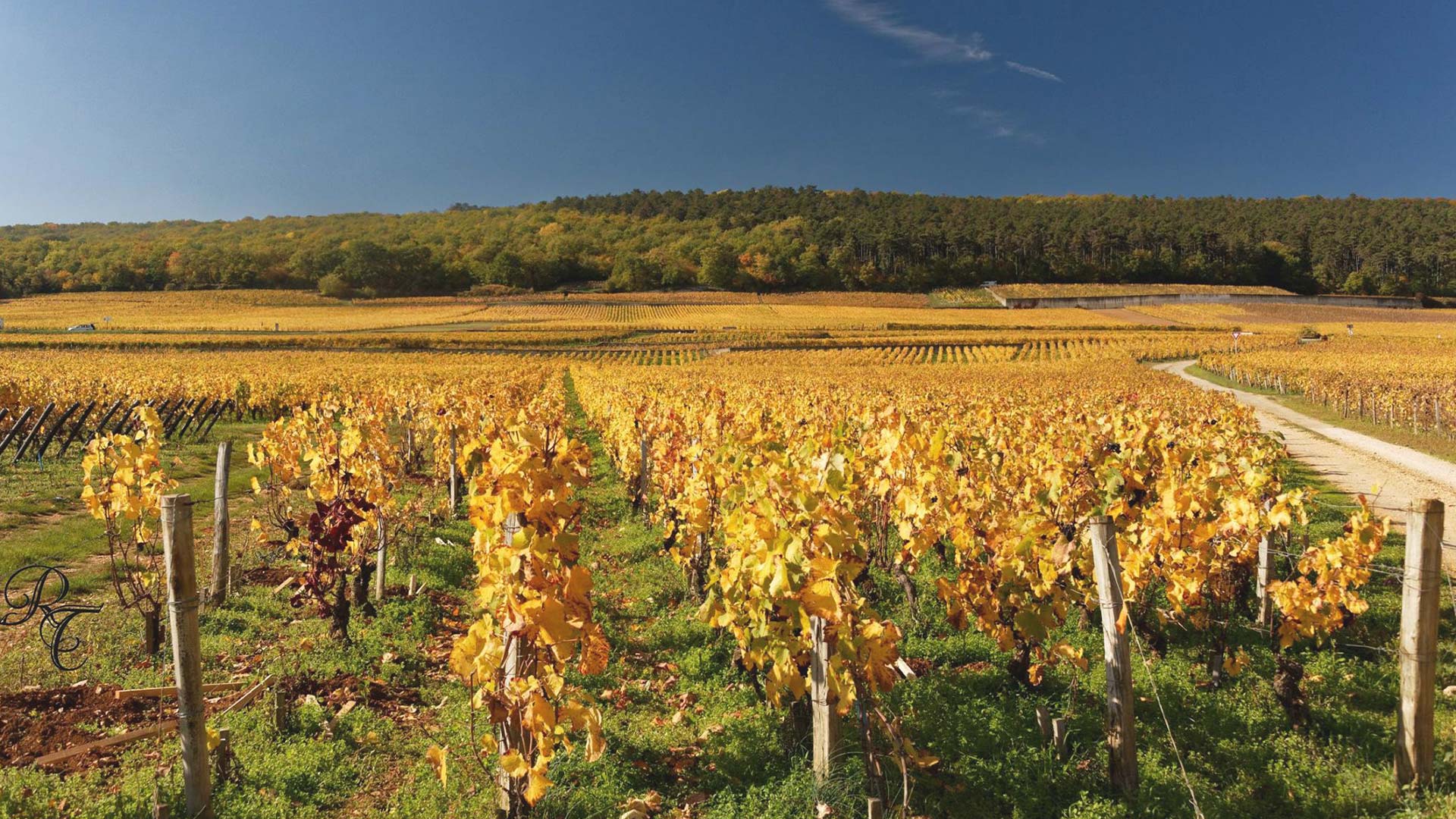
Fourrier has led the family domaine since 1994, after formal study at University of Dijon, apprentice work with Henry Jayer in Vosne-Romanée in the late 1980s, and winemaking work at Domaine Drouhin in Oregon. Those stations matter here because they did not pull him away from Gevrey-Chambertin; they narrowed the question he asks of it. The domaine works about 10 hectares of estate vineyards, with low yields around 35 hl/ha, and retains only fruit from vines older than 30 years for the domaine wines. Griotte-Chambertin and Clos St. Jacques come from vines planted between 1902 and 1910, which gives the cellar concentration before extraction is asked to do anything.
Concrete tanks and a light hand
The cellar method follows the same refusal of force. The fruit is destemmed, with 50% crushed to begin cold maceration in predominantly concrete tanks coated with ceramic paint. That cold maceration lasts approximately six days, with around four automatic punch-downs per day and no pumping over. Fermentation proceeds with indigenous yeasts, and malolactic fermentation is allowed to move slowly and naturally.
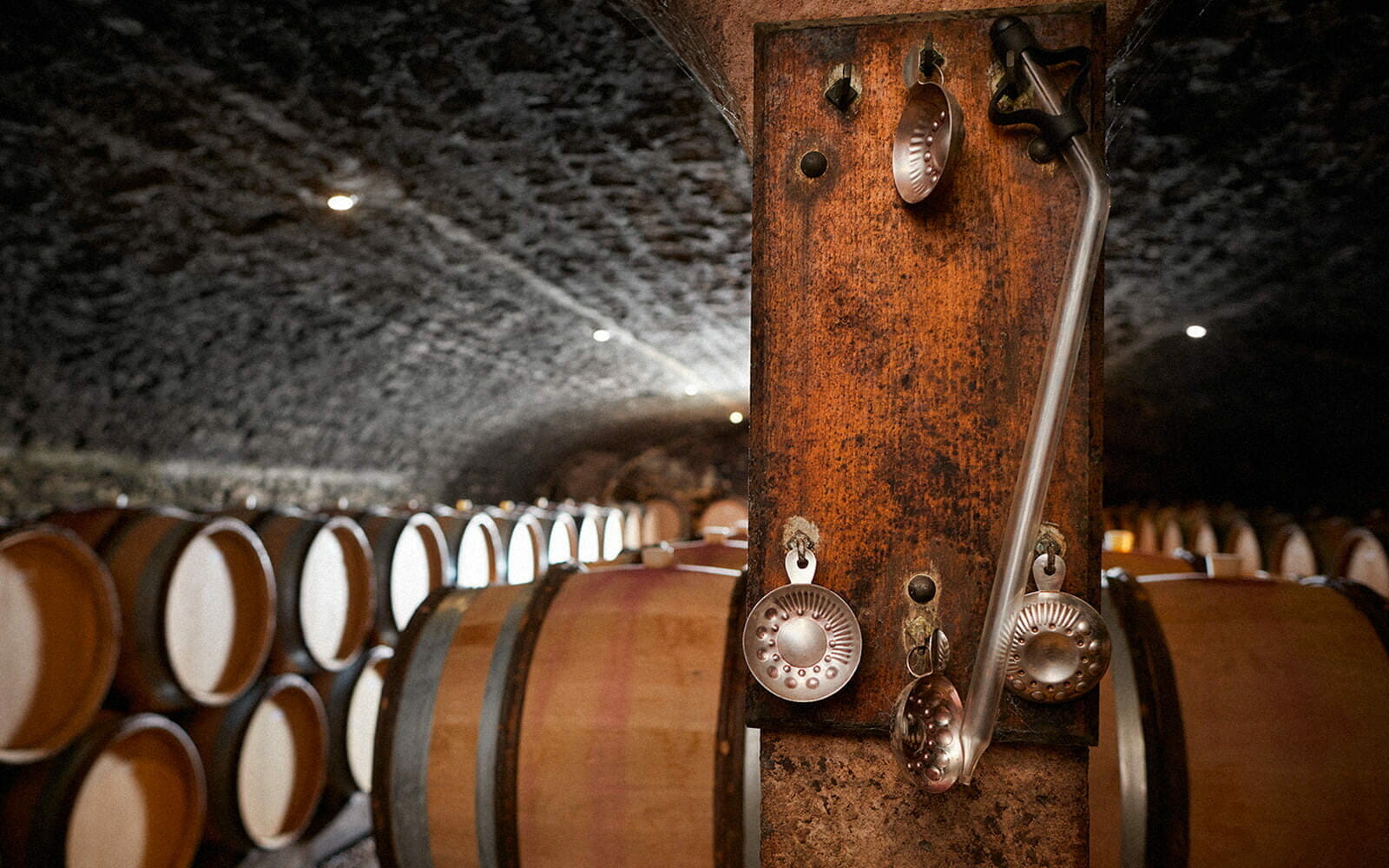
Oak stays in proportion. New barrels are kept to about 20%, enough to replace old barrels as they age, not enough to turn Pinot Noir into a cellar signature. The wines are not racked, fined, or filtered; they become naturally clear over 16–20 months without racking. Sulfur is held back until bottling, and the wines carry approximately 6–700mg/L of dissolved CO₂ at that point, a protective choice that can make young bottles closed until air works through them. Fourrier has put the principle plainly: "The wines make themselves. All my work is in the vineyards and prior to placing the wines in barrel."
A working cellar, not a stage
The room is Burgundian in the practical sense: concrete tanks, barrels, quiet movement, and little interest in display. This is not a large visitor complex built around the tasting room. It is a working estate cellar in the village of Gevrey-Chambertin, where the furniture of the place is the equipment of élevage and the pace is set by fermentations, settling, and barrel time.
That atmosphere changes how the wines are read. Gevrey-Chambertin, Chambertin Clos de Bèze, Griotte-Chambertin, and Clos St. Jacques are not presented as ornamented objects. They come through a program built around old vines, minimal new oak, no herbicides, and the patience to let clarity arrive without fining or filtering. The next thing here is not announced by spectacle; it is the next vintage moving through concrete, barrel, and bottle under Jean-Marie Fourrier’s hand at Domaine Jean-Claude Fourrier.
Know before you go
- Reservations
- appointment_only
- Parking
- street
Address
Gevrey-Chambertin, Bourgogne-Franche-Comté, Frankreich
Gevrey-Chambertin