Made ByWinery


Héctor Durigutti, Winemaker at Durigutti in Luján de Cuyo, works through sustainable farming and Las Compuertas soil expression.
At a glance
- Price
- $$$
- Neighborhood
- Las Compuertas
Since 2002 in Las Compuertas
Since 2002, the cellar work has turned on soil, farming, and restraint. Héctor Durigutti, Winemaker at Durigutti in Luján de Cuyo, keeps that discipline fixed in Las Compuertas, where he is winemaker-owner of Durigutti Family Winemakers. Born in Rivadavia, Mendoza, he came through Don Bosco Wine School, a training ground built on repetition, attention, and the habits that make cellar decisions hold over time. He describes his own formation plainly: “I trained myself enologically with the European school adding other modern practices to the orthodox traditions.” That sentence carries much of the method here. Orthodoxy gives the frame; adjustment enters only when it earns its place.
Durigutti began as a family winery in 2002, shaped by Héctor and Pablo Durigutti around the idea of interpreting origin rather than treating Las Compuertas as a backdrop. Héctor has also stated the project’s farming position without ornament: “From the beginning, Durigutti Family Winemakers has been a 100% sustainable project.” In his hands, that is not a separate claim from flavor. His stated aim is “to achieve a range of soil expressions and microclimates in our wines,” which gives the cellar its brief. The wine should register difference, not polish it away.
Native yeasts and vessels with memory
The program works through decisions that leave room for the vineyard to speak clearly. Durigutti uses native yeasts, manual pumping over, pisonage, hydraulic pressing, and macerations that move between hot and cold. The point is not nostalgia. These are extraction choices, texture choices, and oxygen choices, each one tied to how Malbec and Cabernet Franc carry the alluvial soils and old-vine material of Las Compuertas.
Steel tanks, concrete vessels, and terracotta containers sit in the method beside temperature control. Steel holds fruit without adding its own grain; concrete and terracotta offer a different kind of exchange, slower and more tactile, with oxygen entering the conversation in smaller increments. The winery frames its work as a balance between ancestral practice and modern technology, but the better reading is more practical: each vessel must justify its use for the parcel, the season, and the wine in front of the team. Héctor’s European-school foundation matters here because it gives the discipline a spine. The modern practice has to hold up against it.
The cellar beside the vines
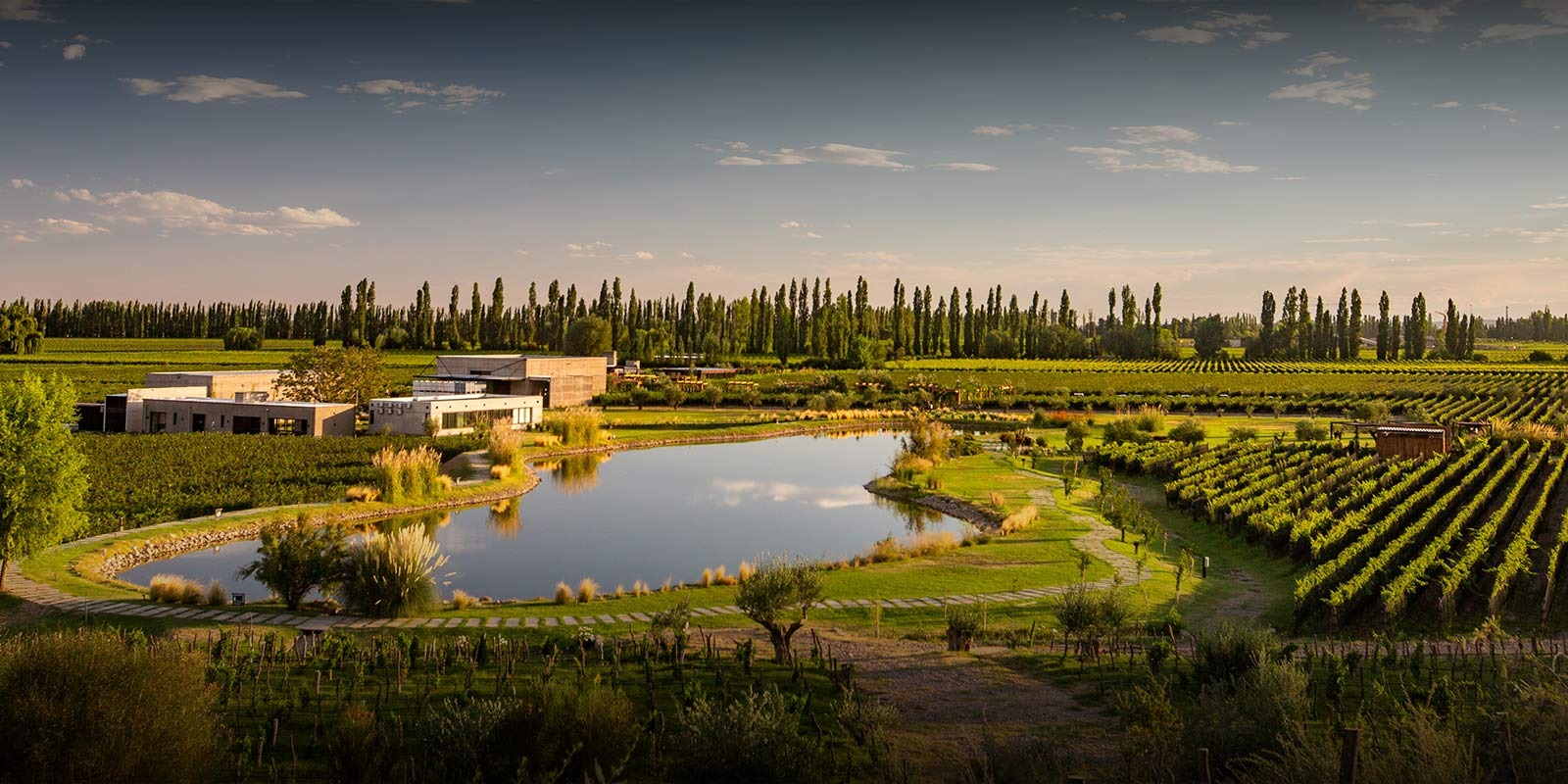
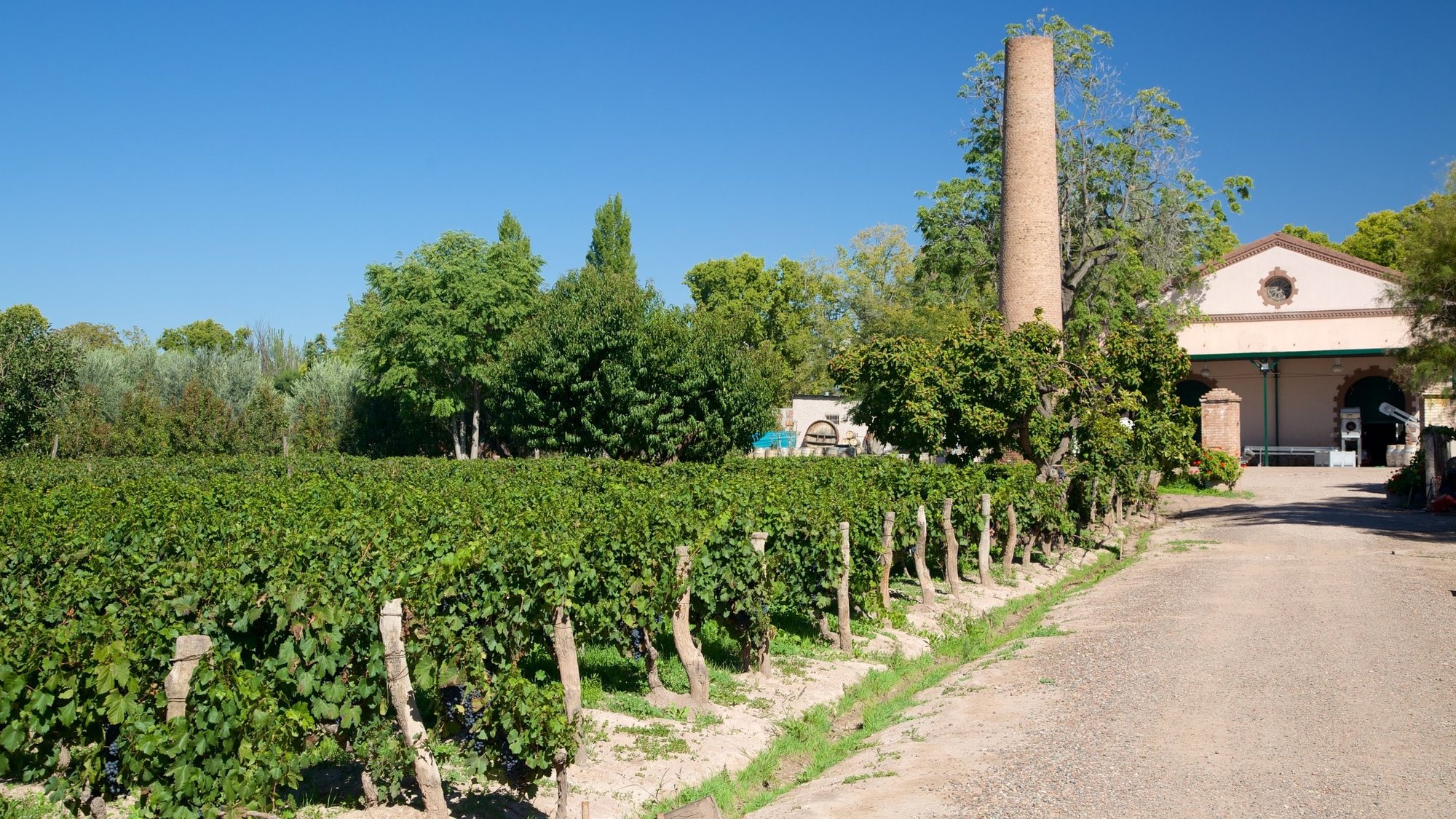
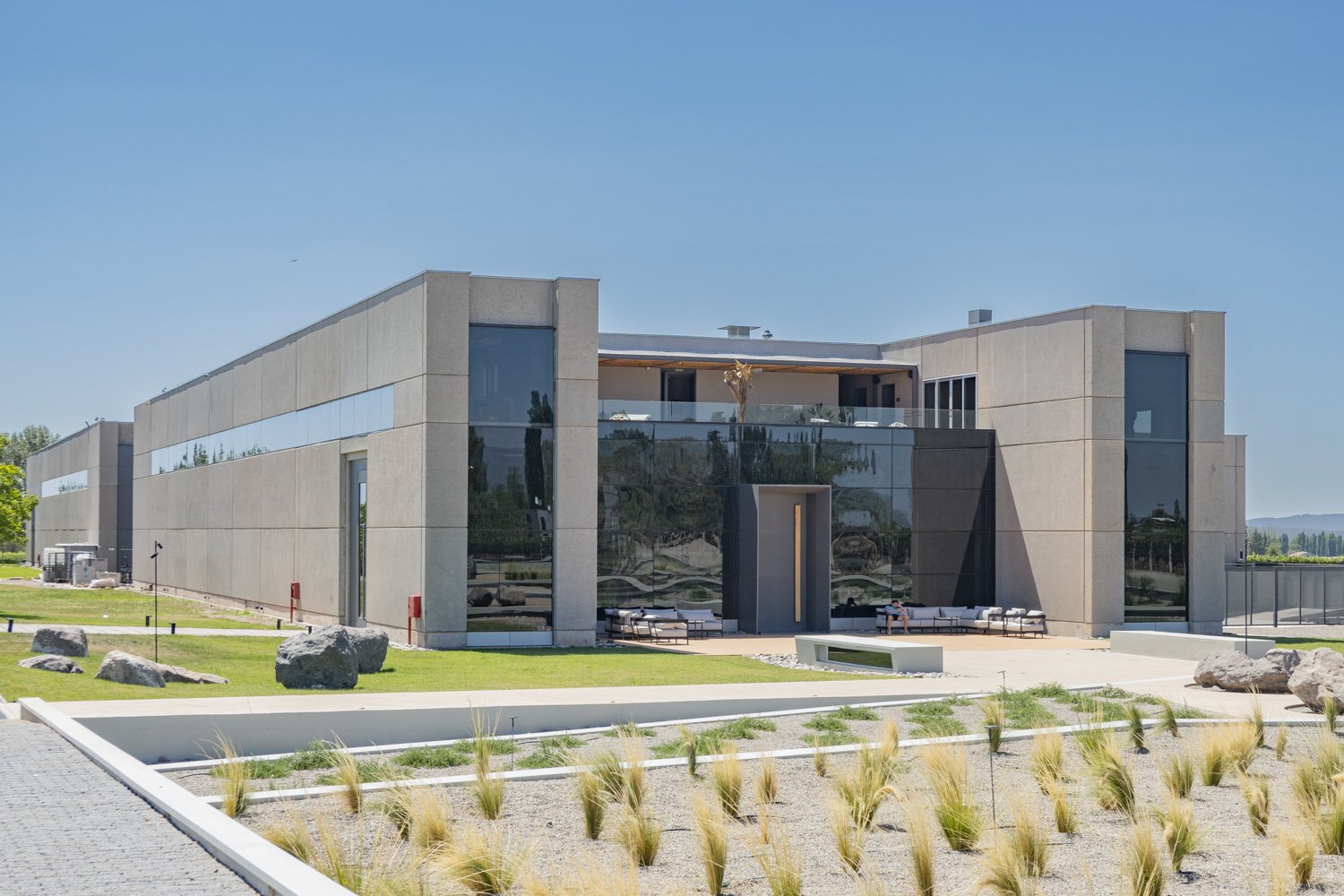
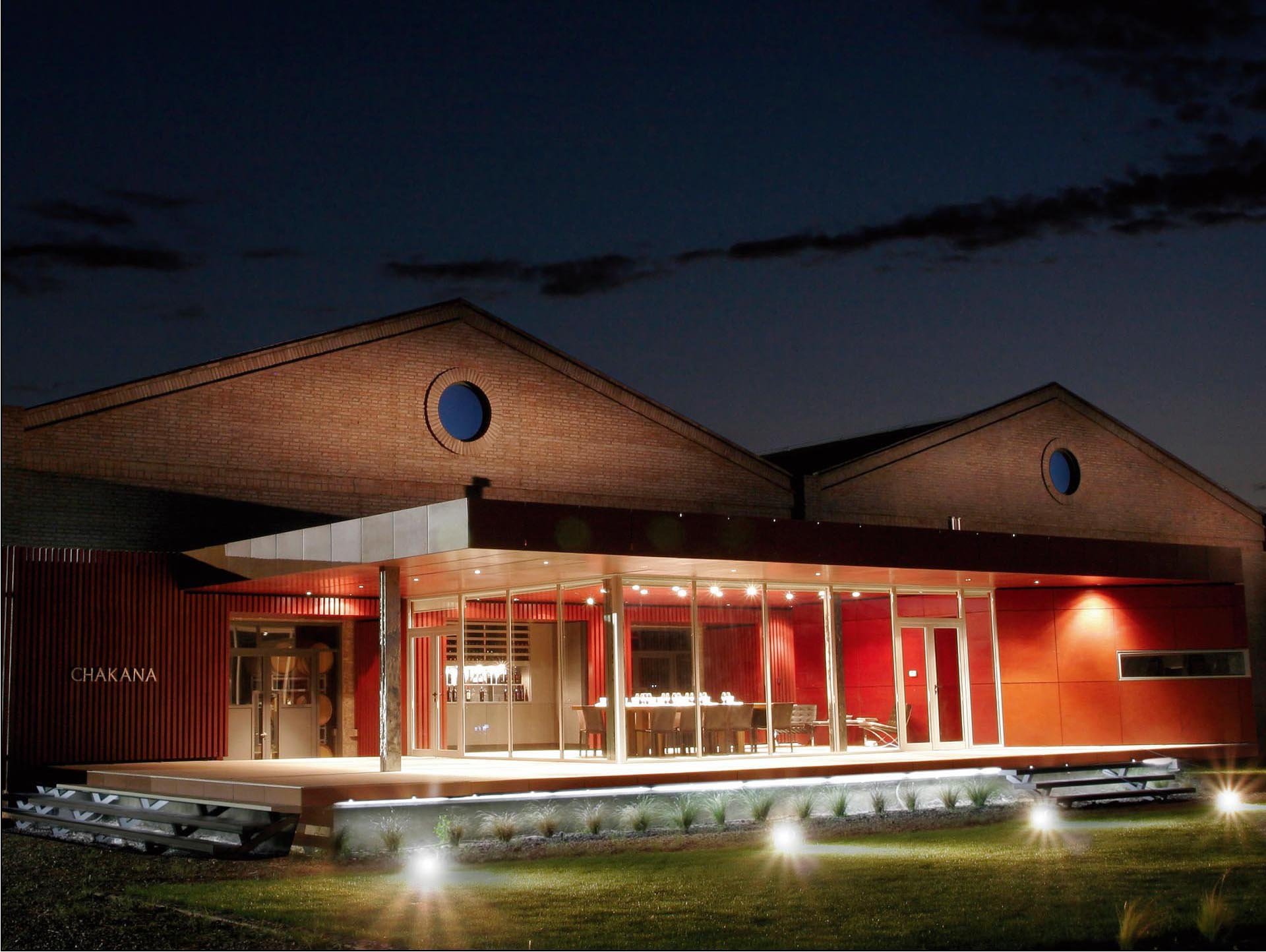
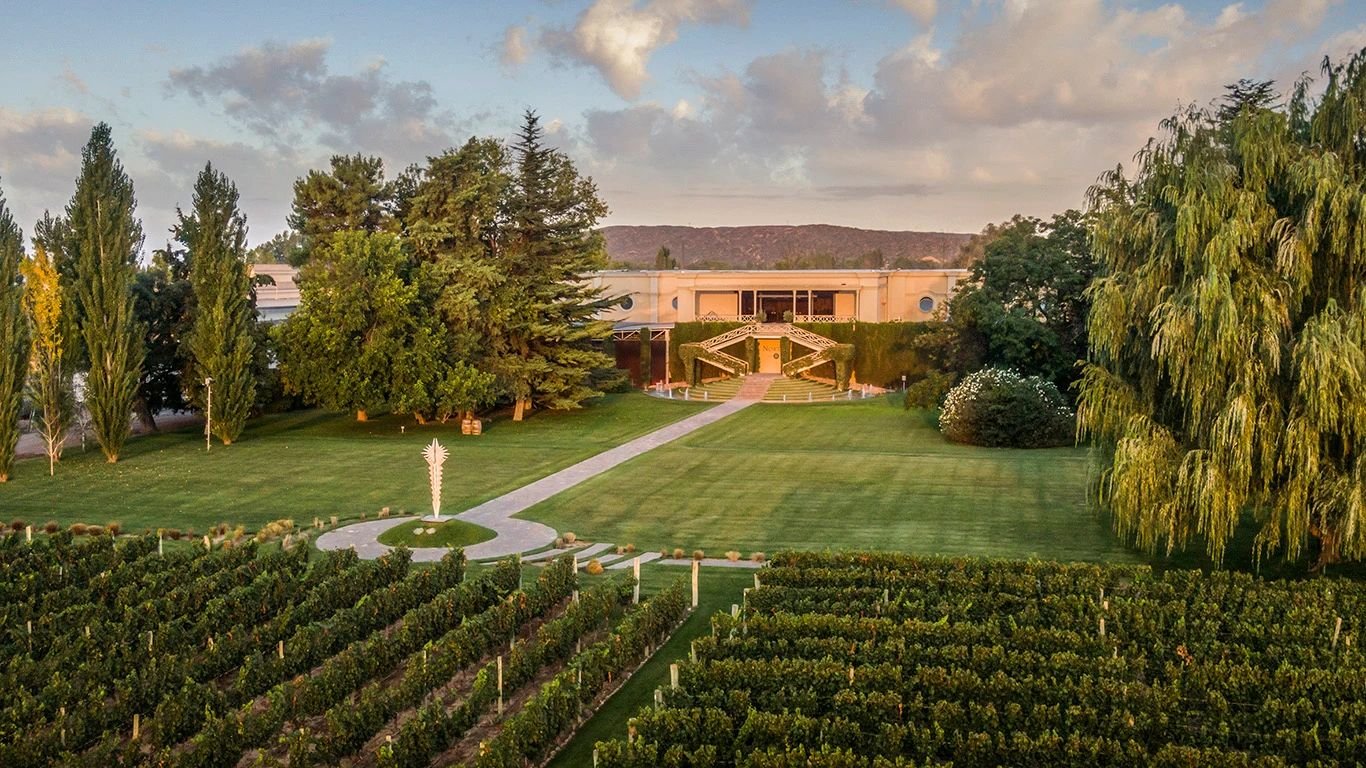
The estate sits in Finca Victoria, in Las Compuertas, with vineyards close enough to keep the cellar from feeling separate from the ground that feeds it. The room is quiet in the way working wineries can be quiet: hose water, tank walls, concrete, glass, and the pause before a tasting pour. Hospitality is part of the property, with gastronomy, guest houses, tours, and events folded into the same site, but the craft still begins in the vineyard and returns to the cellar.
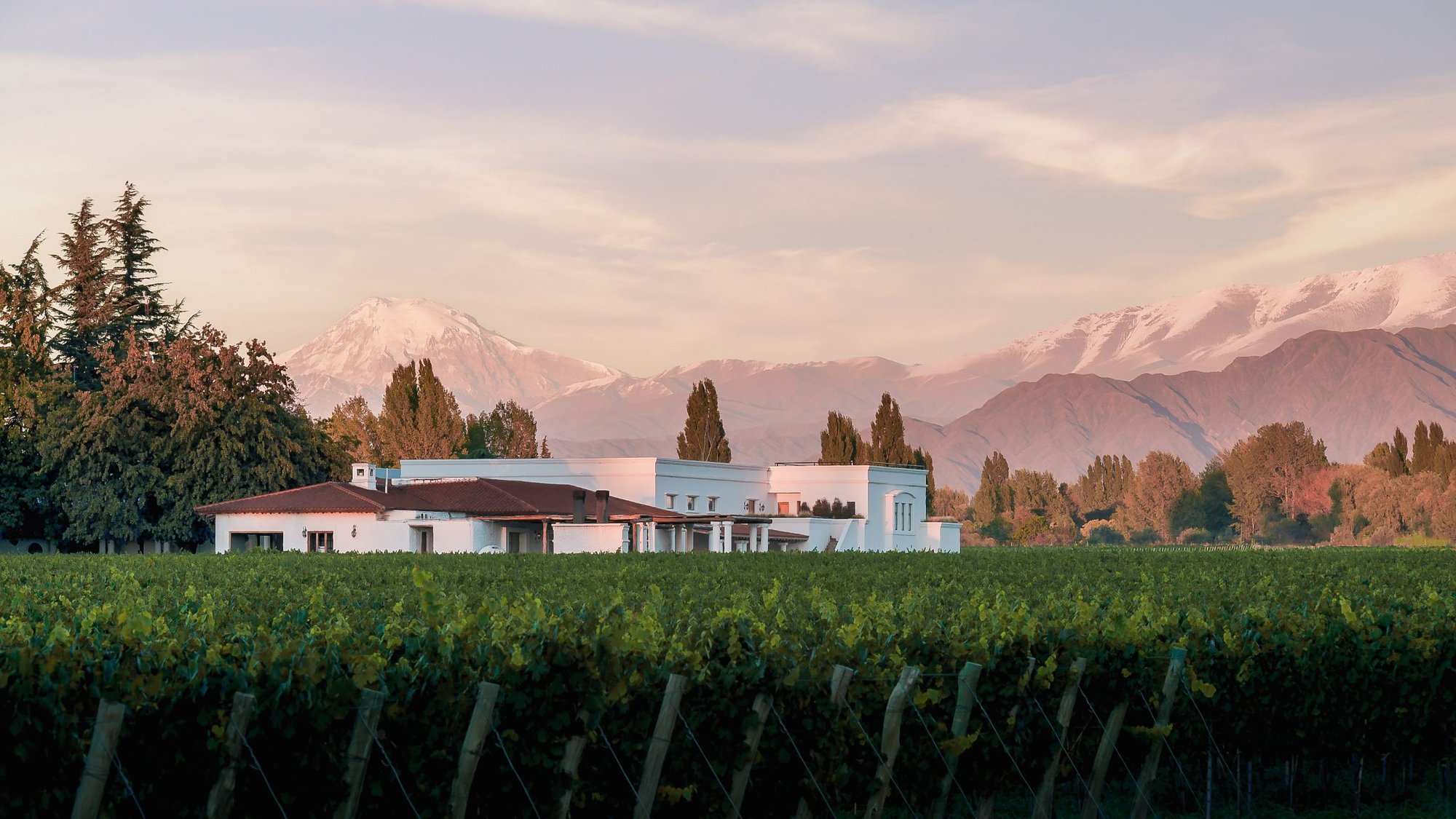
Las Compuertas gives the place its older register. The zone is tied to some of Argentina’s historic Malbec plantings, and its century-old vineyards are part of the reason the Durigutti project speaks so often about origin. In the tasting room, that language becomes less abstract when the glass moves from Malbec to Cabernet Franc, or from one soil expression to another. The estate asks the visitor to read wine as a sequence of decisions made close to the vines.
One award, held to the work
The winery carries an award, and its restaurant, 5 Suelos – Cocina de Finca, has been selected by Le Guide Michelin in 2025 and 2026. Those notices belong to the property, but they do not change the center of gravity. Durigutti remains a cellar project built around sustainable farming, native fermentations, and the old Las Compuertas argument that origin is something the hands must preserve. At Finca Victoria, concrete, terracotta, and the next pour of Malbec.
Know before you go
- Reservations
- recommended
- Groups
- Welcomed
Address
Luján de Cuyo, Mendoza, Argentinien
Las Compuertas