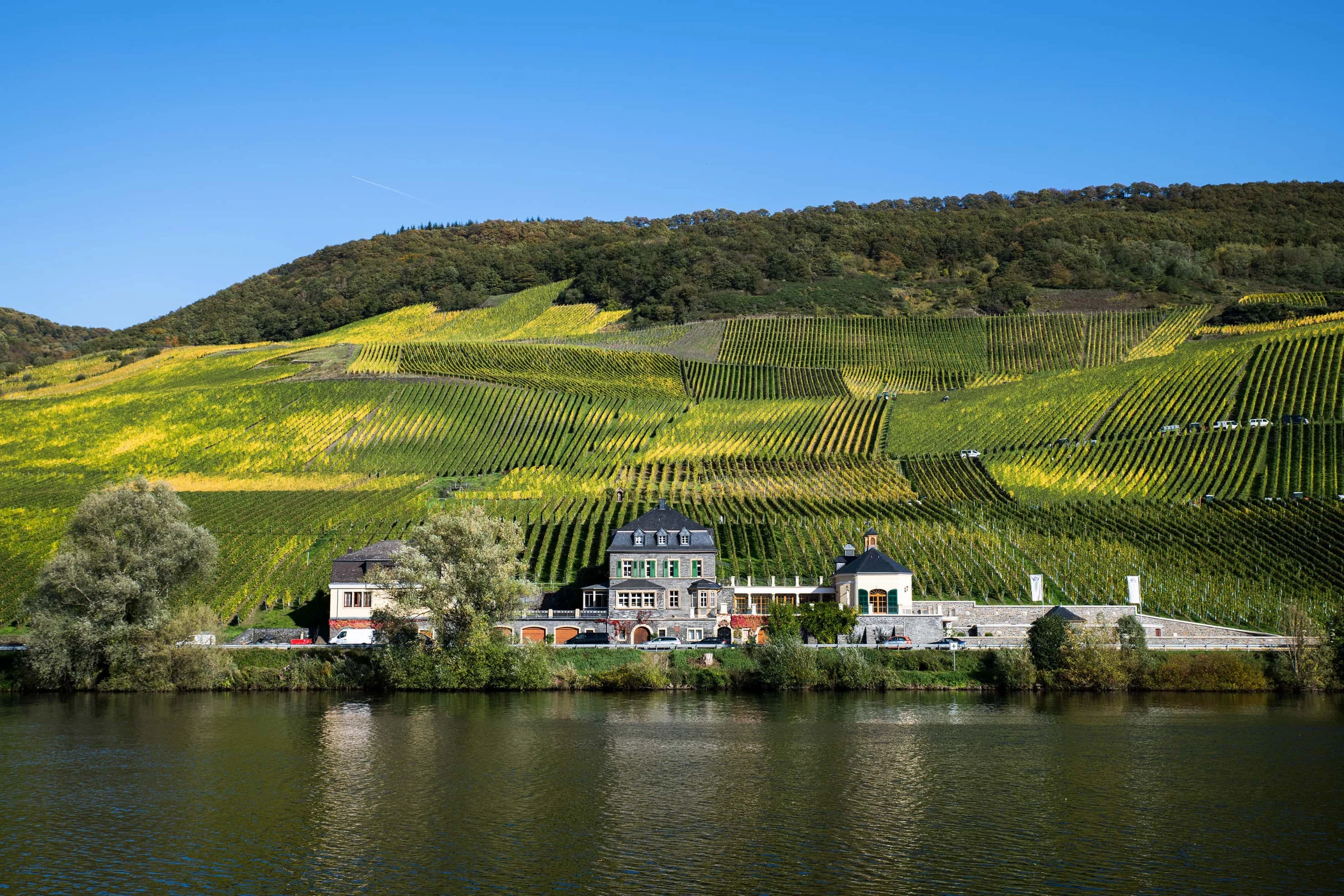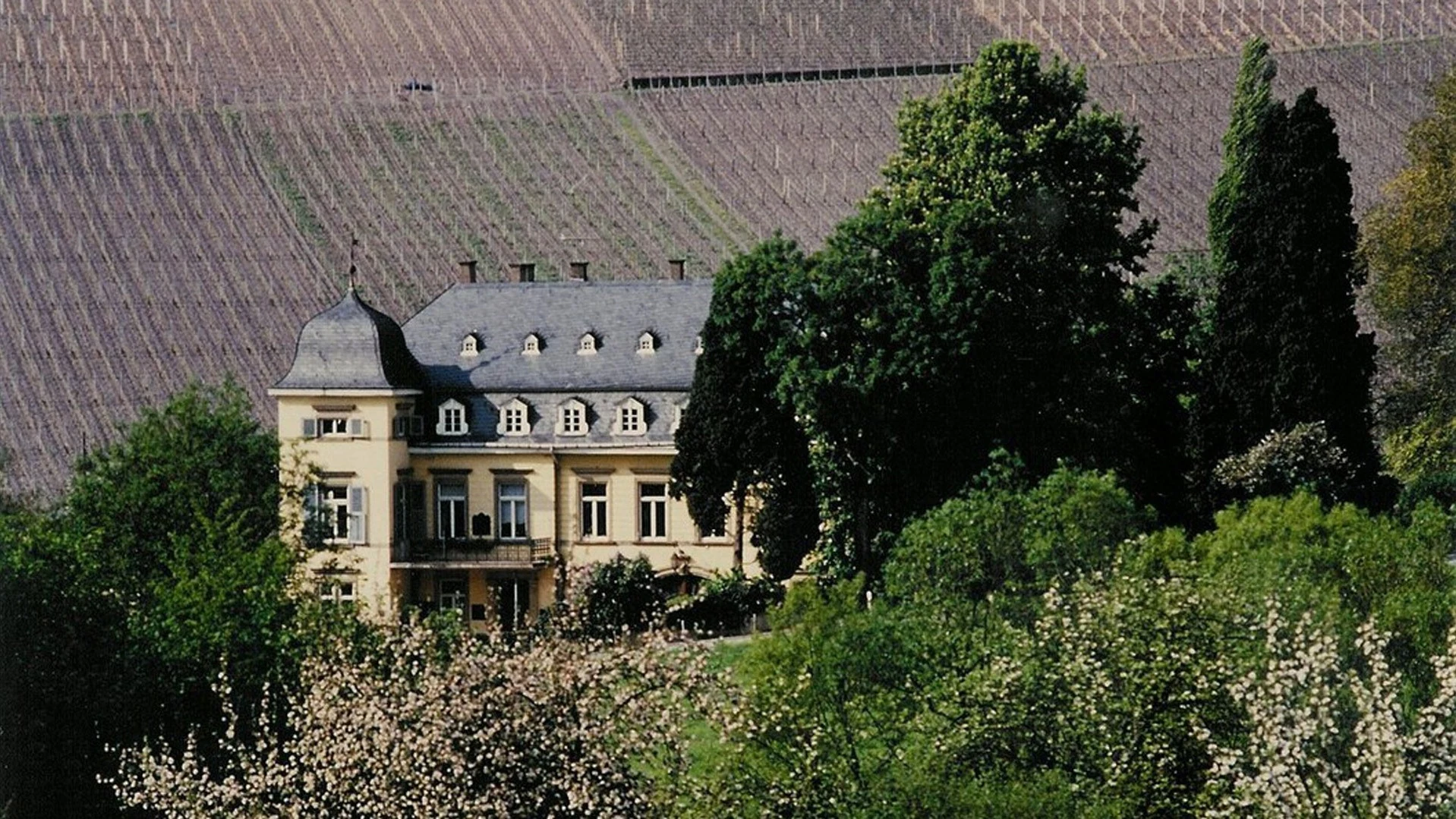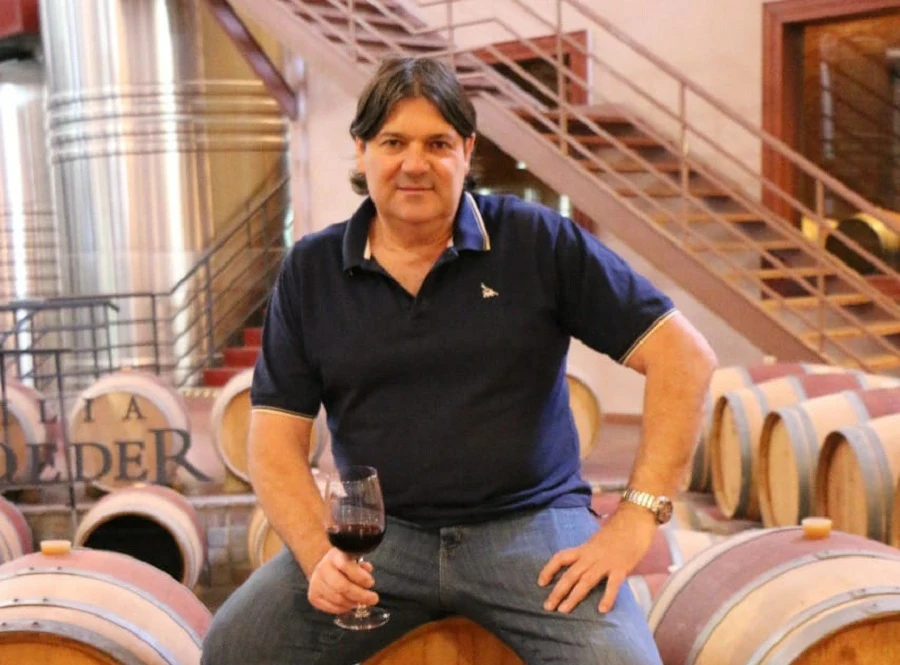
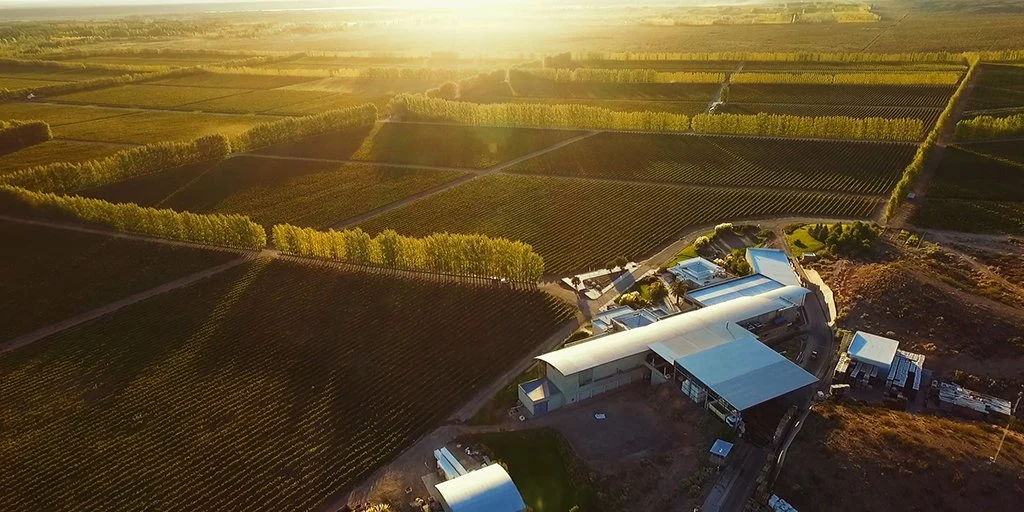
Familia Schroeder is a Patagonian winery in San Patricio del Chañar, Neuquén, awarded Pearl 3 Star Prestige in 2025. The property sits in one of Argentina's most compelling cool-climate wine regions, where Patagonian winds and high-desert conditions produce wines with a character distinct from Mendoza's warmer valleys. It earns serious consideration from anyone tracing Argentina's wine map beyond the mainstream.
Familia Schroeder is a winery in San Patricio del Chañar, Neuquén, known for its 2025 Pearl 3 Star Prestige award and price tier 2 positioning. That position belongs to Mendoza, and more specifically to the Luján de Cuyo and Valle de Uco sub-regions where houses like Bodega Norton in Luján de Cuyo and Terrazas de los Andes in Mendoza have built decades of export recognition. But the conversation has been shifting. San Patricio del Chañar, the small agricultural town in Neuquén province where Familia Schroeder is based, sits at roughly 38 degrees south latitude, a significant distance below the Mendoza belt. That latitude, combined with Patagonian wind exposure and arid, stony soils, presses grapes into a different physiological register, longer hang time, slower sugar accumulation, firmer natural acidity. The wines that result are structurally distinct from Mendoza's warmer-valley output, and that distinction is increasingly valued by the international market.
Familia Schroeder received the Pearl 3 Star Prestige rating in 2025, the kind of recognition that positions a producer firmly inside Argentina's upper tier rather than its aspirational middle. For a Patagonian estate, that placement carries extra weight: it locates Schroeder in a comparable set defined by Bodega Bressia in Agrelo, Bodega DiamAndes in Tunuyán, and other producers who have earned international credential from outside the most-marketed Mendoza appellations.
To understand what Familia Schroeder is producing, it helps to understand what San Patricio del Chañar is as a wine-growing location. The Río Negro and Neuquén river systems created the alluvial soils that make viticulture possible here; without irrigation infrastructure, the zone would remain high-desert scrubland. That irrigation dependency makes the winemaking decision-making unusually precise, growers control water access in ways that translate directly into vine stress management and berry concentration. The region's defining climatic feature, however, is wind. Patagonian air currents lower canopy temperatures during the growing season, extend the ripening window, and reduce disease pressure, allowing many producers to work with lower intervention in the vineyard. These are not marginal benefits. They are the conditions that allow cool-climate varieties to develop genuine complexity rather than forced ripeness.
Among Argentina's specialist wine zones, San Patricio del Chañar occupies a different register from the high-altitude Cafayate, where Bodega El Esteco works with the elevation-driven character of Salta's Calchaquí Valley, and from the warmer valley floors where estates like Escorihuela Gascón in Godoy Cruz have built their reputations on fuller-bodied, sun-saturated fruit profiles. Neuquén's argument is latitude and wind, not altitude alone, and that argument is increasingly well-supported by what's in the glass.
The Pearl 3 Star Prestige recognition Familia Schroeder received in 2025 is a trust signal that functions beyond simple validation. At the three-star level, it signals consistent production quality across multiple bottlings rather than a single standout wine, and it places the estate in the upper stratum of Argentina's assessed producers for that year. Comparative context matters here: producers at this tier across Argentine wine, from Rutini Wines in Tupungato to Bodega Antigal in Maipú, are expected to demonstrate cellar coherence, not just a hero label. The award functions, in the Argentine context, as an invitation to pay closer attention to the full portfolio.
For travelers making their way to San Patricio del Chañar specifically, that 2025 recognition provides a practical reason to include Familia Schroeder. The town itself sits on Argentina's growing Patagonian wine circuit, and an award at this level means a visit here warrants the same planning investment as a visit to a top-tier Mendoza estate.
Across Patagonia's premium producers, the winemaking conversation tends to center on restraint, specifically, the discipline required to leave cool-climate fruit alone long enough to develop genuine aromatic complexity without pushing it toward overextraction or excessive oak. This is a different challenge from what Mendoza's warmer-valley estates face. In Neuquén, the risk is not over-ripeness; it is the temptation to compensate for lower natural sugar accumulation with techniques that mask the region's natural acidity and tension. The estates that perform consistently well in Patagonia are those that read their terroir as an asset rather than a problem to be solved.
Familia Schroeder's recognition within this context suggests an approach aligned with that philosophy. The Pearl 3 Star Prestige rating is not typically assigned to producers whose wines rely on cosmetic intervention; it reflects a production logic that earns assessment credibility across multiple bottlings and vintages. Within the broader trajectory of Argentine wine, which has moved progressively toward terroir-driven, lower-intervention production since the early 2000s, a shift visible in producers from Bodega Colomé in Molinos to Bodega Trapiche, Schroeder's Patagonian positioning puts it at the leading edge of that trajectory rather than its midpoint.
Argentina's premium wine geography has more entry points than its export marketing implies. The Mendoza-centric narrative is understandable given volume and history, but the serious wine traveler now maps a wider route: Salta's high-altitude Torrontés and Malbec, the Uco Valley's elevation-driven precision, and Patagonia's cool-latitude tension. Familia Schroeder represents one of the cleaner arguments for the Patagonian tier, a Pearl 3 Star Prestige producer in a region that still flies below the radar of casual wine tourism.
For those building an Argentine wine itinerary that extends beyond Mendoza's most-visited corridor, the Neuquén circuit centered on San Patricio del Chañar is the logical extension. Bodega Malma is the obvious companion visit in the same town; between the two properties, a traveler can build a meaningful picture of what cool-climate Patagonian wine looks like at its most coherent. Producers like Fratelli Branca Distillery in Buenos Aires and the Napa-benchmarked Accendo Cellars in St. Helena occupy entirely different positions in the global drinks landscape, useful reference points that clarify how Argentine producers at Schroeder's level compete internationally on character and terroir specificity rather than brand scale.
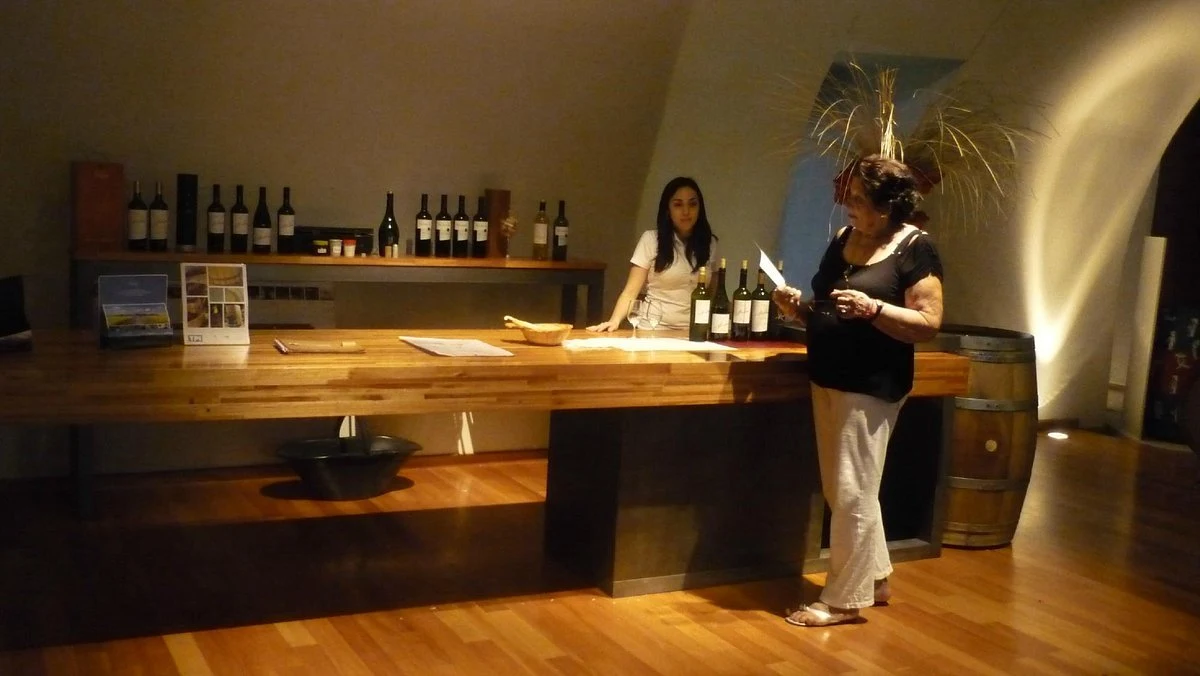
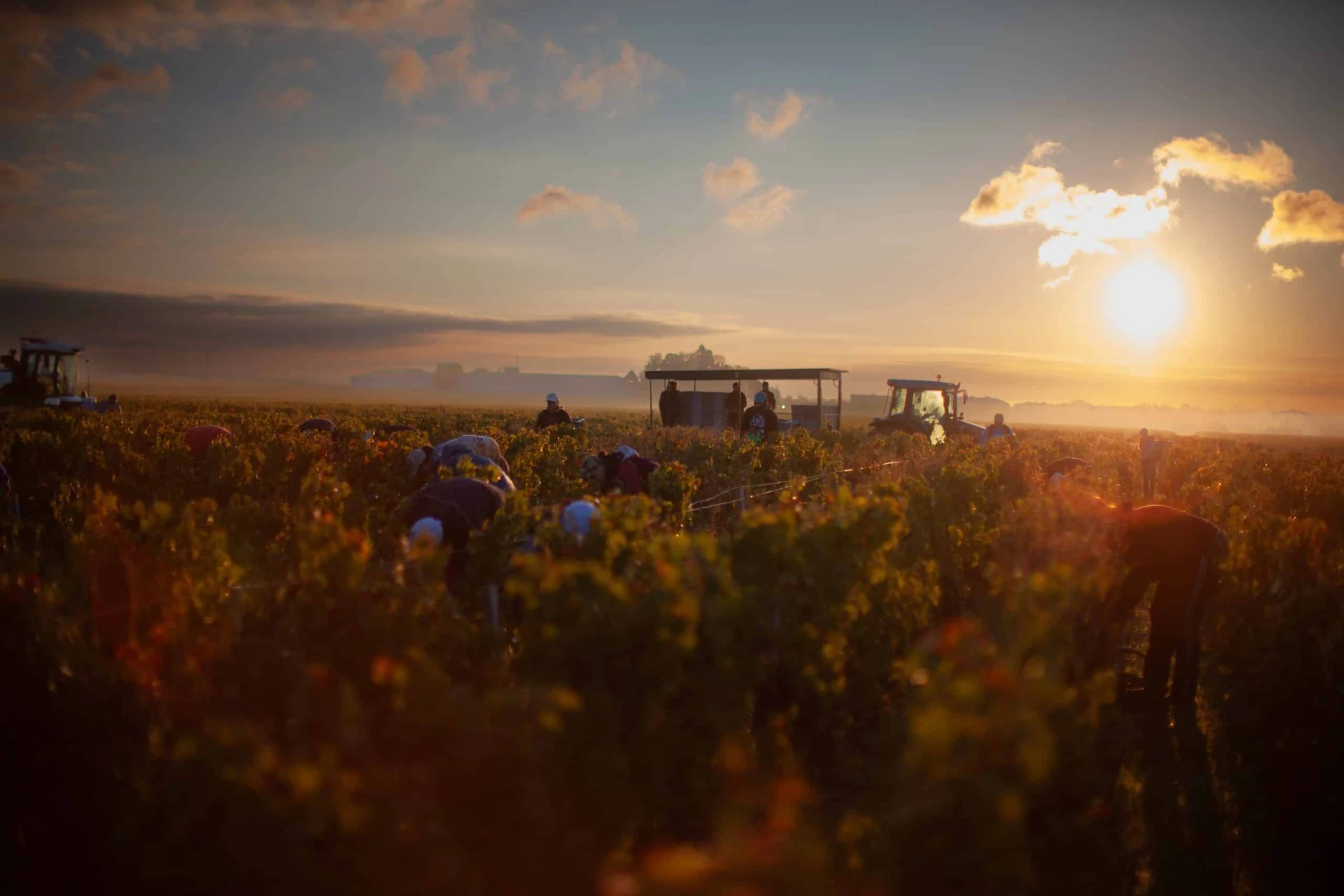
San Patricio del Chañar sits in Neuquén province, reachable via Neuquén city, which has scheduled air connections from Buenos Aires. The town is a short drive from the provincial capital and functions as the operational center of the local wine circuit. Visits to Familia Schroeder are leading organized in advance; as with most premium Argentine estate wineries operating at this tier, walk-in availability is not guaranteed, and the quality of a visit improves significantly with a confirmed booking. The winery's address is C. 7 norte, Q8305 San Patricio del Chañar, Neuquén. Seasonal timing matters in Patagonia: harvest runs later than Mendoza given the longer ripening window, and visiting in the February to April period gives access to active cellar operations alongside tastings.
Familia Schroeder is located at C. 7 norte, Q8305 San Patricio del Chañar, Neuquén, San Patricio del Chañar.
Familia Schroeder has received recognition including: Pearl 3 Star Prestige (2025).
Familia Schroeder works within the cool-climate conditions of San Patricio del Chañar in Neuquén province, a region where the diurnal temperature swings and Andean influence shape wines with pronounced acidity and structure. The winery has earned a Pearl 3 Star Prestige rating in 2025, which reflects recognition at the upper tier of regional producers. Specific current varietals and labels are best confirmed directly with the winery before visiting.
The 2025 Pearl 3 Star Prestige award places Familia Schroeder among the credentialed producers in Argentina's Patagonian wine corridor, a region that offers a genuinely different frame from the Mendoza-centric narrative that dominates Argentine wine exports. San Patricio del Chañar is a focused wine-growing town rather than a broad tourist destination, which means a visit here is primarily about the wine rather than surrounding infrastructure. That specificity is the point.
Booking arrangements are not documented in publicly available records for Familia Schroeder. Given that the winery holds a Pearl 3 Star Prestige rating and is located in San Patricio del Chañar — a small Neuquén wine town rather than a high-footfall tourist hub — contacting the estate in advance of any visit is advisable to confirm availability and current visit formats.
The Pearl 3 Star Prestige recognition awarded in 2025 places Familia Schroeder at the upper tier of rated producers in the Neuquén region, a cool-climate zone that remains underrepresented in international wine rankings relative to its quality output. San Patricio del Chañar has a small cluster of serious estates, and a three-star rating in this context signals consistency and technical precision rather than simply regional novelty. For travellers assessing Patagonian wineries by verifiable credential, it is among the stronger anchors available.
Visitors who already have a working knowledge of Argentine wine and want to move beyond the Mendoza circuit will find the Neuquén setting and the winery's 2025 Pearl 3 Star Prestige credentials a compelling reason to route through San Patricio del Chañar. It suits travellers who are comfortable with a destination that is purpose-built around wine production rather than broader hospitality amenities.
C. 7 norte, Q8305 San Patricio del Chañar, Neuquén
San Patricio del Chañar
Familia Schroeder
Bodega Malma (NQN)
La Providencia Distillery
Achtung Gin
Bodega Del Fin del Mundo
Destilería TAVASA