Farmstead at Long Meadow Ranch
In Residence
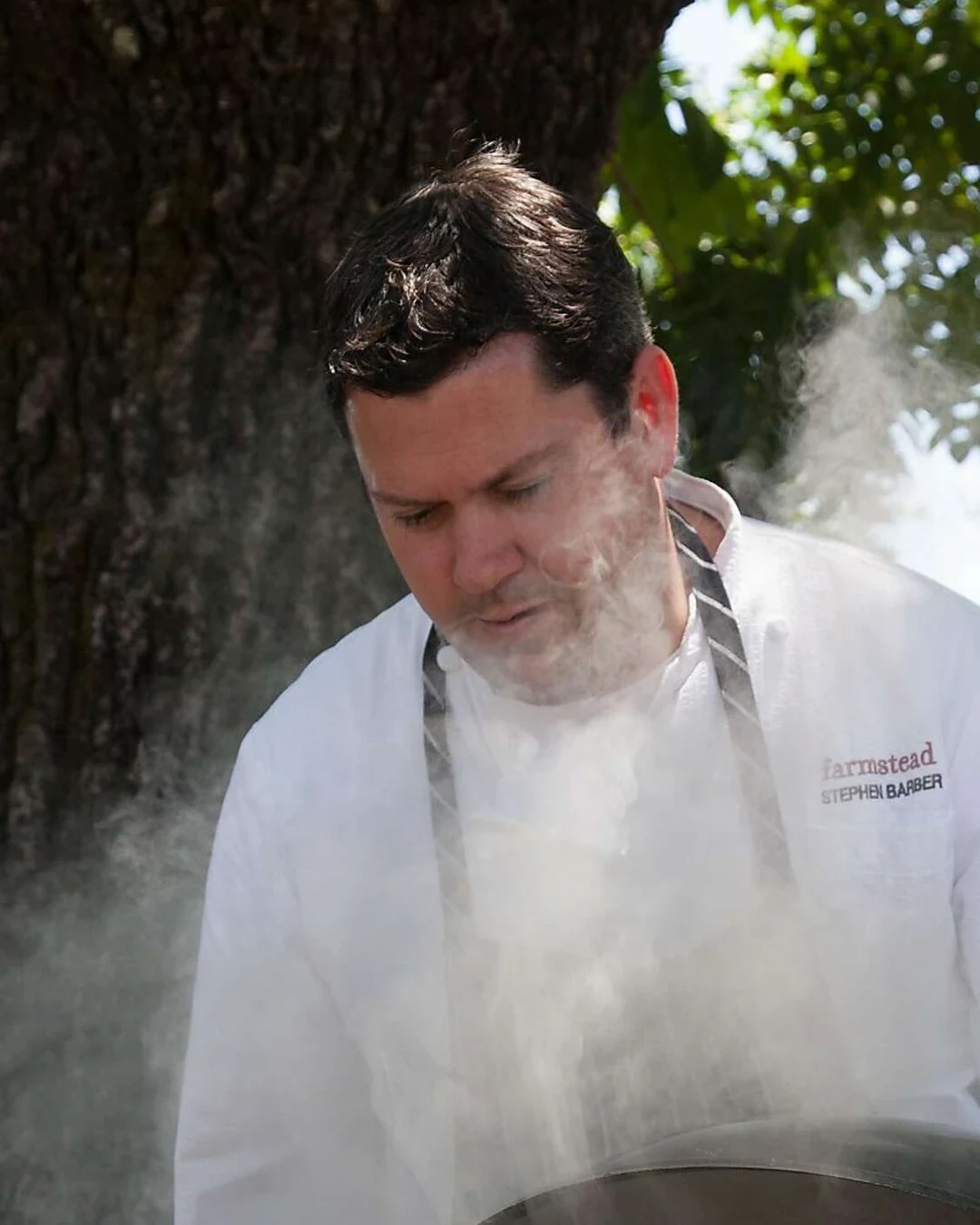
Stephen Barber
Chef
- 01CuisineModern American Farmhouse
- 02CitySt. Helena, United States
- Michelin Plate · 2026
- Pearl Recommended Restaurant · 2025
- Michelin Plate · 2025
- Michelin Plate · 2024
Where the Farm Is Literally the Restaurant
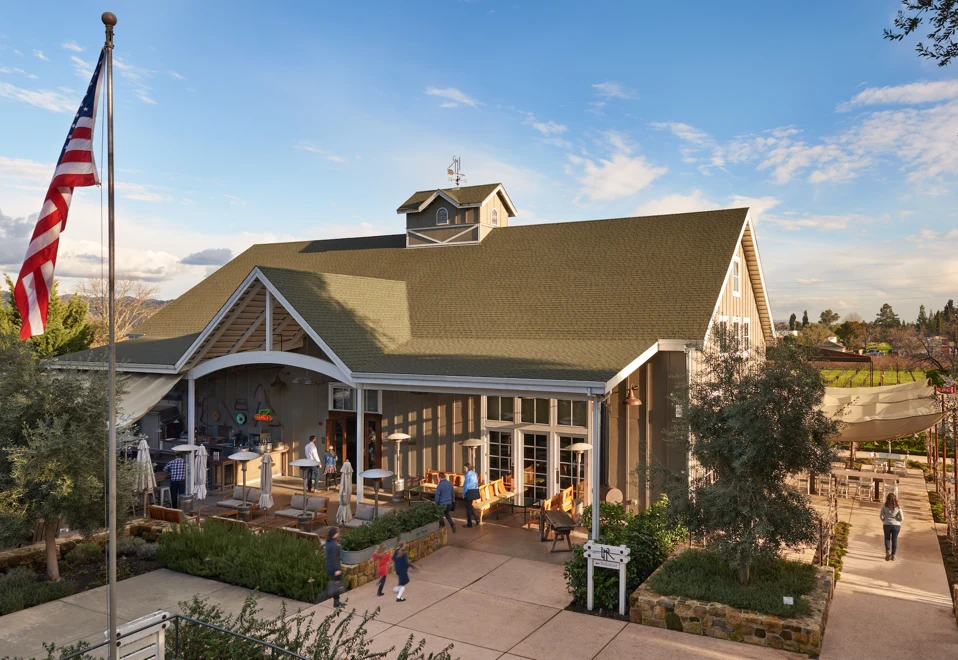
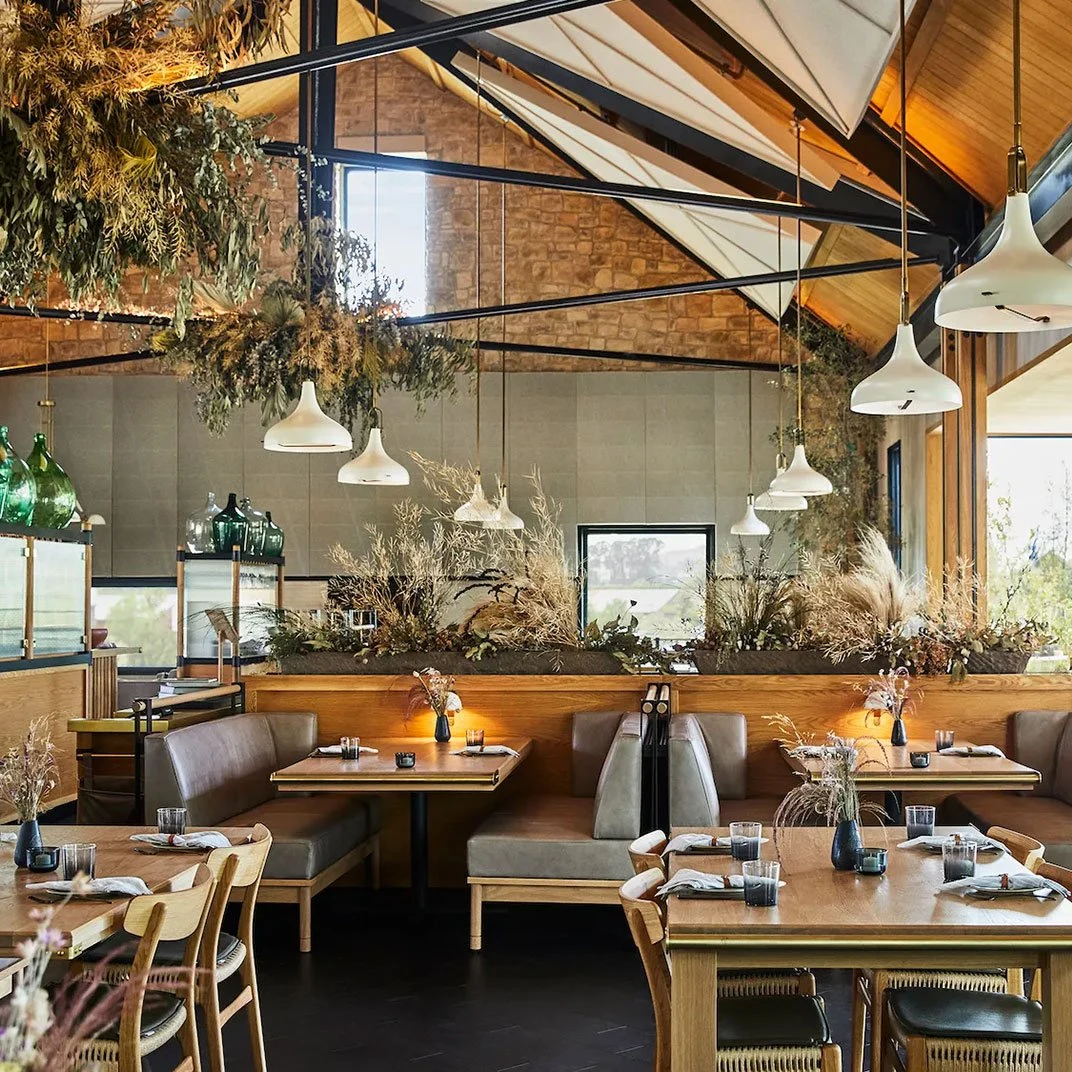
Main Street in St. Helena runs through the kind of small-town Napa that exists between the grand estate gates and the tasting-room crowds. At 738 Main St, the Long Meadow Ranch property announces itself with barn wood, stone, and working agricultural infrastructure rather than the polished resort vocabulary that defines much of the valley's hospitality. You arrive not at a dining room that references a farm, but at a farm that contains a dining room. That distinction shapes everything about the experience that follows.
This is a meaningful structural difference in Napa, where the phrase "farm-to-table" has been deployed so freely it has lost most of its descriptive weight. The farmstead model, when it functions as intended, places the sourcing relationship at the centre of the kitchen's decision-making. Long Meadow Ranch operates its own cattle, olive groves, and gardens across multiple parcels in the valley, which positions Chef Stephen Barber's menu inside a supply chain that the kitchen doesn't have to negotiate through a distributor. The vegetables, the beef, the olive oil: much of it originates within the ranch's own operations.
The Sunday letter
Find new places through the people who run them.
Our Sunday email brings you the chefs, winemakers and hoteliers behind our newest stories. See a sample before you subscribe.
See a sample of the Sunday emailOne email a week. Unsubscribe from any issue.
The American Farmstead Tradition and Where Napa Fits
American farmstead cooking as a culinary category draws from a lineage that runs back through the farm-to-table movement of the 1970s and 1980s in Northern California, when figures like Alice Waters reframed local, seasonal sourcing as a political and aesthetic position rather than merely a practical constraint. That tradition took hold with particular force in the Bay Area and the wine country corridors north of San Francisco, where agricultural land and restaurant culture share close geography.
Napa's dining identity has historically been shaped by the cellar rather than the kitchen: wine drives the valley's international profile, and restaurants have often been conceived as counterparts to tasting experiences rather than as independent culinary destinations. But the past two decades have seen a more differentiated picture emerge. At one end sits The French Laundry, operating at the $$$$ tier with three Michelin stars and a reputation that places it in the small global cohort of restaurants where the cooking itself is the entire reason for travel. At the other end, places like Ad Hoc and Angele occupy the same $$$ bracket as Farmstead, each offering a distinct reading of what accessible, ingredient-led cooking looks like in this geography.
Farmstead's position in that $$$ tier reflects a deliberate choice to make produce-driven cooking available at a price point that doesn't require the occasion to justify itself. In a valley where a single tasting menu at a Michelin-starred room can exceed several hundred dollars per person before wine, a Michelin Plate restaurant operating at moderate price is doing something structurally different. Michelin Plate recognition signals quality cooking without the ceremony of a star, which is a particular kind of credibility in this context.
The Menu as Agricultural Argument
The American farmstead tradition at its most articulate makes an argument through the plate: that the quality of an ingredient grown under attentive conditions, harvested at the right moment, and prepared with restraint will be self-evident to anyone paying attention. This is a different argument from the one made at restaurants like The Restaurant at Auberge du Soleil or Kenzo, where the culinary logic draws from French and Japanese traditions respectively and the sourcing, while often excellent, is secondary to technique.
At Farmstead, the sourcing is the technique, in the sense that the primary skill being demonstrated is the ability to grow, select, and time ingredients so that the kitchen's work is mostly a matter of presenting them clearly. This approach has California antecedents going back decades and regional parallels in the wine country further north, where Single Thread Farm in Healdsburg operates at a considerably higher price tier with a similarly integrated farm-and-restaurant model. The comparison is useful because it illustrates how the same underlying philosophy can produce very different dining formats depending on the level of elaboration applied at the table.
Farmstead sits toward the unpretentious end of that spectrum. The barn setting, the working-farm context, and the $$$ pricing all signal a register that is closer to Lazy Bear in San Francisco in its commitment to a point of view than to the formal service culture of the valley's top-tier rooms. The 4.6 Google rating across 1,720 reviews suggests a dining public that is largely satisfied with what the kitchen delivers against those expectations.
St. Helena as a Dining Address
St. Helena occupies the middle section of the Napa Valley corridor, between the more tourist-dense southern end near the city of Napa and the quieter northern reaches toward Calistoga. As a dining address, Main Street in St. Helena has the character of a working small town that happens to sit inside one of the most agriculturally productive wine regions in the country. Restaurants here serve both the local community and visitors moving through the valley, which tends to produce a slightly less performative dining atmosphere than in the more destination-oriented venues.
Farmstead makes most sense as part of a wine country day that includes time on the ranch property itself, rather than as a standalone dining destination pulled out of context. The integration of the agricultural operation with the restaurant is what distinguishes it from a well-sourced Californian kitchen that could theoretically be located anywhere. For readers moving between Napa's upper tier and the wider Northern California dining circuit, comparative reference points exist at Le Bernardin in New York City, Alinea in Chicago, Providence in Los Angeles, Atomix in New York City, Emeril's in New Orleans, and 8 1/2 Otto e Mezzo Bombana in Hong Kong, each anchoring a different point on the spectrum of what serious cooking looks like across different culinary traditions.
Planning Your Visit
Farmstead at Long Meadow Ranch is located at 738 Main St, St. Helena, CA 94574, on a property that functions as a working ranch and can be explored beyond the dining room itself. The $$$ price tier places it in the accessible middle of Napa's range. Reservations are recommended. Hours run Monday through Thursday and Sunday from 7 AM to 8 PM, and Friday and Saturday from 7 AM to 8:30 PM.
Questions
Frequently asked
Who works at Farmstead at Long Meadow Ranch?
Made By profiles Stephen Barber (Chef) at Farmstead at Long Meadow Ranch.
How expensive is Farmstead at Long Meadow Ranch?
Farmstead at Long Meadow Ranch is listed at a price level of $$$.
Where is Farmstead at Long Meadow Ranch and what does it serve?
Farmstead at Long Meadow Ranch is in St. Helena, St. Helena, serving Modern American Farmhouse.
The field
How it compares
| Place | Cuisine | Notes | Awards |
|---|---|---|---|
| Farmstead at Long Meadow Ranch | Modern American Farmhouse | St. Helena, $$$ | · |
| Addison | Modern California Fusion Fine Dining | San Diego | Michelin 3 Stars, World's 50 Best |
| Charter Oak | New American Farm-to-Table | St. Helena | · |
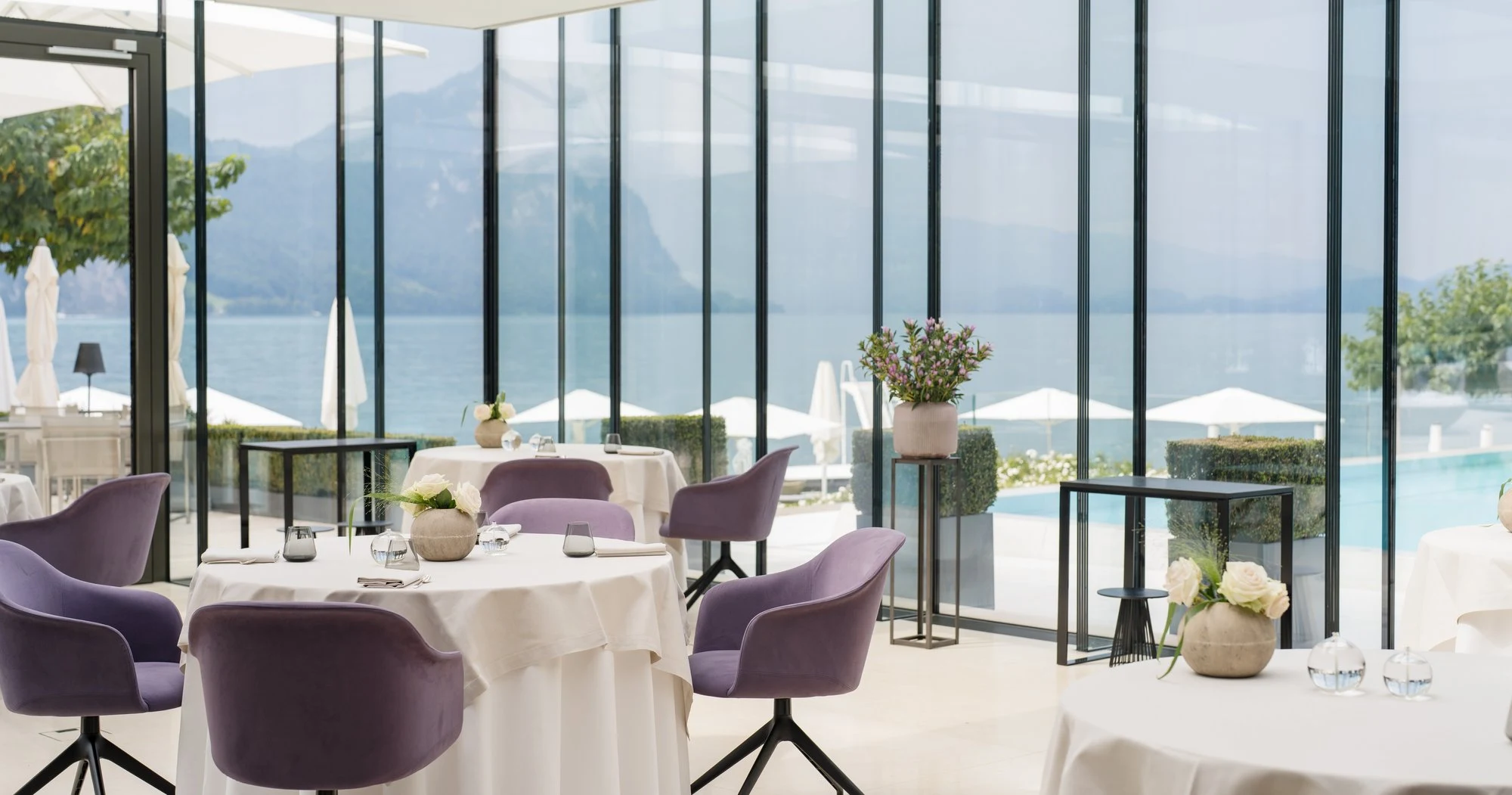
| focus ATELIER | Modern French Fine Dining | Vitznau | Michelin 2 Stars |
| Miramar | Modern Mediterranean Seafood | Llançà | Michelin 2 Stars |
| Press Restaurant | Modern Napa Valley Fine Dining | St. Helena | Michelin 1 Star |
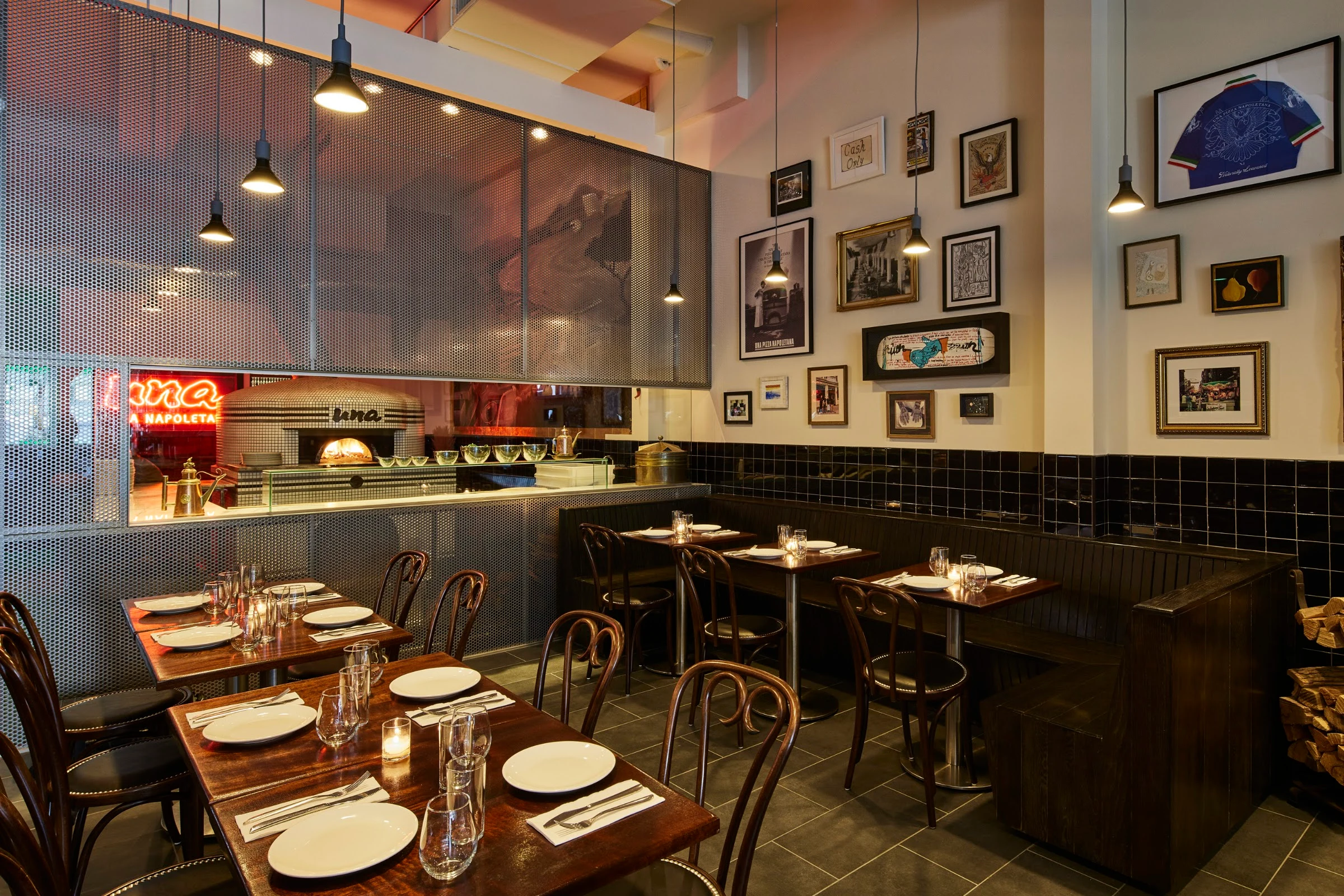
| Una Pizza Napoletana | Neapolitan Pizza | New York City | · |
In residence
Similar places
Modern California Fusion Fine Dining
Addison
San Diego, United States
★★★ · 50 Best
New American Farm-to-Table
Charter Oak
St. Helena, United States
Modern French Fine Dining
focus ATELIER
Vitznau, Switzerland
★★
Modern Mediterranean Seafood
Miramar
Llançà, Spain
★★
Modern Napa Valley Fine Dining
Press Restaurant
St. Helena, United States
★
Neapolitan Pizza
Una Pizza Napoletana
New York City, United States

The Sunday letter
Get the next Made By story in your inbox.
We send one email every Sunday morning with the places and people we covered that week.
See a sample of the Sunday emailOne email a week. Unsubscribe from any issue.