Made ByWinery


Thomas Zerweck, Kellermeister at Fellbacher Weingärtner in Fellbach, guides a broad, rooted cellar below the Kappelberg with care.
At a glance
- Price
- $$
- Neighborhood
- Fellbach / Remstal
Cellar work under the Kappelberg
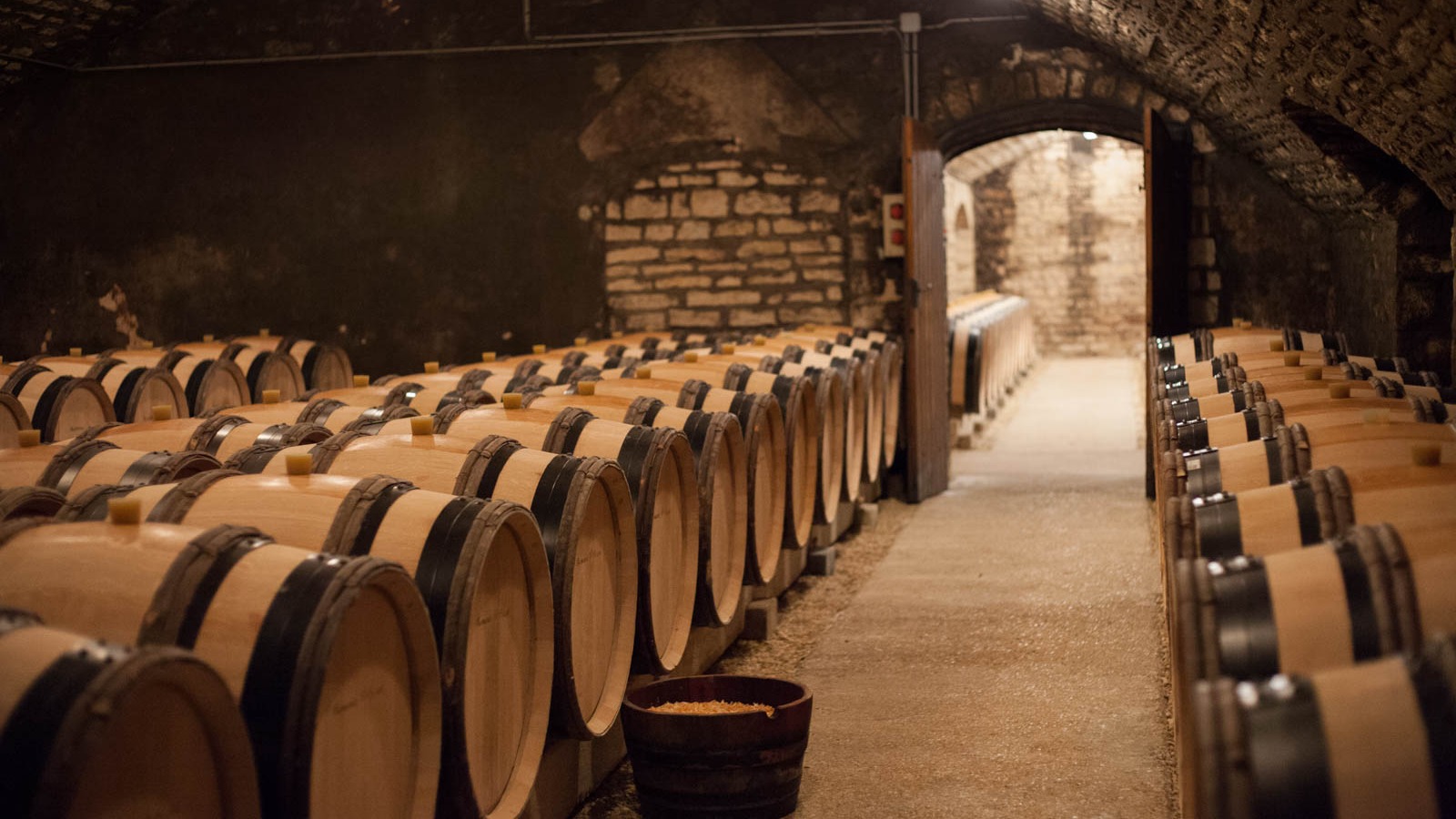
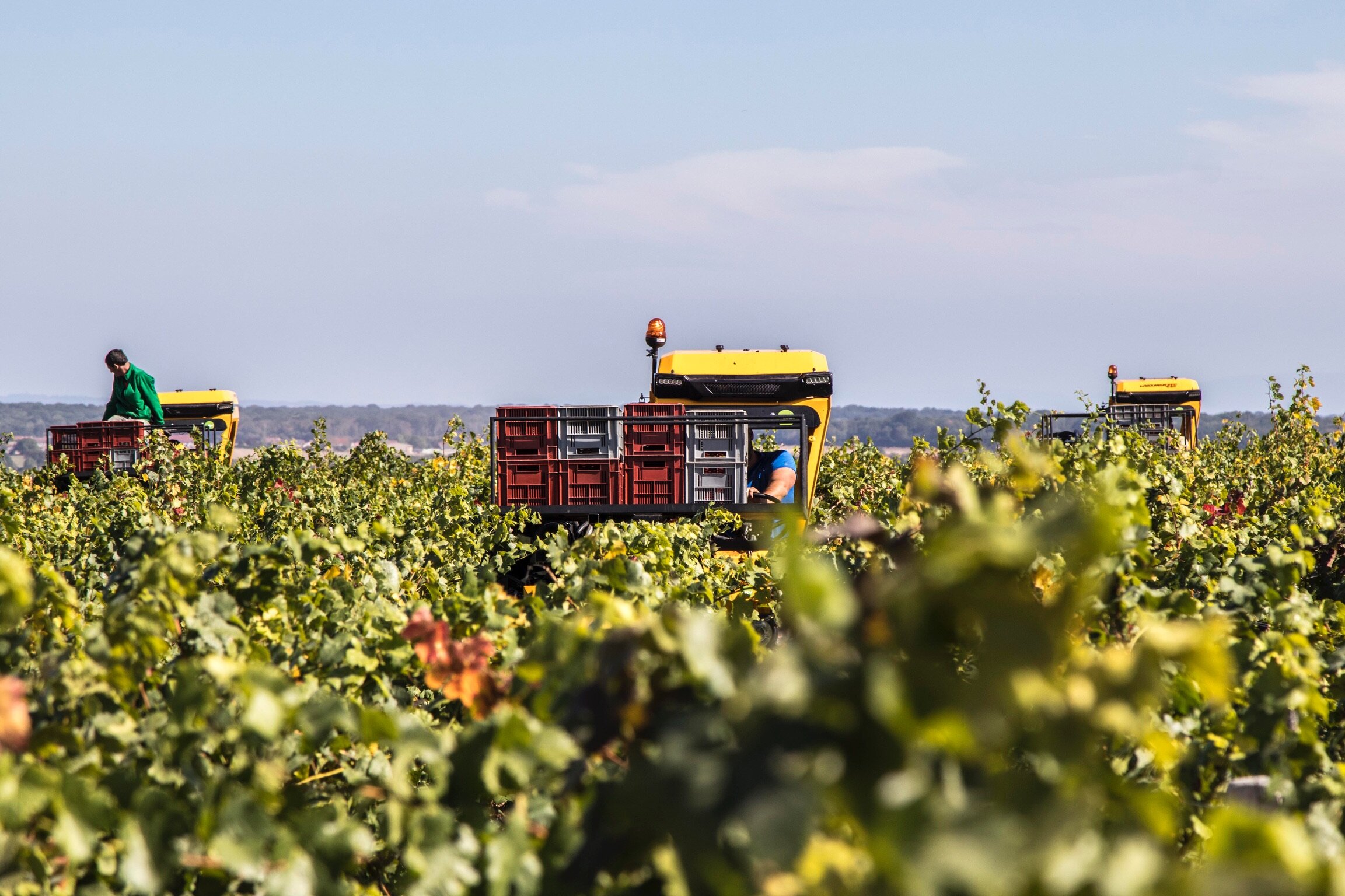
The cellar decisions sit with Thomas Zerweck, Kellermeister at Fellbacher Weingärtner in Fellbach, where the cooperative works from the Kelter at the foot of the Kappelberg. His station is not a small estate bench, and that matters. Around 120 member winegrowers bring fruit from roughly 190 ha of vineyards into a house founded in 1858, so the discipline is one of scale, separation, and continuity rather than a single family parcel spoken of in isolation. Zerweck leads cellar operations inside that structure, carrying earlier experience at Henkell Freixenet into the working title of Kellermeister here. The public record names his predecessor neither as teacher nor mentor, so the line to trust is the one the house gives plainly: he is the cellar master now. In a cooperative, the hand often shows through coordination. Lemberger, Riesling, Grauburgunder, rosé, sparkling wine, and dessert styles all need room in the program, yet they still have to read as Fellbach. The vineyards sit on the eastern edge of the Stuttgart basin, with the Schurwald heights giving shelter and the Remstal hills holding warmth. Zerweck’s work begins where those member parcels meet the cellar door.
A cooperative range held in editions
The method here is partly agricultural, partly organizational. Fellbacher Weingärtner has to translate a broad member base into wines that can move from everyday glass service to higher-tier bottlings without losing the local register of Württemberg. The named range points to that ladder: Lemberger trocken “Edition S,” Fellbach Lämmler Lemberger trocken “Edition P,” Grauburgunder trocken “Edition P,” Grauburgunder trocken “Edition S,” Riesling fruchtig “Edition C,” and Cuvée Rosé Edition C. The cellar also works with Sekt and Secco, extending the program beyond still red, white, and rosé. One named bottling, Fellbach Lämmler Lemberger trocken “Edition P - Barrique,” makes the oak decision legible for at least part of the premium red line. What is visible is the structure of the craft: regional varieties, repeated edition tiers, and a cellar master responsible for keeping many lots coherent across a large cooperative base.
The vinothek and the working cellar
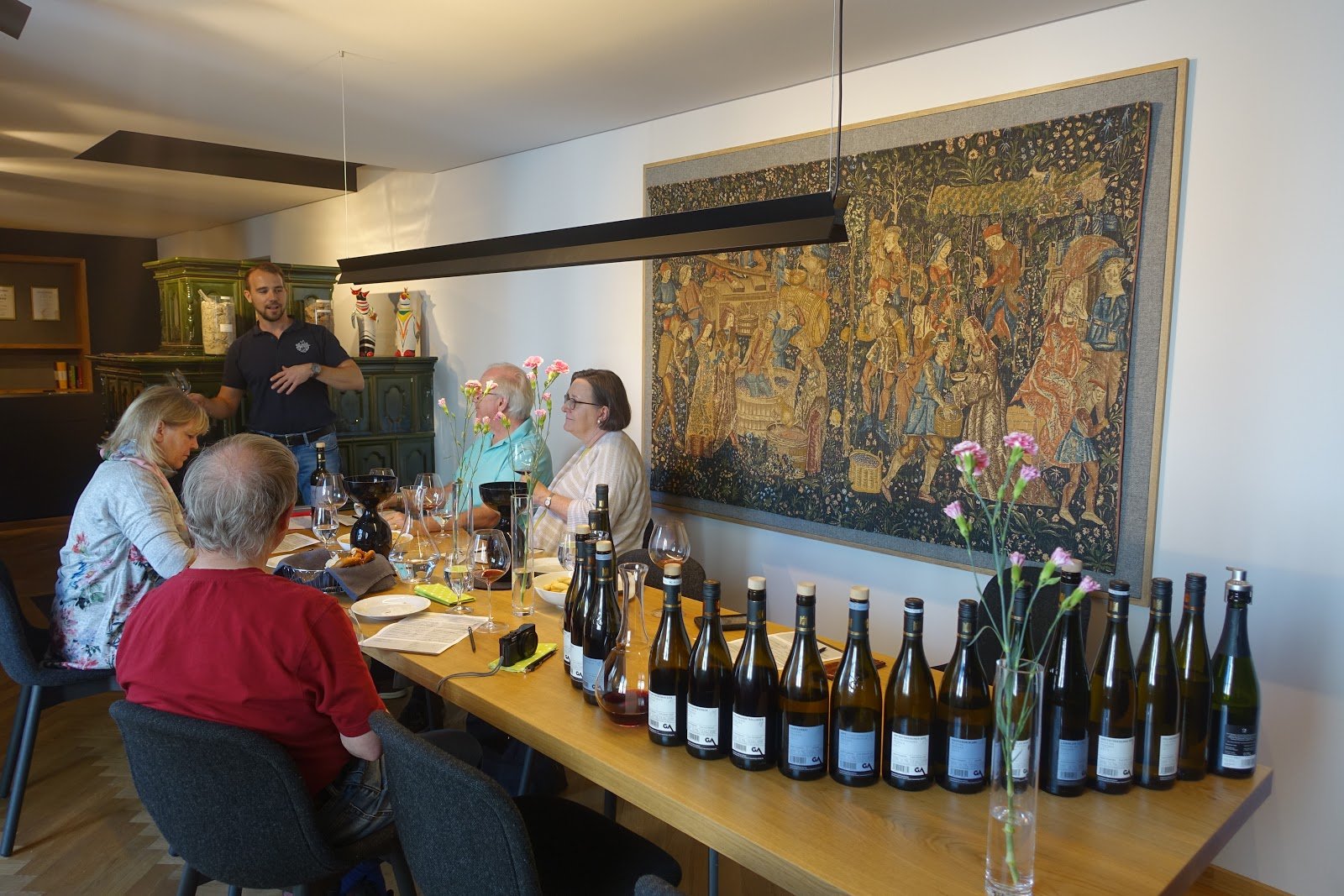
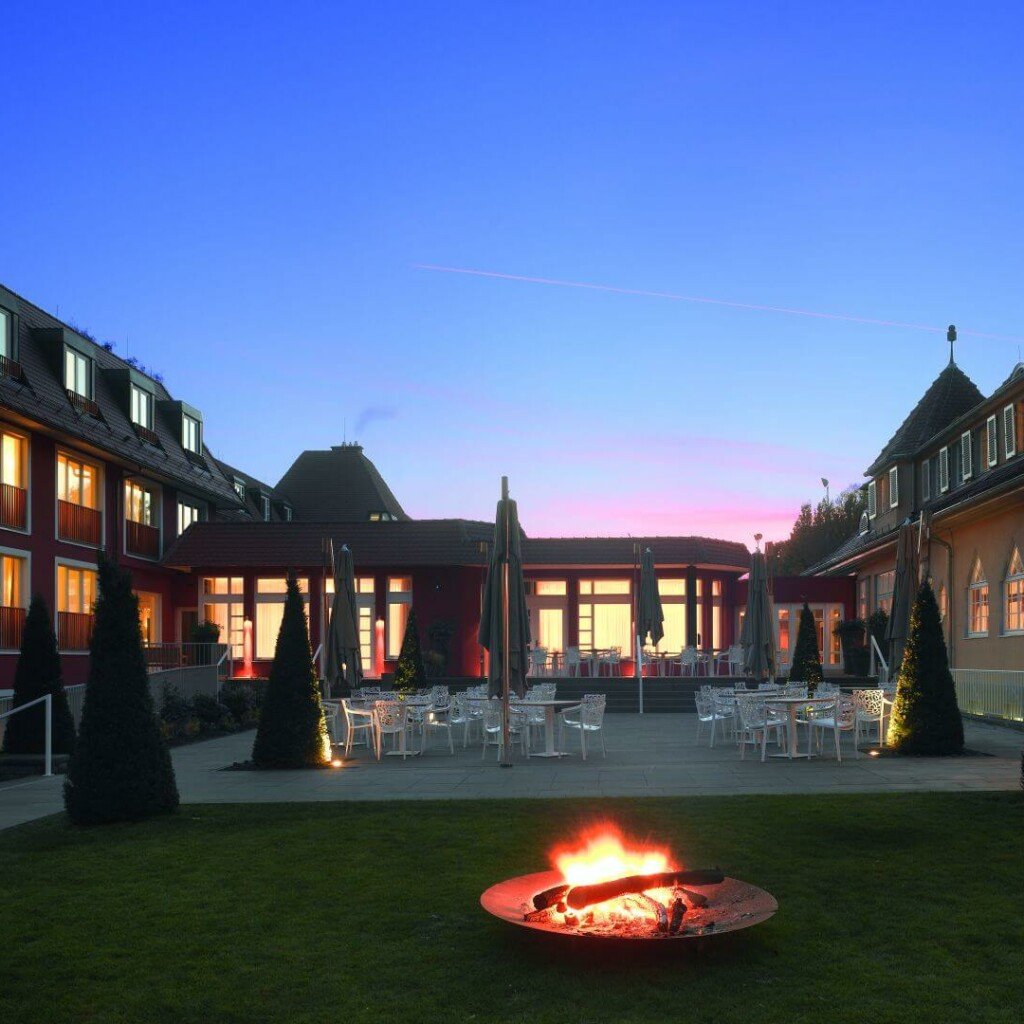
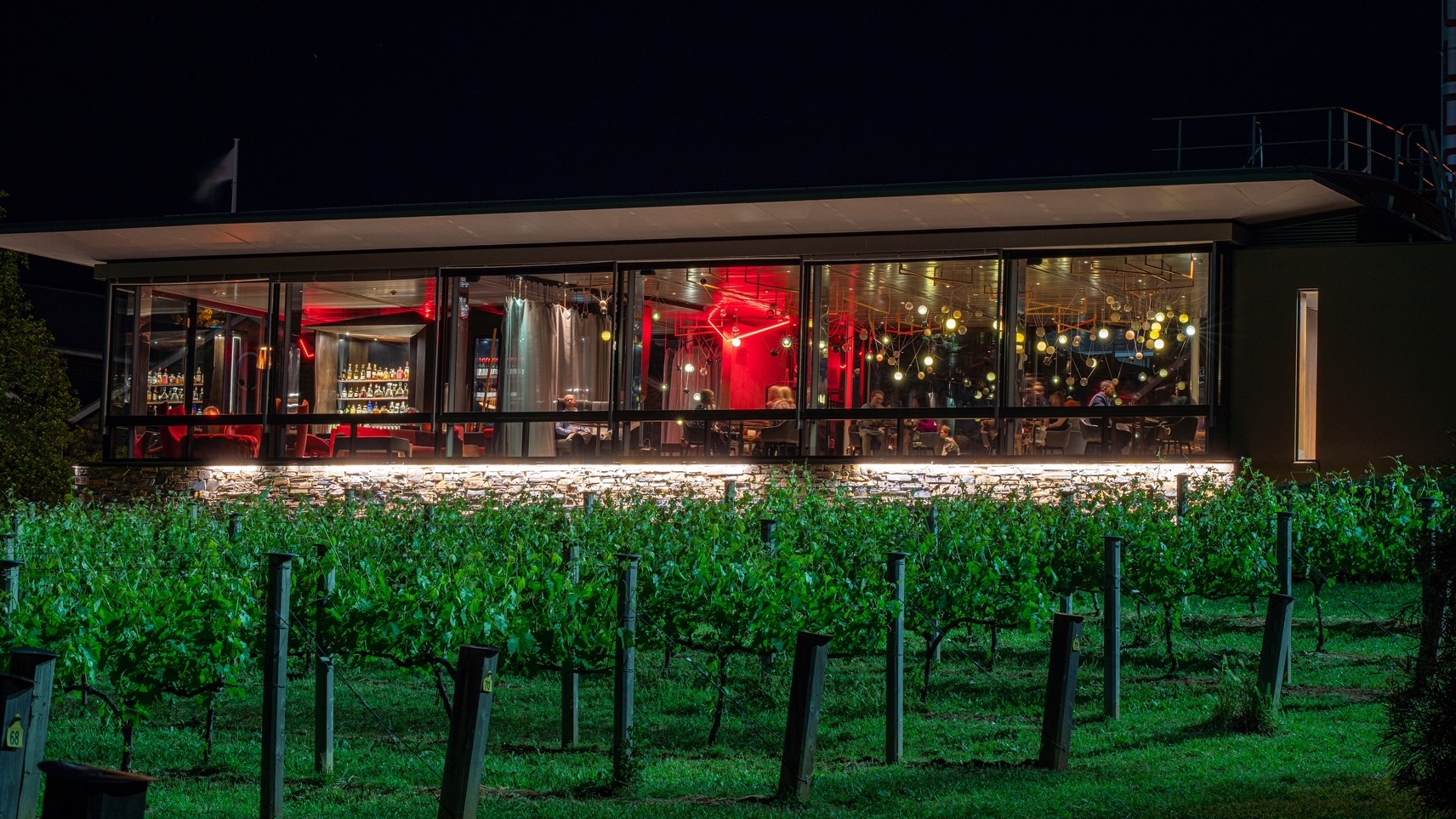
The room has the atmosphere of a cooperative that still belongs to its town. The vinothek and tasting areas sit in and around the historic Kelter, with the Neue Kelter giving the public side of the house a direct line to the cellar’s work. During events the place becomes social, with vineyard tours, afterwork gatherings, wine festivals, and guided tastings drawing people up toward the Kappelberg and back to the glass. On quieter days, the counter carries the slower rhythm of advice: a Riesling for a meal, a Lemberger for someone who knows the local reds, a Grauburgunder chosen from the edition ladder rather than from a script. The setting keeps the cellar close. Indoor spaces, outdoor areas in front of the Neue Kelter, and the surrounding Remstal vineyards all point to the same source of authority, which is not décor but proximity to the fruit.
Why this scale still has a hand
Fellbacher Weingärtner matters because it shows a different kind of authorship. The artisan here is not framed as a solitary grower behind a single gate, but as the Kellermeister inside a member-owned system with a long civic memory. Founded in 1858, the cooperative still works as a production house, a vinothek, and a public wine address for Fellbach. If the next glass here asks for attention, it is the one that ties Zerweck’s cellar to a named place on the slope: Fellbach Lämmler.
Know before you go
- Reservations
- walk_in_friendly
- Parking
- on_site_lot
- Payment
- cash, credit_card, debit_card
- Outdoor seating
- Yes
- Groups
- Welcomed
Address
Fellbach, Württemberg, Baden-Wuerttemberg, Deutschland
Fellbach / Remstal