Made ByRestaurant
Feng Zhen Lor Mee
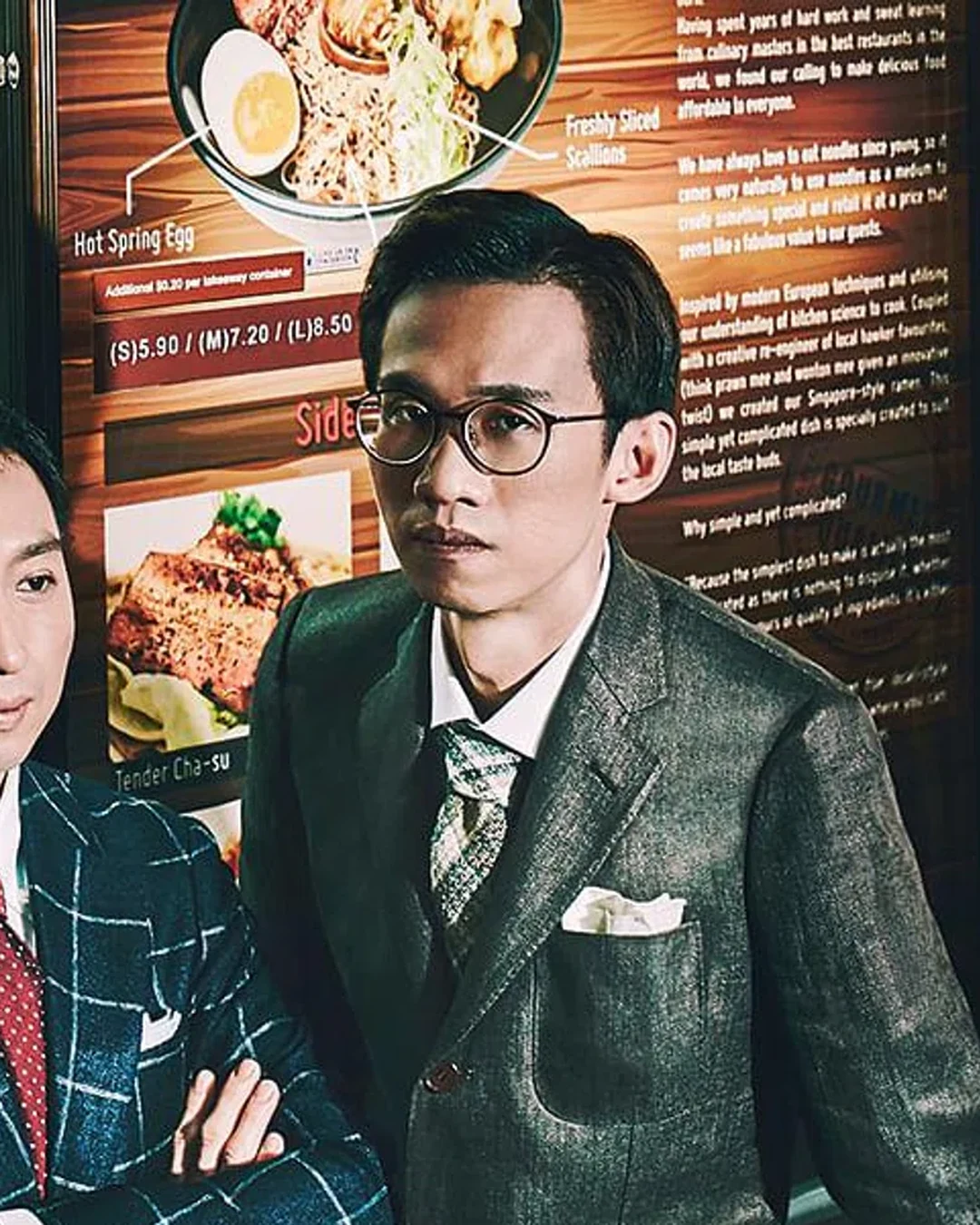
Chef in Residence
Ben Tham
Chef
- 01CuisineTraditional Hokkien Lor Mee
- 02CitySingapore, Singapore
Feng Zhen Lor Mee holds a Michelin Plate (2024) at its Jurong East hawker stall, where Gwern Khoo and Ben Tham serve one of Singapore's most recognised versions of the thick, starchy braised-noodle dish. A 4.3 Google rating across 324 reviews confirms sustained public standing. The stall sits at 80 Jurong East Street 21, well outside the tourist-hawker circuit.
At a glance
- Cuisine
- Traditional Hokkien Lor Mee
- Price
- $
- Per person
- $5
- Hours
- Mon: 7:30 AM–2 PM; Tue: 7:30 AM–2 PM; Wed: 7:30 AM–2 PM; Thu: 7:30 AM–2 PM; Fri: 7:30 AM–2 PM; Sat: Closed; Sun: Closed
- Neighborhood
- Jurong West
- Rating
- 4.0 (119)
<h2>A Michelin Plate in the Heartlands</h2><p>Singapore's hawker culture has always operated on a geography of inconvenience. The stalls that earn serious critical attention are rarely the ones closest to MRT exits or hotel concierges. They are in neighbourhood coffee shops in Toa Payoh, void decks in Bedok, and, in this case, a hawker centre in Jurong East, a residential and industrial district that most visitors never reach. That distance from the tourist circuit is part of the stall's appeal.</p><p>The Michelin Guide's Plate distinction, awarded in 2024, does not imply a fine-dining register. It signals something more specific: a dish executed with enough consistency and craft to warrant critical attention, regardless of setting. At the $ price tier, Feng Zhen sits in a category where the Guide's recognition carries particular weight, because the competition is enormous. Singapore has hundreds of lor mee stalls. The Plate narrows the field considerably.</p><h2>What Lor Mee Actually Is</h2><p>Lor mee is one of the more misunderstood dishes in the Hokkien-Chinese hawker tradition. The name references the lor, a thick, starchy gravy made from braised pork stock, thickened with cornstarch or tapioca, and deepened with dark soy sauce and five-spice. The noodles themselves (typically thick yellow egg noodles or a combination with bee hoon) are secondary to that gravy, which should coat everything without becoming gluey or one-dimensional. A well-made lor carries a faint vinegar edge, heat from sambal, and the richness of braised pork belly or ngoh hiang (five-spice pork roll) served on leading.</p><p>It is a dish that rewards patience and penalises shortcuts. The gravy demands long simmering; the toppings need to be braised separately and added to order. Stalls that cut corners produce a starchy, flat bowl. Stalls that get it right produce something that is deeply savoury, textured, and far more complex than its humble appearance suggests. The Michelin Plate at Feng Zhen is, in effect, a declaration about which side of that line the stall lands on.</p><h2>Critical Reception and What the Awards Imply</h2><p>The Michelin Plate designation functions differently from a star. Stars imply a full experiential standard, service, setting, consistency over multiple courses. The Plate is narrower and, in the hawker context, arguably more honest: it is awarded for cooking quality alone, stripped of ambient variables. For a single-dish hawker stall operating at street-food prices, that focus is appropriate.</p><p>A 4.0 Google rating across 119 reviews adds a second layer of credibility. At hawker centres, where expectations are formed by decades of repeat visits from local regulars, a rating at that level reflects genuine satisfaction from an audience that is not easily impressed and has strong comparative references. This is not a stall sustained by novelty or social media cycles.</p><p>For comparison, Singapore's most recognised noodle operations in the Michelin system include <a href="https://www.enprimeurclub.com/restaurants/hill-street-tai-hwa-pork-noodle-singapore-restaurant">Hill Street Tai Hwa Pork Noodle</a>, which holds a full Michelin star for its bak chor mee, and <a href="https://www.enprimeurclub.com/restaurants/545-whampoa-prawn-noodles-singapore-restaurant">545 Whampoa Prawn Noodles</a>, recognised for its prawn noodle soup. Feng Zhen occupies the same tier of hawker-level Michelin attention, applied to a different dish and a different part of the island. The citywide pattern is worth understanding: Michelin's Singapore coverage has consistently rewarded hawker cooking that maintains discipline over a single, technically demanding dish rather than attempting breadth.</p><p>Within Singapore's broader Michelin-recognised stall ecosystem, lor mee has fewer representatives than dishes like char kway teow, bak chor mee, or chicken rice. That relative scarcity makes Feng Zhen's Plate more significant as a data point about where the dish stands critically. See also <a href="https://www.enprimeurclub.com/restaurants/91-fried-kway-teow-mee-singapore-restaurant">91 Fried Kway Teow Mee</a> and <a href="https://www.enprimeurclub.com/restaurants/a-noodle-story-singapore-restaurant">A Noodle Story</a> for contrast across Singapore's Michelin-recognised noodle range.</p><h2>Gwern Khoo and Ben Tham at the Counter</h2><p>The stall is operated by Gwern Khoo and Ben Tham. In Singapore's hawker tradition, two-person operations at a single stall typically indicate either a family succession arrangement or a deliberate decision to maintain output quality by limiting capacity. The Michelin Guide's sustained interest in hawker stalls run by pairs or small teams reflects a broader pattern: consistency at this level usually requires focused human attention rather than scaled-up production. Their credentials here are the dish itself and the recognition it has earned.</p><h2>Jurong East and the Decentralised Hawker Map</h2><p>The location at 80 Jurong East Street 21 places Feng Zhen in a residential precinct far from the central hawker destinations that appear in most visitor itineraries. Jurong East is primarily known as a commercial and industrial hub, with the Jurong Lake District development shifting some attention westward, but it has not yet become a food-tourism destination in the way that Tiong Bahru or Chinatown have.</p><p>That distance is, paradoxically, a useful quality signal. Stalls in less-trafficked hawker centres survive almost entirely on local repeat business. There are no tourist markups, no performance for unfamiliar audiences, and no incentive to adjust the dish for foreign palates. What you eat at Feng Zhen is what the neighbourhood has been eating for years. The Michelin Plate confirms that what the neighbourhood has been eating is worth the trip across the island.</p><p>For readers building a wider hawker itinerary across Singapore's western and northern precincts, <a href="https://www.enprimeurclub.com/restaurants/adam-rd-noo-cheng-big-prawn-noodle-singapore-restaurant">Adam Rd Noo Cheng Big Prawn Noodle</a> offers a useful parallel: another well-regarded noodle operation outside the central tourist corridor, sustained by local demand and critical recognition.</p><h2>Southeast Asian Street Food in Regional Context</h2><p>Lor mee belongs to a family of thick-gravy noodle dishes found across the Hokkien diaspora in Southeast Asia, with close relatives in Penang and parts of Malaysia. The Singapore version has evolved into its own register, typically richer and more heavily braised than its northern cousins. For readers tracing this tradition across the region, the Penang hawker scene offers instructive comparisons: <a href="https://www.enprimeurclub.com/restaurants/888-hokkien-mee-lebuh-presgrave-george-town-restaurant">888 Hokkien Mee (Lebuh Presgrave)</a> in George Town represents a different branch of the same Hokkien noodle lineage, as does <a href="https://www.enprimeurclub.com/restaurants/ah-boy-koay-teow-thng-george-town-restaurant">Ah Boy Koay Teow Th'ng</a>. Further afield, <a href="https://www.enprimeurclub.com/restaurants/air-itam-duck-rice-george-town-restaurant">Air Itam Duck Rice</a>, <a href="https://www.enprimeurclub.com/restaurants/air-itam-sister-curry-mee-george-town-restaurant">Air Itam Sister Curry Mee</a>, and <a href="https://www.enprimeurclub.com/restaurants/ali-nasi-lemak-daun-pisang-george-town-restaurant">Ali Nasi Lemak Daun Pisang</a> illustrate how George Town's hawker culture has developed its own Michelin-recognised tier. Thai street food enters a different register entirely, as seen at <a href="https://www.enprimeurclub.com/restaurants/a-pong-mae-sunee-phuket-restaurant">A Pong Mae Sunee</a> in Phuket and <a href="https://www.enprimeurclub.com/restaurants/anuwat-phang-nga-restaurant">Anuwat</a> in Phang Nga. Even Hong Kong's street-food tradition offers contrast, as <a href="https://www.enprimeurclub.com/restaurants/banana-boy-hong-kong-restaurant">Banana Boy</a> in Hong Kong shows.</p><h2>Know Before You Go</h2><div style="background:#f7f7f5;border-left:4px solid #c8a96e;padding:16px 20px;margin:24px 0;"><p>Address: 80 Jurong East Street 21, #01-05, Singapore 609607</p><p>Price range: $ (hawker pricing)</p><p>Awards: Michelin Plate (2024)</p><p>Google rating: 4.3 from 324 reviews</p><p>Cuisine: Lor Mee (Hokkien-Chinese hawker)</p><p>Hours: Mon to Fri, 7:30 AM to 2 PM; Sat and Sun, closed</p><p>Booking: Walk-in friendly</p><p>Getting there: 80 Jurong East Street 21, #01-05, Singapore 609607</p></div>
Know before you go
- Dress code
- casual
- Reservations
- walk_in_friendly
- Payment
- cash
- Accessibility
- elevator
Frequently asked
Who runs the kitchen at Feng Zhen Lor Mee?
The chef associated with Feng Zhen Lor Mee is Gwern Khoo and Ben Tham.
How much does it cost to eat at Feng Zhen Lor Mee?
Pricing at Feng Zhen Lor Mee is listed as $.
What's the must-try dish at Feng Zhen Lor Mee?
The stall's name leaves no ambiguity: lor mee is the dish to order. The Michelin Plate (2024) was awarded for this single preparation, a Hokkien-Chinese classic built around thick, starchy braised gravy over noodles. Operated by Gwern Khoo and Ben Tham at 80 Jurong East Street 21, the stall has drawn recognition specifically for this dish rather than a broad menu.
Address
80 Jurong East Street 21, #01-05, Singapore 609607
Jurong West
How it compares
- Cuisine
- Traditional Hokkien Lor Mee
- Awards
- Michelin Plate
- Notes
- TOH GUAN, $
- Cuisine
- Teochew Fishball Noodles
- Awards
- Michelin Plate
- Notes
- MEI CHIN, $
Hock Lye Noodles House & Fishii Tales
- Cuisine
- Singaporean Prawn Noodles & Fishball Noodles
- Awards
- Michelin Plate
- Notes
- GHIM MOH, $
- Cuisine
- Hong Kong-Style Cantonese Beef Brisket Noodles
- Awards
- Michelin Plate
- Notes
- MEI CHIN, $
- Cuisine
- Hainanese Pork Porridge
- Awards
- Michelin Plate
- Notes
- REDHILL, $
- Cuisine
- Singaporean Kway Chap
- Awards
- Michelin Plate
- Notes
- REDHILL, $
In residence
Similar places
Modern French Fine Dining
Odette
Singapore, Singapore
★★★ · 50 Best
Modern Australian Barbecue
Burnt Ends
Singapore, Singapore
★ · 50 Best
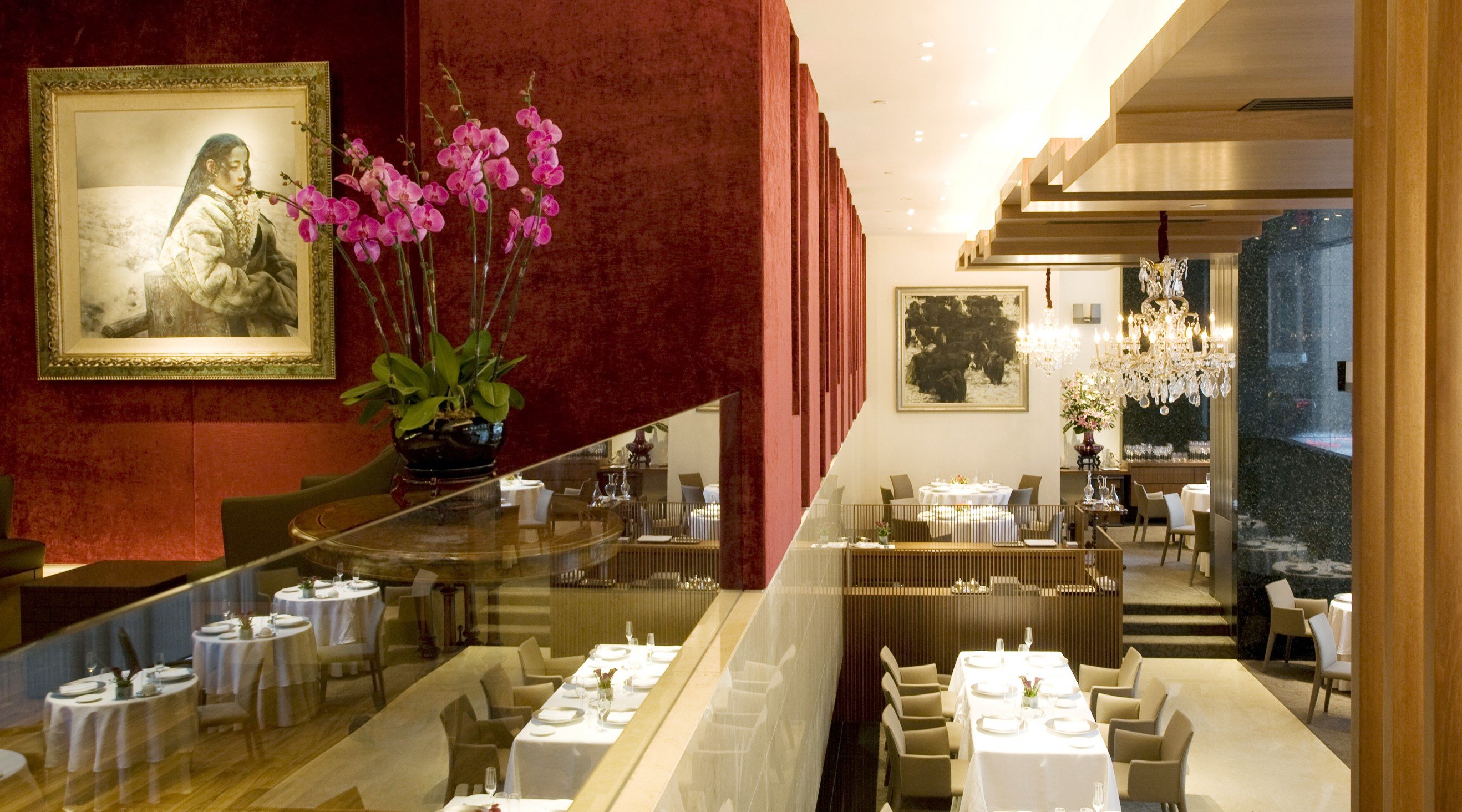
Classic French Haute Cuisine
Les Amis
Singapore, Singapore
★★★ · 50 Best
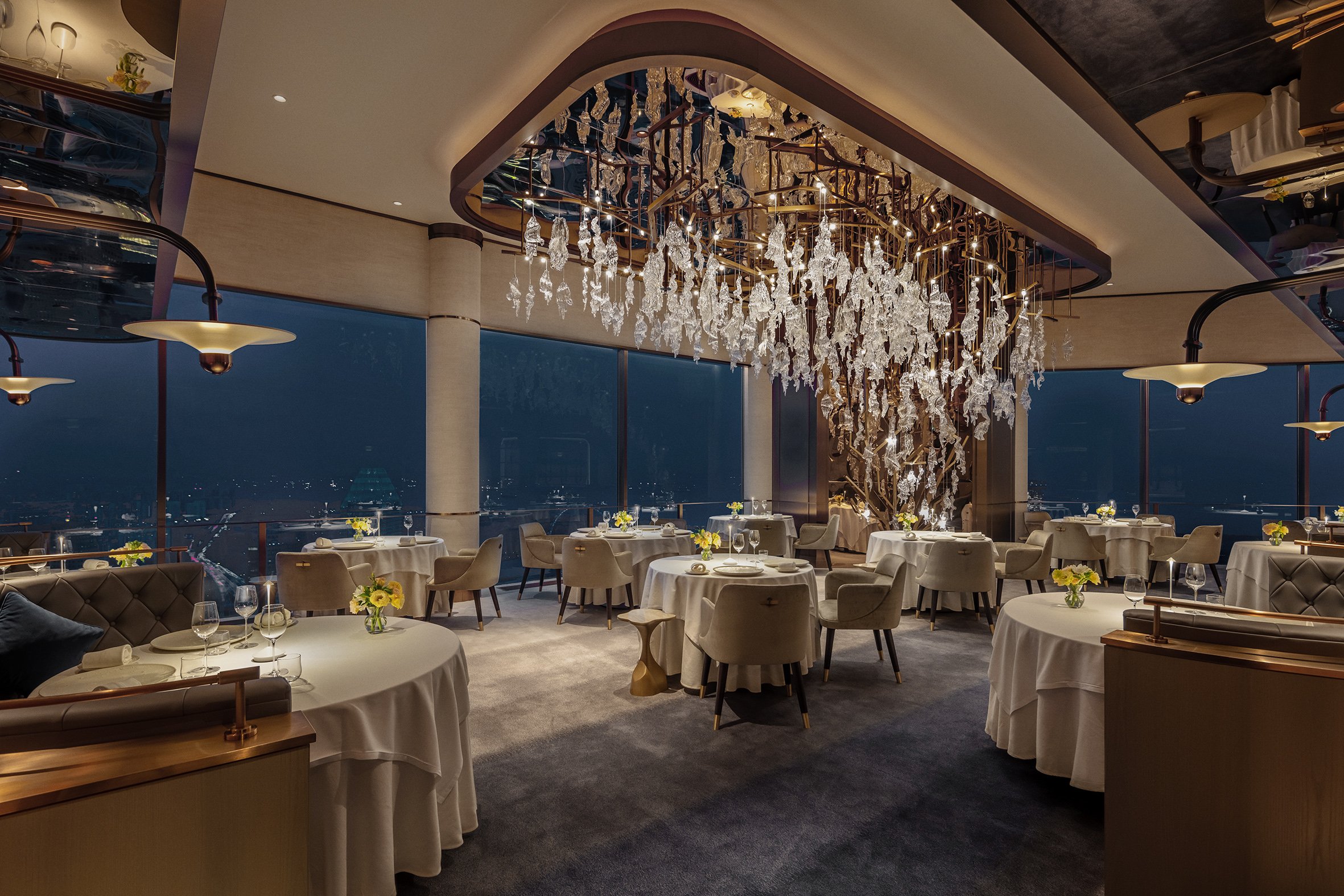
Modern British Fine Dining
Jaan by Kirk Westaway
Singapore, Singapore
★★ · 50 Best
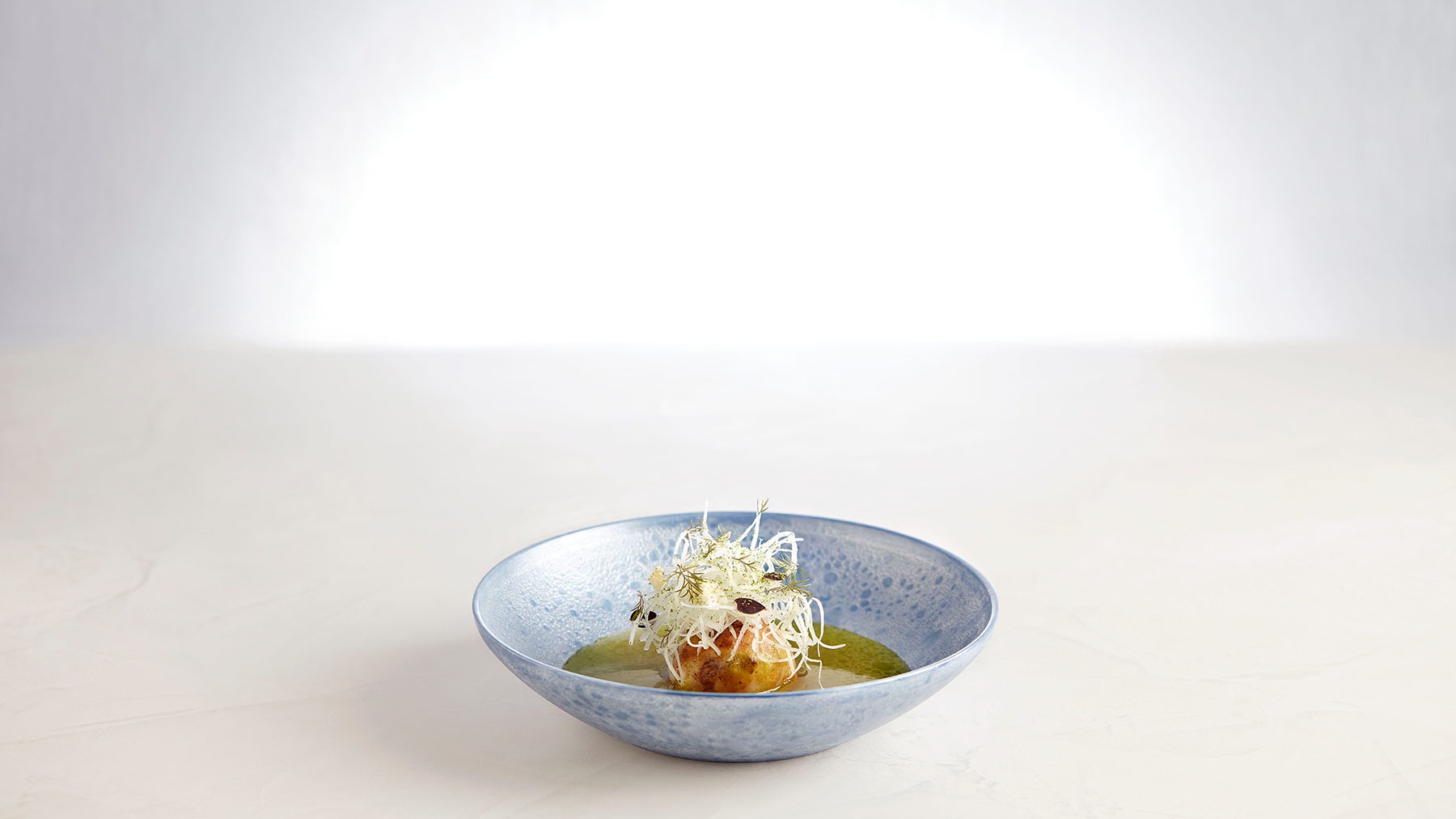
Contemporary Fusion Fine Dining
Born
Singapore, Singapore
★ · 50 Best
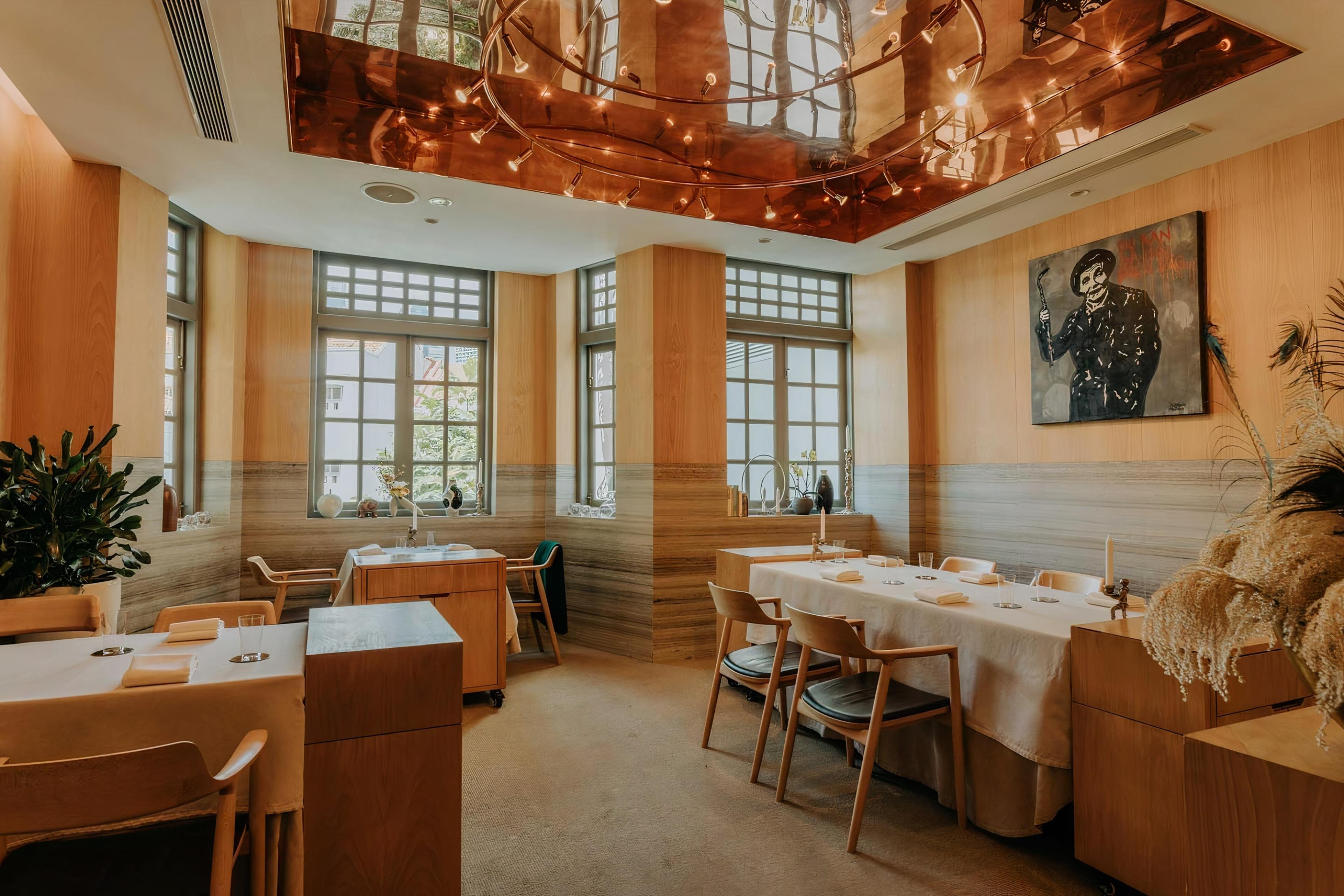
Neo-Nordic with Japanese Influences
Zén
Singapore, Singapore
★★★ · 50 Best