Made ByRestaurant
Frédéric Molina au Moulin de Léré
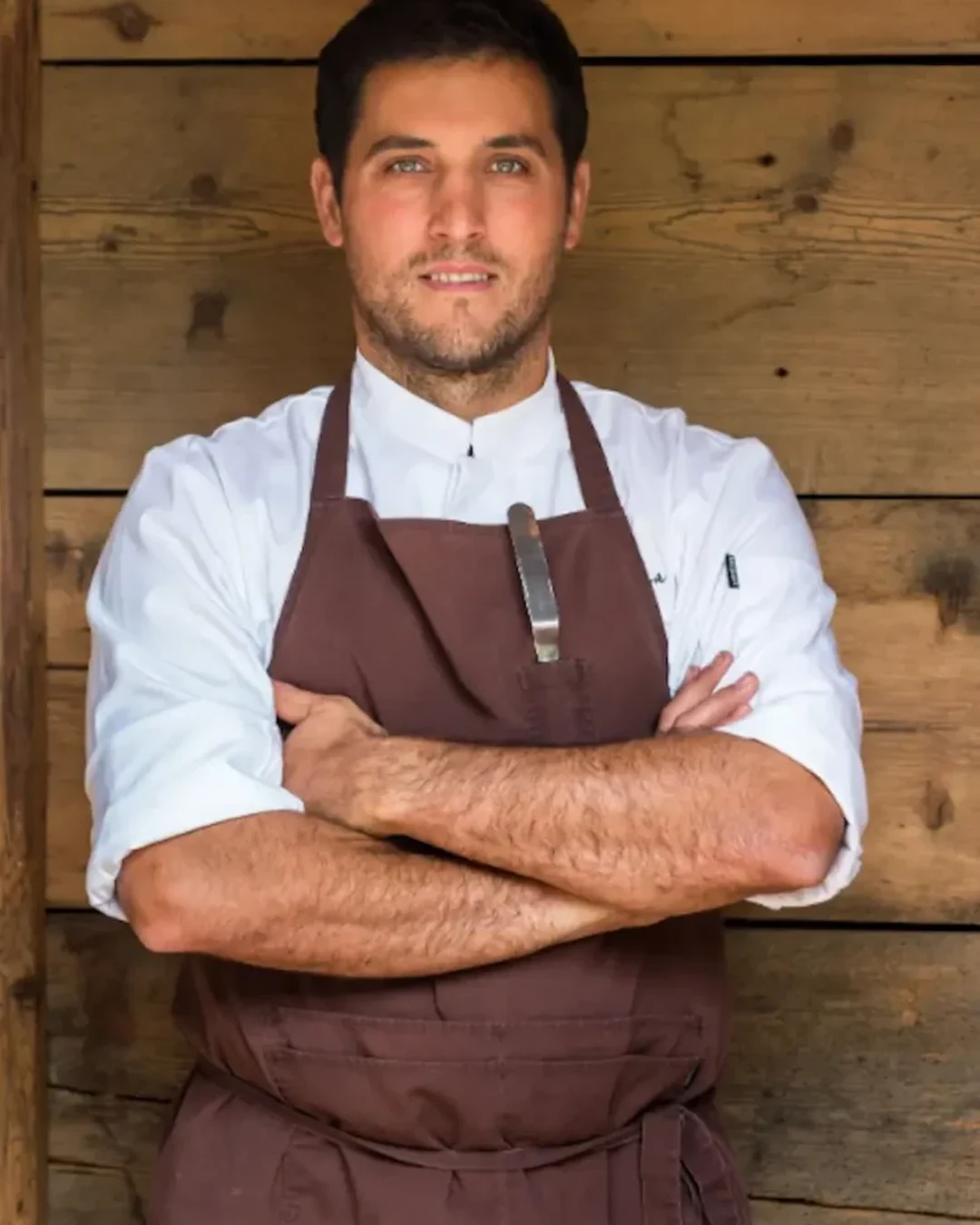
Chef in Residence
Frédéric Molina
Chef
- 01CuisineModern French Fine Dining
- 02CityVailly, France
- 03RecognitionOne Michelin Star
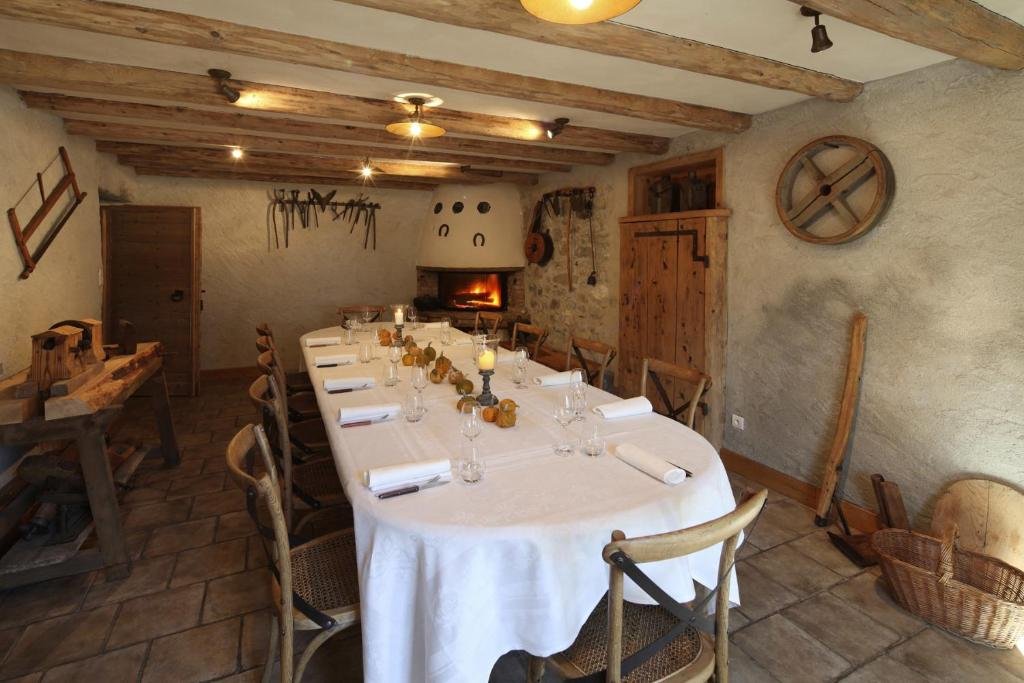
In the Vallée du Brevon above Vailly, Frédéric Molina's relocated fine dining address occupies a two-hundred-year-old farmhouse with glass-walled views over Alpine peaks and old-growth forest. A Michelin star (2024) anchors a menu structured around '52 seasons', a framework that channels wild plants, lake fish, game, and hyperlocal produce sourced within 30km into a disciplined, poetic modern cuisine.
- 1 Michelin Star
At a glance
- Cuisine
- Modern French Fine Dining
- Price
- $$$$
- Per person
- $150
- Neighborhood
- Vailly
- Rating
- 4.7 (473)
<h2>A farmhouse above the valley floor</h2><p>The approach to Frédéric Molina au Moulin de Léré sets the register before you reach the door. The Vallée du Brevon runs tight between forested slopes in the Haute-Savoie, and the road from Vailly climbs into terrain where the peaks of Les Trois Becs are visible above the tree line and the Forêt Ivre, its fir trees tilted at angles that have puzzled visitors for decades, presses in from the east. The building itself is a former farmhouse, and the renovation has deliberately kept the structure legible: pale wood furnishings made to order, contemporary lighting calibrated not to compete with the daylight, local ceramic tableware on the tables. The glass-walled dining room sits on the upper floor, positioned so that the surrounding countryside and the working kitchen below are both within sightline. That arrangement, landscape and labour held simultaneously in view, is not incidental. It reflects a kitchen philosophy in which sourcing radius and seasonal timing are treated as structural constraints, not decorative claims.</p><p>Frédéric Molina relocated this restaurant to the current farmhouse site after operating from Le Moulin de Léré, less than 2km away in the same valley. The move retained the geographical anchor while expanding both the physical space and the conceptual ambition. Within the broader French regional fine dining scene, where houses like <a href="https://www.enprimeurclub.com/restaurants/bras-laguiole-restaurant">Bras in Laguiole</a> and <a href="https://www.enprimeurclub.com/restaurants/auberge-du-vieux-puits-fontjoncouse-restaurant">Auberge du Vieux Puits in Fontjoncouse</a> have long argued that serious cooking does not require a metropolitan postcode, the Molinas' choice to build in a remote Alpine valley reads as a considered position rather than a circumstantial one.</p><h2>The '52 seasons' framework</h2><p>French fine dining has cycled through several organisational principles over the past generation: the classical brigade, the chef-as-auteur, the terroir-first movement, and more recently a microseasonality that pushes beyond the four conventional seasons into something closer to a forager's calendar. The menu at Frédéric Molina au Moulin de Léré operates under the banner of '52 seasons', a framework that treats each week of the year as a distinct window rather than folding weeks into quarters. The practical consequence is a kitchen attentive to the specific availability of wild plants, lake fish, game, and garden produce in a given seven-day period, a discipline that demands reliable sourcing relationships and real processing capacity, not simply a willingness to describe a menu as seasonal.</p><p>The sourcing radius is defined at 30km. That figure is not unusual for a committed terroir-driven kitchen, but it is worth noting what it rules out at altitude in the Haute-Savoie: certain imported protein formats, out-of-season greenhouse produce, and the kind of cosmopolitan ingredient mixing that characterises some of the three-star addresses in the Paris bracket, such as <a href="https://www.enprimeurclub.com/restaurants/alleno-paris-au-pavillon-ledoyen-paris-restaurant">Alléno Paris au Pavillon Ledoyen</a>. The constraint is also an asset. Lake fish from the nearby Alpine lakes, game from the surrounding forests, and foraged material from the valley floor give the kitchen a larder that changes week by week and is largely unavailable to restaurants operating at lower altitudes or in urban centres.</p><p>The wine programme reinforces the sourcing logic. The cellar is organic and biodynamic, a selection that reflects the same attention to production method that governs the kitchen's ingredient choices. This alignment between plate and glass is increasingly common in France's most committed regional tables, <a href="https://www.enprimeurclub.com/restaurants/mirazur-menton-restaurant">Mirazur in Menton</a>, operating on biodynamic garden principles, offers a useful reference point, but it remains far from universal at the price point.</p><h2>Where this sits in the regional fine dining map</h2><p>Michelin one-star recognition places Frédéric Molina au Moulin de Léré in a specific tier of French regional cooking: serious enough to draw destination diners, but without the two- or three-star machinery that tends to professionalise the front-of-house into something impersonal. The Haute-Savoie and broader Rhône-Alpes corridor has produced a number of committed Alpine fine dining addresses over the years. <a href="https://www.enprimeurclub.com/restaurants/flocons-de-sel-megeve-restaurant">Flocons de Sel in Megève</a>, operating at three stars in a mountain setting, represents one end of the scale; smaller, newer single-star houses in the valley systems represent another. The Molina project belongs to the latter cohort: a kitchen where the chef's decision-making is still visible in every course, and where the front-of-house remains scaled to maintain that register.</p><p>Comparison set for this kind of address extends beyond the immediate region. French fine dining houses that have built reputations on radical locality and deep seasonal discipline, from <a href="https://www.enprimeurclub.com/restaurants/troisgros-le-bois-sans-feuilles-ouches-restaurant">Troisgros in Ouches</a> to <a href="https://www.enprimeurclub.com/restaurants/auberge-de-lill-illhaeusern-restaurant">Auberge de l'Ill in Illhaeusern</a>, have demonstrated that regional positioning, when executed with genuine rigour, creates a category of its own rather than placing a restaurant in a secondary tier beneath Paris. The star is the formal marker, but the sourcing system and the weekly menu structure are the substantive argument.</p><h2>Planning a visit</h2><p>Address, 270 Chem. de la Côté au Moulin de Léré, 74470 Vailly, France, sits in a valley setting that is most practically reached by car from Thonon-les-Bains or from the Lac Léman shore road. Vailly is a small commune, and the farmhouse site is outside the village centre proper, so arrival requires some attention to the route. The price range sits at €€€€.</p><p>Guestrooms are available at the property, which makes a longer stay a viable option. The valley itself, with the Forêt Ivre within reach and the Alpine terrain immediately accessible, offers enough to build a two-day stay around the meal rather than treating the drive as a round-trip obligation.</p><p>Advance reservation is advisable.</p>
Know before you go
- Dress code
- smart_casual
- Reservations
- essential
- Parking
- street
Frequently asked
Is Frédéric Molina au Moulin de Léré good for families?
The setting is a two-hundred-year-old farmhouse with a refined, minimalist interior and a glass-walled dining room overlooking the Vallée du Brevon — a considered environment rather than a casual one. At the €€€€ price point and with a Michelin star awarded in 2024, the experience is structured around a formal tasting format. Families with older children who are comfortable in that context will find the valley surroundings add a welcome sense of space, and guestrooms on site make an overnight visit more practical.
What is the atmosphere like at Frédéric Molina au Moulin de Léré?
The dining room occupies the upper floor of a farmhouse with a timber frame dating back two centuries, fitted out in pale custom-made wood, contemporary lighting, and local ceramic tableware. The glass walls open the room onto views of Les Trois Becs and the Forêt Ivre. It reads as quiet and deliberate: the kind of room where the kitchen — visible through the open pass — does the talking, not the décor.
What's Frédéric Molina au Moulin de Léré known for in terms of accolades?
Frédéric Molina au Moulin de Léré has received recognition including: Chef: Frédéric Molina document.addEventListener("DOMContentLoaded", function() { var el = document.getElementById("Achievements_chefs"); if (el && el.parentNode) { el.parentNode.removeChild(el); } });; Frédéric and Irene Molina have relocat….
What do regulars order at Frédéric Molina au Moulin de Léré?
The kitchen's organising principle — the '52 seasons' framework — means the menu shifts more frequently than a standard seasonal rotation, built around wild plants, lake fish, game, and poultry sourced within 30km. Specific dishes change with each cycle, so returning guests tend to order whatever reflects that week's forage and supplier haul rather than tracking a fixed signature. The biodynamic and organic wine cellar is a consistent draw alongside the food.
What's the price range at Frédéric Molina au Moulin de Léré?
Pricing at Frédéric Molina au Moulin de Léré is listed as €€€€.
Is Frédéric Molina au Moulin de Léré open every day?
Hours at Frédéric Molina au Moulin de Léré: Location.
Address
270 Chem. de la Côté au Moulin de Léré, 74470 Vailly, France
Vailly
How it compares
Frédéric Molina au Moulin de Léré
- Cuisine
- Modern French Fine Dining
- Price
- $$$$
- Awards
- Michelin 1 Star
- Notes
- Vailly
- Cuisine
- Creative French Fine Dining
- Price
- $$$$
- Awards
- —
- Notes
- Vailly
Les Fresques - Hôtel Royal
- Cuisine
- Modern French Gastronomique
- Price
- $$$$
- Awards
- Michelin 1 Star
- Notes
- Neuvecelle
Au Cœur du Village Hôtel & Spa
- Cuisine
- Modern French-Mauritian Fusion
- Price
- $$$$
- Awards
- Michelin 1 Star
- Notes
- La Clusaz village center
- Cuisine
- Modern French Fine Dining with Vegetable Focus
- Price
- $$$$
- Awards
- Michelin 1 Star
- Notes
- Le Jaillet
- Cuisine
- Modern French Alpine
- Price
- $$$$
- Awards
- Michelin 1 Star
- Notes
- Old Town (Vieille Ville)
In residence
Similar places
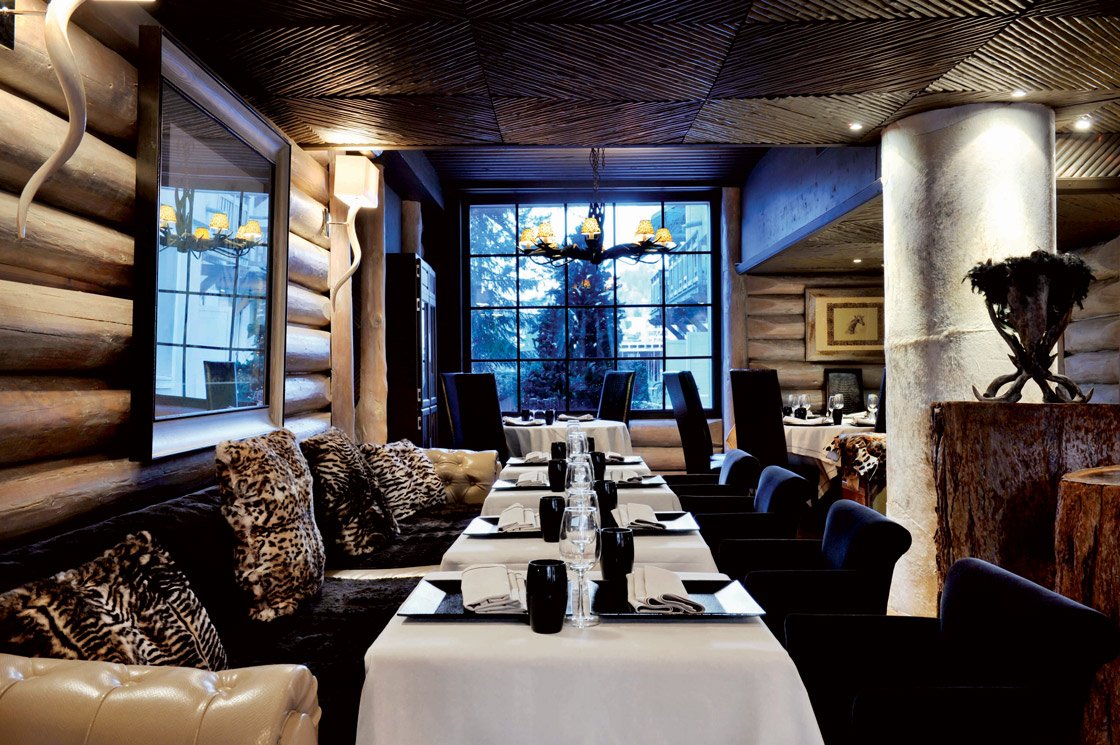
Creative French Fine Dining
Frédéric Molina à Forêt Ivre
Vailly, France
★
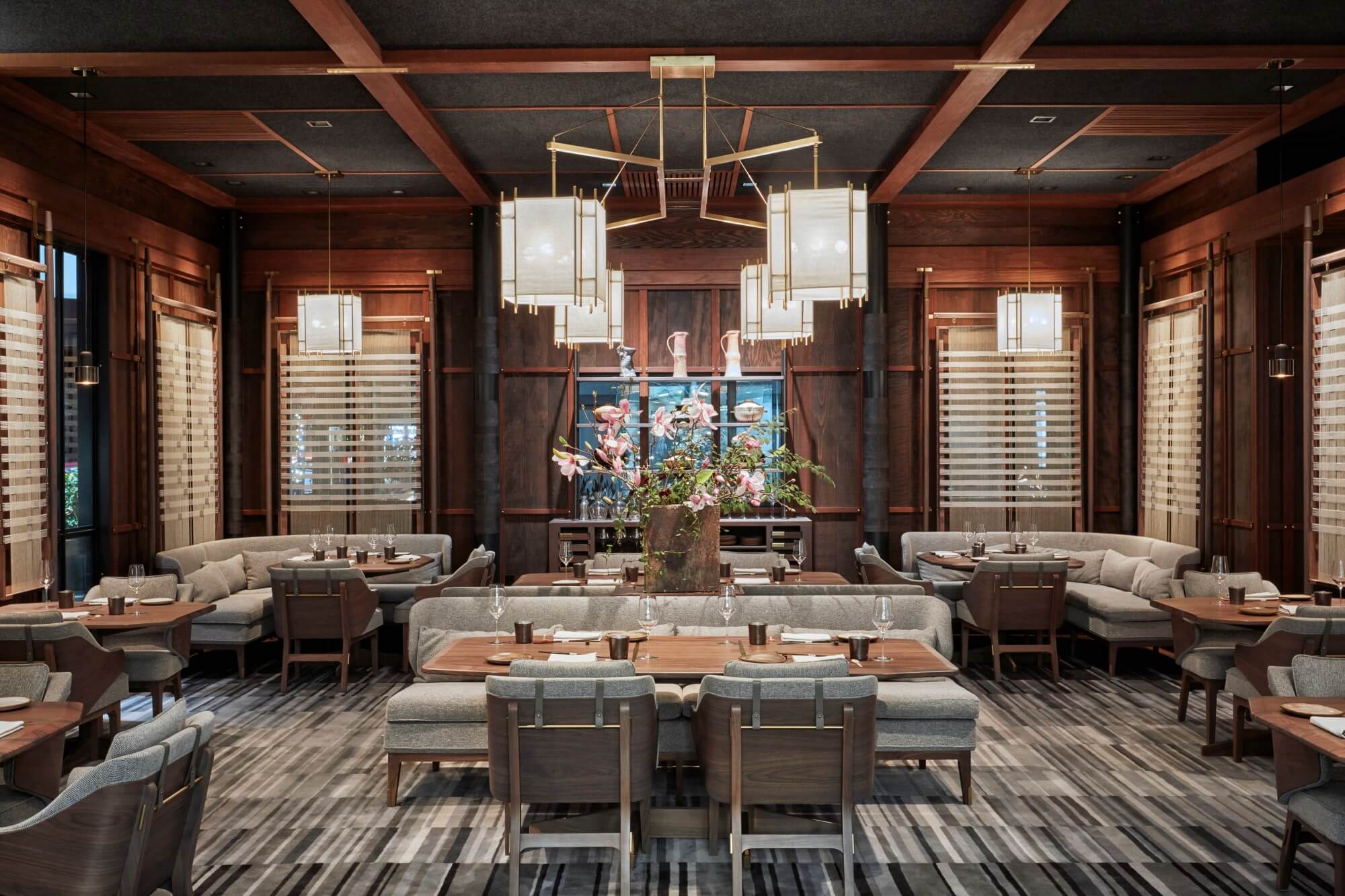
Japanese-influenced Californian Kaiseki
Single Thread Farm
Healdsburg, United States
★★★ · 50 Best
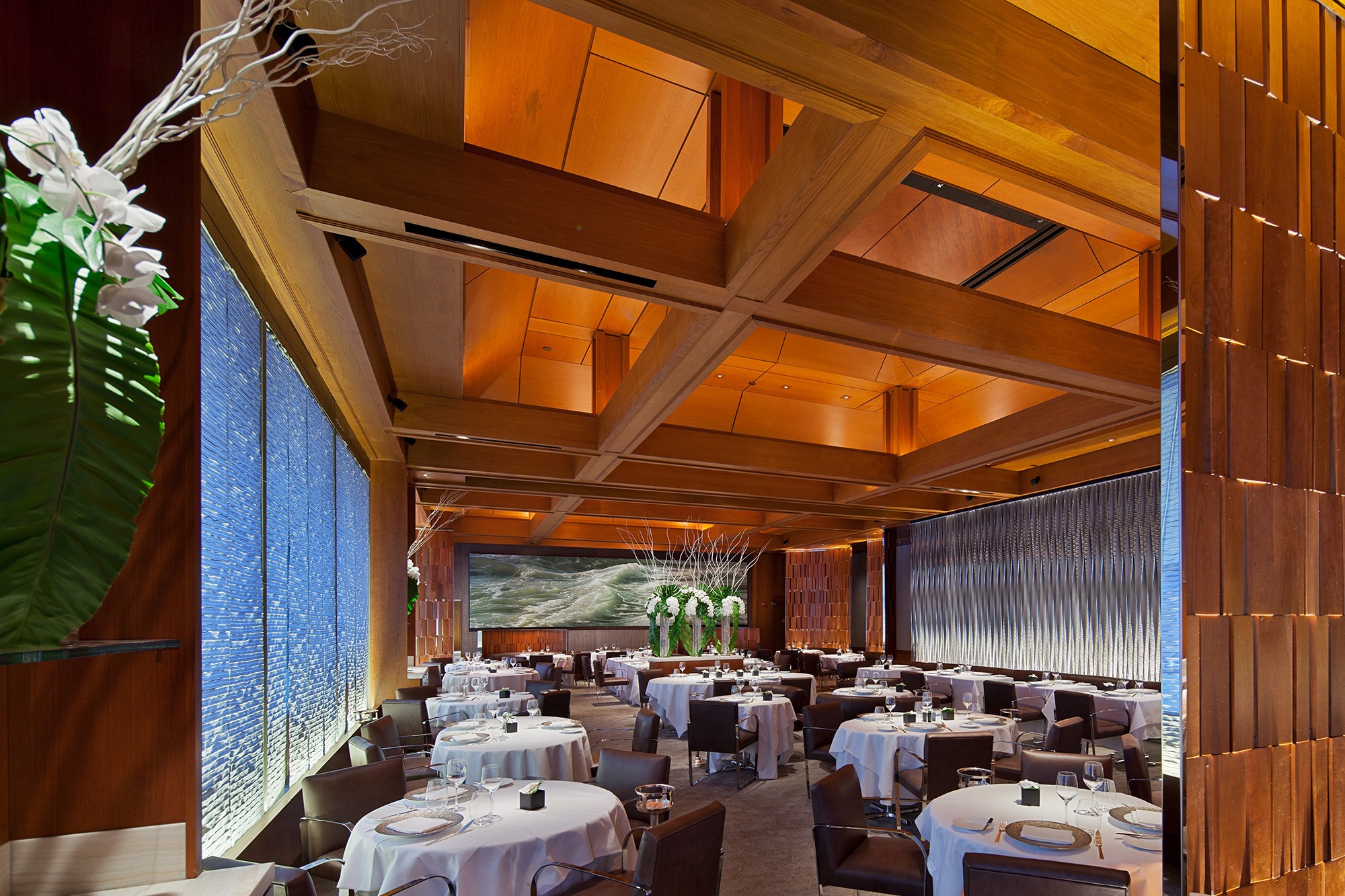
French Seafood Fine Dining
Le Bernardin
New York City, United States
★★★ · 50 Best
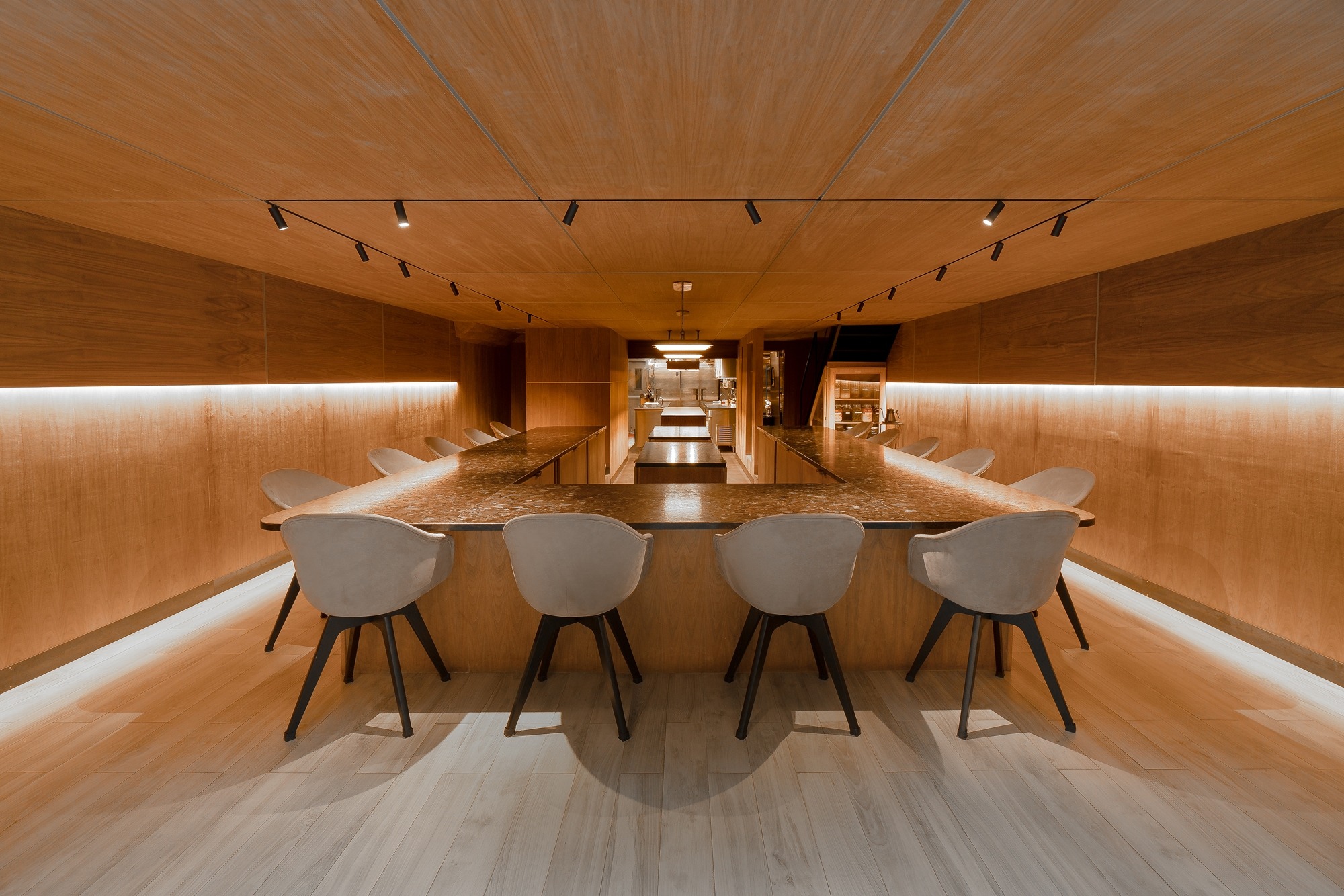
Modern Korean Tasting Menu
Atomix
New York City, United States
★★ · 50 Best
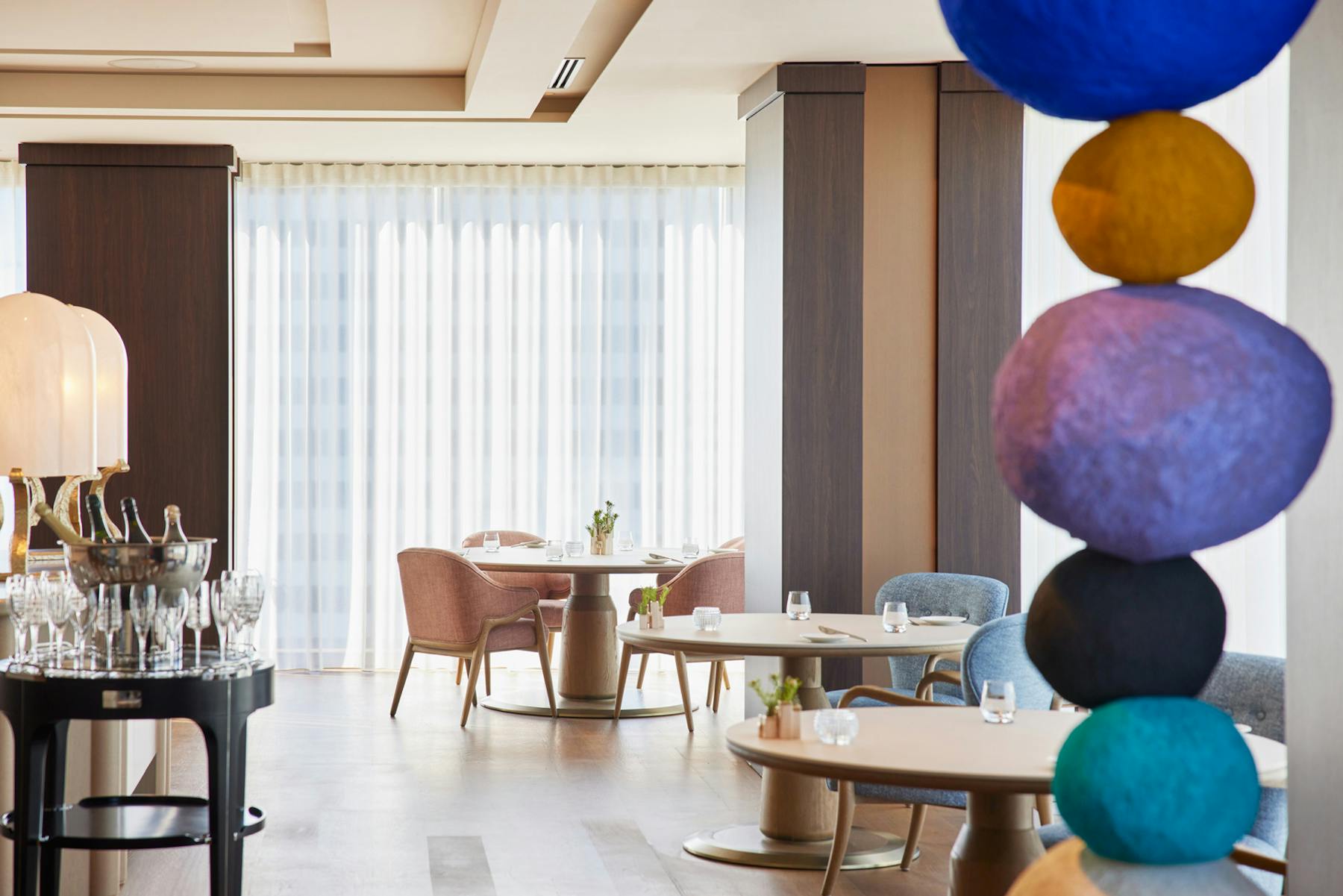
French
Sézanne
Tokyo, Japan
★★★ · 50 Best
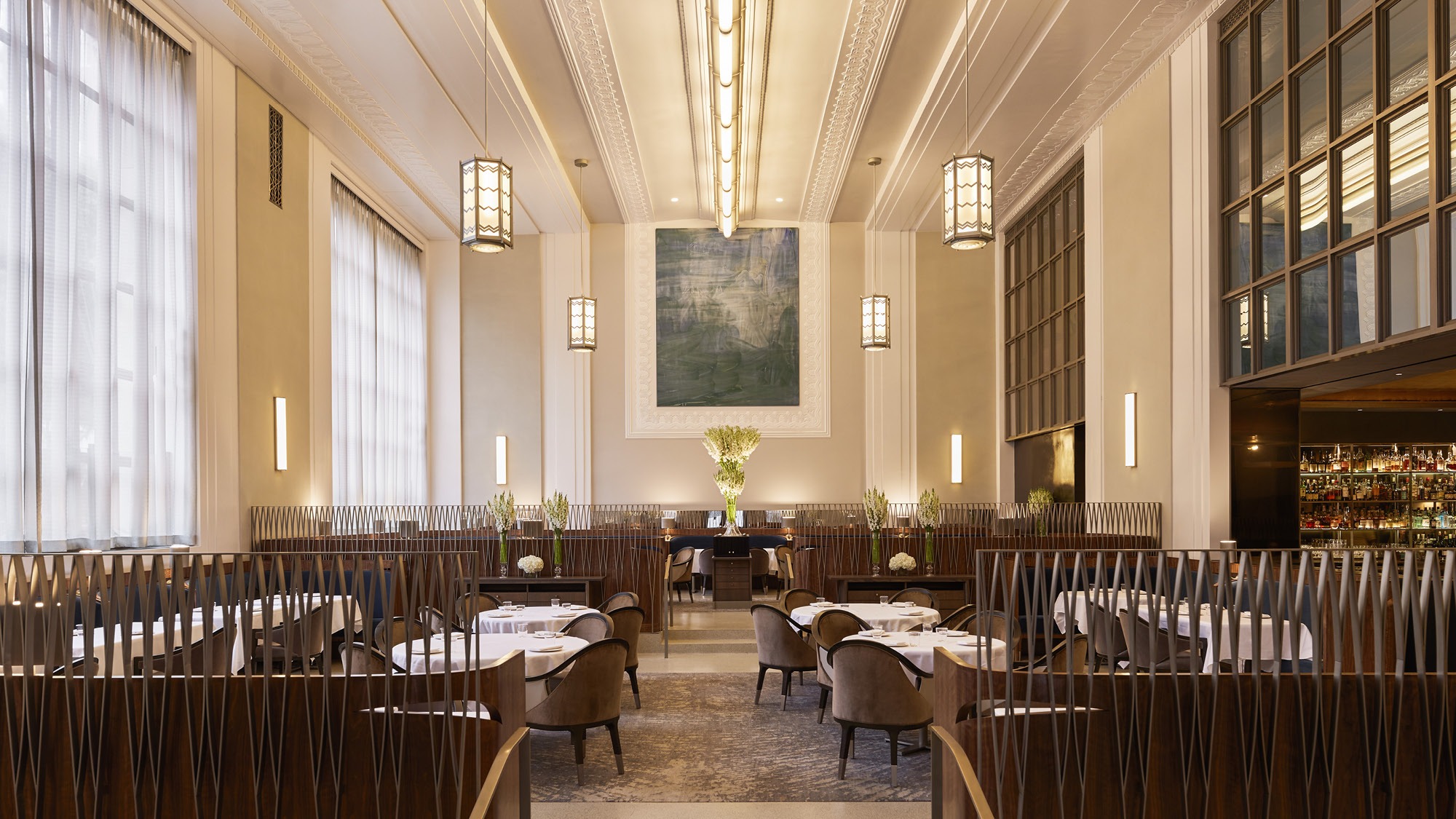
Contemporary Plant-Based Fine Dining
Eleven Madison Park
New York City, United States
★★★ · 50 Best