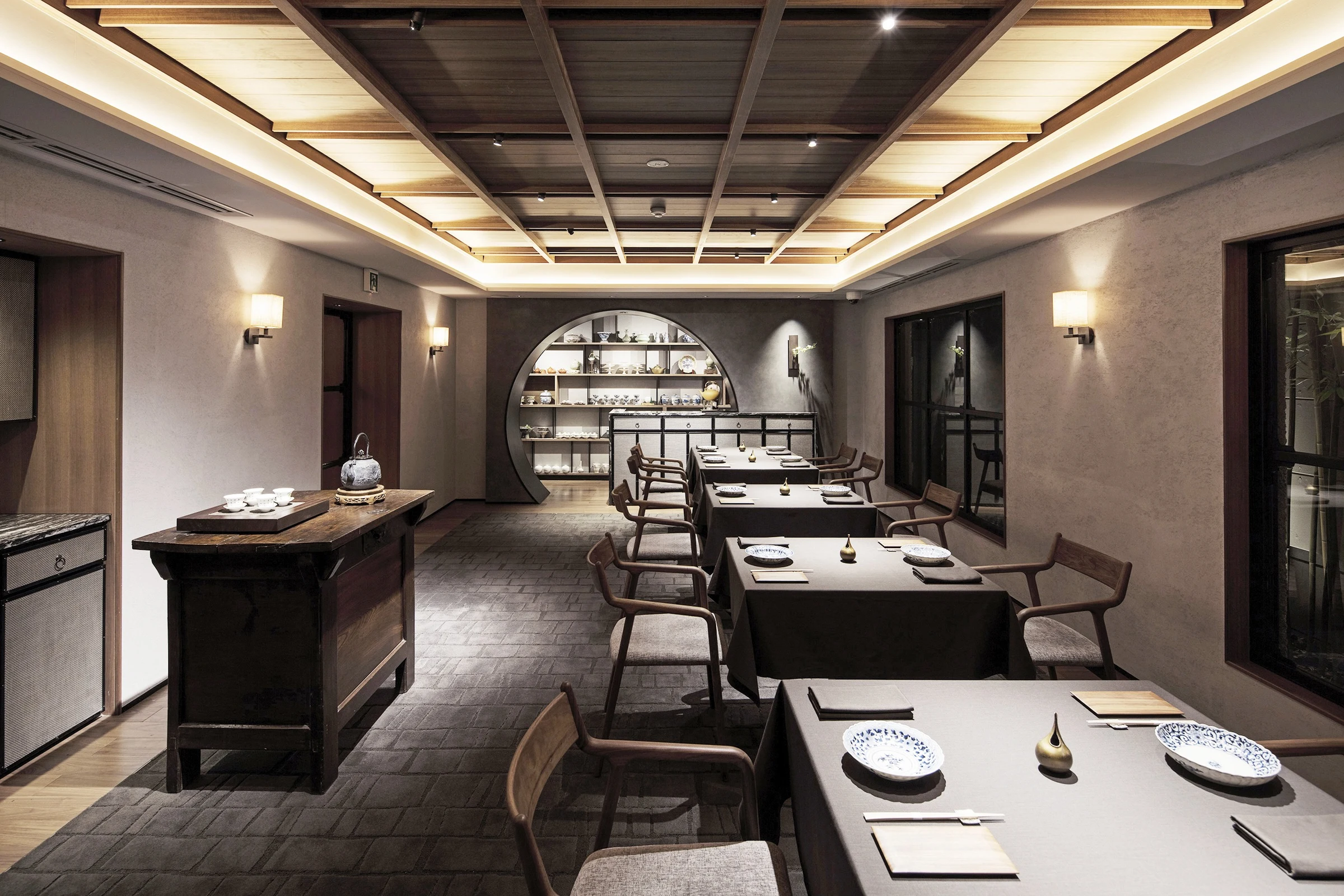
Fumée
In Residence
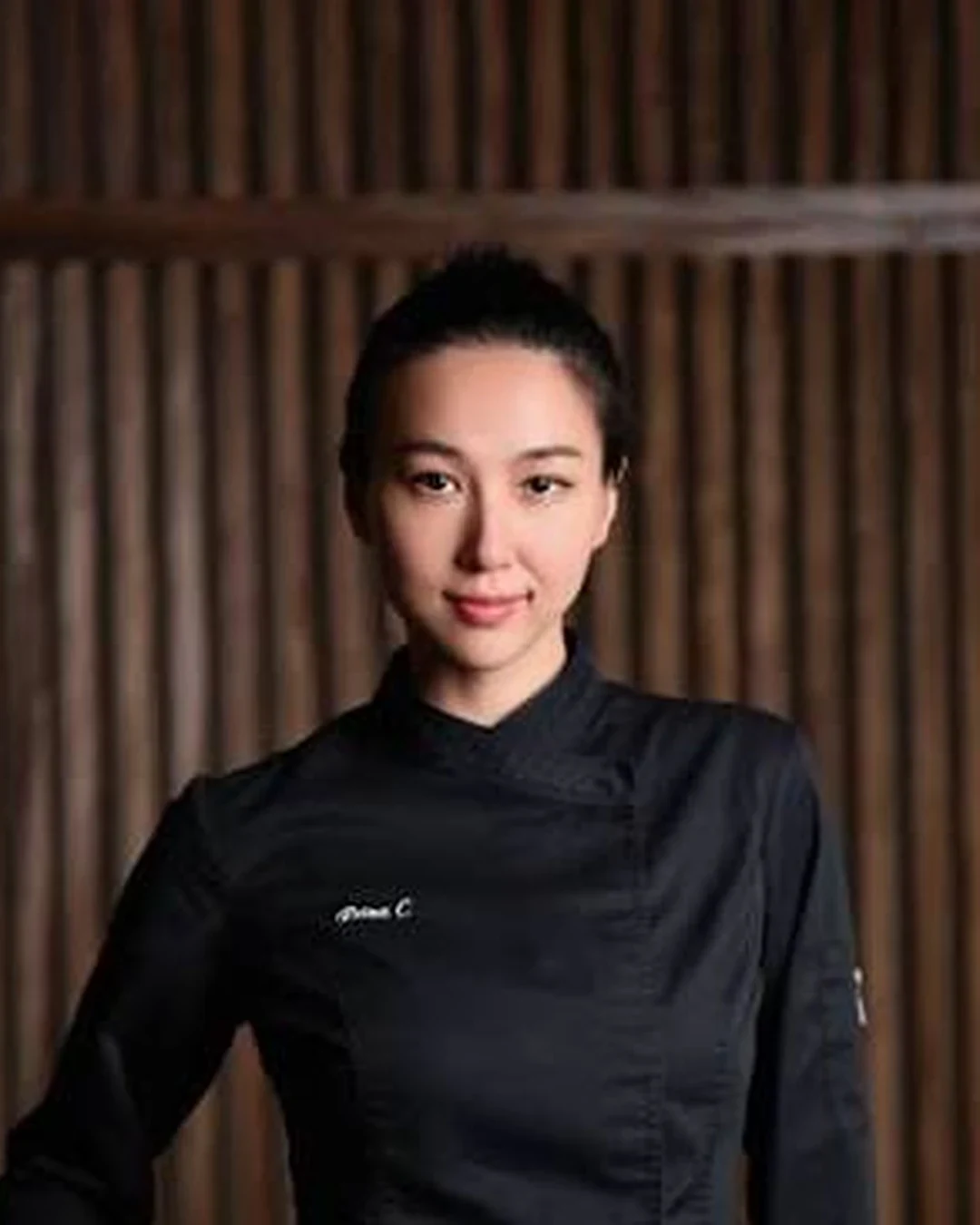
Reina Chen
Chef
- 01CuisineModern Chinese-French Fusion
- 02CityShenzhen, China
- 03RecognitionWorld's 50 Best — No. 65
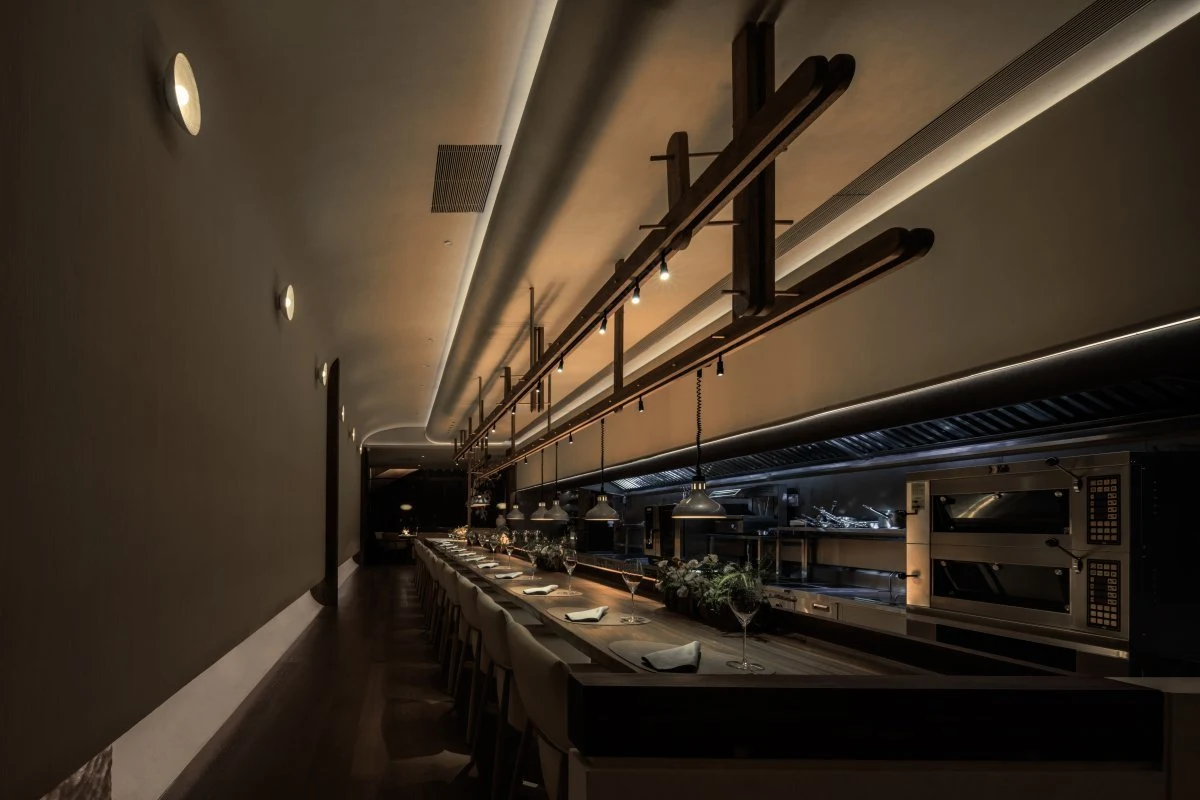
- World's 50 Best · #65 · World's 50 Best Restaurants
- SCMP 100 Top Tables Restaurants · 2026
- Michelin 1 Star · 2026
- World's 50 Best Asia's Best Restaurants #65 · 2026
- The Best Chef Two Knives · 2025
Where Shenzhen's Business Core Meets Serious Cooking
Futian CBD reads, at street level, as a district engineered for efficiency: tower blocks, convention infrastructure, corporate hotels arranged along wide arterial roads. The culinary logic of the neighbourhood has historically followed that same pattern, with hotel dining rooms serving business travelers and banquet-scale Cantonese houses doing the heavier lifting for deal-making dinners. What has changed over the past decade is the arrival of a smaller, more deliberate tier of restaurants that treat the CBD's concentration of high-spending guests not as a captive audience for adequate food, but as a reason to do something more considered. Fumée occupies precisely that position.
The restaurant operates within the Futian Shangri-La, a hotel that has long anchored the district's premium hospitality offer. Hotel-embedded dining in Chinese cities carries complicated associations: it can signal conservative execution aimed at risk-averse corporate accounts, or it can signal serious investment in a kitchen that the hotel treats as a genuine destination rather than an amenity. In Shenzhen, the address functions more like the latter, placing Fumée inside a building with the infrastructure and footfall to support ambitious cooking while keeping it visible to an international audience that might otherwise overlook a standalone address in a rapidly changing city.
The Name as Editorial Signal
Smoke as a culinary technique has moved well beyond its association with casual barbecue formats. In the leading tiers of contemporary restaurant cooking across Asia and further afield, controlled smoke application has become a means of adding layered aromatic depth to ingredients that might otherwise be handled with more conventional heat. The name Fumée, the French word for smoke, signals that orientation without requiring any further explanation to a reader who follows serious restaurant culture. It positions the kitchen within a modern, technique-aware tradition rather than rooting itself in a single regional food identity.
That kind of framing is increasingly common among Shenzhen's more progressive dining addresses. The city lacks the centuries-deep restaurant culture of Guangzhou to the north or the accumulated fine-dining infrastructure of Shanghai, but that relative absence of entrenched convention has created room for restaurants that operate with a wider frame of reference. Shenzhen diners at this level tend to be well-traveled, often internationally, and accustomed to comparing what they eat against a broad comparable set. A restaurant like Ensue (Innovative Cuisine) has demonstrated that this audience exists in credible volume. Fumée appears to be drawing on the same constituency.
Chef Reina Chen and the Kitchen's Orientation
Chef Reina Chen holds the kitchen at Fumée. Her presence as a named chef in this context is itself a signal worth reading. Hotels of the tier in Chinese cities have become more deliberate about identifying individual chefs by name over the past several years, a shift that tracks with how the broader conversation about restaurant quality has evolved in mainland China. When a hotel brands a restaurant around a chef rather than a cuisine category, it is making a claim about accountability and individual vision that differs from the anonymous brigade model. That claim invites evaluation on its own terms.
For context on how chef-driven cooking at this level is developing elsewhere in the region, the trajectory of places like Chef Tam's Seasons in Macau or the sustained critical attention given to Xin Rong Ji (Xinyuan South Road) in Beijing illustrates what named-chef hotel dining can achieve when the kitchen is given real authority. Fumée's position within the Futian suggests comparable institutional backing.
Shenzhen's Premium Dining Tier in 2024
Shenzhen has developed a recognisable upper bracket of restaurants that operate with a seriousness their mid-market counterparts do not match. AVANT and CHI CHING CHIU CHOI each approach that tier from different angles, as do the more tradition-rooted addresses like China Lodge and Gem Garden. What unites the better addresses in this bracket is a willingness to be evaluated against a national and international comparable set rather than only against local competition.
That comparative framing matters because Shenzhen diners who eat at Fumée are often the same people who have eaten at 102 House in Shanghai or Ru Yuan in Hangzhou, and who use those experiences as a reference point when assessing what they find in Futian. A restaurant that succeeds in this context has to earn its place on that comparative map, not simply benefit from the absence of alternatives. The smoke-inflected approach that defines Fumée's identity gives it a specific register to be judged against, which is a more exposed position than operating in a broad cuisine category, and generally a more interesting one.
For readers who engage with international reference points, the gap between how technique-driven cooking at this level is understood in cities like New York, where restaurants like Le Bernardin and Atomix define serious cooking for a global audience, and how it is developing in Shenzhen is narrowing. The question is no longer whether Shenzhen can produce serious cooking, but whether individual kitchens can sustain the consistency that makes a restaurant worth planning travel around. Fumée, given its location and the chef attribution attached to it, is positioned to make that argument.
Arriving and Planning Your Visit
The Futian Shangri-La sits within the CBD's main commercial and transport grid, making it one of the more accessible premium hotel addresses in the city. Futian Station on the metro connects to the broader Shenzhen network and to the high-speed rail terminus at Futian, which in turn links to Guangzhou in under thirty minutes and to Hong Kong in around fifteen. For visitors arriving from across the border or from elsewhere in the Pearl River Delta, the logistics are among the least complicated of any major restaurant destination in the region.
Fumée's position within the hotel means that the building's own facilities are available before and after a meal, which matters for guests staying in the area or arriving from long-distance travel. Booking ahead is the sensible approach.
Questions
Frequently asked
What recognition does Fumée hold?
Fumée holds a place on the World's 50 Best list at number 65.
Who works at Fumée?
Made By profiles Reina Chen (Chef) at Fumée.
How expensive is Fumée?
Fumée is listed at a price level of $$$$.
Where is Fumée and what does it serve?
Fumée is in Nanshan District, Shenzhen, serving Modern Chinese-French Fusion.
The field
How it compares
| Place | Awards | Cuisine | Notes |
|---|---|---|---|
| Fumée | World's 50 Best #65 | Modern Chinese-French Fusion | Nanshan District, $$$$ |
| AVANT | · | Avant-Garde Global Fusion | Shenzhen |
| Ensue | World's 50 Best | Modern California-Cantonese Fine Dining | Shenzhen |
| Le Calandre | Michelin 3 Stars, World's 50 Best | Modern Italian Fine Dining | Rubano |
| Pierre Gagnaire | Michelin 3 Stars, World's 50 Best | Avant-Garde French Fine Dining | Paris |
| Sazenka | Michelin 3 Stars, World's 50 Best | Modern Chinese Fine Dining | Tokyo |
| Vea | Michelin 1 Star, World's 50 Best | Modern Chinese-French Fusion | Hong Kong |
In residence
Similar places
Avant-Garde Global Fusion
AVANT
Shenzhen, China
Modern California-Cantonese Fine Dining
Ensue
Shenzhen, China
50 Best
Modern Italian Fine Dining
Le Calandre
Rubano, Italy
★★★ · 50 Best
Avant-Garde French Fine Dining
Pierre Gagnaire
Paris, France
★★★ · 50 Best
Modern Chinese Fine Dining
Sazenka
Tokyo, Japan
★★★ · 50 Best
Modern Chinese-French Fusion
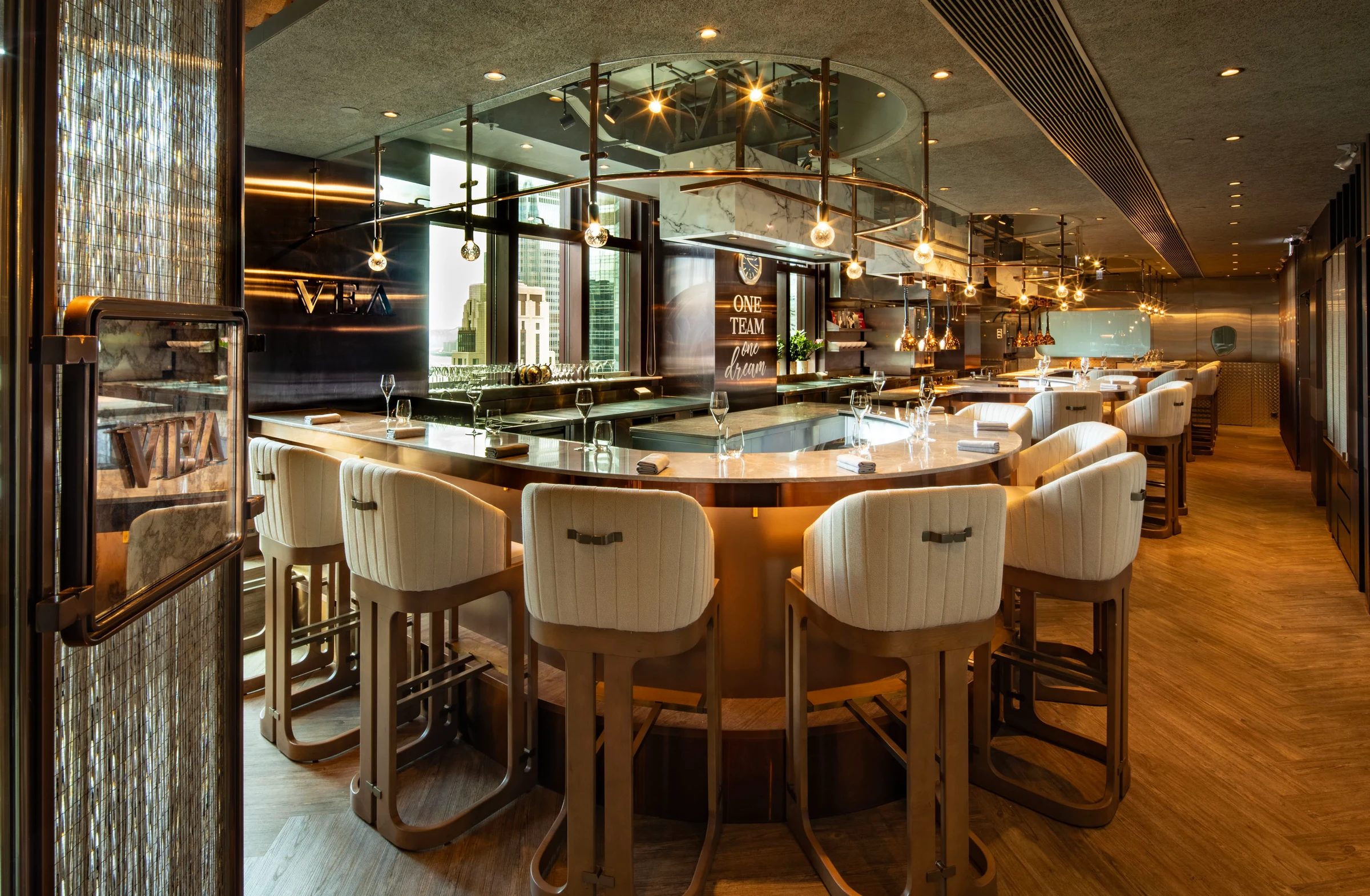
Vea
Hong Kong, Hong Kong
★ · 50 Best