Green & Red Vineyard sits off Chiles Pope Valley Road in St. Helena, earning a Pearl 2 Star Prestige rating from EP Club in 2025. The property operates in a quieter corridor of Napa wine country, away from the high-traffic tasting room circuit, making it a reference point for those tracking small-production California viticulture with a sustainability-conscious approach.
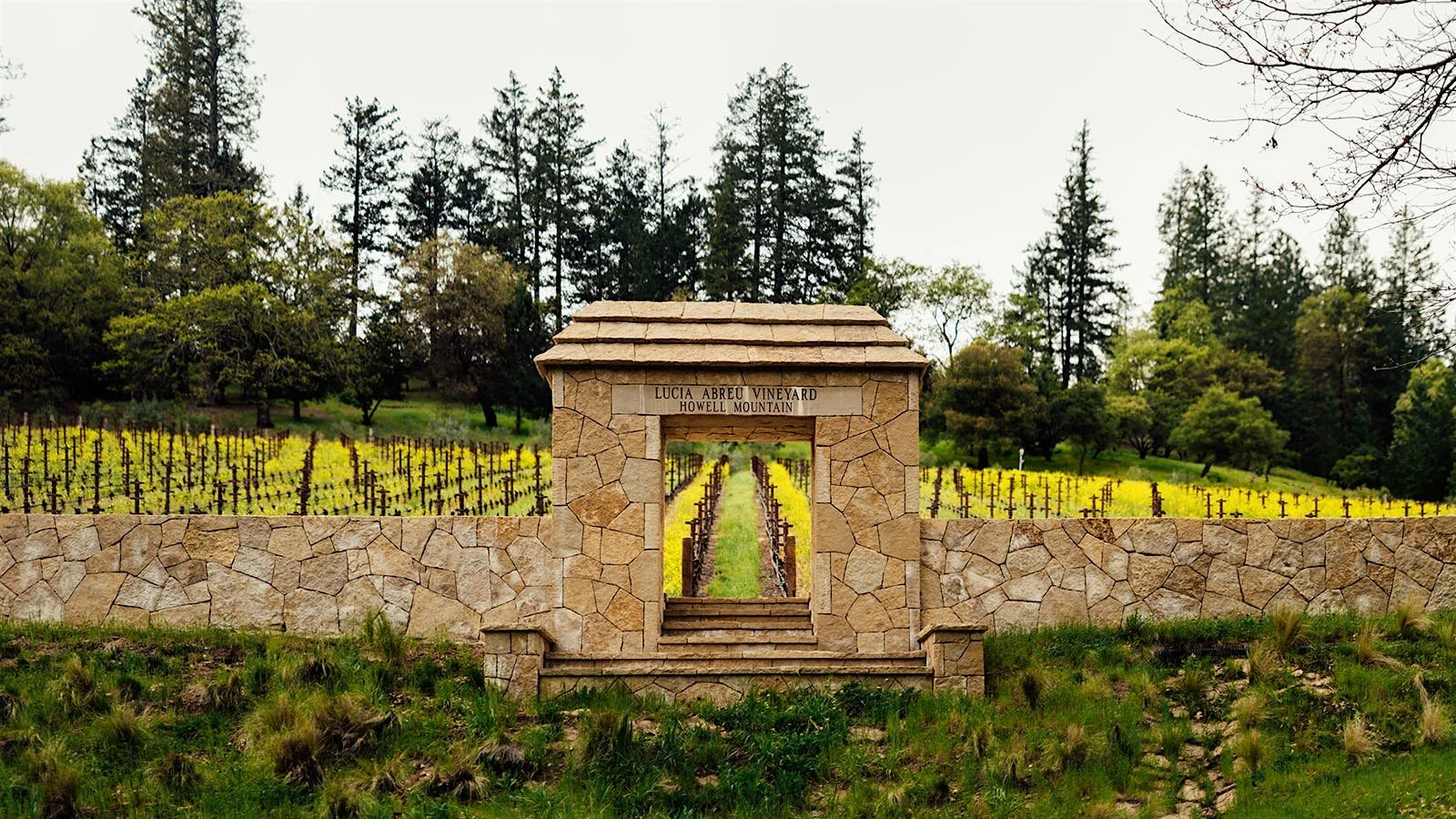
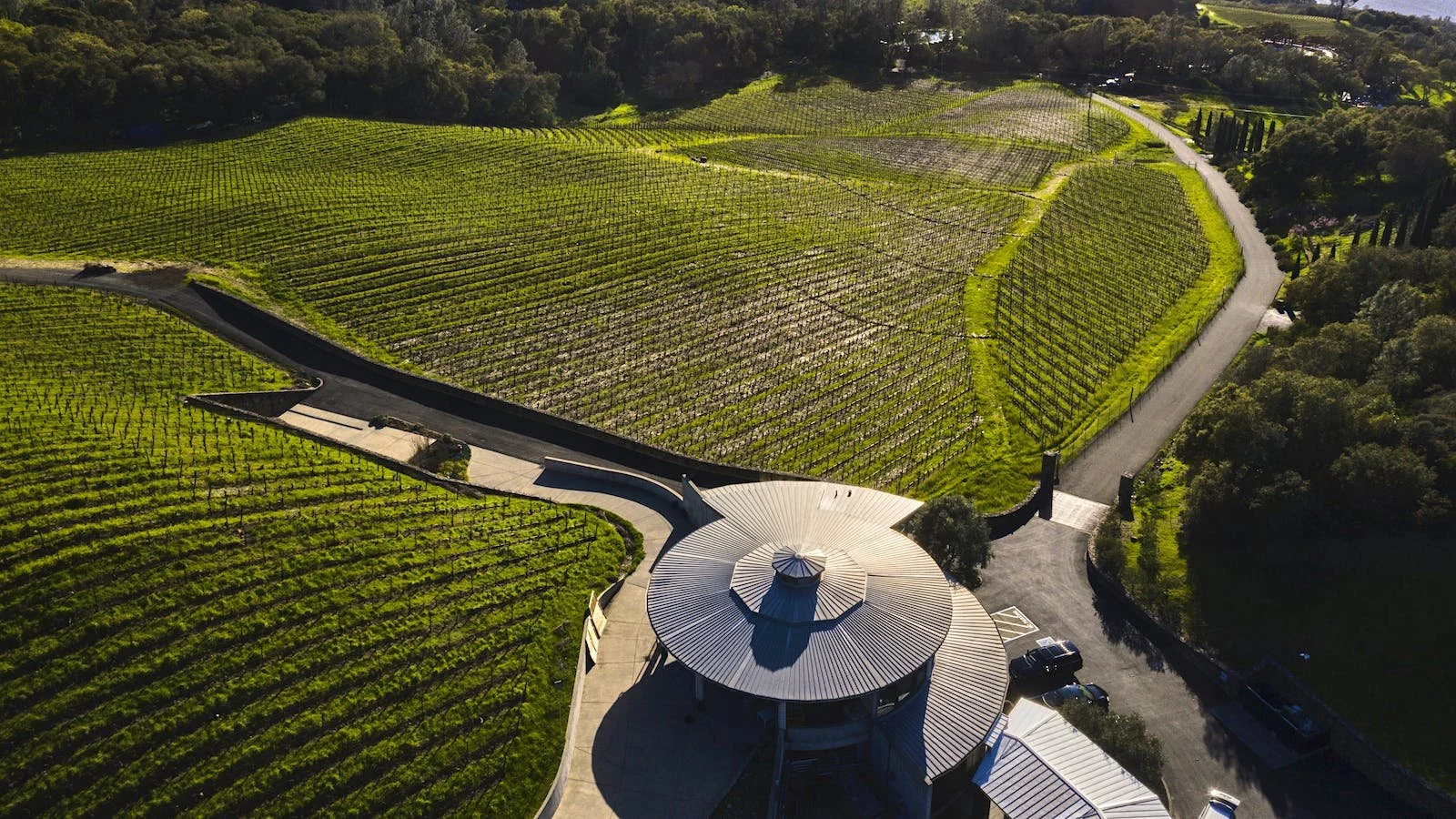
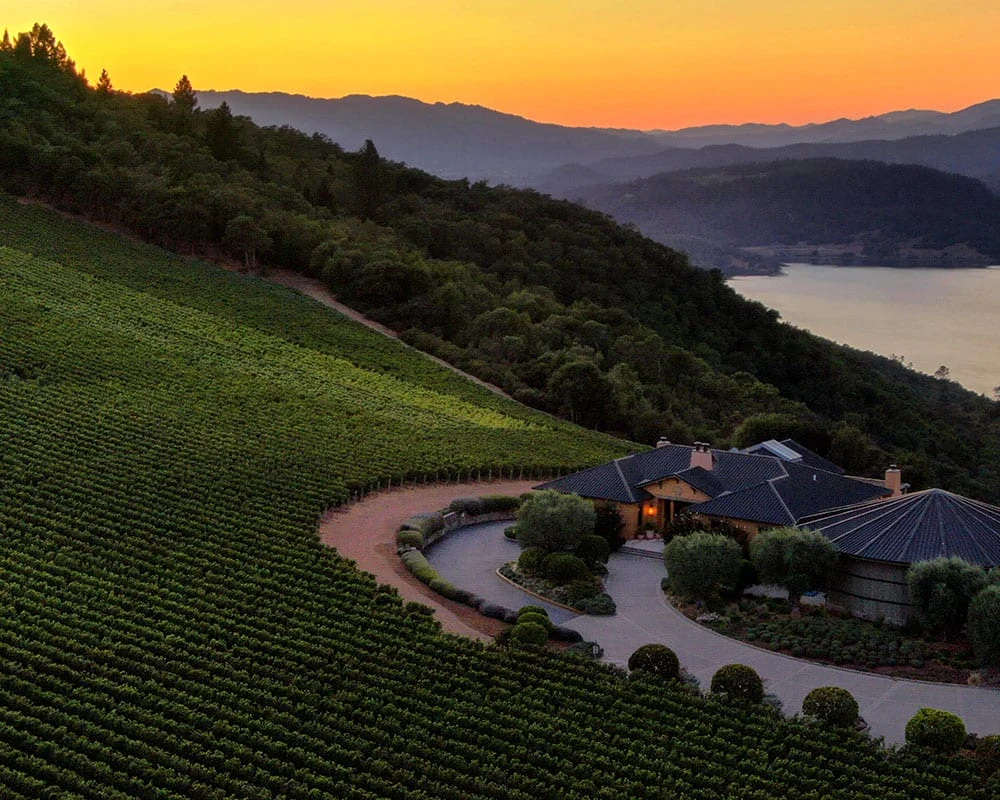
<h2>A Quieter Corner of Napa's Wine Geography</h2><p>The drive out to Chiles Pope Valley Road already signals a different kind of Napa experience. The valley floor traffic and the polished architectural tasting rooms of Highway 29 fall away; the road narrows, the hills close in, and the sense of being in working agricultural country reasserts itself. Green & Red Vineyard occupies this less-trafficked corridor of St. Helena's extended geography, and that physical remove from the main tourist circuit shapes everything about what kind of winery it is and who seeks it out.</p><p>California wine country has spent the last two decades bifurcating sharply. On one side sit the destination estates with architect-designed hospitality spaces, refined tasting fees, and a hospitality model built around volume. On the other sits a smaller cohort of producers whose identity rests on the land itself, where the vineyard does the talking and the surrounding terrain is evidence rather than backdrop. Green & Red belongs to the latter category, a fact confirmed by its 2025 Pearl 2 Star Prestige recognition from EP Club, a rating that places it alongside St. Helena names such as <a href="https://www.enprimeurclub.com/wineries/accendo-cellars">Accendo Cellars</a>, <a href="https://www.enprimeurclub.com/wineries/brand-napa-valley">Brand Napa Valley</a>, and <a href="https://www.enprimeurclub.com/wineries/dana-estates-st-helena-winery">Dana Estates</a> in terms of prestige tier, even while the property's physical character and approach differ substantially.</p><h2>The Case for Off-Valley Viticulture</h2><p>Chiles Valley, the sub-appellation that defines Green & Red's growing environment, sits at higher elevation than the Napa Valley floor and benefits from a diurnal temperature swing that the flatland vineyards rarely experience with the same intensity. Warm days build phenolic ripeness; cool nights preserve acidity and extend the hang time that produces structural complexity. This is the climatic logic that draws growers away from the premium floor acreage, and it is the same logic that has made comparable high-elevation sub-appellations in California worth tracking. Properties like <a href="https://www.enprimeurclub.com/wineries/chappellet-winery-st-helena-winery">Chappellet Winery</a>, which works Pritchard Hill on the valley's eastern edge, illustrate how elevation and aspect can define a house style as clearly as any winemaking decision.</p><p>The sustainability dimension of this geography is not incidental. Cooler growing conditions reduce pressure from certain fungal diseases, which in turn allows for lower intervention in the vineyard. Producers working in these higher, windier sites often find that the land itself supports practices that would require more chemical management at lower elevations.</p><h2>Reading the Pearl 2 Star Prestige Signal</h2><p>EP Club's 2025 Pearl 2 Star Prestige award provides the clearest external reference point for assessing Green & Red's standing within its competitive comparable set. In the St. Helena winery context, this places the property in company with <a href="https://www.enprimeurclub.com/wineries/charles-krug">Charles Krug</a>, one of the valley's oldest operating estates, which brings historical gravitas to the same prestige tier. The comparison is instructive: these are not properties defined by flash or headline-chasing, but by sustained quality signals that accumulate through consistent work over time.</p><p>Within California more broadly, the 2 Star Prestige tier connects Green & Red to a network of producers working with similar seriousness in different appellations. <a href="https://www.enprimeurclub.com/wineries/adelaida-vineyards">Adelaida Vineyards in Paso Robles</a>, <a href="https://www.enprimeurclub.com/wineries/alban-vineyards">Alban Vineyards in Arroyo Grande</a>, and <a href="https://www.enprimeurclub.com/wineries/alpha-omega-winery-rutherford-winery">Alpha Omega Winery in Rutherford</a> each occupy comparable recognition levels in their respective corridors. Across the Pacific Northwest, <a href="https://www.enprimeurclub.com/wineries/adelsheim-vineyard-newberg-winery">Adelsheim Vineyard in Newberg</a> represents a similar commitment to site-driven production at prestige level. The award, in other words, positions Green & Red within a serious national cohort, not just a local one.</p><h2>Sustainability as Operating Logic, Not Marketing</h2><p>The shift in California wine production toward environmental accountability has moved from fringe to mainstream over the past decade. What once distinguished a handful of estates now functions as a baseline expectation for any producer making credible claims in the prestige tier. The more interesting question is no longer whether a winery uses sustainable practices, but how deeply those practices are embedded in the operational model versus being layered on as communication strategy.</p><p>For a property in Chiles Valley, the answer tends to be structural rather than cosmetic. The elevation and the distance from the valley floor limit water availability in ways that enforce efficient irrigation. The site's isolation means that outside labour and chemical inputs carry real logistical cost, which creates natural incentives toward self-sufficiency. These are not the conditions that produce greenwashing; they are the conditions that produce genuine land stewardship because the alternative is simply less viable. Comparing this model to producers like <a href="https://www.enprimeurclub.com/wineries/alexander-valley-vineyards-geyserville-winery">Alexander Valley Vineyards in Geyserville</a>, which operates at much larger scale with formal sustainability certifications, shows the range of how environmental commitment can be institutionalised across different production sizes.</p><p>Smaller properties in sites like Chiles Valley also tend to have more direct farmer-to-vine relationships. Without large teams managing different blocks, the person making decisions about canopy management, harvest timing, and soil health is often the same person pouring in the tasting room. That integration of knowledge shortens the feedback loop between what happens in the vineyard and what ends up in the bottle, which is an argument for quality as much as it is for sustainability.</p><h2>Placing Green & Red on the California Wine Map</h2><p>For a reader building a serious itinerary around California wine, the value of a property like Green & Red lies partly in what it is not. It is not a production-line estate optimised for tasting room volume. It is not a trophy property built around a consultant winemaker's celebrity. It sits in a sub-appellation that requires a deliberate decision to visit, which means the people who find it are generally there for the wine rather than the experience package. That self-selecting audience tends to produce better conversations and, often, better access to the people actually making the wine.</p><p>Comparable in that sense to <a href="https://www.enprimeurclub.com/wineries/artesa-vineyards-and-winery">Artesa Vineyards and Winery in Napa</a> at one end of the experience spectrum and to small-production Rhône specialists like <a href="https://www.enprimeurclub.com/wineries/andrew-murray-vineyards">Andrew Murray Vineyards in Los Olivos</a> at the other, Green & Red occupies a middle position: serious enough for EP Club's prestige-tier recognition, accessible enough that the experience does not require navigating a six-month waitlist or a three-figure tasting fee. For international visitors curious about how the winery sector looks outside Napa's most-photographed corridor, the property on Chiles Pope Valley Road offers a different reference point entirely.</p><h2>Planning a Visit</h2><p>Green & Red Vineyard sits at 3208 Chiles Pope Valley Road in St. Helena, California, 94574. The address places it east of the main Napa Valley floor, in the Chiles Valley corridor that requires a purposeful detour from Highway 29 or the Silverado Trail. Contact the winery directly before visiting. Visitors should plan by appointment.</p>
Green & Red Vineyard has received recognition including: Pearl 2 Star Prestige (2025).
Green & Red Vineyard is located at 3208 Chiles Pope Valley Rd, St Helena, CA 94574, St. Helena.
Chiles Valley's higher elevation and cooler temperature swings favour varieties that retain acidity and develop over a longer hang time — historically Zinfandel has been the appellation's calling card.
The property sits in the Chiles Valley sub-appellation east of the Napa Valley floor, at an elevation that produces measurably different growing conditions than the better-trafficked corridor through Yountville and Rutherford. That geographic positioning, combined with a 2025 EP Club Pearl 2 Star Prestige recognition, places it among the credentialed small-production estates worth tracking in California wine.
Reaching out before the drive out Chiles Pope Valley Road, St. Helena, CA 94574 will clarify current tasting availability.
3208 Chiles Pope Valley Rd, St Helena, CA 94574
Chiles Canyon