Made ByRestaurant
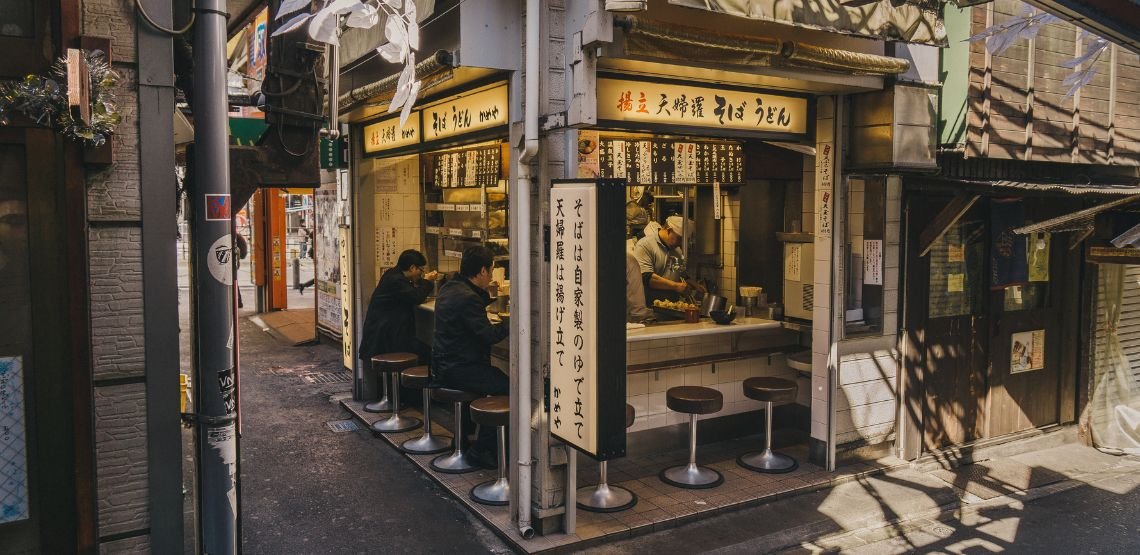
A Michelin Bib Gourmand recipient in 2024 and 2025, HARU CHAN Ramen operates from a ground-floor unit in Shinbashi's commuter-dense 駅前ビル1号館, serving shio ramen built on a clear pork and dried-sardine broth. The bowl stays open between lunch and dinner, reflecting the shop's commitment to the neighbourhood it feeds rather than the rhythms of a conventional restaurant service.
- Michelin Bib Gourmand
At a glance
- Cuisine
- Shio Ramen
- Price
- $$
- Per person
- $15
- Hours
- Mon: 10 AM–6 PM; Tue: 10 AM–6 PM; Wed: 10 AM–6 PM; Thu: 10 AM–6 PM; Fri: 10 AM–6 PM; Sat: 10 AM–6 PM; Sun: Closed
- Neighborhood
- Ginza
- Rating
- 4.1 (796)
<h2>Shinbashi's Ramen Counter and What It Says About the City</h2><p>HARU CHAN Ramen is a Michelin Bib Gourmand shio ramen restaurant in Tokyo's Shinbashi district. It serves office workers in a hurry, salarymen between trains, and the kind of neighbourhood regulars who eat the same bowl three times a week without thinking twice. That friction between low-key setting and serious cooking is exactly what the Michelin Bib Gourmand programme was designed to surface, and HARU CHAN Ramen, operating from unit 108 in the 新橋駅前ビル1号館, has appeared on that list in both 2024 and 2025.</p><p>The Bib Gourmand category rewards cooking that delivers quality at a price point accessible to the full range of diners rather than only those willing to spend several thousand yen on a tasting menu. In Tokyo, where ramen ranges from sub-¥800 chain bowls to hyperspecialist counters charging close to fine-dining prices, the designation places HARU CHAN in a specific tier: restaurants where craft is non-negotiable but the format stays democratic. The single ¥ price range confirms that the kitchen has not used the award as an occasion to reposition.</p><h2>The Bowl: Shio Ramen as Focused Discipline</h2><p>Tokyo's ramen scene has diversified sharply over the past two decades. Tonkotsu, tsukemen, mazesoba, and hybrid styles now compete for attention in a market that produces new formats with considerable regularity. Inside that proliferation, the shio ramen tradition represents a different kind of ambition: restraint, clarity, and the willingness to let a transparent broth carry the full weight of flavour without the cover of opacity or richness.</p><p>At HARU CHAN, the shio broth is built on pork and dried sardines, a combination that requires careful balance. Sardine intensity can easily overpower if the extraction runs long or the ratio shifts; pork base without sufficient mineral edge risks becoming flat. The result described in the Michelin citation is a clear broth poured to the rim of the bowl, which speaks to both confidence in the recipe and a generosity of portion that aligns with the Shinbashi clientele's expectations. Wisps of pork fat floating on the surface carry the flavour of the main broth in concentrated form, while green onion, nori, and wheat bran flowers provide the visual register that signals a kitchen thinking carefully about presentation even at this price point.</p><p>The noodles are pounded flat, producing what the Michelin record describes as a satisfyingly plump texture. Flat noodles in shio ramen are a deliberate structural choice: they carry broth differently than round noodles, coating more evenly and providing a different mouthfeel against the clean, light soup. The roasted pork fillet, simmered with the soup, integrates the protein into the overall flavour system rather than treating it as a standalone topping. Each element supports the broth rather than competing with it, which is the underlying logic of shio preparation at its most considered.</p><p>For reference, <a href="https://www.enprimeurclub.com/restaurants/afuri-tokyo-restaurant">Afuri</a> and <a href="https://www.enprimeurclub.com/restaurants/chukasoba-ginza-hachigou-tokyo-restaurant">Chukasoba Ginza Hachigou</a> both operate within Tokyo's lighter, broth-forward ramen tradition, providing a useful comparable set for understanding where HARU CHAN's shio focus positions it. <a href="https://www.enprimeurclub.com/restaurants/chukasoba-kotetsu-tokyo-restaurant">Chukasoba KOTETSU</a> and <a href="https://www.enprimeurclub.com/restaurants/fuunji-tokyo-restaurant">Fuunji</a> take different structural approaches to noodle-forward cooking, while <a href="https://www.enprimeurclub.com/restaurants/chuogo-hanten-mita-tokyo-restaurant">Chuogo Hanten Mita</a> operates nearby in the Minato ward dining corridor.</p><h2>The Kitchen and the Community It Serves</h2><p>The chef's trajectory helps frame the cooking. The chef is known to all as Haru-chan, a diminutive form of address that signals longstanding familiarity with a regular clientele. It remains open between lunch and dinner to stay close to the community it serves.</p><p>That decision has real operational cost. Continuous service from midday through evening means staffing and ingredient management across a period when most neighbourhood restaurants close and reset. For a single-price-tier ramen counter, that commitment is a statement about whom the kitchen considers its primary obligation. Shinbashi's office population does not eat on a fixed two-sitting schedule; they eat when meetings end, when a client cancels, when the gap between tasks opens up. HARU CHAN's hours accommodate that reality rather than asking the neighbourhood to adapt to the restaurant's convenience.</p><p>The chef credits list Rolf Straubinger and Markus Waibel alongside the operating persona of Haru-chan. This combination of international names attached to a neighbourhood Japanese ramen counter in Shinbashi is the kind of detail that resists simple categorisation, and it suggests a project where culinary investment comes from outside the conventional Japanese ramen lineage without the cooking departing from the shio tradition it serves.</p><h2>Placing HARU CHAN in Tokyo's Broader Food Scene</h2><p>Tokyo's Michelin Bib Gourmand list operates as a separate document from its starred tier. The starred restaurants in the city, from three-Michelin-star kaiseki houses to the high-end sushi counters in Ginza, occupy a different economic register entirely. HARU CHAN's consecutive Bib Gourmand recognition in 2024 and 2025 places it in a category that the Guide treats with equal editorial seriousness even if the price point sits several tiers below. A Google rating of 4.1 across 796 reviews reflects sustained local approval rather than occasional special-occasion visits.</p><p>Japan's wider dining map offers context here. <a href="https://www.enprimeurclub.com/restaurants/hajime-osaka-restaurant">HAJIME in Osaka</a> and <a href="https://www.enprimeurclub.com/restaurants/gion-sasaki-kyoto-restaurant">Gion Sasaki in Kyoto</a> represent the upper tier of Japan's formal restaurant culture, where reservation lead times are measured in months and menus change with the season. <a href="https://www.enprimeurclub.com/restaurants/akordu-nara-restaurant">akordu in Nara</a> and <a href="https://www.enprimeurclub.com/restaurants/goh-fukuoka-restaurant">Goh in Fukuoka</a> extend that picture regionally. HARU CHAN operates in an entirely different register within the same national food culture, one where the measure of quality is a clear broth poured to the rim of a bowl rather than a sequence of seasonal preparations. Both matter; they answer different questions about what Japanese cooking does at its most committed.</p><p>For ramen specifically, the global conversation has extended well beyond Japan. <a href="https://www.enprimeurclub.com/restaurants/afuri-ramen-portland-restaurant">Afuri Ramen in Portland</a> and <a href="https://www.enprimeurclub.com/restaurants/akahoshi-ramen-chicago-restaurant">Akahoshi Ramen in Chicago</a> represent the export tier of the form, where American audiences have driven serious interest in the lighter, broth-forward styles that HARU CHAN exemplifies in its home city.</p><h2>Planning Your Visit</h2><p>HARU CHAN operates from the first floor of 新橋駅前ビル1号館, unit 108, in Minato City's Shinbashi district. The address (2 Chome-20-15, Shinbashi) places it within immediate walking distance of Shinbashi Station, one of Tokyo's major commuter interchanges on the JR Yamanote Line, the Tokyo Metro Ginza Line, and several other services. The walk-in-friendly format means visit timing is more flexible than at conventional two-session restaurants. Peak periods follow Shinbashi's office worker schedule: midday and early evening will be the busiest windows. Coming between 2pm and 5pm likely offers the most relaxed experience. The ¥ price tier means a bowl falls at the lower end of Tokyo dining costs.</p><table border="1" cellpadding="6" cellspacing="0"><thead><tr><th>Venue</th><th>Style</th><th>Price</th><th>Recognition</th><th>Format</th></tr></thead><tbody><tr><td>HARU CHAN Ramen</td><td>Shio Ramen</td><td>¥</td><td>Michelin Bib Gourmand (2024, 2025)</td><td>Counter, continuous service</td></tr><tr><td><a href="https://www.enprimeurclub.com/restaurants/afuri-tokyo-restaurant">Afuri</a></td><td>Yuzu Shio Ramen</td><td>¥–¥¥</td><td>Multiple locations, editorial recognition</td><td>Counter and table</td></tr><tr><td><a href="https://www.enprimeurclub.com/restaurants/chukasoba-ginza-hachigou-tokyo-restaurant">Chukasoba Ginza Hachigou</a></td><td>Chukasoba</td><td>¥¥</td><td>Ginza address, peer recognition</td><td>Counter</td></tr><tr><td><a href="https://www.enprimeurclub.com/restaurants/fuunji-tokyo-restaurant">Fuunji</a></td><td>Tsukemen/Ramen</td><td>¥</td><td>Consistent editorial attention</td><td>Counter, queue expected</td></tr></tbody></table><p> Also see <a href="https://www.enprimeurclub.com/restaurants/1000-yokohama-restaurant">1000 in Yokohama</a> and <a href="https://www.enprimeurclub.com/restaurants/6-okinawa-restaurant">6 in Okinawa</a> for wider regional context.</p>
Know before you go
- Dress code
- casual
- Reservations
- walk_in_friendly
- Payment
- credit_card
Frequently asked
What part of town is HARU CHAN Ramen in?
HARU CHAN Ramen is located at Japan, 〒105-0004 Tokyo, Minato City, Shinbashi, 2 Chome−20−15 新橋駅前ビル1号館 1階108号室, Tokyo.
Does HARU CHAN Ramen have a Michelin star or similar recognition?
HARU CHAN Ramen has received recognition including: The chef, known to all as Haru-chan, pours all her energies into her shio ramen. The clear broth of pork and dried sardines is poured to the rim of the bowl. The colours of green onion, nori and wheat bran ‘flowers’ floating in wisps of por….
What's the must-try dish at HARU CHAN Ramen?
The shio ramen is the only dish worth ordering here, and the kitchen has clearly built everything around it. A clear broth of pork and dried sardines, poured to the rim, carries roasted pork fillet alongside flat-pounded noodles, green onion, nori, and wheat bran flowers drifting in wisps of pork fat. Michelin awarded the bowl a Bib Gourmand in both 2024 and 2025, which in Tokyo's densely competitive ramen field carries real weight.
What should I budget for a meal at HARU CHAN Ramen?
Pricing at HARU CHAN Ramen is listed as ¥.
Which chef is HARU CHAN Ramen associated with?
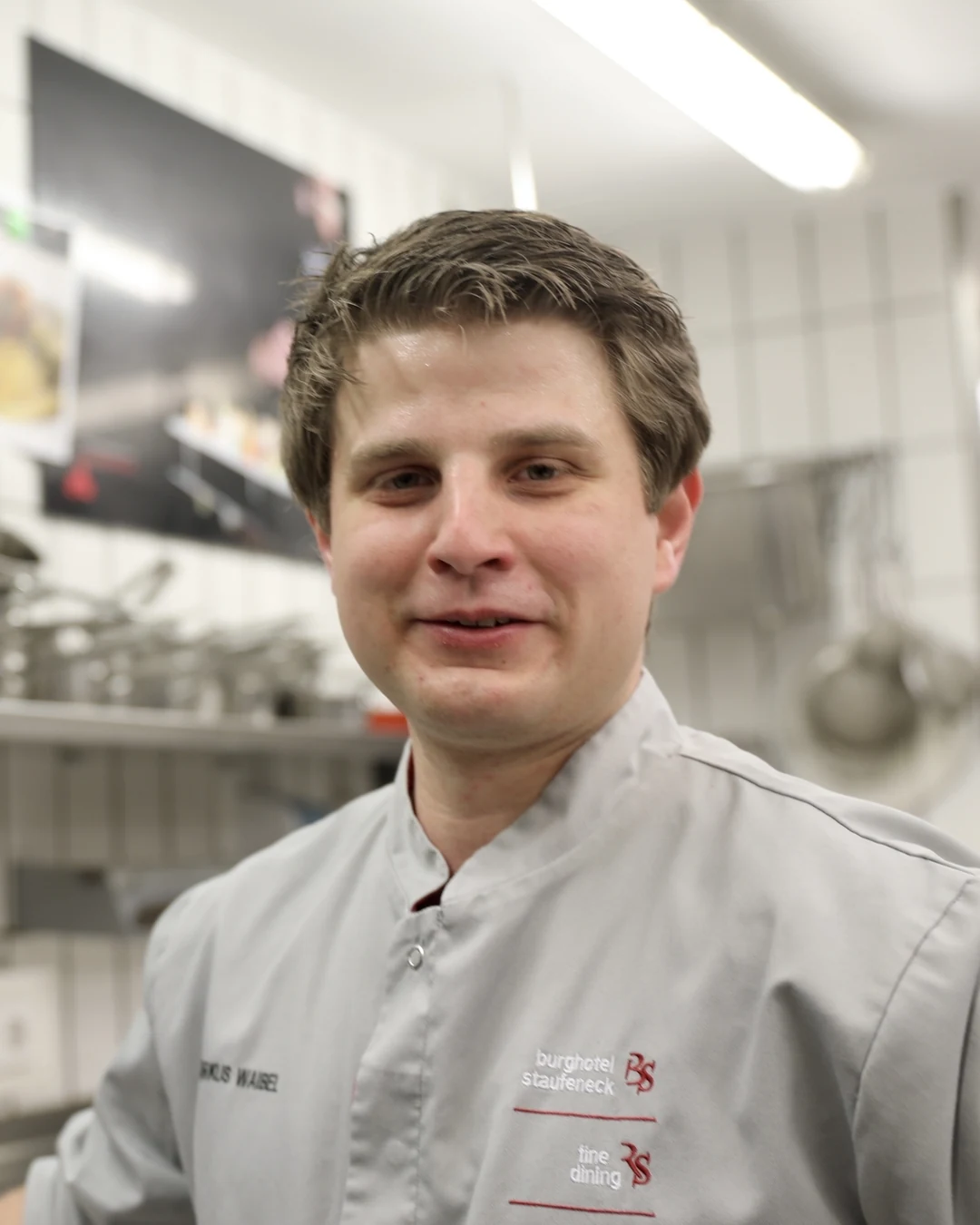
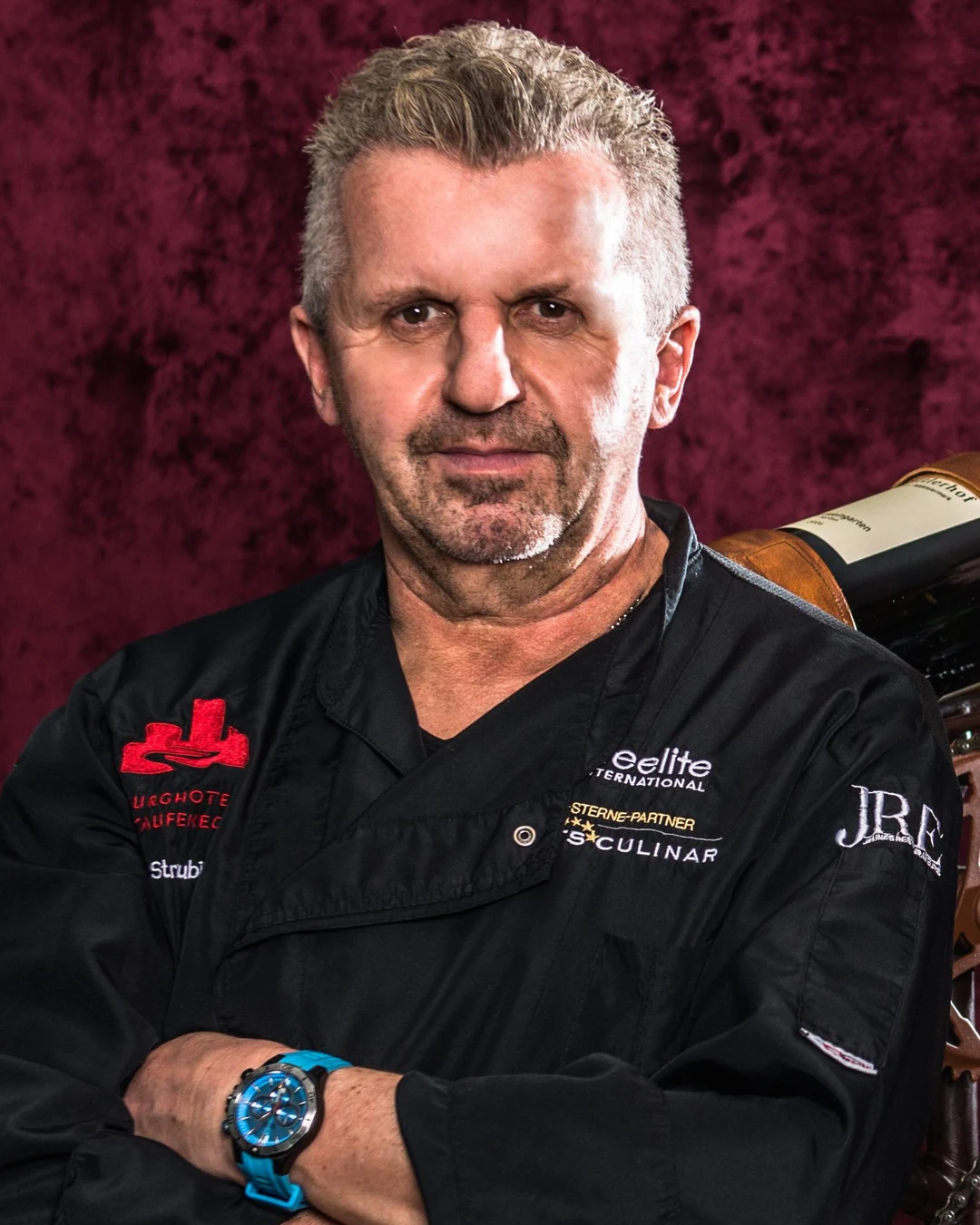
The chef associated with HARU CHAN Ramen is Rolf Straubinger, Markus Waibel.
Address
Japan, 〒105-0004 Tokyo, Minato City, Shinbashi, 2 Chome−20−15 新橋駅前ビル1号館 1階108号室
Ginza
How it compares
- Awards
- Michelin Bib Gourmand
- Cuisine
- Shio Ramen
- Notes
- Minato, $$
- Awards
- Michelin Bib Gourmand
- Cuisine
- Hakodate-Style Shio Ramen
- Notes
- Suginami, $$
- Awards
- Michelin Bib Gourmand
- Cuisine
- Modern Ramen
- Notes
- Suginami, $$
- Awards
- Michelin Bib Gourmand
- Cuisine
- Michelin-Starred Tantanmen Ramen
- Notes
- Toshima, $$
- Awards
- Michelin Bib Gourmand
- Cuisine
- Handmade Soba
- Notes
- Kita, $$
- Awards
- Michelin Bib Gourmand
- Cuisine
- Specialty Tempura with Egg Tempura
- Notes
- Suginami, $$
In residence
Similar places
French
Sézanne
Tokyo, Japan
★★★ · 50 Best
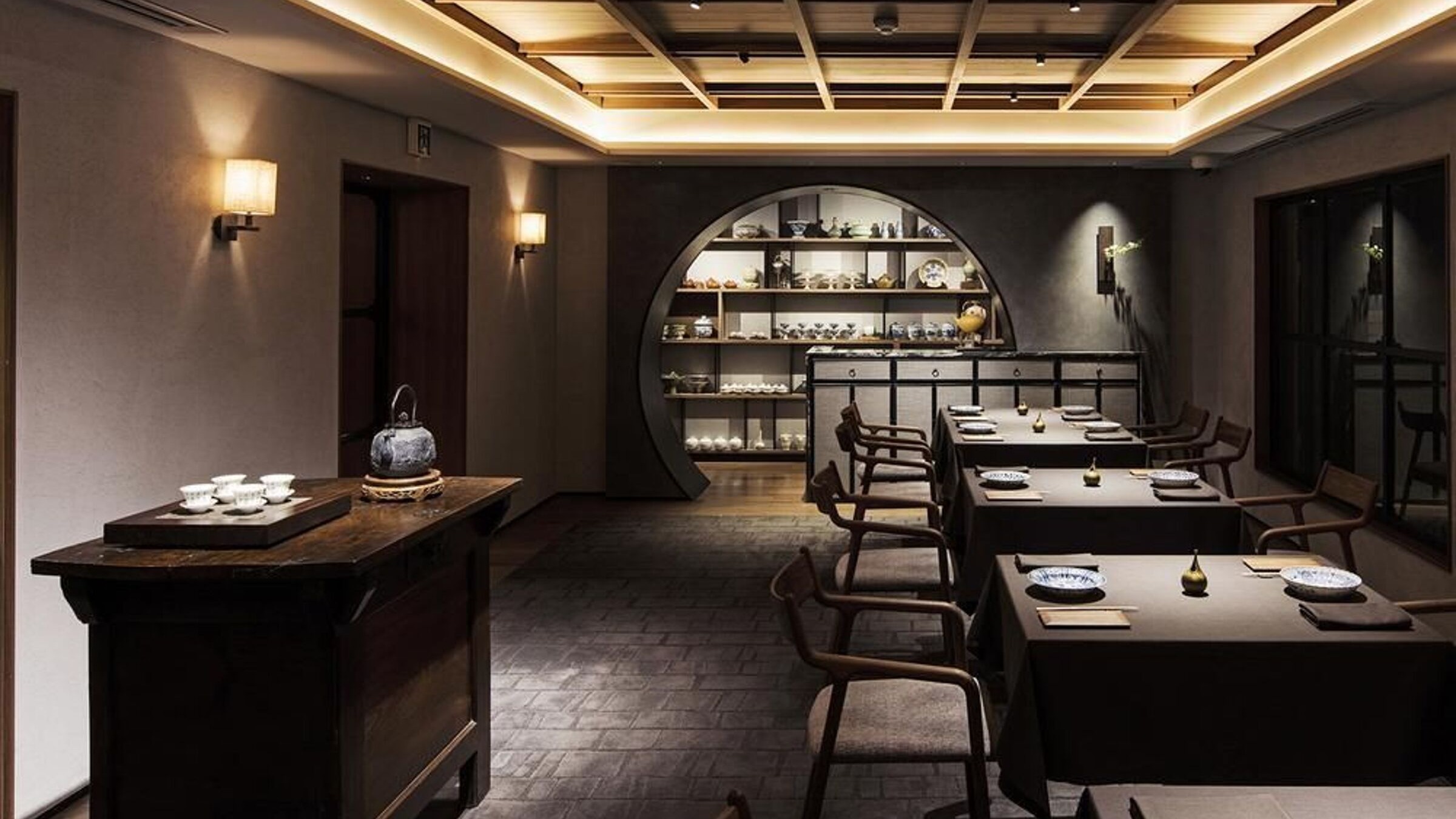
Modern Chinese Fine Dining
Sazenka
Tokyo, Japan
★★★ · 50 Best
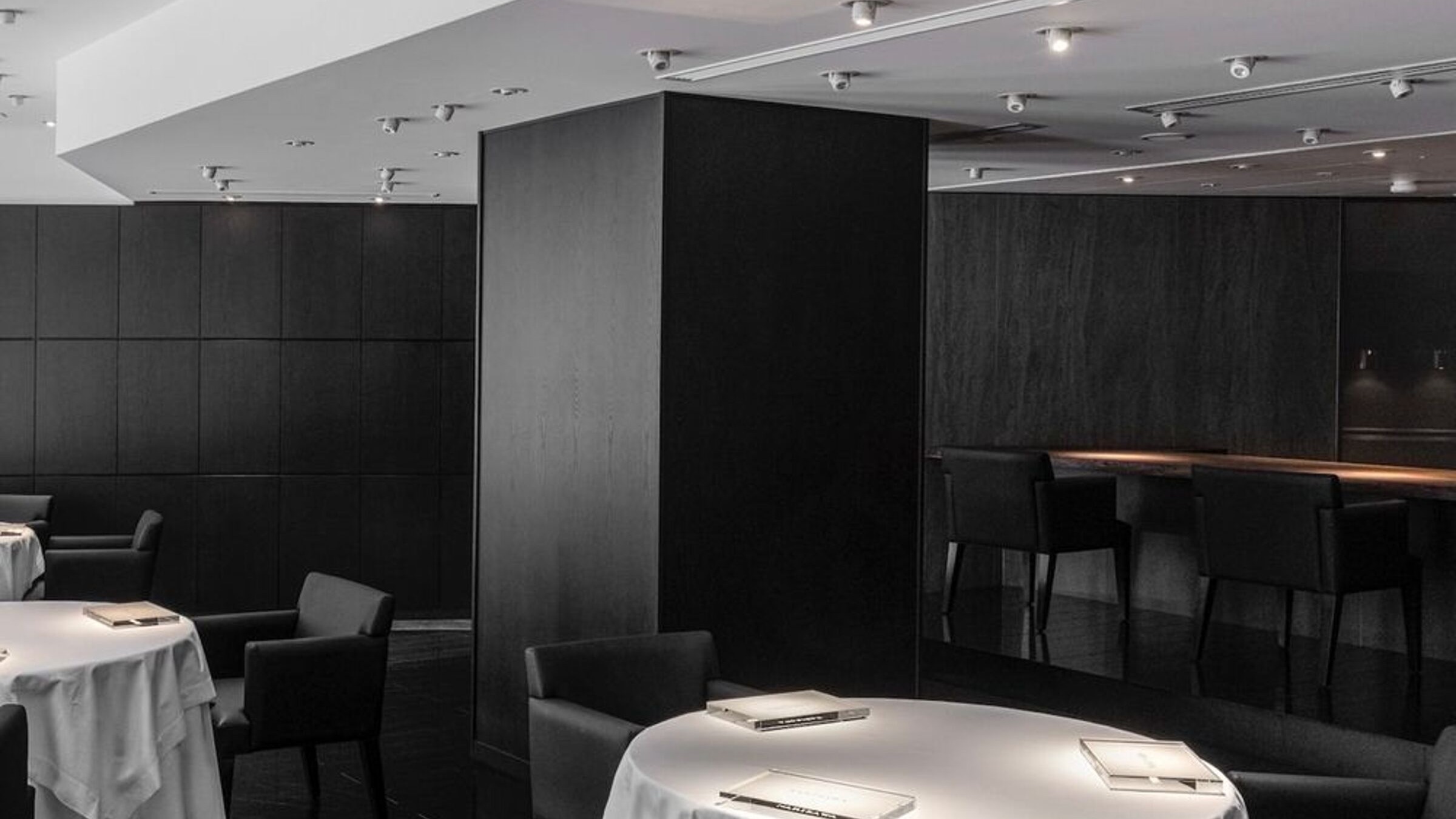
Modern Japanese Satoyama Fine Dining
Narisawa
Tokyo, Japan
★★ · 50 Best
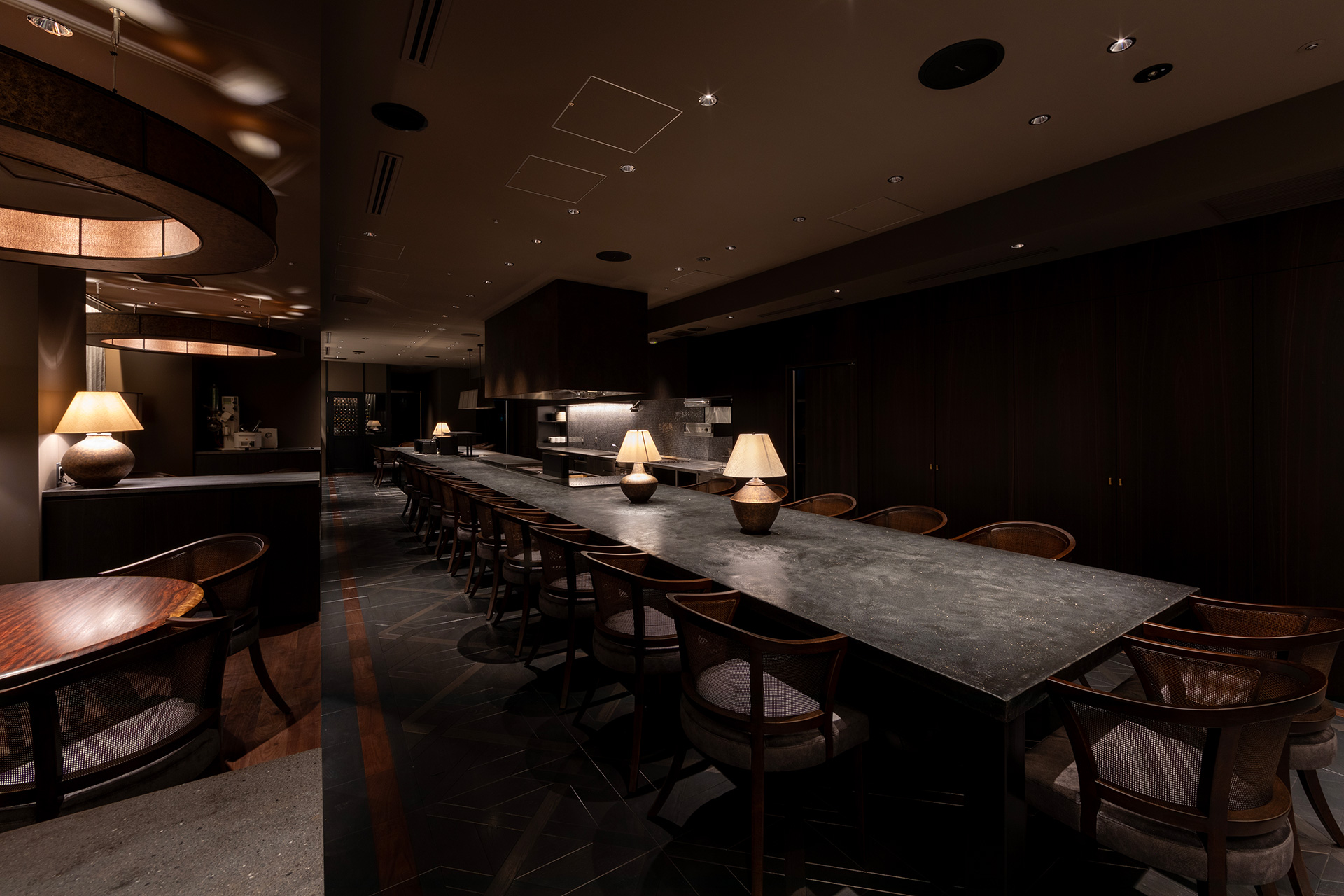
Modern French-Japanese Plant-Based Fine Dining
Florilège
Tokyo, Japan
★★ · 50 Best
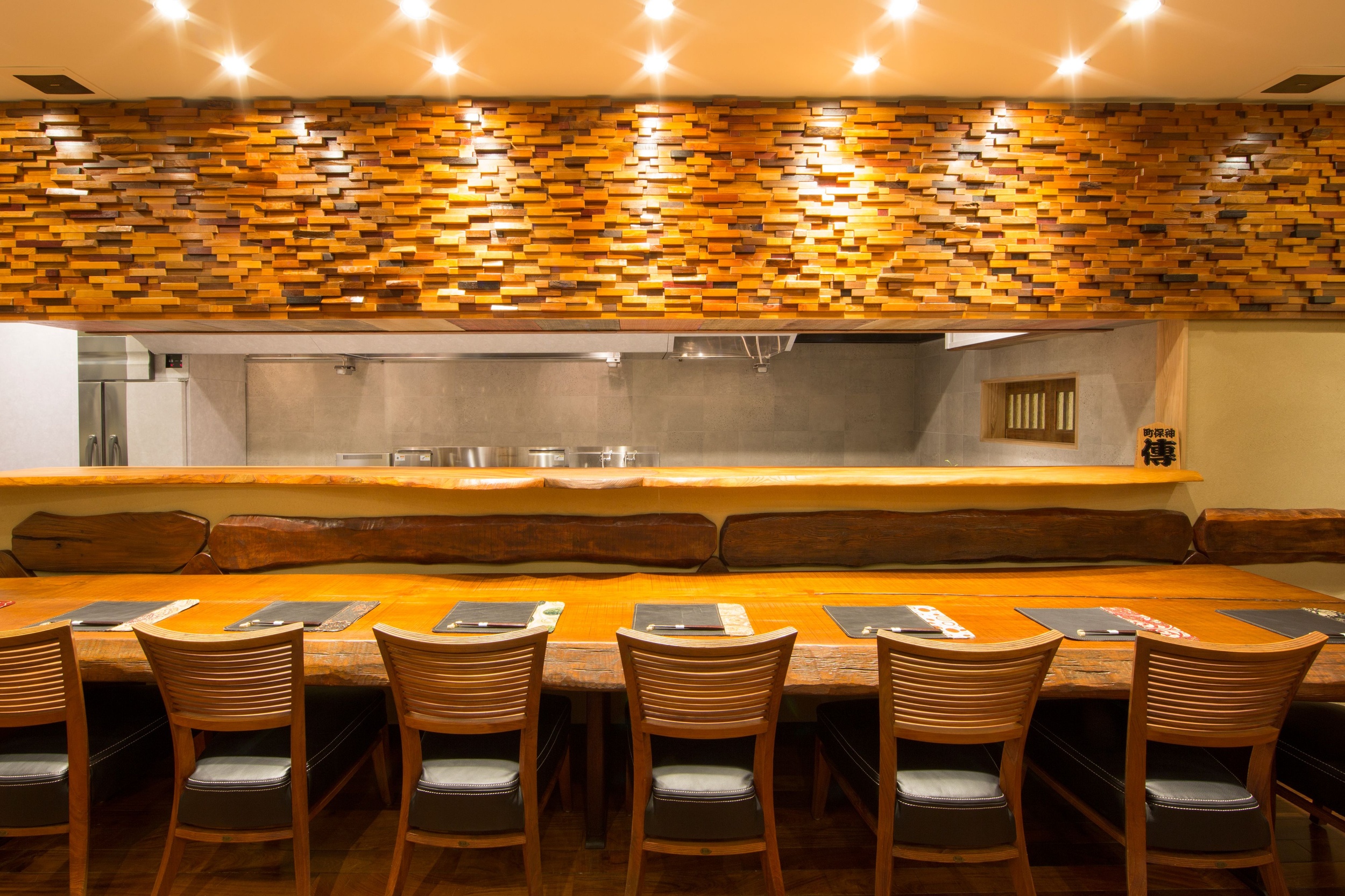
Modern Japanese Kaiseki
Den
Tokyo, Japan
★★ · 50 Best
Modern French Fine Dining
Quintessence
Tokyo, Japan
★★★