Made ByRestaurant

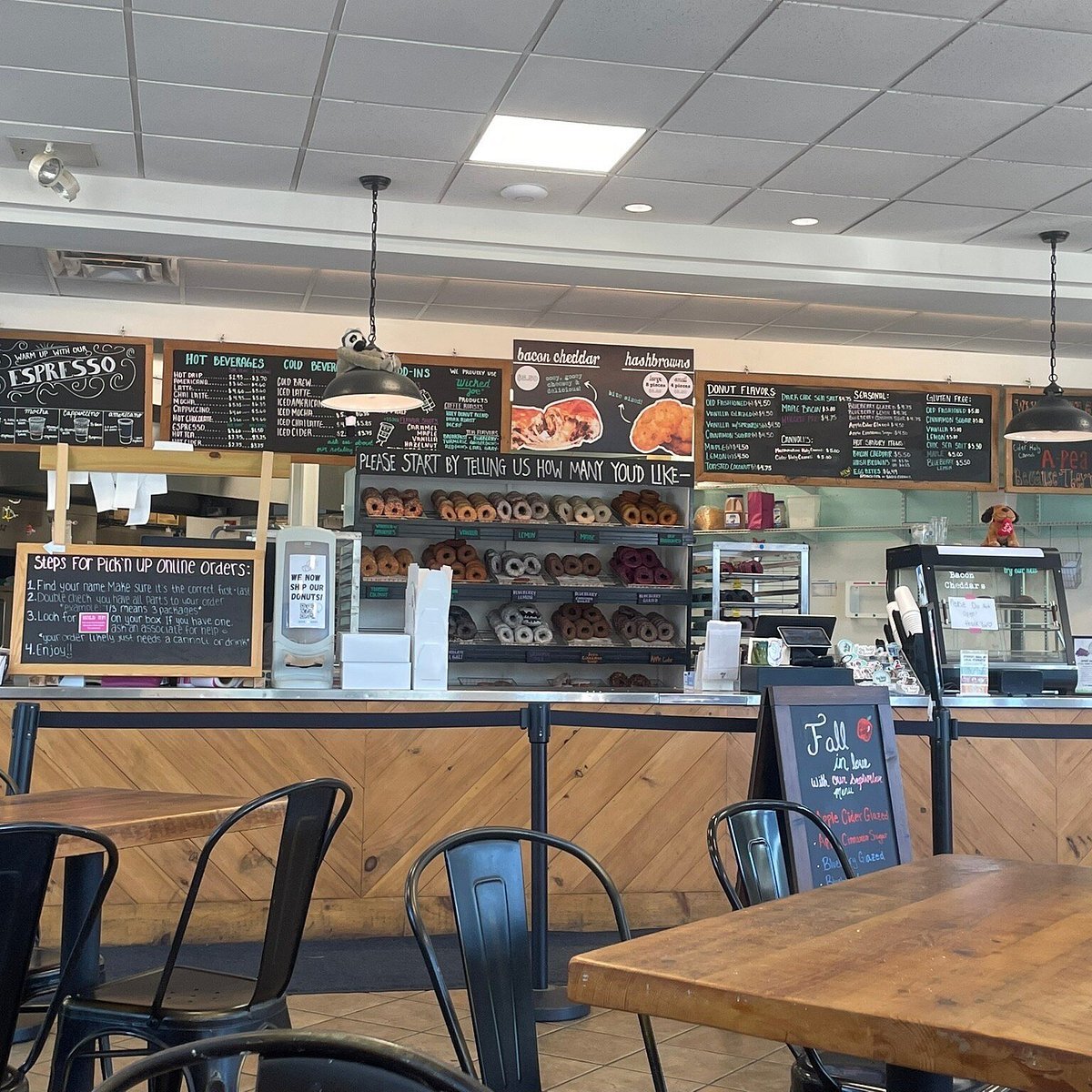
Leigh Kellis, chef at Holy Donut in Portland, shapes Maine potato doughnuts through home-practice discipline and a counter built on russet mash.
At a glance
- Cuisine
- Doughnuts
Potato dough at the bench
Leigh Kellis folds potato into dough as chef at Holy Donut in Portland, keeping the house anchored to the Maine potato rather than to a conventional cake or yeast base. The gesture began away from any public counter. Kellis has described going to a bookstore to write down recipes, then returning home to practice making doughnuts every day. That is the lineage here: reading, testing, frying, tasting, repeating, before the business began in her home kitchen in 2011. No named apprenticeship sits behind the work, and no mentor is published by the house; the training that matters is the one Kellis names herself, the private discipline of daily practice. At Holy Donut, founder and co-owner are not decorative titles. They connect the person who worked at home to the person responsible for the case, the counter, and the doughnut someone hopes will still be there when they arrive. The potato doughnut gives the place its grammar: weight in the hand, a moist crumb, a crisp exterior, and enough structure to carry both sweet and savory turns without losing the base note.
Maine russets in the method
The method turns on Maine russet mashed potatoes worked into the dough, with buttermilk among the local ingredients that give the crumb its density and softness. Kellis does not use potato as ornament. It is the foundation, the ingredient around which the program arranges flavor, texture, and memory. Dark Chocolate Sea Salt sets a deep cocoa glaze against coarse salt, a small mineral break in the bite. Sweet Potato Ginger moves the same language into warmth and spice. Blueberry Glazed brings local Maine blueberries to the surface, while Maple Bacon and Bacon Cheddar take the doughnut into a savory register without treating it as a stunt. Fresh Lemon, Chai, Pomegranate, and Whoopie Pie broaden the case, but the hand still returns to the same base. Vegan and gluten-free options sit within the program as variations, not as a separate vocabulary. The craft is less about novelty than about holding one dough steady enough that each flavor has something to lean on.
The counter before the case empties
The room reads through the counter first: coffee moving beside doughnuts, the case carrying color, glaze, salt, bacon, blueberry, and dark chocolate in rows that make the method visible. In some locations, the making can be seen, which suits a house built from practice rather than theater. The atmosphere around the counter is often described in neighborhood terms, but the useful texture is simpler than that. People arrive with a flavor in mind. Kellis has said, “I feel so bad when we run out.” The sentence gives the place its scale. A doughnut here is anticipated, missed when it disappears, and made again by the same discipline that started in a home kitchen.
A Maine shop with a fixed root
Holy Donut has grown beyond one address in Maine, with Portland locations as well as shops in Scarborough and Brunswick, yet the craft still points back to the same decision: build a doughnut around potato and let the variations branch from there. Recognition has followed, including Kellis being named the U.S. Small Business Administration's Maine Small Business Person of the Year in 2017, but the more durable record sits in the case. The Dark Chocolate Sea Salt doughnut has coarse sea salt holding the line against the glaze.
Address
Portland, Maine, United States
In residence
Similar places
Maine Farm-to-Table Wood-Fired
Fore Street Restaurant
Portland, United States
Modern Maine Seafood
Scales
Portland, United States
Modern Small Plates
Central Provisions
Portland, United States
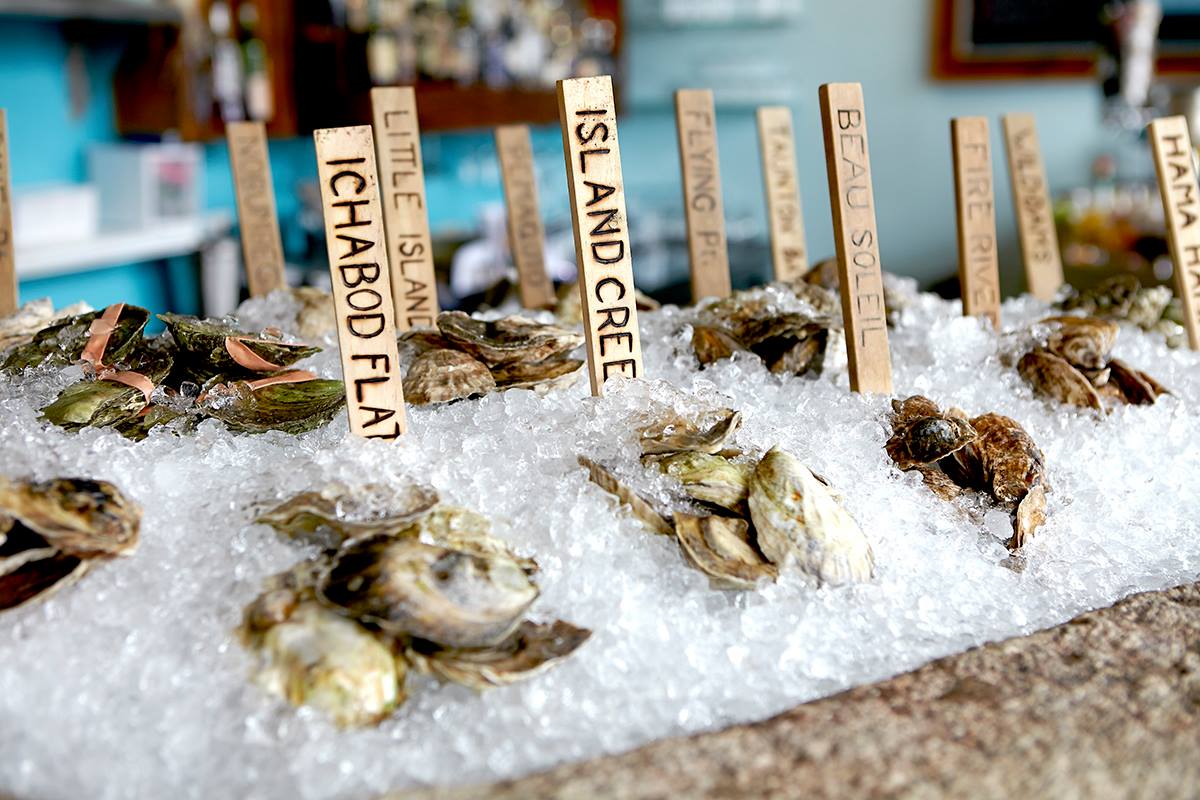
New England Oyster Bar & Seafood
Eventide Oyster Co.
Portland, United States
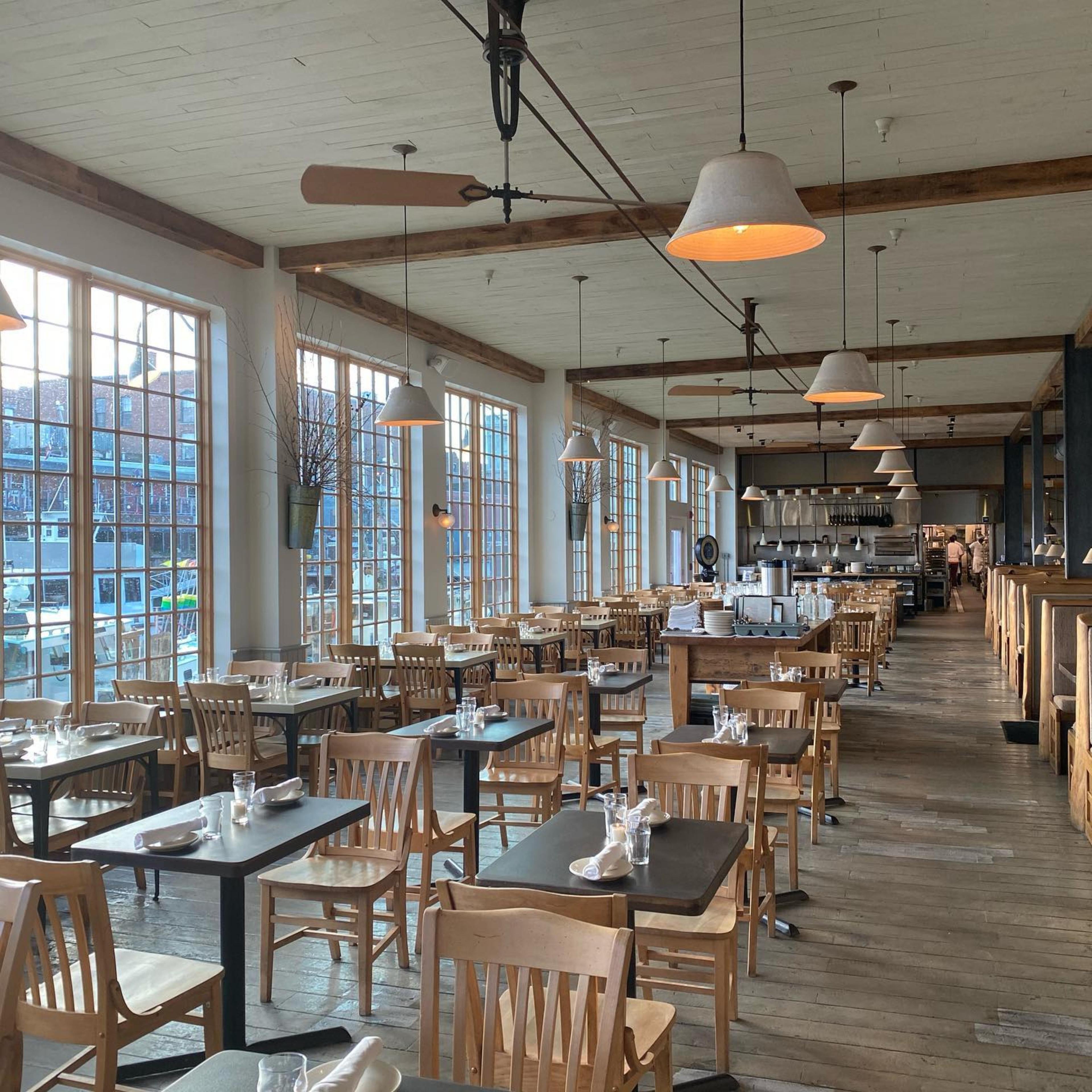
Artisanal French-Inspired Bakery
Standard Baking
Portland, United States
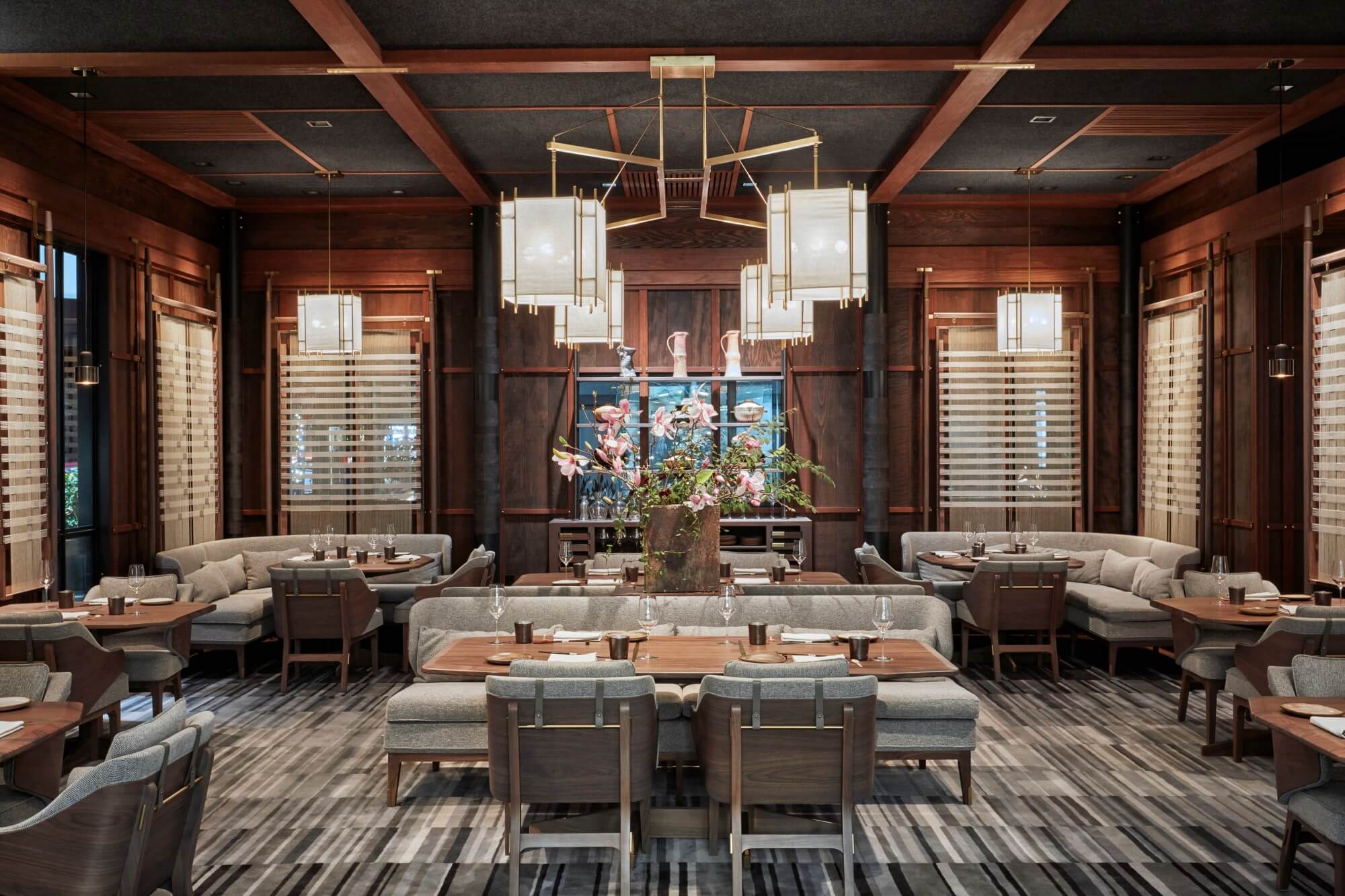
Japanese-influenced Californian Kaiseki
Single Thread Farm
Healdsburg, United States
★★★ · 50 Best