Made ByRestaurant
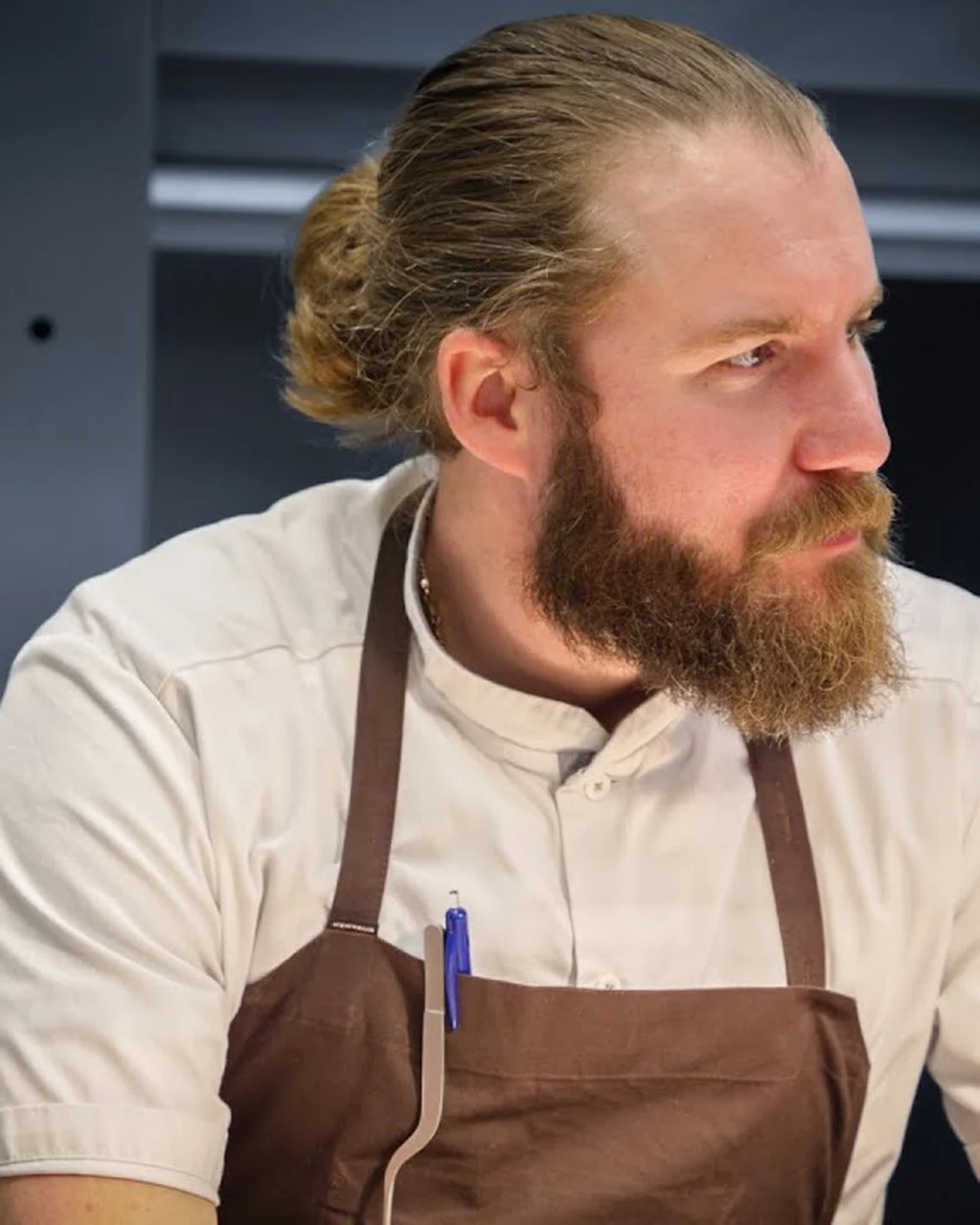
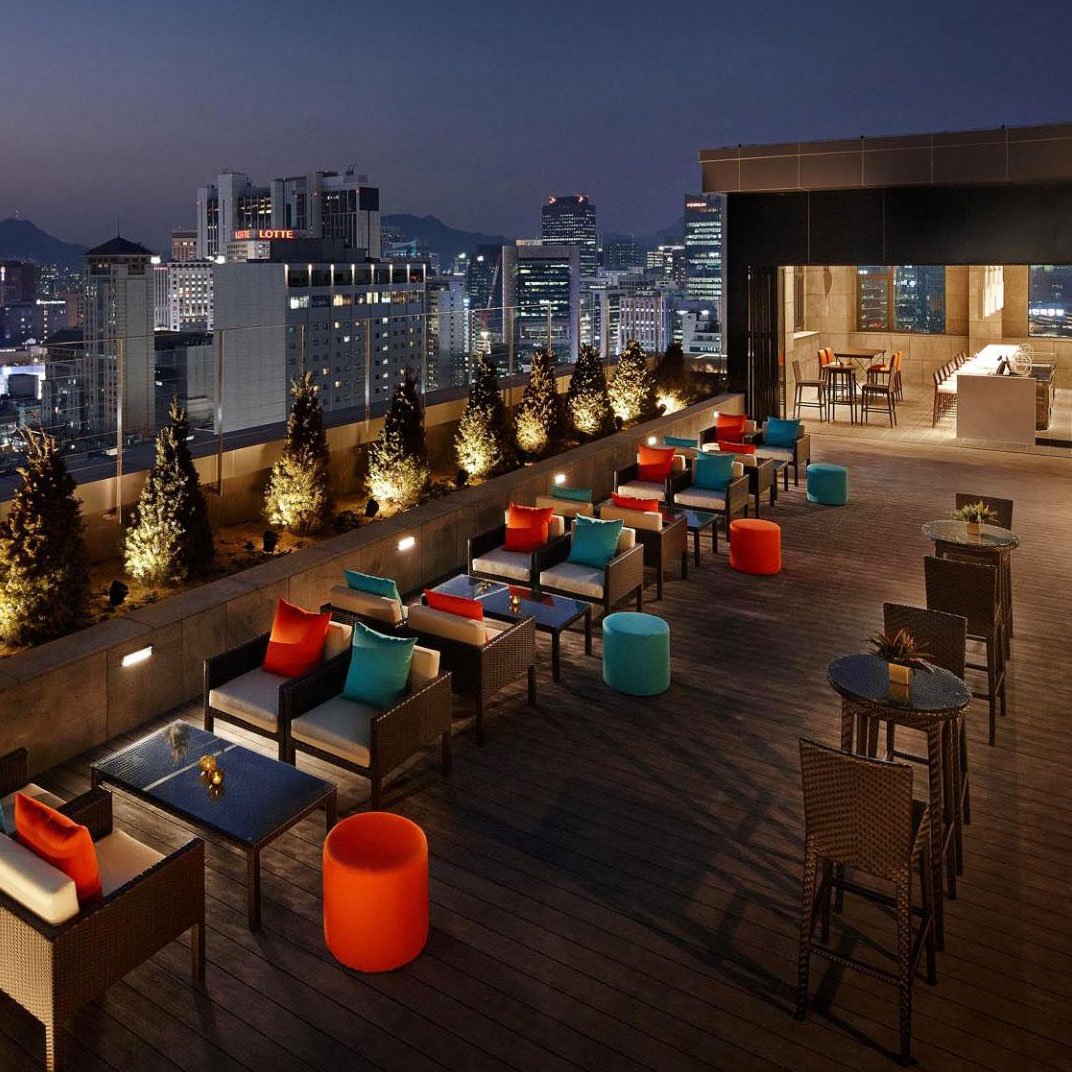
A Michelin Plate recipient sitting inside Seoul's top-tier Chinese dining bracket, Hong Yuan addresses the city's appetite for serious regional Chinese cooking with a price point that positions it alongside Michelin-starred Korean contemporaries. Chef Brett Lavender leads a kitchen with La Liste recognition (77 points, 2026), and a Google rating of 4.6 across 333 reviews confirms sustained guest approval in the competitive Jung District dining corridor.
At a glance
- Cuisine
- Cantonese
- Price
- $$$$
- Per person
- $100
- Hours
- Mon: 12–3 PM, 6–10 PM; Tue: 12–3 PM, 6–10 PM; Wed: 12–3 PM, 6–10 PM; Thu: 12–3 PM, 6–10 PM; Fri: 12–3 PM, 6–10 PM; Sat: 12–3 PM, 6–10 PM; Sun: 12–3 PM, 6–10 PM
- Neighborhood
- Jung-gu
- Rating
- 4.6 (339)
<h2>Chinese Dining at the top of Jung District</h2><p>Sogong-ro, the broad commercial artery cutting through Jung District toward City Hall, has long anchored Seoul's business-dining circuit. The corridor draws a mix of corporate lunches, hotel restaurants, and the occasional outlier that earns recognition on its own terms. Hong Yuan operates in that last category: a Chinese restaurant in Seoul's Jung District with La Liste placement and consecutive Michelin Plate recognition, holding a price tier that puts it in direct comparison with Michelin-starred Korean contemporaries rather than the city's mid-range Chinese casual scene.</p><p>The broader context matters here. Seoul has developed a serious Chinese fine-dining segment over the past decade, moving well past the jajangmyeon-and-tangsuyuk comfort register that historically defined Chinese restaurants in the city. That shift has been uneven, some addresses lean heavily on luxury signifiers without much culinary depth, while a smaller cluster has earned sustained critical attention. Hong Yuan, with head chef Brett Lavender, sits in the latter group. Its 2026 La Liste score of 77 points and back-to-back Michelin Plate awards (2024, 2025) place it inside a comparable set that includes names like <a href="https://www.enprimeurclub.com/restaurants/haobin-seoul-restaurant">Haobin</a>, <a href="https://www.enprimeurclub.com/restaurants/yu-yuan-seoul-restaurant">Yu Yuan</a>, and <a href="https://www.enprimeurclub.com/restaurants/crystal-jade-seoul-restaurant">Crystal Jade</a>, addresses that collectively represent Seoul's attempt to build a credible regional Chinese dining tier.</p><h2>Noodle Traditions and the Case for Regional Depth</h2><p>Within Chinese cuisine, noodle craft serves as one of the clearest markers of kitchen discipline. Hand-pulled lamian, knife-cut daoxiao mian, and the thread-fine misua of Fujian each demand a different relationship between cook and dough, different hydration ratios, different tensile logic, different finishing times. A kitchen that commits to these techniques from scratch is making a statement about labour and sourcing that a kitchen using purchased noodles simply cannot replicate. That commitment tends to ripple outward: restaurants serious about noodle craft are usually serious about stock, about secondary protein cuts, about the long-cooked foundations that make a bowl more than the sum of its pulled strands.</p><p>Seoul's Chinese dining scene has historically been most confident in the Shandong-influenced cooking that arrived with early Chinese immigrant communities, thick, chewy noodles, soy-forward sauces, a certain robustness in the braising register. The finer-calibre addresses now in operation have pushed into different regional registers: Sichuan mala arithmetic, Cantonese dim sum discipline, the lighter, more herbaceous profiles of Yunnan and Guizhou. Where Hong Yuan positions itself within that range is part of what makes the ₩₩₩₩ price tier justifiable or not, depending on what arrives at the table.</p><p> The answers have varied widely, from faithful regional reproduction to deliberate cultural hybridity. Hong Yuan's La Liste and Michelin recognition suggests it has found a credible answer for the Seoul context.</p><h2>Where Hong Yuan Sits in Seoul's Fine Dining Map</h2><p>Seoul's ₩₩₩₩ tier is crowded with Korean and Korean-adjacent menus: contemporary Korean tasting formats, Korean-French hybrids, and a handful of Japanese omakase counters occupy most of the critical attention. Chinese cooking at this price level is a smaller sub-segment, and one that faces a particular audience challenge, Korean diners have strong reference points for Chinese food, but those reference points are often rooted in the Korean-Chinese register rather than in, say, a Cantonese banquet tradition or a northern Chinese cold-dish spread.</p><p>Addresses like <a href="https://www.enprimeurclub.com/restaurants/jin-jin-seoul-restaurant">Jin Jin</a> and <a href="https://www.enprimeurclub.com/restaurants/jue-seoul-restaurant">JUE</a> are working through similar questions in different registers. The comparison venues in Seoul's wider fine-dining bracket, 7th Door, Onjium, Zero Complex, all hold Michelin stars and operate at the same price tier, which gives Hong Yuan's Michelin Plate recognition a clear contextual meaning: it is recognised, but it sits one tier below the starred competition in formal terms, even as La Liste's 77-point score places it on the international reference radar.</p><p>A Google rating of 4.6 across 333 reviews is a useful additional signal. At the ₩₩₩₩ level in central Seoul, that score reflects consistent execution rather than viral enthusiasm, guests spending at this level tend to be precise in their assessments. The volume of reviews also suggests a steady pace of reservations rather than a cult address that fills on buzz alone.</p><h2>Getting There and Planning Your Visit</h2><p>Hong Yuan's address at 106 Sogong-ro places it in Jung District, within walking range of City Hall station (Seoul Metro Lines 1 and 2) and within a short cab or transit ride of the Myeongdong and Euljiro corridors.</p><p> Given the ₩₩₩₩ price tier and the dual Michelin Plate recognition, the practical assumption is that advance reservation is advisable, particularly for weekend evenings and the business-lunch corridor that defines this part of Jung District.</p>
Know before you go
- Dress code
- smart_casual
- Reservations
- recommended
- Children
- Welcomed
Frequently asked
What's the price range at Hong Yuan?
Pricing at Hong Yuan is listed as ₩₩₩₩.
How do I find Hong Yuan?
Hong Yuan is located at 106 Sogong-ro, Jung District, Seoul, South Korea, Seoul.
What's Hong Yuan known for in terms of accolades?
Hong Yuan has received recognition including: La Liste Top Restaurants (2026): 77pts; Michelin Plate (2025); Michelin Plate (2024).
What do people recommend at Hong Yuan?
A 4.6 Google rating across 333 reviews, paired with consecutive Michelin Plate recognition in 2024 and 2025, points to consistent kitchen execution rather than a single standout dish. At ₩₩₩₩ pricing, the menu operates in the territory where Chinese regional technique is taken seriously — noodle craft, precise seasoning, and depth of preparation are the recurring reference points in guest feedback. La Liste's 2026 placement at 77 points adds an independent data point that aligns with that consensus.
Who is the chef or culinary lead at Hong Yuan?
The chef associated with Hong Yuan is Brett Lavender.
Should I book Hong Yuan in advance?
At ₩₩₩₩ pricing in Jung District, where hotel restaurants and business-dining addresses compete for the same tables, Hong Yuan's La Liste 2026 recognition and back-to-back Michelin Plate awards place it in a short list of rooms where reservations are the safer assumption. The address at 106 Sogong-ro sits within easy reach of City Hall station, which increases foot traffic from the broader Seoul business circuit. Booking ahead rather than walking in is the practical approach for this tier.
Address
106 Sogong-ro, Jung District, Seoul, South Korea
Jung-gu
How it compares
- Cuisine
- Cantonese
- Price
- $$$$
- Awards
- Michelin Plate
- Notes
- Sajik-dong
- Cuisine
- Modern Shanghai Chinese
- Price
- $$$$
- Awards
- Michelin Plate
- Notes
- 소공동
- Cuisine
- Seasonal Japanese Kaiseki
- Price
- $$$$
- Awards
- Michelin Plate
- Notes
- 압구정동
- Cuisine
- Seasonal French Fine Dining
- Price
- $$$$
- Awards
- Michelin Plate
- Notes
- 효자동
- Cuisine
- Modern French Fine Dining
- Price
- $$$$
- Awards
- Michelin Plate
- Notes
- 광희동
- Cuisine
- Modern French Steakhouse
- Price
- $$$$
- Awards
- Michelin Plate
- Notes
- Sajik-dong
In residence
Similar places
Modern Korean Fine Dining
Mingles
Seoul, South Korea
★★★ · 50 Best
Modern Korean Royal Court Cuisine
Onjium
Seoul, South Korea
★ · 50 Best
Modern Innovative Korean
Evett
Seoul, South Korea
★★
Modern Korean Fine Dining
Jungsik
Seoul, South Korea
★★ · 50 Best
Modern Korean Contemporary
Eatanic Garden
Seoul, South Korea
★ · 50 Best
Modern Fusion Fine Dining
alla prima
Seoul, South Korea
★★ · 50 Best