Onjium
In Residence
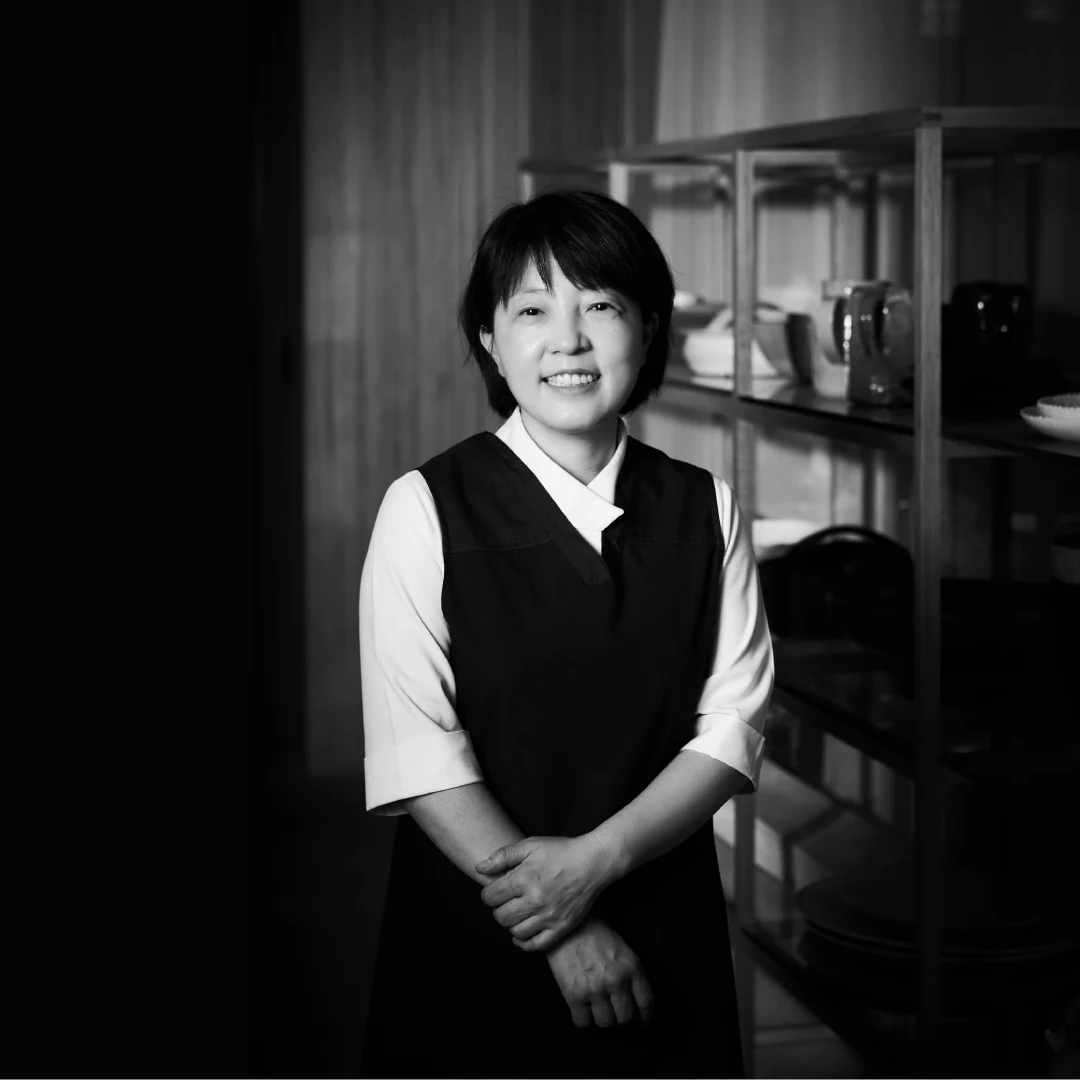
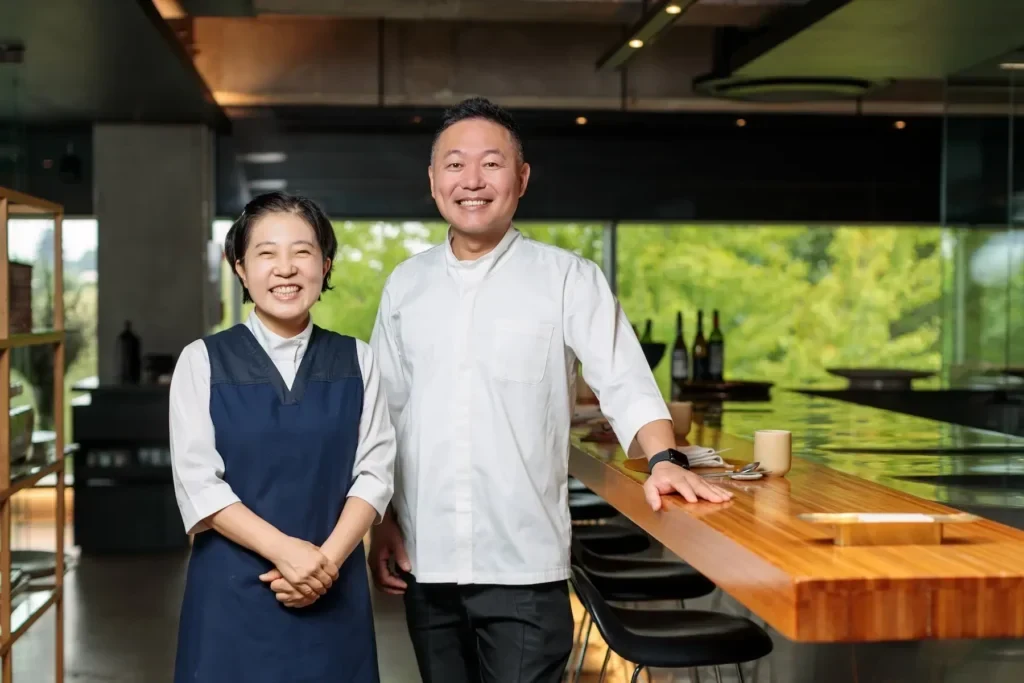
Cho Eun-hee
Chef
- 01CuisineModern Korean Royal Court Cuisine
- 02CitySeoul, South Korea
- 03RecognitionOne Michelin Star
From the people index
Recommended by
2 trusted voices point here.
- 1 Michelin Star · Michelin Guide
- World's 50 Best · #10 · World's 50 Best Restaurants
- Opinionated About Dining Top Restaurants in Asia Ranked #85 · 2026
- Michelin 1 Star · 2026
- Wine Spectator Best of Award of Excellence · 2026
- World's 50 Best Asia's Best Restaurants #14 · 2026
- La Liste Top Restaurants: 89pts · 2026
- La Liste Top Restaurants: 84.5pts · 2025
- We're Smart World 3 Radishes · 2025
- World's 50 Best Best Restaurants #57 · 2025
- The Best Chef One Knife · 2025
- World's 50 Best Asia's Best Restaurants #10 · 2025
- Opinionated About Dining Top Restaurants in Asia Ranked #134 · 2025
- Tatler Listed in Best Restaurants Asia-Pacific · 2025
Across From a Palace Wall, a Different Kind of Korean Cooking
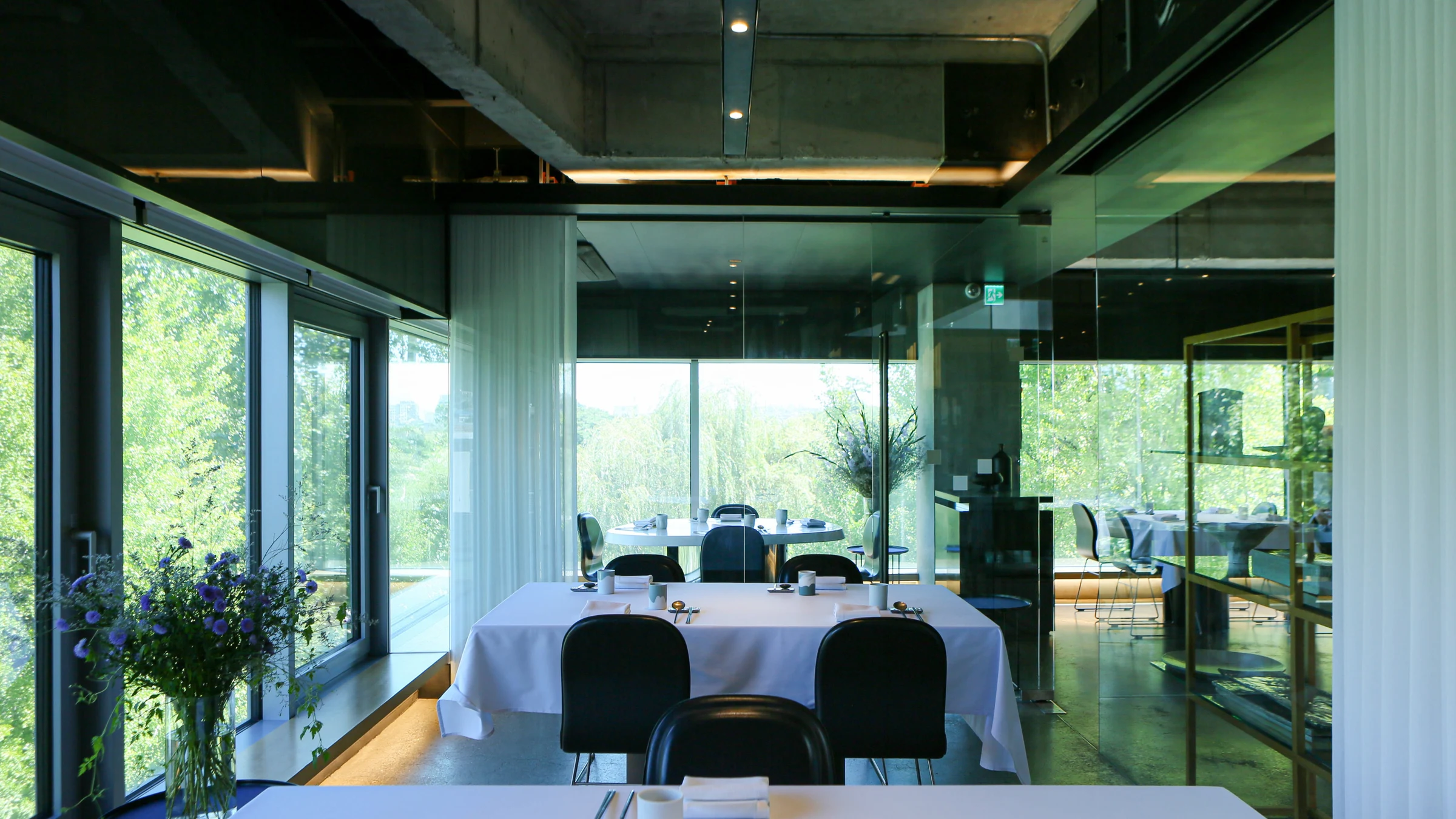
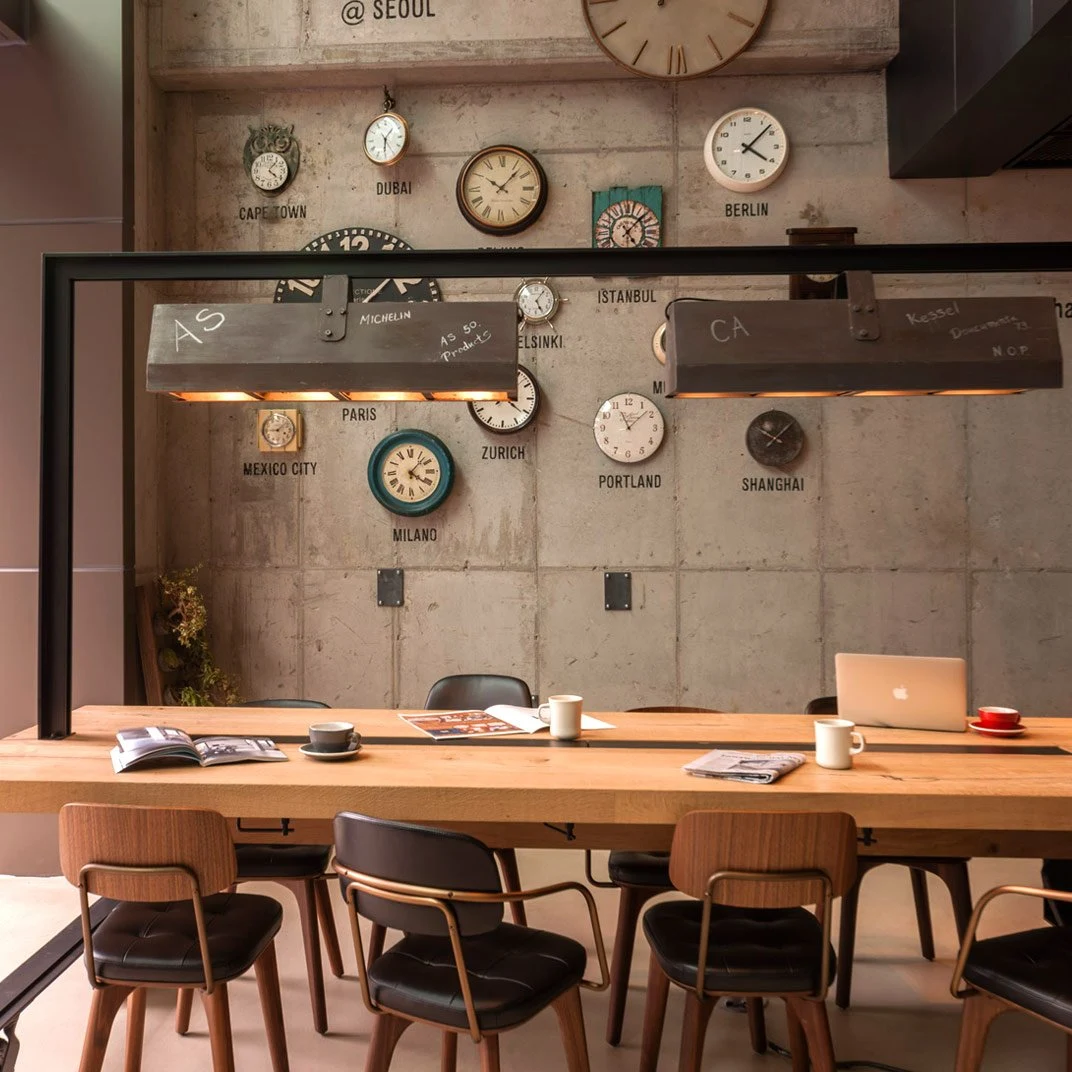
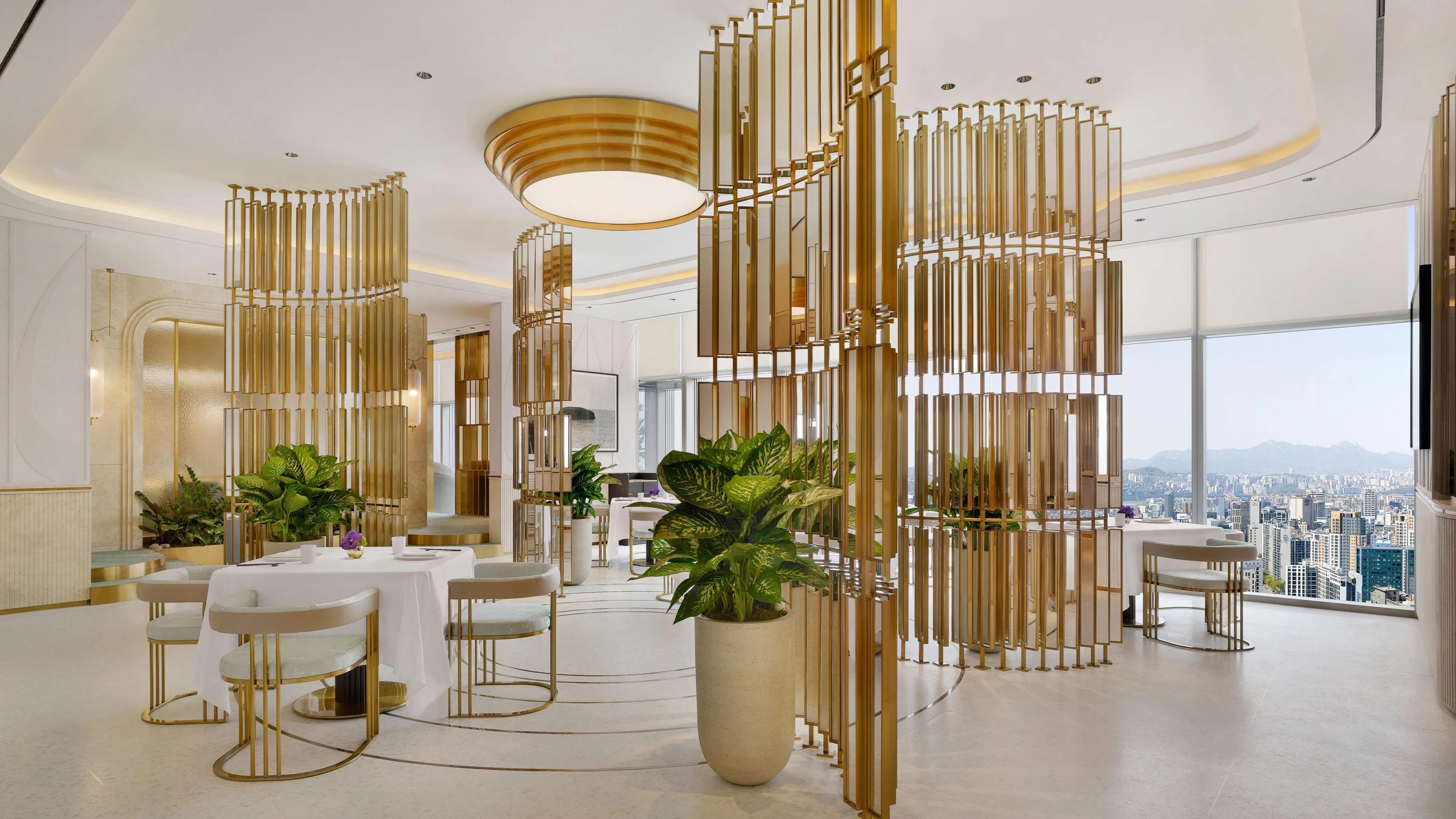
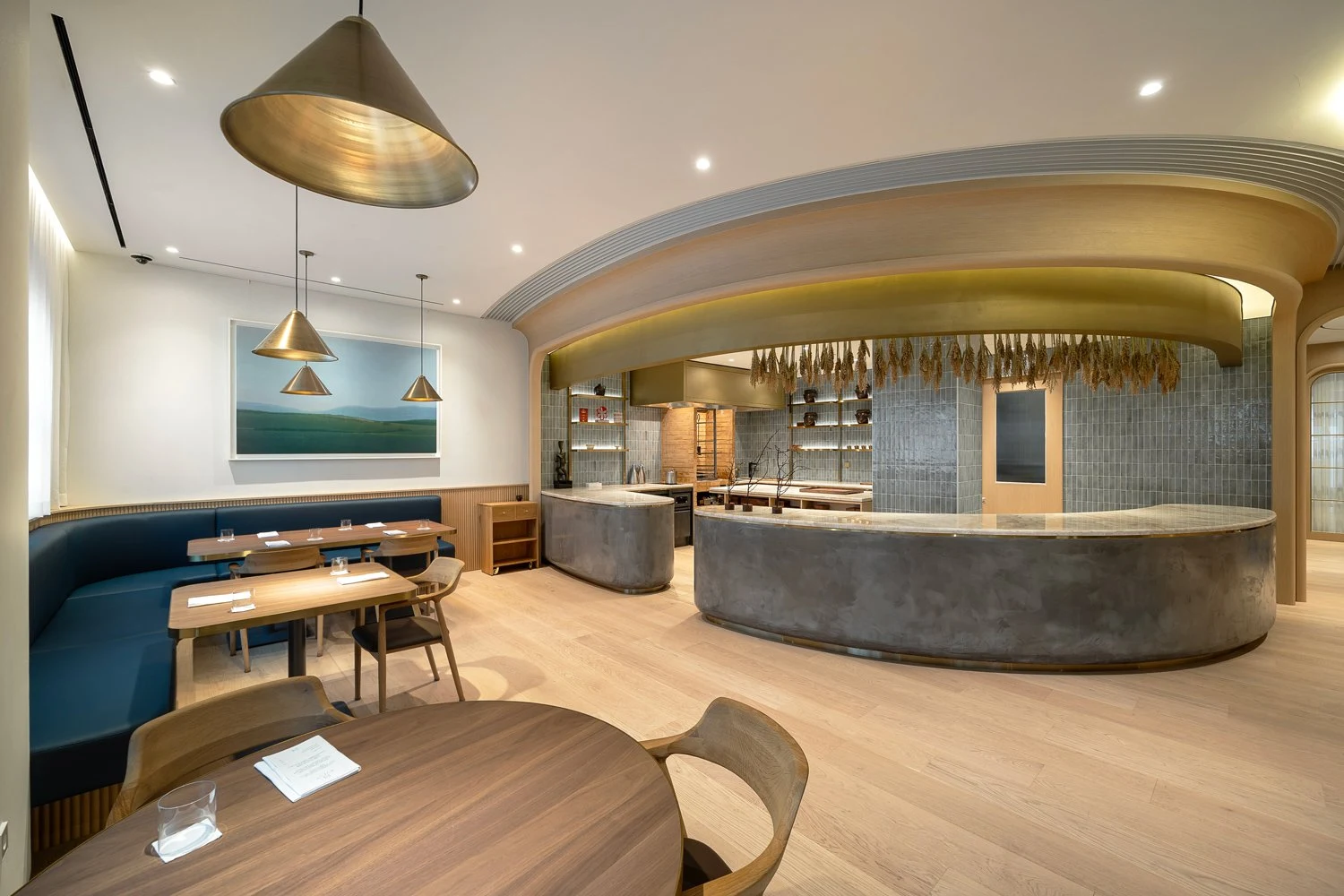
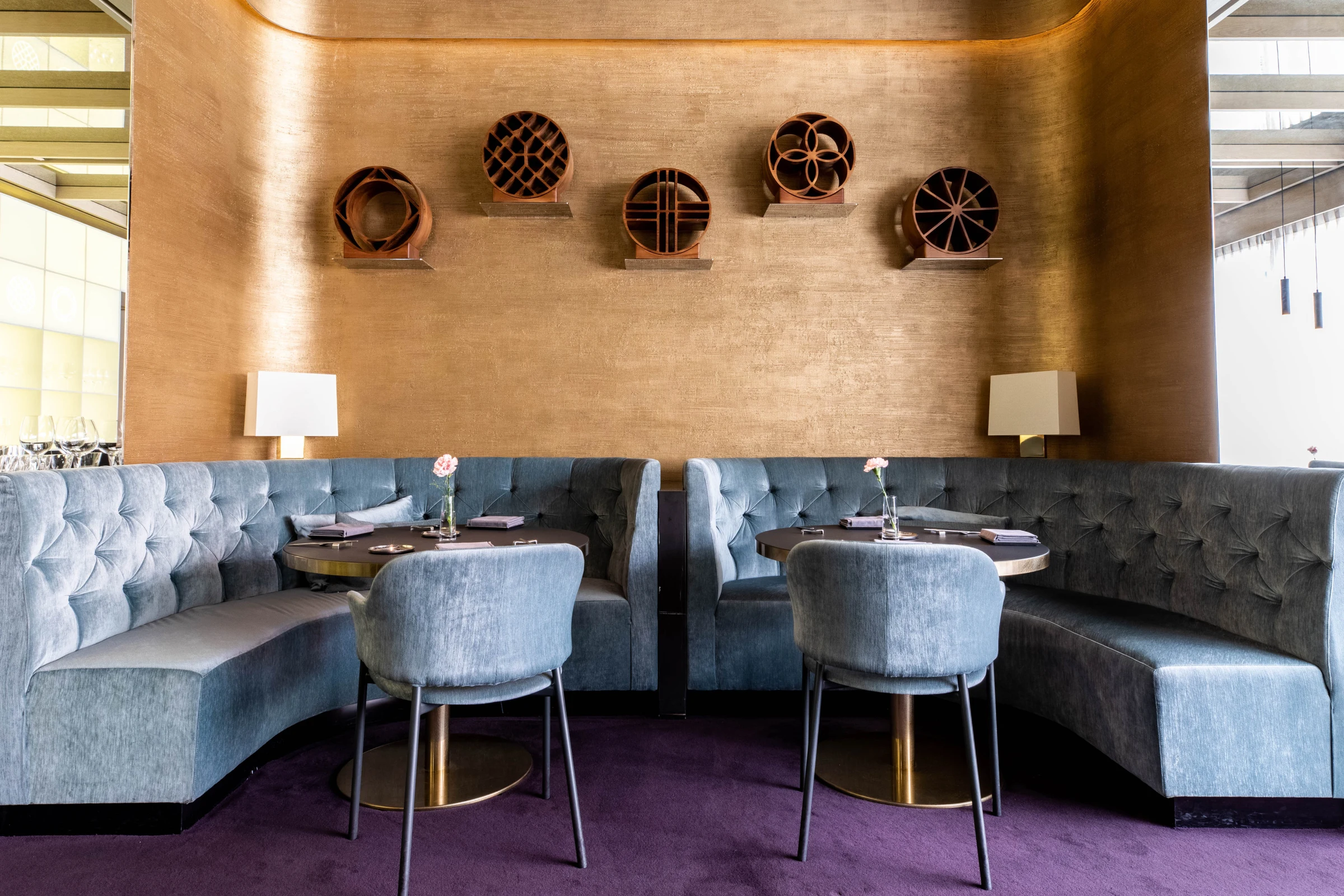
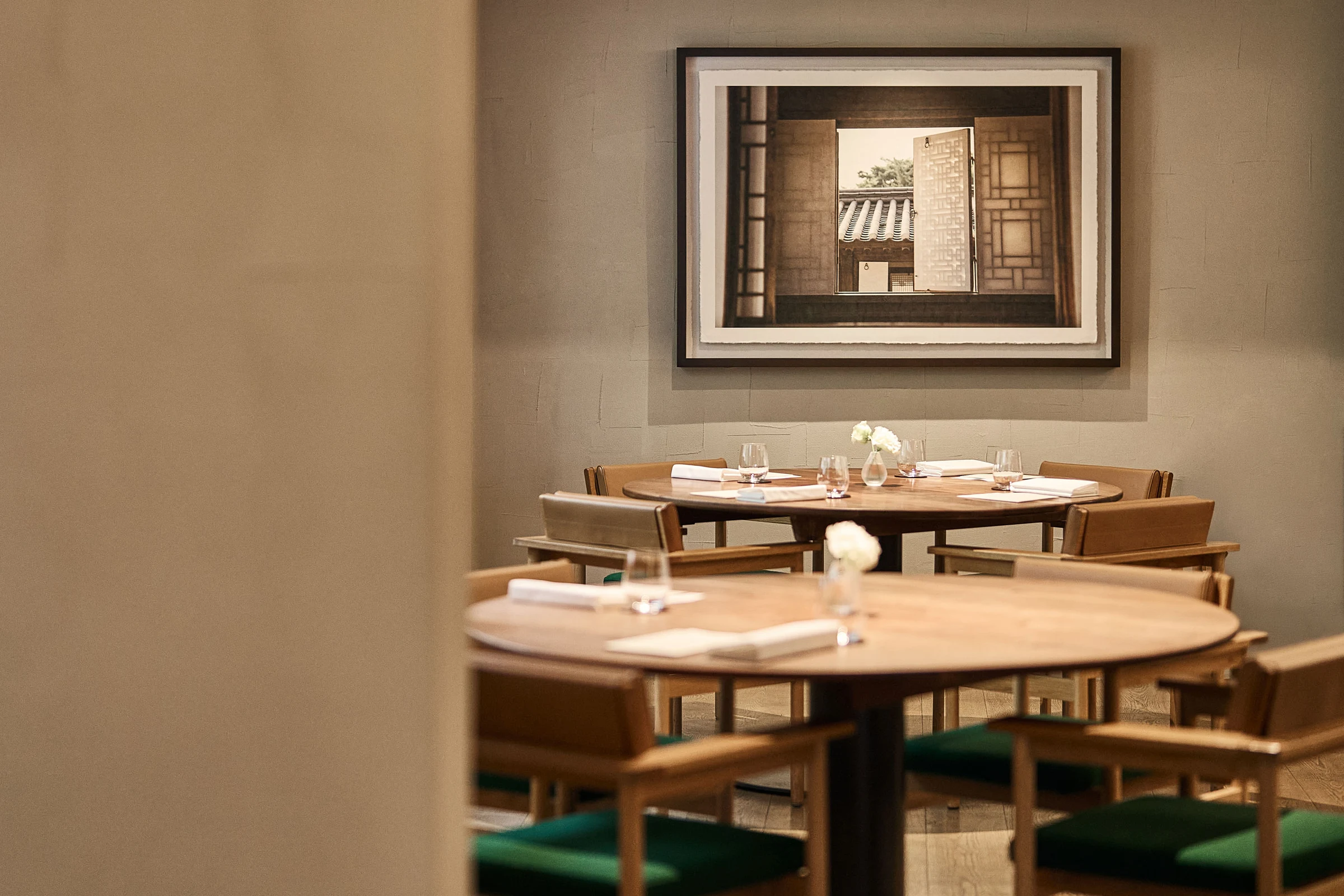
Onjium is a one-star restaurant in Seoul serving Modern Korean Royal Court Cuisine. Onjium sits on the fourth floor of a building directly across from that wall, and the choice of address is not incidental. The institution occupies a part of the city where the weight of Joseon-era history is physically present, and the cooking inside proceeds from that same consciousness. The interior pairs concrete and metal in a restrained palette that reads less as minimalism for its own sake and more as deliberate negative space: the architecture asks you to attend to the food rather than the room.
What the Menu Structure Reveals
Seoul's upper tier of Korean fine dining has fractured into at least two legible camps. One group, including Mingles and Kwonsooksoo, takes traditional Korean ingredients and pulls them through a modern international vocabulary. Onjium operates from a different premise: the menu is structured by research into historical Korean culinary texts, and contemporary technique serves that archive rather than the other way around. The direction this produces is worth understanding before you book.
The Sunday letter
Find new places through the people who run them.
Our Sunday email brings you the chefs, winemakers and hoteliers behind our newest stories. See a sample before you subscribe.
See a sample of the Sunday emailOne email a week. Unsubscribe from any issue.
Fermentation is the structural backbone. The kitchen works extensively with doenjang, ganjang, and gochujang in registers that go well beyond their everyday use, and the sourcing and aging of these pastes is treated as a culinary decision on par with any other ingredient choice. Drying and frying complete the primary technical toolkit, all of them preservation methods with deep roots in Korean court and temple traditions. La Yeon and Gaon operate in comparable territory, drawing on royal court cuisine lineage, but Onjium is distinguished by the degree to which the research function is institutionalized: this is structured as a cultural center that documents and reconstructs, then translates the findings into a menu. The cooking at Baegyangsa Temple in Jangseong-gun represents a different strand of the same heritage, the Buddhist temple food tradition, and the contrast helps frame what Onjium is doing: it draws on both court and temple sources, but presents through a contemporary fine-dining architecture.
Seasonal produce governs what the historical framework gets expressed through at any given time. The menu is not fixed; it moves with the agricultural calendar in a way that makes visits at different points of the year substantially different experiences. This is less a marketing claim about freshness and more a structural consequence of how the kitchen thinks: if the source material is Joseon-era recipes built around seasonal availability, then seasonality is intrinsic rather than optional.
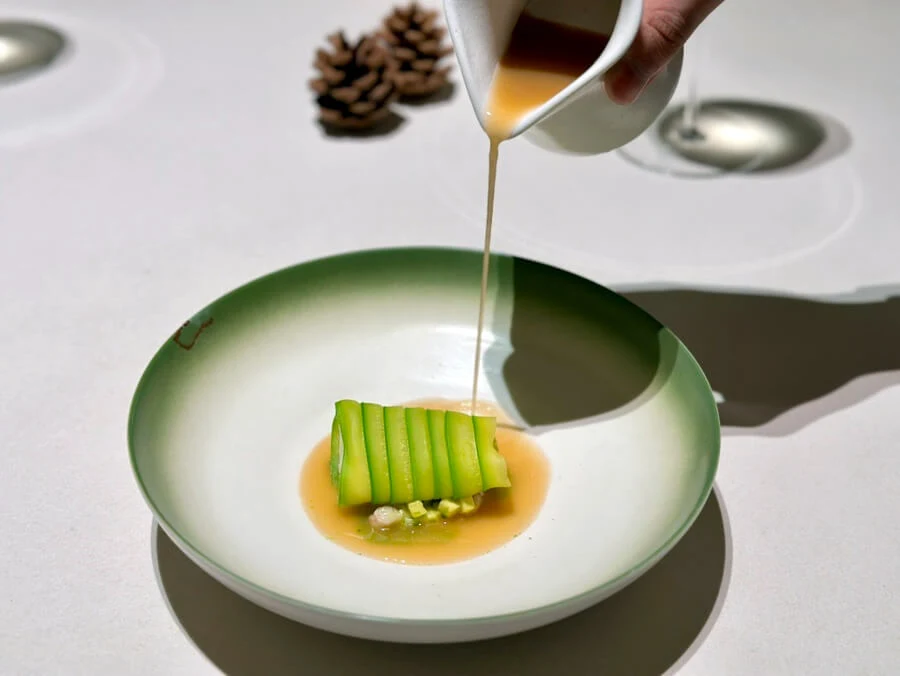
Vegetables carry unusual prominence. In a country where meat anchors most celebratory meals, Onjium's emphasis on plant-based preparations reflects both temple food influence and a commitment to how much of Korean culinary heritage was, in fact, vegetable-centric before twentieth-century dietary shifts. This distinguishes it from peers like Bicena and Soseoul Hannam, which work within more recognizably contemporary Korean frameworks.
The Award Record as a Positioning Signal
Onjium's credential accumulation over a short window is worth reading as a category signal rather than a simple endorsement. The restaurant entered the World's 50 Best at position 96 in 2024, then moved to 57 in 2025. Asia's 50 Best placed it 10th in the same year. La Liste scored it 84.5 points in 2025, rising to 89 in 2026. Michelin awarded a star in 2024. Opinionated About Dining ranked it 134th across Asia in 2025, after placing it 256th in 2024. The trajectory across multiple independent systems, each with distinct criteria, suggests the kitchen is doing something that registers across several.
The awards have drawn strong international interest. For context on how Korean fine dining is landing internationally, bōm in New York City, DOSA in London, and Jeju Noodle Bar in New York City each represent the diaspora end of Korean culinary conversation; Onjium sits at the source end of the same global interest.
Counter Seating and the Kitchen's Pace
Counter seating is available, and it offers direct sightlines into the kitchen. The service pace tends toward deliberate: courses arrive with enough interval to consider what preceded them, and the counter format makes the kitchen's quiet focus visible. This is not a high-energy room in the way that some of Seoul's newer openings are. The atmosphere corresponds to the project: archival, considered, unhurried.
For comparison within Seoul's ₩₩₩₩ tier, the contemporary Korean-French register at Kwon Sook Soo in Gangnam-gu and the innovative frameworks at venues like Zero Complex produce a different room energy. Onjium's particular register is closer to a research presentation than to a contemporary tasting menu in the standard sense.
Practical Matters: Planning Your Visit
Know Before You Go
- Address: 49 Hyoja-ro, 4th Floor, Jongno District, Seoul, South Korea
- Hours: Tuesday to Friday, 12:00 PM to 3:00 PM (lunch) and 6:00 PM to 10:00 PM (dinner). Closed Saturday, Sunday, and Monday.
- Price range: ₩₩₩₩ (premium tier)
- Awards: World's 50 Best Restaurants #10 (2025); Michelin 1 Star; total awards: 13
- Counter seating: Available, with kitchen views
- Booking: Reservation essential
- Getting there: Jongno District, at 49 Hyoja-ro, 4th Floor, Seoul, South Korea
- Closed: Saturday, Sunday, Monday
Where Onjium Sits in the Seoul Dining Map
Seoul's fine dining geography has traditionally concentrated in Gangnam, and the Jongno location is a deliberate counterpoint to that. The Jongno District carries the density of older Seoul: the palaces, the traditional markets, the neighborhoods that predate the city's southward expansion. Eating at Onjium is geographically consistent with its culinary premise. The area also sits at some remove from the international hotel cluster, which means the room skews toward Korean guests and food-focused international visitors rather than business travelers eating on expense accounts. For a regional read beyond Seoul, Mori in Busan represents a different strand of Korean fine dining worth comparing.
Questions
Frequently asked
What recognition does Onjium hold?
Onjium holds 1 Michelin star and a place on the World's 50 Best list at number 10.
Who works at Onjium?
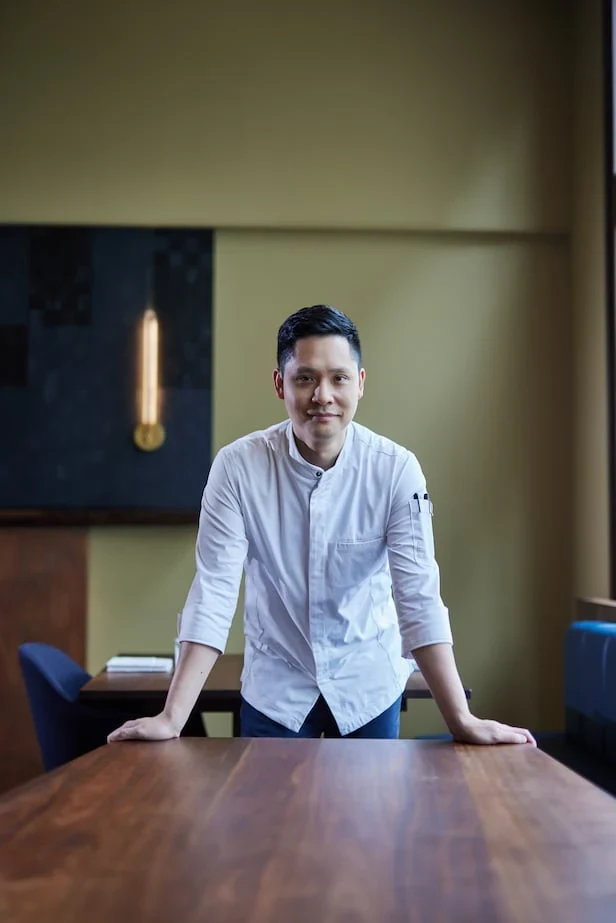
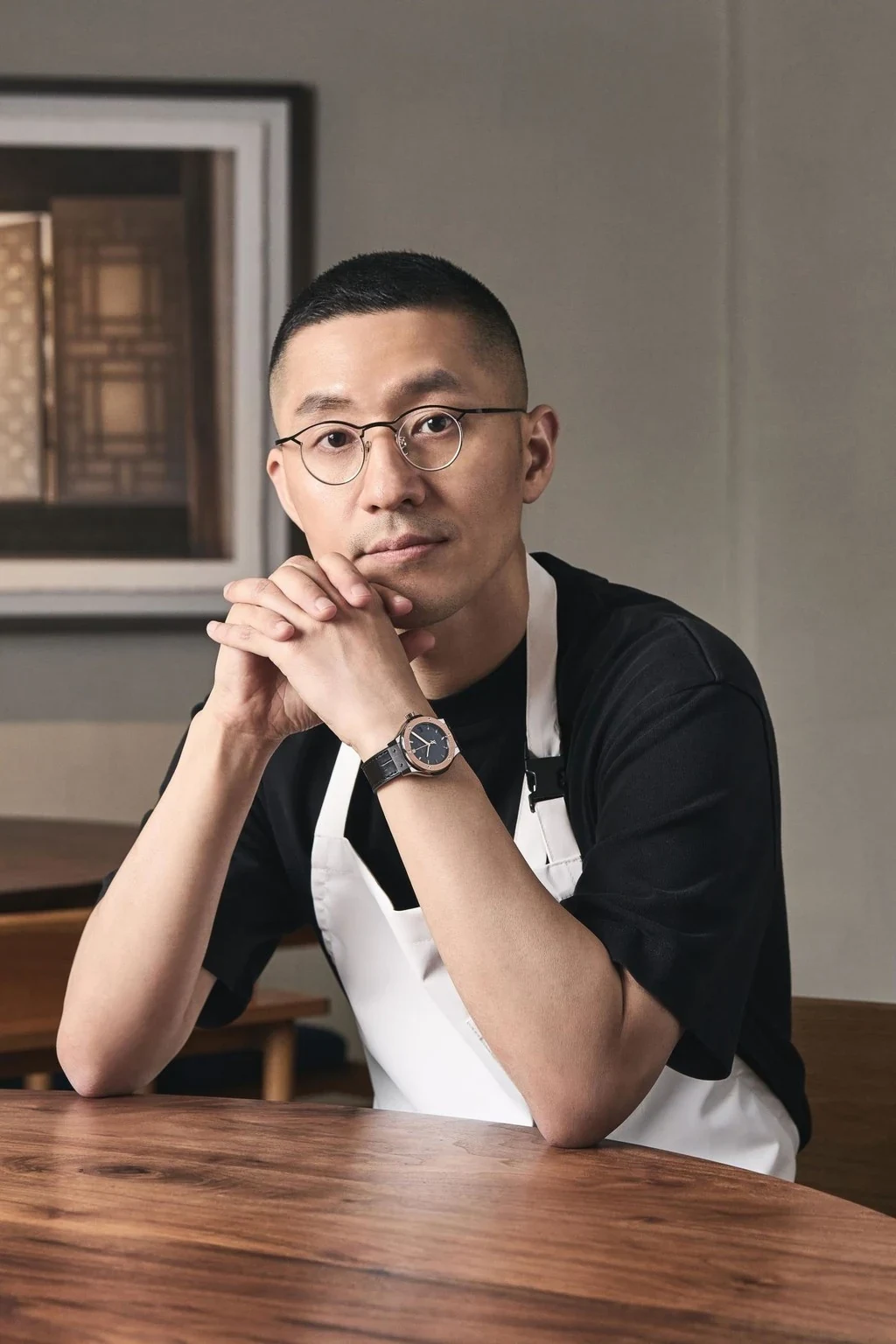
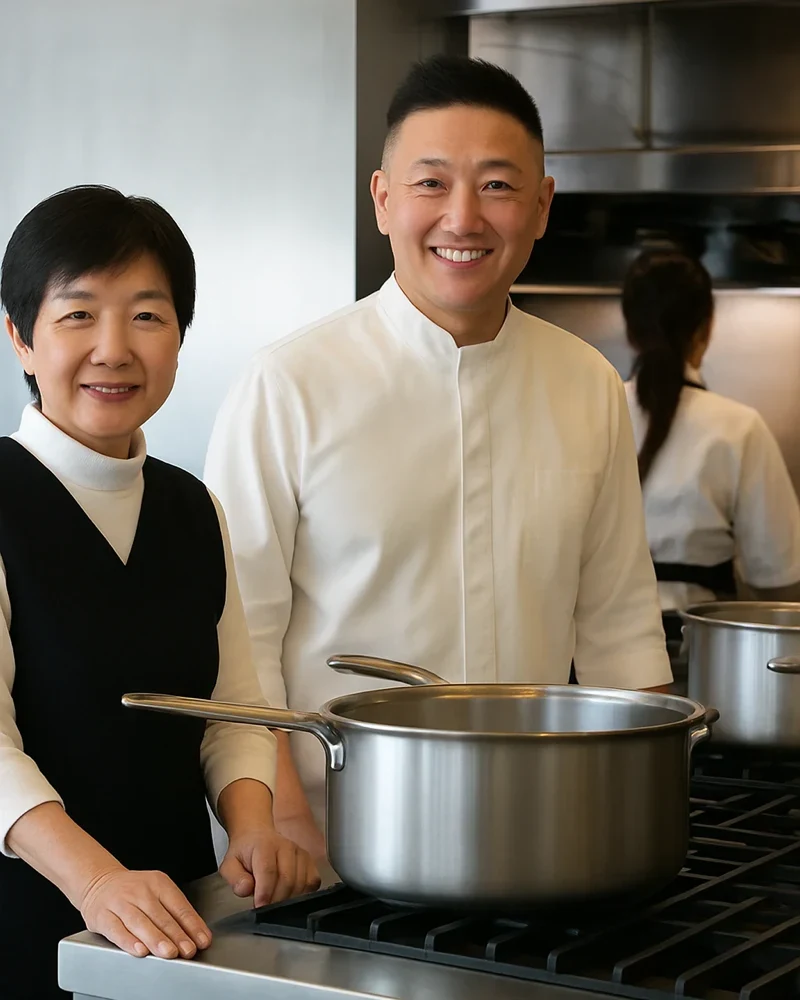
Made By profiles Cho Eun-hee (Chef), Park Sung-bae (Chef) and Park Sungbae (Chef) at Onjium.
How expensive is Onjium?
Onjium is listed at a price level of $$$$.
Where is Onjium and what does it serve?
Onjium is in 효자동, Seoul, serving Modern Korean Royal Court Cuisine.
The field
How it compares
| Place | Awards | Cuisine | Notes |
|---|---|---|---|
| Onjium | Michelin 1 Star, World's 50 Best #10 | Modern Korean Royal Court Cuisine | 효자동, $$$$ |
| alla prima | Michelin 2 Stars, World's 50 Best | Modern Fusion Fine Dining | Seoul |
| Eatanic Garden | Michelin 1 Star, World's 50 Best | Modern Korean Contemporary | Seoul |
| Evett | Michelin 2 Stars | Modern Innovative Korean | Seoul |
| Jungsik | Michelin 2 Stars, World's 50 Best | Modern Korean Fine Dining | Seoul |
| Mingles | Michelin 3 Stars, World's 50 Best | Modern Korean Fine Dining | Seoul |
| Solbam | Michelin 1 Star, World's 50 Best | Contemporary Neo-Classical Korean | Seoul |
In residence
Similar places
Modern Fusion Fine Dining
alla prima
Seoul, South Korea
★★ · 50 Best
Modern Korean Contemporary
Eatanic Garden
Seoul, South Korea
★ · 50 Best
Modern Innovative Korean
Evett
Seoul, South Korea
★★
Modern Korean Fine Dining
Jungsik
Seoul, South Korea
★★ · 50 Best
Modern Korean Fine Dining
Mingles
Seoul, South Korea
★★★ · 50 Best
Contemporary Neo-Classical Korean
Solbam
Seoul, South Korea
★ · 50 Best
The Sunday letter
Get the next Made By story in your inbox.
We send one email every Sunday morning with the places and people we covered that week.
See a sample of the Sunday emailOne email a week. Unsubscribe from any issue.