I Due Cippi dal 1976
In Residence
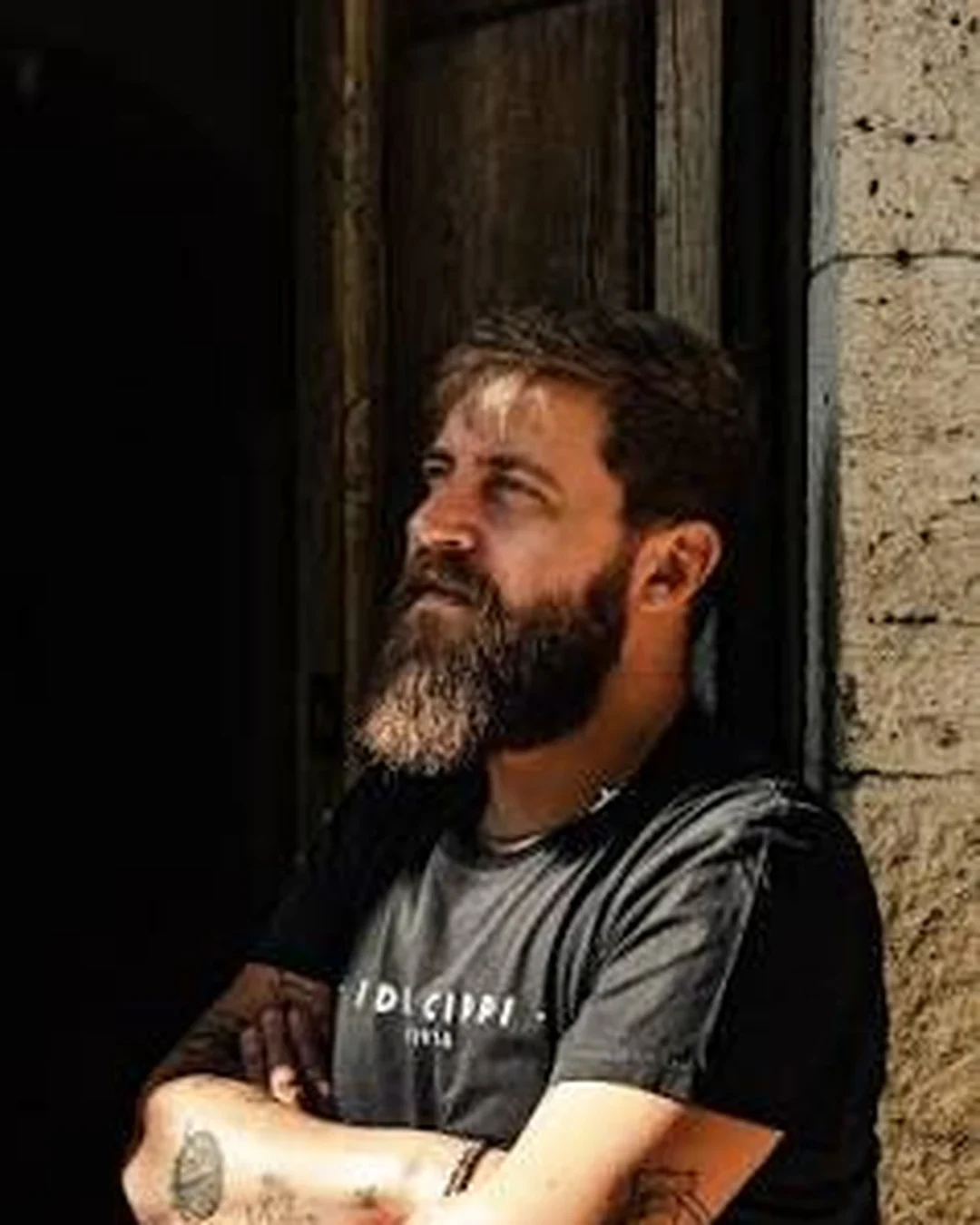
Lorenzo Aniello
Chef
- 01CuisineTuscan Grilled Meats & Fine Dining
- 02CitySaturnia, Italy
- Michelin Plate · 2026
- World's Best Steaks 101 Best Steak Restaurants #4 · 2026
- Michelin Plate · 2025
- World's Best Steaks 101 Best Steak Restaurants #4 · 2025
- Michelin Plate · 2024
Fire, Stone, and Southern Tuscany's Approach to the Grill
Walk into the piazza at Saturnia on a cool evening and the smell reaches you before the sign does: woodsmoke and rendered fat from a fire that has been burning, in one form or another, since 1976. The Maremma, the coastal strip of southern Tuscany that stretches from Grosseto to the Lazio border, has always cooked over flame. It is a tradition rooted in the same pastoral economy that produced Chianina cattle, wild boar, and the rough red wines of Morellino di Scansano. I Due Cippi dal 1976 is not the only restaurant in the region to work a wood grill, but few have sustained the format across five decades while sharpening the sourcing program around it.
The Grill as Editorial Statement
At the center of the dining room, visible from most tables, is a bespoke open-fire grill fed with hardwood. The cooking method is deliberate: direct flame and radiant heat from embers, not a gas burner approximating char. This distinction matters because it governs which cuts can be handled well. Thicker sections of dry-aged beef, where the exterior needs time to form a crust without the interior overcooking, perform differently over wood than over regulated gas. The kitchen at I Due Cippi works with mainly dry-aged beef, which concentrates flavor and firms the protein structure in ways that suit open-fire cooking; the moisture loss during aging means the crust develops faster and the smoke integration is more even.
Chianina takes the primary position on the menu. The breed, native to the Val di Chiana and parts of the Maremma, is among the oldest cattle breeds in Italy and produces large, lean cuts with a flavor profile that reads as clean and mineral rather than heavily marbled. A bistecca alla Fiorentina cut from a Chianina animal, served at the standard thickness of at least four centimeters, is as much a structural object as a dish: it arrives at the table standing upright on the bone, carved tableside, and eaten rare. That is the tradition, and the restaurant holds to it. For diners more accustomed to heavily marbled Wagyu, the contrast is instructive: Chianina asks you to taste the animal rather than the fat.
The menu extends to Japanese Wagyu, sourced from what the restaurant describes as the world's leading regions and sustainable farms. The inclusion of Wagyu alongside Chianina is a compositional choice that reflects a wider shift in Italian premium steak programs over the past decade: offer the regional benchmark alongside an international reference point, and let the comparison do the editorial work. Game also appears on the menu, consistent with the Maremma's hunting culture, which has historically produced everything from wild boar to hare and pigeon.
Cuts, Ages, and What They Signal
The editorial angle of any serious meat restaurant is the sourcing and aging program, and I Due Cippi's commitment to dry-aged beef, primarily from local Italian and European breeds alongside Japanese Wagyu, places it in a specific tier of the Italian grill category. Dry aging is a time and space commitment: a proper dry-aging program requires controlled humidity, precise temperature, and enough volume to justify the yield loss, which runs between twenty and forty percent depending on duration. Restaurants that maintain their own aging operation rather than buying pre-aged product from a distributor have a different relationship to the cut, and that difference tends to show in consistency.
Fireplace in the dining room is not decorative. Aged meat cooked over wood at the correct temperature requires management across the duration of the cook in ways that a gas grill does not: the fire must be tended, the distance from the grate adjusted, the rotation timed to the density of the particular cut. This is skilled work, and the restaurant's continued Michelin Plate recognition across both 2024 and 2025 reflects that the execution meets a threshold of technical reliability.
The Room and the Wine
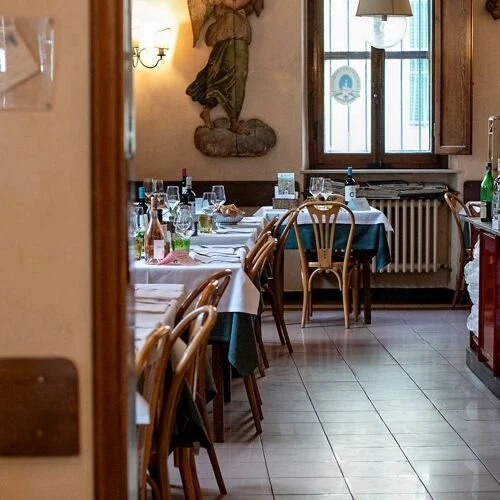
Dining rooms at I Due Cippi have accumulated their current character through decades of use rather than through a single design intervention. Stone surfaces, firelight, and the particular kind of warmth that comes from a room that has been filled and refilled across many seasons define the atmosphere. During the warmer months, outdoor seating on the piazza becomes the preferred option for many guests, with the Saturnia sky overhead and the thermal springs a short walk away.
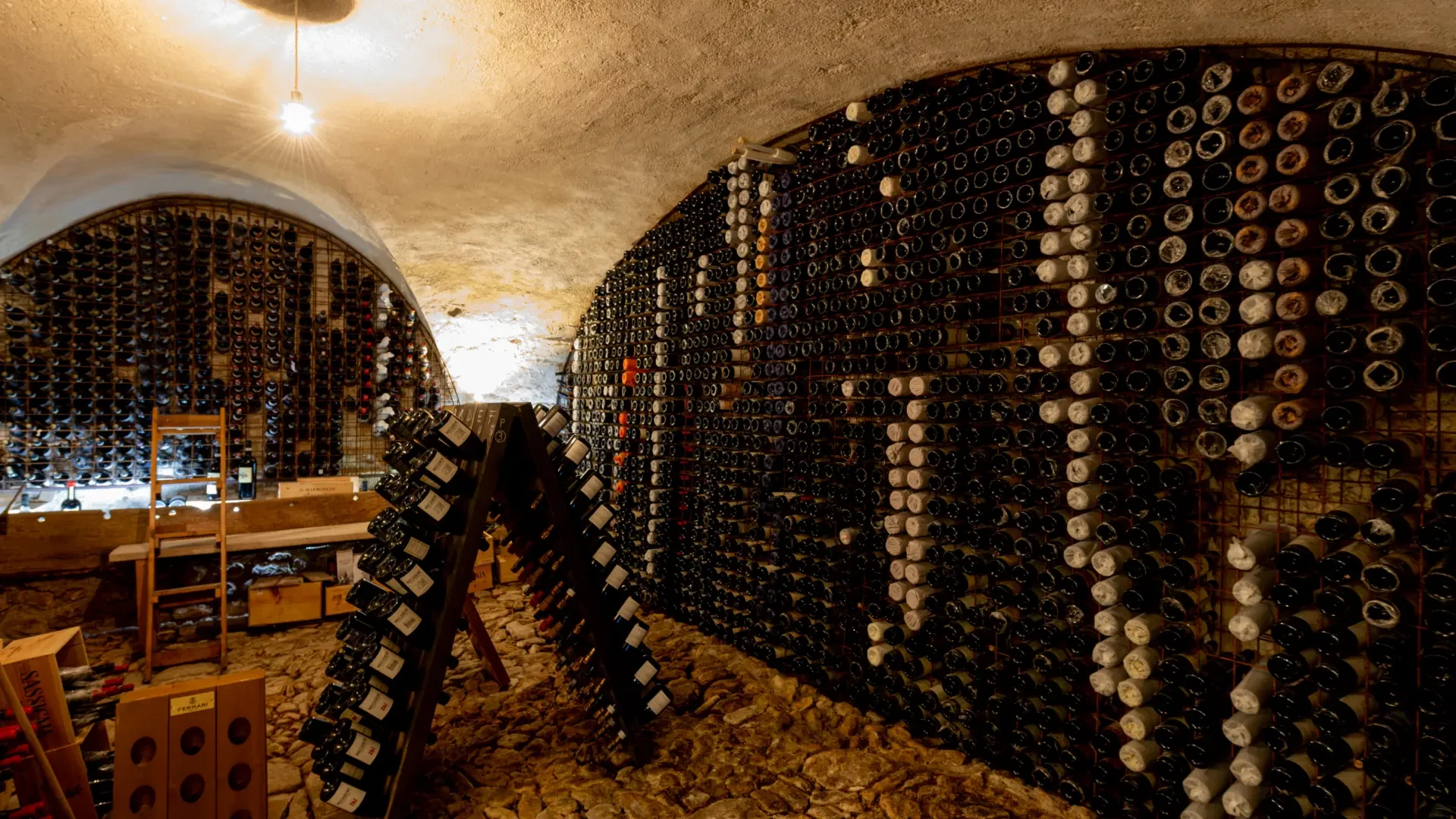
Wine program is managed by Alessandro Aniello, whose role as both co-owner and head of wine gives the list a coherence that restaurant wine programs often lack when the selection is delegated to a separate sommelier with different priorities. The list is weighted toward Tuscan and Italian labels, which is the appropriate frame for a restaurant grounded in Maremma cooking tradition: Morellino di Scansano, Montecucco Sangiovese, and the Super Tuscans of Bolgheri all sit within a reasonable radius and hold natural affinity with grilled red meat. The service approach around wine is described as attentive without being directive, pairing suggestions made in service of the meal rather than in service of the margin.
I Due Cippi sits at the €€€ price tier, which in the context of a Michelin Plate restaurant specializing in dry-aged rare-breed beef and Wagyu is positioned below the €€€€ tier occupied by Italy's multi-star operators such as Enoteca Pinchiorri in Florence, Osteria Francescana in Modena, or Le Calandre in Rubano. For comparison within the Italian grill category, Damini Macelleria & Affini in Arzignano operates a similarly specialized meat and aging program in the Veneto, and Carcasse in Sint-Idesbald represents how the open-fire grill format translates to the Belgian coast.
Planning Your Visit
Saturnia sits in the province of Grosseto, in the southern stretch of Tuscany that most itineraries skip in favor of Siena or Florence. The town is reached by car from either Rome, roughly two and a half hours north, or from Grosseto, about an hour to the northwest. The restaurant is on Piazza Vittorio Veneto, the central square, which makes it easy to locate.
Atelier Moessmer Norbert Niederkofler in Brunico, Dal Pescatore in Runate, Enrico Bartolini in Milan, Piazza Duomo in Alba, Quattro Passi in Marina del Cantone, Reale in Castel di Sangro, Uliassi in Senigallia, and Casa Perbellini 12 Apostoli in Verona.
Questions
Frequently asked
Who works at I Due Cippi dal 1976?
Made By profiles Lorenzo Aniello (Chef) at I Due Cippi dal 1976.
How expensive is I Due Cippi dal 1976?
I Due Cippi dal 1976 is listed at a price level of $$$$.
Where is I Due Cippi dal 1976 and what does it serve?
I Due Cippi dal 1976 is in Saturnia, Saturnia, serving Tuscan Grilled Meats & Fine Dining.
The field
How it compares
| Place | Cuisine | Notes | Awards |
|---|---|---|---|
| I Due Cippi dal 1976 | Tuscan Grilled Meats & Fine Dining | Saturnia, $$$$ | · |
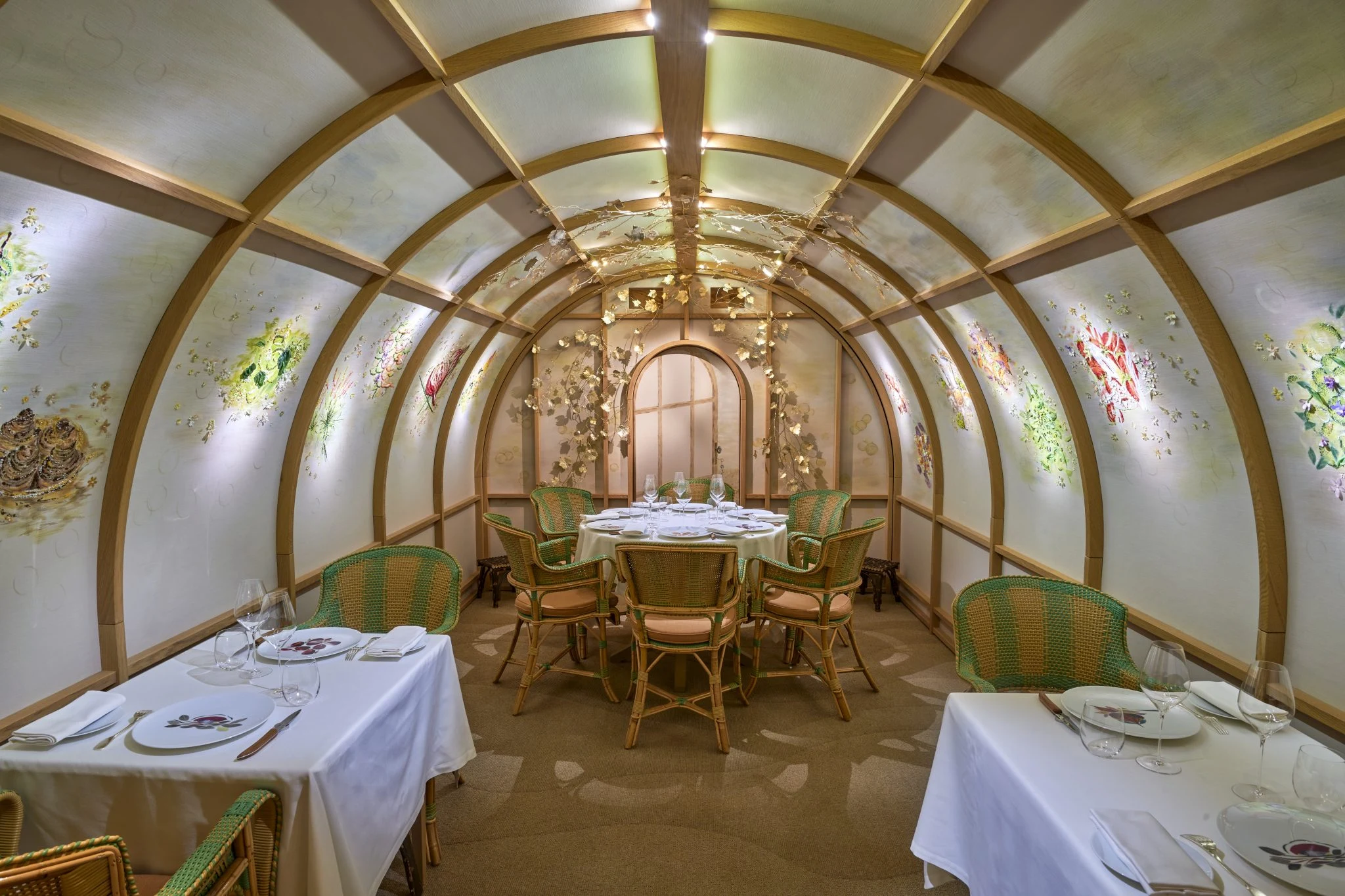
| Arpège | Vegetable-Focused French Fine Dining | Paris | Michelin 3 Stars, World's 50 Best |
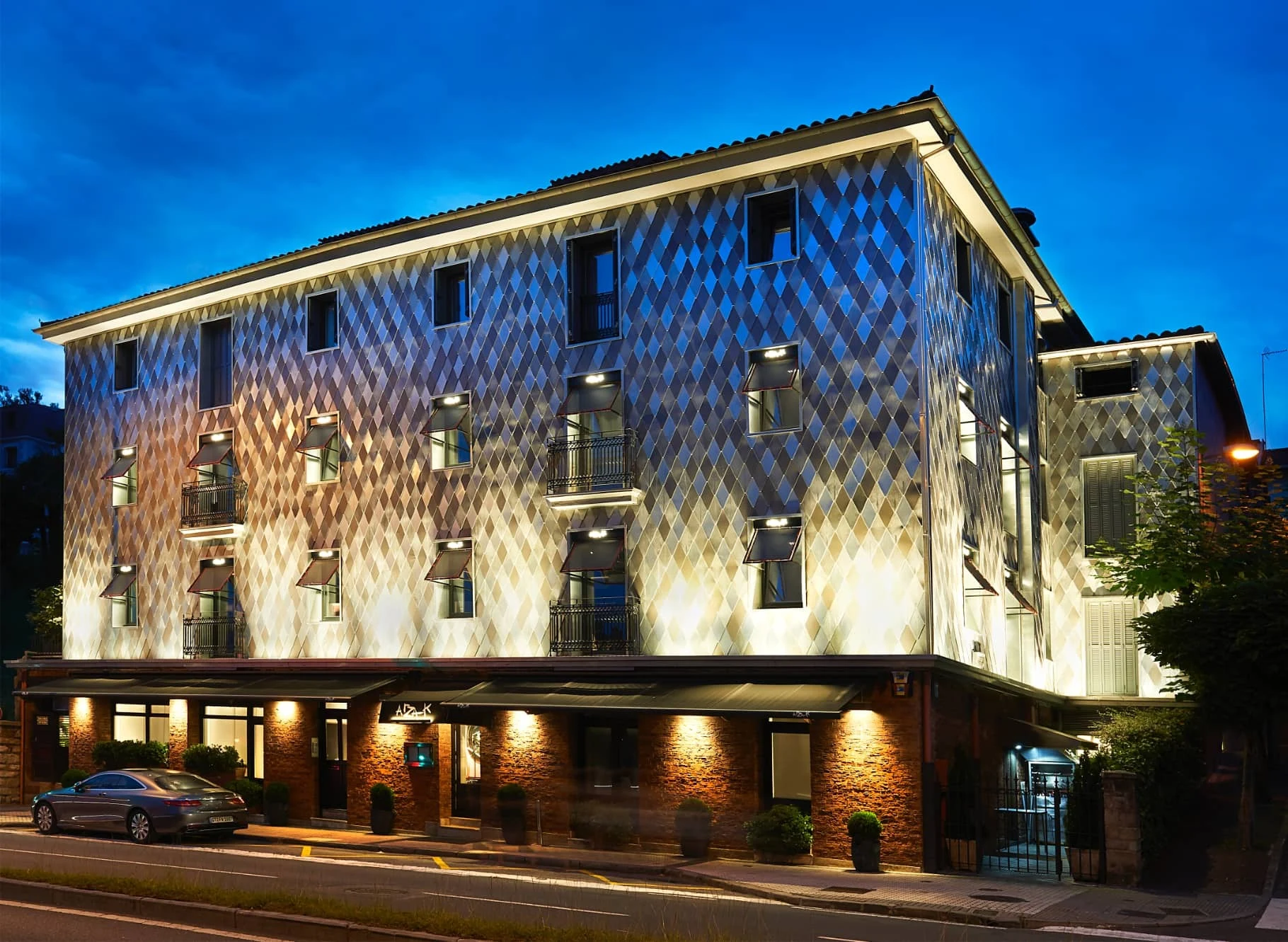
| Arzak | Contemporary Basque Fine Dining | San Sebastián | Michelin 3 Stars, World's 50 Best |
| MAZ | Innovative Peruvian-Japanese Fusion | Tokyo | Michelin 2 Stars, World's 50 Best |
| Reale | Modern Italian Fine Dining | Castel di Sangro | Michelin 3 Stars, World's 50 Best |
| Steirereck im Stadtpark | Modern Austrian Fine Dining | Vienna | Michelin 3 Stars, World's 50 Best |
| Zén | Neo-Nordic with Japanese Influences | Singapore | Michelin 3 Stars, World's 50 Best |
In residence
Similar places
Vegetable-Focused French Fine Dining
Arpège
Paris, France
★★★ · 50 Best
Contemporary Basque Fine Dining
Arzak
San Sebastián, Spain
★★★ · 50 Best
Innovative Peruvian-Japanese Fusion
MAZ
Tokyo, Japan
★★ · 50 Best
Modern Italian Fine Dining
Reale
Castel di Sangro, Italy
★★★ · 50 Best
Modern Austrian Fine Dining
Steirereck im Stadtpark
Vienna, Austria
★★★ · 50 Best
Neo-Nordic with Japanese Influences
Zén
Singapore, Singapore
★★★ · 50 Best