Ichita いち太

In Residence
Taichi Sato
Chef
- 01CuisineSeasonal Japanese Kaiseki with House-made Soba
- 02CityTokyo, Japan
House-made juwari soba at the counter
- Opinionated About Dining Top Restaurants in Japan Recommended · 2026
- Opinionated About Dining Top Restaurants in Japan Ranked #262 · 2025
- Opinionated About Dining Top Restaurants in Japan Ranked #276 · 2024
- Opinionated About Dining Top Restaurants in Japan Highly Recommended · 2023
Soba at the counter
Juwari soba puts buckwheat in Taichi Sato's hands before the bowl reaches the counter. As chef at Ichita いち太 in Tokyo, Taichi Sato works in Minami-Aoyama with seasonal kaiseki and house-made soba as the restaurant's center of gravity. The noodle matters because it refuses the safety of wheat; its texture depends on the hand, the water, and the maker's sense of when the dough has taken enough. Sato's published lineage is spare. His earlier post at Jin gave him the fundamentals visible here: measured work, exact standards, and a service rhythm that favors control over display. At Ichita いち太, that discipline moves into a smaller field of attention, where the pass, the counter, and the guest sit close enough for timing to become part of the cooking. He is not presented through a long public list of mentors or inherited houses. There is continuity. Jin trained the habits; Ichita いち太 gives them a room.
A kaiseki program anchored by buckwheat
The kitchen's stated approach is seasonal, and the format is prix fixe counter dining, which gives Sato a narrow path rather than a broad menu. Kaiseki asks for sequence: temperature after temperature, cut after cut, the bowl placed when the appetite is ready for it. At Ichita いち太, the house-made juwari soba is the named signature, not an ornament at the end of the meal. It sets a tone for the program because it requires restraint in both composition and touch. Buckwheat without wheat binder can punish excess handling; the maker has to know when to stop. Around that discipline, the restaurant carries an upscale casual service style, a curated wine program, and a sake program suited to seasonal Japanese cooking.
Hinoki in a quiet room
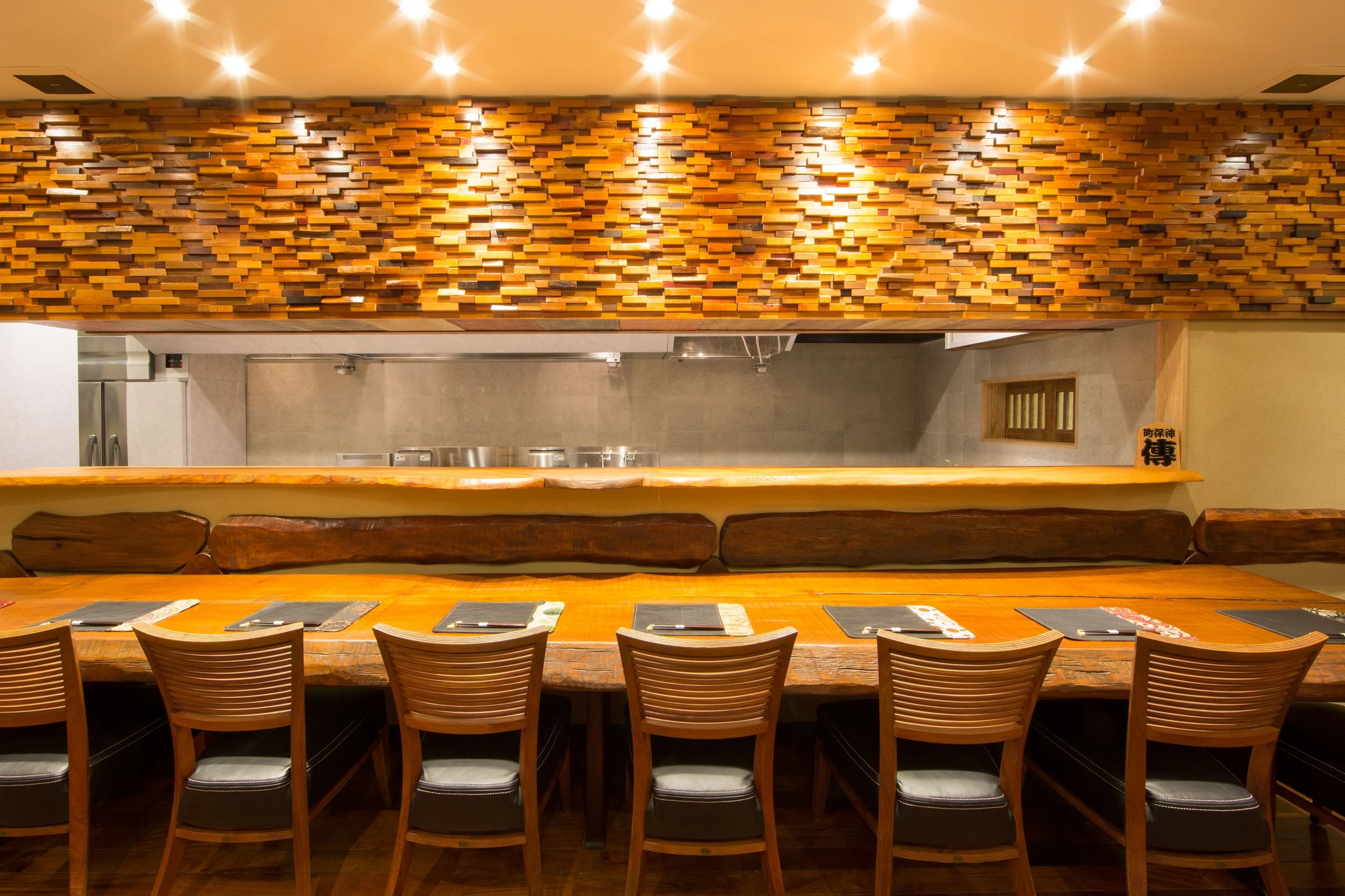
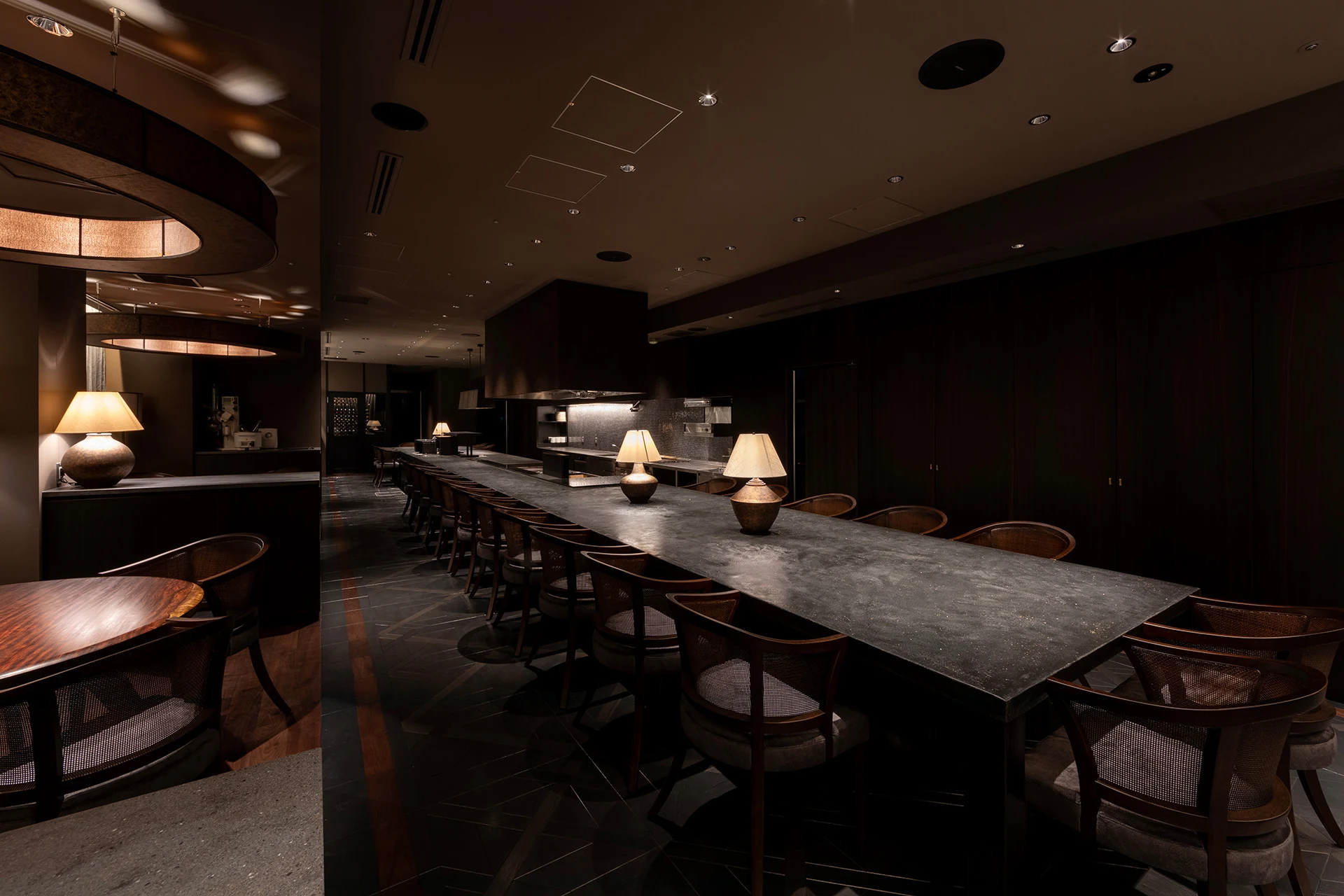
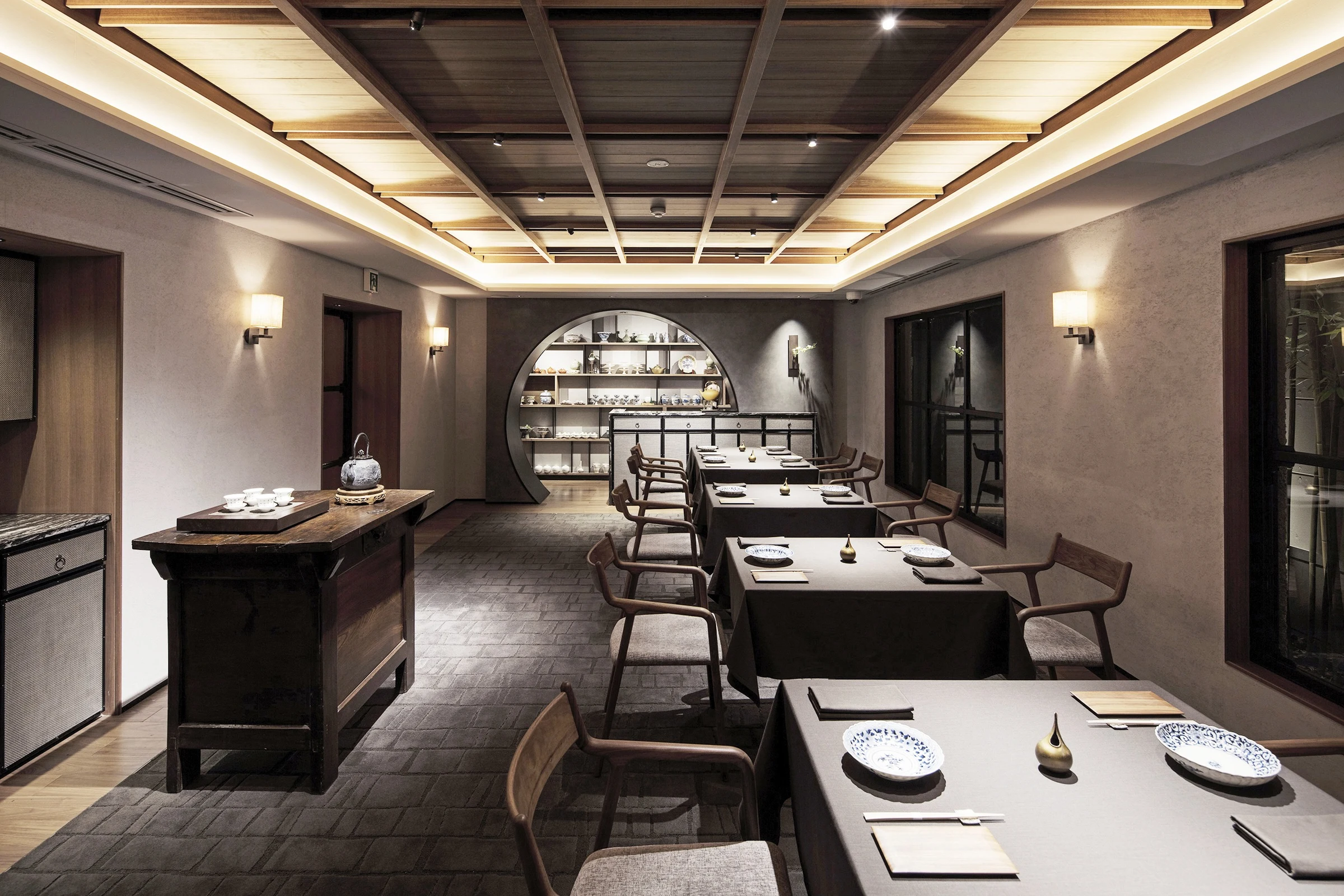
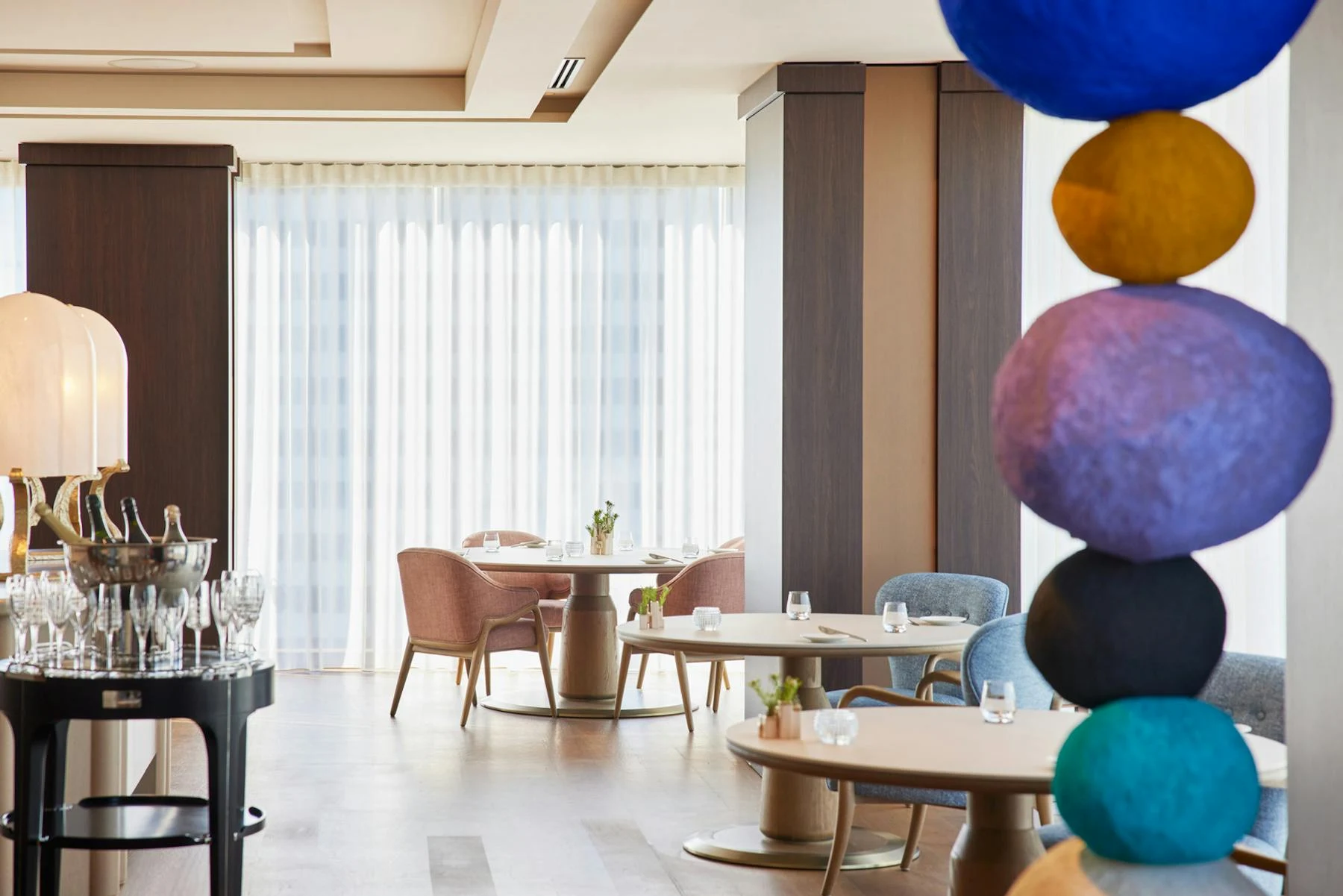
The room at Ichita いち太 is airy, with counter seats and private rooms, and the scent of hinoki gives the space its first material note. That matters in a restaurant where the work happens near the guest. Counter dining exposes the small decisions: the lift of a bowl, the pause before a course leaves the pass, the way a chef controls quiet without making it stiff. In Minami-Aoyama, a district with polished surfaces and fast appetites, Ichita いち太 keeps a more patient register. The room supports that choice. It gives Sato's cooking air, not distance.
What remains in the hand
Ichita いち太 holds Michelin recognition for its seasonal Japanese cooking, but the award is not the most useful way to read the place. The working evidence is narrower and more durable: Sato's path from Jin, the control of a prix fixe counter, the seasonal method, and juwari soba made under the same roof. At Ichita いち太, the dish to keep close is the juwari soba, because it leaves little room between intention and hand.
Questions
Frequently asked
What kind of cooking does Ichita いち太 do?
Ichita いち太 serves seasonal Japanese kaiseki with house-made soba in Minami-Aoyama.
What is the signature dish here?
The named signature is juwari soba, made in-house and served at the counter.
Who is the chef at Ichita いち太?
Taichi Sato is the chef at Ichita いち太. His earlier post was at Jin, which shaped the measured, exact style of work seen here.
Is booking required?
Reservations are essential, and bookings are made directly.
What should I know about the room and dress code?
The restaurant has counter seats and private rooms, and the dress code is smart casual.
The field
How it compares
| Place | Cuisine | Notes | Awards |
|---|---|---|---|
| Ichita いち太 | Seasonal Japanese Kaiseki with House-made Soba | Minato, $$$ | · |
| Den | Modern Japanese Kaiseki | Tokyo | Michelin 2 Stars, World's 50 Best |
| Florilège | Modern French-Japanese Plant-Based Fine Dining | Tokyo | Michelin 2 Stars, World's 50 Best |
| Narisawa | Modern Japanese Satoyama Fine Dining | Tokyo | Michelin 2 Stars, World's 50 Best |
| Quintessence | Modern French Fine Dining | Tokyo | Michelin 3 Stars |
| Sazenka | Modern Chinese Fine Dining | Tokyo | Michelin 3 Stars, World's 50 Best |
| Sézanne | Modern French Fine Dining | Tokyo | Michelin 3 Stars, World's 50 Best |
In residence
Similar places
Modern Japanese Kaiseki
Den
Tokyo, Japan
★★ · 50 Best
Modern French-Japanese Plant-Based Fine Dining
Florilège
Tokyo, Japan
★★ · 50 Best
Modern Japanese Satoyama Fine Dining
Narisawa
Tokyo, Japan
★★ · 50 Best
Modern French Fine Dining
Quintessence
Tokyo, Japan
★★★
Modern Chinese Fine Dining
Sazenka
Tokyo, Japan
★★★ · 50 Best
Modern French Fine Dining
Sézanne
Tokyo, Japan
★★★ · 50 Best