Il Pellicano
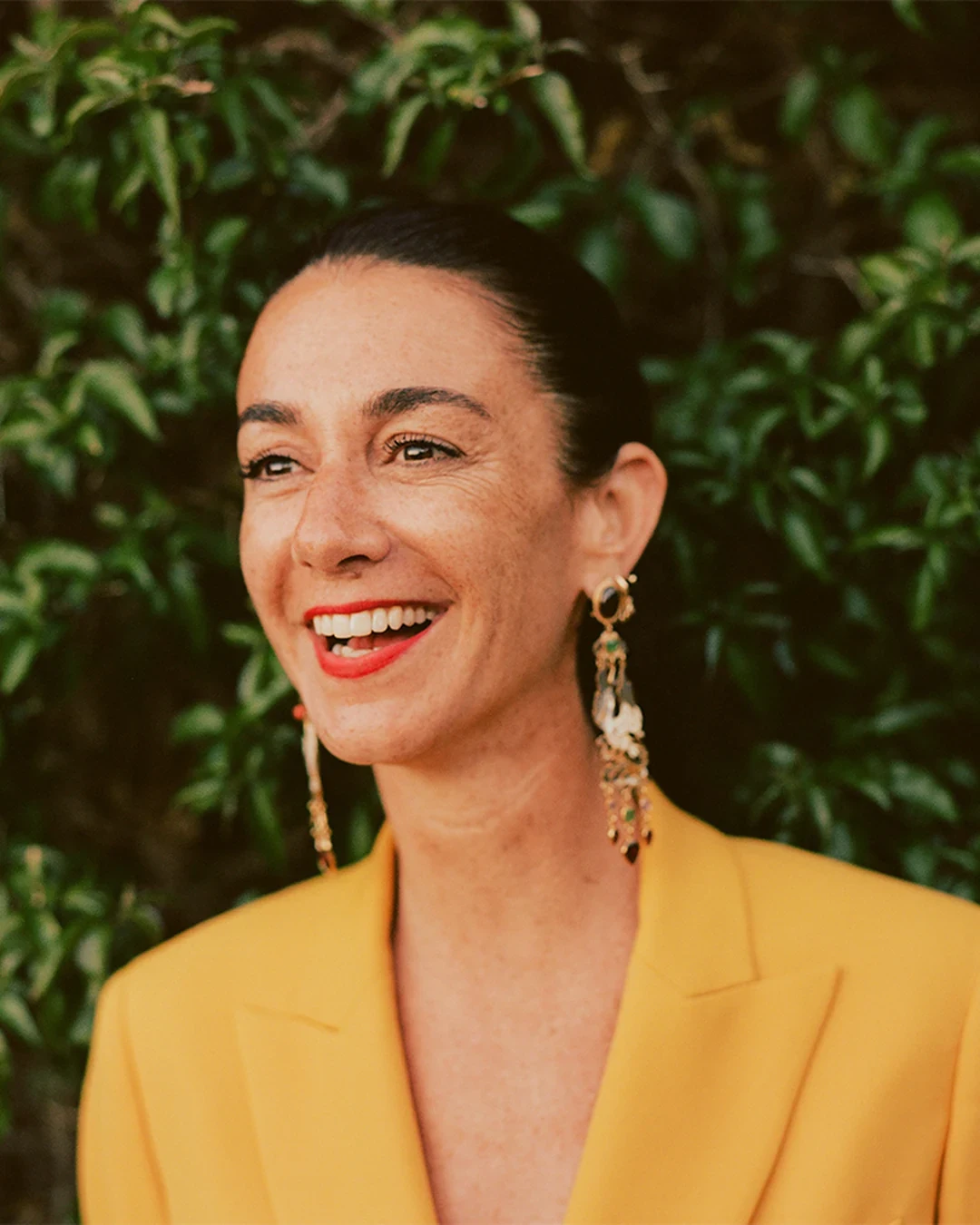
In Residence
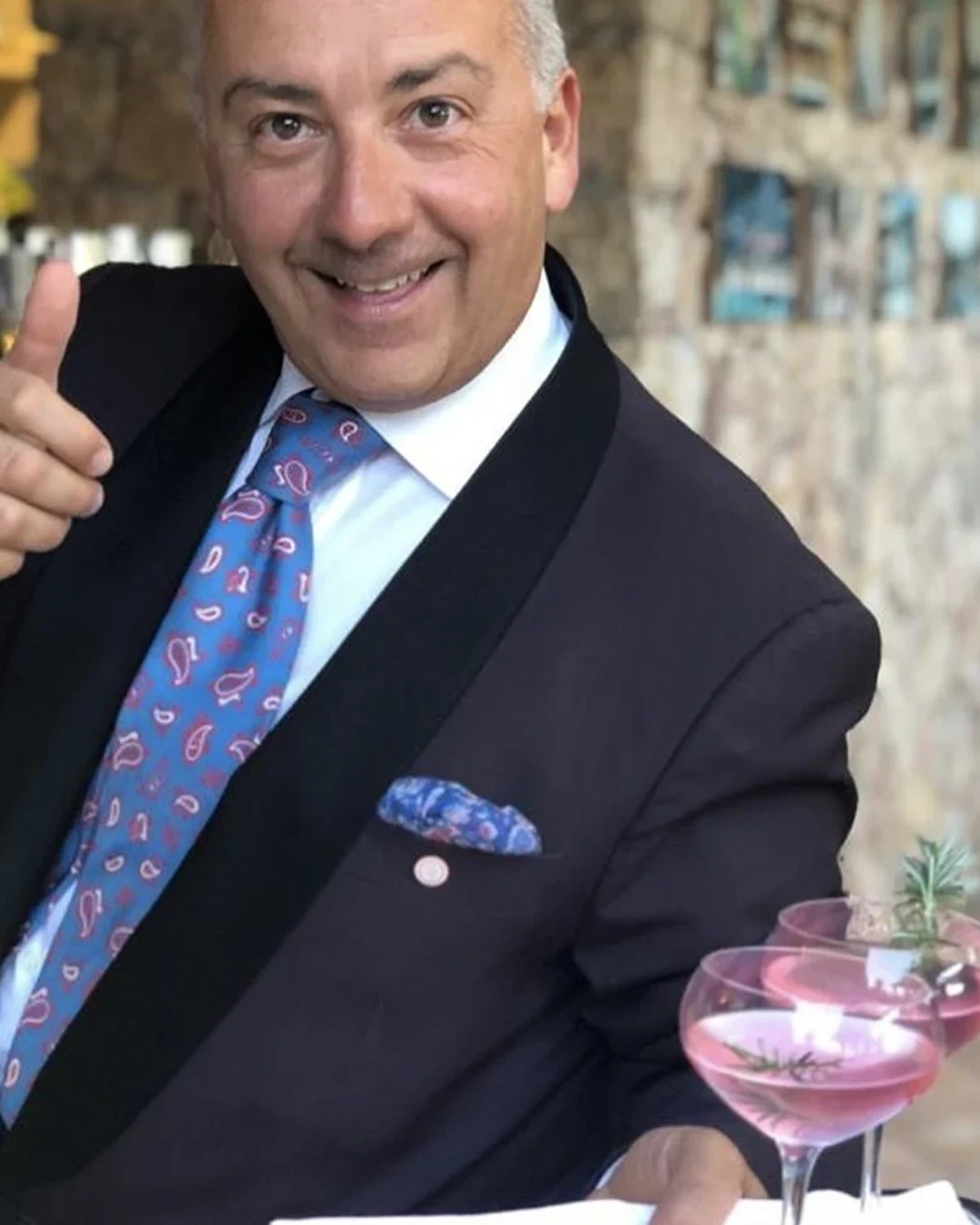
Marie-Louise Sciò
Managing Director
- 01CityPorto Ercole, Italy
- 02RecognitionWorld's 50 Best — No. 26
From the people index
Recommended by
2 trusted voices point here.
- 1 Michelin Key · Michelin Guide
- World's 50 Best · #26 · World's 50 Best Restaurants
- Forbes 5-Star · 2026
- La Liste Top Hotels: 98.5pts · 2026
- Virtuoso Luxury Hotel Partner · 2026
- Michelin 1 Key: 500pts · 2026
- Conde Nast Gold List · 2026
- Forbes 5-Star · 2025
- World's 50 Best Best Hotels #26 · 2025
- Leading Hotels of World Member · 2025
- Michelin 1 Key · 2025
- Michelin 1 Key · 2024
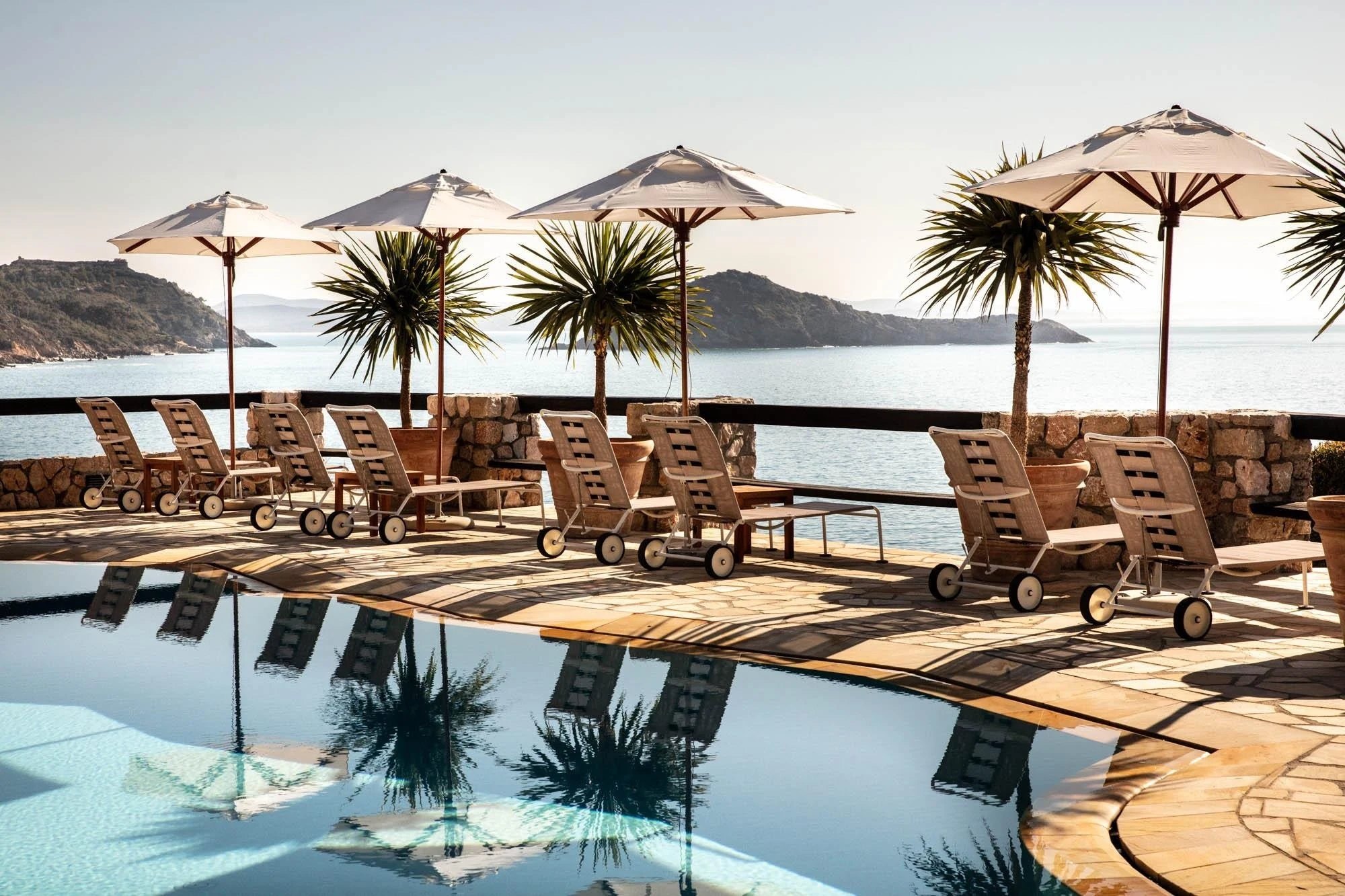
Approaching Porto Ercole, the drama is descent: road, garden, rock, water. Il Pellicano occupies a rare Tuscan coastal position where architecture works with the landscape. Low buildings, cottages, olive trees, terraces, and paths follow the slope, so arrival is less lobby reveal than gradual compression toward the sea. Porto Ercole has newer addresses and polished marina energy, including La Roqqa, but this hotel belongs to another tradition: the coastal hideaway as private domain, not resort compound.
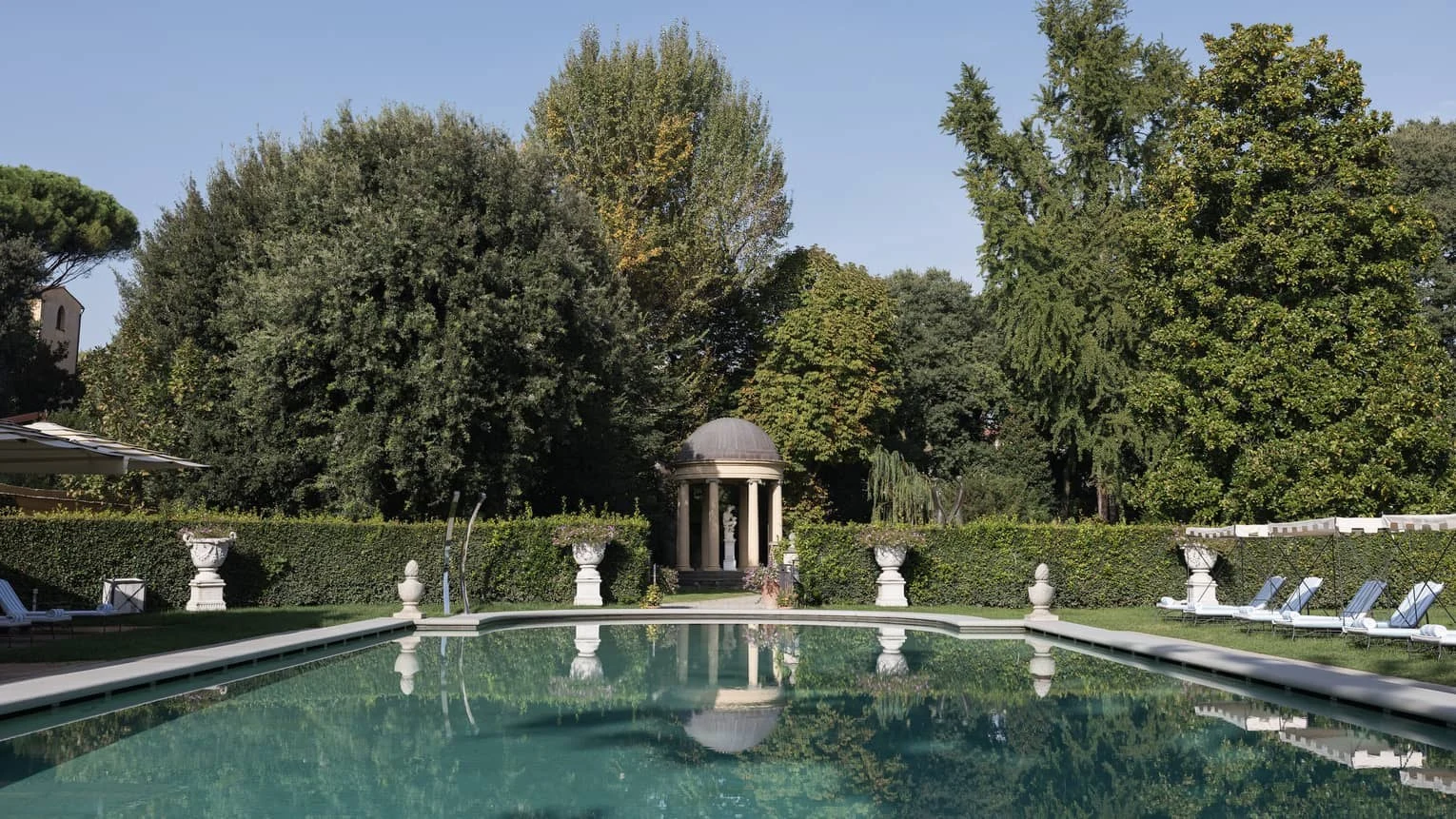
That matters in Porto Ercole. The area’s luxury hotels are dispersed, landscape-led, and defined less by promenade culture than by garden, coast, and privacy. Il Pellicano fits that geography: central building and cottages sit among centuries-old olive trees in extensive gardens, with the sea below and social life divided between garden, restaurants, bars, and the private cove instead of a street scene. The rhythm is low-key, but the ambition is not casual.
The Sunday letter
Find new places through the people who run them.
Our Sunday email brings you the chefs, winemakers and hoteliers behind our newest stories. See a sample before you subscribe.
See a sample of the Sunday emailOne email a week. Unsubscribe from any issue.
Cliffside design as a social code
Italian seaside hotels often use view as decoration. Here, view becomes circulation. Winding paths, terraces, the lift to the private cove, and the coastal setting shape the day. The language is not minimalist austerity, but cultivated Mediterranean ease, softened by garden planting, domestic scale, and the sense that the hotel has grown into its site. The point is not disappearance; it is making privacy feel architectural.
The rooms reinforce that idea. Accommodation spans the main building and cottages, giving the property a layered, residential feel rather than a single-block resort logic. Sea-facing spaces hold the clearest site relationship, while the gardens and olive trees give even the quieter corners a strong sense of place. The property separates itself from many coastal peers by being curated without losing domestic texture or slipping into showroom effect.
That aesthetic explains the hotel’s broader importance. Il Pellicano is not only a place to sleep near the water; it is a full coastal world, with the landscape, the gardens, the restaurants, the bars, and the cove all working as parts of the same house language. In lesser hotels, those pieces can feel incidental. In Porto Ercole, they become the stay itself: a translation of privacy, taste, and seaside leisure into one coherent rhythm.
Dining, aperitivo, and the hotel as its own coast
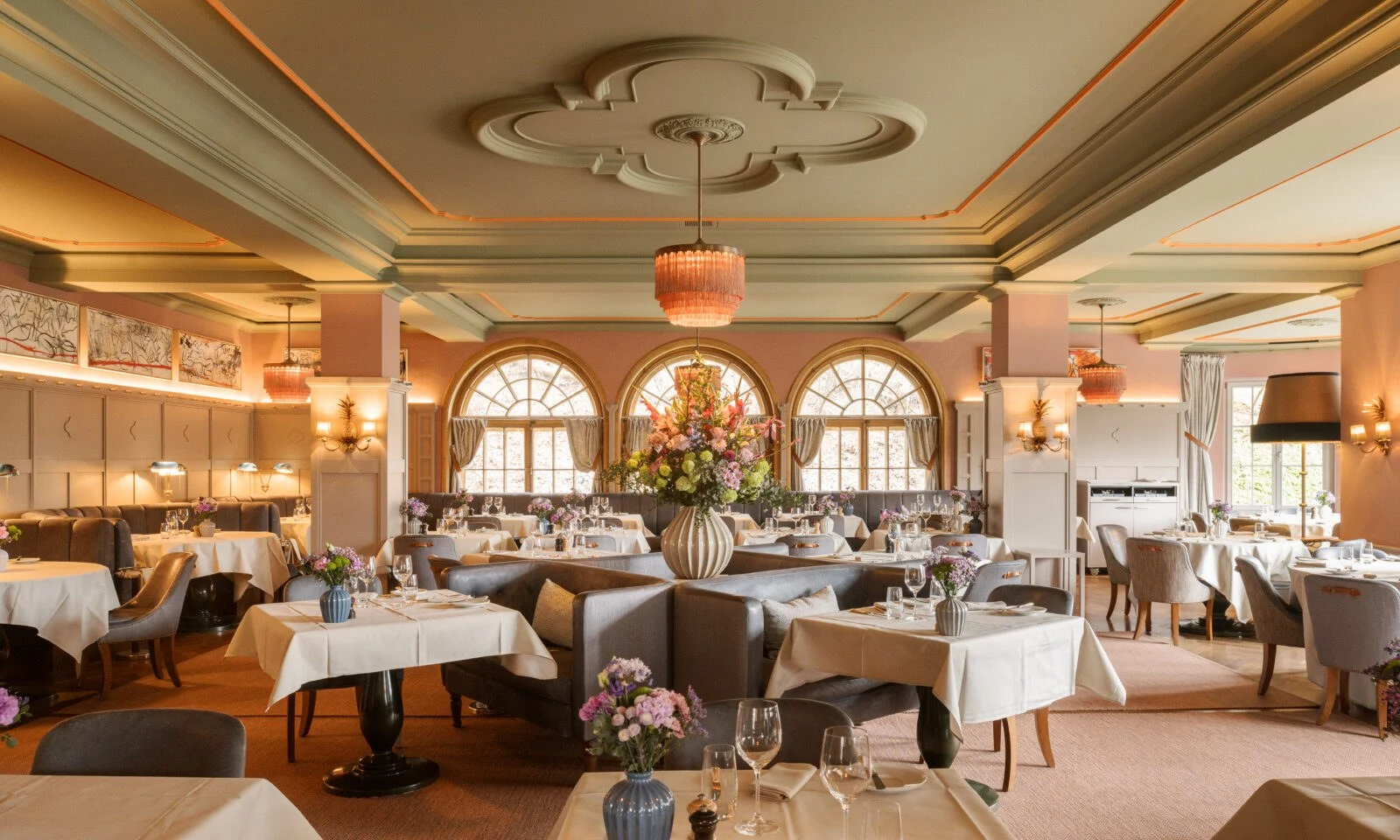
The culinary structure follows the design: formal when needed, relaxed when the setting asks for it. Lunch at Pelligrill is made for savouring the catch of the day and traditional Tuscan cuisine, apt for a coast where seafood and local produce meet. The One Michelin Star Il Pellicano restaurant stands out for a fine dining menu created with the best local ingredients. The hotel restaurant is not a sealed dining room; food connects cliff, garden, and sea into one daily rhythm.
Aperitivo is the other key ritual. Bar All’Aperto is a true institution of the hotel, while Bar Roberto is the choice for an evening of entertainment with a piano-bar atmosphere. The point is not to turn the bars into a personality profile, but to give the day a deliberate evening structure. In a region where many luxury stays rely on sunset as entertainment, Il Pellicano gives the evening a composed sequence: open-air drink, terrace conversation, then a later room with music rather than volume.
The private cove sharpens the appeal by turning coast into a controlled sequence. The lift down to the water makes the shoreline feel integrated into the hotel rather than merely nearby. For travelers comparing Porto Ercole hotels, the distinction is practical: the property is not just close to the sea; it organizes the stay around access to it, with garden, restaurants, bars, and cove forming a self-contained coastal circuit.
How it sits within Porto Ercole and the wider Italian hotel circuit
Porto Ercole is small enough that hotel choice defines the trip. A stay here is shaped by the decision between town access, coastal privacy, and time spent inside the hotel itself. For food planning, Our full Porto Ercole restaurants guide is the companion; for lodging context, use Our full Porto Ercole hotels guide. Drinking is more limited than in larger Italian cities, so Our full Porto Ercole bars guide separates hotel-bar evenings from town options. Wine and activities sit across the surrounding area rather than on one strip, making Our full Porto Ercole wineries guide and Our full Porto Ercole experiences guide more relevant for multi-day stays.
Il Pellicano concentrates its appeal around a highly self-contained version of Porto Ercole. The central building and cottages, extensive gardens, centuries-old olive trees, two restaurants, two bars, and private-cove access support a stay that can be as inward-facing as guests want. The wider area adds coastal drives, local exploring, and countryside by car. The hotel works well for travelers wanting a coastal base with enough internal structure to stay put, and enough regional depth to leave selectively.
In the broader Italian hotel conversation, it belongs with properties where setting and design identity carry the stay as much as service programming. Within Porto Ercole and the surrounding area, comparisons are more useful when kept local: La Roqqa brings a different relationship to town and marina life, while Boutique Hotel Torre di Cala Piccola, La Guardia Hotel, Locanda Rossa, and Terre di Sacra frame other versions of local coastal hospitality. Il Pellicano’s distinction is its particular combination of garden, cliff, cove, restaurants, and bars: less a hotel beside the coast than a complete coastal address.
Questions
Frequently asked
What recognition does Il Pellicano hold?
Il Pellicano holds 1 Michelin key and a place on the World's 50 Best list at number 26.
Who works at Il Pellicano?
Made By profiles Marie-Louise Sciò (CEO & Creative Director, Pellicano Hotels Group) and Federico Morosi (Bar Manager, Il Pellicano) at Il Pellicano.
How expensive is Il Pellicano?
Il Pellicano is listed at a price level of $$$$.
The field
How it compares
| Place | Awards | Notes |
|---|---|---|
| Il Pellicano | Michelin 1 Key, World's 50 Best #26 | Porto Ercole, $$$$ |
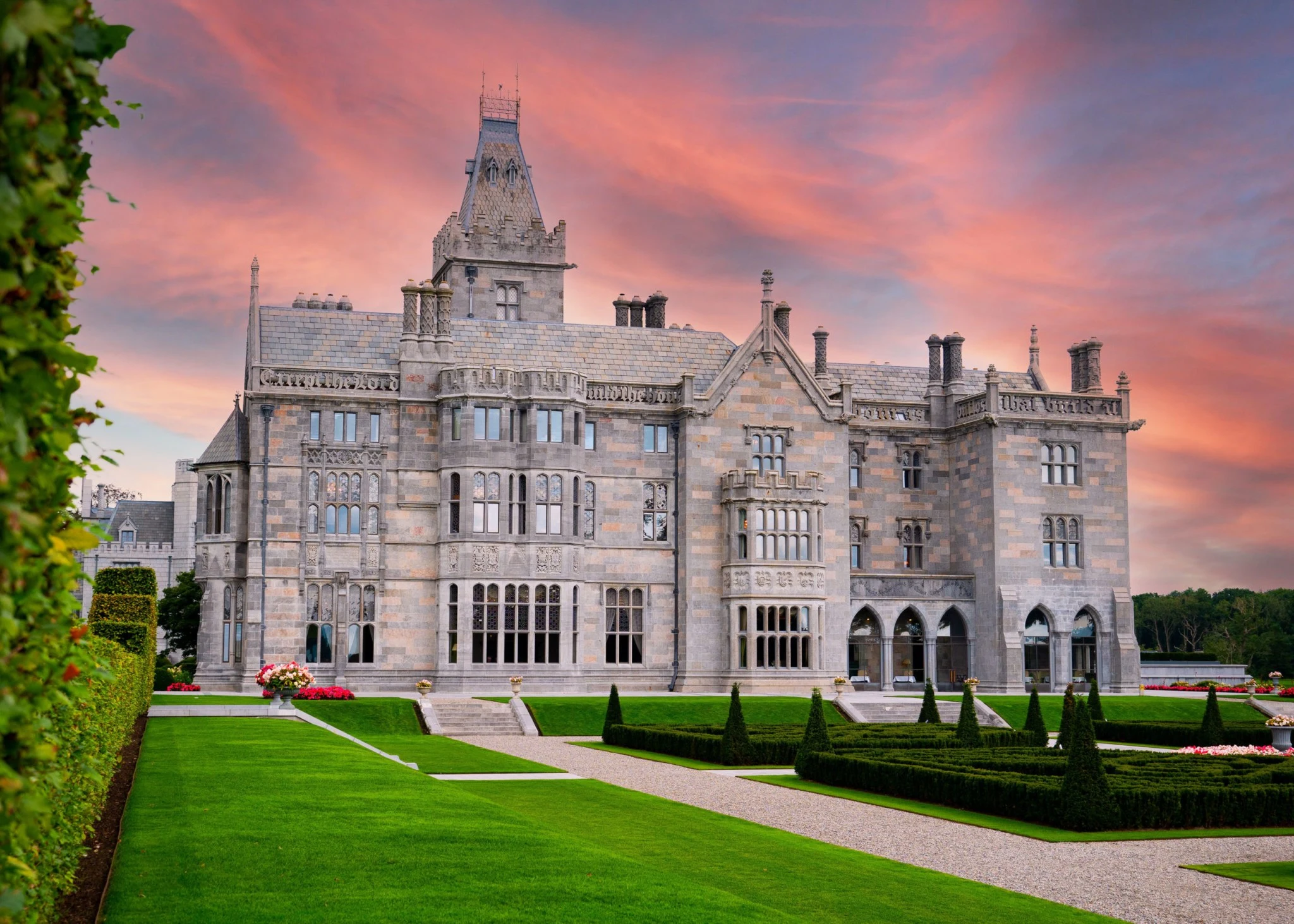
| Adare Manor | Michelin 3 Keys | Adare |
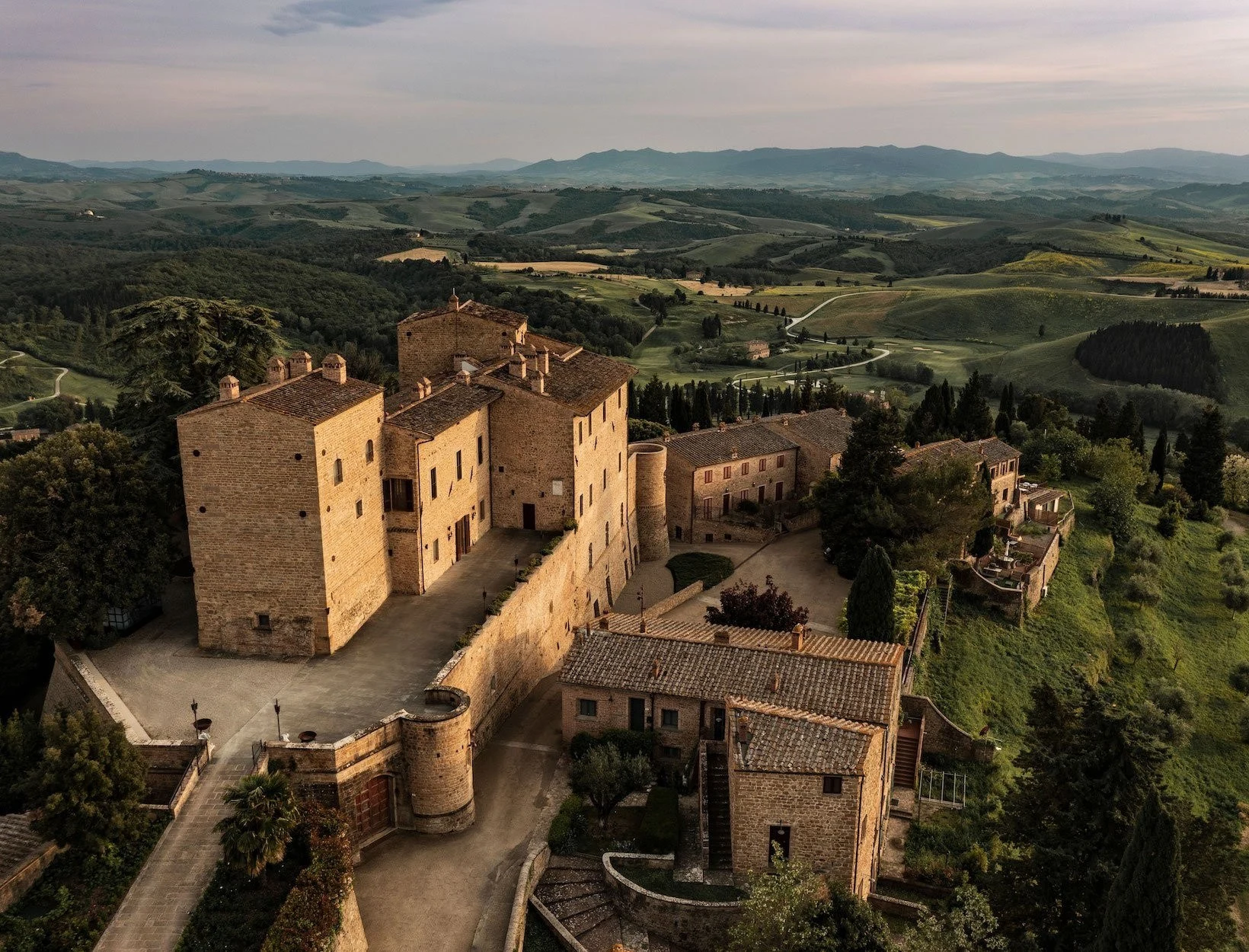
| Castelfalfi | Michelin 2 Keys | Montaione |
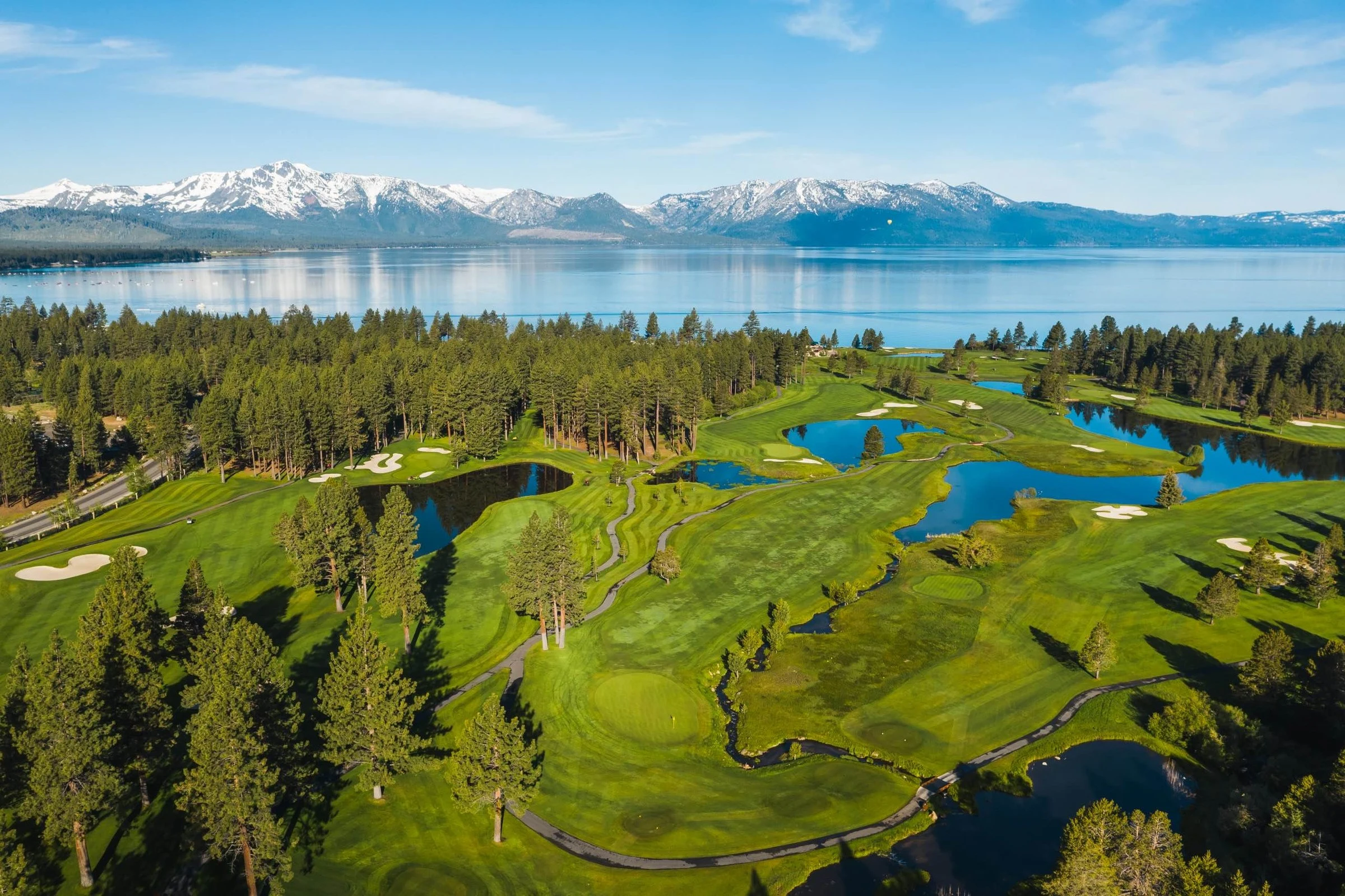
| Edgewood Tahoe | Michelin 1 Key | Stateline |
| Forestis Dolomites | Michelin 2 Keys | Plose |
| Four Seasons Hotel Firenze | Michelin 3 Keys, World's 50 Best | Florence |
| Le Grand Bellevue | Michelin 2 Keys | Gstaad |
In residence
Similar places

The Sunday letter
Get the next Made By story in your inbox.
We send one email every Sunday morning with the places and people we covered that week.
See a sample of the Sunday emailOne email a week. Unsubscribe from any issue.