
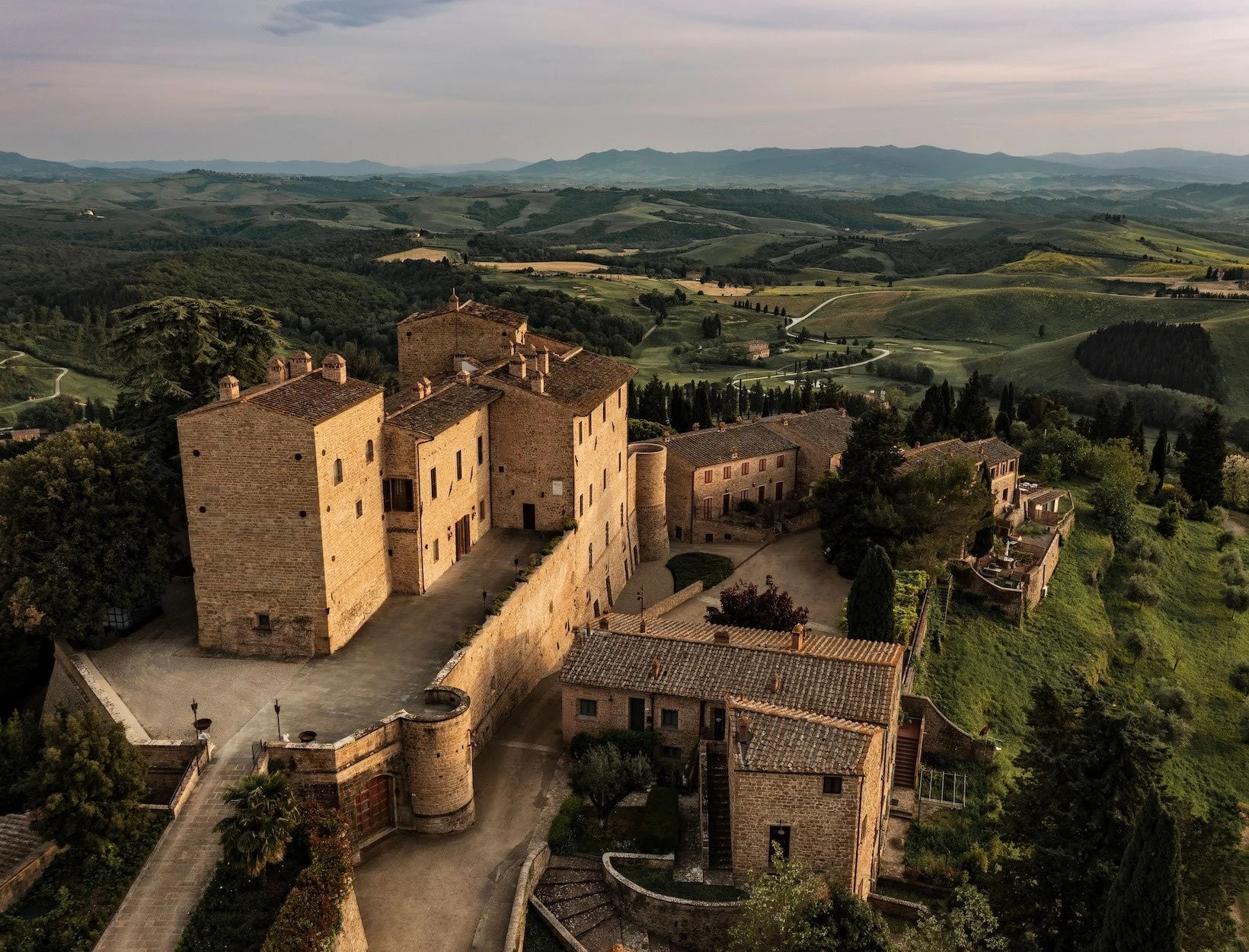
Stone, Scale, and Seven Centuries of Tuscan Architecture
The approach to Castelfalfi prepares you for what follows. Cypress-lined roads give way to a hilltop silhouette of towers, terracotta rooftops, and stone walls that have been absorbing Tuscan light since roughly 700 AD. What greets you at arrival is a functioning medieval borgo, a self-contained village, restored over years and converted into one of the most architecturally layered luxury estates in central Italy. The distinction matters: guests are not staying adjacent to history but inside it, moving between buildings whose fabric predates the Renaissance.
This category of estate hospitality, anchored in restored medieval settlements, has developed its own competitive tier in Italy. Properties such as Rosewood Castiglion Del Bosco in Montalcino and Borgo San Felice Resort in Castelnuovo Berardenga occupy similar ground, offering guests a sense of territorial rootedness that city properties like Four Seasons Hotel Firenze or Bulgari Hotel Roma cannot replicate. What separates Castelfalfi within that comparable set is raw scale: 2,700 acres of working estate, including active vineyards and olive groves, a private lake, and 27 holes of championship golf, the largest course in Tuscany by total footprint.
The Sunday email
Read about the people behind hotels like Castelfalfi in the Sunday email.
Every Sunday we send a lead story and up to four more about the chefs, winemakers, sommeliers and hoteliers behind the restaurants, bars, wineries and hotels we cover.
Recent stories
Free. One email a week, and you can unsubscribe from any issue.
How the Accommodation Is Structured Across the Estate
The 146 rooms and suites are distributed across architecturally distinct buildings, and this distribution is not incidental. It determines the texture of your stay. The main hotel building holds contemporary accommodations with proportionally larger footprints, rooms that begin large and expand from there, finished in a restrained modern register that allows the surrounding landscape to do the visual work. The Tabaccaia, the estate's former tobacco warehouse, offers a more vernacular experience, its interiors reflecting the agricultural character of the original structure while delivering the same level of comfort.
Across the borgo itself, traditional stone villas are scattered through the historic village, providing the most immersive architectural experience on offer. Stefano Ricci, the Florentine fashion house, designed the penthouse suites in a recent refresh, adding a layer of contemporary Italian craft to the estate's uppermost accommodation tier. Throughout all categories, the interior detailing connects explicitly to place: wallpaper panels depicting Tuscan scenes, photography of the estate by Georg Tappeiner, materials sourced to reinforce the Tuscan context rather than override it.
For guests deciding between room categories, the choice pivots on one question: do you want the estate as backdrop or as environment? The main building gives you comfort and views; the borgo villas give you the architecture itself.
The Dining Geography of a Self-Contained Village
Five food and beverage venues across a single estate is a significant operational commitment, and Castelfalfi's culinary programme reflects a deliberate attempt to match different registers of Tuscan hospitality rather than centralise everything into one grand restaurant. The range runs from Il Rosmarino's wood-fired pizzas and regional dishes in an exposed white-brick dining room to La Rocca, positioned within the medieval castle itself, where executive chef Davide De Simone runs structured Italian tasting menus against views of the valley below.
Olivina handles the estate's Mediterranean-leaning contemporary register, with local olive oil as a recurring ingredient across dishes that draw on the estate's own production. The Country Clubhouse serves the golf course circuit with lighter Italian fare. Bar Ecrù and the pool-facing Giglio Blu close out a programme that covers breakfast through late evening without requiring guests to leave the estate's boundaries. This model, where a luxury rural property becomes genuinely self-sufficient in food terms, is central to how Castelfalfi positions itself against both urban hotels and smaller boutique properties. For the full picture of dining in the surrounding area, see our full Montaione restaurants guide.
Wellness Architecture and the RAKxa Integration
The wellness model at Castelfalfi sits in a specific and relatively narrow niche within European luxury hospitality. RAKxa, the Thai-based integrative wellness brand, established its first European property here, combining hydrotherapy circuits, Asian wellness principles, and what the brand describes as cutting-edge clinical technology. The integration of an Asian wellness methodology into a Tuscan medieval estate is architecturally incongruous on paper, but the physical execution uses the landscape as the primary therapeutic element: outdoor treatment spaces, views of rolling hills, and the estate's natural quiet as structural components of the programme rather than scenery.
For guests whose primary travel motivation is wellness rather than cultural immersion, this positions Castelfalfi differently from estate hotels that treat spa facilities as amenities. The RAKxa format at this property is closer to a destination wellness retreat operating within a larger resort structure. Properties at the upper end of European wellness such as Forestis Dolomites in Plose or Castel Fragsburg in Merano define their identity almost entirely through the wellness proposition; at Castelfalfi, it is one major dimension of a property that offers several others simultaneously.
The Estate as Activity Infrastructure
Beyond golf, the estate programme runs to more than 40 listed activities, spanning lakeside fishing and archery through to extra virgin olive oil tastings, vineyard tours, cooking classes, hiking, and cycling. The Ferrari and Vespa countryside excursions are a telling detail: they signal a property that understands its guests want the countryside as an active environment rather than a passive view. The 27-hole golf course, Tuscany's most extensive by territorial footprint, draws a distinct guest profile and is part of what keeps Castelfalfi's demand spread across seasons that would otherwise thin out at a pure food-and-wine estate property.
This activity depth puts Castelfalfi closer in guest experience architecture to properties like Borgo Egnazia in Savelletri di Fasano or Amangiri in Canyon Point than to more contemplative rural retreats. The estate has things to do at the level of a resort, wrapped in the architecture of a medieval village.
Recognition and Peer Positioning
La Liste awarded Castelfalfi 97 points in its 2026 Leading Hotels ranking, and Michelin granted two Keys in 2024. These two signals come from assessment methodologies that weight different criteria: La Liste aggregates hospitality quality broadly across guest experience, while Michelin's hotel Keys system focuses on design, atmosphere, and service consistency. Together they place Castelfalfi within a small group of Italian estate properties that have converted historical architecture into hotel operations without sacrificing the quality signals that place-conscious travellers use to filter their shortlists.
For reference, the Italian property set that carries comparable dual recognition from La Liste and Michelin includes addresses such as Aman Venice, Passalacqua in Moltrasio, and Castello di Reschio in Lisciano Niccone. Castelfalfi sits in that recognition tier while occupying a distinct geographic and typological position, closer in scale to a small town than to an intimate hotel.
Questions
Frequently asked
What recognition does Castelfalfi hold?
Castelfalfi holds 2 Michelin keys.
Who works at Castelfalfi?
Made By profiles Davide De Simone (Executive Chef), Matteo Cervini (Chef, Olivina) and Roberto Protezione (General Manager) at Castelfalfi.
How expensive is Castelfalfi?
Castelfalfi is listed at a price level of $$$$.
The field
How it compares
| Place | Awards | Notes |
|---|---|---|
| Castelfalfi | Michelin 2 Keys | Montaione, $$$$ |
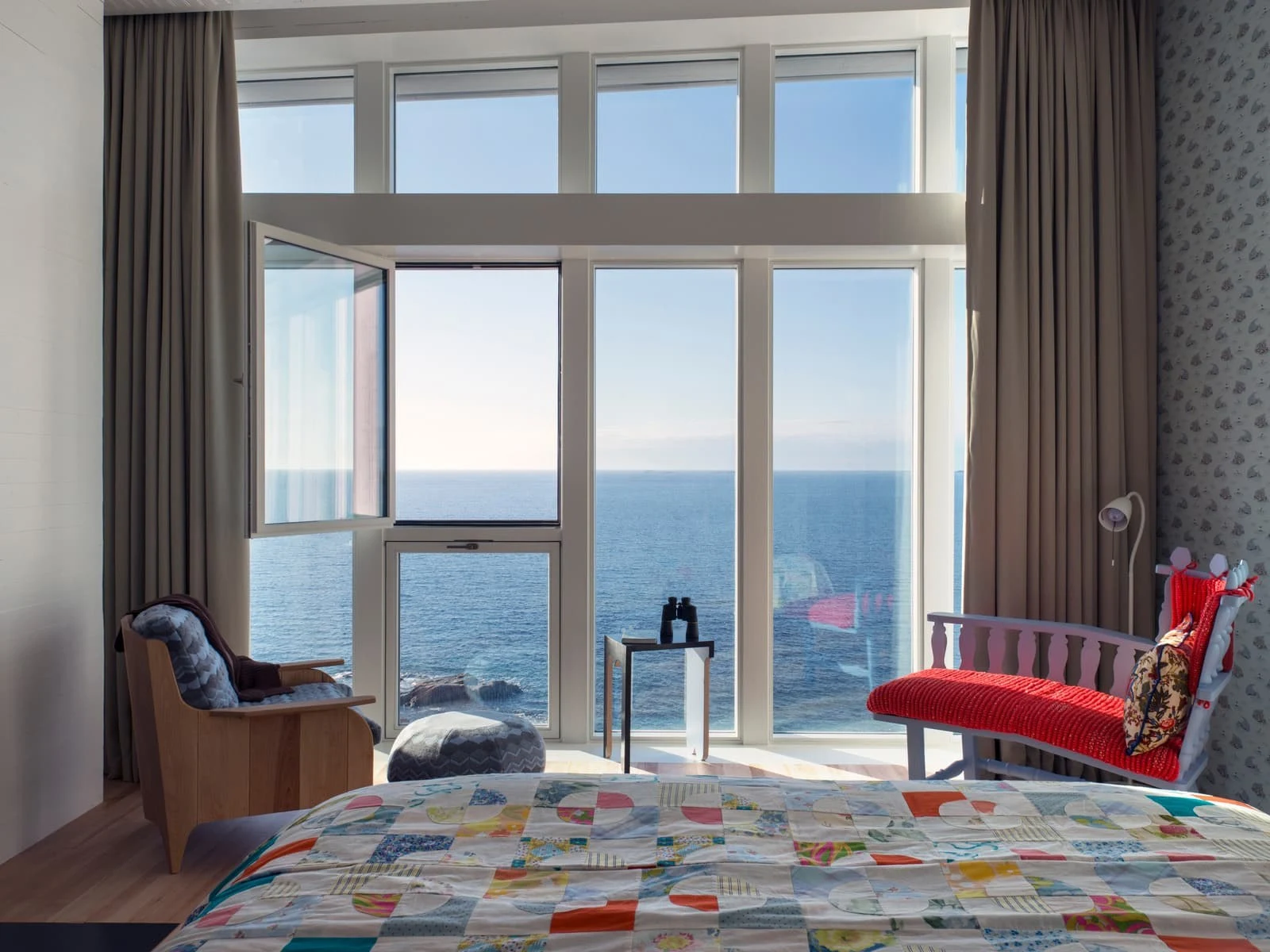
| Fogo Island Inn | Michelin 3 Keys | Joe Batt's Arm |
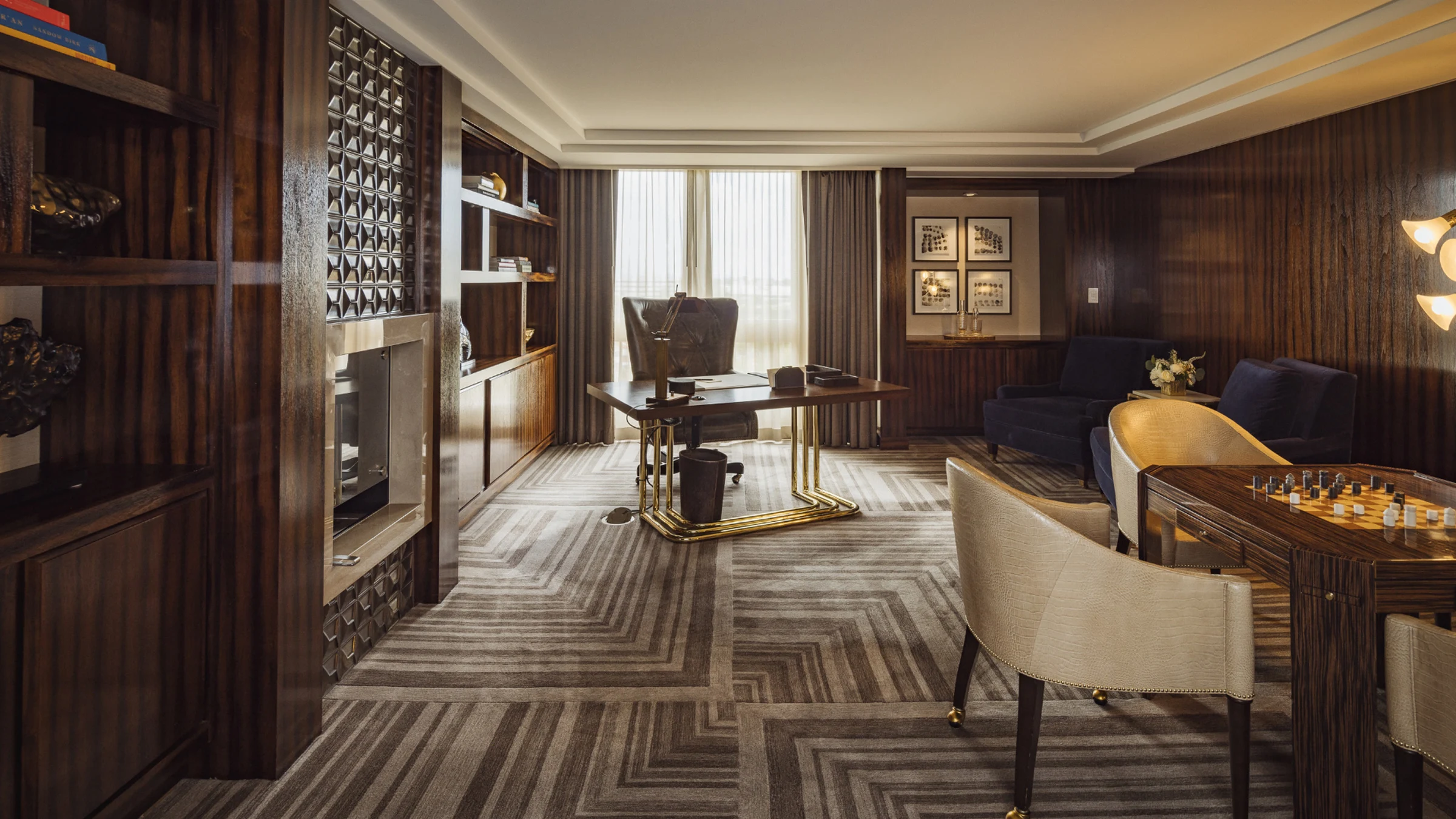
| L'Ermitage Beverly Hills | Michelin 2 Keys | Los Angeles |
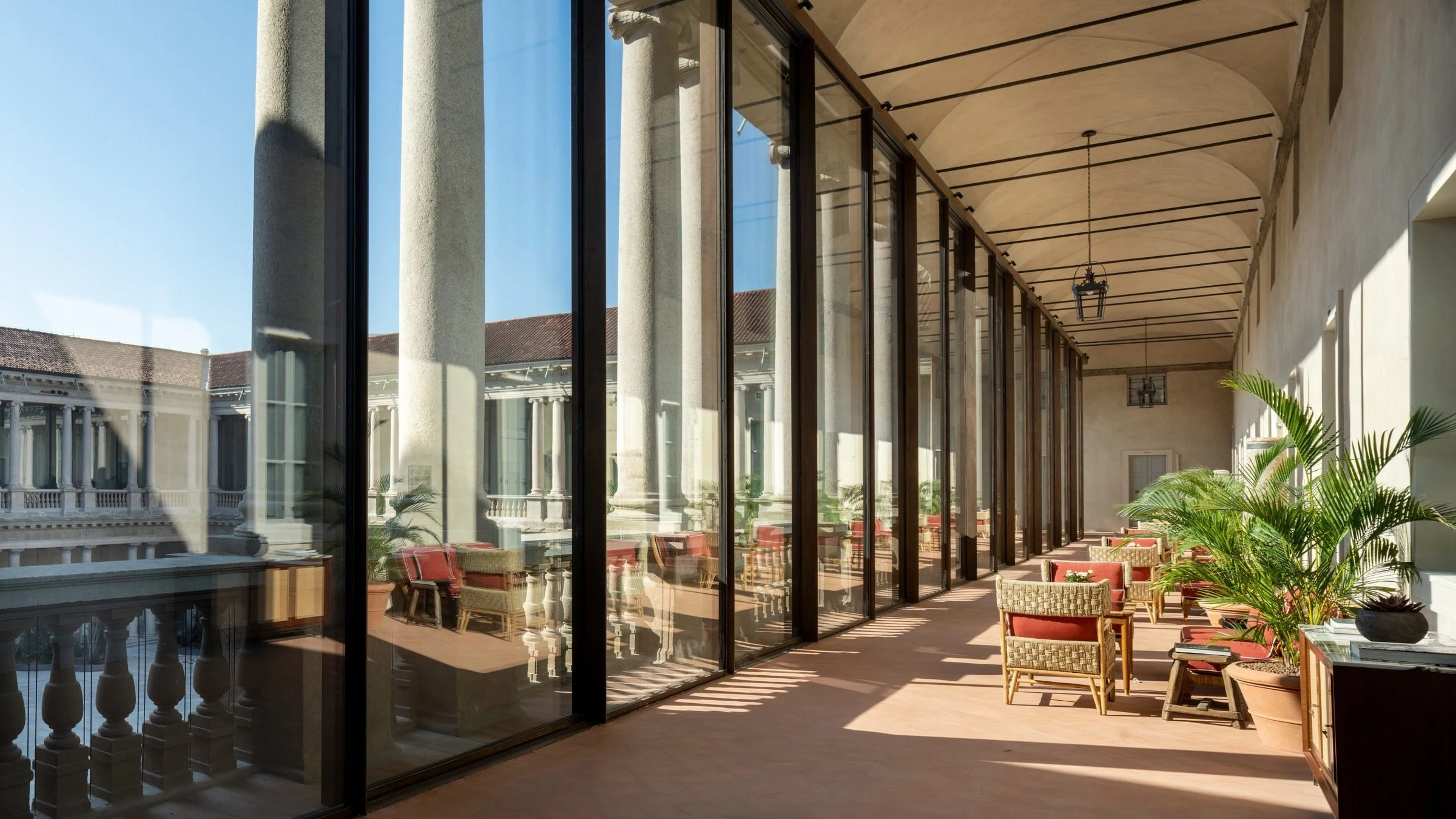
| Portrait Milano | Michelin 2 Keys, 50 Best | Milan |
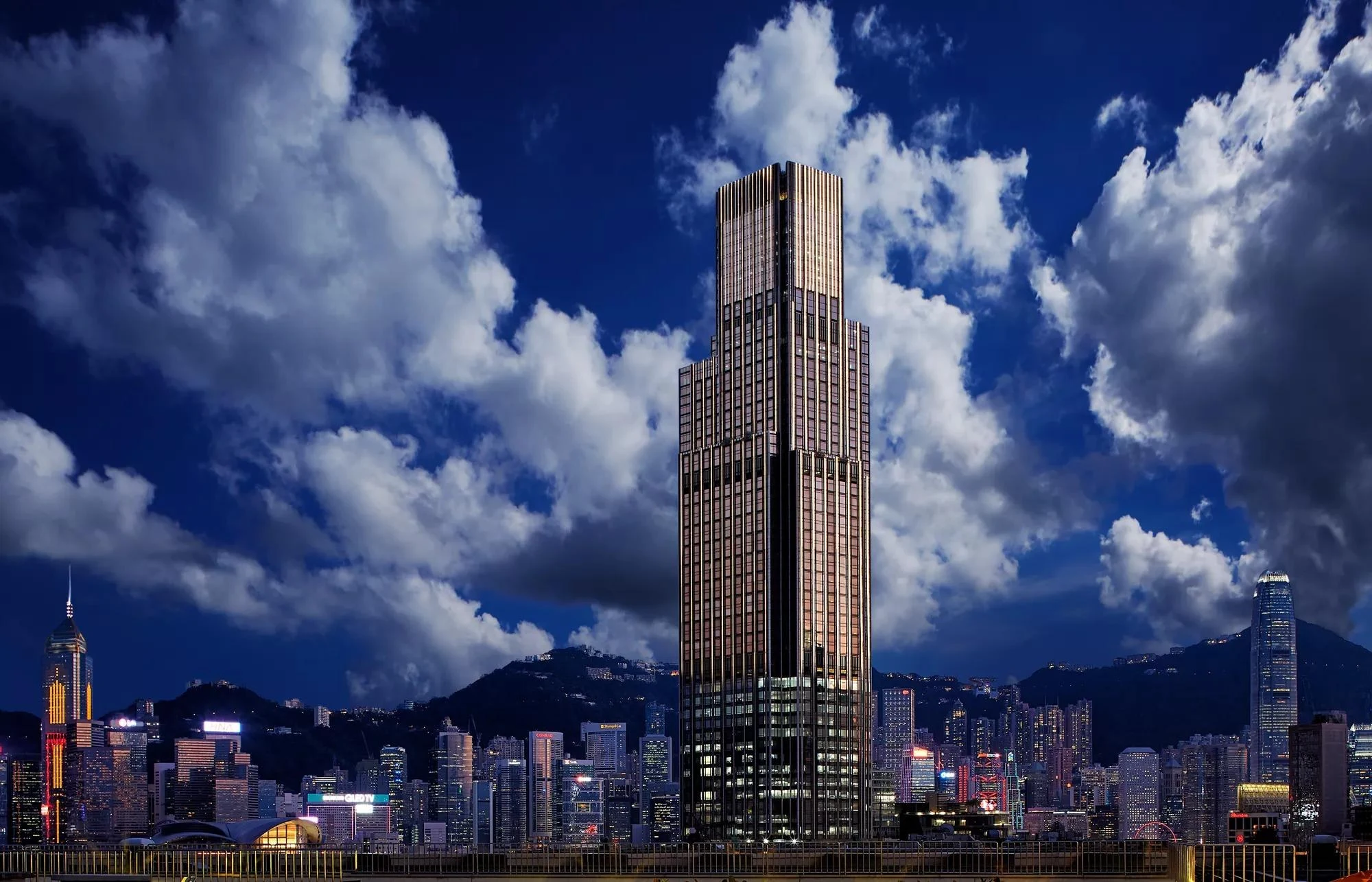
| Rosewood Hong Kong | Michelin 3 Keys, 50 Best | Hong Kong |
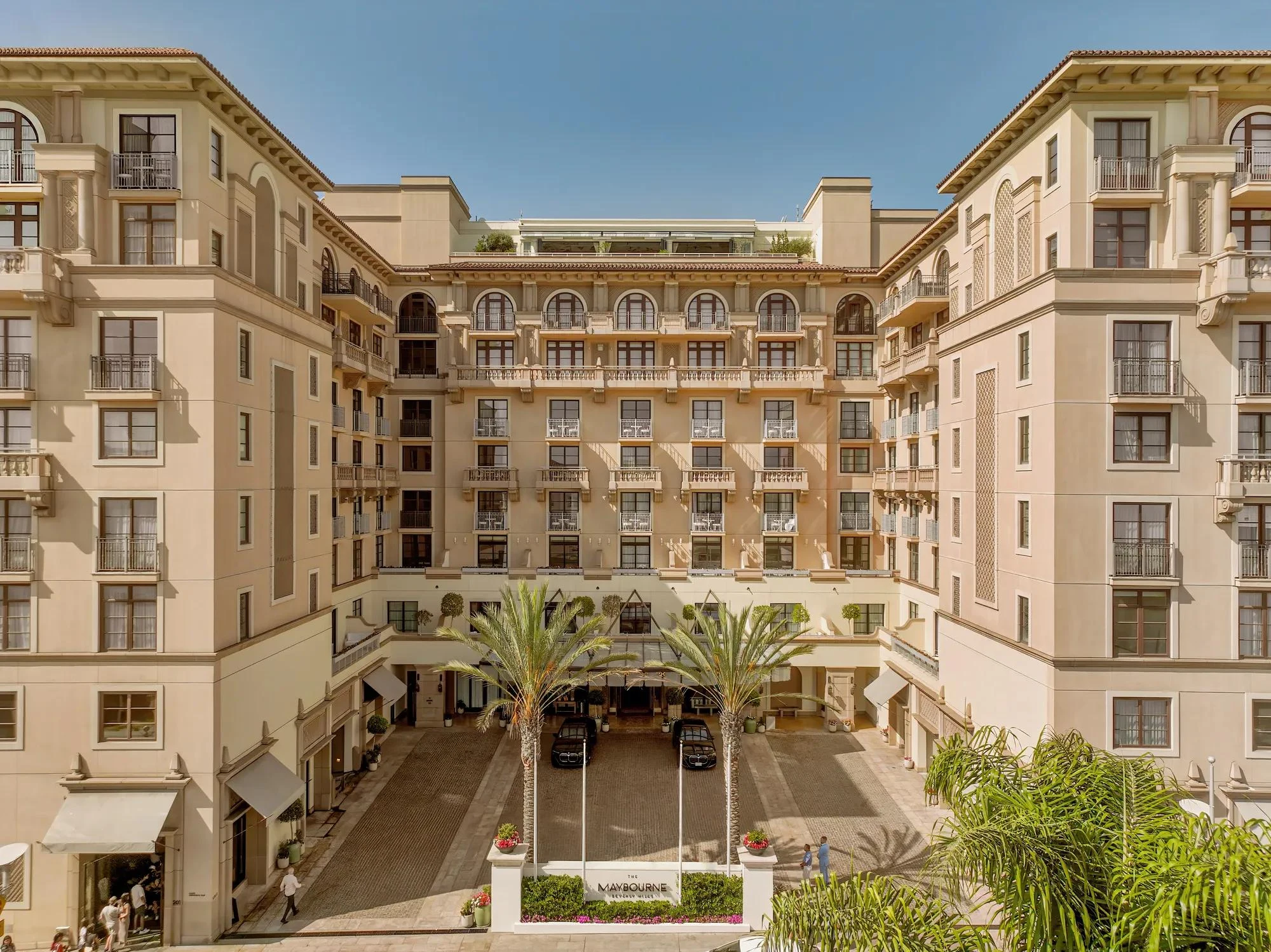
| The Maybourne Beverly Hills | Michelin 2 Keys | Los Angeles |
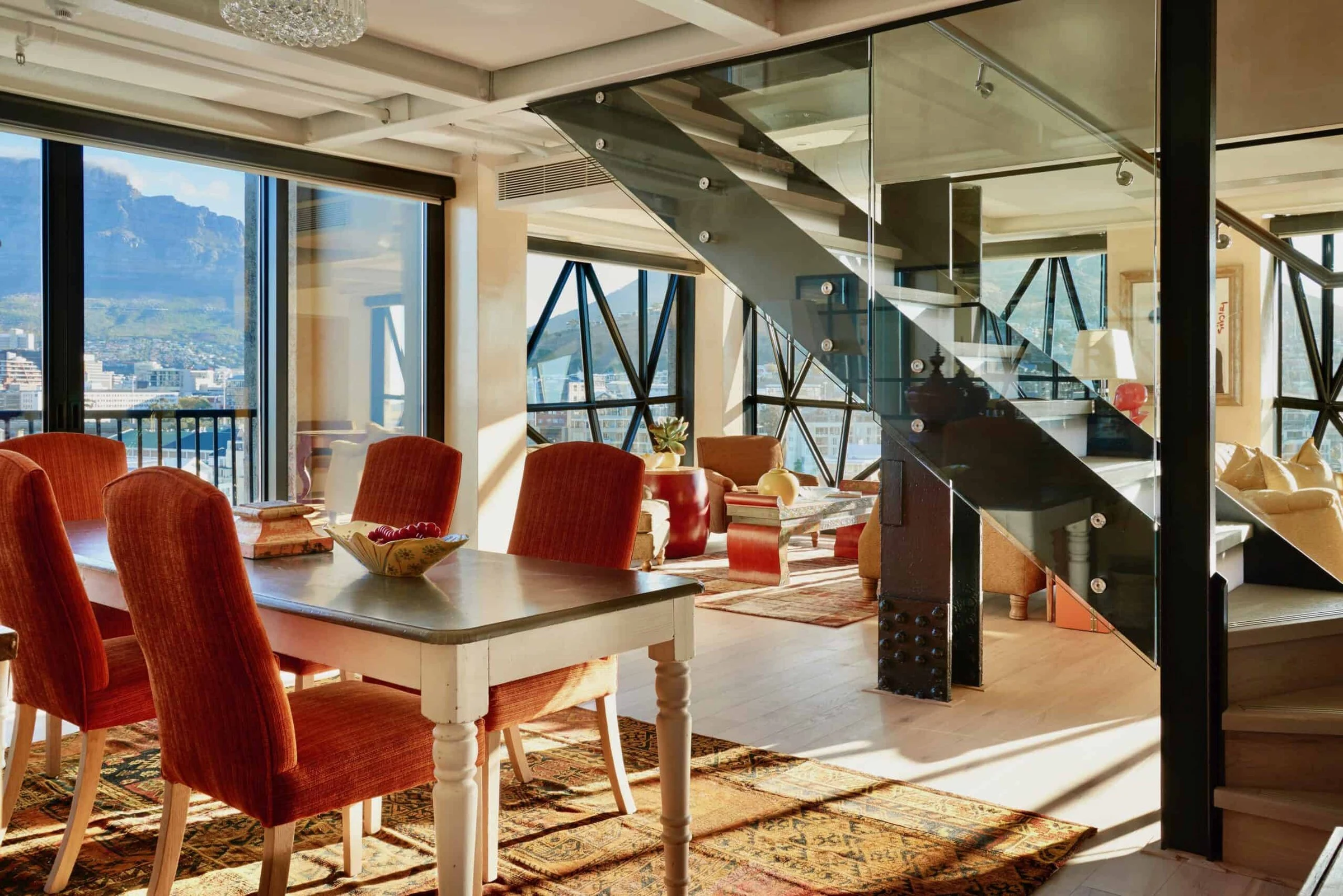
| The Silo Hotel | Michelin 1 Key | Cape Town |
Similar places
The Sunday email
Read about the people behind hotels like Castelfalfi in the Sunday email.
Every Sunday we send a lead story and up to four more about the chefs, winemakers, sommeliers and hoteliers behind the restaurants, bars, wineries and hotels we cover.
Recent stories
Free. One email a week, and you can unsubscribe from any issue.