Il Piccolo Principe
In Residence
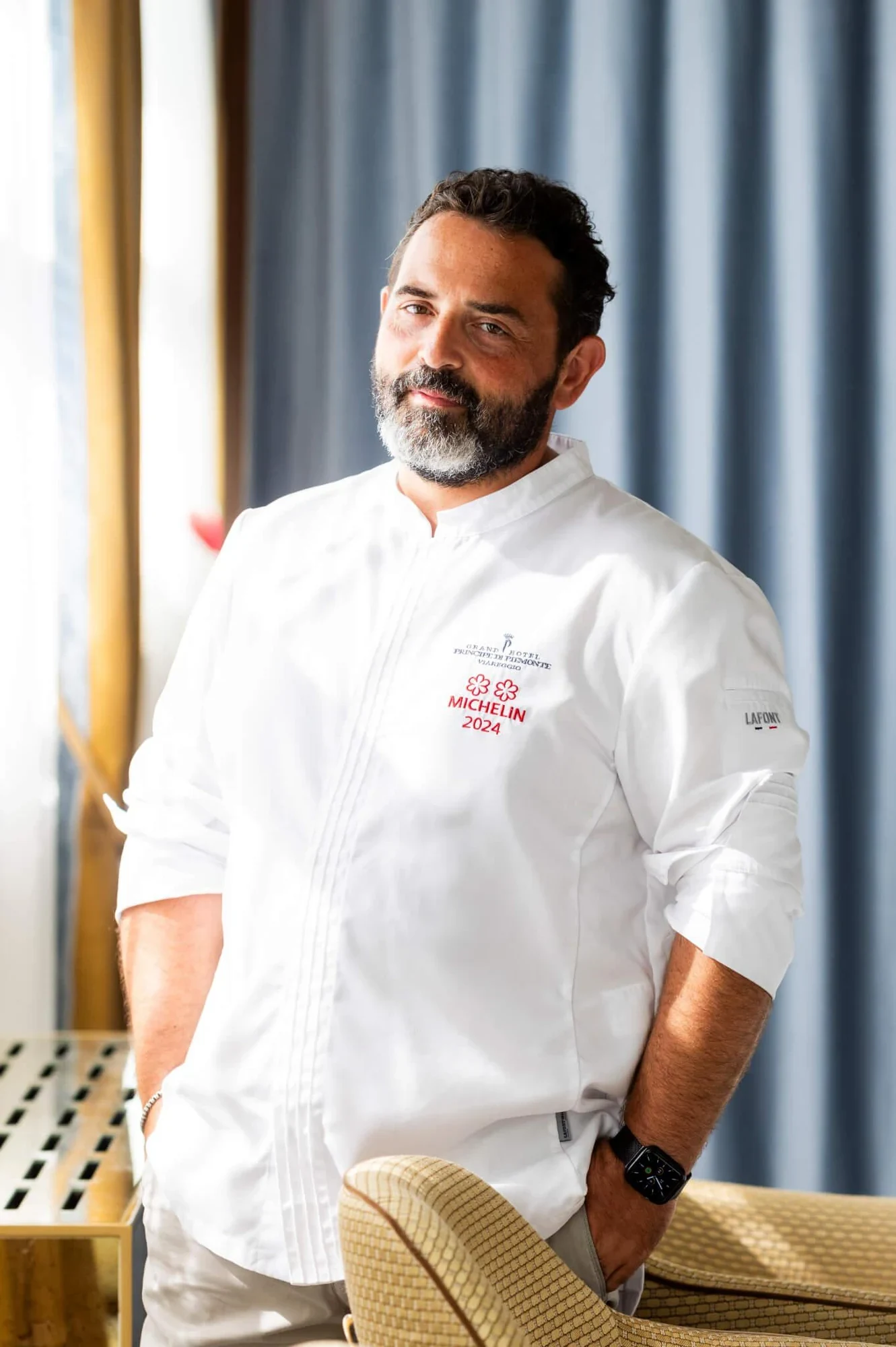
Giuseppe Mancino
Chef
- 01CuisineModern Italian Seafood Fine Dining
- 02CityViareggio, Italy
- 03RecognitionTwo Michelin Stars
- 2 Michelin Stars · Michelin Guide
- Falstaff Restaurant - 96 Falstaff Points · 2026
- Opinionated About Dining Top Restaurants in Europe Recommended · 2026
- La Liste Top Restaurants: 91pts · 2026
- Michelin 2 Stars · 2026
- La Liste Top Restaurants: 92pts · 2025
- Michelin 2 Stars · 2025
- Opinionated About Dining Top Restaurants in Europe Ranked #276 · 2025
- Michelin 2 Stars · 2024
- Opinionated About Dining Top Restaurants in Europe Ranked #233 · 2024
A Grand Hotel Table on the Versilian Coast
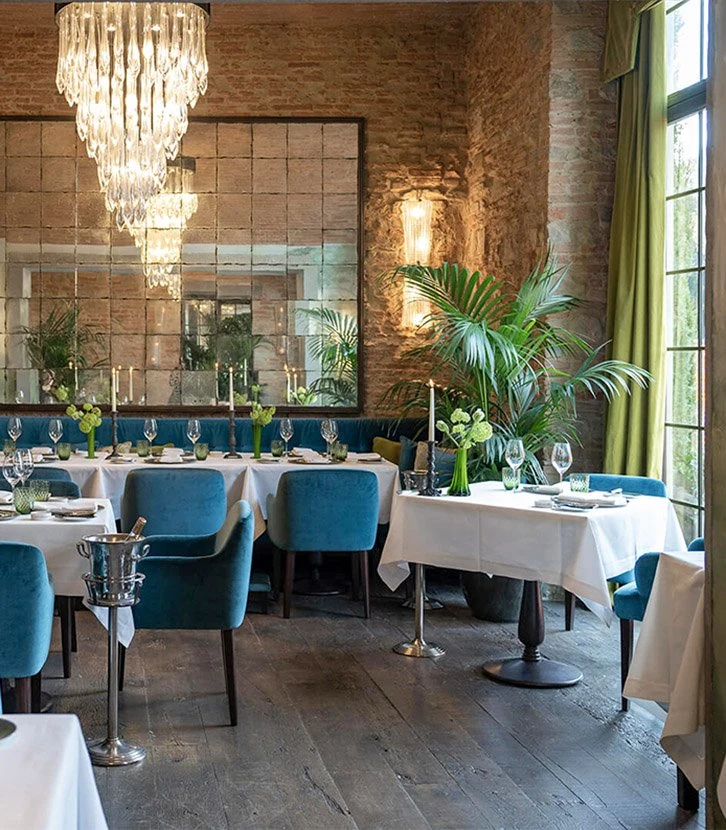
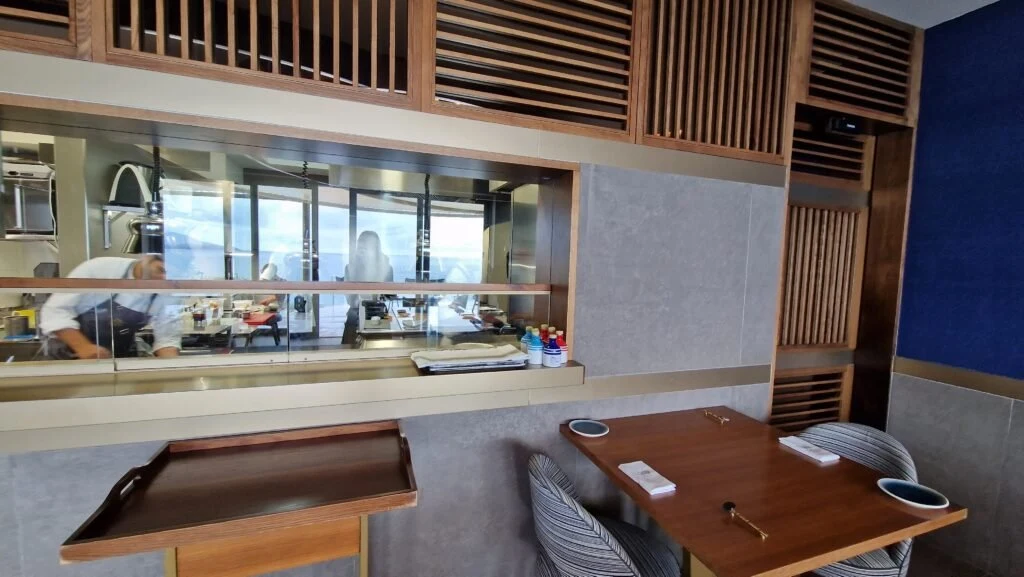
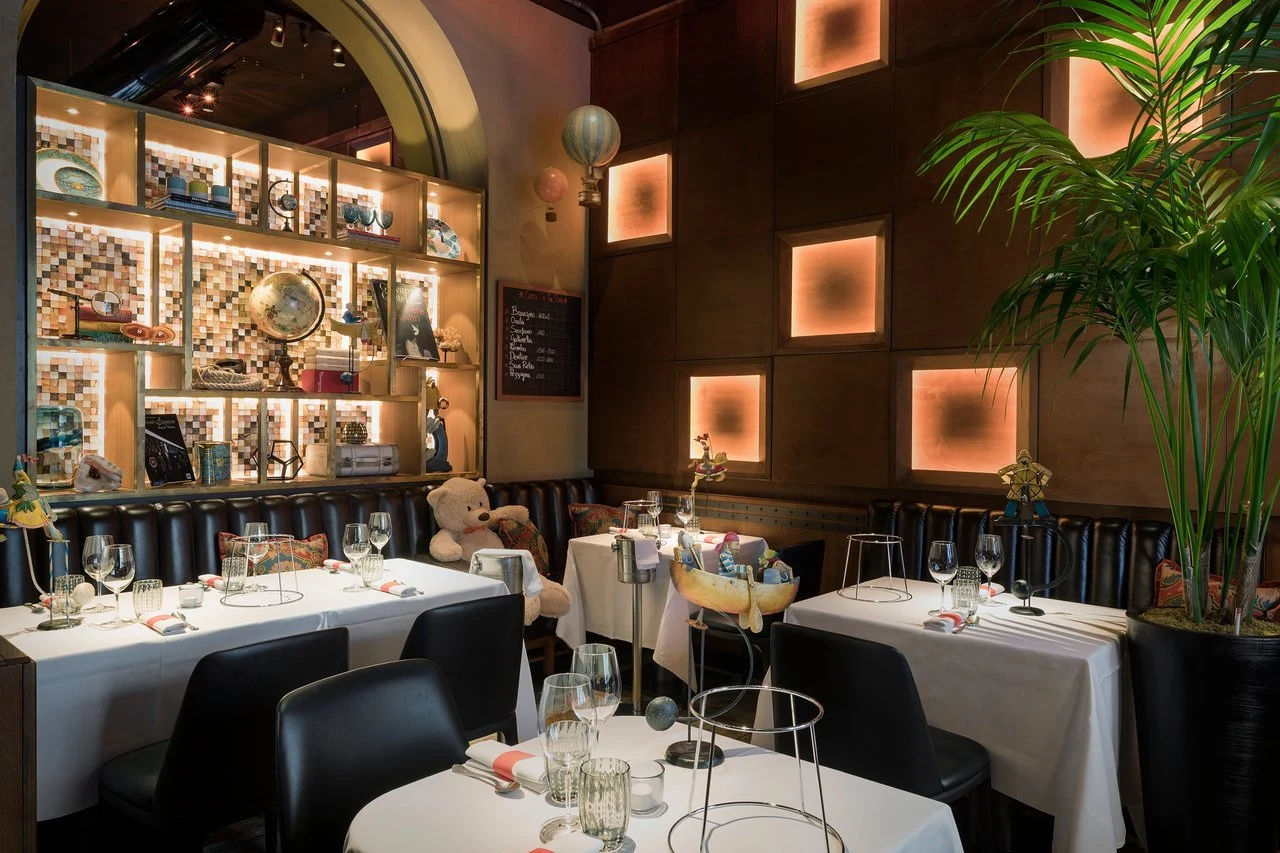
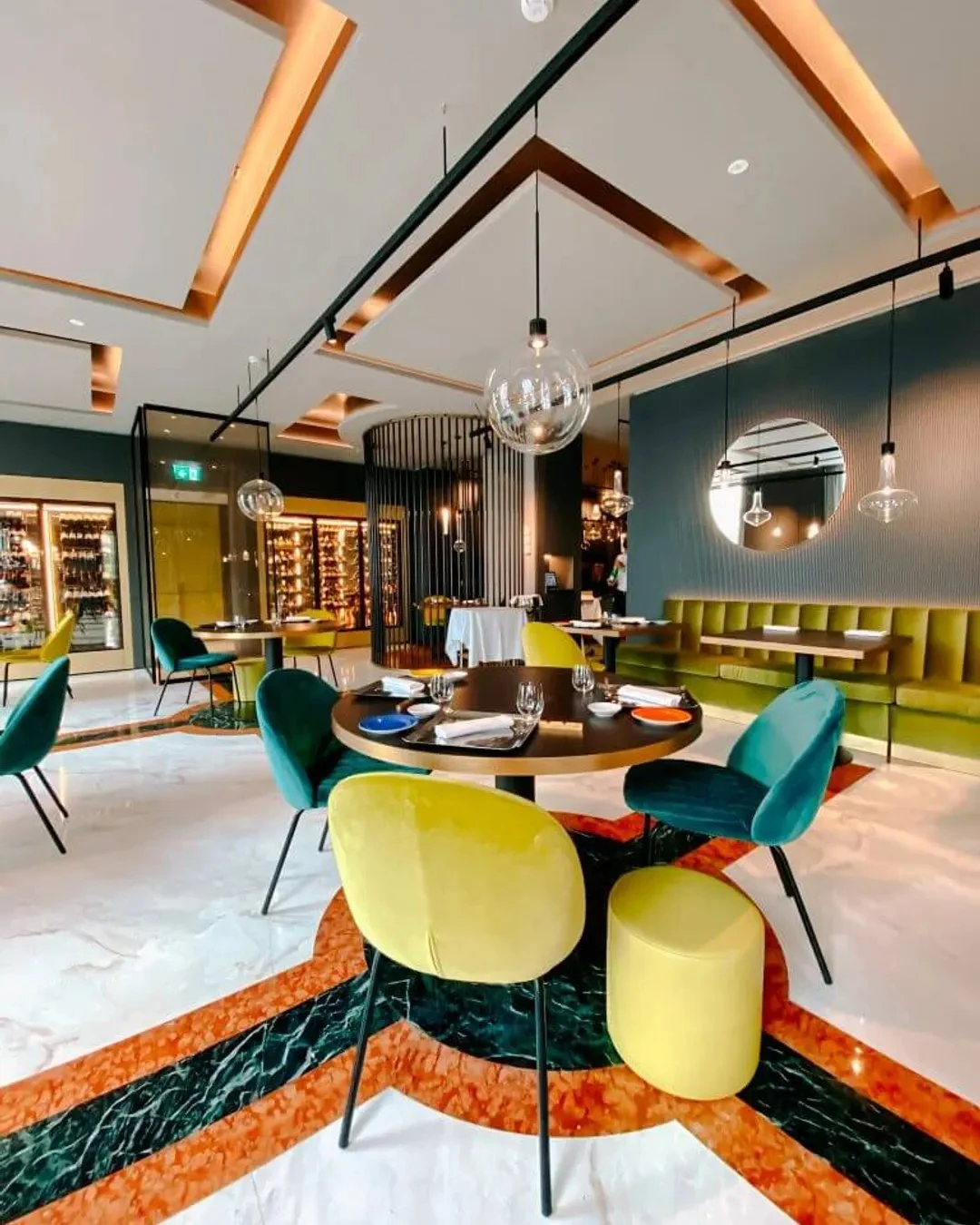
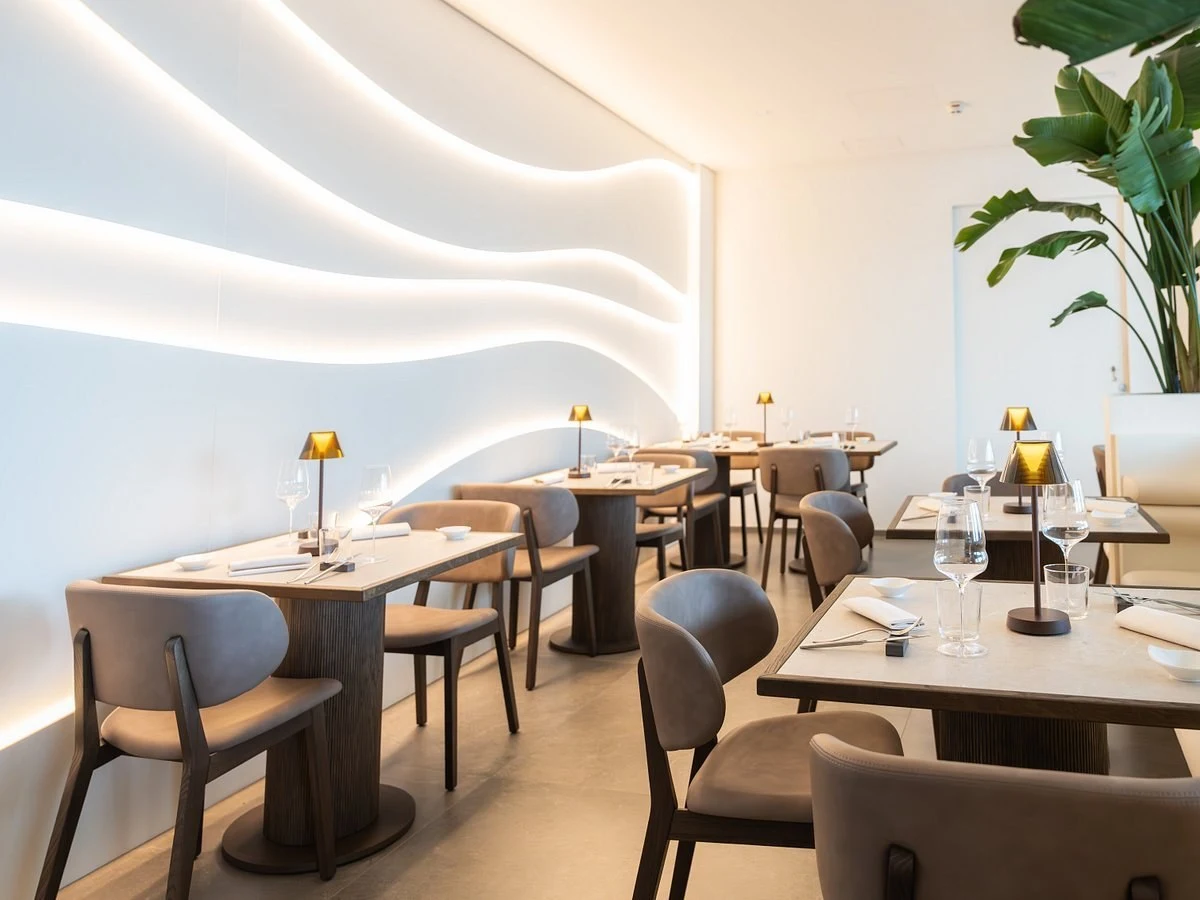
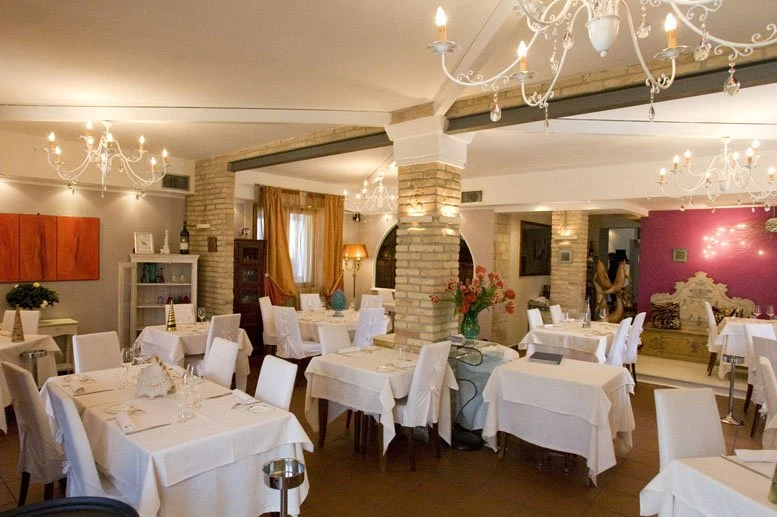
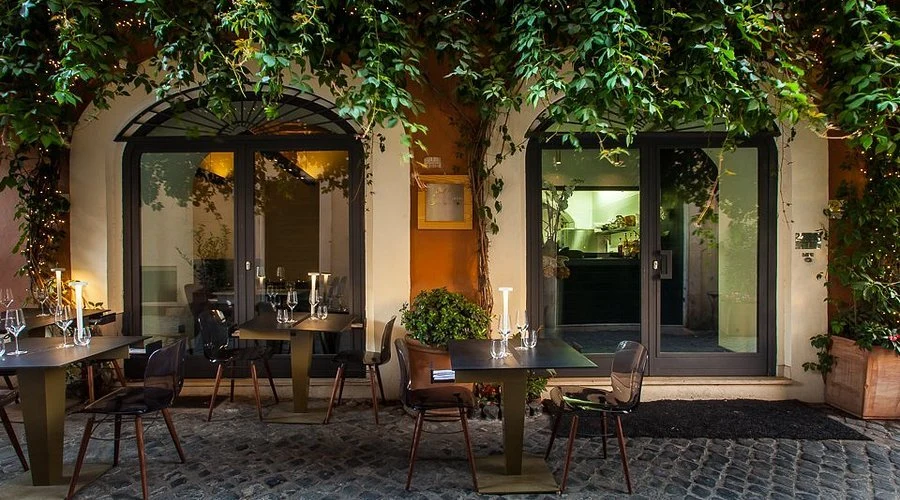
The Tyrrhenian coast between Livorno and La Spezia has never been short of places to eat well, but the dining room at Il Piccolo Principe occupies a different category from the seafood trattorias and casual lunches that define Viareggio's waterfront. The restaurant sits on the ground floor of the Grand Hotel Principe di Piemonte on Piazza Giacomo Puccini. The dining area itself runs across a contemporary-styled main room and extends into a dedicated wing furnished with bespoke art and furniture, a physical separation that signals the kitchen's ambition to operate at a level distinct from the hotel's broader offering.
Two Michelin stars confirm the sustained position of the kitchen at the upper tier of Italian fine dining. For Italy's two-star field more broadly, that means sharing a cohort with tables like Enrico Bartolini in Milan and Le Calandre in Rubano, kitchens whose ambitions similarly exceed their immediate geography.
The Sunday letter
Find new places through the people who run them.
Our Sunday email brings you the chefs, winemakers and hoteliers behind our newest stories. See a sample before you subscribe.
See a sample of the Sunday emailOne email a week. Unsubscribe from any issue.
Where Campanian Tradition Meets Tuscan Ingredients
The creative category in Italian fine dining has largely settled into two approaches: kitchens that treat regional identity as a constraint to work within, and those that treat it as a raw material for something more synthetic. Il Piccolo Principe falls closer to the second model. Chef Giuseppe Mancino brings Campanian origin and training into a Tuscan coastal context, which produces a menu where southern Italian technique and product logic meet Versilian ingredients. That intersection is specific enough to be legible on the plate without becoming a simple marketing hook.
The three tasting menu formats correspond to different levels of commitment to that synthesis. A vegetarian menu, a chef's classics menu, and the longer experience menu offer different entry points, but the culinary logic runs through all three. Dishes cited in critical coverage include a pizzaiola-style red mullet, which applies a preparation associated with Neapolitan home cooking to a Mediterranean fish more commonly treated with Tuscan restraint; a bitter herb risotto with zimino sauce, where a Ligurian-Tuscan fish stew preparation shifts to a rice base; and a cuttlefish ink mayonnaise alongside what La Liste describes as a sea steak. These are not dishes that announce themselves through complexity alone. The editorial interest is in the friction between tradition and technique, and whether the outcome justifies the conceptual distance traveled.
La Liste notes the farro and rye flour bread as a standout. In a category where bread service has become a reliable signal of kitchen seriousness, particularly among two-star tables that have moved away from the generic basket, that citation means something. Osteria Francescana in Modena and Enoteca Pinchiorri in Florence both operate at levels where the pre-meal details are treated as part of the critical record. Il Piccolo Principe appears to be working in the same register.
The Pasta Tradition in a Creative Kitchen
Italy's fine dining conversation about pasta has shifted considerably over the past decade. The original contest was between respectful preservation of regional shapes and sauces on one side, and modernist deconstruction on the other. The more current debate is subtler: how much transformation is appropriate before a dish stops being in dialogue with its tradition and starts merely referencing it? Kitchens earning and holding two Michelin stars in Italy are, almost without exception, engaging with that question directly.
At Il Piccolo Principe, the pasta approach reflects the same Campanian-Tuscan synthesis that runs through the broader menu. Mancino's southern Italian background brings a different pasta sensibility to a region where bread and beans historically carried more cultural weight than fresh egg pasta did. Tuscan pasta traditions, including the hand-rolled pici of the inland zones and the broader influence of simple flour-and-water preparations, sit differently from the egg-heavy sfoglia culture of Emilia-Romagna or the potato-based gnocchi work common to Campanian tables. The creative category at two-star level allows a kitchen to work across those registers.
The bitter herb risotto with zimino sauce is not a pasta dish, but it demonstrates the same structural thinking: a preparation borrowed from one regional tradition applied to a format associated with another. That methodology, applied to pasta courses, tends to produce dishes where the interest lies in recognition and displacement simultaneously. Readers familiar with Santa Elisabetta in Florence or Atelier Moessmer Norbert Niederkofler in Brunico will recognize a similar approach: using the fluency of regional tradition as a creative instrument rather than a fixed constraint.
Viareggio's Fine Dining Position
Viareggio has a dining scene that runs considerably wider than the two-star category. Within the city, Lunasia holds a Michelin star in the Chinese and modern cuisine category, an unusual positioning for a coastal Tuscan city that reflects Viareggio's historical openness to external influences. Seafood-focused tables including Romano and Da Miro alla Lanterna operate at the €€€€ and €€€ tiers respectively, representing a more classically Versilian approach to the Tyrrhenian catch. MaMe Restaurant and Henri Restaurant fill out the accessible and contemporary Italian ends of the spectrum.
Il Piccolo Principe sits clearly above that peer group in critical recognition and price tier. Its comparison set is better understood as northern Italian two-star kitchens or the kind of destination-format tasting menus associated with Dal Pescatore in Runate than the broader Viareggio scene. That positioning makes it an outlier in its own city, which is partly what the award record reflects. The culinary ambition operates at a scale the local dining context does not immediately suggest.
For a broader view of the creative Italian category outside Italy entirely, Rosetta in Mexico City offers an instructive parallel in how Italian culinary language travels into entirely different ingredient contexts.
Planning a Dinner at Il Piccolo Principe
Service runs Tuesday through Sunday, with the kitchen opening at 7:30 pm and last seating at 10:30 pm. Monday is the weekly closure. The hotel address at Piazza Giacomo Puccini, 1, places the restaurant in the central Viareggio waterfront zone, accessible on foot from the main hotel strip. At the €€€€ price tier, advance reservation is advisable.
What's the Leading Thing to Order at Il Piccolo Principe?
The critical record points most clearly toward the longer experience tasting menu as the format that represents the kitchen at full range. The chef's classics menu offers the more focused version of the same argument, organised around dishes that have accumulated specific critical recognition. Among those, the pizzaiola-style red mullet and the bitter herb risotto with zimino sauce are the dishes most consistently cited in coverage of the restaurant. The farro and rye flour bread has also received specific mention from La Liste and is worth paying attention to as a signal of the kitchen's technical range beyond the main courses. Readers focused on the creative category and its Italian regional logic will find the experience menu the more complete case for what the kitchen is doing.
Questions
Frequently asked
What recognition does Il Piccolo Principe hold?
Il Piccolo Principe holds 2 Michelin stars.
Who works at Il Piccolo Principe?
Made By profiles Giuseppe Mancino (Chef) at Il Piccolo Principe.
How expensive is Il Piccolo Principe?
Il Piccolo Principe is listed at a price level of $$$$.
Where is Il Piccolo Principe and what does it serve?
Il Piccolo Principe is in Passeggiata di Viareggio, Viareggio, serving Modern Italian Seafood Fine Dining.
The field
How it compares
| Place | Awards | Cuisine | Notes |
|---|---|---|---|
| Il Piccolo Principe | Michelin 2 Stars | Modern Italian Seafood Fine Dining | Passeggiata di Viareggio, $$$$ |
| Caracol | Michelin 1 Star | Modern Italian Seafood Fine Dining | Bacoli |
| Langosteria | · | Modern Italian Seafood Fine Dining | Milan |
| Lunasia | Michelin 1 Star | Modern Italian Seafood | Viareggio |
| Madonnina del Pescatore | Michelin 2 Stars | Modern Italian Seafood Fine Dining | Marzocca |
| Pascucci al Porticciolo | Michelin 1 Star | Modern Italian Seafood Fine Dining | Fiumicino |
| Per Me Giulio Terrinoni | Michelin 1 Star | Modern Italian Seafood Fine Dining | Rome |
In residence
Similar places
Modern Italian Seafood Fine Dining
Caracol
Bacoli, Italy
★
Modern Italian Seafood Fine Dining
Langosteria
Milan, Italy
Modern Italian Seafood
Lunasia
Viareggio, Italy
★
Modern Italian Seafood Fine Dining
Madonnina del Pescatore
Marzocca, Italy
★★
Modern Italian Seafood Fine Dining
Pascucci al Porticciolo
Fiumicino, Italy
★
Modern Italian Seafood Fine Dining
Per Me Giulio Terrinoni
Rome, Italy
★
The Sunday letter
Get the next Made By story in your inbox.
We send one email every Sunday morning with the places and people we covered that week.
See a sample of the Sunday emailOne email a week. Unsubscribe from any issue.