Large casks for Montalcino Sangiovese
- Falstaff Winery - 4 Stars · 2026
- Pearl 2 Star Prestige · 2025
Large casks, slow authority
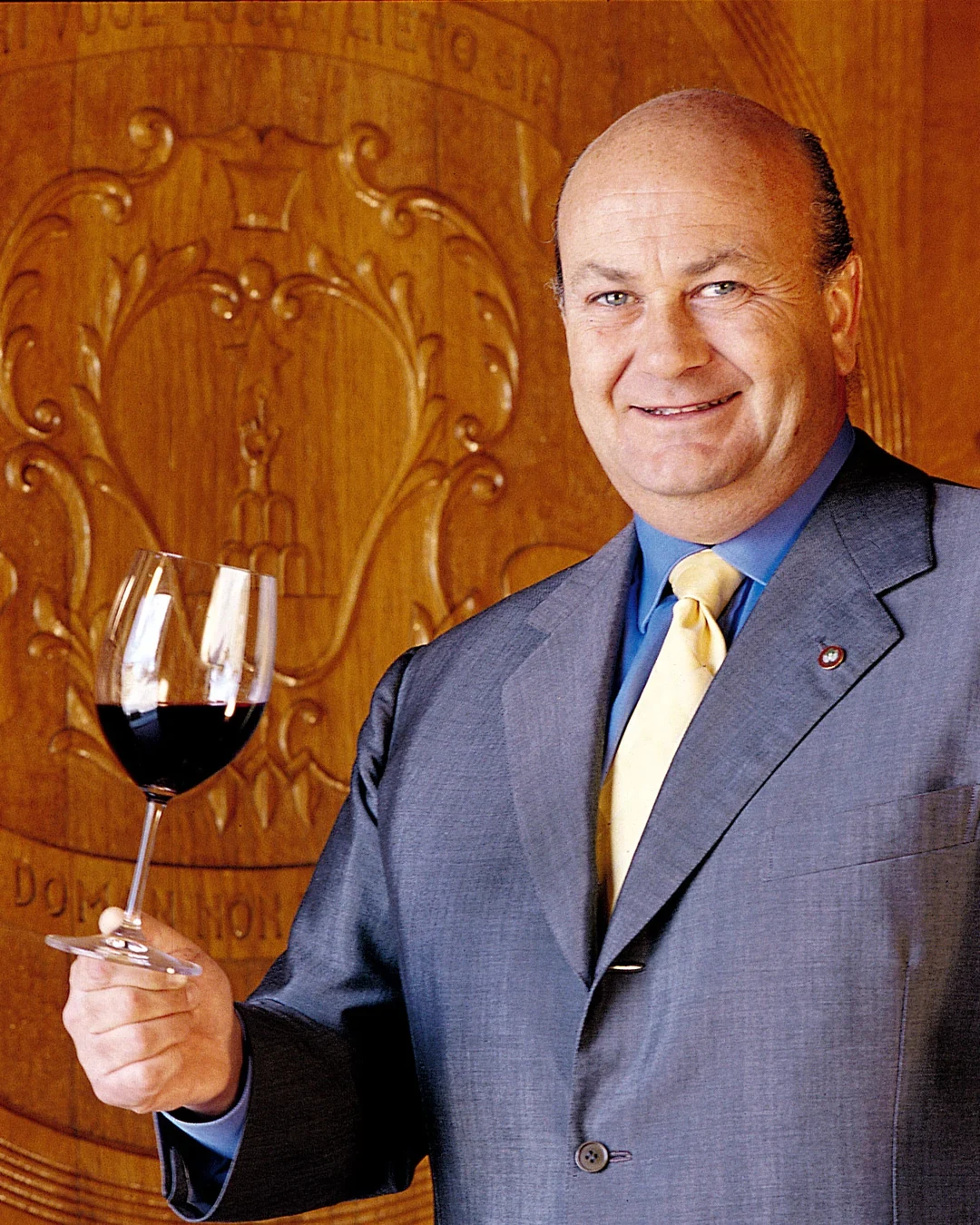
Large casks set the pace for Leopoldo Franceschi, Winemaker and owner at Il Poggione in Sant'Angelo in Colle, Montalcino, Italy. His work here is a matter of custody as much as cellar direction, with the estate name held close to the family name and the wines asked to carry their place without hurry. The house works in Brunello di Montalcino DOCG, with Sangiovese as the central discipline, and its history reaches back to the early 1900s among the original producers of Brunello di Montalcino. Franceschi's role sits inside that continuity: ownership, cellar practice, vineyard reference, and the long patience of maturation in large casks. The estate does not turn that into ornament. It gives the work a firm frame. Traditional winemaking here means trusting proportion, structure, and time, not chasing quick polish. The signature is not a scatter of gestures across labels, but an estate-led line that keeps attention on the vineyard, the cask, and the finished bottle.
Old Sangiovese above Sant'Angelo in Colle
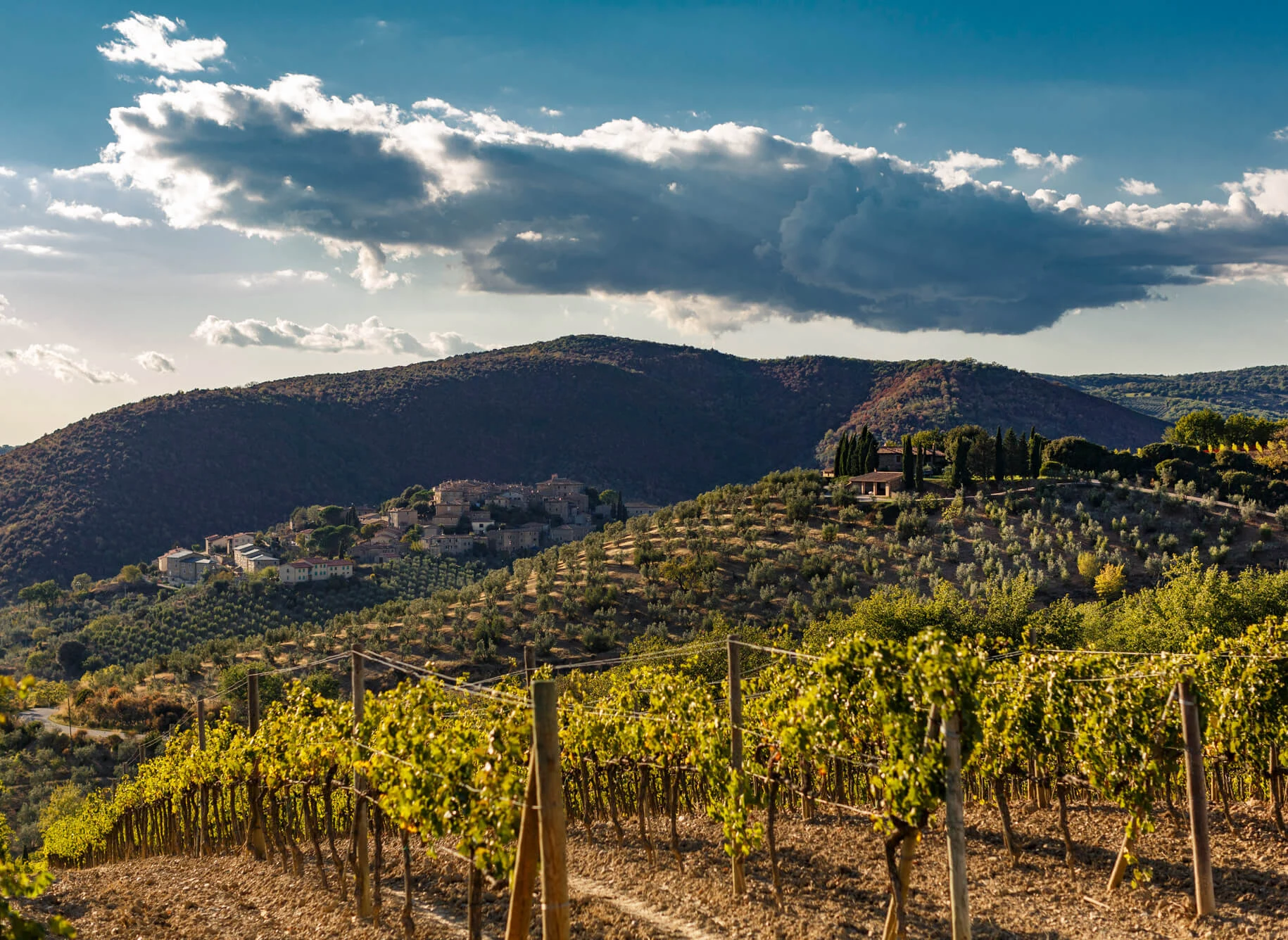
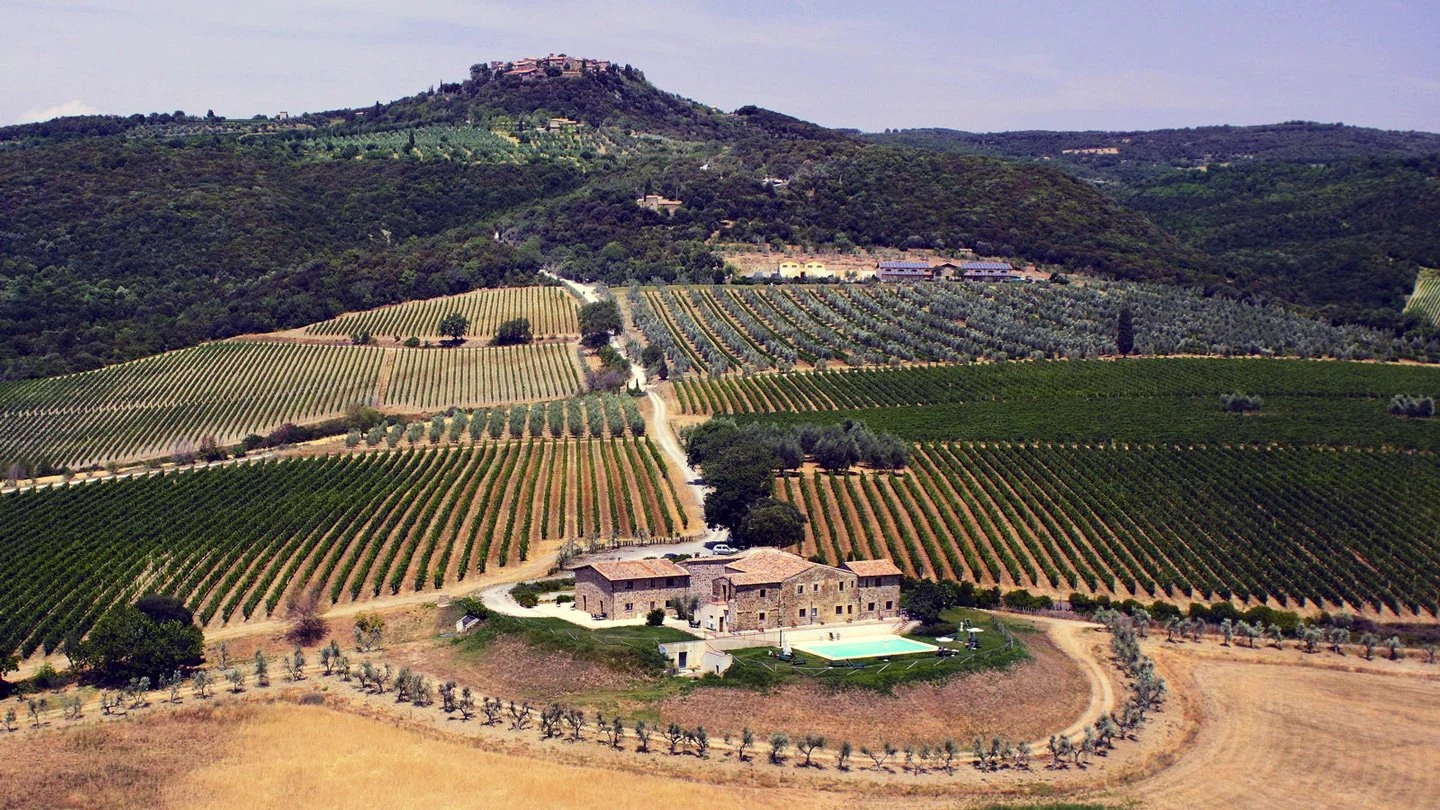
The material fact at Il Poggione is Sangiovese grown in the hills of Montalcino, with vineyards set between 150-450m altitude and the historic Vigna Paganelli planted in 1964. That vineyard, known for old Sangiovese clones, gives the estate a particular bench from which to work: old plant material, elevation, and the grammar of Brunello di Montalcino DOCG. Franceschi's cellar practice keeps to large casks, a choice that lets the wine mature with breadth rather than speed. The method is conventional in its farming description and traditional in its cellar discipline, but the useful word here is continuity. Large-scale production does not require a loud hand when the program is anchored by a clear appellation, a single red focus, and a vineyard name with its own gravity. The cellar asks for patience. The casks give it form.
The cellar inside the Tuscan hills
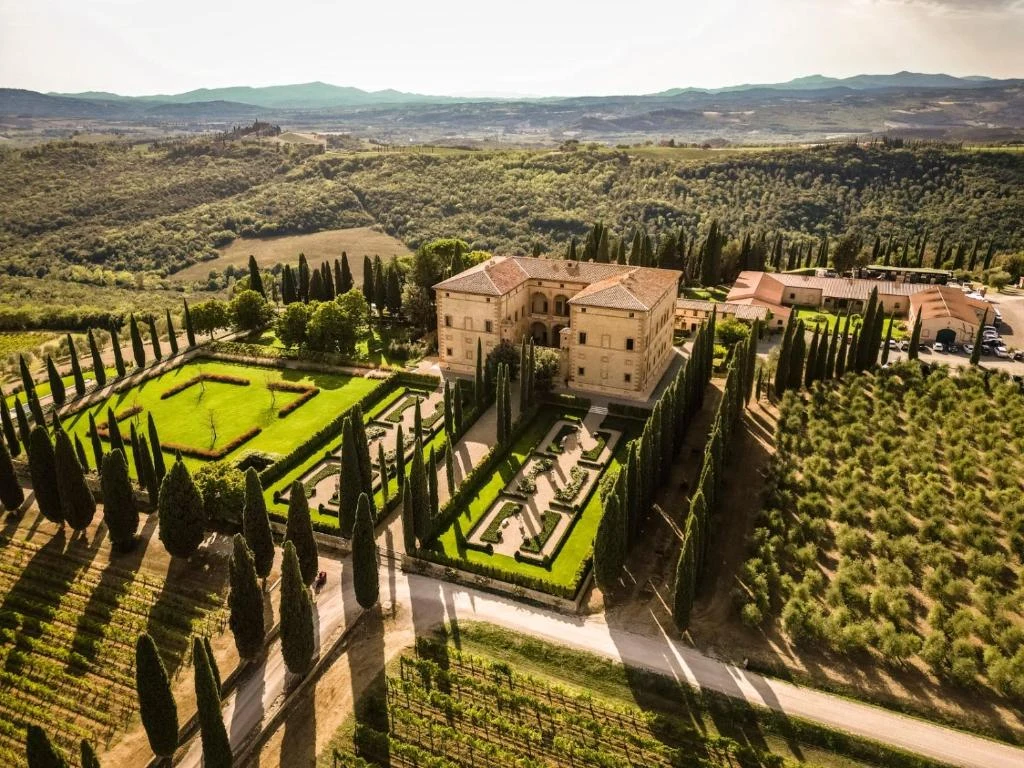
The estate sits in rolling Tuscan countryside around Sant'Angelo in Colle, where the vineyards hold the eye before the tasting room does. The atmosphere is quiet, rural, and paced by the slope of the land; this is not a room built around spectacle. It is a winery where the cellar, the vineyard, and the view belong to the same sentence. The setting matters because Il Poggione's craft is not separable from it. Brunello begins with the hill, then moves through the hands, the cask, and the years of waiting that the appellation asks of Sangiovese. In the glass, the place points back to the estate rather than away from it.
Continuity under the Il Poggione name
For Franceschi, the next movement is not framed as reinvention. His present work remains tied to ownership carried as responsibility, traditional winemaking, and the steady use of large casks at the estate. That is enough to follow: the same cellar discipline, the same Montalcino hills, and the continuing voice of Vigna Paganelli.
Questions
Frequently asked
Who makes the wines at Il Poggione?
Leopoldo Franceschi is winemaker and owner at Il Poggione in Sant'Angelo in Colle, Montalcino.
What is Il Poggione known for?
The estate works in Brunello di Montalcino DOCG, with Sangiovese as its central grape, and it has been among the original producers of Brunello di Montalcino since the early 1900s.
How are the wines matured here?
Franceschi uses large casks, giving the wines a slow and traditional maturation.
What vineyard stands out at the estate?
Vigna Paganelli is the historic vineyard at Il Poggione. It was planted in 1964 and is known for old Sangiovese clones.
The field
How it compares
| Place | Notes | Awards |
|---|---|---|
| Il Poggione | Sant'Angelo in Colle, $$$ | · |
| Argiano | Montalcino | · |
| Azienda Agricola Casanova di Neri di Giacomo Neri | Montalcino | World's 50 Best |
| Biondi-Santi Tenuta Greppo | Montalcino | · |
| Castello Banfi | Montalcino | World's 50 Best |
| Poggio di Sotto | Montalcino | · |
| Valdicava | Montalcino | · |