Made ByRestaurant
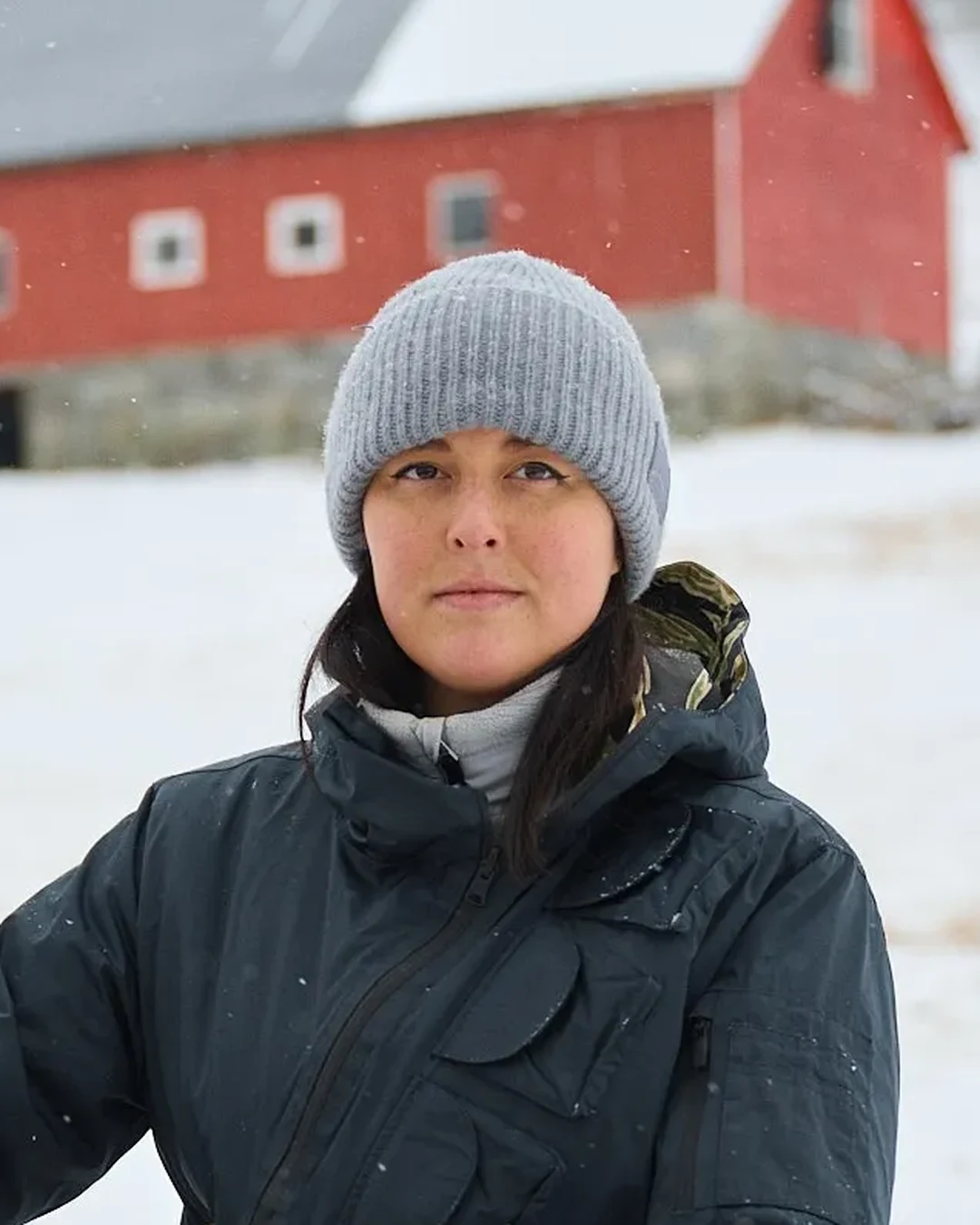
Anika Madsen, chef at Iris - Expedition Dining, Odda, cooks New Nordic expedition menus shaped by the Hardangerfjord.
At a glance
- Cuisine
- New Nordic
Distance as a kitchen condition
Anika Madsen checks what can be made in-house before the day settles, chef at Iris - Expedition Dining, Odda, where the kitchen works from the Hardangerfjord by way of Rosendal. Her station is not organized around ease. Deliveries arrive through narrow windows, advice from outside the room cannot always be called in, and the team has to solve problems at the bench rather than wait for the usual supports of a city kitchen. Madsen has spoken plainly about that constraint: being far from most other places makes deliveries hard to organize, so the kitchen has to create its own ways. That sentence explains much of the discipline here. Iris calls the meal expedition dining, and under Madsen the phrase is less theatre than method. Weather, distance, storage, and the practical limits of a floating site all enter the mise en place. The chef’s work is to keep invention useful, to make self-reliance taste composed, and to hold the line steady when the fjord decides the pace.
An 18-course method on the fjord
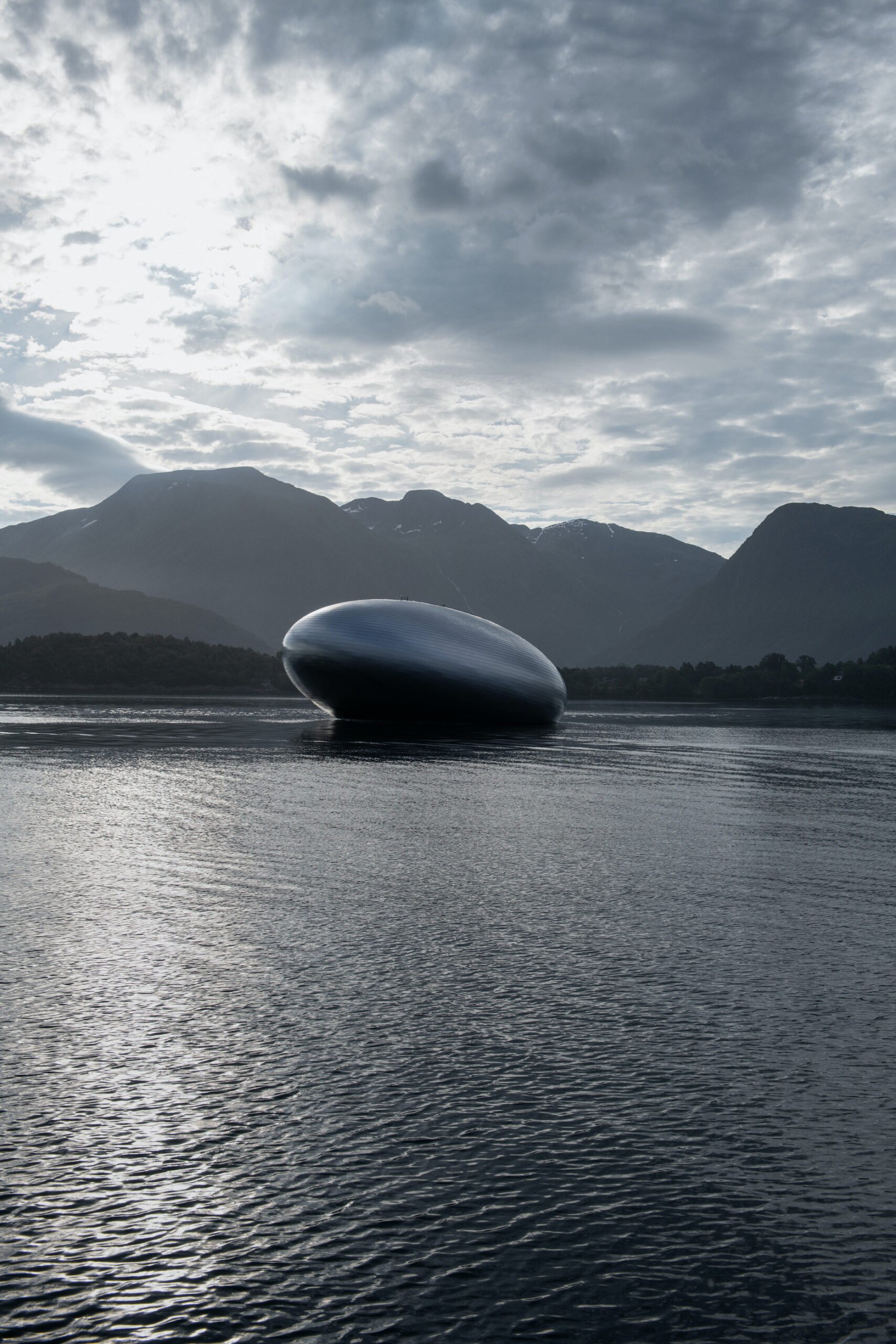
The program moves through an 18-course tasting menu built around New Nordic cooking, with seafood, local seasons, and the ocean’s unused possibilities carrying much of the argument. The meal begins before the main room: an electric boat runs from Rosendal to Madsen’s boathouse on Snilstveitøy island, where a welcome snack and a first reading of the menu set the terms. From there, the route continues to Salmon Eye, the orb-shaped floating art installation in the Hardangerfjord that also functions as a visitor center for aquaculture. The dishes have included Skrei cod prepared three ways, a crispy mushroom cone with herbs and sorrel, a croustade with edible flowers and salted mahogany clam, and raw milk blinis with black currant leaves and raw shrimps. Madsen’s kitchen also works with mycelium, chlorella algae, insect protein, and young salmon parr, not as novelty, but as ingredients that fit the restaurant’s inquiry into food systems. When weather allows, one course leaves the pass for the rooftop and an open flame.
The room inside Salmon Eye
The room looks outward as much as inward. Panoramic glass holds the Hardangerfjord close, with the alpine mountains around Rosendal in view, while the counter and the pass keep the work legible at human scale. The expedition structure changes the dining room’s charge: guests have already crossed water, stopped at the boathouse, and entered the Salmon Eye before the main meal begins. That movement gives the service a different tempo from a street-level restaurant. The kitchen does not have to decorate the sense of remoteness. It is already in the bones of the place. Plates arrive with the weather still present, and the room’s restraint lets the materials keep their edge: clam, cod, algae, flame, fjord.
Recognition held close to the work
Iris - Expedition Dining holds one Michelin star, and Madsen received the MICHELIN Guide Young Chef Award in 2024. The awards sit beside the daily constraints rather than above them. The next service still depends on the same things: the boat from Rosendal, the bench at Snilstveitøy, and the kitchen inside Salmon Eye.
Address
Smelteverket 121, 5750 Odda, Norway
In residence
Similar places
Japanese-influenced Californian Kaiseki
Single Thread Farm
Healdsburg, United States
★★★ · 50 Best
French Seafood Fine Dining
Le Bernardin
New York City, United States
★★★ · 50 Best
Modern Korean Tasting Menu
Atomix
New York City, United States
★★ · 50 Best
French
Sézanne
Tokyo, Japan
★★★ · 50 Best
Modern Seafood Fine Dining
Providence
Los Angeles, United States
★★★ · 50 Best
Contemporary Plant-Based Fine Dining
Eleven Madison Park
New York City, United States
★★★ · 50 Best