IRUCA TOKYO
- 01CuisineModern Ramen
- 02CityTokyo, Japan
From the people index
Recommended by
One trusted voice points here.
- Michelin Bib Gourmand · Michelin Guide
- Michelin Bib Gourmand · 2026
- Tabelog 100 #94: 3.8pts · 2025
- Michelin Bib Gourmand · 2024
Ramen in Roppongi: What a Bowl Has to Earn
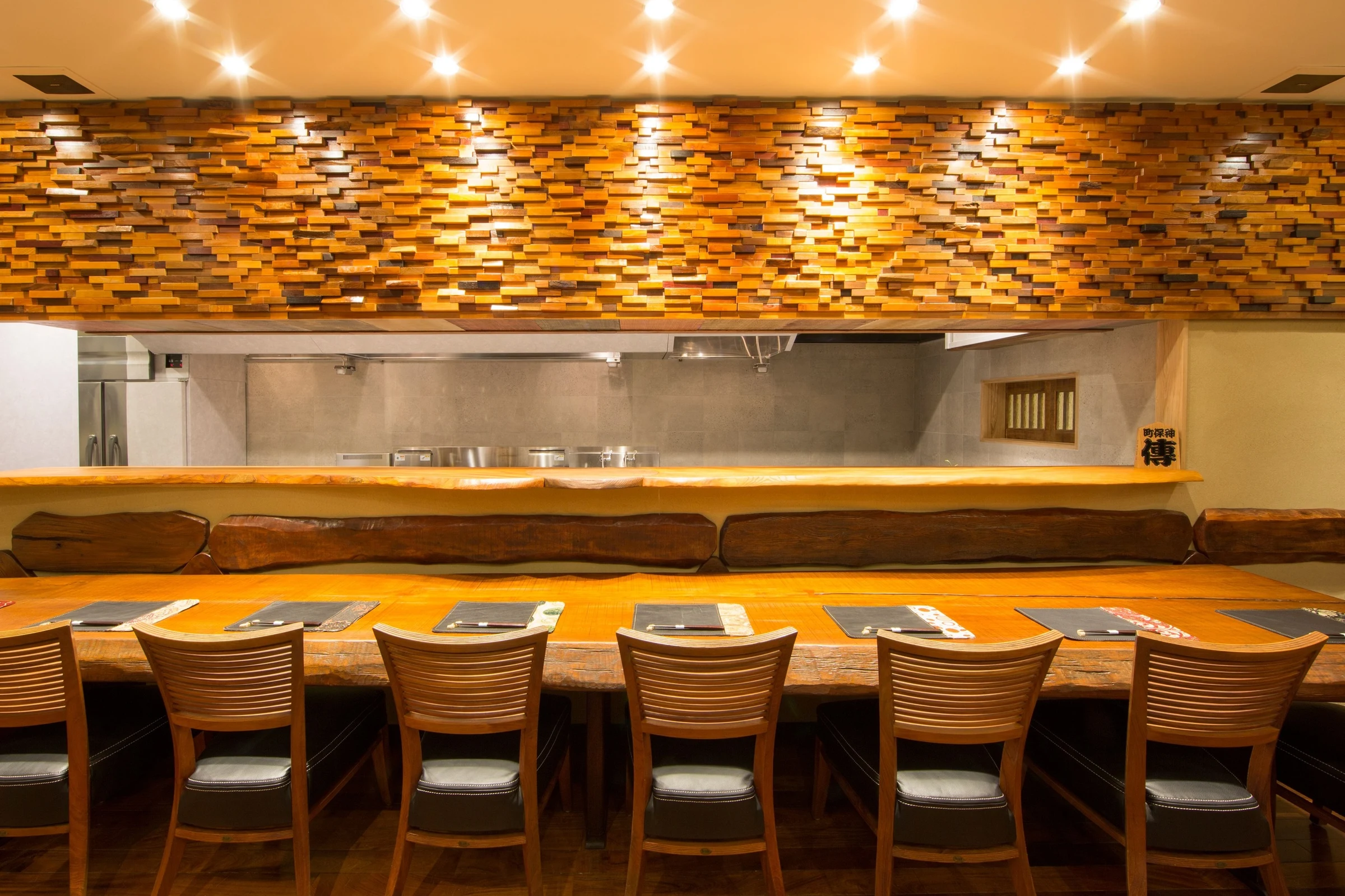
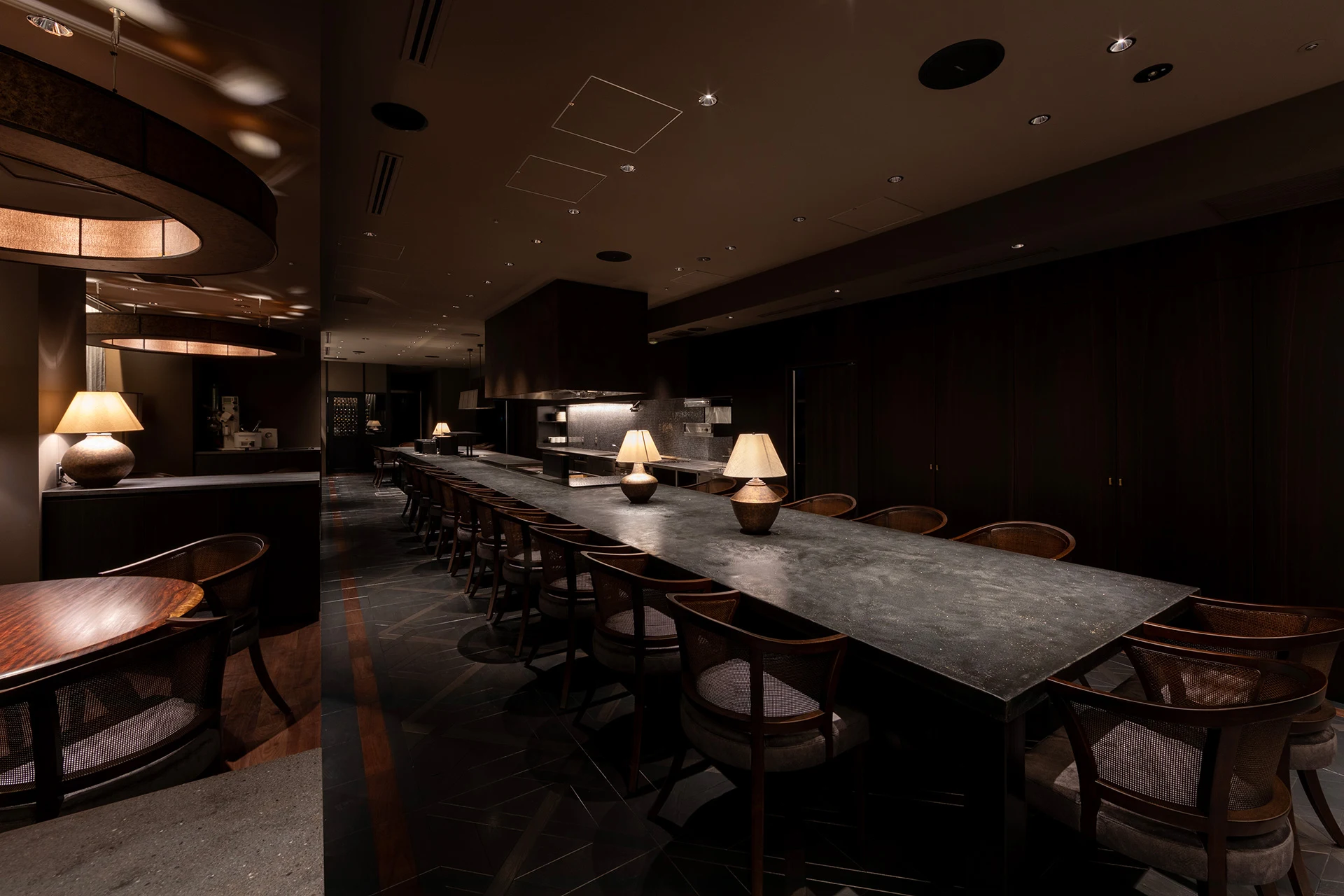
IRUCA TOKYO is a modern ramen restaurant in Roppongi, Tokyo, recognized with a 2024 Michelin Bib Gourmand. The room is usually small, the surfaces are plain, and the noise is mostly the sound of broth. The bowl arriving in front of you has typically taken twelve or more hours to build. In a city where omakase counters at the level of Chukasoba Ginza Hachigou and the clean-acid yuzu shio of Afuri have each earned Michelin recognition, the bar for what a bowl needs to deliver is unusually high. IRUCA TOKYO, on a Roppongi backstreet in Minato City, operates inside that same demanding tier.
The Michelin Bib Gourmand, awarded in 2024, is the relevant credential here. The Bib is not a consolation prize for places that missed a star; it is a distinct designation for cooking that achieves real quality at a price point that does not ask the diner to plan the visit like a financial event. In Tokyo's ramen scene, Bib recognition effectively separates the counters where the broth is a studied, composed thing from the many places where it is merely adequate. IRUCA sits in the former group, rated 4.0 across 1,515 Google reviews.
The Sunday letter
Find new places through the people who run them.
Our Sunday email brings you the chefs, winemakers and hoteliers behind our newest stories. See a sample before you subscribe.
See a sample of the Sunday emailOne email a week. Unsubscribe from any issue.
The Craft Inside the Bowl
What makes ramen technically difficult is not any single element but the relationship between all of them. The broth, the tare, the fat, the noodle, and the toppings each have to work independently and together. A broth that is compelling on its own can still fail the bowl if the tare is too aggressive or the noodle absorbs too fast. This is why the simplest-looking ramen often represents the most demanding culinary work. There is nowhere to hide.
At IRUCA, the broth foundation is built from clam, spiny lobster, free-range chicken, and beef. That combination signals an approach that is more layered than the single-protein broths common at neighbourhood counters. Clam brings mineral salinity; lobster shell adds a sweet, roasted depth that lingers after the savoury registers have faded; chicken provides the collagen body that gives soup its weight on the palate; beef contributes the darker, more umami-forward bass note. The result, according to the Michelin description, is a soup of satisfying depth, which in Michelin language means the kind of depth that holds up across an entire bowl rather than peaking in the first three spoonfuls.
Two specific preparations extend the counter's range beyond broth technique. In the soy-sauce ramen, paste made from porcini mushrooms and truffles is introduced to shift the flavour profile. Porcini and truffle carry their own glutamates, stacking umami on top of the broth's existing depth rather than distracting from it. The effect is a more complex, forest-floor register that the soy tare alone could not produce. In the salt ramen, yuzu-flavoured butter is infused into the bowl, adding a citrus fragrance alongside the fat's creaminess. Yuzu-butter in shio ramen is a technique that asks the cook to calibrate how much citrus brightness and how much richness the clean salt base can absorb before the balance tips. When it works, the bowl reads as light and rich simultaneously.
This kind of ingredient logic, where each addition has a specific functional reason rather than a decorative one, is what defines the counter's approach. The Michelin citation frames it as the chef displaying originality in each bowl while pursuing a distinct interpretation of ramen, which is the guide's way of noting that the cooking has a considered point of view without crossing into novelty for its own sake.
Roppongi as a Ramen Address
Roppongi is more commonly associated with late-night bars, international restaurants, and the density of mid-to-high-end dining that follows embassy districts and international hotel clusters. It is not the neighbourhood most Tokyoites would instinctively name when asked where to find serious ramen. That reputation belongs to areas like Takadanobaba, Ogikubo, or the dense counter scene further west. But ramen in Tokyo does not cluster exclusively in any one district, and some of the more thoughtful counters operate precisely in neighbourhoods where the competition is not other ramen shops but French bistros and izakayas charging three times as much. IRUCA's Roppongi address, at 4 Chome-12-12, places it among that kind of mixed dining neighbourhood, where a ¥-priced bowl of genuine craft reads as a considered choice rather than a default.
The Bib Gourmand pricing tier is worth naming plainly. In a city where the comparison venues nearby include Michelin three-star kaiseki at HAJIME in Osaka, and two-star innovation at Chukasoba KOTETSU, the single-¥ price range at IRUCA represents a specific decision about what the meal should cost and who it should be accessible to. The name itself carries a message: 'Iruca' derives from the Japanese word for dolphin, chosen as a symbol of peace and a message of friendship. That framing shapes the intent of the counter, a place where the cooking is serious but the register is open rather than exclusive.
Where IRUCA Sits in Tokyo's Ramen Field
Tokyo's recognised ramen scene now includes multiple Michelin-acknowledged counters, each with a distinct approach. Fuunji is known for its tsukemen intensity; Afuri has built a following on its lighter yuzu shio style, a format that has since travelled to Portland as Afuri Ramen. The ambition of counters like Akahoshi Ramen in Chicago shows how far Tokyo's ramen vocabulary has spread internationally. Within this wider field, IRUCA's multi-base broth and ingredient-forward tare adjustments position it at the more compositionally ambitious end of the Bib tier, closer in spirit to chef-driven dining than to the pure craft-tradition houses.
Planning Your Visit
Questions
Frequently asked
What recognition does IRUCA TOKYO hold?
IRUCA TOKYO holds a Michelin Bib Gourmand.
How expensive is IRUCA TOKYO?
IRUCA TOKYO is listed at a price level of $$.
Where is IRUCA TOKYO and what does it serve?
IRUCA TOKYO is in Minato, Tokyo, serving Modern Ramen.
The field
How it compares
| Place | Cuisine | Notes | Awards |
|---|---|---|---|
| IRUCA TOKYO | Modern Ramen | Minato, $$ | · |
| Den | Modern Japanese Kaiseki | Tokyo | Michelin 2 Stars, World's 50 Best |
| Florilège | Modern French-Japanese Plant-Based Fine Dining | Tokyo | Michelin 2 Stars, World's 50 Best |
| Narisawa | Modern Japanese Satoyama Fine Dining | Tokyo | Michelin 2 Stars, World's 50 Best |
| Quintessence | Modern French Fine Dining | Tokyo | Michelin 3 Stars |
| Sazenka | Modern Chinese Fine Dining | Tokyo | Michelin 3 Stars, World's 50 Best |
| Sézanne | Modern French Fine Dining | Tokyo | Michelin 3 Stars, World's 50 Best |
Similar places
Modern Japanese Kaiseki
Den
Tokyo, Japan
★★ · 50 Best
Modern French-Japanese Plant-Based Fine Dining
Florilège
Tokyo, Japan
★★ · 50 Best
Modern Japanese Satoyama Fine Dining
Narisawa
Tokyo, Japan
★★ · 50 Best
Modern French Fine Dining
Quintessence
Tokyo, Japan
★★★
Modern Chinese Fine Dining
Sazenka
Tokyo, Japan
★★★ · 50 Best
Modern French Fine Dining
Sézanne
Tokyo, Japan
★★★ · 50 Best
The Sunday letter
Get the next Made By story in your inbox.
We send one email every Sunday morning with the places and people we covered that week.
See a sample of the Sunday emailOne email a week. Unsubscribe from any issue.