HAJIME
In Residence
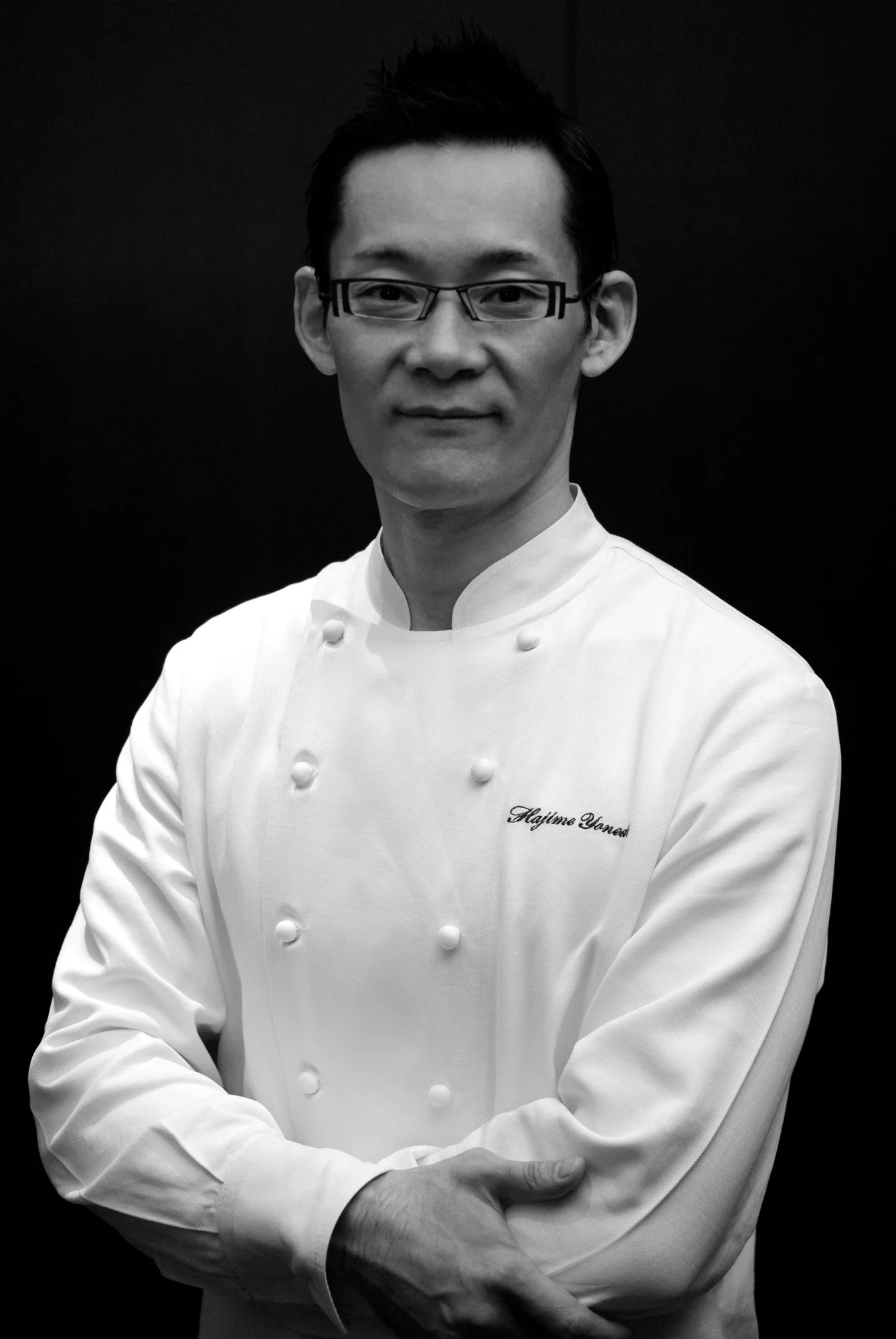
Hajime Yoneda
Chef
- 01CuisineAvant-Garde Japanese Fine Dining
- 02CityOsaka, Japan
- 03RecognitionThree Michelin Stars
- 3 Michelin Stars · Michelin Guide
- World's 50 Best · #83 · World's 50 Best Restaurants
- Tabelog Bronze #92: 4.3pts · 2026
- Opinionated About Dining Top Restaurants in Japan Ranked #98 · 2026
- Star Wine List · 2026
- Michelin 3 Stars · 2026
- La Liste Top Restaurants: 94pts · 2026
- Michelin 3 Stars · 2025
- Opinionated About Dining Top Restaurants in Japan Ranked #87 · 2025
- La Liste Top Restaurants: 94.5pts · 2025
- We're Smart World 2 Radishes · 2025
- Star Wine List · 2025
- The Best Chef Two Knives · 2025
- Tabelog 100 #69: 4.3pts · 2025
Entering Osaka's nature-led dining tier
HAJIME is a 3-Michelin-star restaurant in Osaka serving avant-garde Japanese fine dining at about $300 per person.
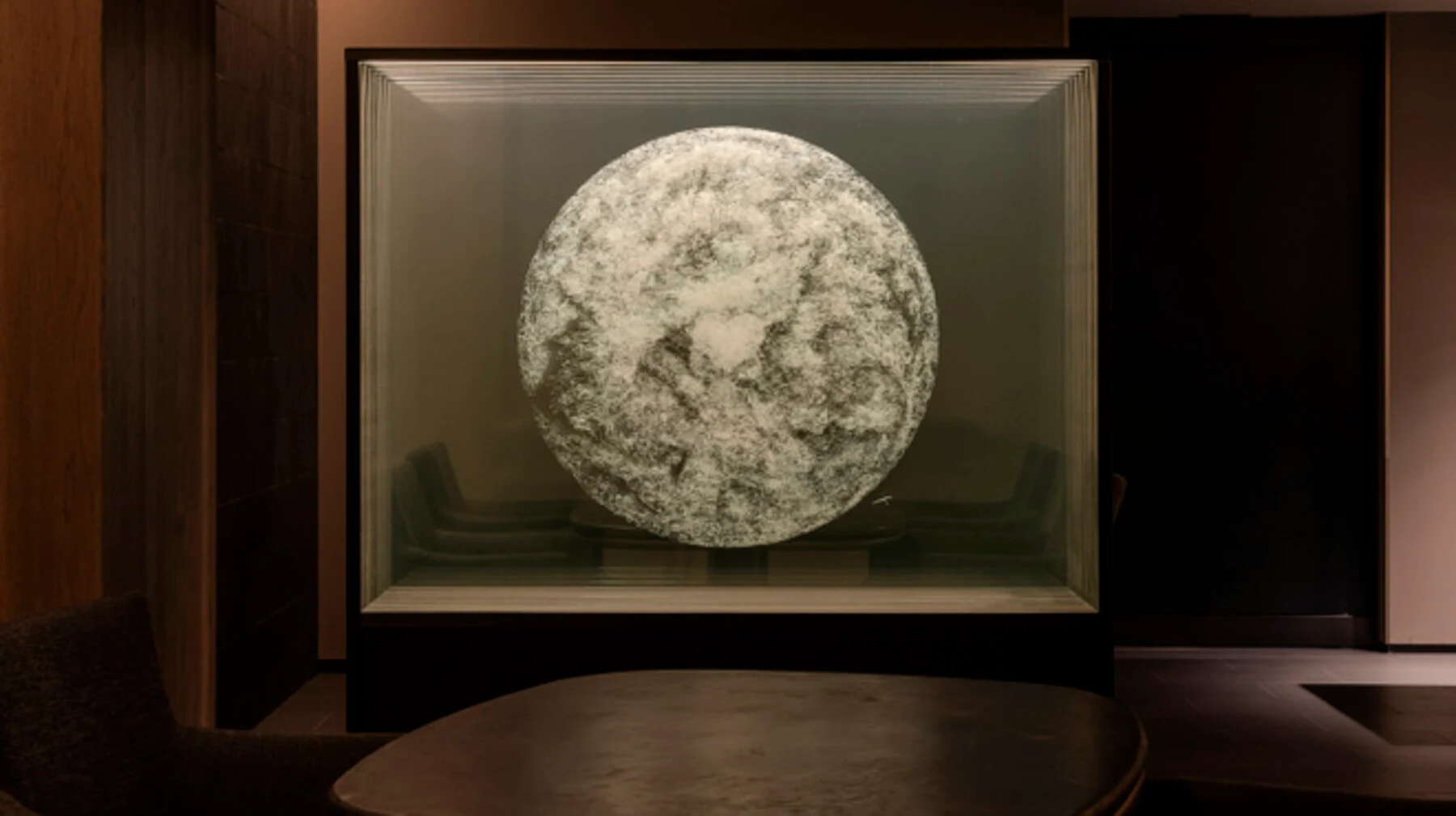
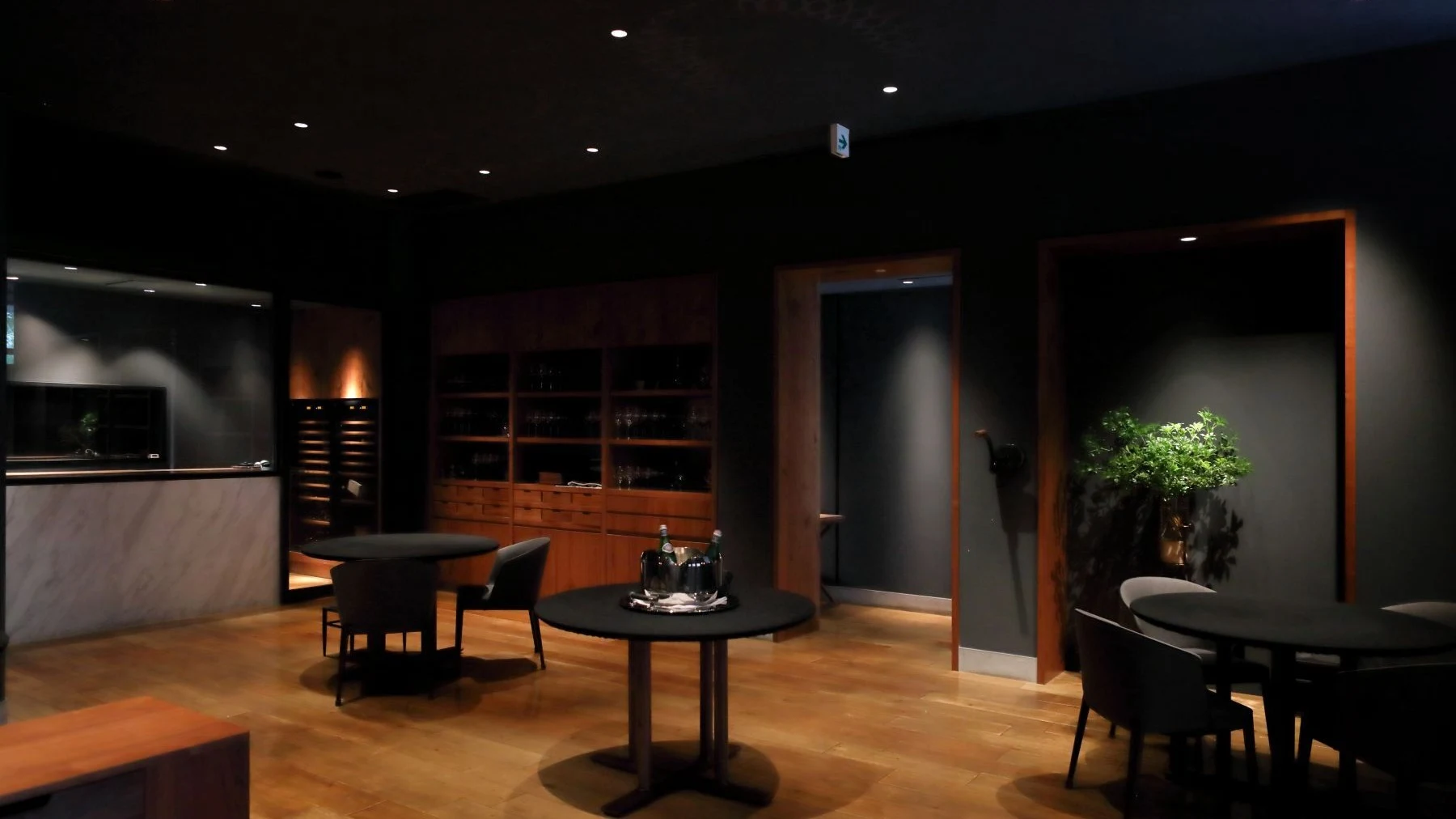
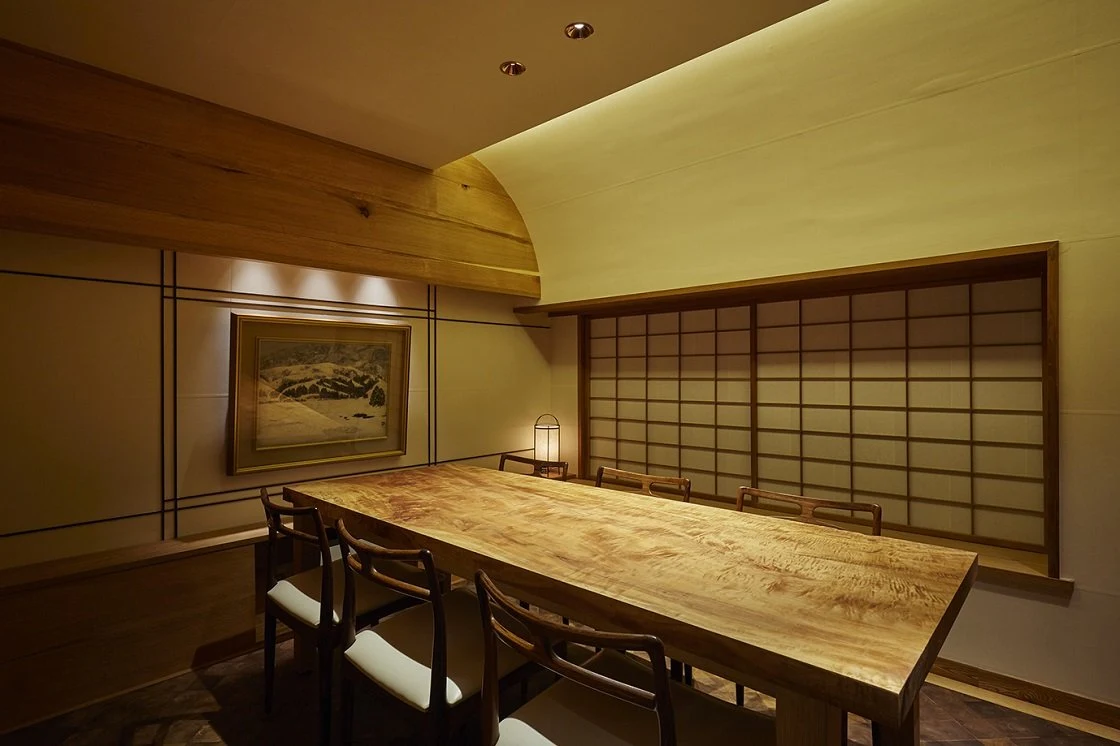
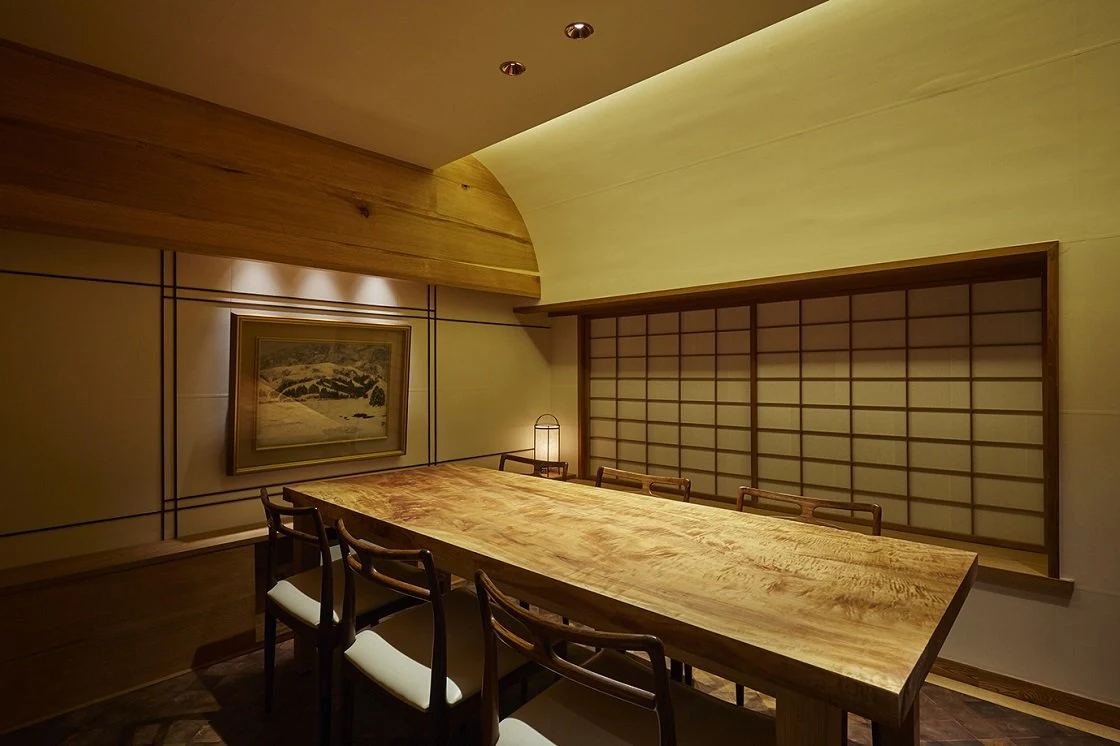
The approach to Edobori is quieter than Osaka’s food reputation suggests. This is not the neon shorthand of Dotonbori or the quick-hit pleasure of counter kushikatsu; it is Nishi Ward, close to Higobashi Station, where office blocks, galleries, and discreet dining rooms allow expensive restaurants to operate without spectacle at the door. Inside HAJIME, the visual language is explicit rather than coy: La Liste describes an artwork resembling a planet in the dining room, built from overlapping images of cuisine that gather into a picture of Earth. That image gives the room its thesis before the menu does. Osaka is often explained through appetite and informality, but its serious dining culture also has a cerebral side, and this address belongs firmly to that smaller camp.
The Sunday letter
Find new places through the people who run them.
Our Sunday email brings you the chefs, winemakers and hoteliers behind our newest stories. See a sample before you subscribe.
See a sample of the Sunday emailOne email a week. Unsubscribe from any issue.
The restaurant’s category, avant-garde Japanese fine dining, matters because it places the meal outside conventional kaiseki and outside classic French orthodoxy. In Japan, this hybrid genre has become a serious competitive set: precise technique, local and seasonal materials, formal pacing, and an authorial menu structure. HAJIME sits in that field with unusually dense recognition: Michelin three stars in 2024 and 2025, Asia’s 50 Best Restaurants ranking at No. 83 in 2025, La Liste Leading Restaurants scores of 94.5 points in 2025 and 94 points in 2026, Star Wine List recognition, and repeated Tabelog Awards, including Silver in 2025 and Bronze in 2026. Those signals do not make the meal casual to decode; they indicate a restaurant priced and judged against Japan’s most demanding destination tables.
Why terroir reads differently in Osaka
Terroir in Osaka does not mean the same thing it means in Burgundy or Piedmont. The city’s identity was built as a mercantile kitchen, a place that pulled in ingredients, techniques, and appetites from elsewhere and made them sharper, faster, and more democratic. Fine dining here has had to answer a different question: how does a restaurant speak about land and provenance in a city known for urban appetite rather than pastoral romance? HAJIME answers through a planetary frame rather than a strictly regional one. The restaurant’s public theme, “Dialogue with the Earth,” and its stated attention to nature, balance, and the order of the earth and space place provenance at a conceptual scale.
That can sound abstract until the practical details are considered. Tabelog lists the food focus as vegetables, fish, vegan options, vegetarian options, and gluten-free options. The remarks also note a vegetable course mainly made up of vegetables, alongside a standard tasting menu and a shorter course for time-limited diners. The short course excludes “chikyu,” identified in the record as a vegetable dish. No diner should read that as a casual substitution policy. The restaurant states that menu changes cannot be accepted after arrival because of preparation and cooking requirements, and requests advance notice at least one day ahead. In other words, the ingredient program is not a flexible à la carte system. It is built around advance planning, controlled pacing, and an unusually formal relationship between guest requirements and kitchen execution.
Within Osaka’s comparable set, this puts the restaurant closer to the city’s intellectual end of dining than to places where theatre comes from fire, counter banter, or market immediacy. For a useful local comparison, La Cime (French) also shows how French technique can become a vehicle for Japanese produce and contemporary tasting-menu structure. Fujiya 1935 (Innovative) and KAHALA (Innovative) map adjacent territory, where innovation is not a slogan but a discipline of sequence, texture, and restraint. HAJIME belongs to that cluster, but its Earth-driven frame gives the meal a broader environmental and philosophical register.
The menu as argument, not parade
High-price tasting menus often fail when they become collections of effects. The stronger Japanese innovative restaurants tend to work differently: the meal is structured as an argument, with each course making a case for season, technique, or memory. HAJIME’s database record does not provide a dish-by-dish menu, so the honest reading is structural rather than descriptive. The known formats are a tasting menu standard, a short course, and a vegetable-led course. The existence of those formats suggests a kitchen designed around duration and sequence, not consumer choice. At this price level, that distinction matters. Guests are not paying for breadth in the ordinary sense; they are paying for editorial control.
The price also clarifies expectations. Tabelog lists dinner at JPY 80,000 to JPY 99,999, with review-based average spending shown at JPY 100,000. That puts the restaurant in Osaka’s destination bracket rather than the city’s celebratory splurge bracket. The difference is not semantic. A celebratory splurge can be chosen for occasion alone; a destination tasting menu needs a diner who wants a point of view. The menu’s emphasis on nature and vegetables, the availability of a vegetable course, and the exclusion of casual same-day changes all point toward a room that rewards attention more than appetite alone.
There is also a broader Kansai context. Kaiseki has long given Japan a grammar for seasonality, sequence, and controlled luxury; Kashiwaya Osaka Senriyama (Japanese) and Taian (Kaiseki, Japanese) represent more directly Japanese expressions of that discipline. Innovative French restaurants in Osaka inherit some of that pacing while using a different technical vocabulary. The interest is not in asking whether one tradition is superior. The point is that Osaka now supports several forms of formality, from kaiseki to French-inflected contemporary cuisine, and HAJIME’s status rests on how deliberately it occupies the latter.
Recognition, rankings, and what they actually imply
Awards are useful only when they tell the reader which conversation a restaurant belongs to. Michelin three stars in 2024 and 2025 place the restaurant in the highest inspection tier published by that guide. La Liste’s 94.5-point score in 2025 and 94-point score in 2026 put it among heavily documented international fine-dining addresses. Tabelog’s 2026 Bronze Award, 2025 Silver Award, and earlier award history from 2017 onward indicate sustained domestic recognition rather than a single-year spike. The 2025 selection for Tabelog 100 in Innovative and Creative Cuisine adds another local lens, especially relevant in a market where Japanese diners use Tabelog with seriousness.
Those signals should be read alongside the restaurant’s capacity. Tabelog lists only 14 seats. Scarcity at this level is not a decorative fact; it shapes the entire transaction. A small room allows a tasting menu to run with controlled timing, but it also means reservations carry real planning weight. Reservations are essential, with opening hours from 5 to 11 PM daily. In a city with numerous excellent meals available without months of strategy, this is a different kind of dining decision. It belongs on an itinerary before flights and hotels are finalized, not after a day’s sightseeing plan has already hardened.
For readers comparing across Japan, the restaurant’s recognition places it in dialogue with major contemporary and high-formality addresses beyond Osaka. RyuGin in Tokyo offers a different expression of Japanese fine dining at national scale, while Narisawa, French, Innovative in Tokyo is an obvious reference point for nature-led, French-influenced Japanese gastronomy. Kyoto’s formality reads differently again at Gion Sasaki in Kyoto, and regional dining takes on other shapes at Tsukumo in Nara, Goh in Fukuoka, Aji Arai in Oita, and Aotsuka Shokudo in Hokkaido (Otaru). HAJIME’s point of difference is the combination of Osaka address, French-innovative category, 14-seat scale, and a theme that frames ingredients as part of a larger ecological order.
Wine, sake, and the beverage question
The beverage program is another reason this is not simply a chef-driven room. The record lists wine, sake, shochu, and cocktails, with particular attention to sake, wine, and cocktails, plus sommelier availability. Star Wine List recognition in 2025 and 2026, along with a World of Fine Wine 3-Star Accreditation record, gives the drinks side independent credibility. That matters for a menu built around vegetables, fish, and nature-driven abstraction. Pairing in that context is not only about luxury labels; it has to manage acidity, bitterness, umami, temperature, and pace across a long meal.
Osaka’s drinking culture is often discussed through bars, izakaya, and late-night neighborhoods, but fine-dining beverage programs have become a separate form of connoisseurship. A room that lists both sake and wine seriously is speaking to the way Japanese tasting menus have loosened the old European hierarchy. Wine remains central to the French side of the vocabulary, while sake can make sense with rice, fish, broth-like textures, and vegetal sweetness when the menu turns toward Japanese materials.
Chef context without turning the meal into biography
Hajime Yoneda is the chef, and the public record connects the restaurant’s detailed cuisine to his experience as a system engineer. That detail is useful because it explains something about the restaurant’s operating language: order, precision, and an analytical approach to composition. It should not be over-romanticized. The stronger editorial reading is that the kitchen belongs to a generation of Japanese fine dining in which the chef’s technical identity intersects with international recognition systems, domestic ranking culture, and a guest base fluent in tasting-menu codes.
The restaurant was founded in May 2008 in Osaka, and its long run of awards since 2017 gives the chef context more weight than a personality sketch would. In luxury dining, longevity under scrutiny is evidence. A restaurant can attract attention with concept and design; maintaining Michelin three-star status, Tabelog awards, and international guide presence over multiple years requires operational discipline. That is the part of the biography that matters to the diner. The menu may speak in planetary language, but the machinery behind it is exacting and local, built for a small Osaka dining room that has to deliver repeatedly.
How it compares within Osaka
Osaka rewards immediacy, so formal restaurants here must justify themselves more sharply than in cities where luxury dining is a default tourist ritual. The city’s strength is range: counter sushi, kappo, kaiseki, French, Korean, yakiniku, okonomiyaki, and wine-led dining all coexist without needing one dominant narrative. HAJIME occupies the end of the spectrum where concept, price, and recognition converge. It is not the address for a spontaneous Osaka night. It is for travelers who want to see how the city participates in global fine dining while retaining a Japanese respect for season, product, and controlled service.
That comparison becomes clearer when planning a full trip. Our full Osaka restaurants guide helps place the restaurant beside less formal and more traditional choices, while Our full Osaka hotels guide is relevant because a late, high-cost tasting menu is easier when the hotel location is chosen with dinner in mind. For travelers building a wider Kansai itinerary, the city can be paired with Kyoto and Nara without making every meal ceremonious. For travelers staying focused on Osaka, the contrast between a 14-seat, reservation-only French-innovative restaurant and the city’s everyday food culture is precisely the point.
There is also an international comparison worth making. Nature-led, French-inflected Asian fine dining is not confined to Japan; Mora 摩, French, Innovative in Hong Kong shows another city’s version of the same broad conversation, where technique, place, and identity are negotiated through tasting-menu form. Osaka’s version is less about colonial culinary inheritance and more about Japan’s mature ability to absorb French structure into its own standards of seasonality and detail.
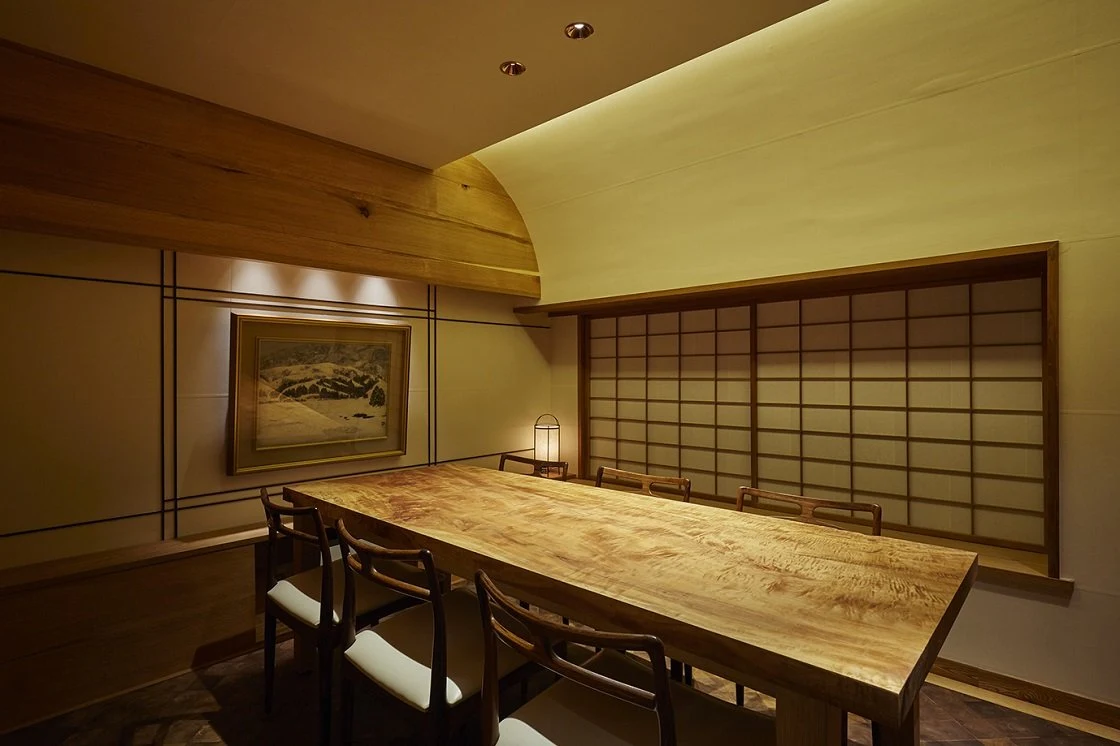
the dinnerThe practicalities are part of the restaurant’s character. The address is 1 Chome-9-11 Edobori, Nishi Ward, Osaka, on the first floor of Ai Plus Edobori, with Tabelog noting it is 3 minutes on foot from Exit 7 of Higobashi Station on the Yotsubashi Line and 269 meters from Higobashi. Dinner service is listed Tuesday through Saturday and on public holidays, days before public holidays, and days after public holidays, from 17:00 to 23:00, with food last order at 19:30 and drinks last order at 22:30. The record also states last entry between 17:00 and 19:00, while Monday and Sunday are closed and the closure schedule is not fixed, so the restaurant calendar should govern final planning.
Reservations are required. The listed reservation phone hours are 10:00 AM Monday to Saturday at 06-6447-6688, and the online reservation form is given as www.hajime-reservation.com/ja/form/. Credit cards accepted are VISA, Master, JCB, AMEX, and Diners; electronic money and QR code payments are not accepted. The room has 14 seats, no private rooms, and private use is listed for up to 20 people. It is non-smoking, wheelchair accessible, and offers free Wi-Fi. One parking space is listed in front of the restaurant, though rail access remains the cleaner plan for most visitors.
The dress code is formal by Osaka standards: male guests are asked to wear jackets and leather shoes for both lunch and dinner, and the restaurant asks guests to avoid sneakers, shorts, beach sandals, T-shirts, sweatshirts, and overly casual clothing. Guests must be 16 years of age or older. English support is stronger than at many small Japanese restaurants, with a multilingual English menu and English-speaking staff listed. The restaurant also notes celebrations and surprises, parties over 2.5 hours, and sommelier availability, but the central planning rule is simpler: decide dietary needs in advance, arrive within the specified entry window, and treat the meal as a scheduled event rather than a flexible dinner slot.
Travelers building a wider Osaka itinerary can use Our full Osaka experiences guide for daytime structure and Our full Osaka wineries guide for wine-related context in the region. The restaurant itself supplies enough ceremony for the evening. The better strategy is to keep the hours before dinner calm, avoid overloading the day with food, and let Edobori’s quieter rhythm reset expectations before entering a room where the planet, not the city, is the declared subject.
Questions
Frequently asked
What recognition does HAJIME hold?
HAJIME holds 3 Michelin stars and a place on the World's 50 Best list at number 83.
Who works at HAJIME?
Made By profiles Hajime Yoneda (Chef-owner, HAJIME) at HAJIME.
How expensive is HAJIME?
HAJIME is listed at a price level of $$$$.
Where is HAJIME and what does it serve?
HAJIME is in Nishi, Osaka, serving Avant-Garde Japanese Fine Dining.
The field
How it compares
| Place | Awards | Cuisine | Notes |
|---|---|---|---|
| HAJIME | Michelin 3 Stars, World's 50 Best #83 | Avant-Garde Japanese Fine Dining | Nishi, $$$$ |
| Fujiya 1935 | Michelin 2 Stars | Modern Japanese with European influences | Osaka |
| Honkogetsu | · | Traditional Kaiseki | Osaka |
| La Cime | Michelin 2 Stars, World's 50 Best | Modern French with Japanese Ingredients | Osaka |
| Numata | Michelin 2 Stars | Michelin-Starred Tempura Omakase | Osaka |
| Sushi Sanshin | Michelin 1 Star | Edomae Omakase Sushi | Osaka |
| Taian | Michelin 3 Stars | Traditional Japanese Kaiseki Omakase | Osaka |
In residence
Featured in
Similar places
Modern Japanese with European influences
Fujiya 1935
Osaka, Japan
★★
Traditional Kaiseki
Honkogetsu
Osaka, Japan
Modern French with Japanese Ingredients
La Cime
Osaka, Japan
★★ · 50 Best
Michelin-Starred Tempura Omakase
Numata
Osaka, Japan
★★
Edomae Omakase Sushi
Sushi Sanshin
Osaka, Japan
★
Traditional Japanese Kaiseki Omakase
Taian
Osaka, Japan
★★★
The Sunday letter
Get the next Made By story in your inbox.
We send one email every Sunday morning with the places and people we covered that week.
See a sample of the Sunday emailOne email a week. Unsubscribe from any issue.