Numata
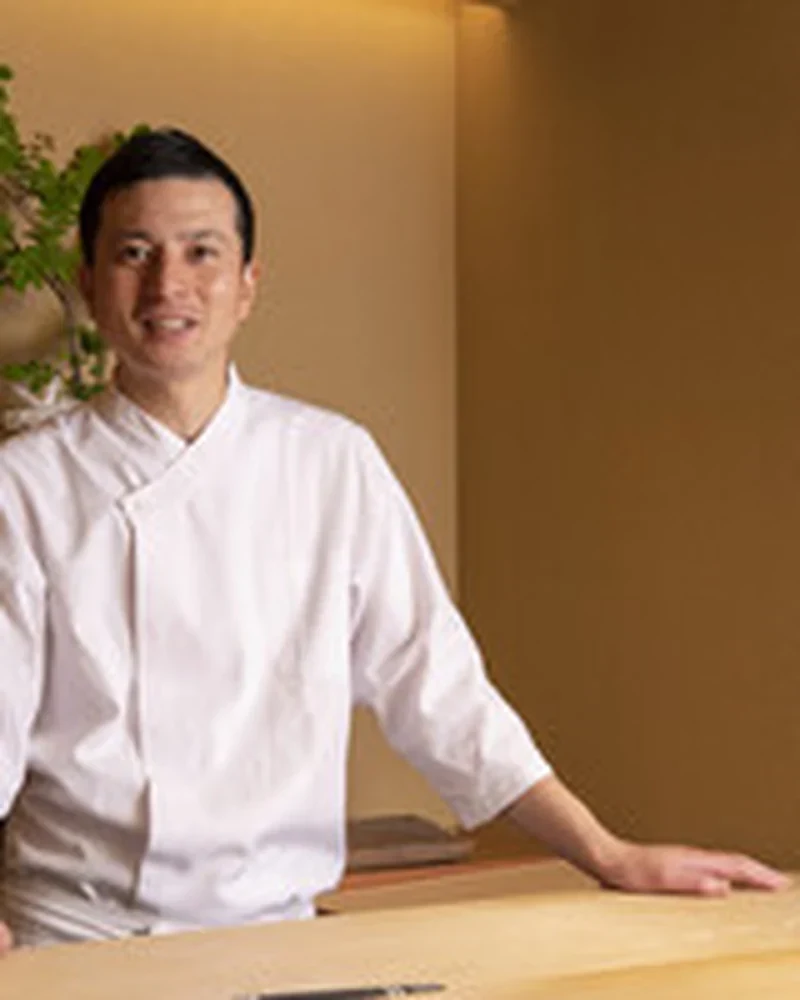
In Residence
Kazuya Numata
Chef
- 01CuisineMichelin-Starred Tempura Omakase
- 02CityOsaka, Japan
- 03RecognitionTwo Michelin Stars
Tempura judged piece by piece
- 2 Michelin Stars · Michelin Guide
- Tabelog Silver #94: 4.4pts · 2026
- Michelin 2 Stars · 2026
- Opinionated About Dining Top Restaurants in Japan Recommended · 2026
- La Liste Top Restaurants: 84pts · 2026
- Michelin 2 Stars · 2025
- Tabelog 100 #93: 4.4pts · 2025
- La Liste Top Restaurants: 85.5pts · 2025
- Tabelog Silver · 2025
- Michelin 2 Stars · 2024
Batter judged piece by piece
At Numata in Kitashinchi, Osaka, batter thickness changes by the piece, and the restaurant's craft belongs to a tempura counter led by Kazuya Numata. The work here is not presented as a broad kitchen language. It is a narrow discipline, repeated at the pass in oil, batter, seafood, and vegetables, with each piece taken on its own condition. Numata’s standing comes from that restraint: a Michelin-Starred Tempura Omakase built around lightness, seasonal product, and a formal counter rhythm rather than a long menu of choices.
The house is known for kuruma prawn tempura and seasonal vegetable tempura, both handled in the idiom of traditional tempura rather than ornament. Numata’s broader lineage extends through the January 2024 Nishitenma branch, Numata Sou, where Takahiro Yamagata, formerly sous chef at the main Numata, and Koki Kaneko carry the method across a dual-counter structure. At the Kitashinchi restaurant, the frame is more intimate: omakase, counter dining, quiet service, and a room set close to the hands. The craft asks for judgment at each station, not spectacle.
The Sunday letter
Find new places through the people who run them.
Our Sunday email brings you the chefs, winemakers and hoteliers behind our newest stories. See a sample before you subscribe.
See a sample of the Sunday emailOne email a week. Unsubscribe from any issue.
Oil, batter, and the condition of the ingredient
The method rests on fresh oil, balanced batter, and the right temperature, adjusted by ingredient and season. That is the grammar of the meal. Kuruma prawn can move through more than one texture, with the head taken crisp and the body handled for contrast; vegetables depend on moisture capture, bitterness, sweetness, and the moment when steam has done enough inside the coat. The point is not a uniform crust. It is a sequence of decisions, made quickly and repeated across the course.
The omakase format lets the counter control sequence. Seafood and vegetables alternate; the pass can move from prawn to a spring shoot, from a white fish to a vegetable chosen for its water content or bitterness. Batter thickness and oil temperature shift with the piece. A heavier hand would flatten the meal into fried food. Numata’s discipline is the opposite: keep the batter present enough to protect and transmit heat, light enough that the ingredient still leads. The restaurant does not need a large vocabulary to make that clear. It needs the prawn, the vegetable, the oil, the timing.
A quiet counter in Kitashinchi
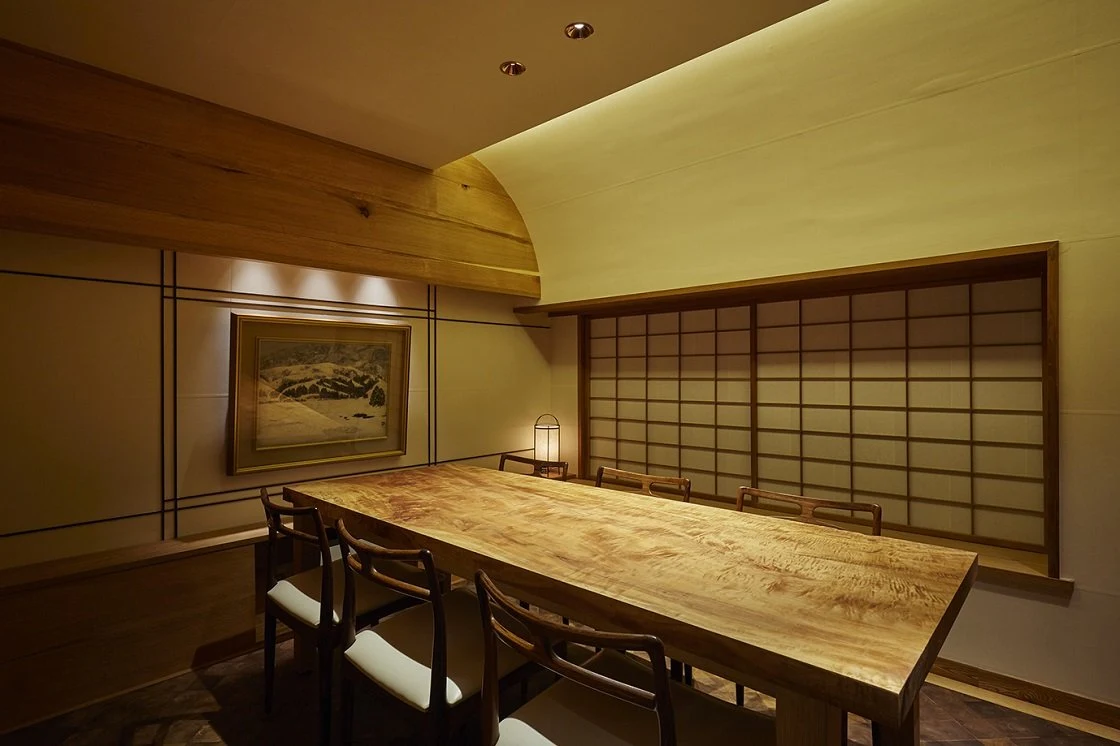
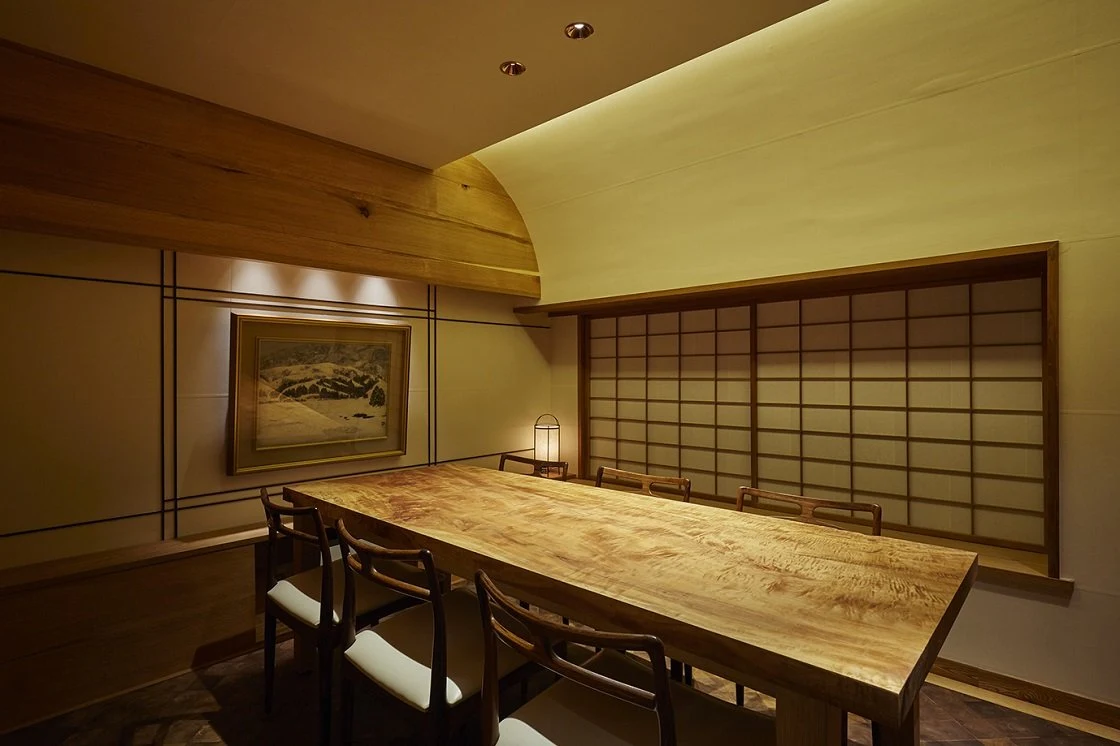
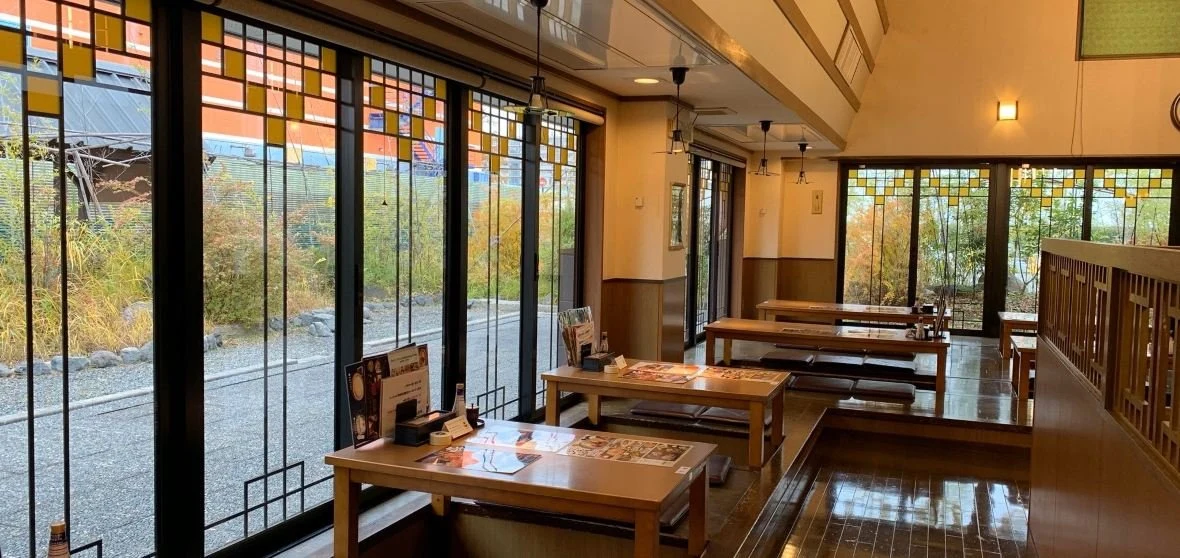
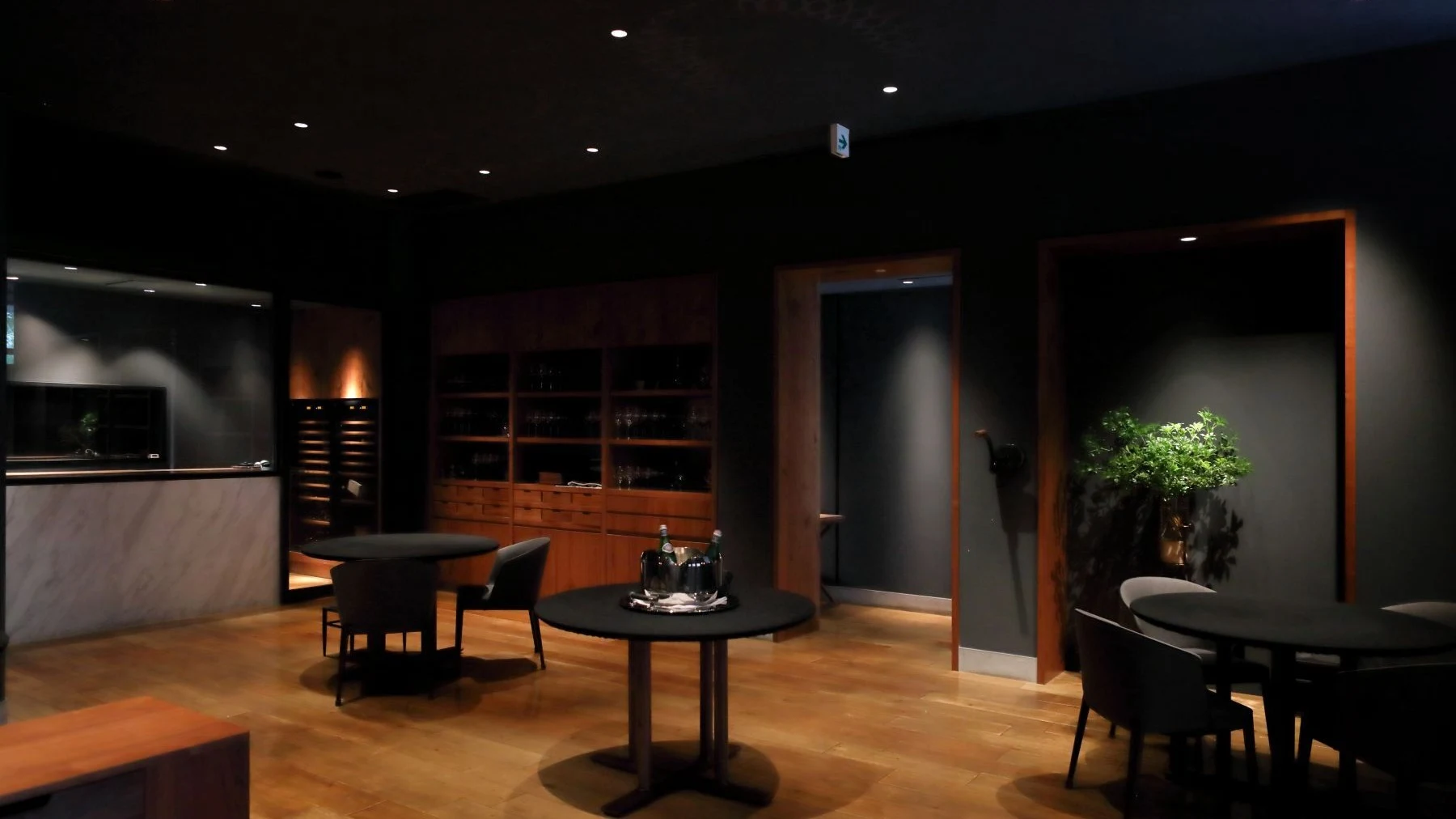
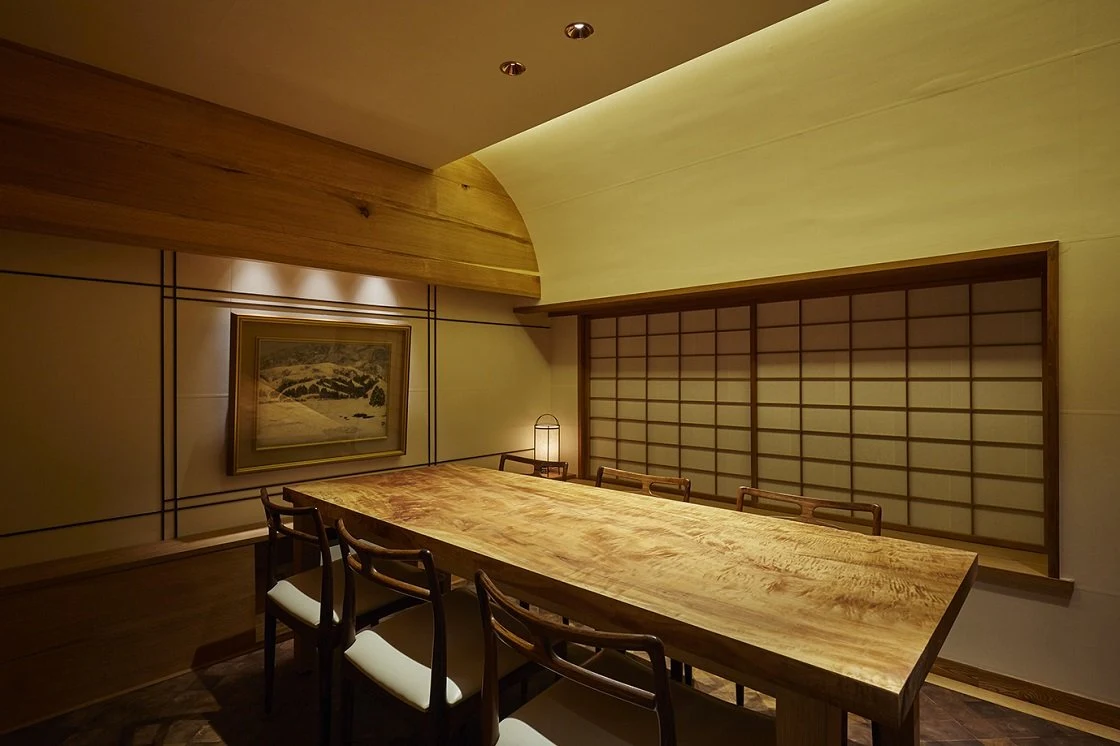
The room is clean and modern, with warm wood tones and the quiet expected of a formal tempura counter. Nothing in the setting fights the sound of the station. The guest watches the hand move from batter to oil to draining point, then to the pass, where each piece arrives in the narrow window when texture still has authority. Counter dining makes that window visible. It also removes distance between the maker and the meal.
Kitashinchi gives the restaurant an urban density, but the room itself is composed rather than loud. The counter carries the experience: omakase pacing, a curated beverage program, and the calm of a place built around the next piece rather than the next flourish. The awards attached to Numata include two Michelin stars, but the more concrete measure is still the kuruma prawn, placed in front of the guest while the oil’s heat is still speaking through the batter.
Questions
Frequently asked
What kind of place is Numata?
Numata is a Michelin-starred tempura omakase restaurant in Kitashinchi, Osaka, led by Kazuya Numata.
What is the restaurant known for?
The house is known for kuruma prawn tempura and seasonal vegetable tempura, both served in a traditional tempura idiom.
How does the meal work at the counter?
The omakase format sets the sequence, with seafood and vegetables alternating and batter thickness and oil temperature changing by piece and by season.
What recognition does Numata hold?
Numata holds two Michelin stars.
What should be planned before visiting?
Reservations are essential, and the booking platform is omakase. The dress code is smart casual.
The field
How it compares
| Place | Awards | Cuisine | Notes |
|---|---|---|---|
| Numata | Michelin 2 Stars | Michelin-Starred Tempura Omakase | Kita, $$$$ |
| Fujiya 1935 | Michelin 2 Stars | Modern Japanese with European influences | Osaka |
| HAJIME | Michelin 3 Stars, World's 50 Best | Avant-Garde Japanese Fine Dining | Osaka |
| Honkogetsu | · | Traditional Kaiseki | Osaka |
| La Cime | Michelin 2 Stars, World's 50 Best | Modern French with Japanese Ingredients | Osaka |
| Sushi Sanshin | Michelin 1 Star | Edomae Omakase Sushi | Osaka |
| Taian | Michelin 3 Stars | Traditional Japanese Kaiseki Omakase | Osaka |
In residence
Similar places
Modern Japanese with European influences
Fujiya 1935
Osaka, Japan
★★
Avant-Garde Japanese Fine Dining
HAJIME
Osaka, Japan
★★★ · 50 Best
Traditional Kaiseki
Honkogetsu
Osaka, Japan
Modern French with Japanese Ingredients
La Cime
Osaka, Japan
★★ · 50 Best
Edomae Omakase Sushi
Sushi Sanshin
Osaka, Japan
★
Traditional Japanese Kaiseki Omakase
Taian
Osaka, Japan
★★★
The Sunday letter
Get the next Made By story in your inbox.
We send one email every Sunday morning with the places and people we covered that week.
See a sample of the Sunday emailOne email a week. Unsubscribe from any issue.