Ixiim Restaurant
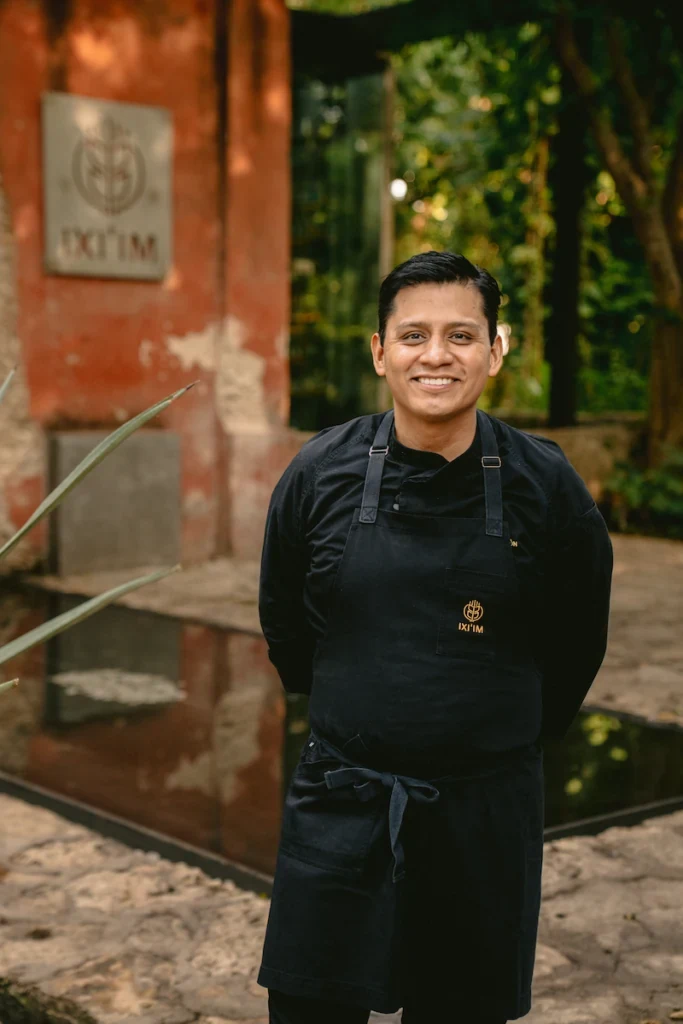
In Residence
Luis Ronzon
Chef
- 01CuisineModern Yucatecan Fine Dining
- 02CityMérida, Mexico
Pib smoke in the engine room
- Star Wine List · 2026
- Wine Spectator Award of Excellence · 2026
- Pearl Recommended Restaurant · 2025
- The Best Chef Two Knives · 2025
Technique held against Yucatecan memory
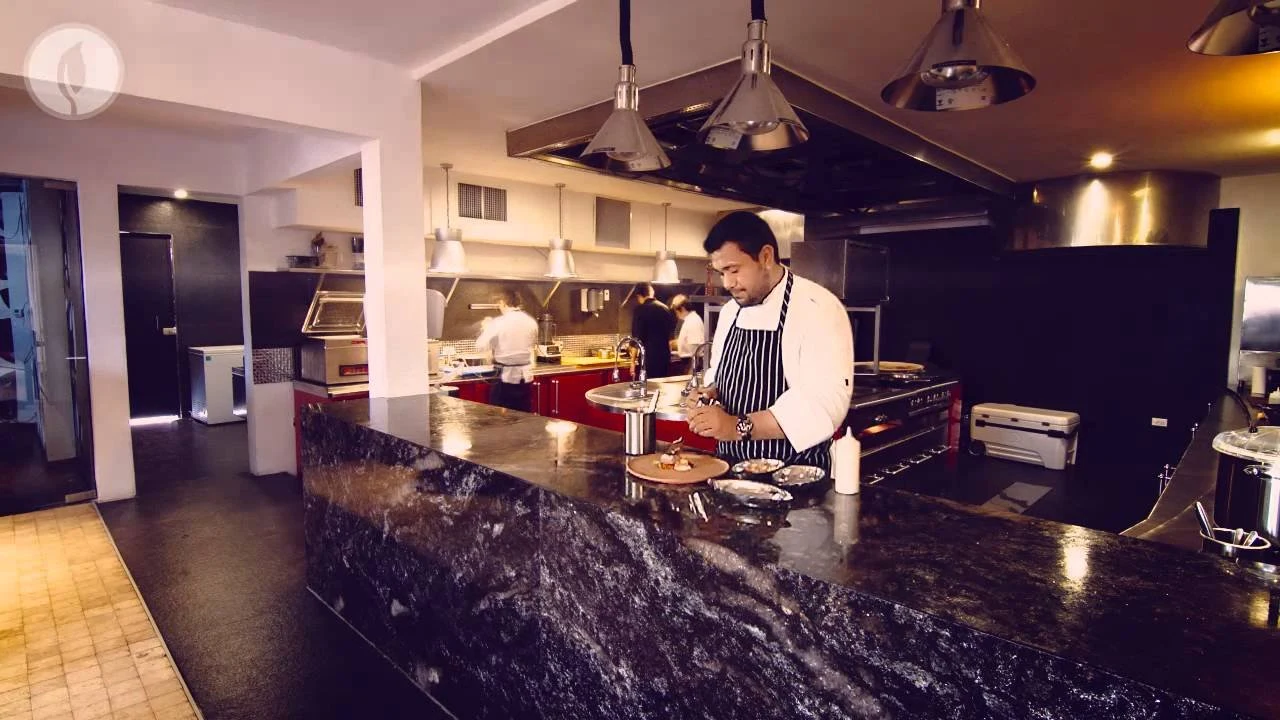
Luis Ronzon sets contemporary technique against Yucatecan memory as chef at Ixiim Restaurant in Chochola, Mérida, Mexico, where the pass sits inside a former hacienda mill. His cooking has moved through disciplined rooms: training at Noma and Malabar, work at Quintonil in Mexico City, then the kitchen at Chablé Yucatán. Those kitchens matter here not as decoration, but as a way of reading his method. Ronzon keeps polish close to structure, letting regional flavor carry the plate without turning it into a citation.
At Ixiim, Luis Ronzon works within a Contemporary Mexican frame sharpened by Yucatecan roots. The restaurant belongs to a 19th-century henequen hacienda in Chocholá, a rural village outside Mérida, and the setting gives the food a particular pressure. Maya agricultural memory, the smoky depth of pib cooking, local gardens, seafood, lechon, venado risotto and langosta con avellana all sit within the same vocabulary. The point is not to preserve hacienda cooking untouched. Ronzon’s task is harder: to keep the hand of the region visible while the station asks for control, pacing and a tasting-menu discipline.
The Sunday letter
Find new places through the people who run them.
Our Sunday email brings you the chefs, winemakers and hoteliers behind our newest stories. See a sample before you subscribe.
See a sample of the Sunday emailOne email a week. Unsubscribe from any issue.
Pib smoke, garden herbs and a tequila wall
The menu turns on a limited set of dishes rather than breadth. Lechon carries the table toward the older Yucatecan register; venado risotto pulls game into a finer grain of technique; langosta con avellana sets seafood against fat, sweetness and restraint. The kitchen also works with lobster tatar, scallops, tiradito, sea bass, mamey panna cotta and chocolate tamale, a set of preparations that lets the place move between the coast, the garden and the memory of corn.
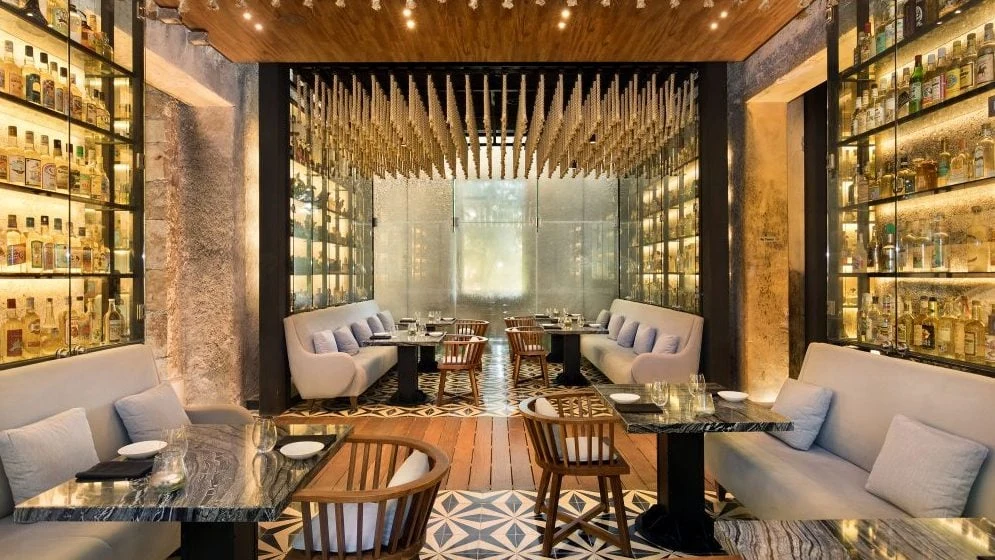
Measurement enters the room through the beverage program as much as the kitchen. Ixiim holds a tequila collection of 3,435 bottles, including 1845 Brindis por México by José Cuervo and editions carrying Rufino Tamayo artwork. The shelves are not a back-bar boast hidden behind service; they shape the dining room itself, turning agave into architecture. The wine program is curated around the tasting menu, while the tequila program gives the house its own cellar language.
The former engine room at service
The room keeps the old work in view. Ixiim occupies the former mill and engine room of the hacienda, rebuilt as a metal-framed glass pavilion that looks into Mayan gardens and the surrounding landscape. Floor-to-ceiling windows pull the evening light across the tables; outside, terrace seating sits under century-old trees. Inside, the pass has the quiet formality of a resort dining room, but the bones of the building resist softness.
That tension suits Ronzon’s food. A plate of lechon can arrive in a room once built for sisal production; a glass of tequila can sit before shelves that read almost like an archive. At Ixiim, the strongest detail stays physical: pib smoke, garden herbs, the tequila wall, glass, metal and the former engine room.
Questions
Frequently asked
Who cooks at Ixiim Restaurant?
Luis Ronzon is the chef at Ixiim Restaurant, where he works with contemporary Mexican technique shaped by Yucatecan roots.
What kind of restaurant is Ixiim?
Ixiim Restaurant is a modern Yucatecan fine dining restaurant in Chocholá, set within a 19th-century henequen hacienda outside Mérida.
What dishes is Ixiim known for?
The menu includes lechon, venado risotto and langosta con avellana, alongside dishes such as lobster tatar, scallops, tiradito, sea bass, mamey panna cotta and chocolate tamale.
What should a booking at Ixiim look like?
Reservations are essential, the dress code is smart casual, and there is on-site parking.
What is the setting like at Ixiim Restaurant?
The restaurant occupies the former mill and engine room of the hacienda, rebuilt as a metal-framed glass pavilion with views of Mayan gardens and the surrounding landscape.
The field
How it compares
| Place | Cuisine | Notes | Awards |
|---|---|---|---|
| Ixiim Restaurant | Modern Yucatecan Fine Dining | Chochola, $$$$ | · |
| Geranium | Modern New Nordic Pescatarian | Copenhagen | Michelin 3 Stars, World's 50 Best |
| Kuuk | Modern Yucatecan Fine Dining | Mérida | · |
| Micaela Mar & Leña | Modern Mexican Seafood & Grill | Mérida | · |
| Piazza Duomo | Modern Piedmontese Fine Dining | Alba | Michelin 3 Stars, World's 50 Best |
| Quique Dacosta | Avant-Garde Spanish Fine Dining | Dénia | Michelin 3 Stars, World's 50 Best |
| The Glenturret Lalique Restaurant | Modern Scottish Fine Dining | Crieff | Michelin 2 Stars |
In residence
Similar places
Modern New Nordic Pescatarian
Geranium
Copenhagen, Denmark
★★★ · 50 Best
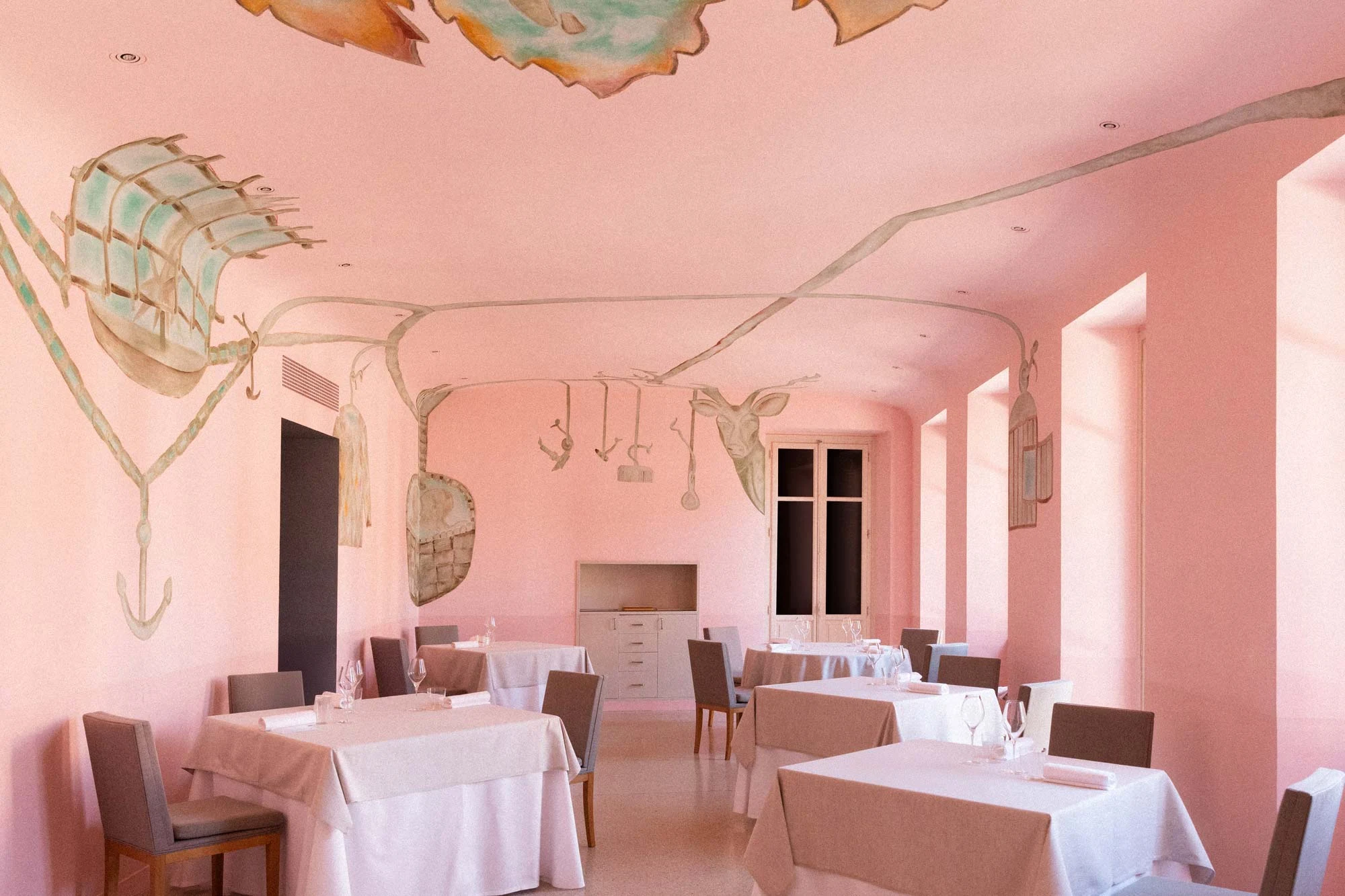
Modern Yucatecan Fine Dining
Kuuk
Mérida, Mexico
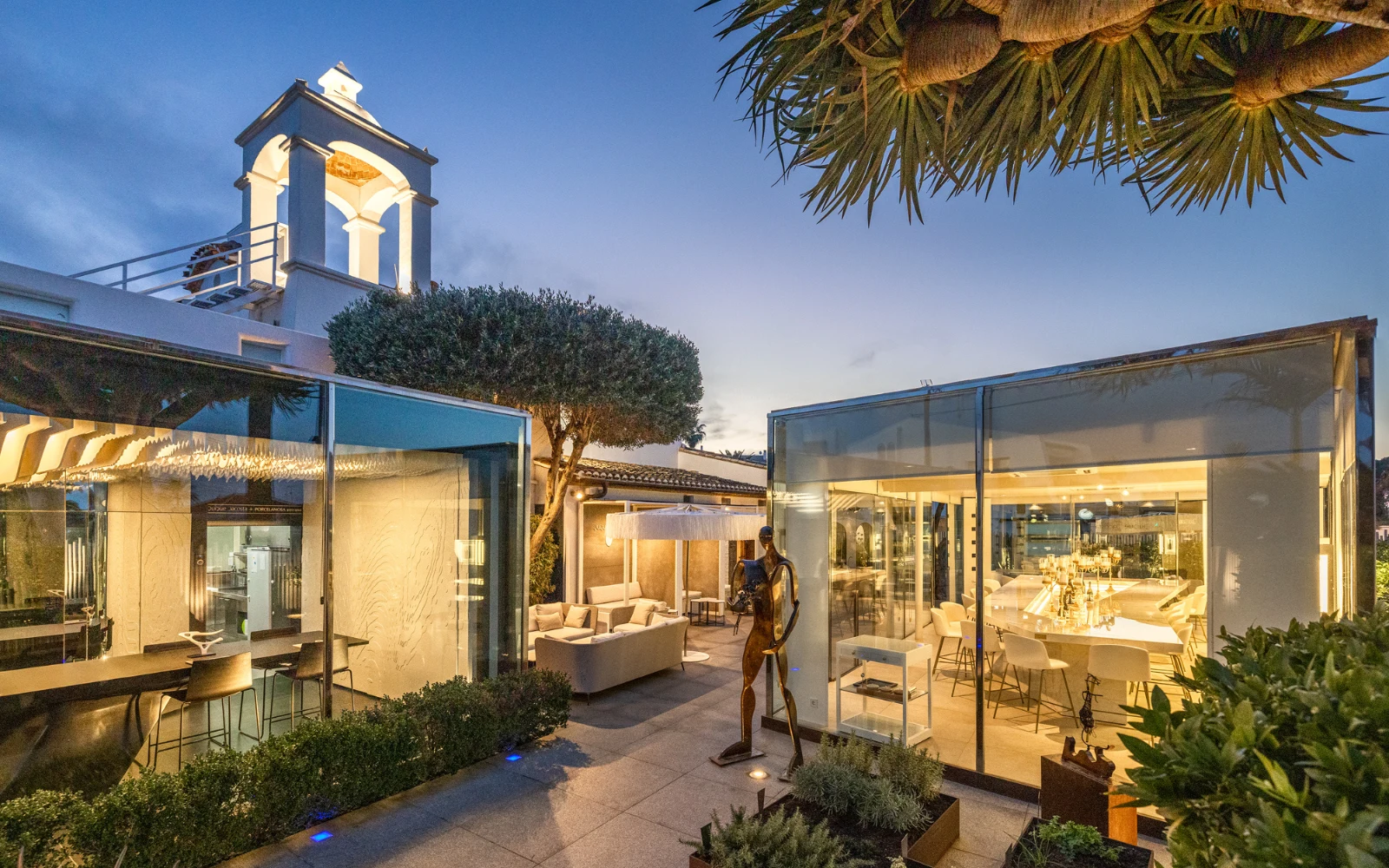
Modern Mexican Seafood & Grill
Micaela Mar & Leña
Mérida, Mexico
Modern Piedmontese Fine Dining
Piazza Duomo
Alba, Italy
★★★ · 50 Best
Avant-Garde Spanish Fine Dining
Quique Dacosta
Dénia, Spain
★★★ · 50 Best
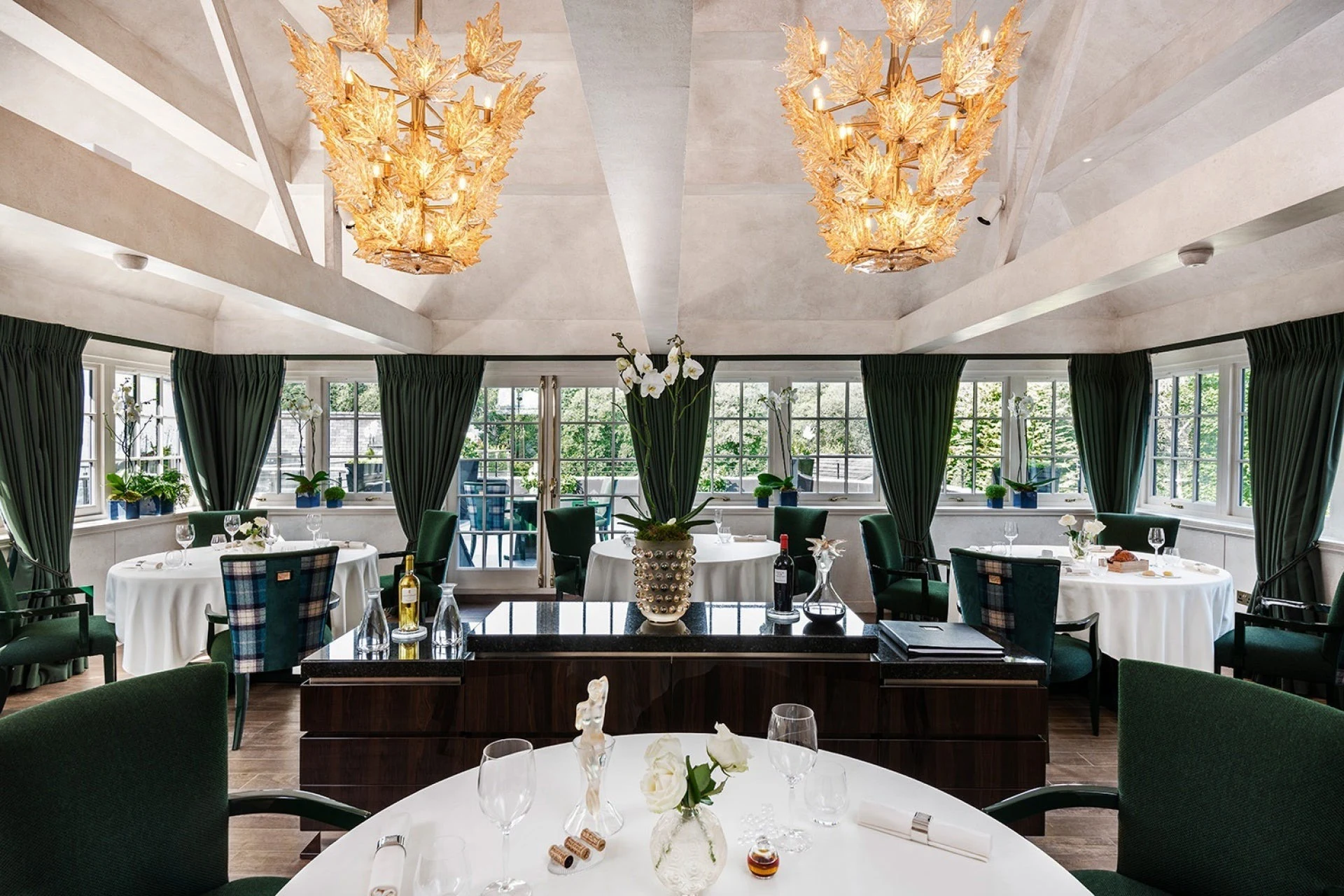
Modern Scottish Fine Dining
The Glenturret Lalique Restaurant
Crieff, United Kingdom
★★

The Sunday letter
Get the next Made By story in your inbox.
We send one email every Sunday morning with the places and people we covered that week.
See a sample of the Sunday emailOne email a week. Unsubscribe from any issue.