- Falstaff Winery - Listed · 2026
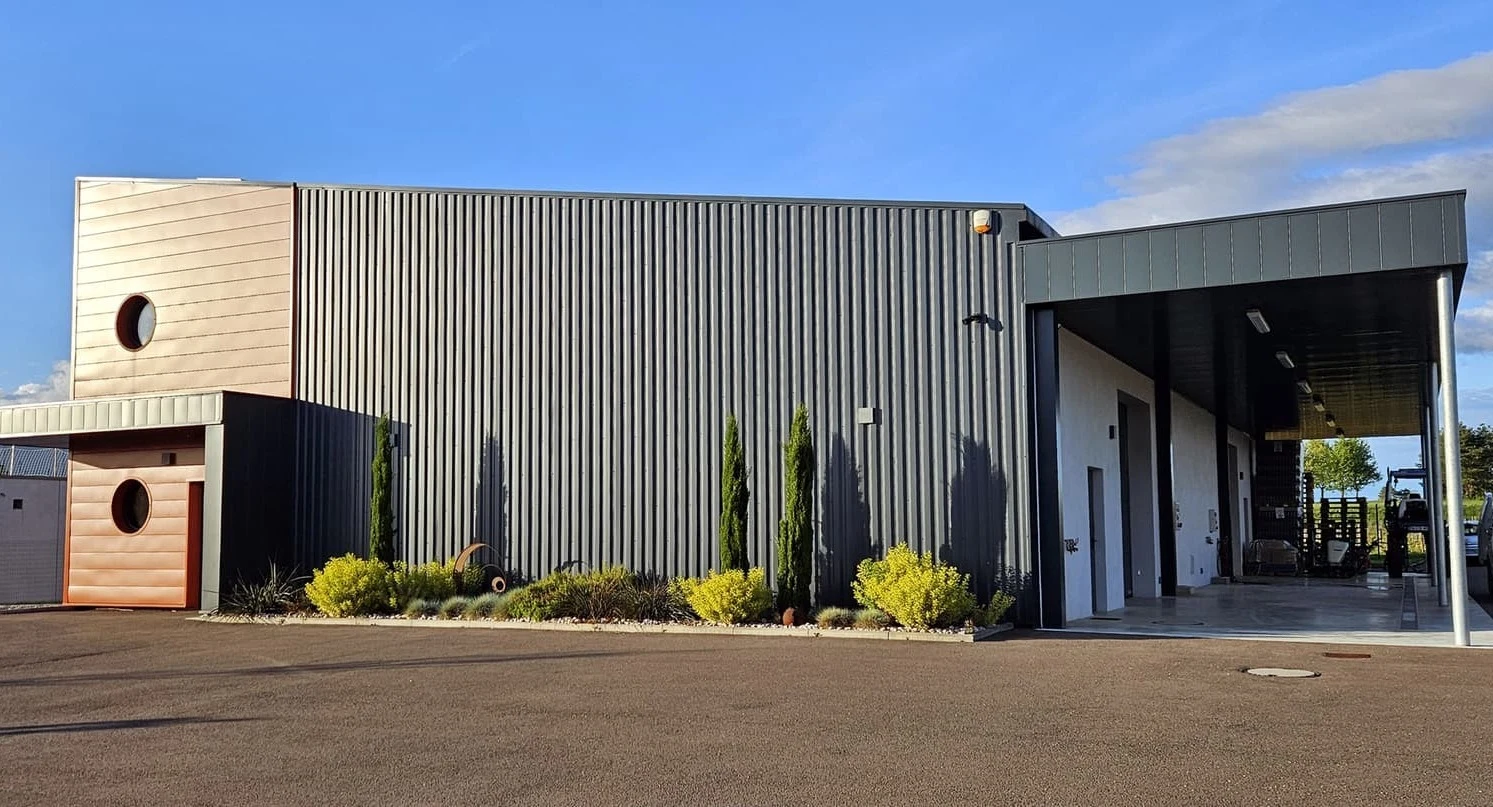
Jaillet Wein is a small, personal winery in Ruppertsberg. The picture is modest and specific: a quiet, rustic, hidden-gem producer shaped by a direct father-son working relationship and an emphasis on regional, sustainable, fair production. That combination gives the venue its clearest identity. It suggests a place where the human scale matters as much as any broader description, and where the main point is not spectacle but proximity to the people and values behind the wine. Beyond that, the available detail is intentionally limited, so the most honest way to read the venue is as a low-key winery rather than a place defined by elaborate hospitality claims, ratings, or a documented formal visitor program.
A small Ruppertsberg winery with a personal working culture
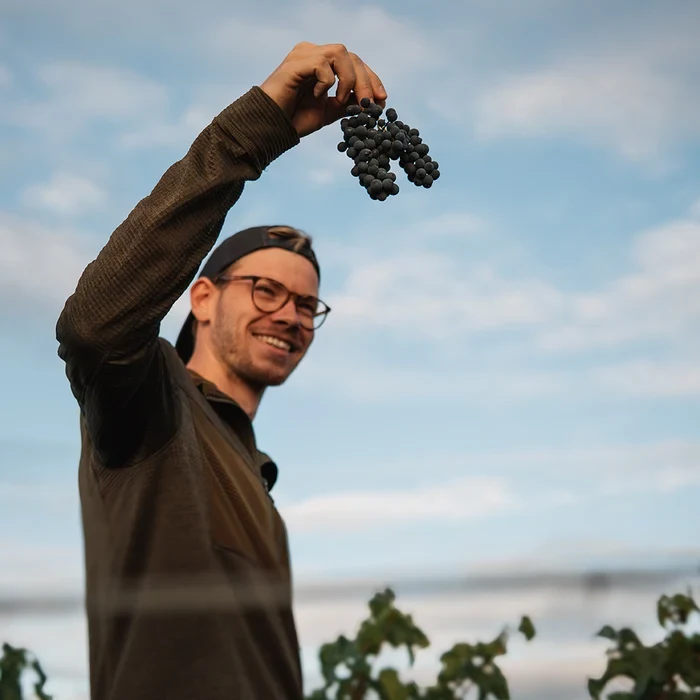
The clearest draw at Jaillet Wein is its scale and tone. It is presented as a small winery run by Philipp Jaillet, with the father-son working relationship forming part of the character of the place. That gives the venue a personal, producer-led feel rather than the atmosphere of a large, highly staged destination. The emphasis falls on a working culture that feels close to the source: family, region, and a modest sense of craft rather than a polished narrative built around luxury cues.
For visitors comparing options in Ruppertsberg, Jaillet Wein is best understood through that quiet profile: rustic, understated, and rooted in a regional approach. The word “hidden-gem” is useful here not because it proves exclusivity, but because it points to a smaller, less showy kind of appeal. It is the sort of description that asks visitors to pay attention to tone and setting rather than to expect a long checklist of services.
The useful expectation is simple: Jaillet Wein is a small Ruppertsberg winery with a personal identity and a stated emphasis on regional, sustainable, fair production. It is not necessary to frame it through rankings or luxury cues to understand its appeal. In fact, doing so would risk missing the point. The available information supports a more grounded reading: this is a venue whose attraction comes from restraint, locality, and the sense that the producer’s own presence and working relationships matter.
Regional, sustainable, fair: the positioning is clear, the technical claims are restrained
Jaillet Wein’s positioning centers on regional, sustainable, and fair production. Those words are broad, but they are still meaningful as a statement of direction. They place the winery in a context of responsibility and locality, without requiring the page to claim more than it knows. The result is a clear but careful description: Jaillet Wein is presented through values, not through an expanded technical dossier.
That restraint matters. This page should not invent a detailed wine program, list grape varieties, describe a menu, or make claims about walk-in visits, delivery, take-out, dietary accommodation, lunch service, or hospitality infrastructure. The grounded story is narrower and cleaner: Jaillet Wein is a small, personal Ruppertsberg winery with a quiet, rustic character. The absence of extensive detail should be treated as a boundary, not as an invitation to fill in blanks. For readers, that means the most reliable understanding is also the simplest one.
For a broader day in Ruppertsberg, travelers can compare Jaillet Wein with other local dining or wine-related options generically, but no specific peer venue is here beyond Jaillet Wein itself. In that context, Jaillet Wein’s role is not to be overdefined. It sits comfortably as a modest local winery option, especially for people drawn to small producers and to places whose appeal is expressed through setting, scale, and stated values rather than through a long public-facing program.
How to read the visit: personal scale first, assumptions second
The ideal way to approach Jaillet Wein is with modest expectations and attention to its character. It is described as quiet, hidden-gem, and rustic, with a personal family working dynamic and a focus on regional, sustainable, fair production. Those are the dependable signals. They suggest a visit or interest shaped by curiosity, patience, and appreciation for a smaller local producer, rather than by the expectations one might bring to a heavily marketed wine destination.
Because the data is limited, visitors should avoid assuming specific opening hours, reservation rules, tasting structures, prices beyond the listed $ level, vineyard holdings, award history, or detailed wine styles. The appeal is the small-scale Ruppertsberg setting and the personal nature of the winery. Anyone planning around Jaillet Wein should treat the available description as a starting point, not a complete practical guide. The safest interpretation is that the venue’s charm lies in its low-key identity, while logistical or technical details should not be presumed from the general description.
In short, Jaillet Wein is best framed as a low-key Ruppertsberg winery for people who value a small, personal producer over a heavily packaged destination. Its strongest impression comes from the few elements that are consistently present: a rustic hidden-gem tone, a father-son working relationship, and a commitment to regional, sustainable, fair production. Kept within those lines, the venue reads clearly and honestly.
The Sunday letter
Get new places like Jaillet Wein every Sunday.
One email a week with the restaurants, bars and hotels we have just written up, and the people who run them.
One email a week. Unsubscribe from any issue.
Questions
Frequently asked
Who works at Jaillet Wein?
Made By profiles Philipp Jaillet (Winemaker) at Jaillet Wein.
How expensive is Jaillet Wein?
Jaillet Wein is listed at a price level of $.
The field
How it compares
| Place | Notes | Awards |
|---|---|---|
| Jaillet Wein | Ruppertsberg, $ | · |
| Château d'Yquem | Sauternes | World's 50 Best |
| Domaine Leroy | Vosne-Romanée | · |
| Domaine Roulot | Meursault | · |
| Weingut Dr. Josef Köhr | Ruppertsberg | · |
| Weingut Michael Andres | Ruppertsberg | · |
| Weingut Reinhardt | Ruppertsberg | · |
In residence
Similar places
The Sunday letter
Get the next Made By story in your inbox.
We send one email every Sunday morning with the places and people we covered that week.
One email a week. Unsubscribe from any issue.