Made ByRestaurant
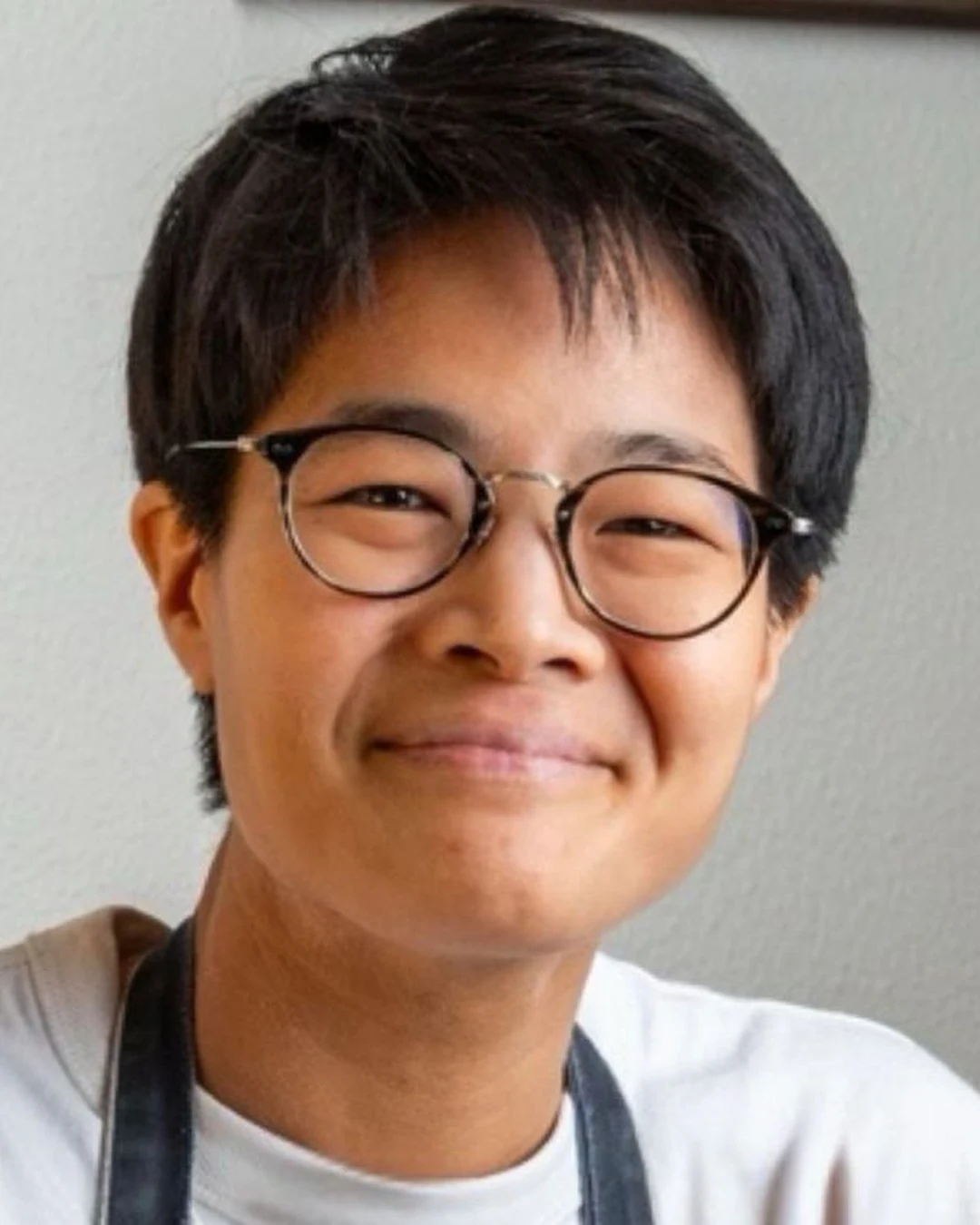
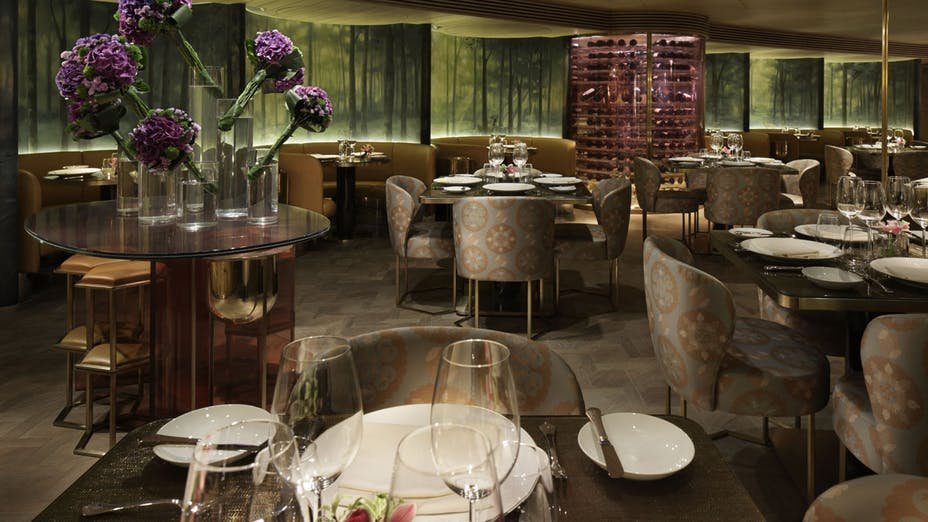
A compact French bistro on Gresson Street in Wan Chai, Jean May sits at a deliberate remove from Hong Kong's high-wattage French dining circuit. Ranked #307 on Opinionated About Dining's Asia list in 2024 and climbing to #327 in 2025, it occupies the city's small but serious tier of neighbourhood-scale French cooking that trades spectacle for precision.
At a glance
- Cuisine
- French Bistro
- Price
- $$
- Per person
- $70
- Hours
- Mon: Closed; Tue: Closed; Wed: 12–4 PM; Thu: 12–4 PM, 6–10:30 PM; Fri: 12–4 PM, 6–10:30 PM; Sat: 12–4 PM, 6–10:30 PM; Sun: 12–4 PM
- Neighborhood
- Wan Chai
- Rating
- 4.3 (250)
<section><h2>A Side Street, a French Idea</h2><p>Wan Chai's Gresson Street does not announce itself. The strip runs a short block between Johnston Road and the market stalls of Cross Street, its shopfront rhythm closer to the neighbourhood's older working character than to the cocktail bars and hotel lobbies that now occupy much of the district. It is the kind of address where a certain type of French restaurant has always made sense: close enough to foot traffic to survive, removed enough from the tourist circuit to develop a genuine regular clientele.</p><p>That dynamic, the neighbourhood bistro as community anchor rather than destination spectacle, is one of the defining ideas in French culinary culture. The original Paris bistros of the nineteenth century were not grand restaurants. They were modest rooms where set menus and chalk-board specials kept the kitchen manageable and the prices honest. What distinguished the better ones was not scale but consistency: a cook who understood the repertoire, a room that developed its own atmosphere through repeated visits, and food that made sense of the season. Jean May, at Shop A, 14 Gresson Street, operates in that tradition.</p></section><section><h2>Where Jean May Sits in Hong Kong's French Dining Hierarchy</h2><p>Hong Kong's French restaurant scene spans a considerable range. At the formal end, three-Michelin-starred rooms like <a href="https://www.enprimeurclub.com/restaurants/caprice-hong-kong-restaurant">Caprice</a> and long-established hotel dining rooms such as <a href="https://www.enprimeurclub.com/restaurants/gaddis-hong-kong-restaurant">Gaddi's</a> and <a href="https://www.enprimeurclub.com/restaurants/petrus-hong-kong-restaurant">Petrus</a> anchor a tier of formal French cooking where the wine lists run to hundreds of pages and the service teams are counted by floor section. Contemporary French in the city also includes tasting-menu formats like <a href="https://www.enprimeurclub.com/restaurants/amber-hong-kong-restaurant">Amber</a>, which operates at the intersection of French technique and ingredient sourcing at a level where the booking window stretches weeks ahead.</p><p>Jean May does not compete in that tier, and that is not a concession, it is a position. The bistro tradition has always existed in deliberate contrast to the grand restaurant. Where the latter asks for ceremony, the former asks for comfort. Where tasting menus impose sequence and pacing, the bistro format gives the diner agency: what to order, how much, how long to stay. In Hong Kong, this middle register of serious-but-casual French dining is genuinely thin. The city builds restaurants toward either luxury or speed; the patient, moderately priced French room with culinary ambition is a rarer thing.</p><p>That gap is part of what makes Opinionated About Dining's recognition of Jean May meaningful in context. The list skews toward venues where cooking quality drives the score rather than room design or service theatre. Appearing on the Asia list consecutively, Recommended in 2023, #307 in 2024, #327 in 2025, places Jean May in a comparable set that includes <a href="https://www.enprimeurclub.com/restaurants/racines-hong-kong-hong-kong-restaurant">Racines</a> and situates it well above the general market for French cooking in the city, even without the Michelin infrastructure that frames most public conversation about fine dining in Hong Kong.</p><p>For comparison, the French category across Asia has produced some of the region's most closely watched addresses: <a href="https://www.enprimeurclub.com/restaurants/les-amis-singapore-restaurant">Les Amis</a> in Singapore, <a href="https://www.enprimeurclub.com/restaurants/sezanne-tokyo-restaurant">Sézanne</a> and <a href="https://www.enprimeurclub.com/restaurants/leffervescence-tokyo-restaurant">L'Effervescence</a> in Tokyo, and the more technically exacting rooms like <a href="https://www.enprimeurclub.com/restaurants/esquisse-tokyo-restaurant">ESqUISSE</a> and <a href="https://www.enprimeurclub.com/restaurants/florilege">Florilège</a>. Jean May operates at a smaller scale and without that institutional weight, but its consecutive OAD presence suggests it is doing something consistently right in a category where consistency is the hardest thing to maintain.</p></section><section><h2>The Bistro Format as Discipline</h2><p>The bistro tradition is frequently romanticised and rarely understood clearly. What defined the classic French bistro was not checkered tablecloths or zinc bars but a specific culinary discipline: a tight menu, cooked to order, with technique applied in service of flavour rather than performance. Sauces built from reduction rather than garnish. Proteins cooked through, not presented raw at the table. A wine list chosen to drink with the food rather than to impress at the table.</p><p>That discipline is harder to maintain than it looks. The economics of a small room with a short menu and lunch service require a kitchen that wastes little and executes reliably. The bistro model amplifies every inconsistency because there is nowhere to hide behind elaborate plating or a sixteen-course structure that distributes attention across many dishes. Chef Tiffany Lo works within these constraints at Jean May, and the restaurant's sustained attention over three consecutive years suggests the kitchen is holding its standard across those constraints.</p><p>The international bistro tradition also has a reference point in Europe that informs how these rooms are judged. <a href="https://www.enprimeurclub.com/restaurants/hotel-de-ville-crissier-crissier-restaurant">Hotel de Ville Crissier</a> in Switzerland and <a href="https://www.enprimeurclub.com/restaurants/le-taillevent-paris-restaurant">Le Taillevent</a> in Paris represent different formal expressions of classical French cooking, but the bistro is a different inheritance: less about codified technique and more about the intelligence of simplicity. <a href="https://www.enprimeurclub.com/restaurants/la-cime-osaka-restaurant">La Cime</a> in Osaka shows how French culinary ideas translate into a smaller, chef-driven format in an Asian city context. Jean May fits into that broader pattern: French cooking adapted to a specific neighbourhood, a specific scale, and a specific sense of what a meal should feel like.</p></section><section><h2>Operating Hours and the Lunch-First Logic</h2><p>Jean May closes on Mondays and Tuesdays. From Wednesday through Sunday it runs a lunch service from noon to 4 pm. Thursday through Saturday adds a dinner window from 6 to 10:30 pm, as does Sunday. The calendar is deliberate: fewer covers, more control. Lunch is the primary format, which aligns with the bistro's historical identity as a midday destination rather than an evening occasion. The Sunday dinner service extends that logic into the week's quieter end.</p><p>In a city where the dinner reservation is often the central social unit of restaurant culture, Jean May's emphasis on lunch positions it differently in the diner's week. The lunch service on a Thursday or Friday at a room with this level of culinary credibility is an efficient use of the format: less competitive for a table, often more relaxed in pace, and well-suited to the kind of cooking that benefits from natural light and unhurried eating.</p></section><section><h2>Wan Chai as a Context for Serious Eating</h2><p>Wan Chai sits between Central's financial density and Causeway Bay's commercial energy, and its dining character reflects that in-between position. The neighbourhood holds everything from old-school Cantonese roast shops to internationally recognised wine bars, and it has historically been more tolerant of idiosyncratic, chef-driven projects than the prestige addresses of Central. That tolerance matters for a restaurant like Jean May. A small French bistro on a side street in Central would be competing directly with the hotel dining rooms and the branded international restaurants that dominate that district. In Wan Chai, it occupies its own space.</p><p> The area's character at street level remains more neighbourhood than tourist, which is consistent with the kind of clientele a bistro of this type tends to develop.</p></section><section><h3>Know Before You Go</h3><table><tr><th>Address</th><td>Shop A, 14 Gresson Street, Wan Chai, Hong Kong</td></tr><tr><th>Chef</th><td>Tiffany Lo</td></tr><tr><th>Cuisine</th><td>French</td></tr><tr><th>Lunch</th><td>Wednesday to Sunday, 12:00 pm – 4:00 pm</td></tr><tr><th>Dinner</th><td>Thursday to Saturday and Sunday, 6:00 pm – 10:30 pm</td></tr><tr><th>Closed</th><td>Monday and Tuesday</td></tr><tr><th>OAD Ranking</th><td>#327 Asia (2025); #307 Asia (2024); Recommended (2023)</td></tr><tr><th>Google Rating</th><td>4.3 from 250 reviews</td></tr></table></section><section>
Know before you go
- Dress code
- casual
- Reservations
- recommended
- Parking
- street
Frequently asked
What are the operating hours at Jean May?
Hours at Jean May: Hours: Monday Closed Tuesday Closed Wednesday 12–4 pm Thursday 12–4 pm, 6–10:30 pm Friday 12–4 pm, 6–10:30 pm Saturday 12–4 pm, 6–10:30 pm Sunday 12–4 pm.
What's Jean May known for in terms of accolades?
Jean May has received recognition including: Opinionated About Dining Top Restaurants in Asia Ranked #327 (2025); Opinionated About Dining Top Restaurants in Asia Ranked #307 (2024); Opinionated About Dining Top Restaurants in Asia Recommended (2023).
What's the signature dish at Jean May?
Jean May does not publish a fixed menu in a form that supports accurate citation, which is consistent with how a working bistro typically operates: the cooking shifts with supply and season. What is documented is the format — French bistro, chef Tiffany Lo at the helm, and a track record that earned Opinionated About Dining Top Restaurants in Asia rankings in both 2024 (#307) and 2025 (#327). That kind of recognition at a small Wan Chai address points to cooking with a consistent point of view rather than a single set-piece dish.
Where do I go for Jean May?
Jean May is located at Shop A, 14 Gresson St, Wan Chai, Hong Kong, Hong Kong.
Address
Shop A, 14 Gresson St, Wan Chai, Hong Kong
Wan Chai
How it compares
- Notes
- Wan Chai, French Bistro
- Price
- $$
- Notes
- Central, French Steak Frites Bistro
- Price
- $$
- Notes
- Wan Chai, Artisan Bakery Specializing in Sourdough Egg Tarts
- Price
- $$
- Notes
- Tai Pak, French-Japanese Fusion
- Price
- $$$
- Notes
- Central, Classic French Bistro
- Price
- $$
- Notes
- Central, Japanese Specialty Coffee
- Price
- $$
In residence
Similar places
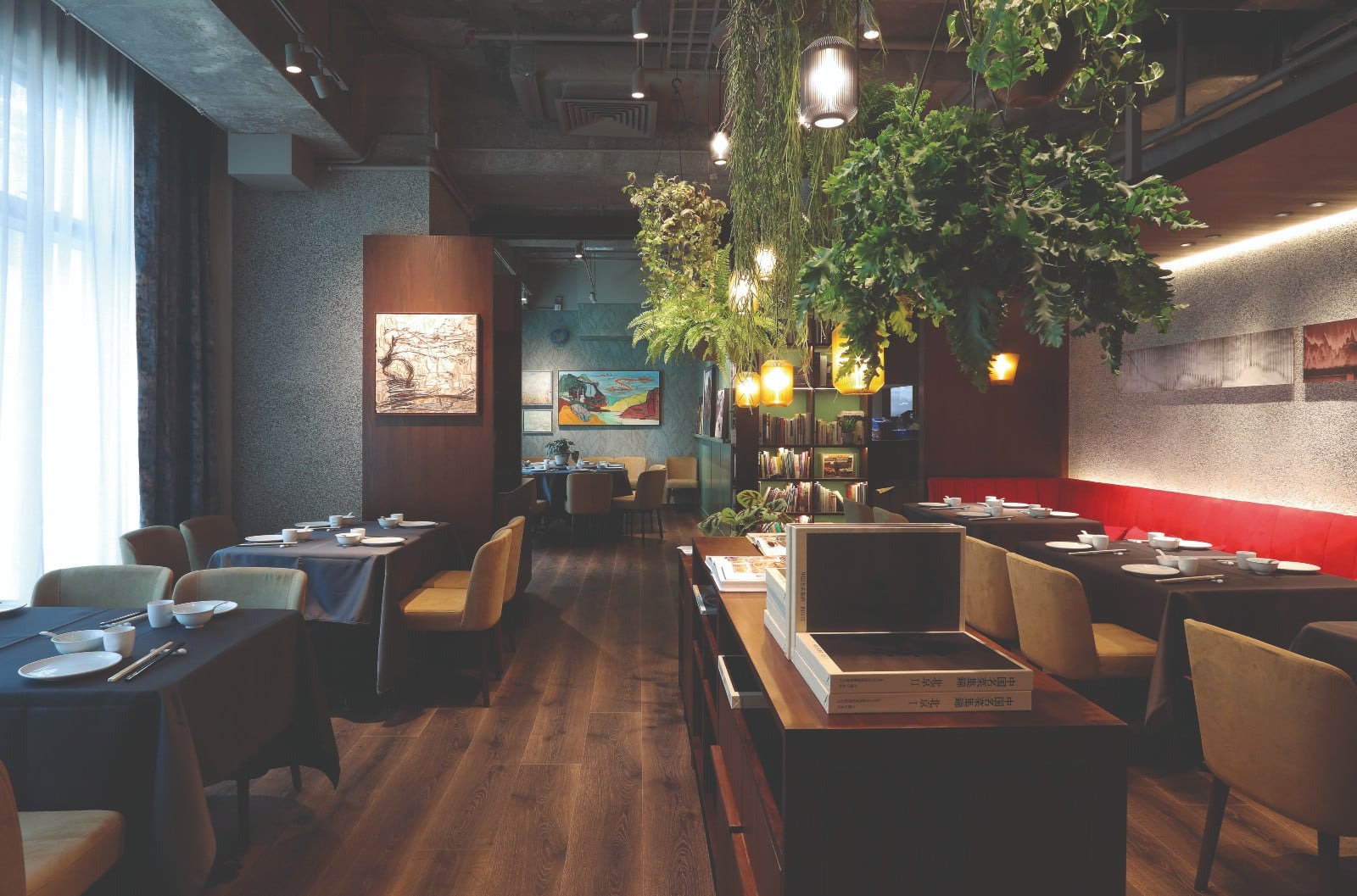
Traditional Cantonese
The Chairman
Hong Kong, Hong Kong
★ · 50 Best
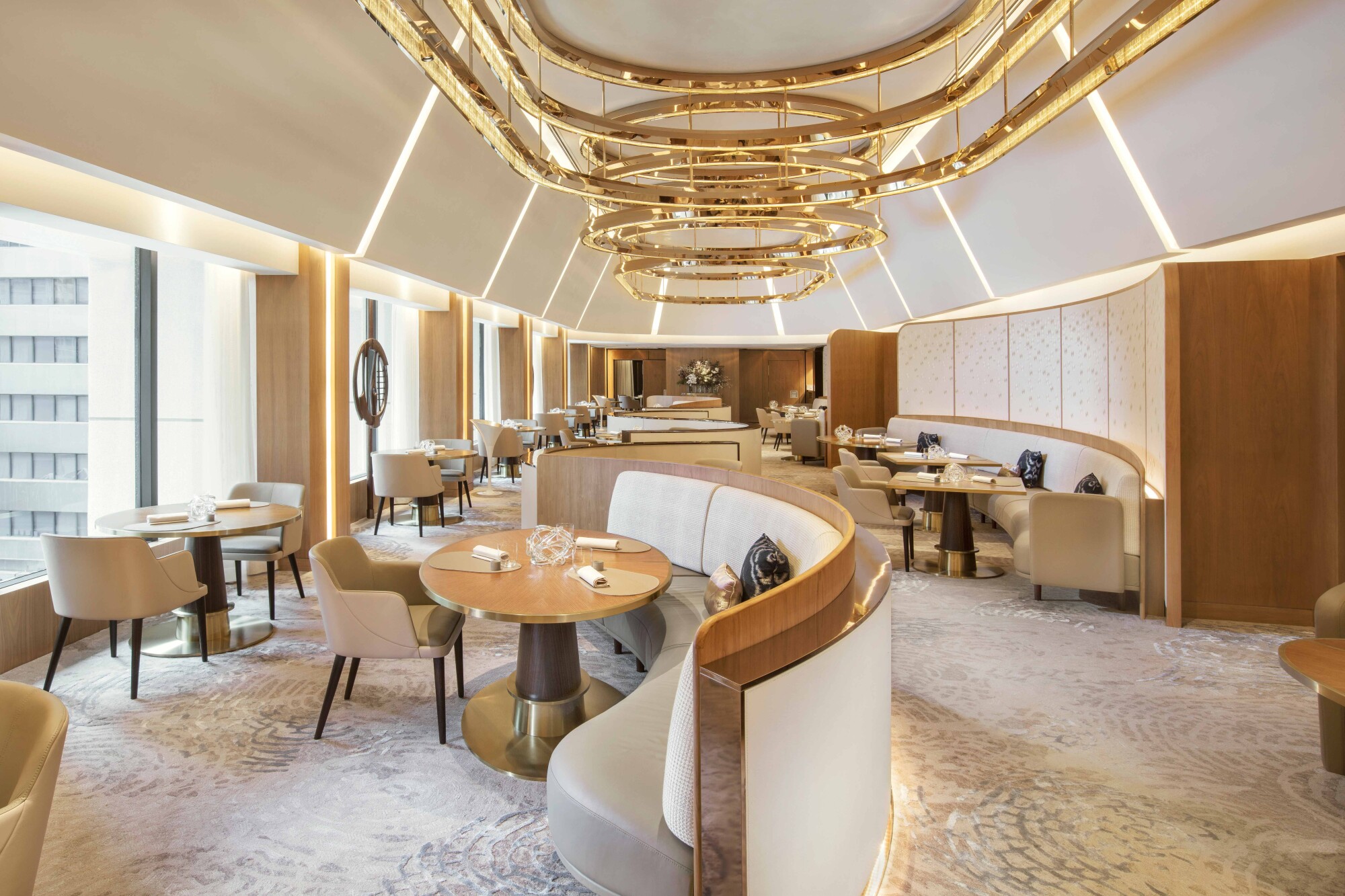
Contemporary French Fine Dining
Amber
Hong Kong, Hong Kong
★★★ · 50 Best
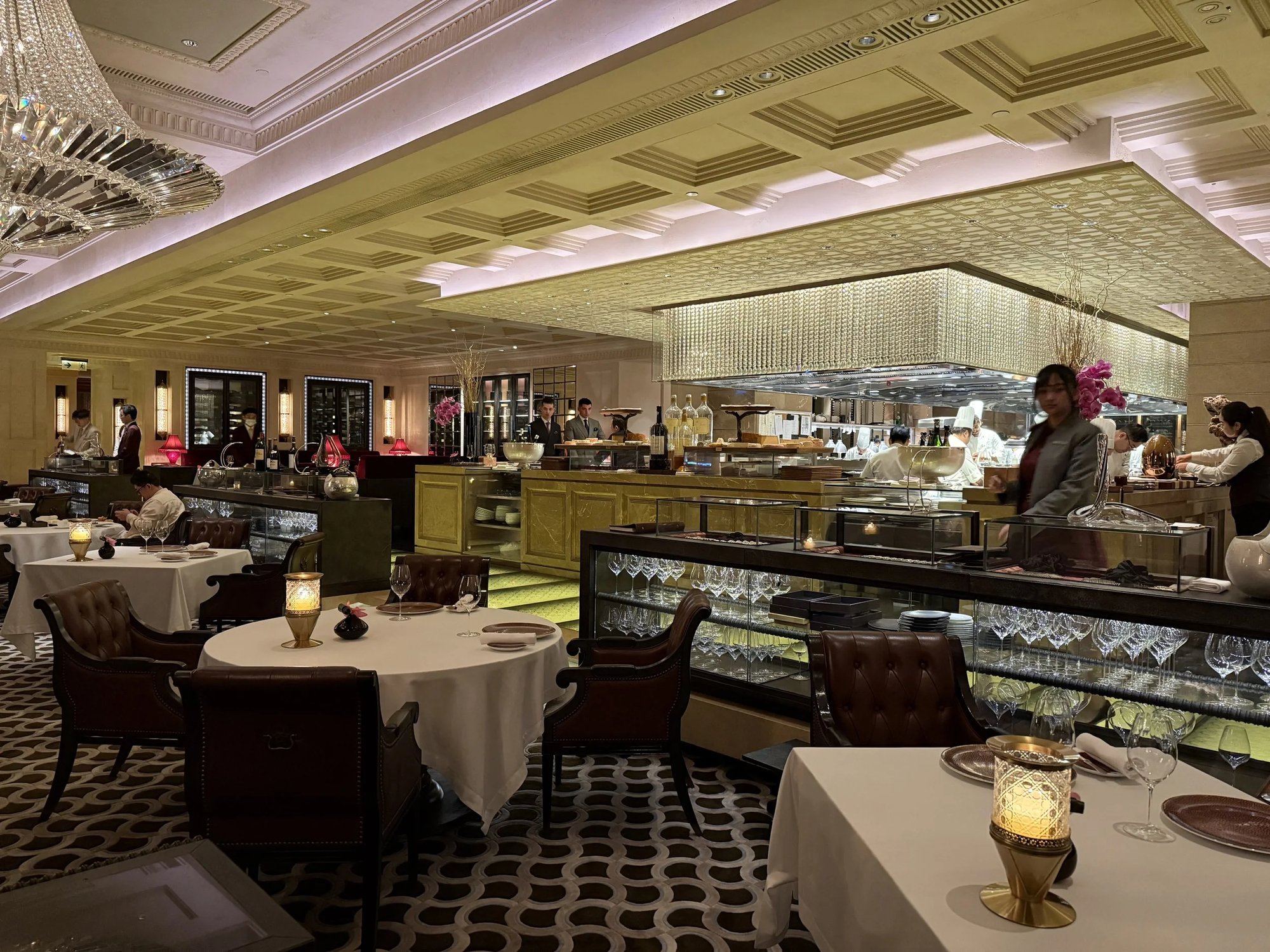
Contemporary French Fine Dining
Caprice
Hong Kong, Hong Kong
★★★ · 50 Best
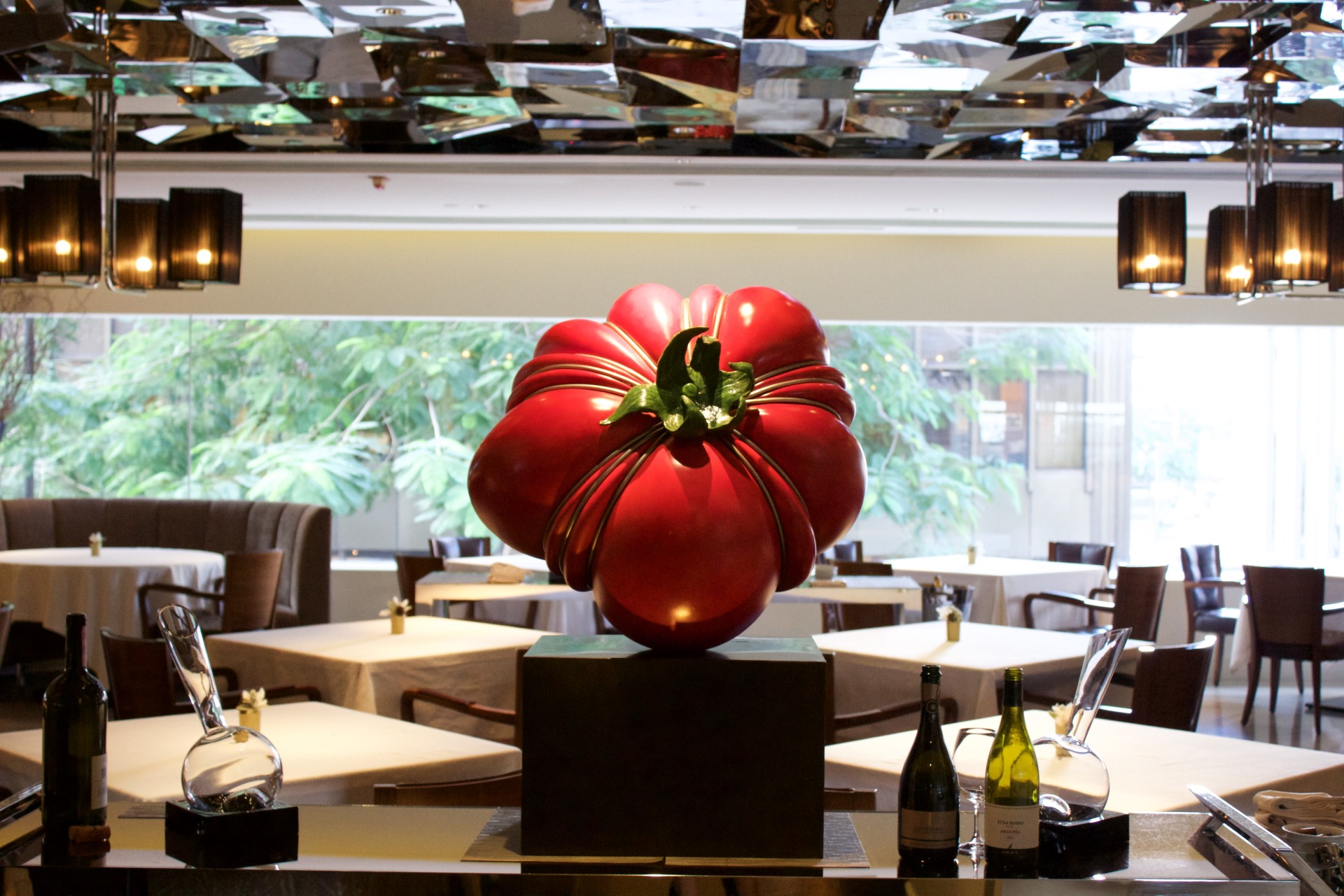
3 Michelin-Star Italian Fine Dining
8 1/2 Otto e Mezzo Bombana (Hong Kong)
Hong Kong, Hong Kong
★★★ · 50 Best
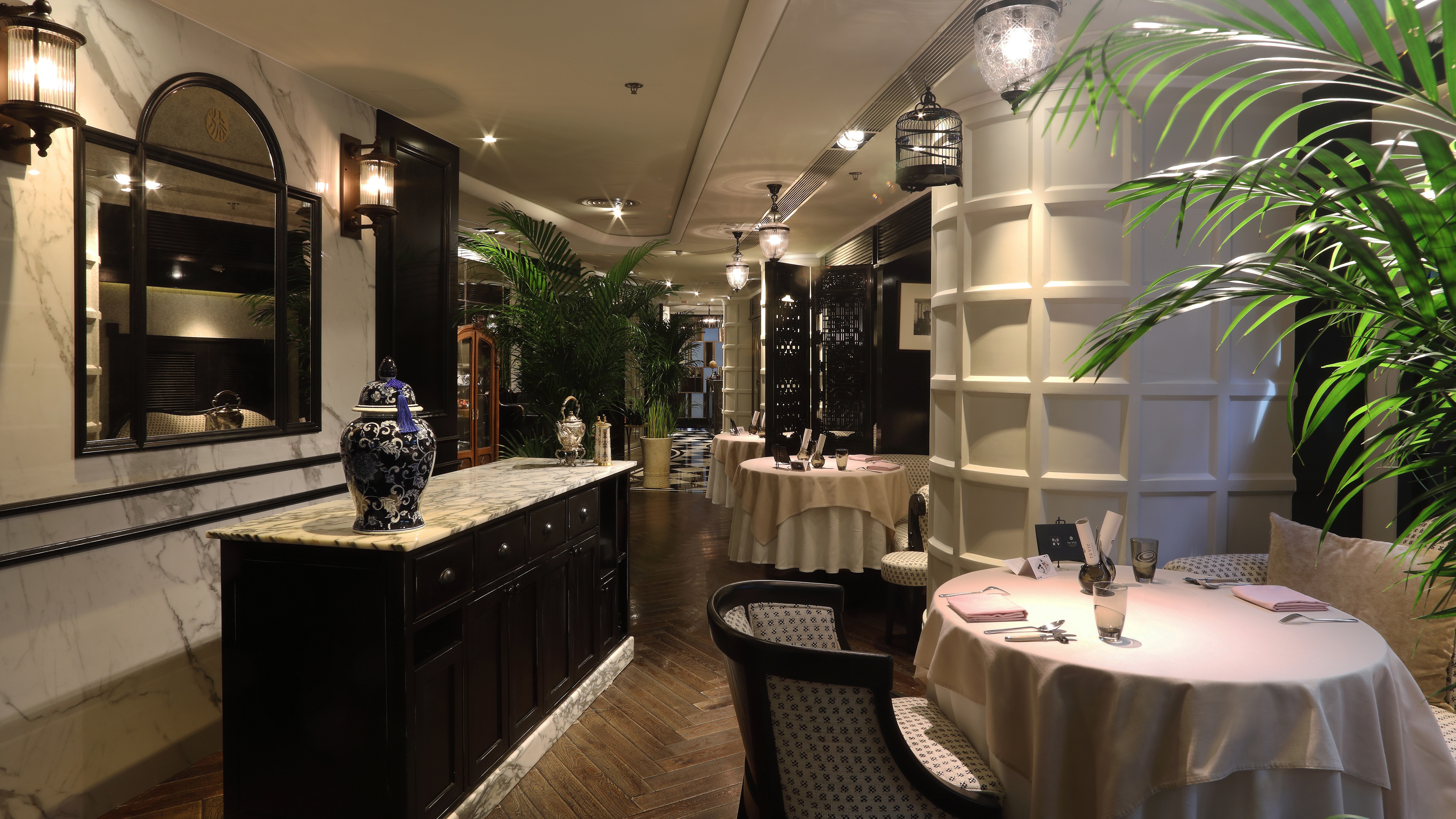
Modern French-Japanese Fine Dining
Ta Vie
Hong Kong, Hong Kong
★★★ · 50 Best
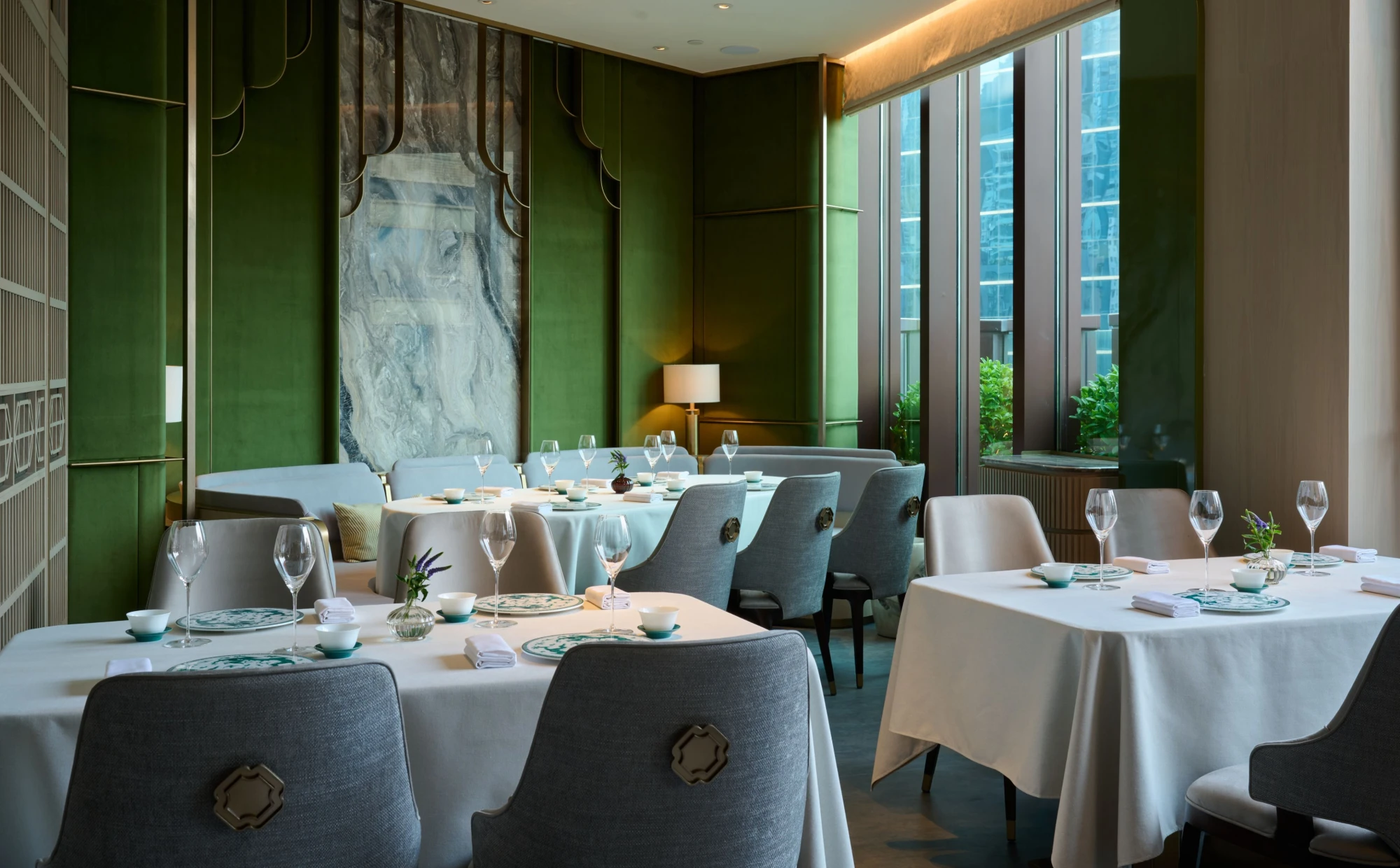
Modern Chinese Fine Dining
WING Restaurant
Hong Kong, Hong Kong
50 Best