Restaurant
Jungsik New York helped move Korean fine dining in Manhattan from novelty to serious dining category. The TriBeCa restaurant links Korean structure and fermentation with contemporary tasting-menu technique, backed by James Beard recognition, La Liste scoring, Opinionated About Dining placement, and a cellar noted for Burgundy, Bordeaux, Champagne, California, Italy, and Germany.
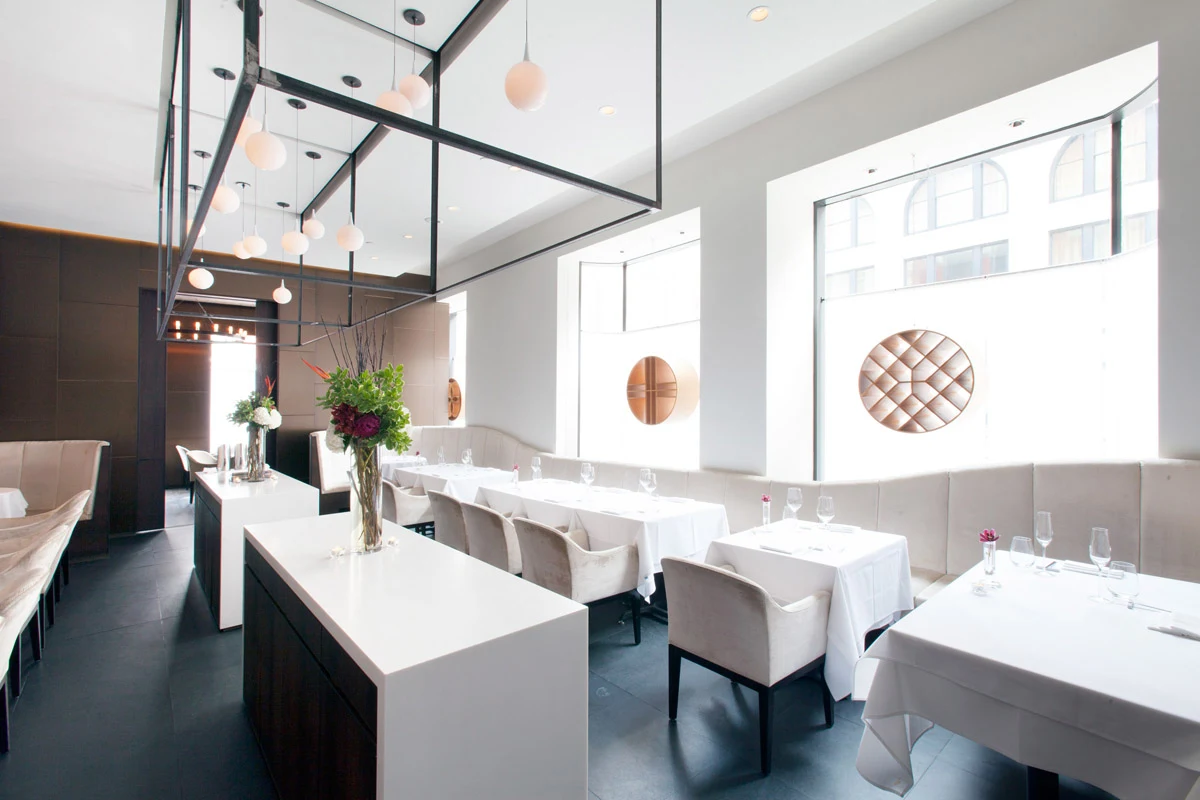
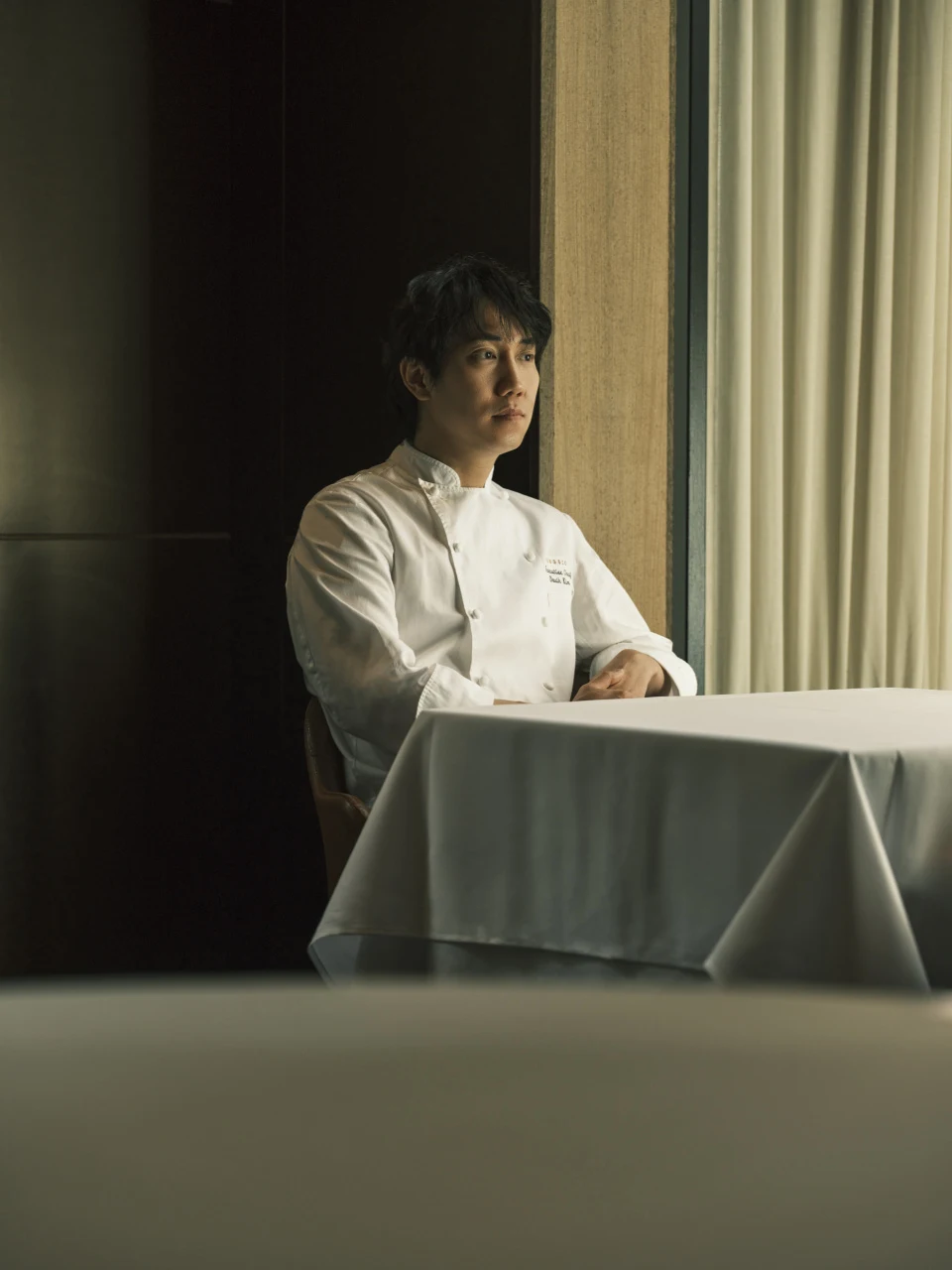
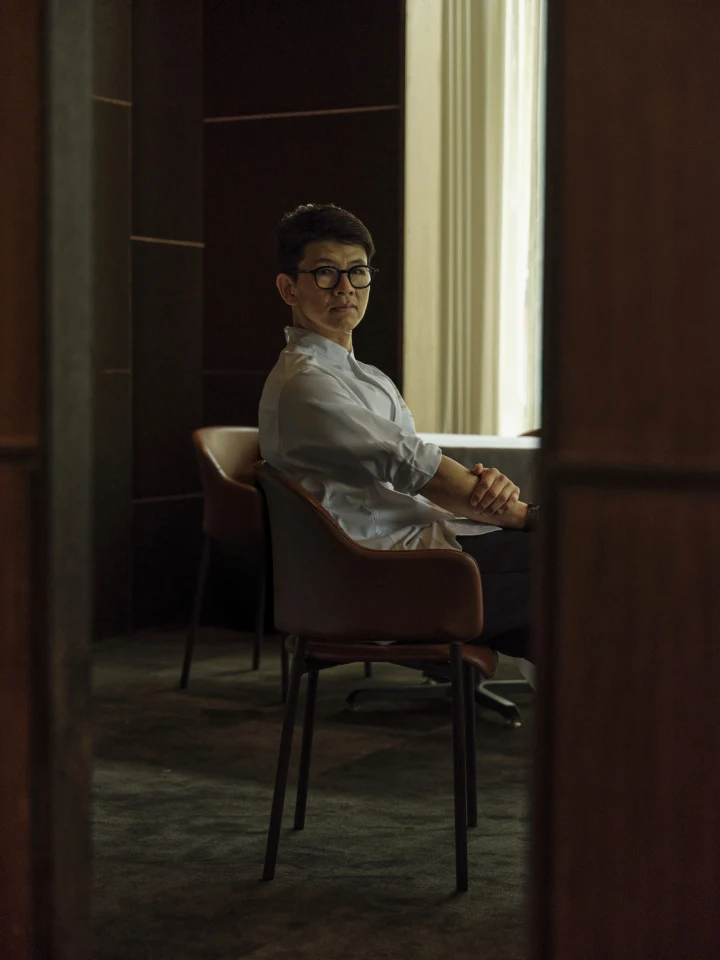
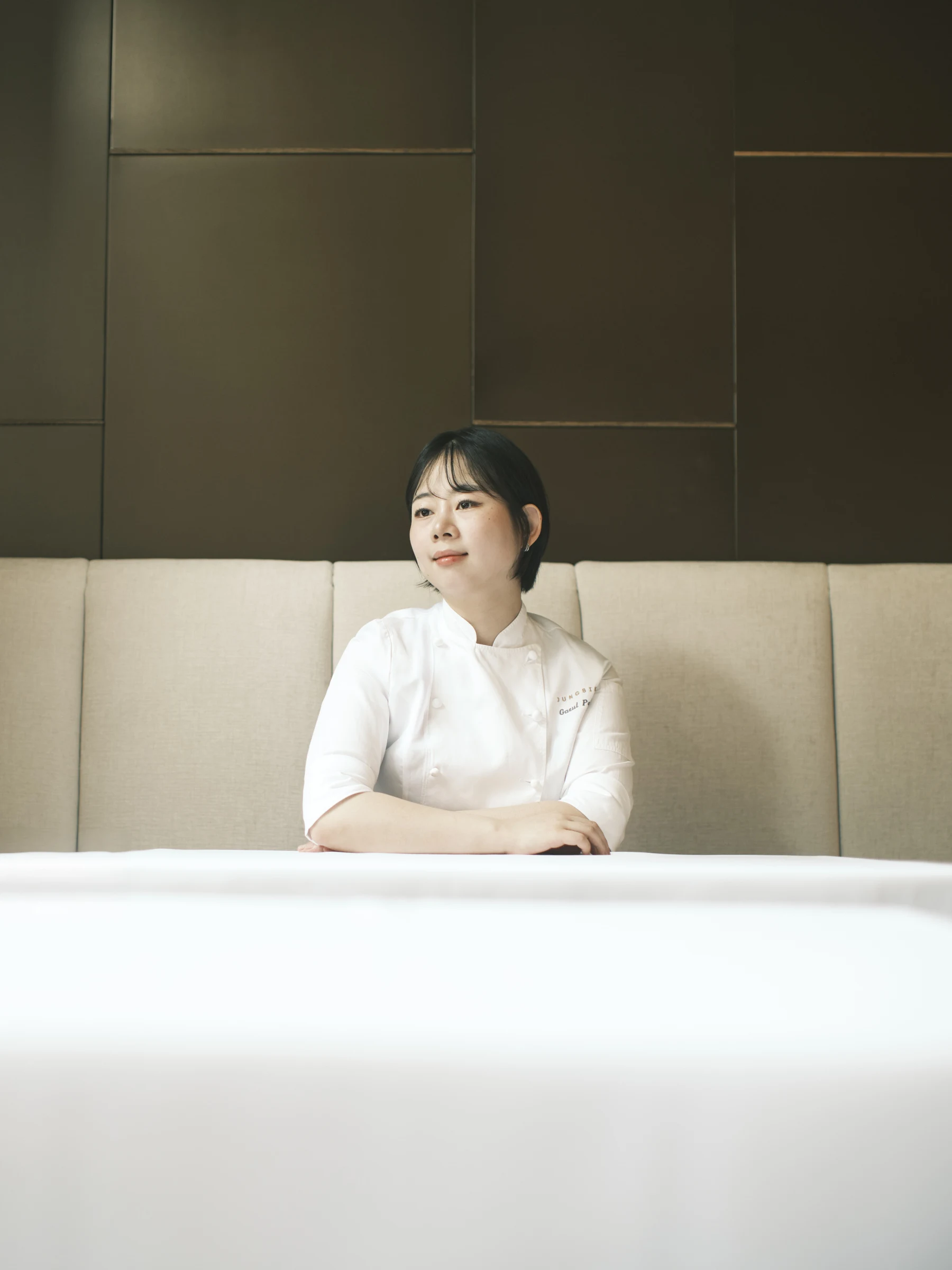
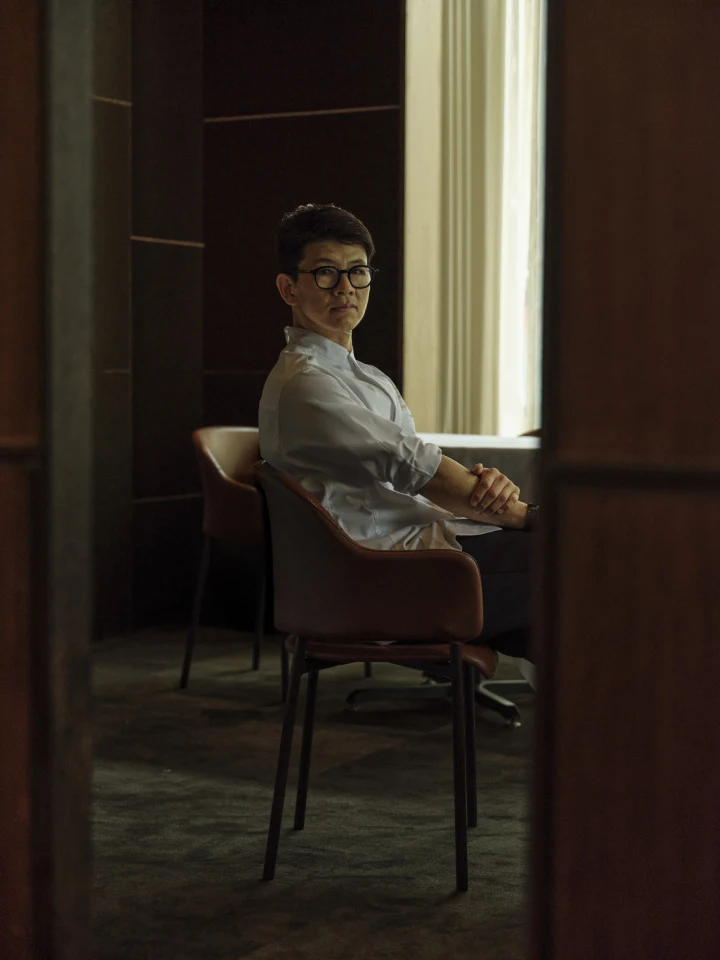
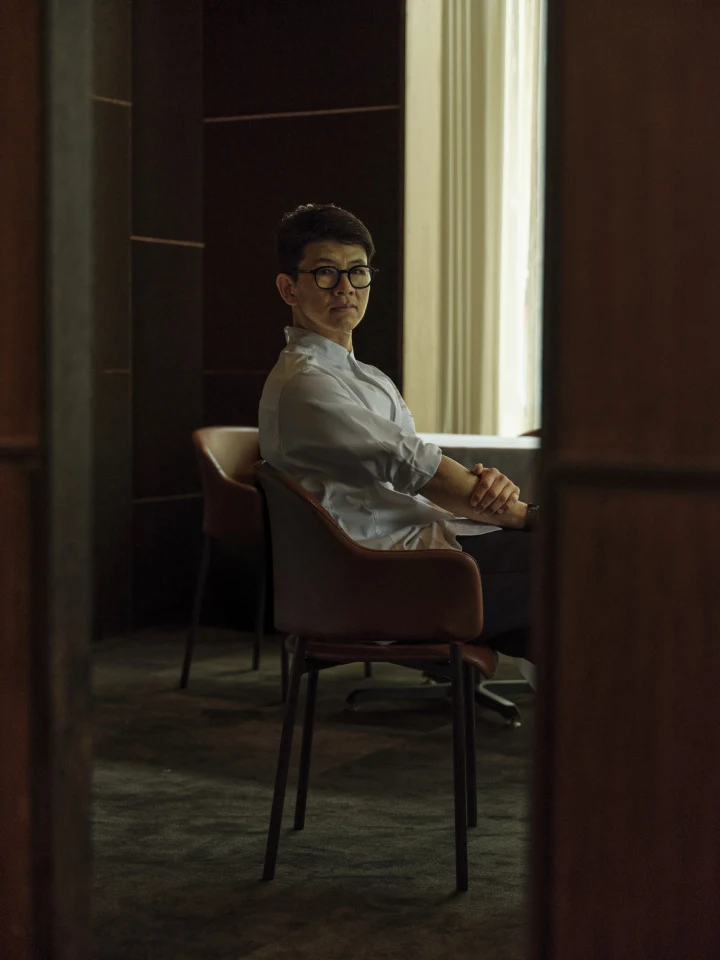
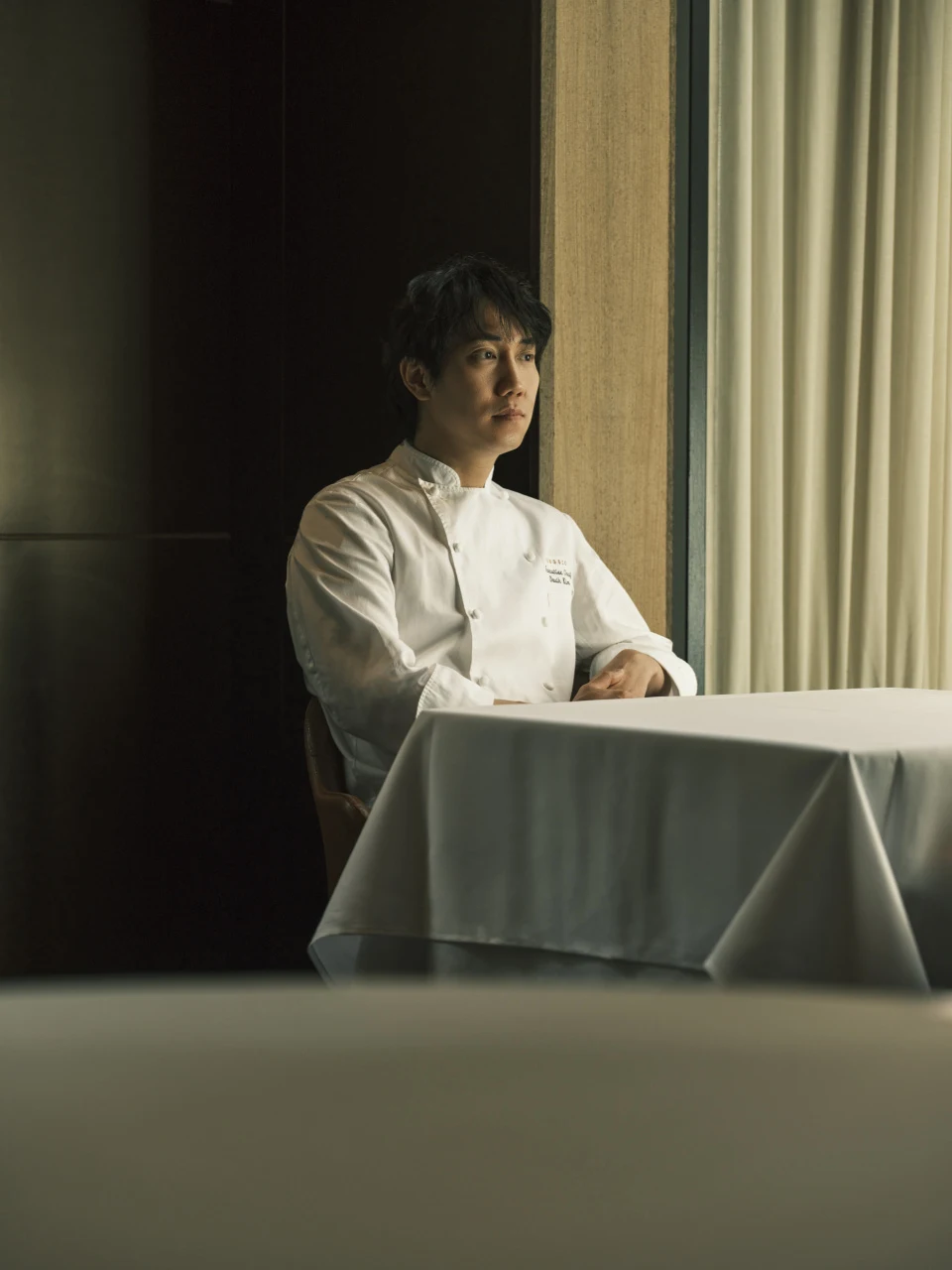
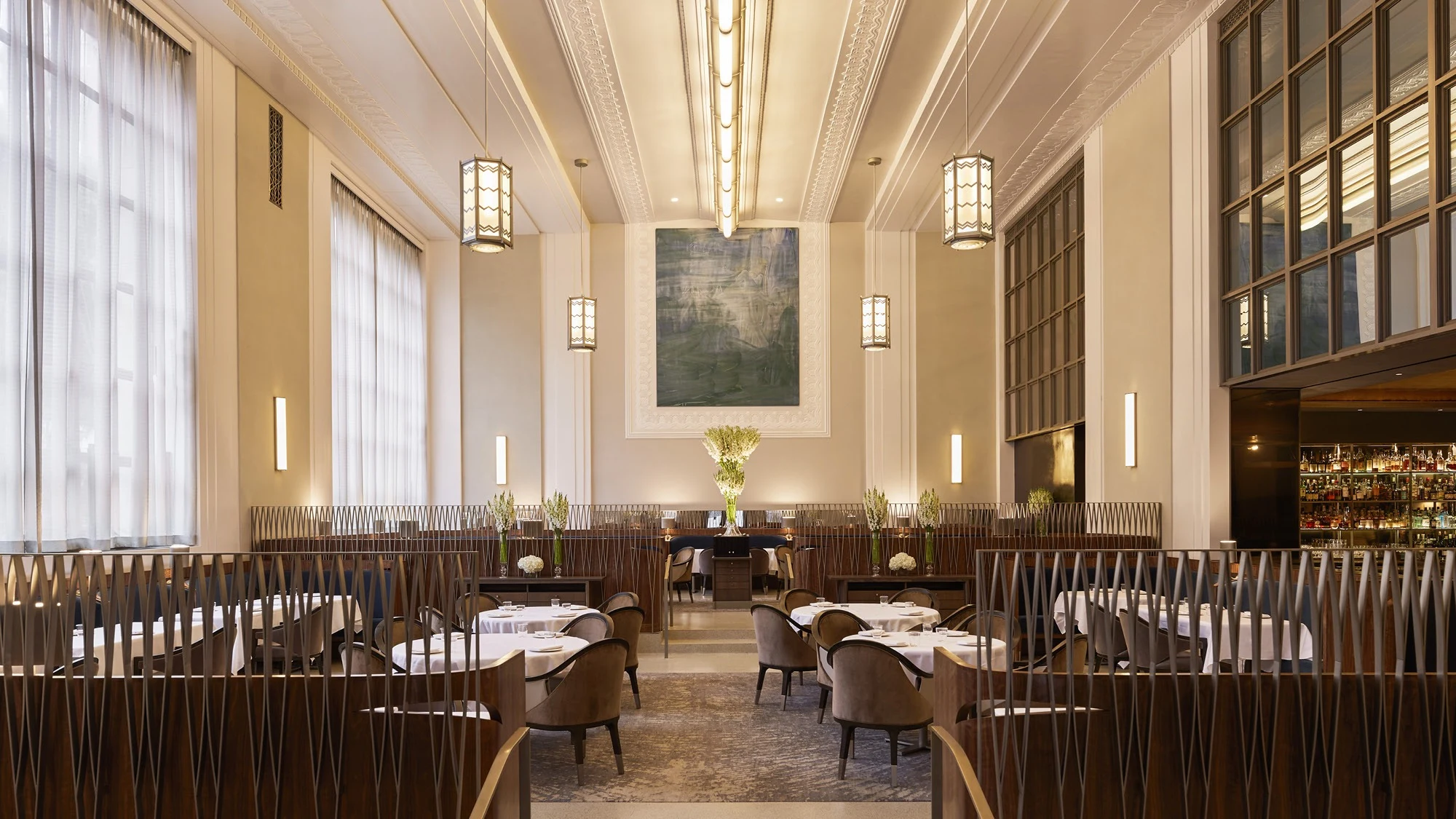
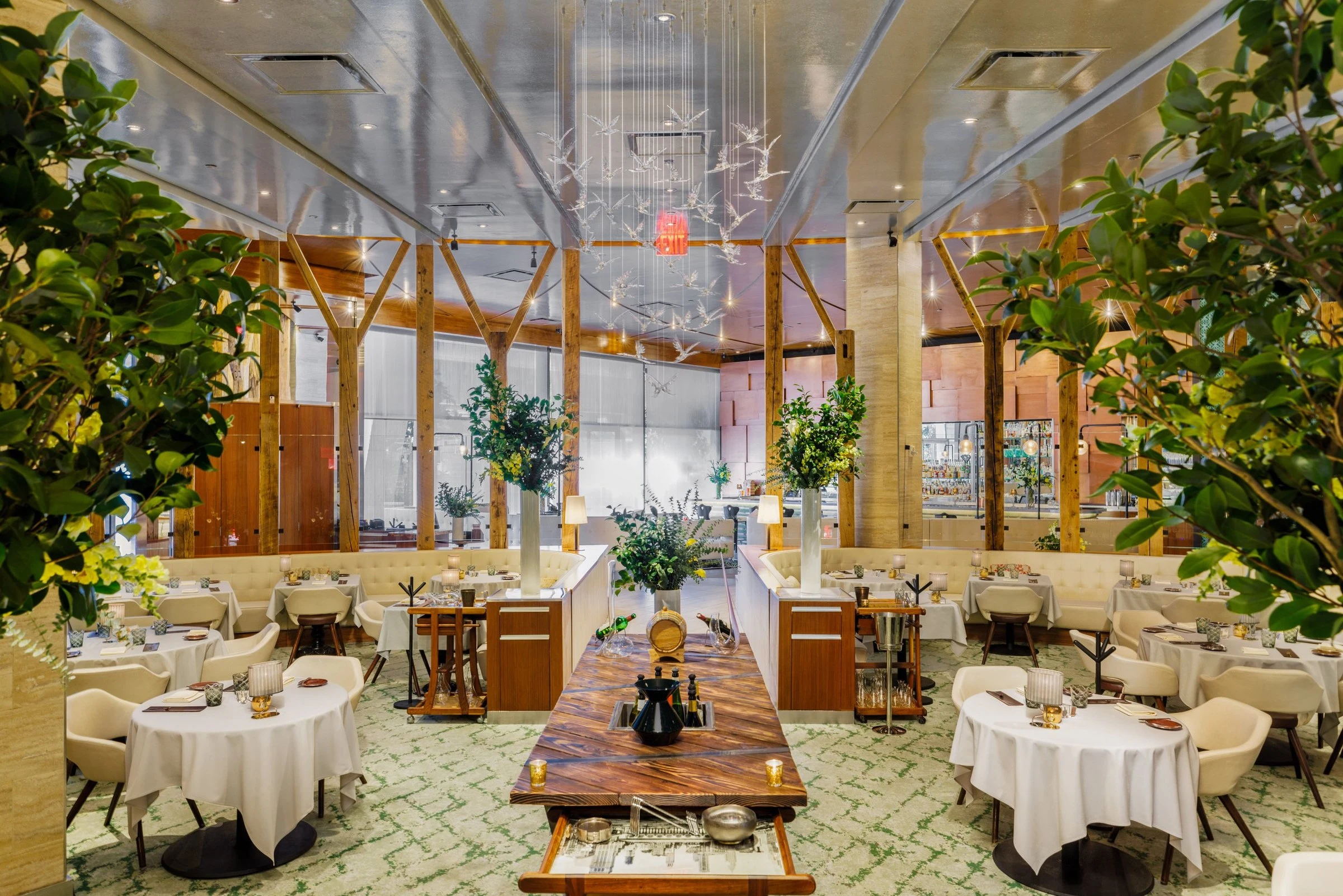
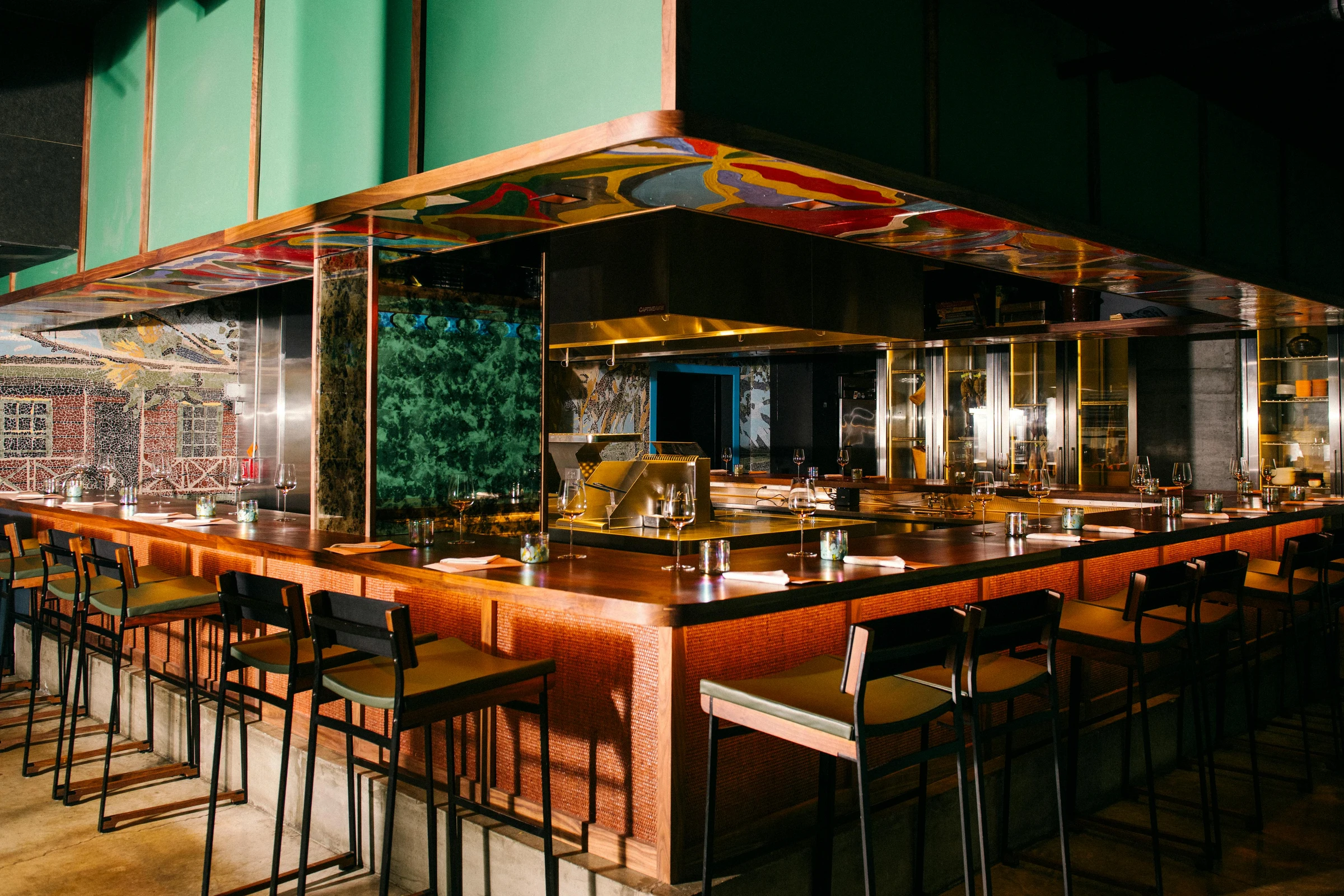
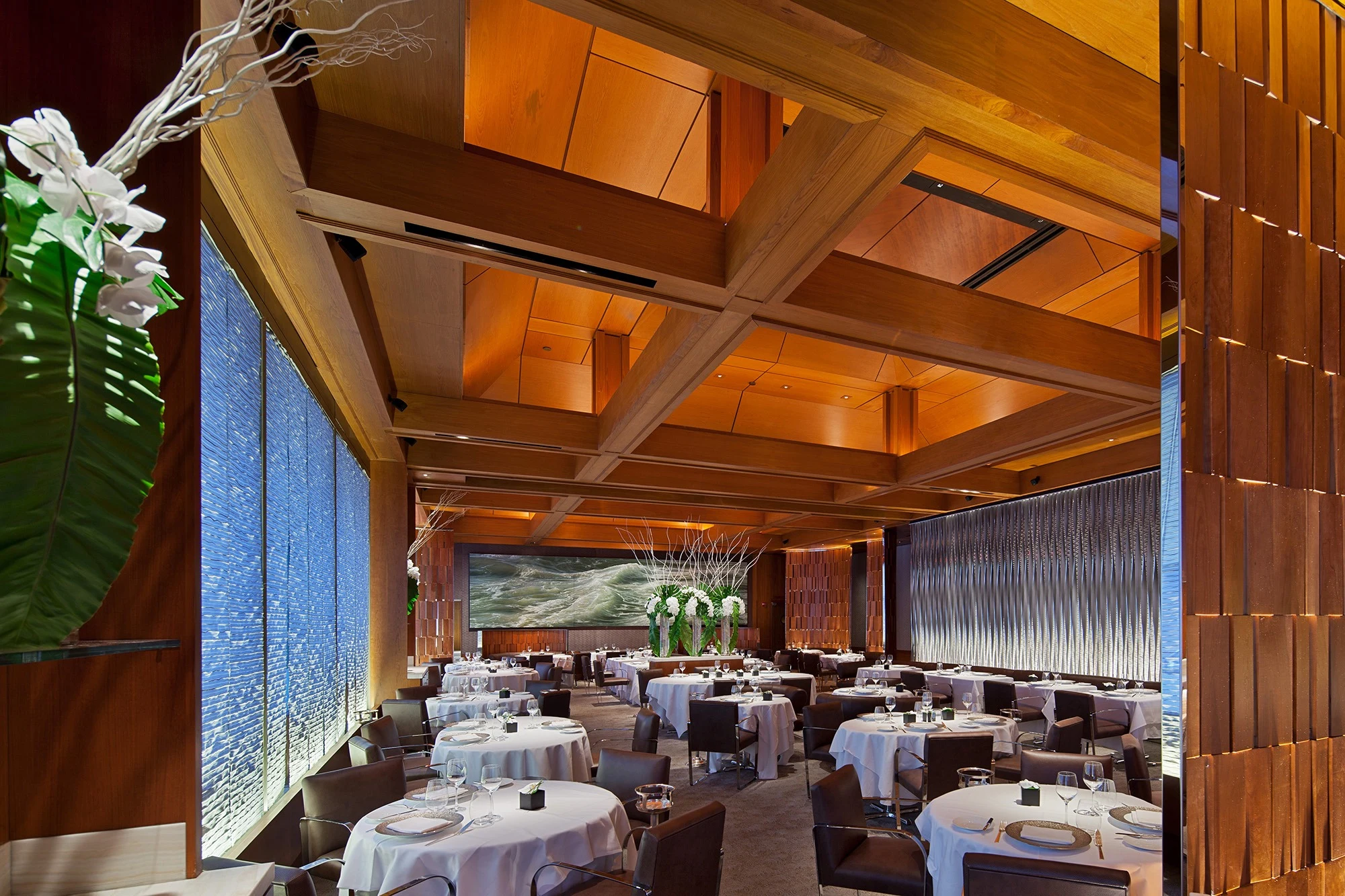
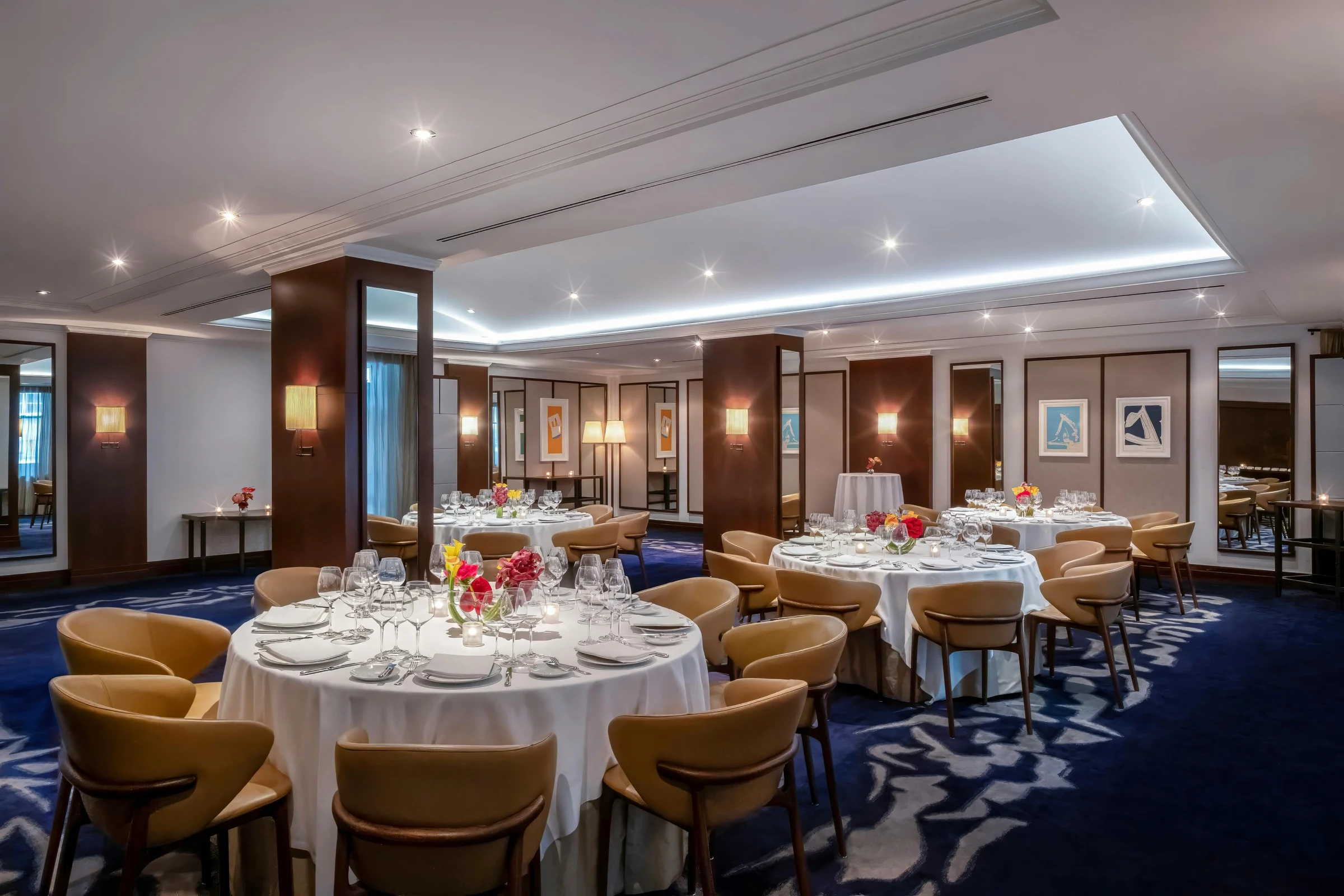
<p>The room in TriBeCa reads cool before it reads ceremonial: muted tones, white tablecloths, thin glassware, and a polished downtown hush that turns dinner into a controlled sequence rather than a loose night out. That matters for Korean cooking in New York, because the city’s public image of the cuisine was long built around noise, smoke, speed, and the tabletop grill. The Korean barbecue ritual is communal by design: meat chosen for cut and marbling, leaves and condiments arranged within reach, one person often taking charge of the grill while everyone else negotiates wraps, pacing, and heat. Jungsik New York belongs to a different branch of the same cultural tree. It takes the grammar of banchan, fermentation, seafood, rice, broth, chili, sesame, and preservation, then moves those ideas into a fine-dining frame where the kitchen controls temperature, portion, sequence, and visual rhythm.</p><p>That shift is one reason the restaurant has weight beyond its own dining room. New York’s Korean fine-dining scene did not appear fully formed; it developed after years in which Manhattan’s better-known Korean addresses clustered around 32nd Street, while deeper everyday traditions lived across Queens and other immigrant corridors. Jungsik Yim’s New York opening in 2011 gave the city a formal model for contemporary Korean cooking that did not need to disguise itself as French dining. French technique appears in the sauces and plating discipline, but the underlying logic remains Korean: fermented vegetables, seafood clarity, umami, heat, and the small-dish cadence of a meal built through accumulation rather than a single centerpiece.</p><h2>Korean fine dining after the grill</h2><p>The useful way to read the menu is not as a rejection of barbecue-house conviviality, but as a translation of it. At a grill table, diners assemble flavor by hand: charred meat, ssam greens, jang, garlic, rice, and banchan. Here, assembly moves back to the kitchen. The opening sequence can echo the logic of banchan, while later courses develop the same push and pull between fat, acid, spice, salt, and fermentation that makes Korean barbecue compelling. The difference is authorship. The grill-table diner decides the ratio inside each wrap; the tasting-menu kitchen fixes the ratio before it reaches the table.</p><p>That distinction helps explain why this style resonated in New York. The city already understood omakase counters, European tasting menus, and chef-led dégustation formats. Korean cooking, though, carried a separate social expectation: shared plates, abundant refills, visible heat, a table that feels active. Jungsik New York narrows that field of action, which can make the meal feel less communal but more legible to the international fine-dining system. The restaurant’s recognition reflects that crossover. La Liste lists it at 98 points for 2026, Opinionated About Dining ranked it number 50 in North America for 2025, and the James Beard Foundation recognized Jungsik Yim in 2025 for Outstanding Chef. Those signals place the restaurant in the same conversation as high-form tasting-menu dining, while its flavor architecture keeps it tied to Korean precedent.</p><p>The wine program also points to the restaurant’s intended tier. A cellar with 1,110 selections and 6,130 bottles, with strengths in Burgundy, Bordeaux, Champagne, France, California, Italy, and Germany, is not a decorative add-on. It tells diners that this is a long-form meal built for pairing decisions, mature bottles, and the kind of table that treats wine as part of the structure. Korean flavors can be difficult with conventional fine-dining pairings because chile, fermentation, sesame, vinegar, and seafood all pull in different directions. A cellar of that scale gives the sommelier team room to work across texture and intensity rather than forcing every course through a narrow white-wine lane.</p><h2>Why New Korean became a New York category</h2><p>The phrase New Korean can sound slippery, but in New York it describes a real change in dining hierarchy. For years, Korean food in the city was treated by many non-Korean diners as a neighborhood cuisine rather than a luxury language. Barbecue, stews, noodles, fried chicken, and late-night drinking food carried the public narrative. Fine dining required a different kind of proof: service choreography, plate-by-plate pacing, luxury ingredients, wine infrastructure, and critical recognition. Jungsik New York supplied that proof early, which is why the restaurant’s influence is broader than a single menu.</p><p>There is a useful comparison to Japanese dining culture, not through any specific venue, but through format. New Yorkers learned to pay for precision at sushi counters because the counter made labor visible: knife work, rice temperature, fish handling, and sequence. Korean barbecue made labor visible in another way, with the diner participating in cooking and construction. Contemporary Korean tasting menus make a harder argument because the craft is less exposed. The kitchen has to communicate heritage through structure and flavor rather than through a grill flame in the center of the table. When it works, the meal teaches diners that Korean luxury does not need to be loud to be forceful.</p><p>Chef biography belongs in that story only as context. Jungsik Yim trained at the Culinary Institute of America and worked at New York institutions including Aquavit and Bouley before opening the original Seoul restaurant in 2009 and bringing the concept to New York two years later. The relevant point is not a personal origin myth. It is that the technique base gave Korean ingredients a route into the city’s tasting-menu culture at a time when that culture was still heavily shaped by European assumptions. Executive Chef Daeik Kim and the broader senior team now operate inside a dining room where Korean identity is not an accent; it is the spine of the experience.</p><p>That identity has to be handled carefully because the category now attracts shorthand. Fermentation cannot become a garnish for luxury dining, and banchan cannot be reduced to a cute opening flourish. The stronger contemporary Korean rooms understand that the small dishes at the beginning of a meal are not just snacks; they establish the palate’s operating system. Salt, heat, sourness, bitterness, sweetness, and funk arrive in relation to one another. The same is true at barbecue, where the table learns through repetition how grilled beef, pork, kimchi, lettuce, perilla, rice, and sauce recalibrate each bite. A formal tasting menu can compress that logic into plated courses, but it cannot ignore the social intelligence behind it.</p><h2>How to place it in a New York dining itinerary</h2><p>For travelers building a serious New York food itinerary, this is not the slot for a casual Koreatown craving or a smoke-heavy grill night. It is the slot for understanding how Korean cuisine entered the city’s high-form dining conversation and changed it. The restaurant’s Google rating of 4.6 across 870 reviews shows broad public approval, but the more telling signals are institutional: James Beard recognition, La Liste scoring, Opinionated About Dining placement, AAA Five Diamond recognition, and a wine list with enough depth to support a long tasting format.</p><p>The practical decision is category fit. Diners who want the tactile pleasure of cooking meat, passing lettuce, and building ssam by hand should choose a barbecue table elsewhere in the city. Diners who want Korean flavors carried through a controlled tasting-menu architecture will understand why this address remains central to the conversation. The jungsik dress code question comes up because the room reads formal in tone; the better framing is to dress for a polished tasting-menu dining room rather than a casual grill house.</p><p>TriBeCa also shapes the experience. The neighborhood’s dining culture favors controlled rooms, destination reservations, and high-spend evenings that can sit close to galleries, residential lofts, and downtown hotels without feeling theatrical. That makes the restaurant a natural anchor for visitors comparing food-led travel across categories. For a wider city map, EP Club’s <a href="https://www.enprimeurclub.com/restaurants/new-york-city">Our full New York City restaurants guide</a> places it alongside the city’s broader dining range, while <a href="https://www.enprimeurclub.com/hotels/new-york-city">Our full New York City hotels guide</a>, <a href="https://www.enprimeurclub.com/bars/new-york-city">Our full New York City bars guide</a>, <a href="https://www.enprimeurclub.com/wineries/new-york-city">Our full New York City wineries guide</a>, and <a href="https://www.enprimeurclub.com/experiences/new-york-city">Our full New York City experiences guide</a> help place dinner within a complete trip.</p><p>Readers tracking how New York’s restaurant culture splinters across formats can also look laterally rather than competitively: <a href="https://www.enprimeurclub.com/restaurants/sons-ham-bar-new-york-city-restaurant">& Sons Ham Bar</a> speaks to cured-meat specialization, <a href="https://www.enprimeurclub.com/restaurants/inoteca-new-york-city-restaurant">'inoteca</a> to Italian wine-bar culture, <a href="https://www.enprimeurclub.com/restaurants/1-or-8-new-york-city-restaurant">1 or 8 (Sushi - Japanese)</a> and <a href="https://www.enprimeurclub.com/restaurants/15-east-new-york-city-restaurant">15 East (Sushi - Japanese)</a> to Japanese precision formats, and <a href="https://www.enprimeurclub.com/restaurants/12-chairs-new-york-city-restaurant">12 Chairs (Israeli)</a> to another diaspora cuisine with a strong New York audience. Beyond the city, related travel reading includes <a href="https://www.enprimeurclub.com/restaurants/jodo-sake-bar">Jōdo Saké Bar in Los Angeles</a>, <a href="https://www.enprimeurclub.com/restaurants/onigiri-time">Onigiri Time in Pasadena</a>, <a href="https://www.enprimeurclub.com/restaurants/por-que-no-portland-restaurant">¿Por Qué No? in Portland</a>, <a href="https://www.enprimeurclub.com/restaurants/ai-love-nalo-waimanou-beach-restaurant">'Ai Love Nalo in Waimanalo Beach</a>, <a href="https://www.enprimeurclub.com/restaurants/ina-san-francisco-restaurant">'āina in San Francisco</a>, <a href="https://www.enprimeurclub.com/restaurants/ama-ama-kapolei-restaurant">'Ama 'Ama in Kapolei</a>, <a href="https://www.enprimeurclub.com/restaurants/grilled-beef-sukiyaki-kamakura-tanukian-kamakura-restaurant">-Grilled beef Sukiyaki- KAMAKURA TANUKIAN 鎌倉 たぬき庵 in Kamakura</a>, and <a href="https://www.enprimeurclub.com/restaurants/salud">¡Salud! in Los Angeles</a>.</p>
Pricing at Jungsik New York is listed as $$$$.
Jungsik New York is located at 2 Harrison St, New York, NY 10013, New York City.
Jungsik New York serves Progressive Korean, Korean cuisine.
Hours at Jungsik New York: Hours: Monday Closed Tuesday 5:30–9 pm Wednesday 5:30–9 pm Thursday 5:30–9 pm Friday 5–9:30 pm Saturday 5–9:30 pm Sunday 5–9 pm.
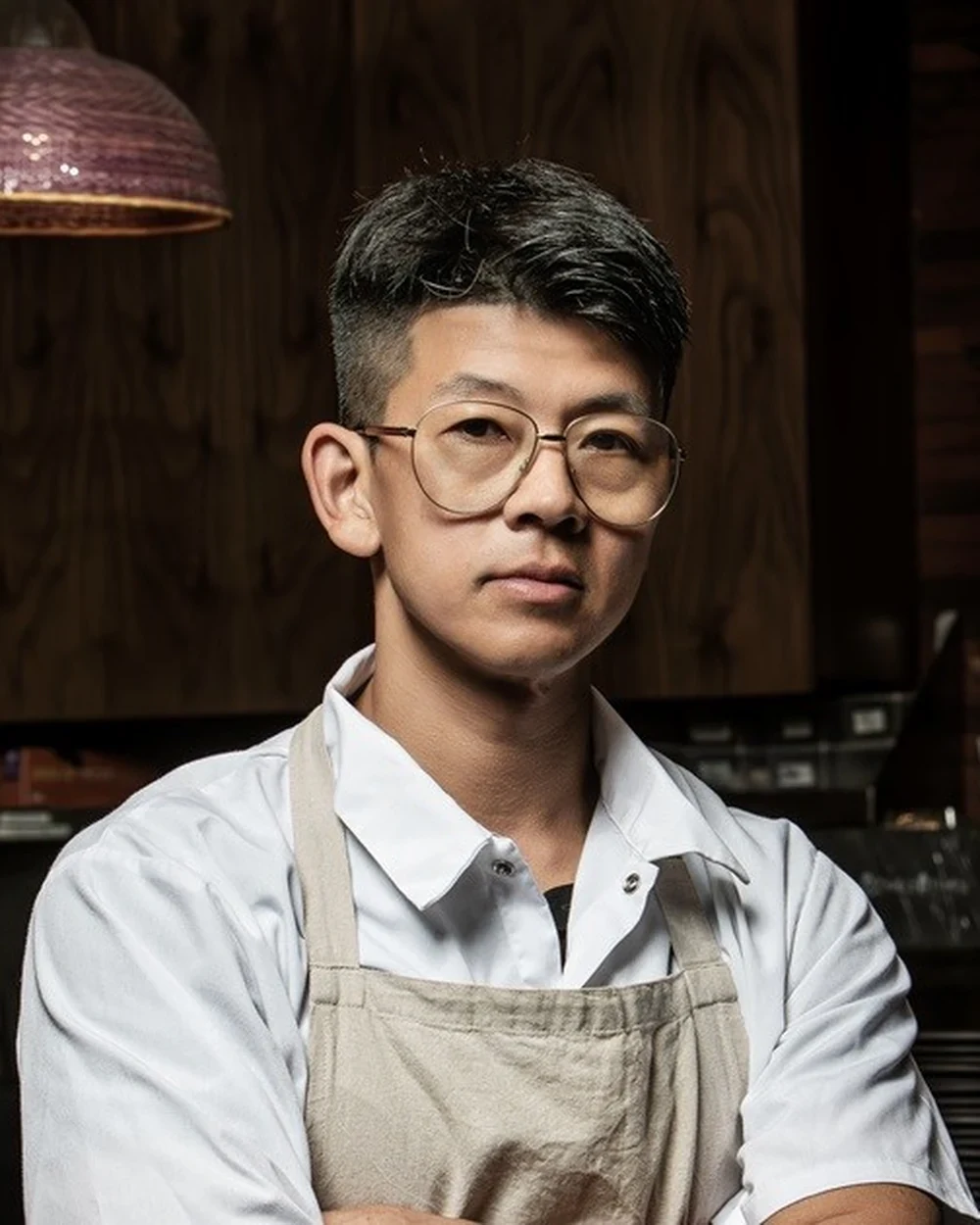
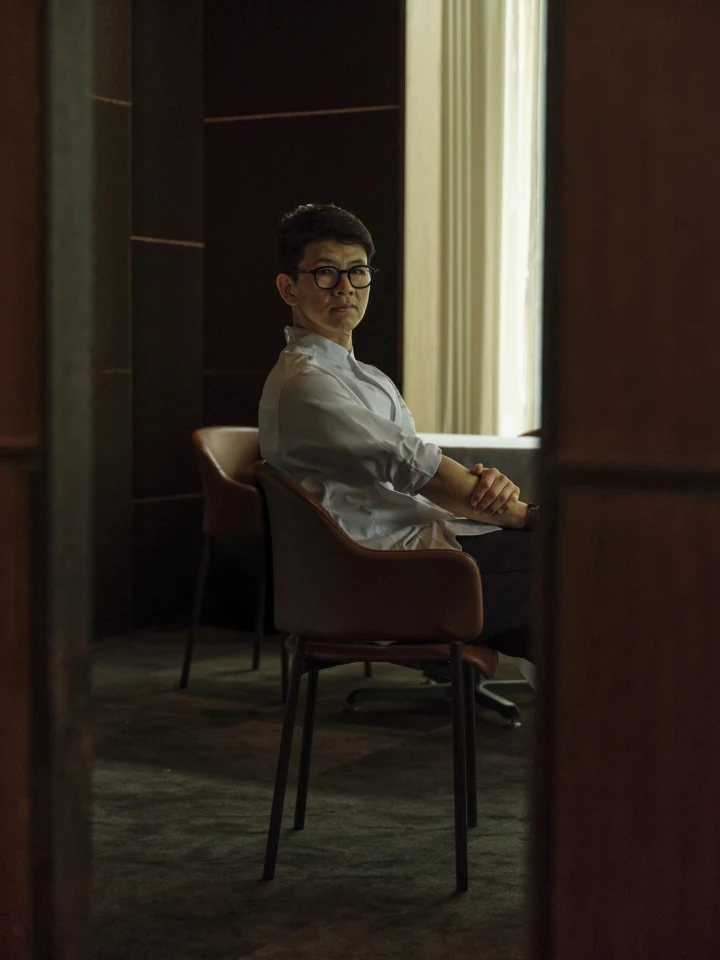
The chef associated with Jungsik New York is Jungsik Yim.
2 Harrison St, New York, NY 10013
Tribeca

French Seafood Fine Dining
Le Bernardin
New York City, United States
★★★ · 50 Best
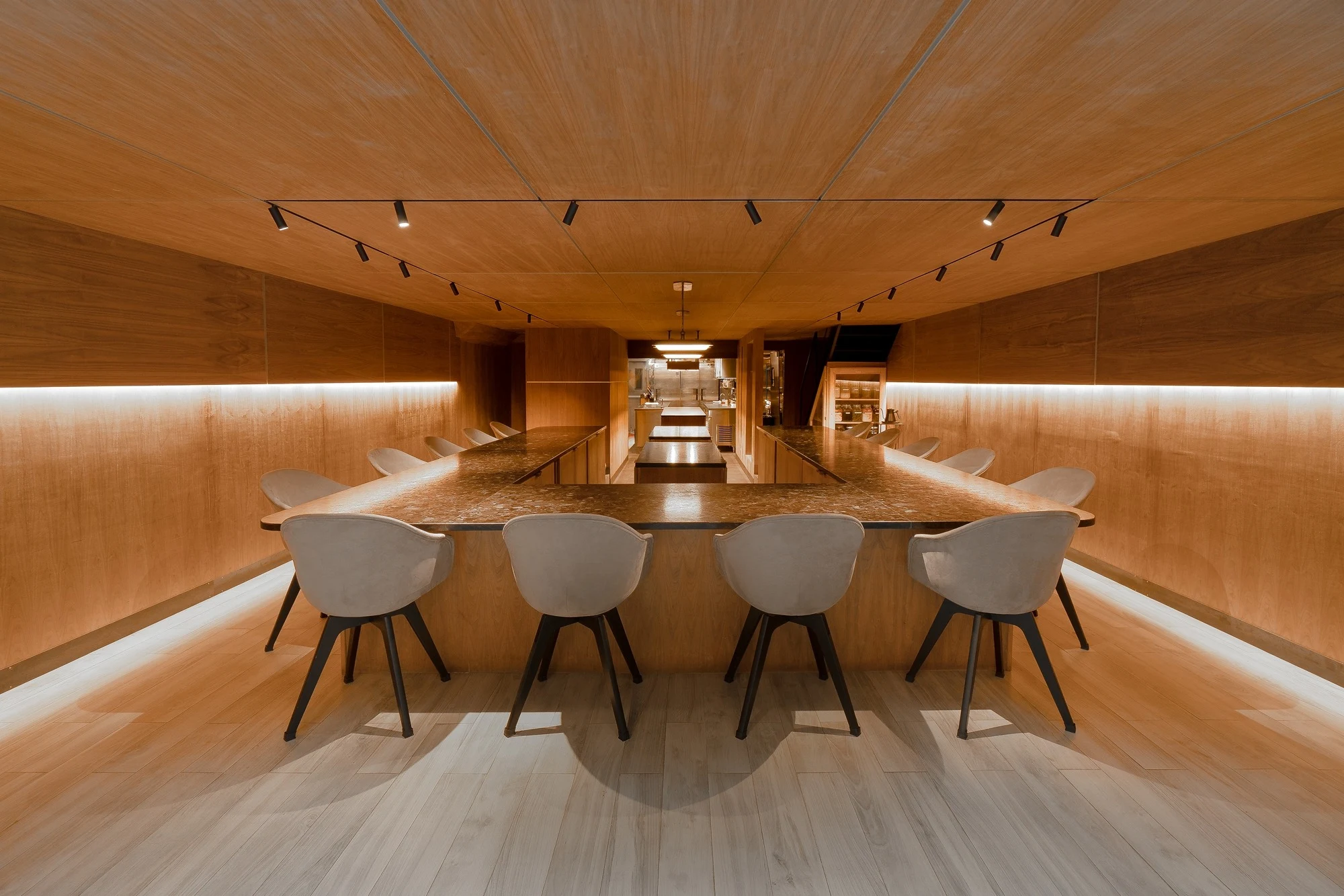
Modern Korean Tasting Menu
Atomix
New York City, United States
★★ · 50 Best

Contemporary Plant-Based Fine Dining
Eleven Madison Park
New York City, United States
★★★ · 50 Best
Modern French Fine Dining
Daniel
New York City, United States
★ · 50 Best

Modern Caribbean Prix Fixe
Kabawa
New York City, United States

Modern Alsatian-French Fine Dining
Gabriel Kreuther
New York City, United States
★★