Kamo

In Residence
Tomoyasu Kamo
Chef
- 01CuisineModern Japanese Fine Dining
- 02CityIxelles, Belgium
- 03RecognitionOne Michelin Star
- 1 Michelin Star · Michelin Guide
- Michelin 1 Star · 2026
- Michelin 1 Star · 2025
- Opinionated About Dining Top Restaurants in Europe Ranked #666 · 2025
- Michelin 1 Star · 2024
- Opinionated About Dining Top New Restaurants in Europe Recommended · 2023
Counter Cooking in Ixelles: What the Bar Seat Reveals
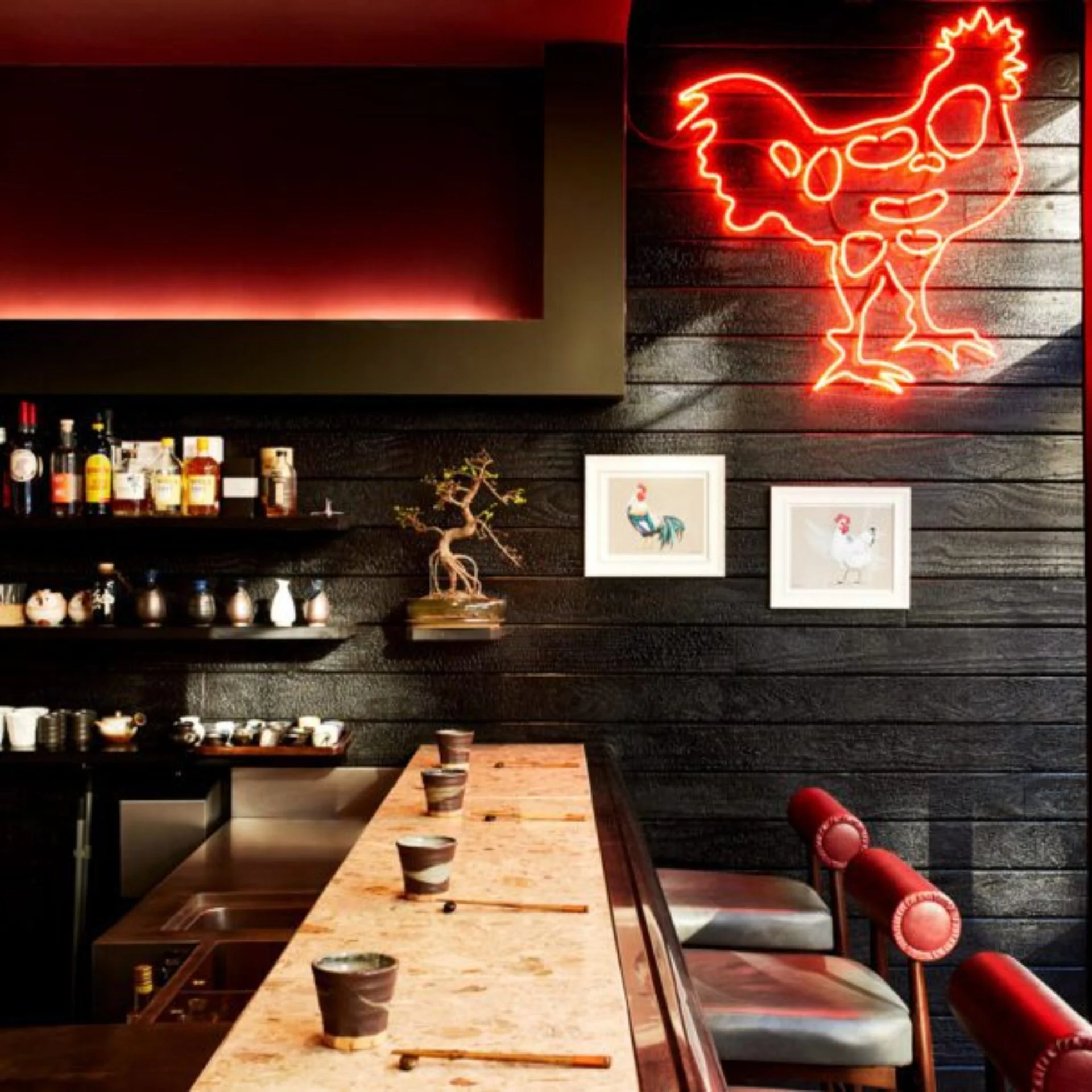
The Chaussée de Waterloo is one of Ixelles's longer commercial arteries, lined with the kind of neighbourhood commerce that marks a genuinely residential quarter rather than a tourist strip. At number 550A, the room behind Kamo's door is stripped of decoration to a degree that makes most Brussels restaurants feel cluttered by comparison. Wooden finishings, pared surfaces, and a bar counter that faces the kitchen directly: the design is doing deliberate work, training attention on what happens at the pass rather than on the room itself.
That architectural logic matters because Kamo operates as a focused dining room as much as a restaurant. Belgium has developed a strong fine-dining infrastructure over the past two decades, with Michelin-starred addresses spread across Flemish and Walloon cities alike, from Hof van Cleve - Floris Van Der Veken in Kruishoutem to Zilte in Antwerp and Boury in Roeselare. What distinguishes Kamo from that cohort is not price tier or award count but format: this is counter-centric Japanese cooking in a city where Japanese fine dining remains genuinely rare at this level.
The Sunday letter
Find new places through the people who run them.
Our Sunday email brings you the chefs, winemakers and hoteliers behind our newest stories. See a sample before you subscribe.
See a sample of the Sunday emailOne email a week. Unsubscribe from any issue.
The Logic of the Counter
In Tokyo, the chef-facing counter is the default format for serious Japanese cooking, from sushi-ya to kaiseki rooms. The counter at Myojaku in Tokyo or Azabu Kadowaki operates on the same principle: the guest's proximity to preparation is not a theatrical add-on but a structural argument about what the meal is. You are not watching a performance happening elsewhere; you are seated inside it. The amuse-bouche that begins each Kamo service functions as that same calibrating gesture, resetting the palate and signalling the register of what follows.
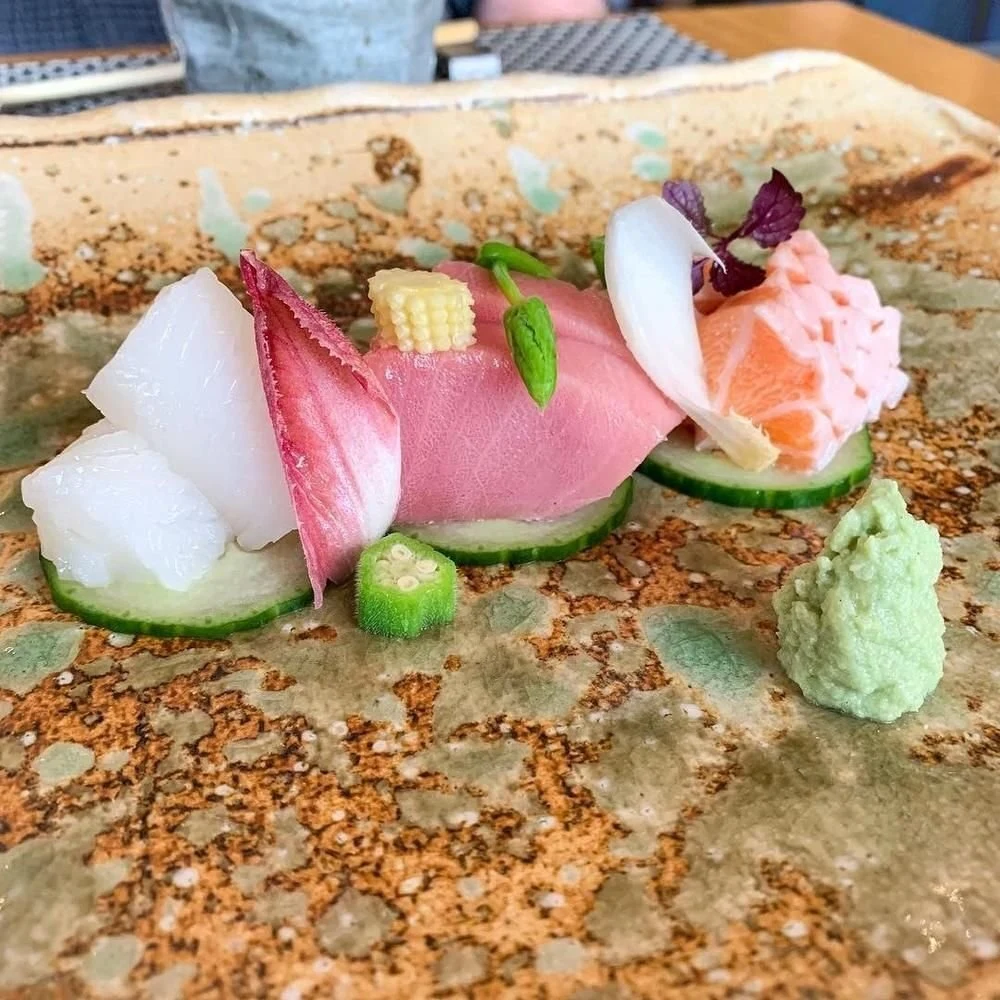
Chef Tomoyasu Kamo's approach, as the Opinionated About Dining citation frames it, rests on ingredient quality rather than luxury produce. That is a meaningful distinction in Japanese fine dining, where the temptation toward expensive raw material as a shortcut to prestige is well documented. The argument at this counter is different: that the handling of good fish, the pacing of a menu, and the restraint applied to each plate do more work than procurement alone. Sashimi preparation, specifically, is where that argument becomes audible. Raw fish cut with precision and served without embellishment is, in Japanese cooking tradition, one of the hardest technical tests precisely because there is nothing else in the dish to discuss.
Lunch and Evening: Two Different Arguments
Kamo runs a split format across its weekly calendar. Lunch service, available Thursday and Friday from noon to 2 pm, leans toward made-to-order sushi, a more traditional and accessible register of Japanese technique. Evening service runs Tuesday through Friday from 6:30 to 8 pm, and it is here that the menu shifts into surprise tasting territory. Monday evenings are also available. Saturday and Sunday are closed.
The tight service window on evenings, a ninety-minute block beginning at 6:30, concentrates the experience considerably. This is not a room for a leisurely three-hour dinner with extended wine deliberation. The format demands focus from the guest as much as from the kitchen, and that compression is itself part of the proposition. In Ixelles's broader dining context, where places like Humus x Hortense operate at the creative European fine-dining register and Amen works a farm-to-table format, Kamo occupies a distinct lane: Japanese precision at Michelin one-star level, in a neighbourhood that mostly indexes toward European cooking traditions.
Where Kamo Sits in the Ixelles Dining Picture
Ixelles is arguably Brussels's most culinarily active commune, with a density of serious restaurants that punches above what its residential scale would suggest. The commune supports everything from budget-conscious addresses like Car Bon at the lower price tier to Michelin-recognised creative work at the leading end. Kamo at the €€€ price level sits in a competitive bracket alongside venues like Chou, though its format and cuisine type give it very little direct competition within the neighbourhood.
The Opinionated About Dining ranking at number 666 among European restaurants in 2025 places Kamo inside a broader European conversation. The OAD also listed it among recommended new European restaurants in 2023, alongside a Michelin star awarded in 2024. For context, Bozar Restaurant in Brussels and Willem Hiele in Oudenburg represent the kind of Belgian addresses operating in comparable critical territory, though in very different formats and cuisines.
The Google rating of 4.7 across 557 reviews is a useful data point not because crowd-sourced scores carry the same weight as guide recognition, but because sustained high ratings at that volume suggest consistent execution rather than a single exceptional visit captured by a small sample.
Japanese Fine Dining in a Belgian Context
Belgium has absorbed Japanese culinary influence unevenly. Brussels has seen Japanese restaurants open at various price tiers, but the counter-format tasting menu model, built around a single chef's nightly output, remains genuinely uncommon at Michelin level. The city's fine dining has historically indexed toward French classical technique and its Belgian variations. Kamo operates somewhat orthogonally to that tradition, not in opposition to it, but simply from a different technical base. Restraint and ingredient-centrism are values shared across serious French and Japanese kitchens, which may explain why a Brussels audience has received this format as well as the award and review record suggests.
Kamo offers a point of comparison rather than a substitute. The room and the sourcing are European; the cooking logic and the service format are Japanese. That combination is specific enough to be worth planning around rather than stumbling upon.
Ixelles has a wider dining ecosystem worth knowing. Nonbe Daigaku operates in a different Japanese register within the same neighbourhood. Beyond the restaurants, the commune's broader hospitality offer is covered in our Ixelles hotels guide, Ixelles bars guide, and Ixelles experiences guide, while our Ixelles wineries guide covers the wine side. Bartholomeus in Heist is a further reference point for Belgian Michelin cooking of a different regional character.
Planning Your Visit
Kamo is located at Chaussée de Waterloo 550A, 1050 Ixelles. Dinner runs Tuesday through Friday from 6:30 to 8 pm, with lunch on Thursday and Friday from noon to 2 pm. The restaurant is closed Saturday and Sunday, and Monday is dinner-only. The ninety-minute evening window and the counter format mean that booking ahead is advisable; this is not a walk-in proposition at the €€€ price level with Michelin recognition. No booking method is listed in the available data, so confirming reservation procedures directly with the venue before planning travel is sensible.
Questions
Frequently asked
What recognition does Kamo hold?
Kamo holds 1 Michelin star.
Who works at Kamo?
Made By profiles Tomoyasu Kamo (Chef) at Kamo.
How expensive is Kamo?
Kamo is listed at a price level of $$$$.
Where is Kamo and what does it serve?
Kamo is in Ixelles, Ixelles, serving Modern Japanese Fine Dining.
The field
How it compares
| Place | Awards | Cuisine | Notes |
|---|---|---|---|
| Kamo | Michelin 1 Star | Modern Japanese Fine Dining | Ixelles, $$$$ |
| Humble Chicken | Michelin 2 Stars | Modern Japanese Fine Dining | London |
| Humus x Hortense | Michelin 1 Star | Plant-Based Gastro-Botanical Fine Dining | Ixelles |
| Jônt | Michelin 2 Stars | Modern Japanese Fine Dining | Washington DC |
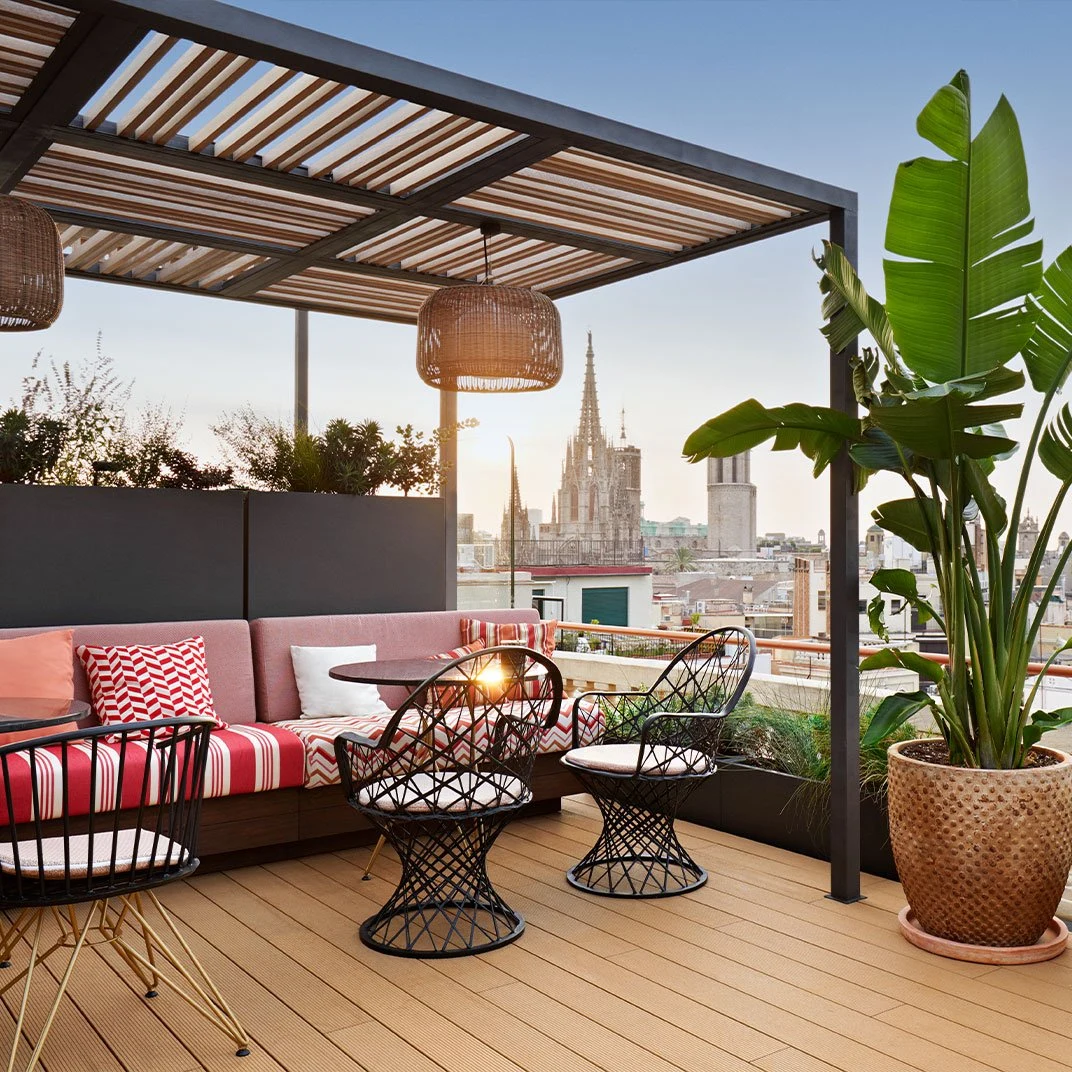
| Koy Shunka | Michelin 1 Star | Modern Japanese Fine Dining | Barcelona |
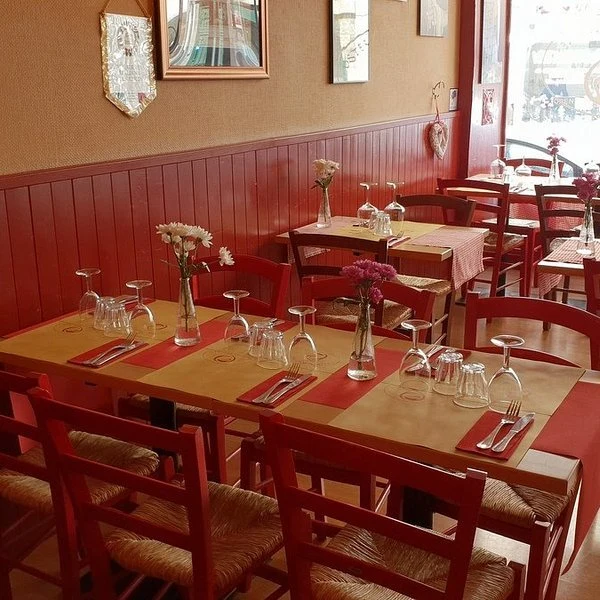
| Osteria Bolognese | · | Authentic Bolognese Osteria | Ixelles |
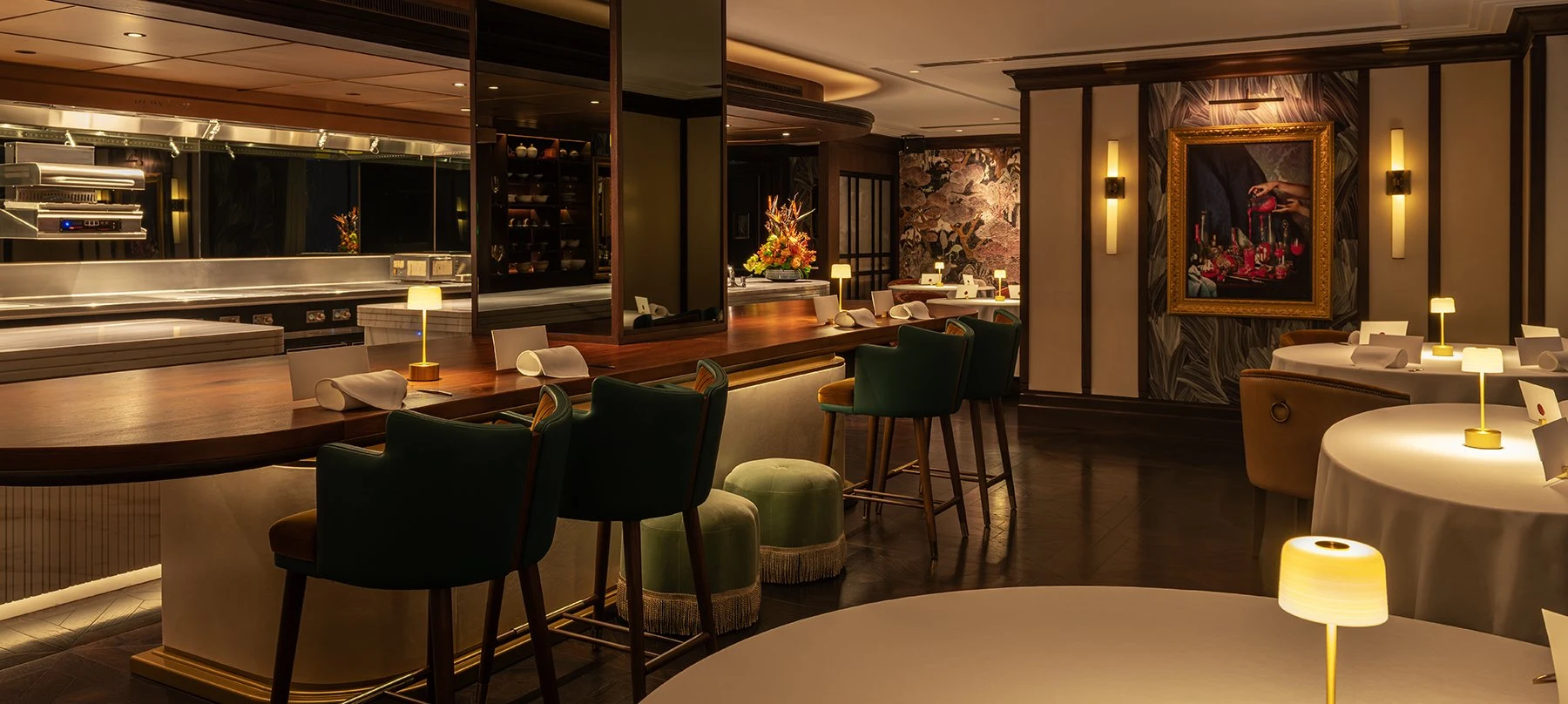
| Row on 45 | Michelin 2 Stars, World's 50 Best | Modern Japanese Fine Dining | Dubai |
In residence
Similar places
Modern Japanese Fine Dining
Humble Chicken
London, United Kingdom
★★
Plant-Based Gastro-Botanical Fine Dining
Humus x Hortense
Ixelles, Belgium
★
Modern Japanese Fine Dining
Jônt
Washington DC, United States
★★
Modern Japanese Fine Dining
Koy Shunka
Barcelona, Spain
★
Authentic Bolognese Osteria
Osteria Bolognese
Ixelles, Belgium
Modern Japanese Fine Dining
Row on 45
Dubai, United Arab Emirates
★★ · 50 Best
The Sunday letter
Get the next Made By story in your inbox.
We send one email every Sunday morning with the places and people we covered that week.
See a sample of the Sunday emailOne email a week. Unsubscribe from any issue.