- Pearl 2 Star Prestige · 2025
Where the Island Ends Up in the Glass
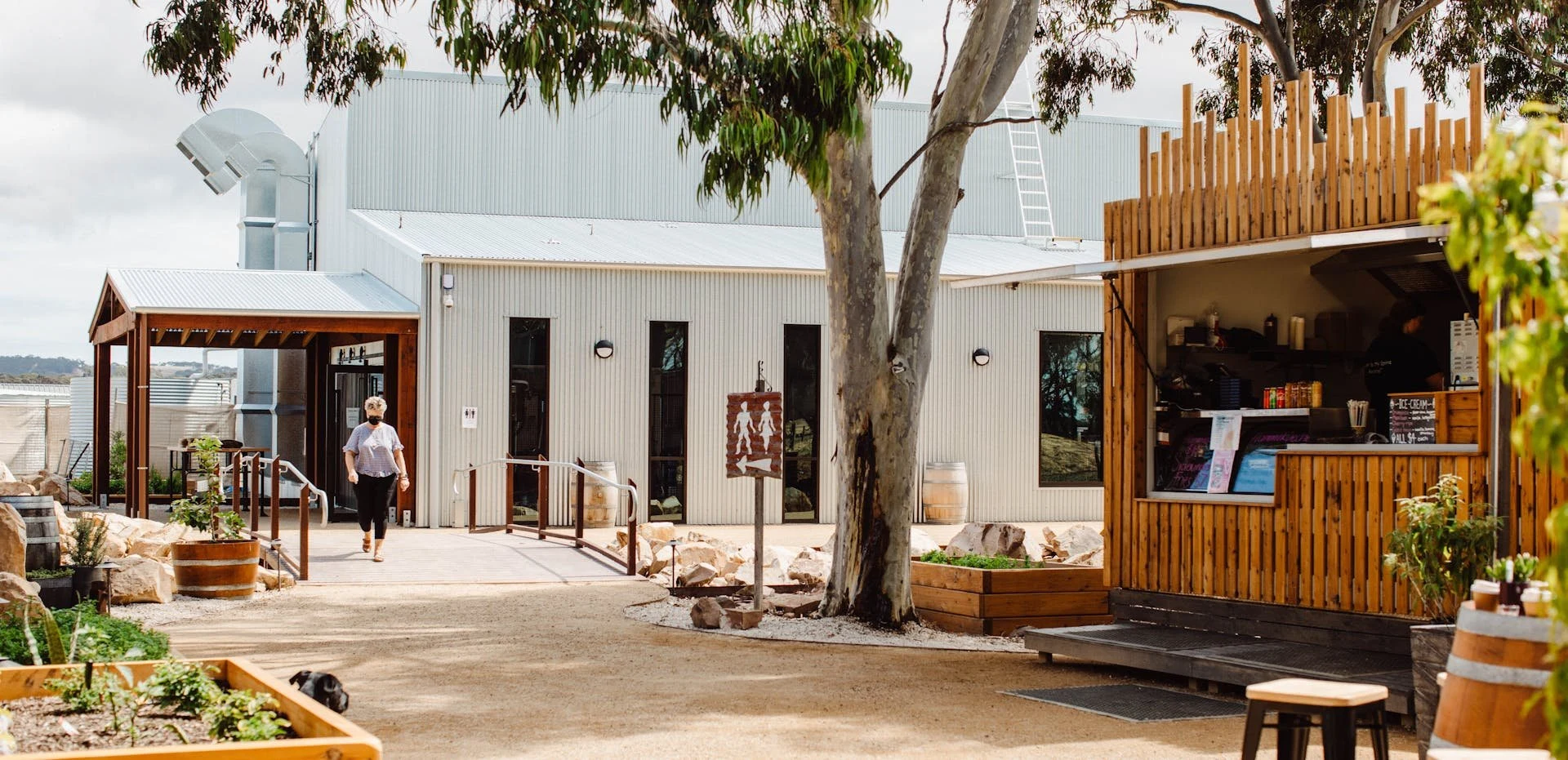
Drive the Playford Highway through Cygnet River and the landscape gives you the argument before you arrive. The low scrub, salt air carried in from both coastlines, the eucalyptus and native herbs pressing against the road, Kangaroo Island's terroir is not a background detail. It is, for producers like Kangaroo Island Spirits, the entire premise. The distillery sits at 856 Playford Hwy, Cygnet River SA 5223, in the agricultural interior of Kangaroo Island.
Kangaroo Island is separated from the mainland by the Backstairs Passage, roughly 16 kilometres at its narrowest point. That separation has material consequences: a slower pace of development, stricter biosecurity, and an ecosystem that has retained native species and plant varieties long since displaced elsewhere in southern Australia. For a distillery drawing on local botanicals, this is not incidental. The island's flora, including species found in limited concentrations on the mainland, provides a botanical library that cannot simply be replicated by a distillery operating elsewhere and importing ingredients.
The Terroir Argument for Spirits
The conversation around terroir has, until recently, centred almost entirely on wine. Soil composition, diurnal temperature variation, rainfall patterns, these were the language of viticulture, not distillation. That has changed meaningfully in the past decade, particularly among craft distilleries operating in regions with strong agricultural identities. The logic is the same: what grows in a specific place, shaped by that place's climate and ecology, will carry that specificity into the finished product if handled with enough care and restraint.
Kangaroo Island presents a particularly compelling case. The island's northern coast is semi-arid and wind-exposed; the southern coast receives considerably more rainfall and cooler temperatures. The interior, where Cygnet River sits, occupies a transitional zone. Native plants adapted to these conditions, coastal daisies, native juniper relatives, salt-tolerant shrubs, have flavour profiles shaped by salt stress, UV exposure, and soil mineral content. A distillery drawing directly from this environment is not making an abstract claim about place. It is working with ingredients that carry measurable chemical signatures of where they grew.
This positions Kangaroo Island Spirits within a broader global shift in craft distilling: away from purely grain-neutral base spirits flavoured with generic botanical blends, toward place-specific production where the sourcing decisions are themselves an editorial act. Comparable approaches have emerged from coastal Scotland, the Pacific Northwest of the United States, and parts of Tasmania. In an Australian context, the closest parallel in philosophical approach, though different in geography and product, might be found among the more botanically-focused producers operating out of Sydney, such as Archie Rose Distilling Co in Sydney, though Kangaroo Island's isolation gives it a distinct sourcing advantage.
For a distillery operating on a relatively remote island, this kind of external validation matters: it confirms that the quality case holds against a broader comparative standard.
Awards of this kind also function as navigation tools for visitors. Kangaroo Island has a growing cellar door and producer circuit, and not all of it operates at the same level.
Kangaroo Island in the South Australian Drinks Map
South Australia's drinks identity is dominated by wine, specifically the Barossa Valley's Shiraz and the McLaren Vale and Clare Valley corridors. Kangaroo Island sits outside those conversations almost entirely, which is both a commercial limitation and an opportunity. The island's wine producers, a small, tight cohort, have carved a niche on the basis of cooler-climate differentiation and low-intervention farming, positioning against the mainstream of the state's wine industry in a way that parallels what Bird in Hand in Adelaide Hills does for that sub-region.
Spirits production on Kangaroo Island follows a similar logic: the island cannot compete on scale or distribution with mainland producers, so it competes on specificity. That specificity is credible here in a way that it might not be for a producer in a generic agricultural zone, because Kangaroo Island's ecology is genuinely differentiated. The comparison with a large-volume regional producer like Angove Family Winemakers in Renmark illustrates the gap in approach: scale operations and boutique island distilleries are not in the same competitive set, and should not be evaluated against the same criteria.
Within Australian spirits more broadly, the craft distillery tier has grown substantially since licensing reforms in the 2010s made small-batch production viable. Producers like Bundaberg Rum Distillery in Bundaberg represent the established, high-volume end of Australian spirits heritage. Kangaroo Island Spirits operates in an entirely different register: lower volume, higher botanical specificity, regional identity as the core value proposition.
Planning a Visit
Kangaroo Island is accessible by ferry from Cape Jervis, roughly a 45-minute crossing to Penneshaw, or by regional flights into Kingscote Airport. From Kingscote, Cygnet River is a short drive inland along the Playford Highway, making the distillery a natural stop on any circuit of the island's interior. Given the island's size, most visitors spread their time across two to three days, combining the conservation parks in the west with producer visits concentrated in the central and eastern zones.
The island rewards advance planning, and itinerary sequencing matters more here than in a city with deep bench depth.
For visitors building a broader South Australian spirits and wine itinerary, the island sits at one end of a logical circuit that could extend through the Adelaide Hills and into the Barossa. Those interested in how other Australian producers approach place-specific expression should also consider Bass Phillip in Gippsland for Burgundian-inflected Pinot, or the long-form heritage of All Saints Estate in Rutherglen for a contrasting model of regional identity built over generations. Elsewhere in Australia, producers like Brokenwood in Hunter Valley, Leading's Wines in Great Western, Blue Pyrenees Estate in Pyrenees, Brown Brothers in King Valley, Cape Mentelle in Margaret River, and Casella Family (Yellow Tail) in Griffith each represent distinct points on the spectrum of Australian drinks production, useful reference points for calibrating where Kangaroo Island Spirits sits in the national picture.
The Sunday letter
Get new places like Kangaroo Island Spirits every Sunday.
One email a week with the restaurants, bars and hotels we have just written up, and the people who run them.
One email a week. Unsubscribe from any issue.
Questions
Frequently asked
Who works at Kangaroo Island Spirits?
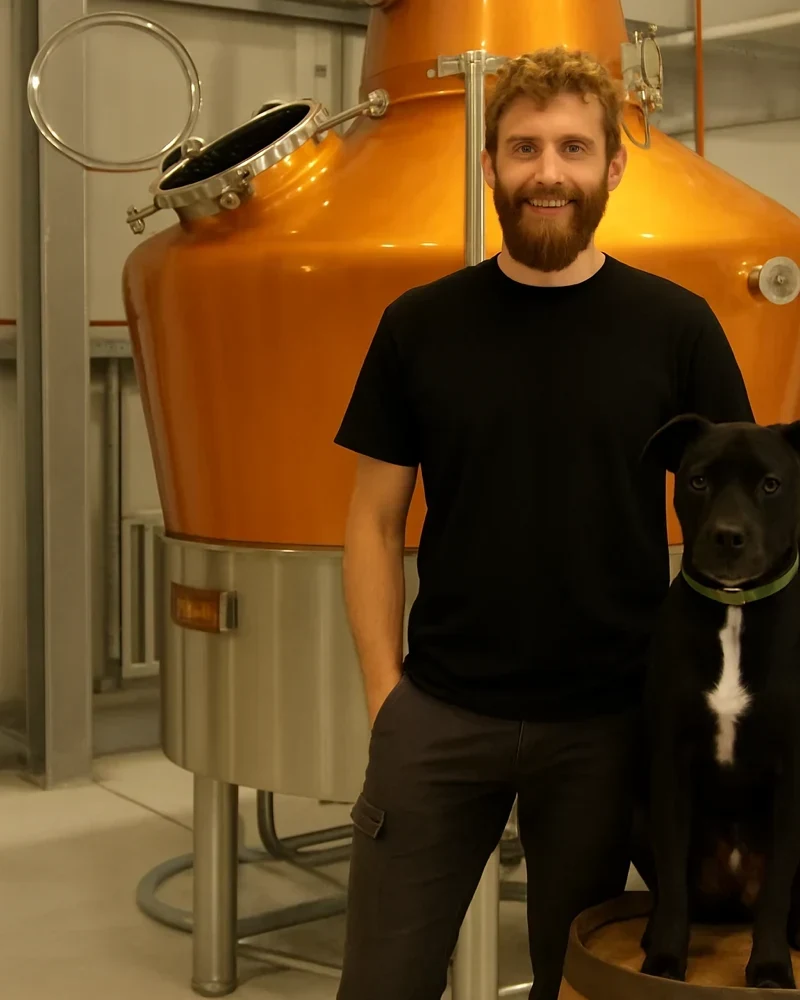
Made By profiles Charlie Schmidt (Winemaker) at Kangaroo Island Spirits.
How expensive is Kangaroo Island Spirits?
Kangaroo Island Spirits is listed at a price level of $$.
The field
How it compares
| Place | Notes | Awards |
|---|---|---|
| Kangaroo Island Spirits | Cygnet River, $$ | · |
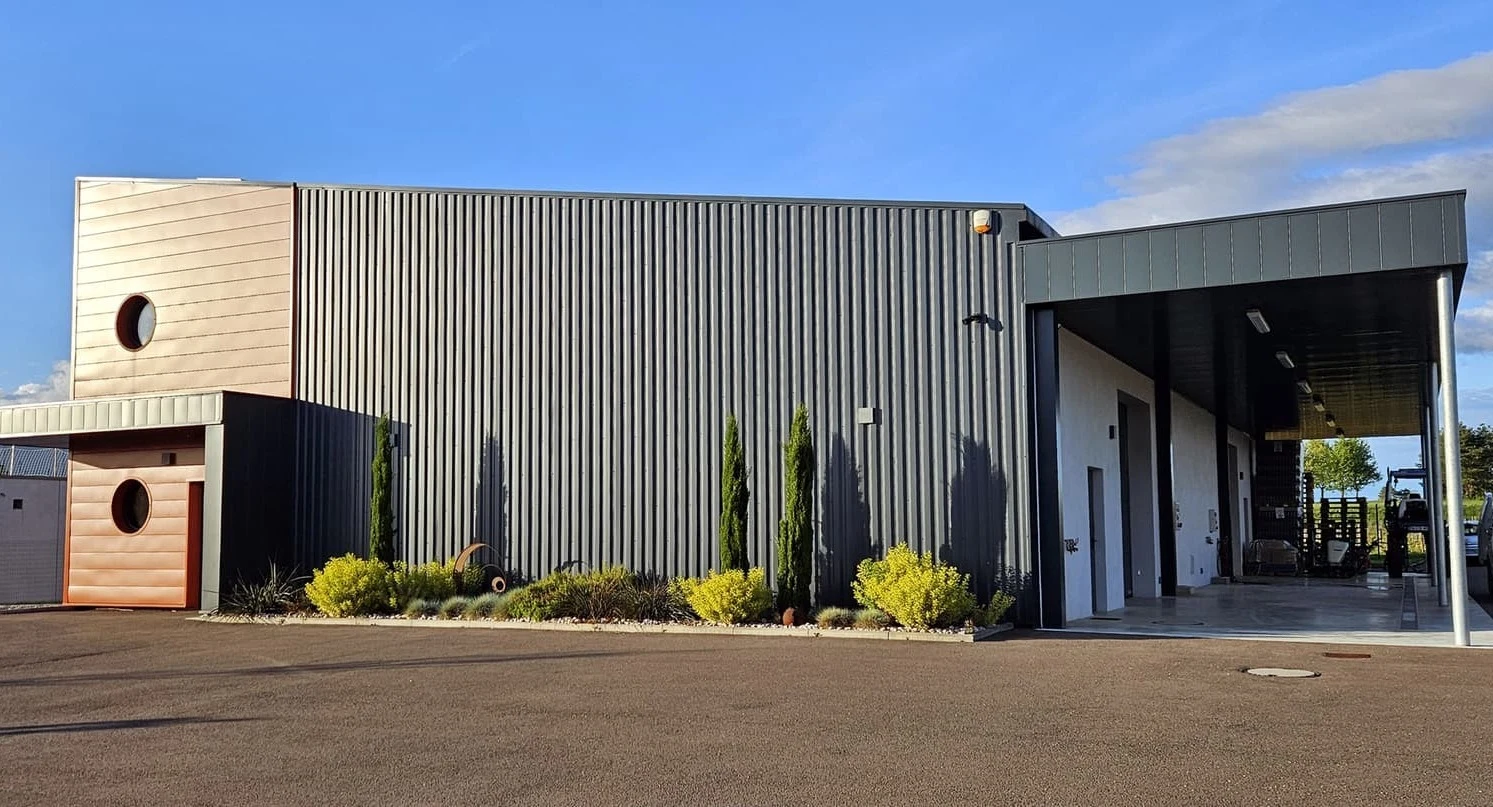
| Château Rieussec | Fargues | · |
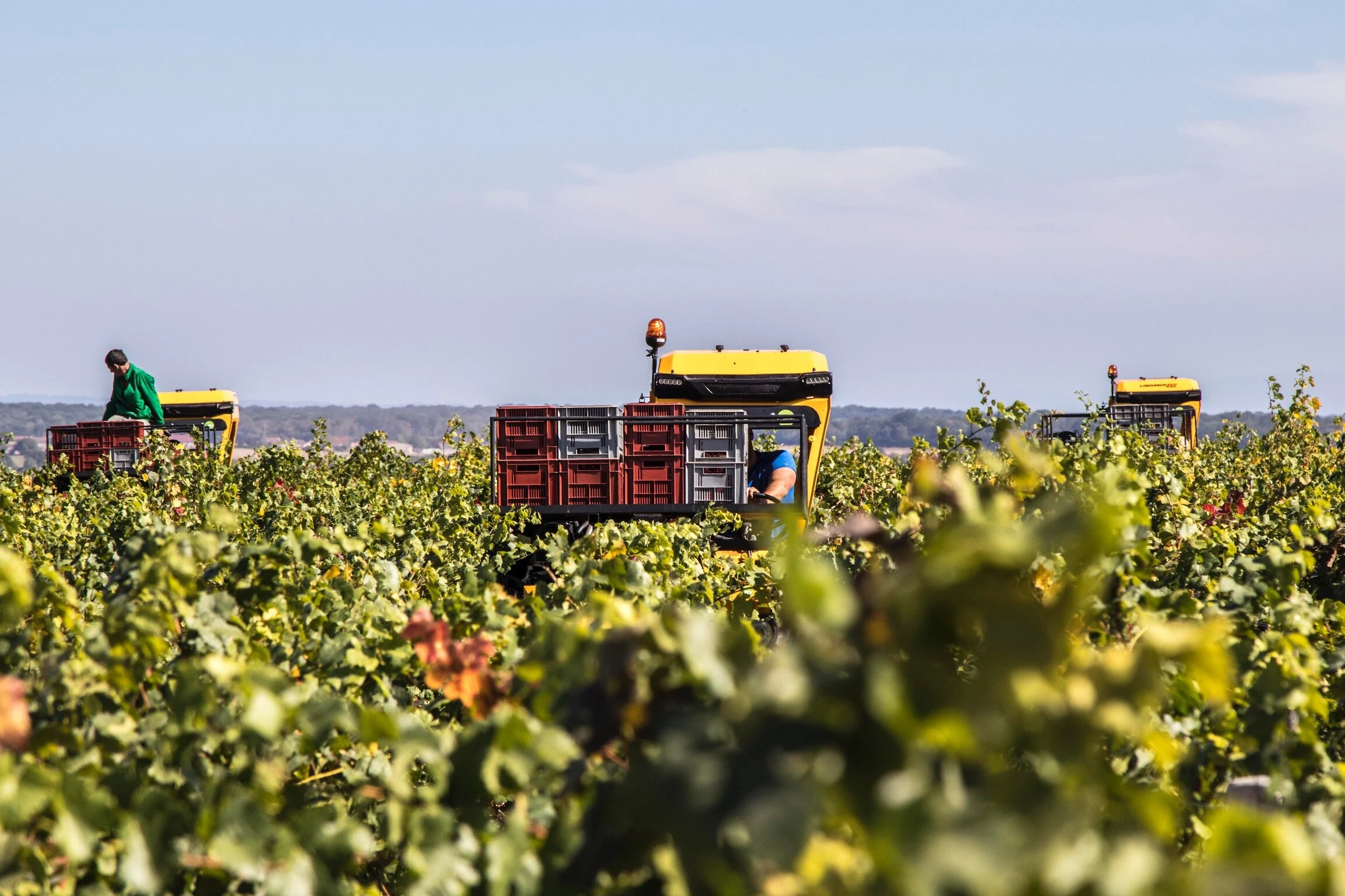
| Domaine Emmanuel Rouget | Flagey-Echézeaux | · |
| Domaine Leroy | Vosne-Romanée | · |
| Domaine Roulot | Meursault | · |
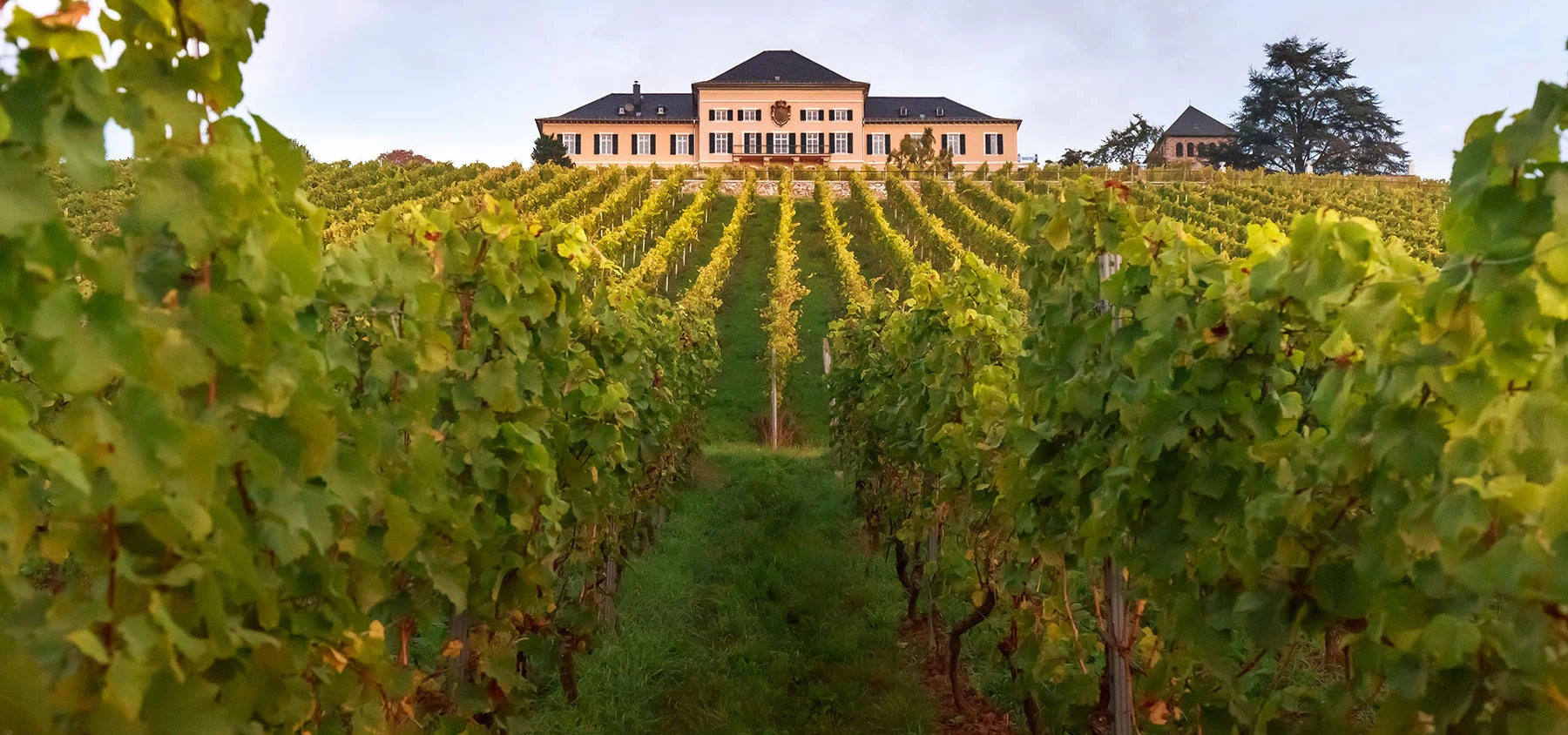
| Schloss Johannisberg | Geisenheim-Johannisberg | World's 50 Best |
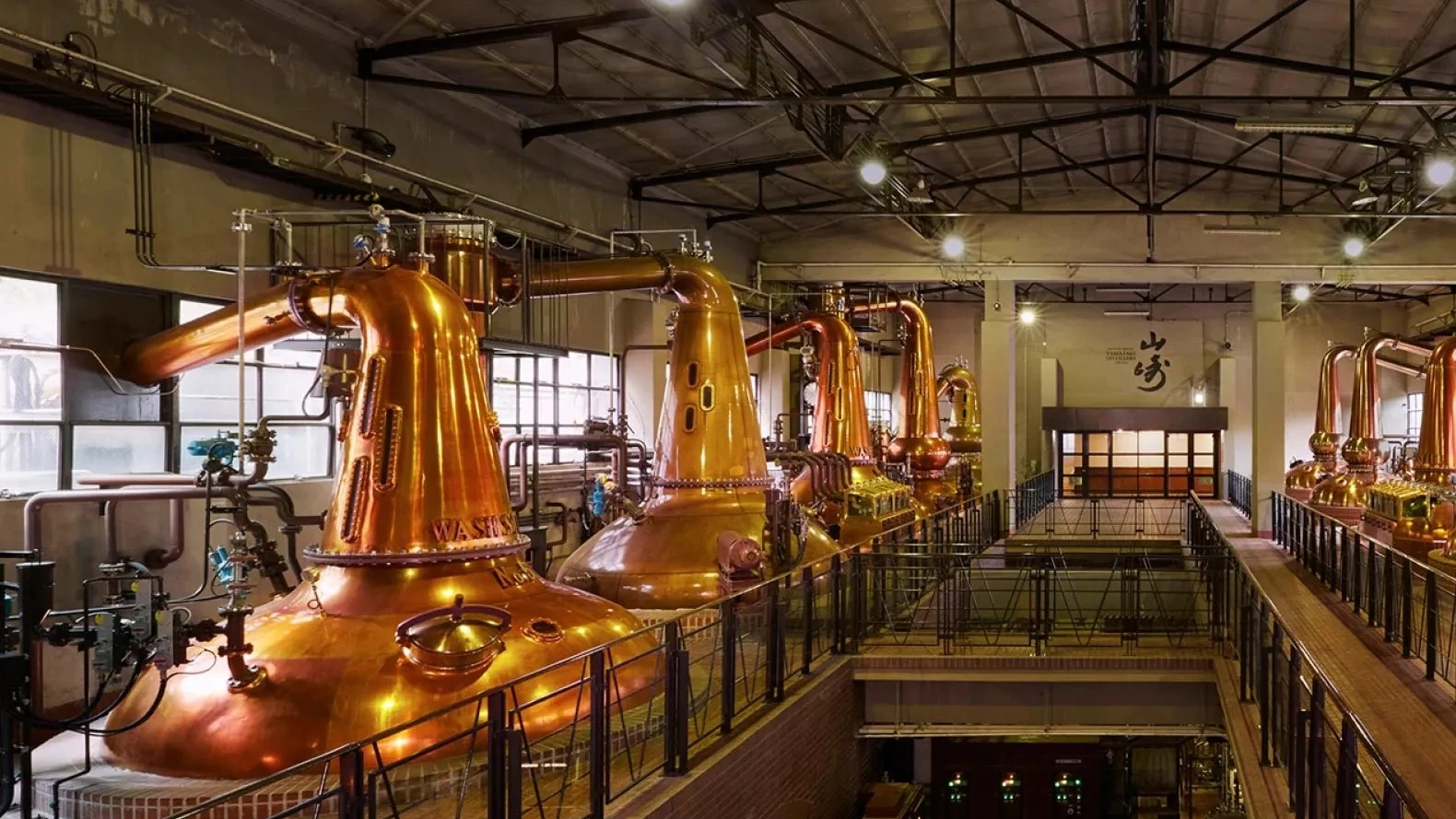
| Yamazaki (Suntory) | Shimamoto | · |
In residence
Similar places
The Sunday letter
Get the next Made By story in your inbox.
We send one email every Sunday morning with the places and people we covered that week.
One email a week. Unsubscribe from any issue.