Kingston Family Vineyards holds a Pearl 2 Star Prestige rating (2025) among Casablanca Valley's producer tier, where the valley's coastal fog and diurnal temperature swings define the character of its cool-climate whites and Pinot Noir. The property sits within a regional conversation about precision viticulture and site-specific winemaking that has reshaped how Chile's wine industry positions its Pacific-facing valleys against European benchmarks.
<h2>Where Casablanca's Cool-Climate Argument Gets Its Strongest Test</h2><p>The Casablanca Valley earns its reputation in the vineyard, not the cellar. Fog rolls in from the Pacific each morning, slowing ripening across the valley floor and giving grapes the extended hang time that builds aromatic complexity in Sauvignon Blanc, Chardonnay, and Pinot Noir without sacrificing acidity. That thermal moderation is the defining condition of this growing region, and the producers who work with it most deliberately rather than compensating for it tend to produce the valley's most articulate wines. Kingston Family Vineyards, a winery in Chile's Casablanca Valley with an annual tasting price of about US$85 per person, occupies a position in that disciplined tier.</p><p>Casablanca sits roughly 75 kilometres from Santiago and about 20 kilometres from the Pacific coast, a geography that gives it a meaningfully different profile from Chile's inland valleys. Producers here operate against a backdrop of relatively young wine history, serious commercial viticulture in the valley only took hold in the 1990s, but the technical standards among the leading estates have compressed that learning curve substantially. Among the valley's producers, Kingston Family participates in a broader project of placing Chilean cool-climate wine in a credible peer conversation with Burgundy and the Marlborough district, not by imitation but by demonstrating what this specific terroir can produce on its own terms.</p><h2>Winemaking Philosophy in a Region Built on Restraint</h2><p>The winemaking philosophy that characterises Casablanca's prestige tier is one of minimal intervention where possible, with site selection doing the heavy structural work. In a valley where over-extraction would easily strip out the floral and saline characteristics that distinguish Casablanca Pinot Noir from warmer Chilean expressions, the choice to hold back in the winery is as strategic as it is aesthetic. Kingston Family Vineyards operates within that tradition. Its 2025 recognition positions it alongside a select group of Casablanca producers working at the upper end of the valley's quality register.</p><p>That designation places Kingston Family in a comparable peer group to other Casablanca estates that have pursued single-vineyard identity and varietal specificity over volume. Producers such as <a href="https://www.enprimeurclub.com/wineries/matetic-vineyards-casablanca-winery">Matetic Vineyards</a>, <a href="https://www.enprimeurclub.com/wineries/casas-del-bosque-casablanca-winery">Casas del Bosque</a>, and <a href="https://www.enprimeurclub.com/wineries/vina-emiliana-casablanca-winery">Viña Emiliana</a> have each staked out distinct positions in the valley's quality story. Kingston Family's positioning suggests an emphasis on expressing site character with a winemaking hand light enough to let the valley's natural conditions speak, rather than engineering a house style through heavy oak or extended maceration.</p><p>The broader Casablanca conversation about winemaker philosophy also includes producers at different scales and ownership models. <a href="https://www.enprimeurclub.com/wineries/bodegas-re-casablanca-winery">Bodegas RE</a> and <a href="https://www.enprimeurclub.com/wineries/indomita-casablanca-winery">Indómita</a> each represent different approaches to the valley's potential, and comparing Kingston Family against those peers helps calibrate where it sits on the spectrum from artisan-scale precision to larger-volume commercial production. Kingston Family's Pearl 2 Star Prestige rating signals it belongs firmly in the precision end of that range.</p><h2>The Casablanca Valley as a Winemaking Argument</h2><p>Context matters when evaluating any producer here. Casablanca's wine identity is relatively recent by Old World standards, but the valley made its case quickly. By the late 1990s, the region had established that its cool mornings and long, moderate afternoons could produce Chardonnay and Pinot Noir with structural finesse that Chile's Maipo and Colchagua valleys, better known for Cabernet Sauvignon, simply cannot replicate. That distinction is now well-established in export markets, where Casablanca wines compete in a different bracket than their inland counterparts.</p><p>For a wine producer operating in this environment, the reference points extend well beyond Chile. The valley's Pinot Noir is routinely compared to lighter-styled Burgundy and to New Zealand's Central Otago and Martinborough expressions, while the Sauvignon Blanc draws comparisons to Marlborough without the aggressive tropical register. Kingston Family engages that comparative field from a position supported by formal recognition, which matters when a producer is asking buyers and visitors to evaluate Chilean wine against international benchmarks.</p><p>Internationally, producers at similar prestige levels face analogous questions about communicating terroir specificity over national origin. <a href="https://www.enprimeurclub.com/wineries/adelsheim-vineyard-newberg-winery">Adelsheim Vineyard in Newberg</a> and <a href="https://www.enprimeurclub.com/wineries/adelaida-vineyards">Adelaida Vineyards in Paso Robles</a> have navigated similar positioning challenges in their respective American appellations, while <a href="https://www.enprimeurclub.com/wineries/albert-boxler-niedermorschwihr-winery">Albert Boxler in Niedermorschwihr</a> and <a href="https://www.enprimeurclub.com/wineries/aldo-conterno-monforte-dalba-winery">Aldo Conterno in Monforte d'Alba</a> demonstrate how Old World producers build site-specific reputation over generations. Kingston Family's trajectory in a much younger appellation carries a different kind of ambition.</p><h2>Planning a Visit to Kingston Family Vineyards</h2><p>Casablanca Valley wineries are accessible from both Santiago and Valparaíso, making the region a practical day trip from either city, with Santiago roughly 75 kilometres to the east and Valparaíso approximately 35 kilometres to the west. The valley runs along Route 68, which connects the two cities, and most estates are clustered close enough to that corridor that a focused itinerary covering two or three producers in a single day is realistic. For visitors arriving from Santiago, the drive typically takes under an hour outside peak traffic hours.</p><p>Direct contact with the estate before visiting is advisable. Tasting formats at Casablanca producers vary considerably, from informal walk-in pours to structured seated tastings with food pairings. At the 2 Star Prestige level, advance reservation is the safer assumption. For a broader picture of what Casablanca offers across its producer tier, the EP Club Casablanca guide covers the valley's dining and wine options in full.</p><p>Seasonal timing in Casablanca follows a standard Southern Hemisphere wine calendar. Harvest typically runs from late February through April, a period when the valley is operationally busy and visually compelling, with working vineyard activity that adds context to any tasting experience. Summer months bring the most reliable weather for travel, though the valley's coastal fog can persist into late morning even during peak season, which is characteristic rather than inconvenient.</p><h2>How Kingston Family Compares in a Valley of Serious Producers</h2><p>The Casablanca Valley's prestige tier is not large. A handful of estates hold formal recognition at levels that place them in a conversation with South America's leading cool-climate producers, and fewer still have built the kind of international export profile that sustains multi-market distribution. Kingston Family's Pearl 2 Star Prestige rating from EP Club (2025) puts it in that narrower group, alongside peers that include <a href="https://www.enprimeurclub.com/wineries/matetic-vineyards-casablanca-winery">Matetic Vineyards</a>, whose biodynamic approach represents a different but comparably serious commitment to quality, and <a href="https://www.enprimeurclub.com/wineries/casas-del-bosque-casablanca-winery">Casas del Bosque</a>, which has invested significantly in both production infrastructure and on-site hospitality.</p><p>For the wine traveller who has already covered more immediately familiar South American regions, Casablanca offers a specific kind of interest: a valley still in the process of defining its premium identity, with enough established producers to make a focused visit rewarding, but without the institutional weight that makes older regions feel settled. Kingston Family occupies a meaningful position in that ongoing definition.</p><p>Producers at comparable prestige levels internationally, from <a href="https://www.enprimeurclub.com/wineries/accendo-cellars">Accendo Cellars in St. Helena</a> and <a href="https://www.enprimeurclub.com/wineries/alban-vineyards">Alban Vineyards in Arroyo Grande</a> to <a href="https://www.enprimeurclub.com/wineries/alexander-valley-vineyards-geyserville-winery">Alexander Valley Vineyards in Geyserville</a> and <a href="https://www.enprimeurclub.com/wineries/achaia-clauss-patras-winery">Achaia Clauss in Patras</a>, each operate within their own regional identity debates. What distinguishes Casablanca's current moment is the combination of relatively short institutional history and genuinely compelling terroir, a combination that tends to produce motivated, focused producers rather than complacent ones. <a href="https://www.enprimeurclub.com/wineries/aberlour-aberlour-winery">Aberlour in Aberlour</a> presents a parallel case in spirits: a recognised producer within a defined regional tradition building on a clear site identity. Kingston Family's trajectory in Casablanca follows a structurally similar logic.</p>
Kingston Family Vineyards has received recognition including: Pearl 2 Star Prestige (2025).
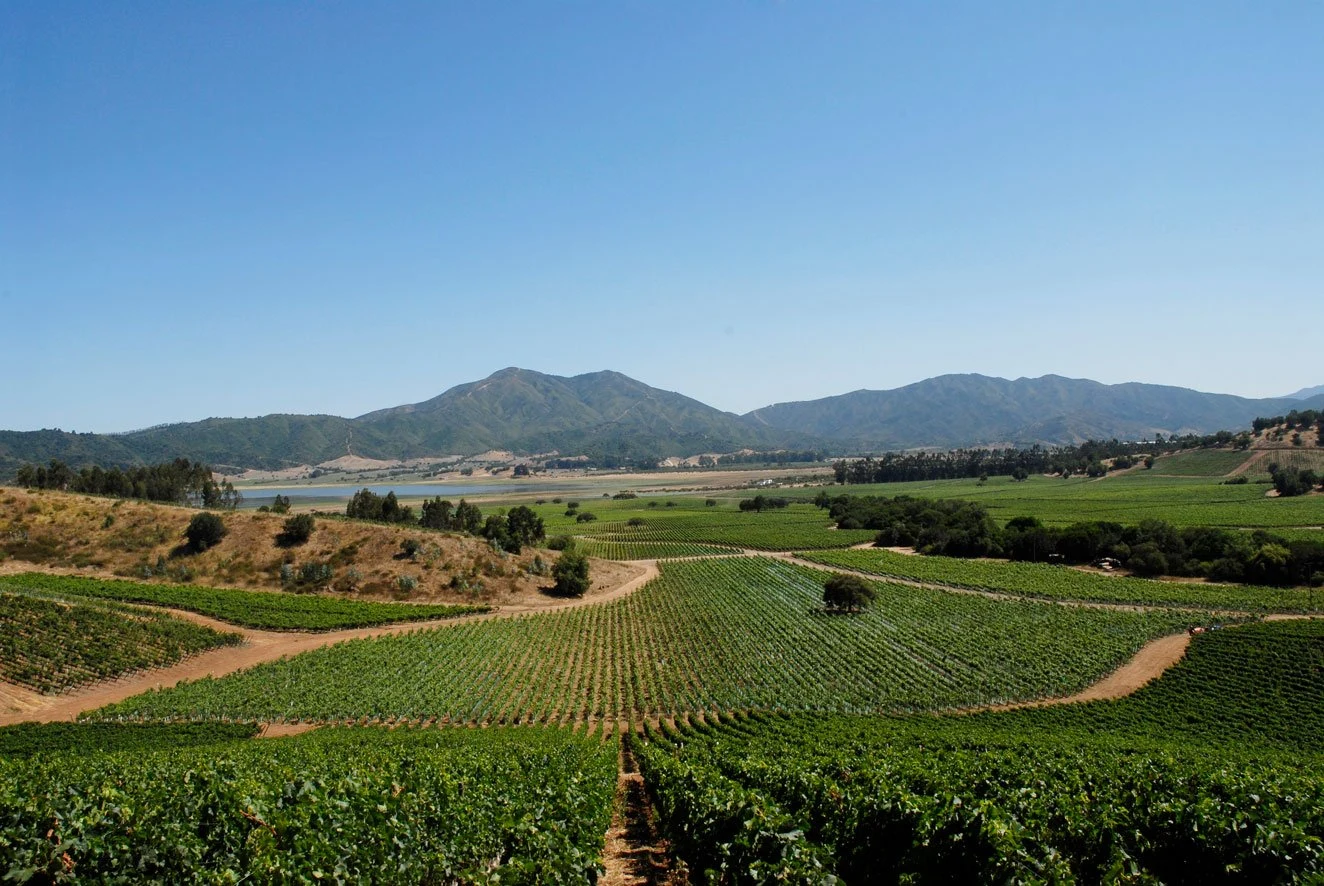
Kingston Family Vineyards operates in Chile's Casablanca Valley, a cool-climate region whose Pacific-influenced conditions favour aromatic whites and light-structured reds. The valley's fog-moderated mornings slow ripening, making it one of Chile's most credible sources for varieties that demand temperature restraint. Specific current releases are best confirmed directly with the estate.
Kingston Family Vineyards holds a Pearl 2 Star Prestige designation from EP Club as of 2025, placing it among the formally recognised producers in the Casablanca Valley's prestige tier. That tier is small: relatively few estates in the valley carry ratings at this level, which positions Kingston Family in a conversation with South America's more serious cool-climate producers. The estate operates in a region that built its reputation on site selection and restraint rather than intervention-heavy winemaking.
Booking policies and tasting formats are not confirmed in public sources, so contacting Kingston Family Vineyards directly before your trip is the practical first step.Casablanca Valley sits between Santiago and Valparaíso, making it a day trip from either city, but prestige-tier estates in the valley often require advance notice for structured visits.
Kingston Family Vineyards carries a Pearl 2 Star Prestige designation from EP Club in 2025, a rating that sits within the upper tier of formal recognition in the Casablanca Valley. The valley's prestige-rated producers form a short list, which means this designation functions as a meaningful filter for visitors prioritising quality over convenience. For context on how Pearl Star ratings are structured, EP Club's rating methodology sets the benchmark across Chilean and broader South American wine regions.
Kingston Family Vineyards suits wine travellers who want to engage with the Casablanca Valley's cool-climate argument at a prestige level, specifically at a Pearl 2 Star-rated estate rather than a general tourism stop. It works particularly well as part of a Santiago or Valparaíso itinerary, given the valley's accessibility from both cities.
Because tasting formats and availability are not confirmed in public sources, contacting the estate directly before planning travel is the most efficient approach.Pairing the visit with other Casablanca Valley producers gives useful comparative context for the region's cool-climate character, and Kingston Family's Pearl 2 Star Prestige rating makes it a logical anchor for such an itinerary.