Made ByRestaurant
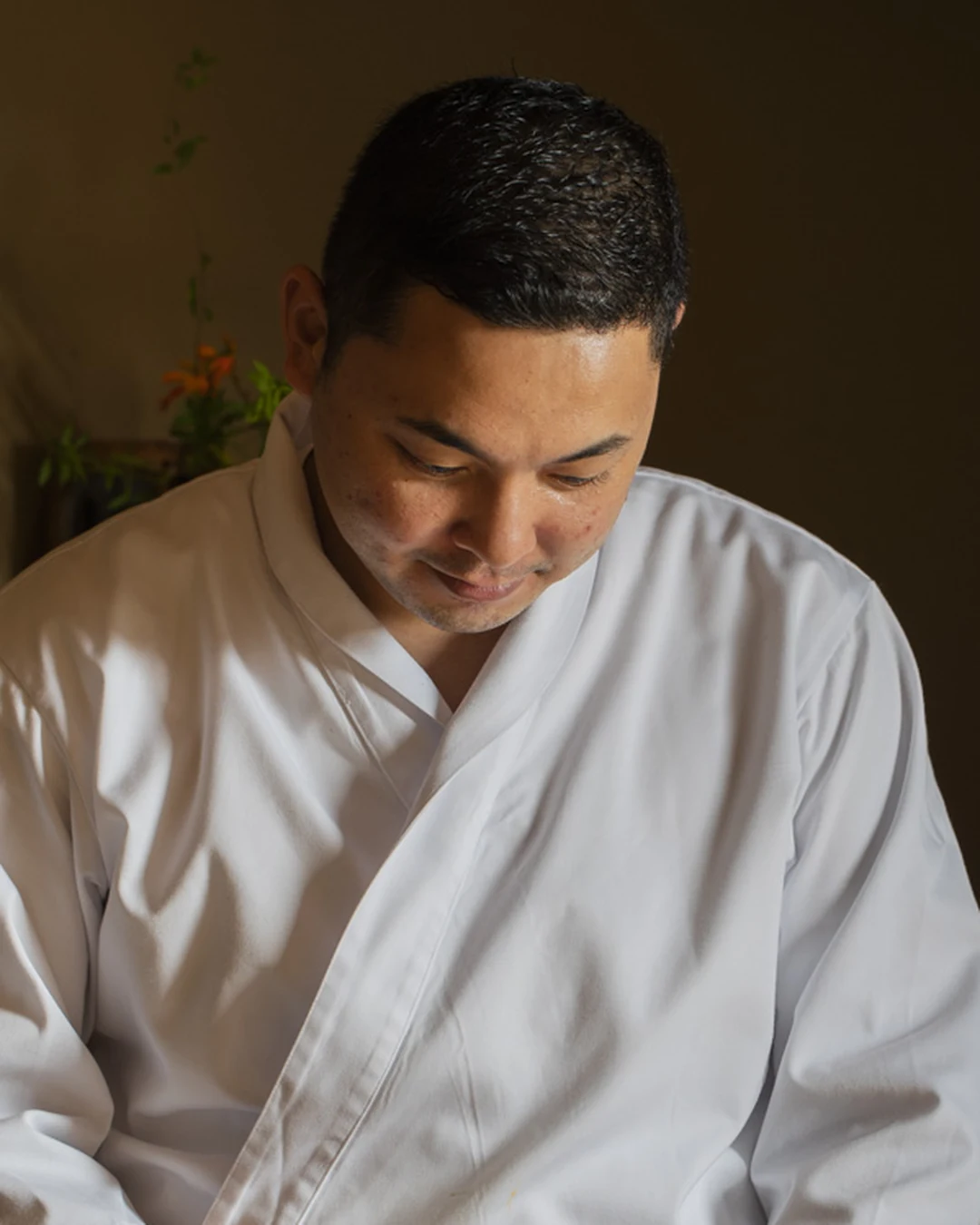
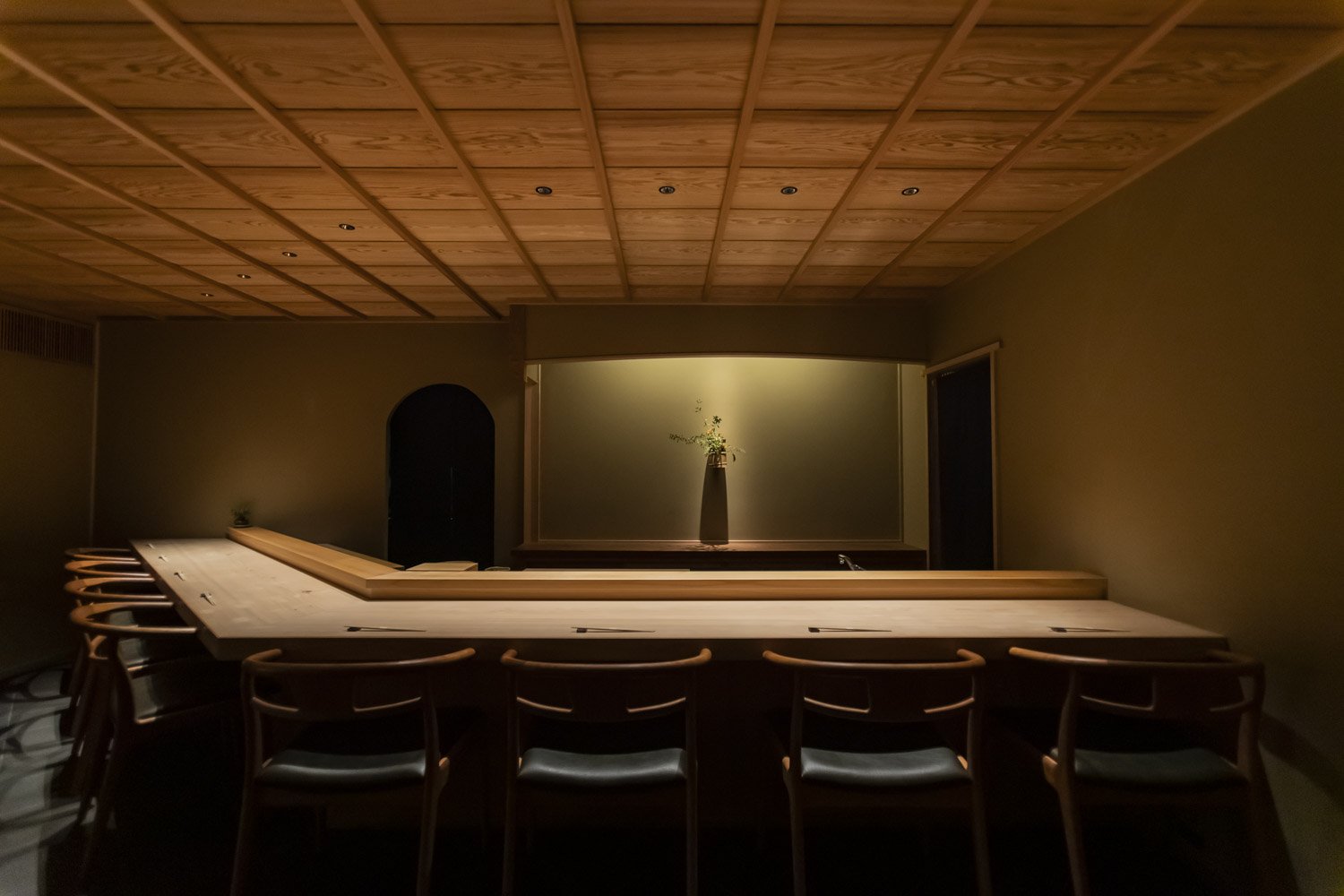
Kazuki Noguchi cooks Edo-style sushi as chef at Kotan in Fukuoka, where measured cuts and controlled pacing keep flavor ahead of display.
At a glance
- Cuisine
- Sushi
Measured cuts at the counter
The cut lands before the ceremony. Kazuki Noguchi, chef at Kotan in Fukuoka, works Edo-style sushi through measured knife work, controlled pacing, and a preference for flavor over display. Since 2021, the counter has carried his low register: not theatrical, not stripped of feeling, but held to proportion. Noguchi trained under Master Hashimoto in Tokyo, where repetition forms the base of the hand. That apprenticeship matters here because the sushi does not ask the diner to admire flourish. It asks for attention to sequence, temperature, pressure, and release, the small decisions that decide whether a piece arrives as a gesture or as noise.
At Kotan, Noguchi keeps the method close to essentials. The cut is not decoration. The rice is not a platform. The fish is not a signal of abundance. Each element has to serve the bite, and the pacing at the counter gives the work its frame. The Tabelog Silver Award attached to Kotan recognizes that discipline, and bench-side the chef chooses restraint again, piece after piece, without asking restraint to become an effect.
Edo style without performance
Noguchi’s Edo-style sushi at Kotan is built around clarity. The house’s published account of the work names measured cuts and controlled pacing, which are not decorative virtues in this craft. They decide how flavor opens. A slice taken too heavily can dull the fish; a course sent too quickly can flatten the sequence; a hand that wants to impress can turn the counter into a stage. Noguchi’s discipline runs the other way. He keeps the register low so the diner can read the material.
The lineage from Master Hashimoto in Tokyo shows in that refusal to hurry toward effect. Repetition is the training, and repetition is also the test. The same movement has to return with enough consistency to be trusted, yet with enough attention to respond to the piece in front of the chef. At Kotan, rigor supports subtlety. The method favors purity over ornament, not as an aesthetic pose, but because excess would get in the way of flavor. The work has a narrow path. Noguchi stays on it.
The room held to the pass
The counter is the useful vantage point at Kotan. It places the diner near the hands without turning the hands into spectacle, and it gives Noguchi’s pacing room to be felt rather than explained. The place takes its tone from the sushi: attentive, quiet, and disciplined. Nothing in the known account of Kotan depends on scene-making. The craft happens close, across the pass, with the sequence doing the work that decoration might do elsewhere.
That restraint gives the room its pressure. A sushi counter can become a theater of display, especially when the chef has recognition to carry. Noguchi keeps the emphasis on proportion. The final impression is not of withholding, but of control: cut, rice, timing, and flavor kept in relation. If Kotan continues to matter in Fukuoka, it will be through that repeated discipline at the counter, under Kazuki Noguchi.
Address
1 Chome-5-15 Sakurazaka, Chuo Ward, Fukuoka, 810-0024, Japan
In residence
Similar places
Edomae-style Omakase Sushi
Sushi Sakai
Fukuoka, Japan
Modern Kyushu-style Omakase Sushi
Tenzushi Kyomachi
Fukuoka, Japan
Edomae Sushi Omakase
Chikamatsu
Fukuoka, Japan
French-Japanese Omakase
Goh
Fukuoka, Japan
50 Best
3-Star Michelin Edomae Omakase
Sushi Gyoten
Fukuoka, Japan
Seasonal Kyushu Kaiseki Omakase
Matsuyama
Fukuoka, Japan