From the people index
Recommended by
One trusted voice points here.
- Michelin Guide Bib Gourmand · 2026
- Opinionated About Dining Top Restaurants in Asia Recommended · 2026
- Michelin Plate · 2025
- Opinionated About Dining Top Restaurants in Asia Ranked #411 · 2025
- Michelin Plate · 2024
A Converted Classroom, a Distinct Cuisine
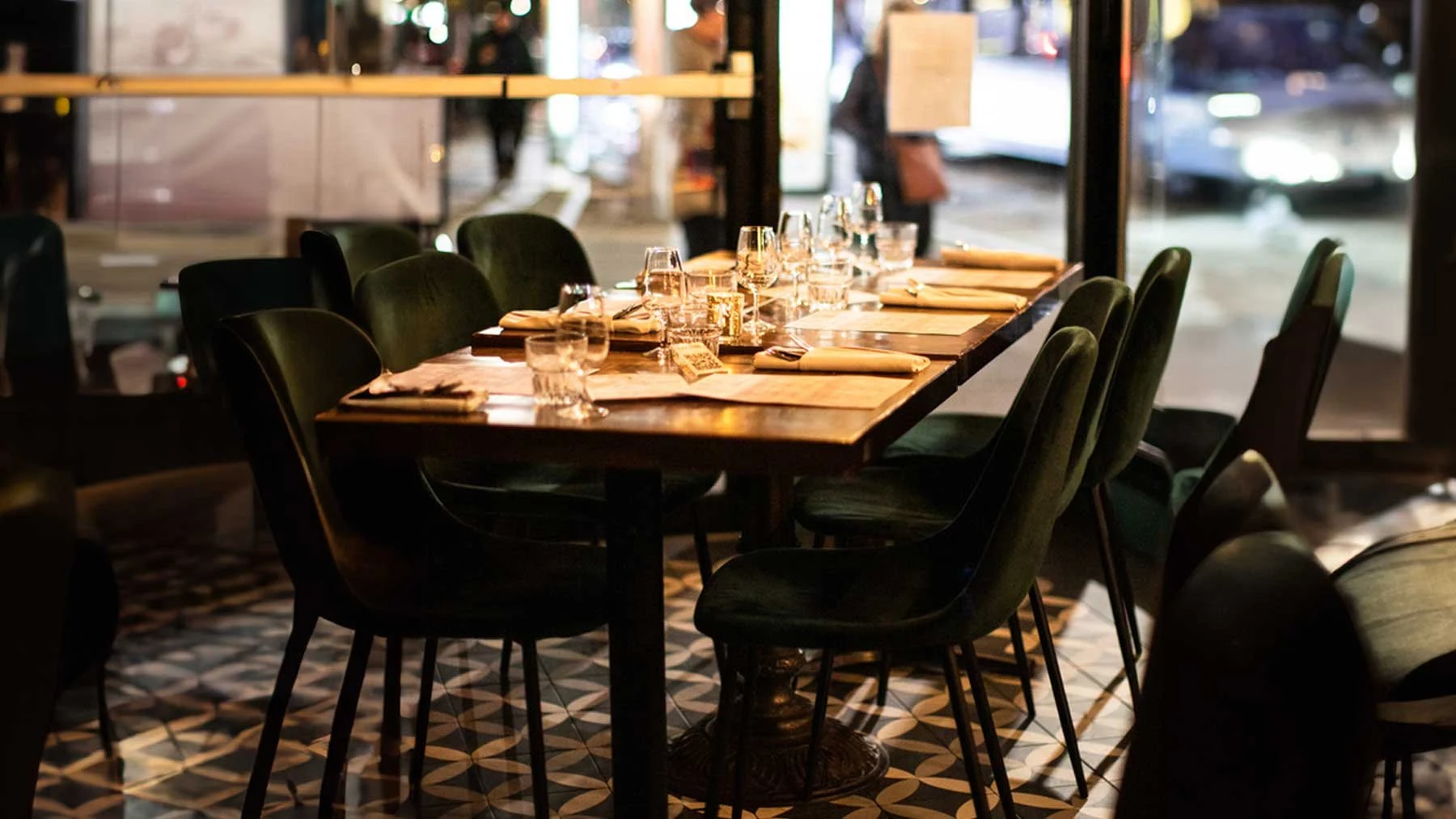
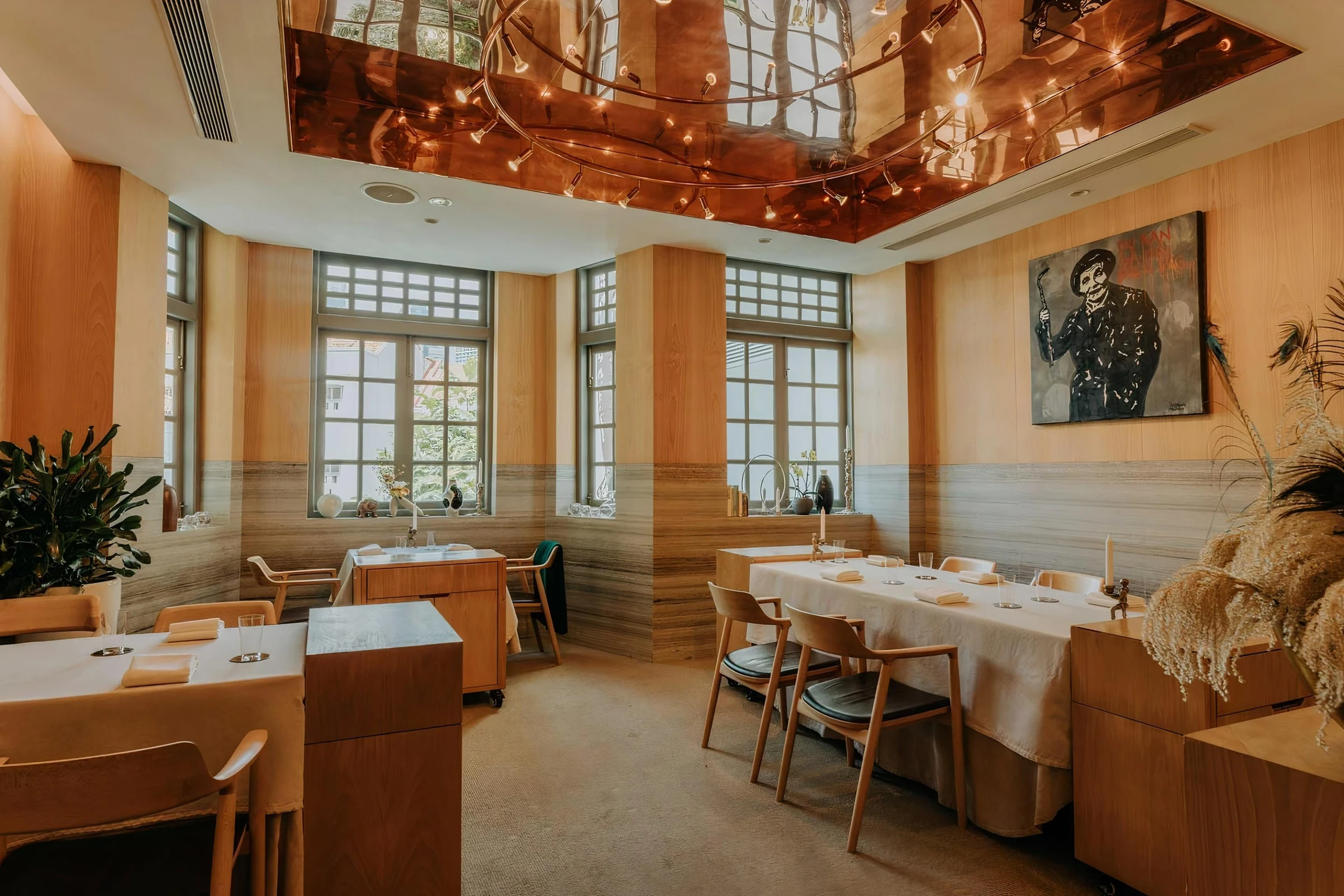
New Bahru arrived on Singapore's dining map as a considered adaptive reuse project, converting a former school compound on Kim Yam Road into a cluster of independent food and retail tenants. The atmosphere that results is low-key in a way that many of the city's more formal dining rooms are not: exposed brick, open corridors, the particular quiet of a neighbourhood that hasn't yet been overrun. Kotuwa occupies unit 01-03 in the School Block, and the setting signals something before the food arrives, this is not a restaurant trying to look important. It already is.
Sri Lankan cooking occupies a genuinely underrepresented position in Singapore's restaurant scene. The city's South Asian dining offer skews heavily toward Indian, Tamil, North Indian, and Chettiar traditions dominate, while Sri Lanka's own grammar of coconut, pandan, Maldive fish, and deep spice layering rarely appears at this level of execution. Kotuwa is one of the few places in Southeast Asia where that grammar is treated as the primary subject, not a regional footnote. For broader context on how Sri Lankan cooking is being positioned elsewhere in the world, see our coverage of Ministry of Crab in Colombo, Aliyaa in Kuala Lumpur, Rambutan in London, Hoppers in Doha, HOPPERS in Tokyo, and the New York City cluster at Lakruwana, Lungi, and Sagara.
The Sunday letter
Find new places through the people who run them.
Our Sunday email brings you the chefs, winemakers and hoteliers behind our newest stories. See a sample before you subscribe.
See a sample of the Sunday emailOne email a week. Unsubscribe from any issue.
The Chef Behind the Room
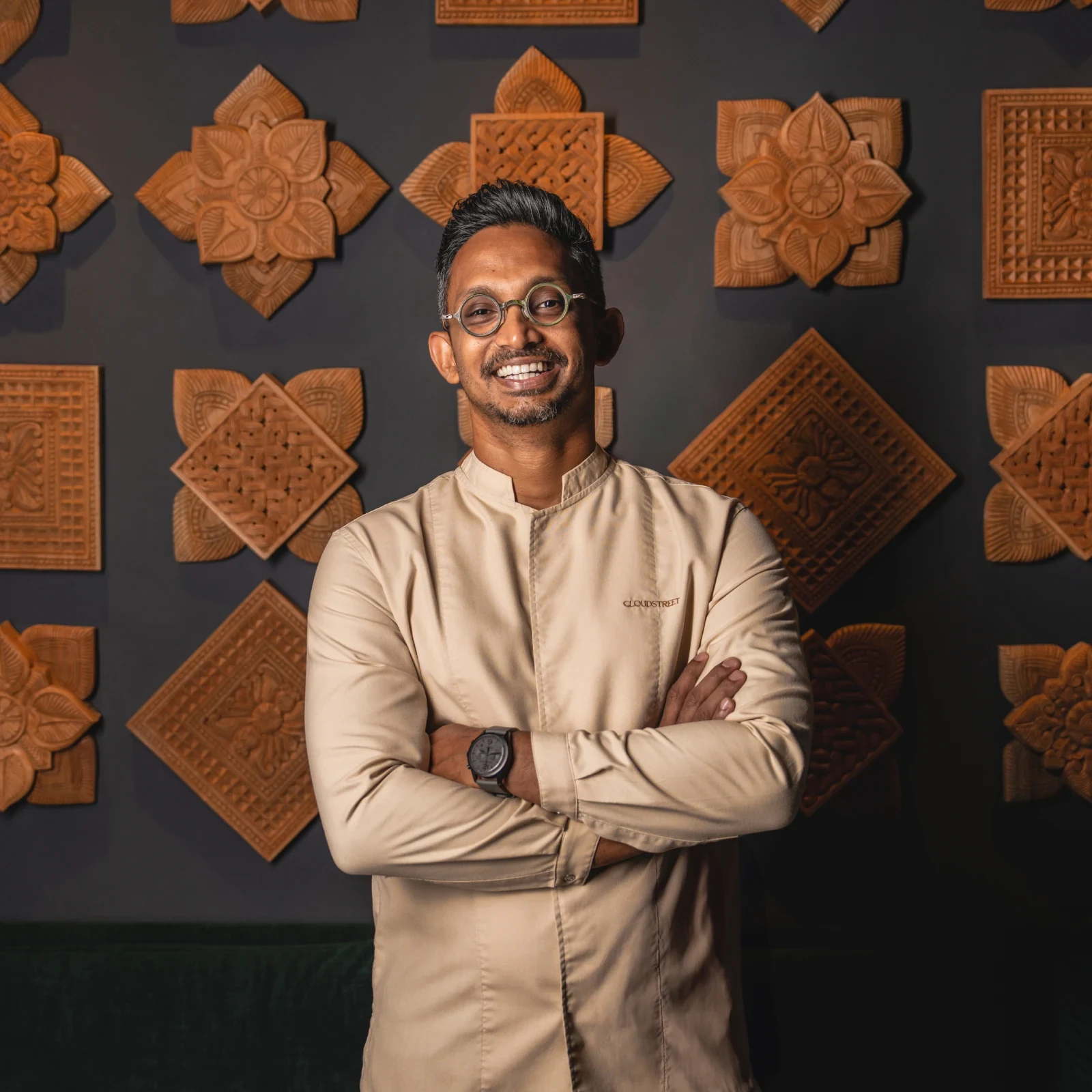
Rishi Naleendra's career arc matters here less as personal biography and more as a marker of where Sri Lankan cooking sits in the broader dining conversation. He earned a Michelin star at his earlier Singapore restaurant Cheek by Jowl, which operated in a European creative mode. Kotuwa represents a deliberate pivot: applying fine dining discipline to the cuisine of his home country, not as fusion or reinterpretation, but as direct engagement. That trajectory, from cooking another tradition at high level to turning toward one's own, is a pattern visible across Asia's most interesting mid-career chefs, and Kotuwa is its clearest local expression.
The significance of that choice shows up in how Singapore's restaurant community and its critics have responded. The Michelin Guide awarded Kotuwa a Plate in both 2024 and 2025, signalling consistent technical execution. The Opinionated About Dining guide ranked Kotuwa among Leading Restaurants in Asia for 2025. For a restaurant at the $$ price tier, that level of recognition is notable.
What Sri Lankan Cooking Actually Is
Much of what makes Sri Lankan cooking distinct from Indian subcontinental traditions is structural rather than ingredient-based. Where many North Indian dishes build spice into slow-cooked gravies, Sri Lankan cooking relies on tempering, coconut milk in different reductions, and the specific funk of Maldive fish as an umami base. Hoppers, the fermented rice-and-coconut crepe, function as a vehicle in the way that bread or rice might elsewhere, but they carry their own flavour load from the fermentation. Sambols, particularly the pol sambol of grated coconut with chilli and lime, act as a textural and acid counterpoint across an entire spread rather than as a condiment afterthought.
Kotuwa works within this tradition rather than explaining it. The menu reads as a document of the cuisine rather than a translation for foreign audiences. That's a meaningful distinction: restaurants that treat a cuisine as something requiring cultural orientation for their customers tend to dilute it. At Kotuwa, the assumption is that the food can hold the room without a translator.
Where Kotuwa Sits in Singapore's Dining Scene
Singapore's Michelin-starred tier is dense with European and Japanese fine dining, from the three Michelin stars at Zén and the long-established French authority of Les Amis to the contemporary precision of Odette. The Plate tier, where Kotuwa sits, includes a wider range of cooking traditions and formats, and tends to reward restaurants where the food itself is doing serious work without the ceremony of a full tasting menu structure. Meta operates in a similar zone, chef-led, award-tracked, but accessible in format and price.
At $$, Kotuwa prices against casual-to-mid dining rather than its award-comparable set. That positioning makes it a practical choice for the kind of dinner where you want serious cooking without the full financial and logistical commitment of a tasting menu evening. Google's 4.4 rating across 748 reviews supports the idea that the experience lands consistently across a broad range of visitors.
For readers building a Singapore itinerary across dining, accommodation, and experiences, our full Singapore restaurants guide maps the full scene, and our guides to Singapore hotels, bars, wineries, and experiences cover the rest.
Know Before You Go
Address: 46 Kim Yam Rd, New Bahru, #01-03 School Block, Singapore 239351
Cuisine: Sri Lankan
Price range: $$ (mid-range)
Awards: Michelin Plate 2024 and 2025; Opinionated About Dining Leading Restaurants in Asia #411 (2025)
Google rating: 4.4 from 662 reviews
Chef: Rishi Naleendra
Setting: New Bahru adaptive reuse development, School Block ground floor
Questions
Frequently asked
Who works at Kotuwa?
Made By profiles Rishi Naleendra (Chef) at Kotuwa.
How expensive is Kotuwa?
Kotuwa is listed at a price level of $$$.
Where is Kotuwa and what does it serve?
Kotuwa is in INSTITUTION HILL, Singapore, serving Modern Sri Lankan.
The field
How it compares
| Place | Cuisine | Notes | Awards |
|---|---|---|---|
| Kotuwa | Modern Sri Lankan | INSTITUTION HILL, $$$ | · |
| Born | Contemporary Fusion Fine Dining | Singapore | Michelin 1 Star, World's 50 Best |
| Burnt Ends | Modern Australian Barbecue | Singapore | Michelin 1 Star, World's 50 Best |
| Jaan by Kirk Westaway | Modern British Fine Dining | Singapore | Michelin 2 Stars, World's 50 Best |
| Les Amis | Classic French Haute Cuisine | Singapore | Michelin 3 Stars, World's 50 Best |
| Odette | Modern French Fine Dining | Singapore | Michelin 3 Stars, World's 50 Best |
| Zén | Neo-Nordic with Japanese Influences | Singapore | Michelin 3 Stars, World's 50 Best |
In residence
Similar places
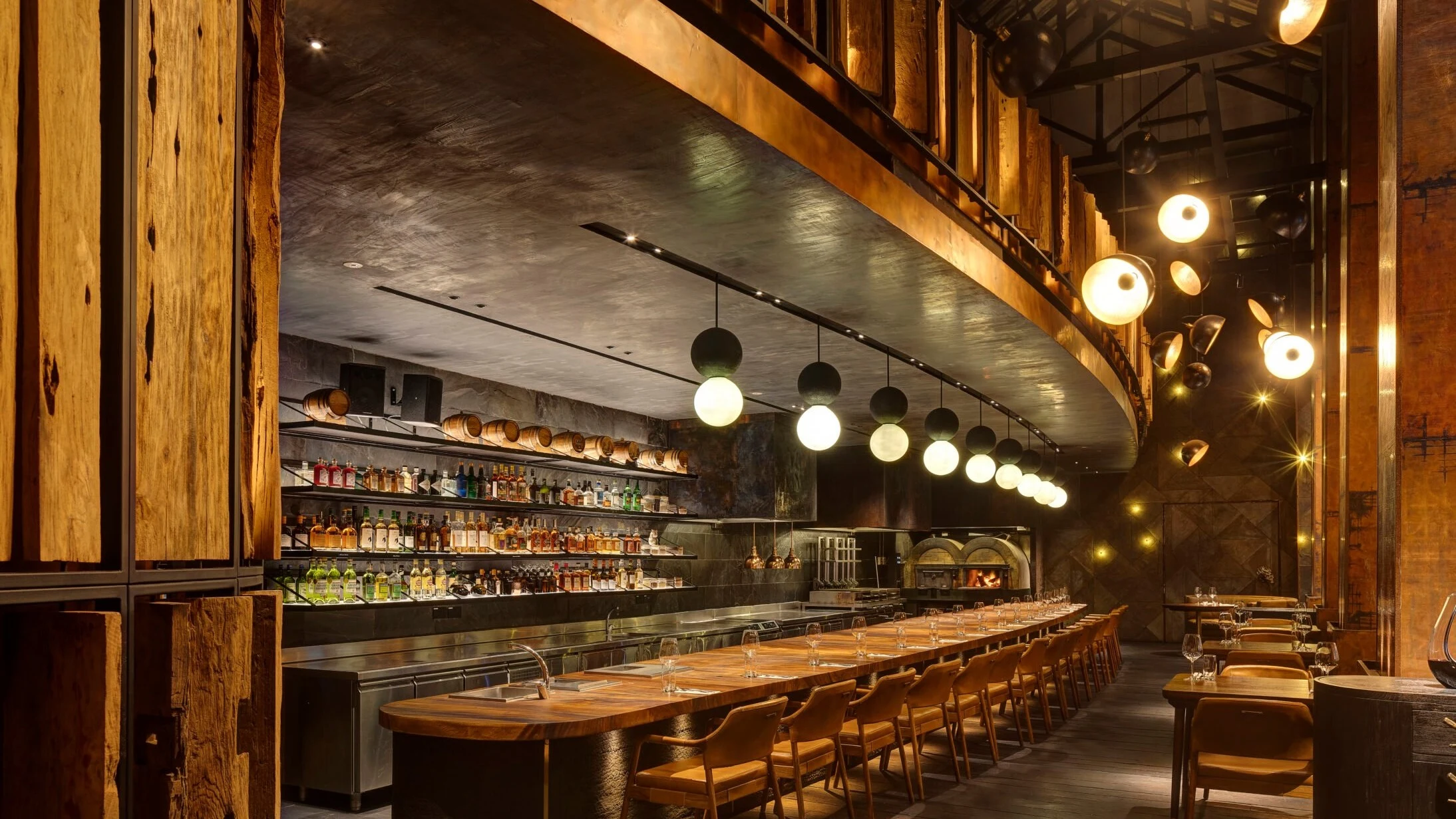
Contemporary Fusion Fine Dining
Born
Singapore, Singapore
★ · 50 Best
Modern Australian Barbecue
Burnt Ends
Singapore, Singapore
★ · 50 Best
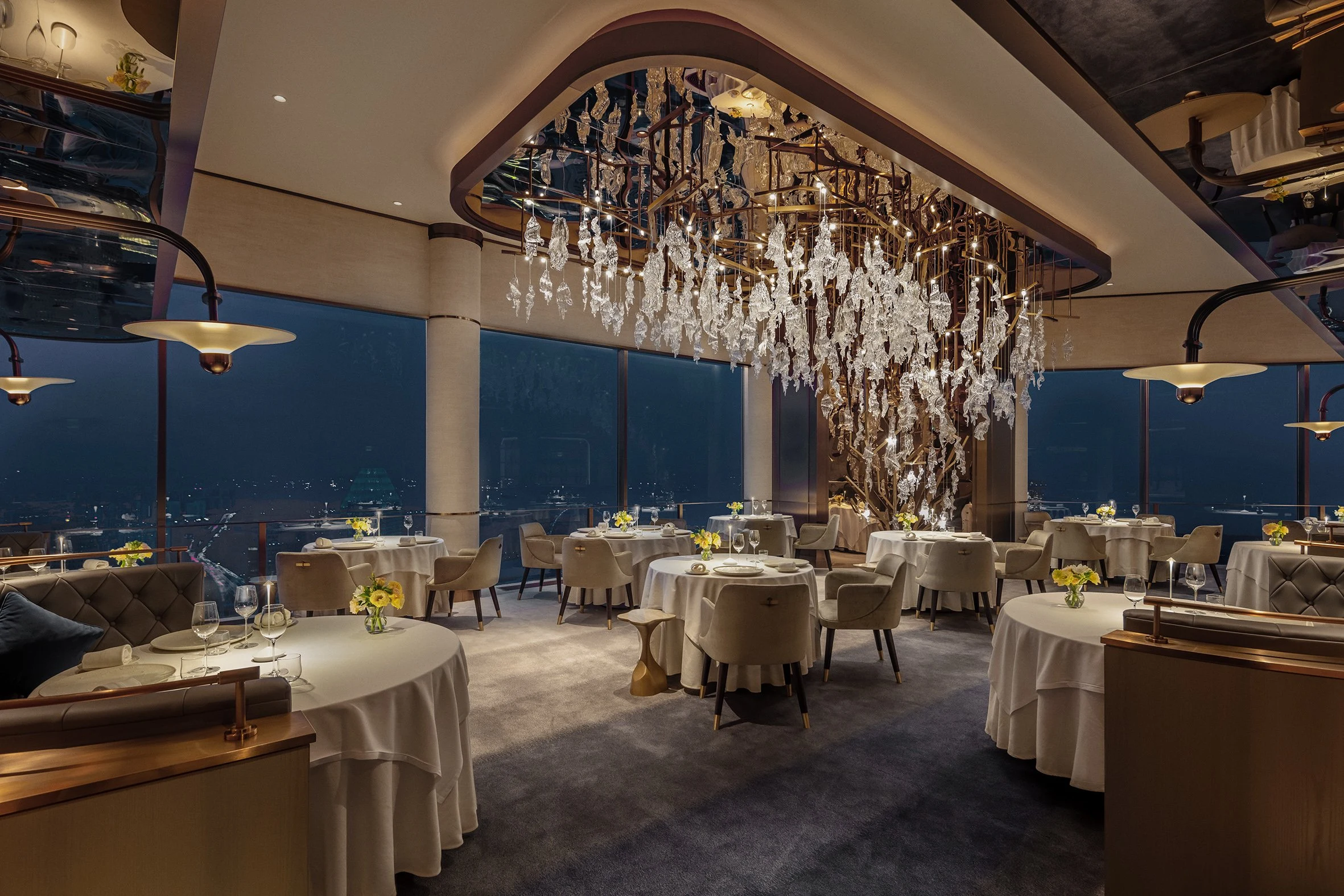
Modern British Fine Dining
Jaan by Kirk Westaway
Singapore, Singapore
★★ · 50 Best
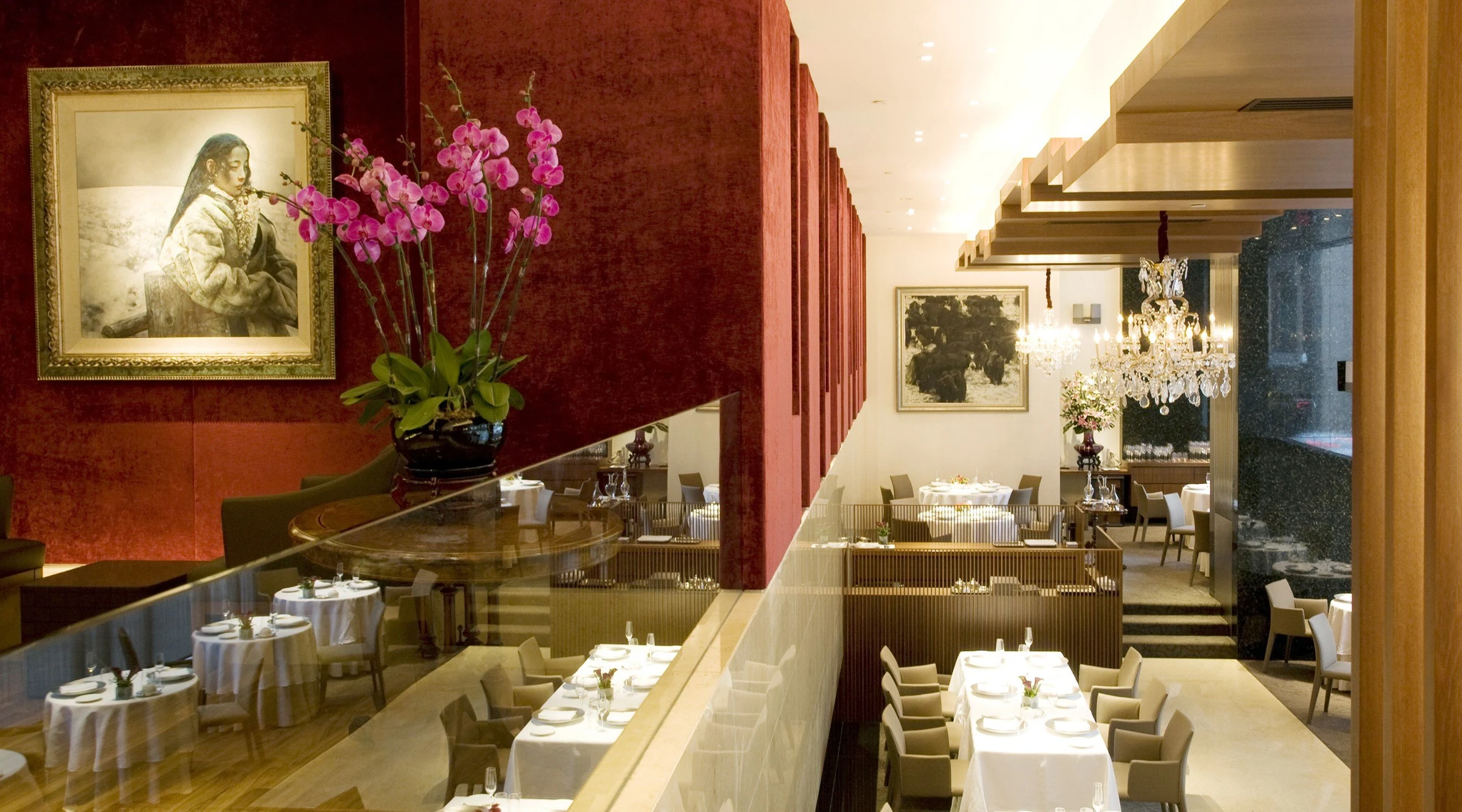
Classic French Haute Cuisine
Les Amis
Singapore, Singapore
★★★ · 50 Best
Modern French Fine Dining
Odette
Singapore, Singapore
★★★ · 50 Best
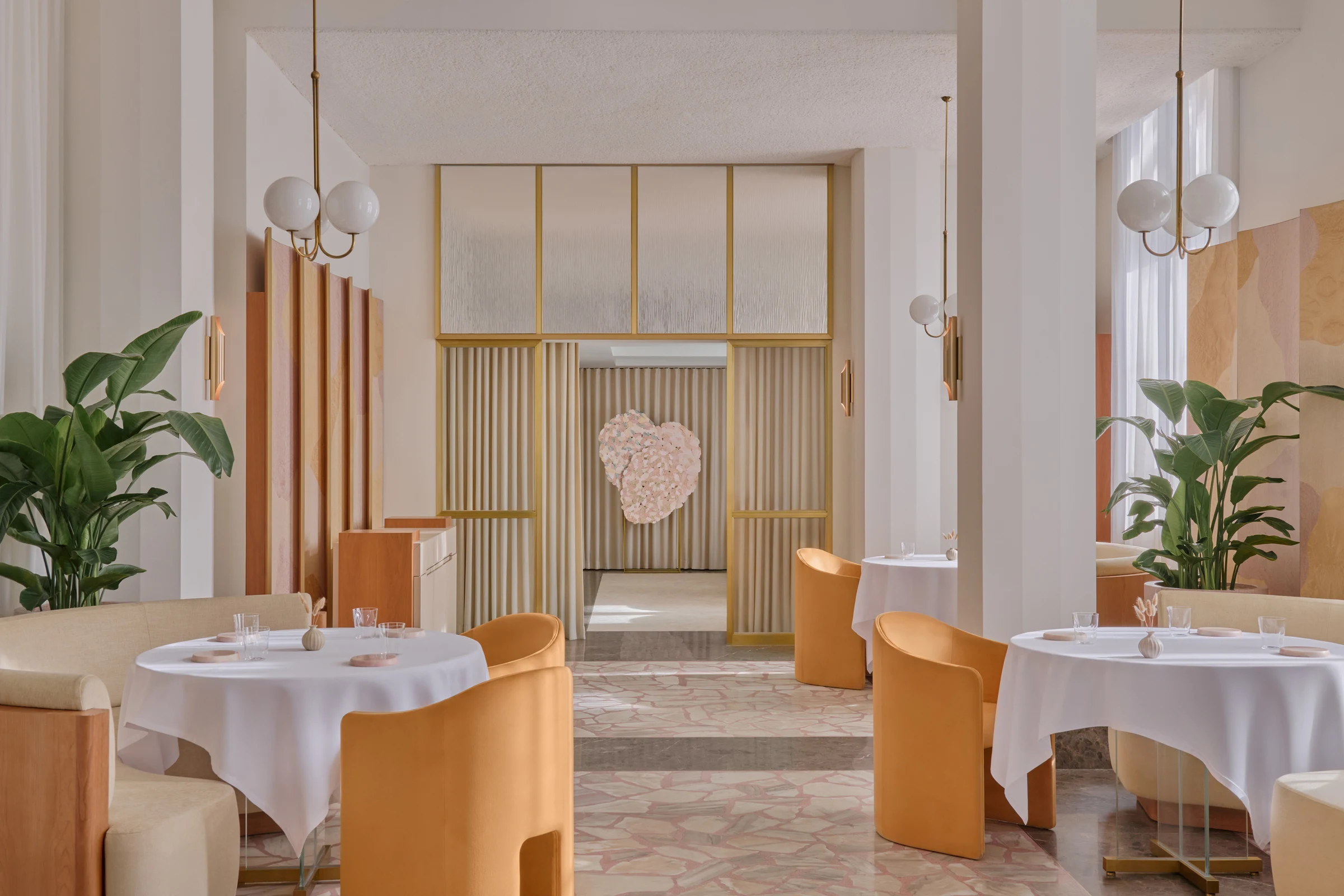
Neo-Nordic with Japanese Influences
Zén
Singapore, Singapore
★★★ · 50 Best
The Sunday letter
Get the next Made By story in your inbox.
We send one email every Sunday morning with the places and people we covered that week.
See a sample of the Sunday emailOne email a week. Unsubscribe from any issue.