Made ByRestaurant
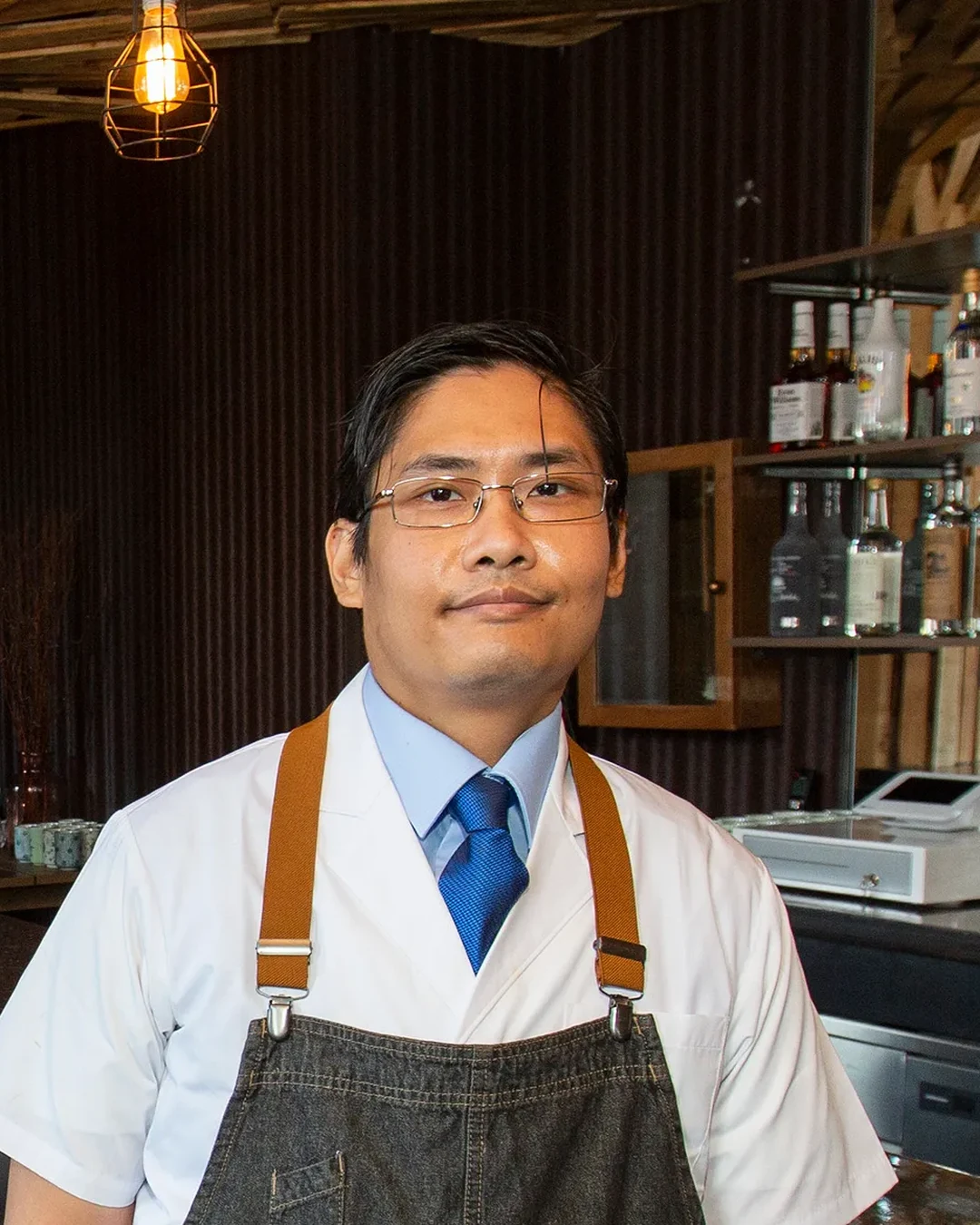
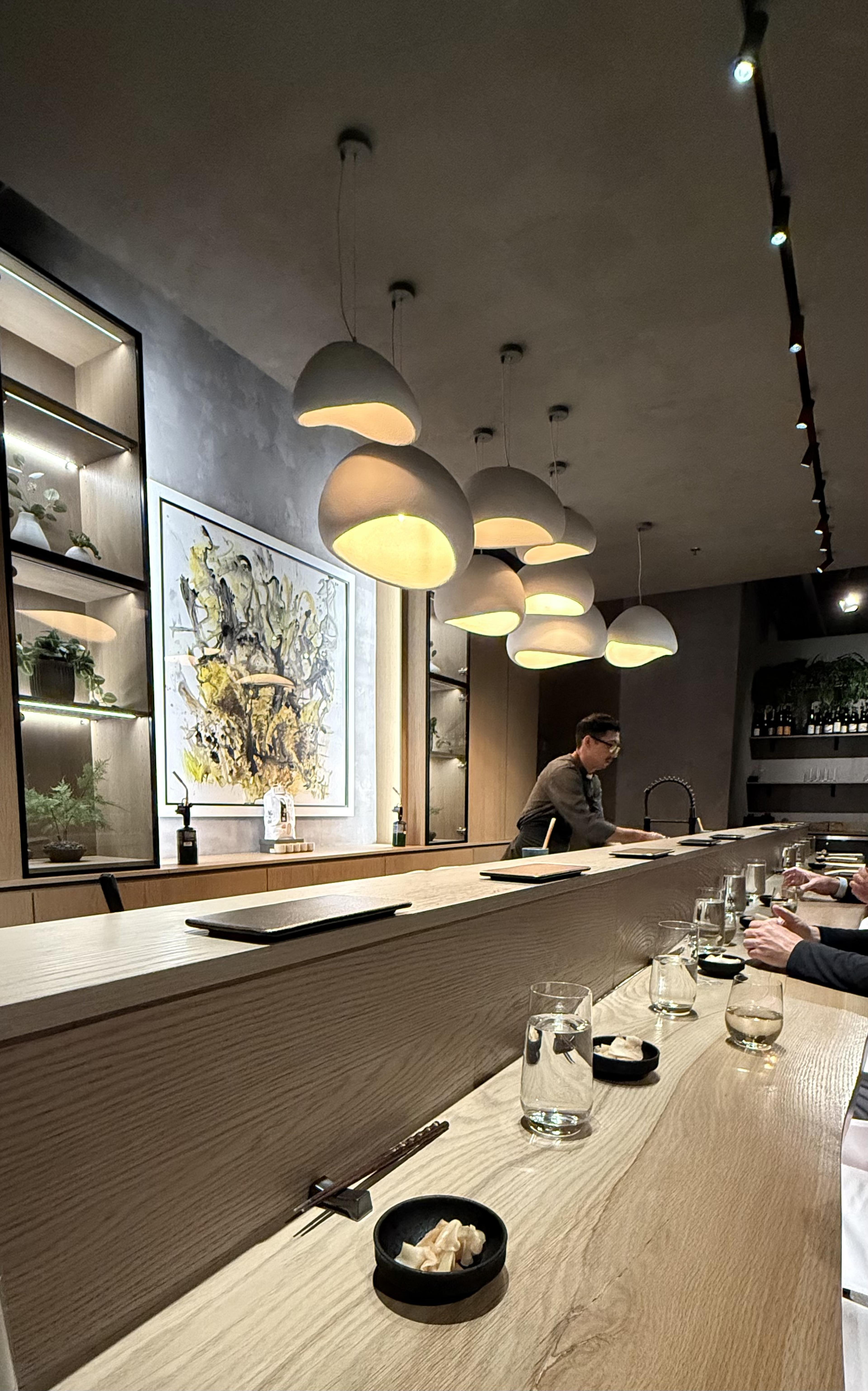
A 10-seat nigiri-only counter on Armitage Avenue, Kyōten sits in Chicago's compact but serious omakase tier, ranked #164 on Opinionated About Dining's North America list in 2025 and recognised with a Michelin Plate. Twice-weekly fish shipments from Japan and a beverage list priced well below the room's ambitions make this one of the city's most considered formats in the $$$$ category.
At a glance
- Cuisine
- Edomae-Style Omakase
- Price
- $$$$
- Per person
- $460
- Hours
- Mon: Closed; Tue: 6:30–9 PM; Wed: 6:30–9 PM; Thu: 6:30–9 PM; Fri: 6:30–9 PM; Sat: 6:30–9 PM; Sun: 6:30–9 PM
- Neighborhood
- Logan Square
- Rating
- 4.8 (152)
<h2>A Counter That Earns Its Place</h2><p>Kyōten is a Chicago restaurant serving Edomae-Style Omakase on West Armitage Ave, with a 4.8 Google rating and a price tier of $$$$. The neighbourhood runs on coffee shops, vintage stores, and the kind of low-key residential energy that keeps rents manageable for operators willing to work away from the River North dining corridor. That geographic remove turns out to matter: it signals something about what Kyōten is and isn't trying to do. There's no theatre of arrival, no doorman, no street-level spectacle. What there is, once you're inside, is a 10-seat counter, a chic room that lands somewhere between spare and warm, and a format stripped to its essentials, nigiri, and little else.</p><p>That restraint is not accidental. The omakase scene in cities like Chicago has increasingly split between counters selling exclusivity at eye-watering prices and those building a case for quality through discipline and sourcing rigour. Kyōten positions itself at the disciplined end of that divide. The presence of a flagship counter next door, reportedly priced exponentially higher, gives Kyōten a specific context: it is not the most expensive option available from the same kitchen lineage, but it is the one that makes the argument on merit rather than price alone.</p><h2>Trajectory and Recognition: Where the Awards Land</h2><p>A venue's awards trajectory tells you more than a single snapshot. Kyōten has appeared on Opinionated About Dining's Leading Restaurants in North America list in three consecutive years: ranked #142 in 2023, #136 in 2024, and #164 in 2025. The movement between those placements is modest and in one direction, but the consistent inclusion matters more than the precise number. OAD's methodology leans on the votes of frequent, experienced diners rather than professional critics alone, which means sustained presence on that list reflects repeat engagement from a peer-level audience rather than a single high-profile review.</p><p>For context, Chicago's $$$$ sushi tier is measured against a broader national comparable set that includes serious omakase operations in New York, Los Angeles, and San Francisco. Venues like <a href="https://www.enprimeurclub.com/restaurants/harutaka-tokyo-restaurant">Harutaka in Tokyo</a> and <a href="https://www.enprimeurclub.com/restaurants/sushi-shikon-hong-kong-restaurant">Sushi Shikon in Hong Kong</a> represent the benchmark for what a rigorous Japanese counter can achieve in non-Tokyo markets. Kyōten's consistent OAD placement puts it in conversation with that conversation, even if Chicago's sushi scene operates at a different scale and density. Within the city itself, the relevant peer comparison is a small group: <a href="https://www.enprimeurclub.com/restaurants/kai-zan-chicago-restaurant">Kai Zan</a> occupies a different price and format register, while the Michelin-starred cohort, <a href="https://www.enprimeurclub.com/restaurants/alinea">Alinea</a>, <a href="https://www.enprimeurclub.com/restaurants/smyth">Smyth</a>, <a href="https://www.enprimeurclub.com/restaurants/oriole-chicago-restaurant">Oriole</a>, and <a href="https://www.enprimeurclub.com/restaurants/kasama-chicago-restaurant">Kasama</a>, operate in different cuisine categories entirely. At the $$$$ sushi counter level, Kyōten has few direct local competitors, which partly explains the national-list visibility.</p><h2>The Format: Nigiri-Only and What That Commits You To</h2><p>Restricting a tasting counter to nigiri alone is a statement of intent that most American omakase operations avoid. The format removes the buffer of cooked courses, amuse-bouche sequences, and supplementary small plates that give a kitchen room to manoeuvre when fish quality dips or pacing falters. At a nigiri-only counter, every seat is occupied for the full duration, and there is nowhere to hide. Kyōten's nigiri is described as cut large, scored deep, and sauced before being pressed onto generous mounds of rice. The same source notes a Japanese scallop set atop an equally large rice portion, and avocado inside a tuna handroll: moments of levity that indicate a kitchen willing to step outside strict orthodoxy without losing structural discipline.</p><p>The tamago that closes the meal is described as silky, which in omakase terms is a meaningful signal. Tamago is the traditional closer at Japanese counters, and the quality of the egg preparation is widely used by knowledgeable diners as a proxy for kitchen attention to fundamentals. At Kyōten, the twice-weekly fish shipments from Japan speak to the sourcing commitment required to sustain a nigiri-only format at this level. That frequency and logistics cost is embedded in the pricing, which OAD notes is considered reasonable for what the meal delivers.</p><h2>Beverage and Room</h2><p>The beverage list is described as kindly priced relative to the room. Premium sushi counters across North America, from <a href="https://www.enprimeurclub.com/restaurants/le-bernardin">Le Bernardin in New York City</a> to <a href="https://www.enprimeurclub.com/restaurants/providence">Providence in Los Angeles</a>, have faced sustained criticism for beverage programmes priced to maximise per-cover revenue. A counter that exercises restraint on that front builds a different kind of trust with its audience. The room itself is described as chic, a word that in this context implies considered design without ostentation, consistent with a venue that wants attention on the counter rather than the décor.</p><h2>Chicago's Omakase Scene in Wider Context</h2><p>Chicago's reputation as a dining city rests most visibly on its progressive American and tasting-menu tier, the operations recognised at Michelin three-star level or on the 50 Best radar. Venues at the level of <a href="https://www.enprimeurclub.com/restaurants/lazy-bear">Lazy Bear in San Francisco</a>, <a href="https://www.enprimeurclub.com/restaurants/single-thread">Single Thread Farm in Healdsburg</a>, or <a href="https://www.enprimeurclub.com/restaurants/the-french-laundry">The French Laundry in Napa</a> define the national conversation around tasting-menu ambition on the coasts. Chicago holds its own in that conversation, but the city's omakase tier is a smaller, less-noticed category. Kyōten's OAD visibility has done something measurable for that category's national profile: it demonstrates that the city can sustain a serious nigiri counter outside the dense, high-rent sushi ecosystems of New York and Los Angeles, and that the audience exists. The comparison also holds further afield, Emeril's in New Orleans is a useful marker of how regional American dining cities can produce venues that command national respect without operating in a coastal hub.</p><p>For readers building a Chicago itinerary around serious eating, Kyōten is a dedicated sushi counter in the $$$$ category, operating on a format that requires both kitchen discipline and sourcing investment. The Google rating of 4.8 across 152 reviews reflects sustained satisfaction at the guest level.</p><div style="border:1px solid #e0e0e0;padding:1.5em;margin:2em 0;background:#fafafa;"><h3>Know Before You Go</h3><ul><li>Address: 2507 W Armitage Ave, Chicago, IL 60647</li><li>Neighbourhood: Bucktown, West Side</li><li>Format: Omakase counter, nigiri only</li><li>Seats: 10</li><li>Service days: Wednesday through Sunday, seatings at 6:30 pm (closed Monday and Tuesday)</li><li>Price tier: $$$$</li><li>Awards: Michelin Plate (2024); Opinionated About Dining Leading Restaurants in North America, #142 (2023), #136 (2024), #164 (2025)</li><li>Google rating: 4.8 (142 reviews)</li><li>Chef: Otto Phan</li><li>Further reading: Our full Chicago restaurants guide | Our full Chicago hotels guide | Our full Chicago bars guide | Our full Chicago wineries guide | Our full Chicago experiences guide</li></ul></div>
Know before you go
- Dress code
- smart_casual
- Reservations
- essential
- Parking
- street
- Payment
- credit_card
Frequently asked
Who's behind the kitchen at Kyōten?
The chef associated with Kyōten is Otto Phan.
Is Kyōten expensive?
Pricing at Kyōten is listed as $$$$.
What dish is Kyōten famous for?
Kyōten's format is the signature: a nigiri-only omakase where every course is a pressed piece, with fish cut large, scored deep, and sauced before landing on a generous mound of rice. Within that, the counter has drawn specific attention to its tuna handroll with avocado, a whole Japanese scallop served on an equally large bed of rice, and a closing tamago described as silky. The fish arrives on twice-weekly shipments from Japan, which sets the quality floor for every piece on the menu.
Address
2507 W Armitage Ave, Chicago, IL 60647
Logan Square
How it compares
- Notes
- Logan Square, Edomae-Style Omakase
- Price
- $$$$
- Notes
- West Loop, Modern Japanese Izakaya & Robata
- Price
- $$$$
- Notes
- West Loop, Modern Japanese Okonomiyaki
- Price
- $$$
- Notes
- Gold Coast, Modern Steakhouse
- Price
- $$$$
- Notes
- Lincoln Park, Contemporary American with Global Influences
- Price
- $$$$
- Notes
- Lakeview, Modern Japanese Sushi & Robata
- Price
- $$$
In residence
Similar places
Modern American Tasting Menu
Smyth
Chicago, United States
★★★ · 50 Best
Avant-Garde Molecular Gastronomy
Alinea
Chicago, United States
★★★ · 50 Best
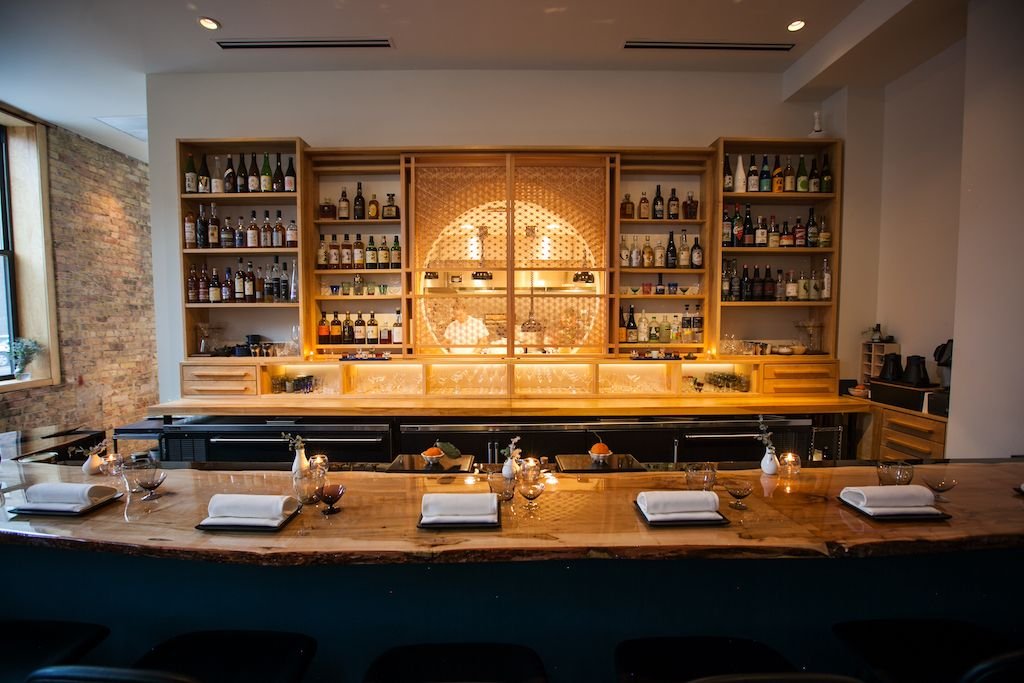
Japanese Dining Bar
Kumiko
Chicago, United States
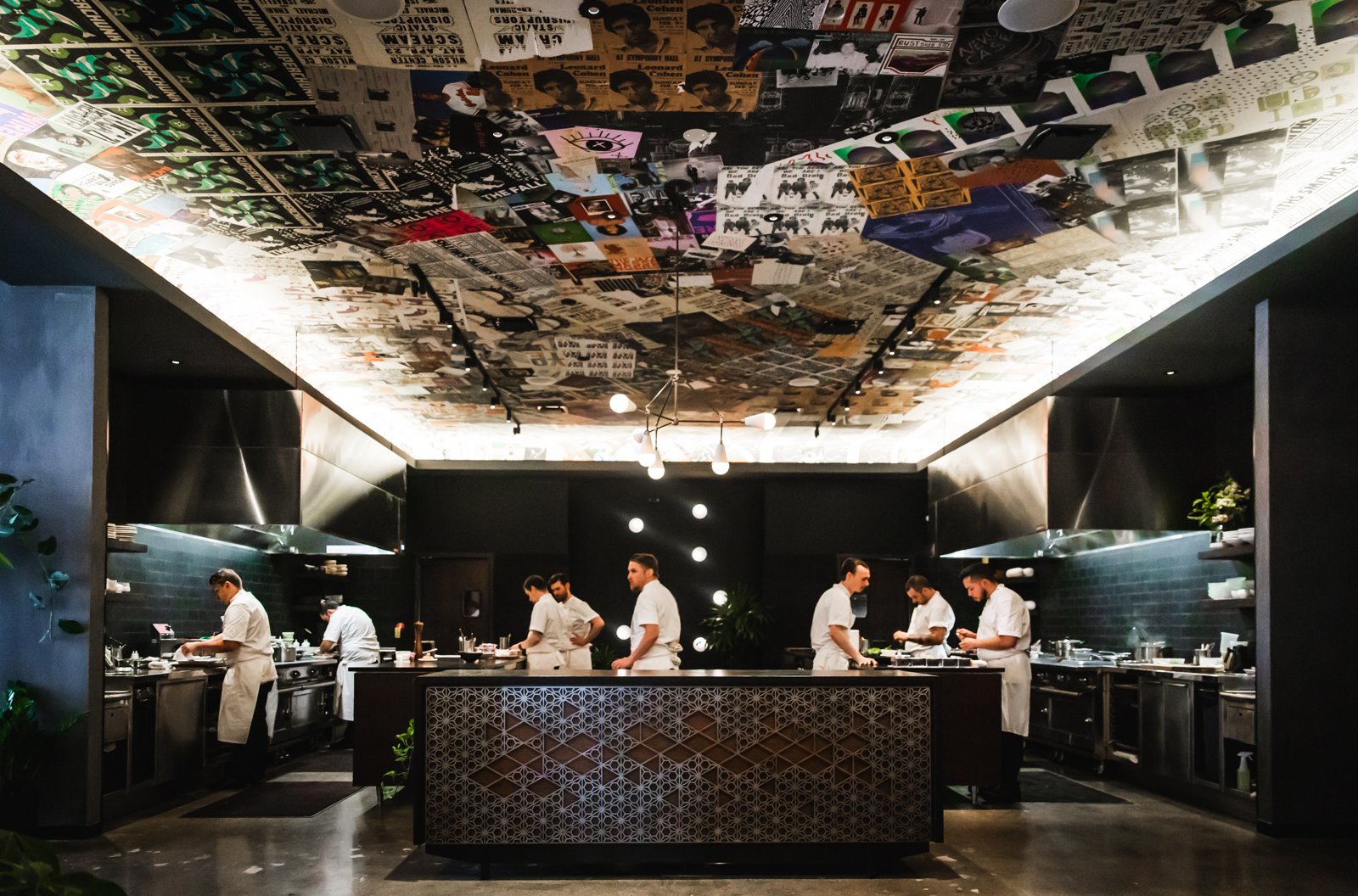
Modern French-Japanese Tasting Menu
Oriole
Chicago, United States
★★
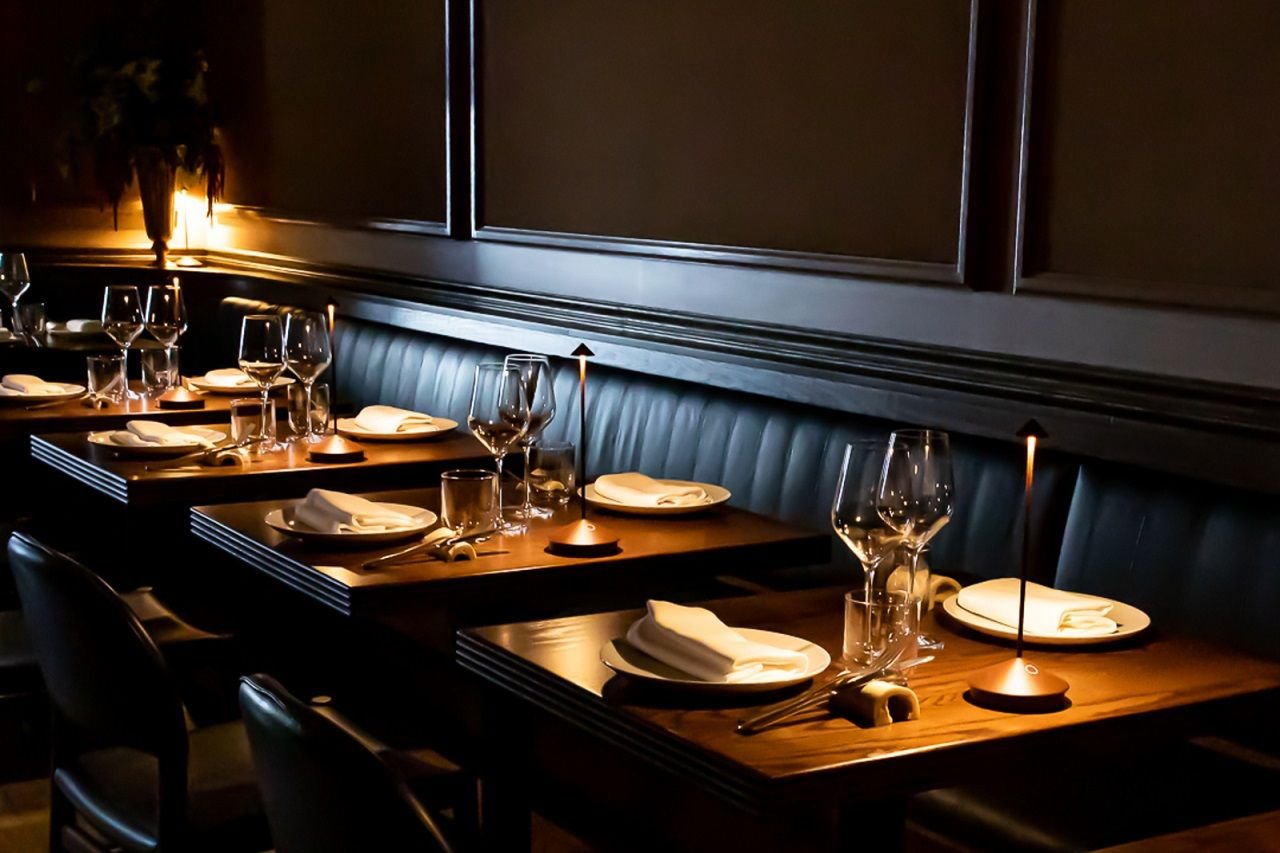
Basque-Inspired Steakhouse
Asador Bastian
Chicago, United States
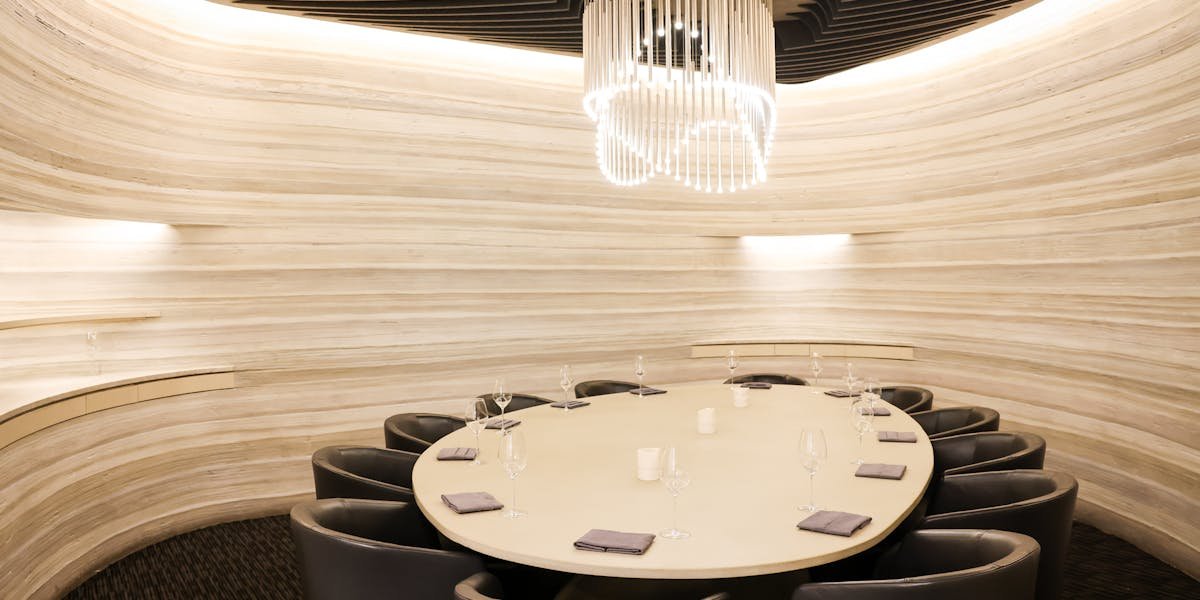
Modern American Fine Dining
Ever
Chicago, United States
★★