- Wine Spectator · Tier 2
- Opinionated About Dining Casual in North America Recommended · 2026
- Wine Spectator Best of Award of Excellence · 2026
- Star Wine List · 2026
- Opinionated About Dining Casual in North America Ranked #674 · 2025
- Michelin Plate · 2025
- Wine Spectator Best of Award of Excellence · 2025
- Opinionated About Dining Casual in North America Ranked #182 · 2024
- Michelin Plate · 2024
Fire, Leather, and the Gold Coast's Appetite for Spectacle
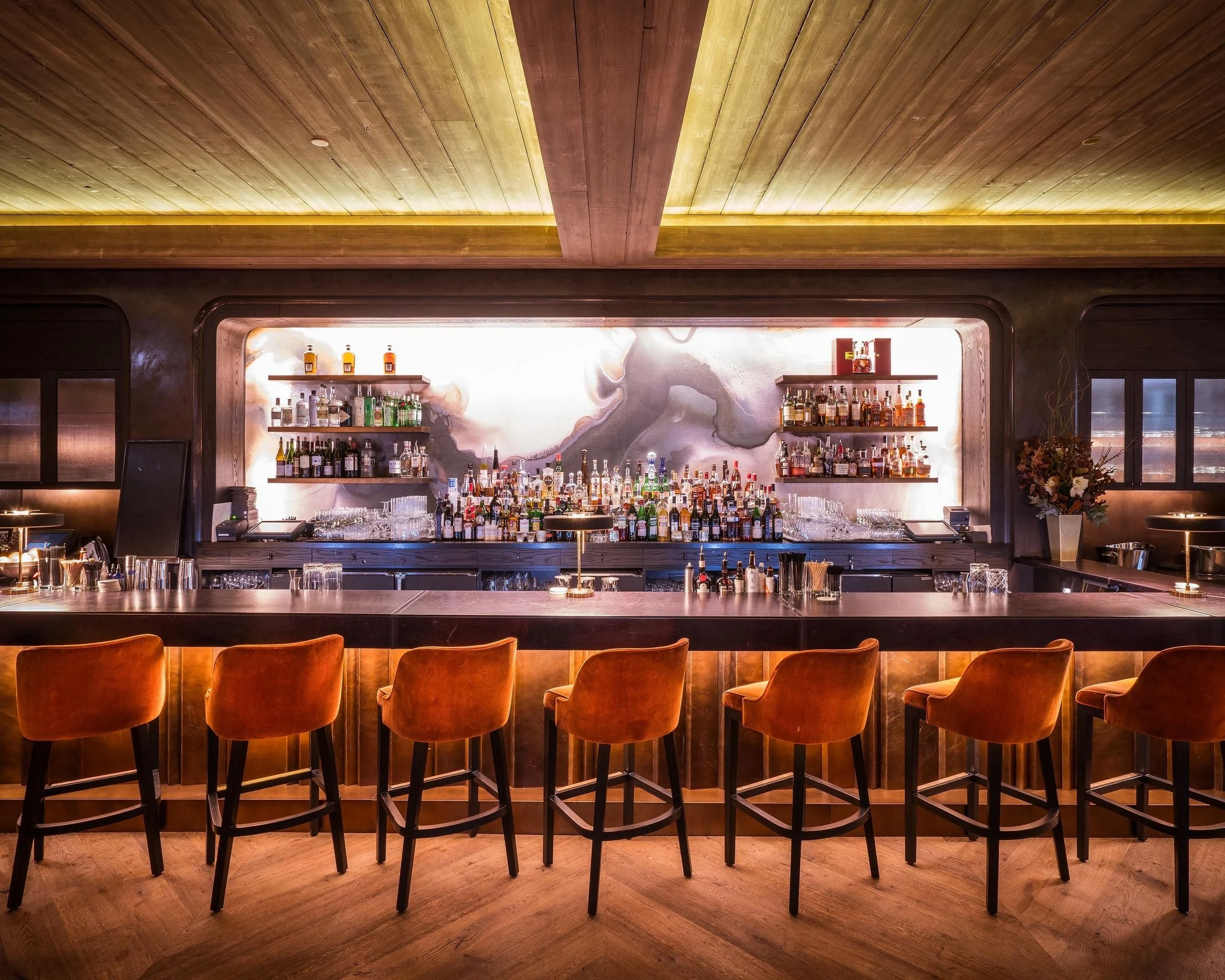
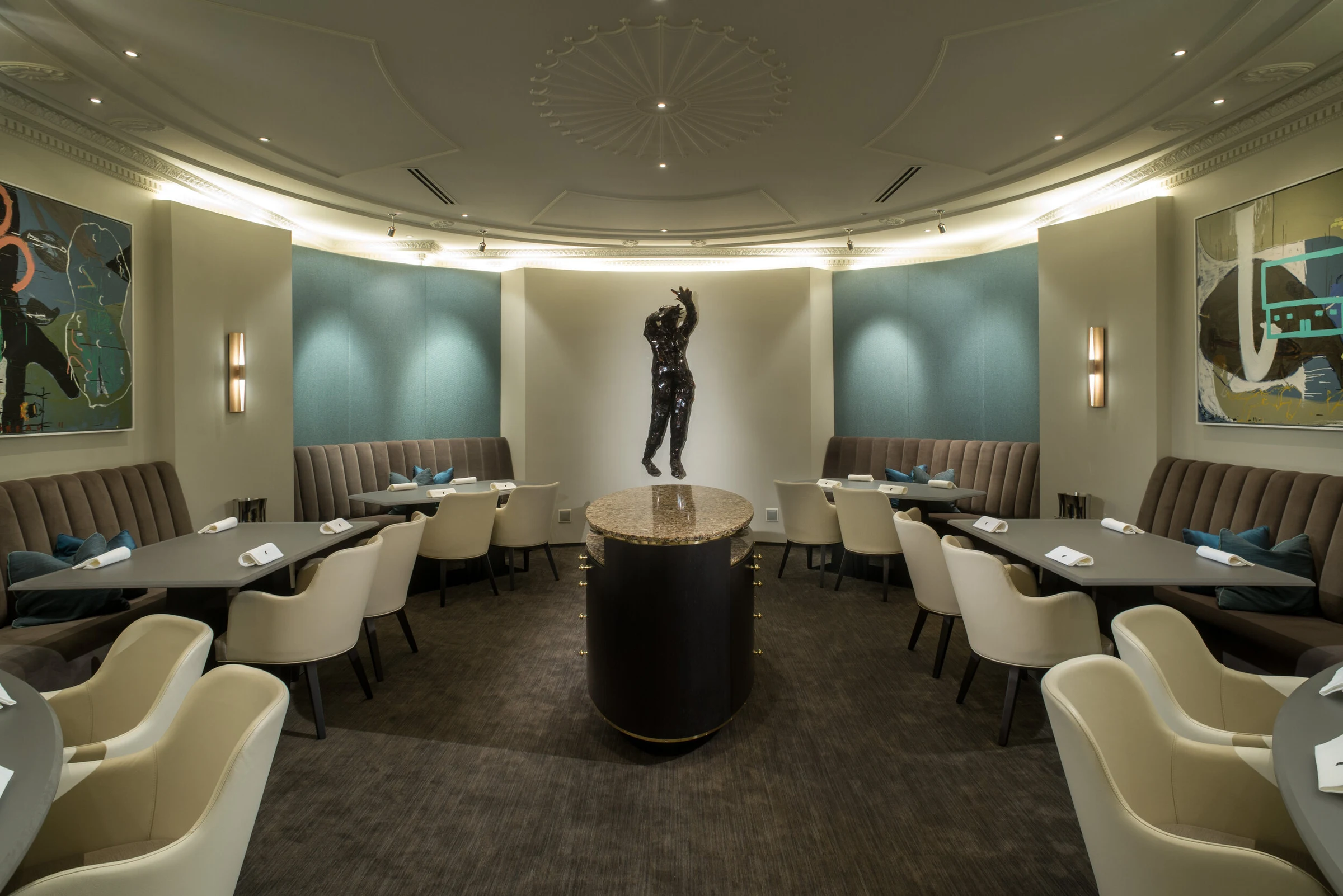
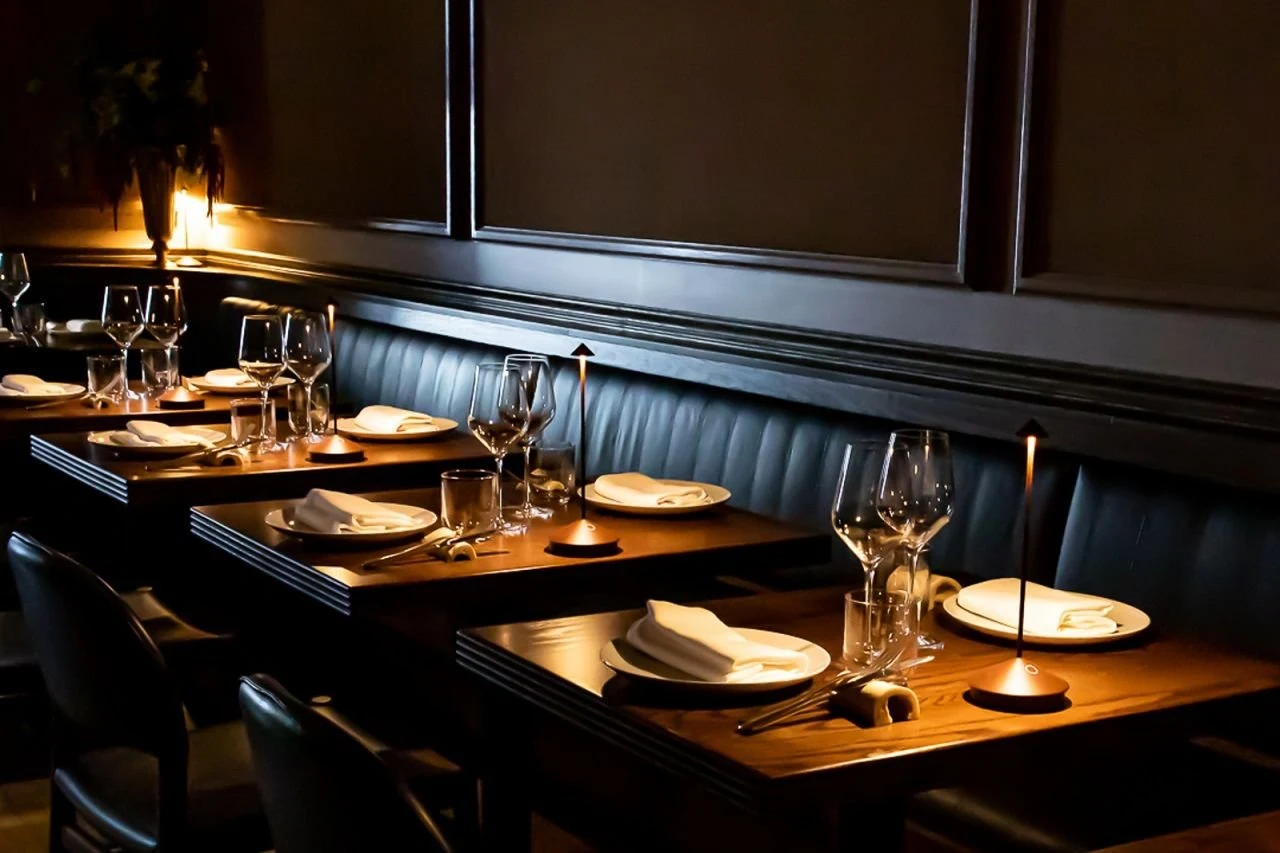
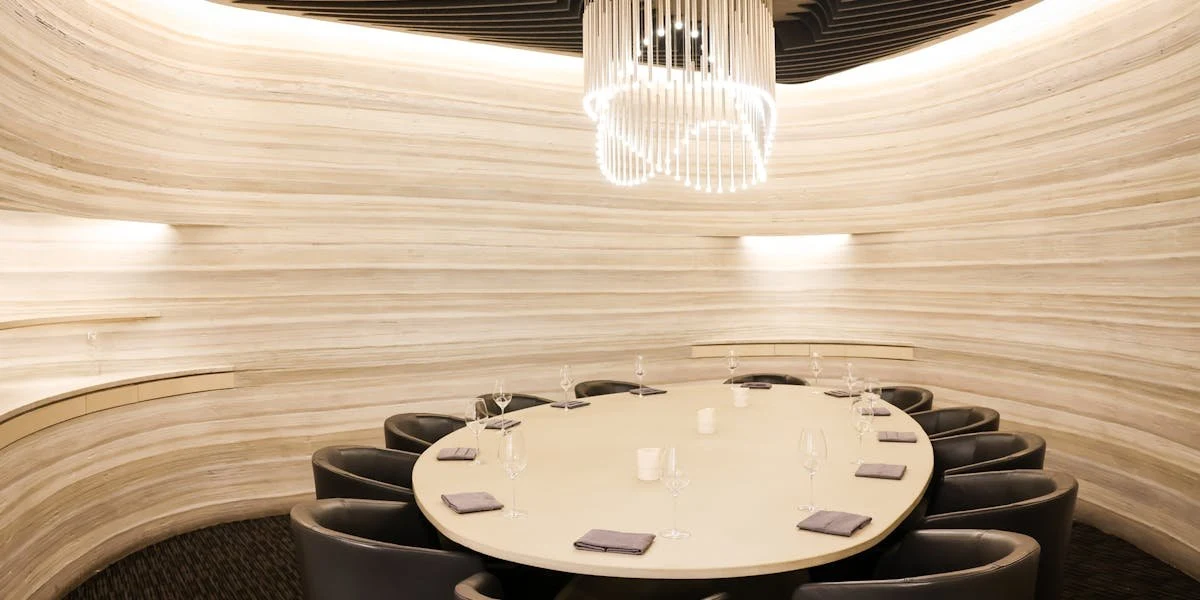
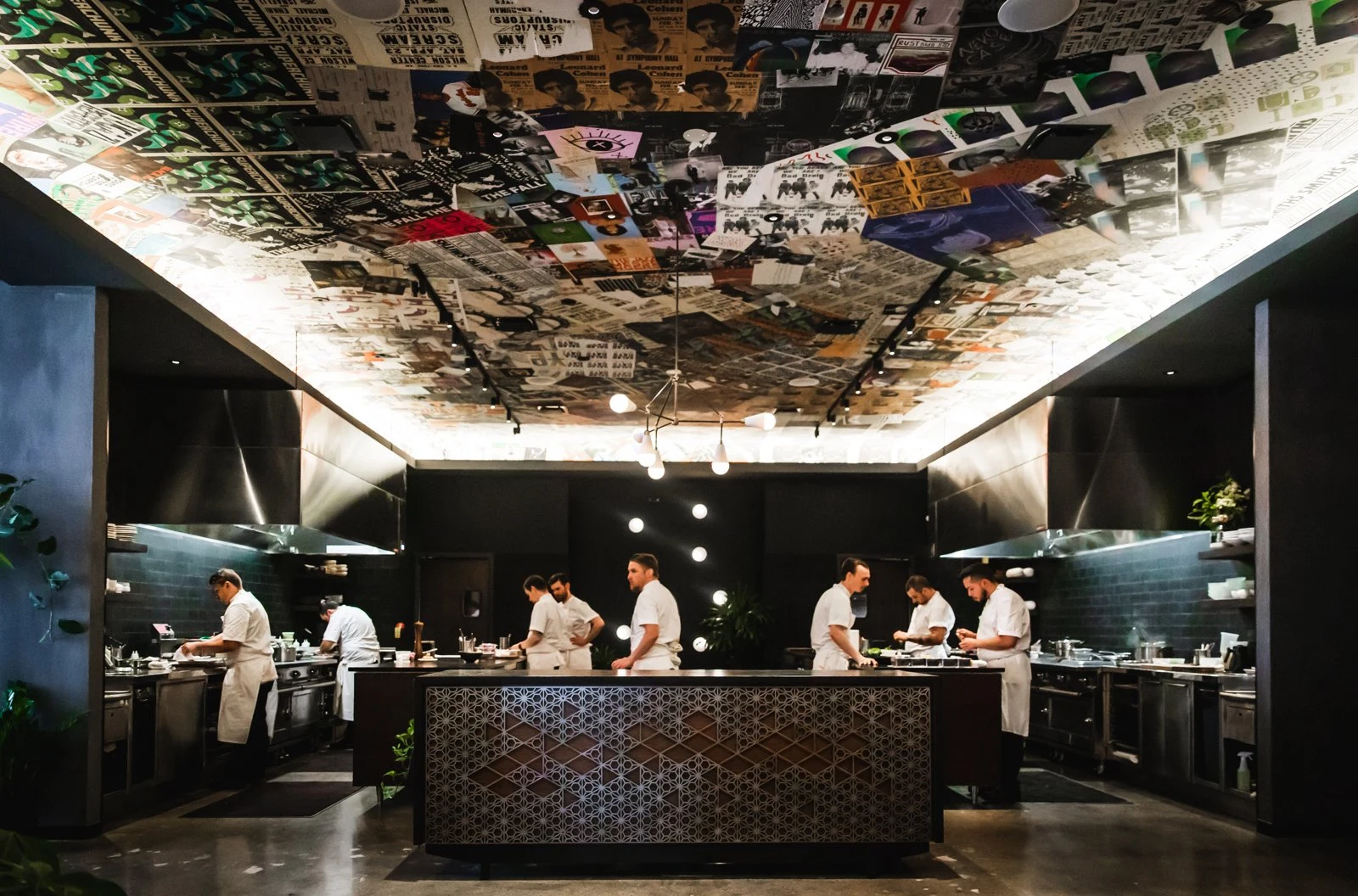
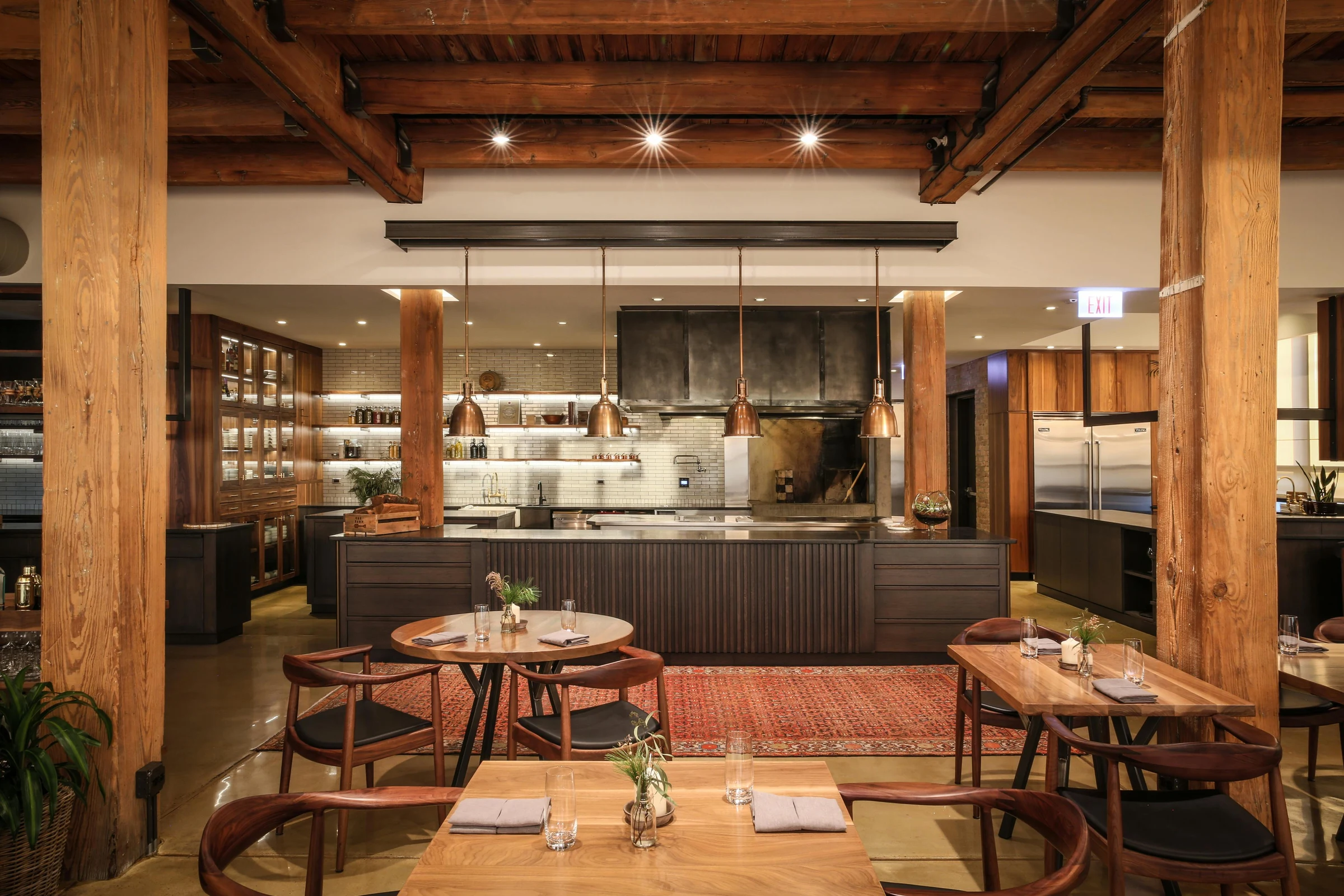
Approach the Gold Coast on a Friday evening and the neighborhood reads as a study in Chicago's appetite for occasion dining. West Maple Street draws a crowd that has dressed for it, and Maple & Ash is where that crowd tends to arrive. The room announces itself immediately: deep leather couches arranged for lingering, clubby music at a volume that encourages conversation rather than drowning it, and a semi-open kitchen where a wood-fired hearth throws a warm, restless light across the dining floor. A photo booth on one of the building's multiple levels completes the picture of a restaurant that understands its audience is here to be seen as much as to eat. That social contract is not an accident.
Chicago's premium steakhouse tier has long operated at the intersection of spectacle and substance. From Gibsons Bar & Steakhouse on Rush Street to Chicago Cut on the riverfront, the city's flagship beef houses compete not only on the quality of their dry-aged locker but on the weight of the room's energy. Maple & Ash entered that competitive set by amplifying the theatrical element further than most, while backing it with substantial technical polish.
The Sunday letter
Find new places through the people who run them.
Our Sunday email brings you the chefs, winemakers and hoteliers behind our newest stories. See a sample before you subscribe.
See a sample of the Sunday emailOne email a week. Unsubscribe from any issue.
Wood Fire as Organizing Principle
The editorial angle that distinguishes Maple & Ash within Chicago's beef-heavy top tier is the wood-fired hearth at the center of its kitchen. The wood-fire method is neither a novelty act nor strictly a heritage one in this context; it is a deliberate technique that applies European grill traditions and fine-dining temperature discipline to the American steakhouse canon. Dry-aged cuts, the category's foundational product, respond differently to live-fire heat than to the conventional broiler that defines most high-end American steakhouses, and the kitchen here is built around that difference.
The approach extends beyond beef into territory that most steakhouses treat as secondary. Octopus and squid prepared in the wood-fueled oven, served with dill yogurt, arugula, and roasted potatoes, represent a confident application of imported technique to non-beef proteins. A fire-roasted seafood tower, brought tableside and featuring lobster tail, scallops, Manila clams, and king crab bathed in garlic butter and chili oil with house-made pasta, applies the same logic at a grander register. These are not afterthoughts for the table's seafood holdout; they are dishes where the wood-fire methodology actually changes the product in meaningful ways. For context on how wood-fire technique operates at different scales elsewhere, Bazaar Meat in Chicago and Capa in Orlando represent two other points on the fire-driven steakhouse spectrum.
Credentials in a Category That Rarely Carries Them
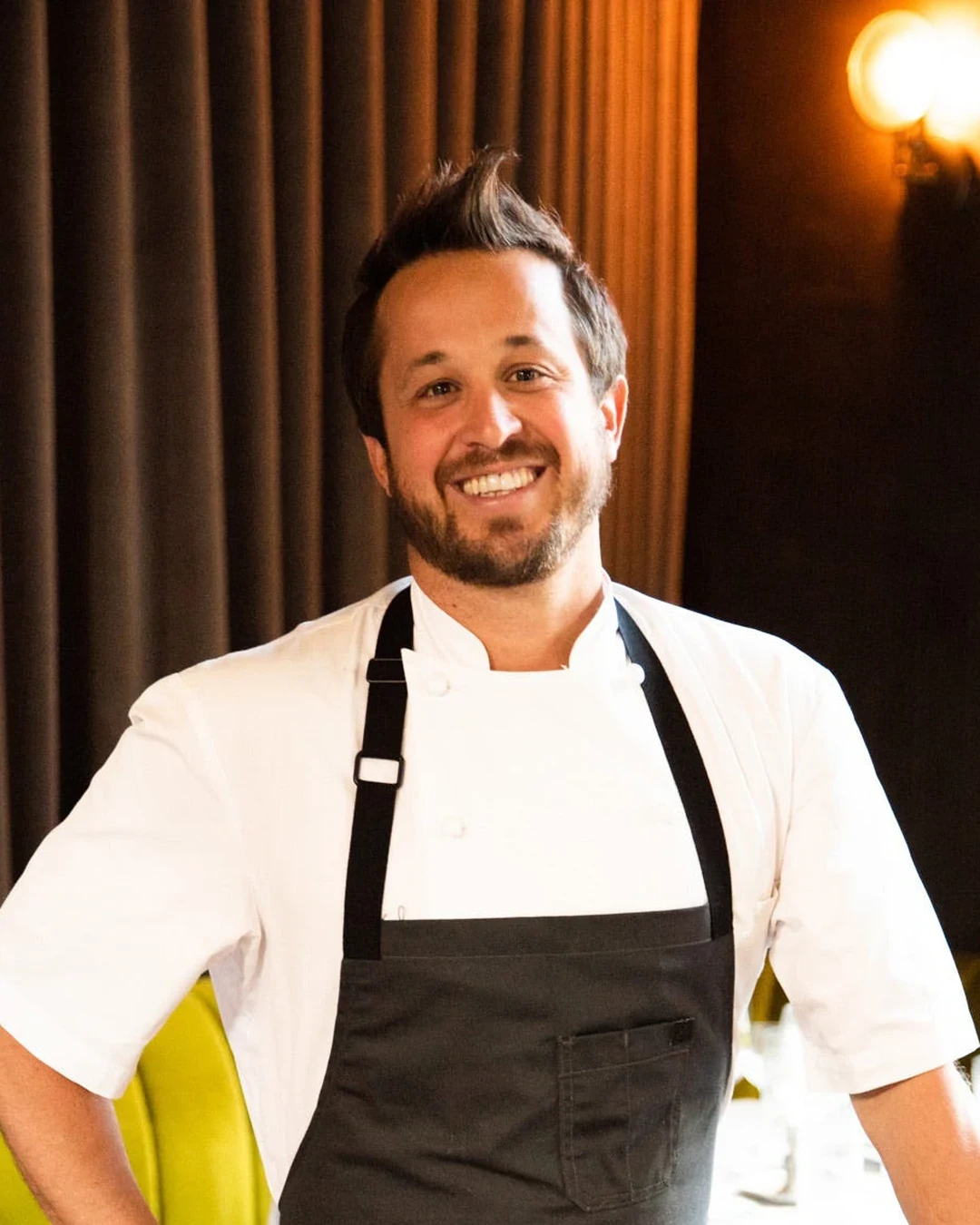
American premium steakhouse format and fine-dining recognition have historically occupied separate lanes. Michelin plates and stars cluster around tasting-menu restaurants, progressive kitchens like Alinea, or precision-driven operations like Smyth, not around multilevel beef houses with photo booths. Maple & Ash occupies an unusual position in this regard. Chef Danny Grant leads the kitchen, and the restaurant has drawn recognition for its technical standard.
Those credentials matter because they frame what kind of steakhouse this is. The comparison set is not Bavette's Bar & Boeuf or Prime & Provisions, though both belong to Chicago's broader premium beef culture. The more instructive comparisons are fire-forward fine-dining operations nationwide, and high-technique American restaurants where a specific cooking method drives the menu architecture. In that framing, chef training lineage and kitchen discipline matter as much as the beef program itself.
The Wine Program as Parallel Ambition
A wine list of 2,500 selections backed by 16,000 bottles in inventory is not assembled to accommodate a meal; it is assembled to anchor one. Six named wine professionals, including Wine Directors Amy Mundwiler and Mike Loveisky alongside four sommeliers, operate the program with a depth that matches the kitchen's ambition. The list draws strength from California, Burgundy, France broadly, Italy, and Spain, covering the reference points that serious American beef dining demands while leaving room for the kind of lateral movement that a skilled sommelier team can guide. Corkage is set at $50 for those arriving with their own bottles, though with this inventory there is limited reason to do so. The wine list sits at the $$$ tier, with a substantial portion of bottles above $100.
The Gold Coast Location in Context
The Gold Coast address on West Maple Street shapes the room's identity. Chicago's dining geography has shifted across the last decade, with creative fine dining migrating to the West Loop and Fulton Market corridor, while the Gold Coast retains a specific identity: celebration dining, old-money comfort, and the kind of rooms where expense-account culture and personal occasion dining overlap. Maple & Ash fits that geography precisely. Its scale, its multilevel format, its ambient energy, and its price positioning ($$$$ on cuisine, $$$ on wine) read as a product designed for this particular node in the city's geography, not transplanted from elsewhere.
Internationally, the premium steakhouse format that combines fine-dining technique with destination-room energy has analogues at places like A Cut in Taipei, where a similar convergence of beef expertise and high-production hospitality serves a different but comparable audience. Closer to home, Lazy Bear in San Francisco and Providence in Los Angeles illustrate how fire-driven American cooking and premium ingredient sourcing operate when the format tilts toward the tasting-menu end rather than the a-la-carte. Emeril's in New Orleans offers another reference point for how American regional cooking absorbs European technique and then builds an identity around that convergence.
Know Before You Go
| Address | 8 W Maple St, Chicago, IL 60610 |
|---|---|
| Hours | Monday to Friday: 8:00 am – 2:00 pm (lunch); Friday: also 5:00 pm – 9:00 pm (dinner); Saturday: 8:00 am – 2:30 pm and 5:00 pm – 9:00 pm; Sunday: 8:00 am – 2:30 pm |
| Cuisine | Wood-fired American steakhouse |
| Price (cuisine) | $$$ |
| Price (overall) | $$$$ |
| Wine List | 2,500 selections; 16,000 bottles in inventory; corkage $50 |
| Awards | Michelin Plate 2024; Opinionated About Dining Casual North America #182 (2024), #674 (2025) |
| Chef | Danny Grant (two Michelin stars from prior work) |
| Google Rating | 4.5 from 3,850 reviews |
Questions
Frequently asked
Who works at Maple & Ash?
Made By profiles Danny Grant (Chef) at Maple & Ash.
How expensive is Maple & Ash?
Maple & Ash is listed at a price level of $$$$.
Where is Maple & Ash and what does it serve?
Maple & Ash is in Gold Coast, Chicago, serving Modern Steakhouse.
The field
How it compares
| Place | Cuisine | Notes | Awards |
|---|---|---|---|
| Maple & Ash | Modern Steakhouse | Gold Coast, $$$$ | · |
| Alinea | Avant-Garde Molecular Gastronomy | Chicago | Michelin 3 Stars, World's 50 Best |
| Asador Bastian | Basque-Inspired Steakhouse | Chicago | · |
| Ever | Modern American Fine Dining | Chicago | Michelin 2 Stars |
| Kumiko | Japanese Dining Bar | Chicago | · |
| Oriole | Modern French-Japanese Tasting Menu | Chicago | Michelin 2 Stars |
| Smyth | Modern American Tasting Menu | Chicago | Michelin 3 Stars, World's 50 Best |
In residence
Similar places
Avant-Garde Molecular Gastronomy
Alinea
Chicago, United States
★★★ · 50 Best
Basque-Inspired Steakhouse
Asador Bastian
Chicago, United States
Modern American Fine Dining
Ever
Chicago, United States
★★
Japanese Dining Bar
Kumiko
Chicago, United States
Modern French-Japanese Tasting Menu
Oriole
Chicago, United States
★★
Modern American Tasting Menu
Smyth
Chicago, United States
★★★ · 50 Best
The Sunday letter
Get the next Made By story in your inbox.
We send one email every Sunday morning with the places and people we covered that week.
See a sample of the Sunday emailOne email a week. Unsubscribe from any issue.