LA BETTOLA da Ochiai
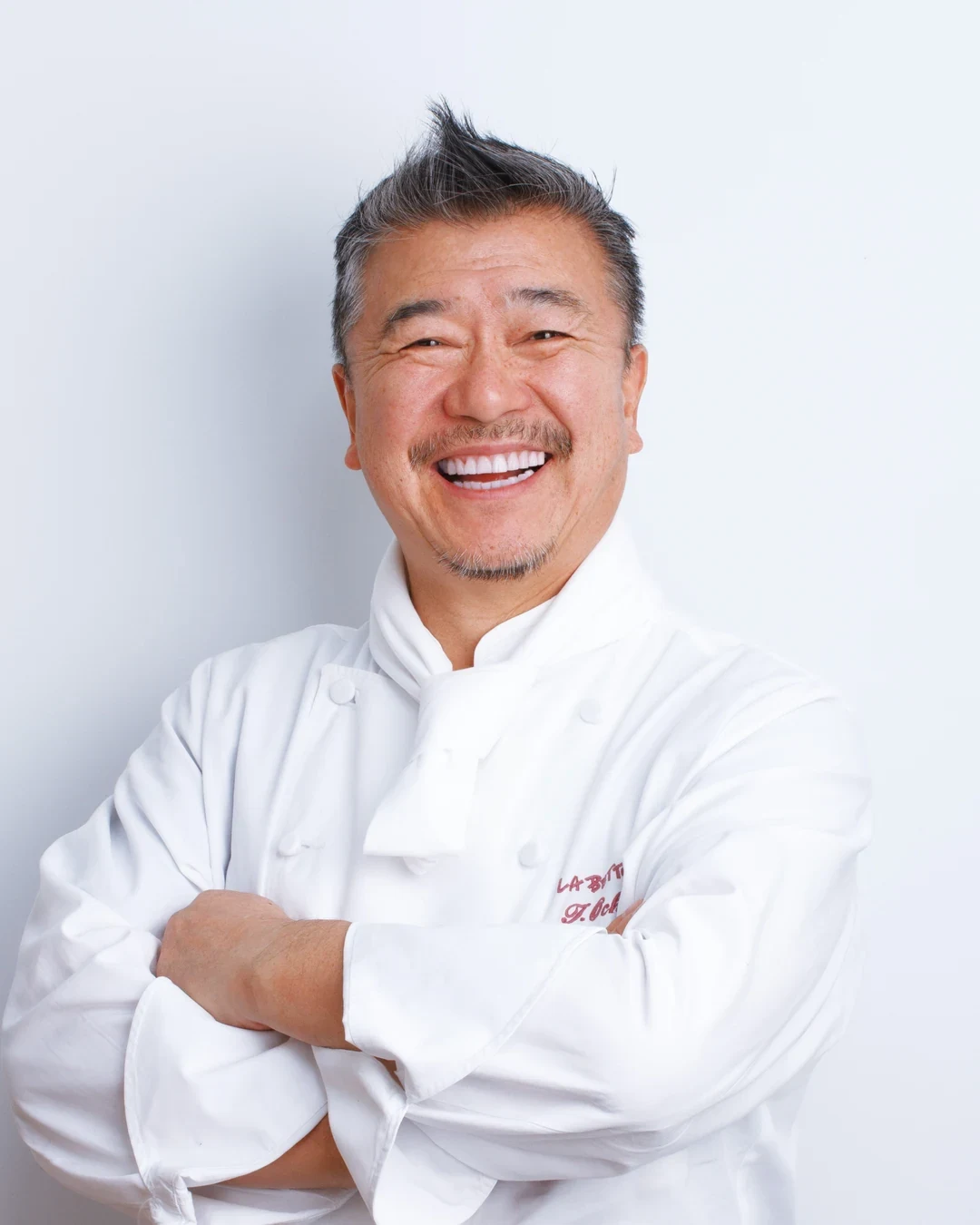
In Residence
Tsutomu Ochiai
Chef
- 01CuisineCasual Italian Trattoria
- 02CityTokyo, Japan
- Michelin Bib Gourmand · Michelin Guide
- Michelin Bib Gourmand · 2026
- Michelin Bib Gourmand · 2024
The Trattoria Standard in a District of Expensive Tables
Ginza has long operated as Tokyo's most rigorous filter for serious restaurants. The neighbourhood's rents and expectations push most operations toward the upper pricing tiers, which is precisely why LA BETTOLA da Ochiai's persistence at the ¥¥ price point carries editorial weight. In a district where Italian dining frequently means multi-course tasting menus priced above ¥20,000 per head, the trattoria format, casual room, prix fixe selection, generous portions, daily turnover, represents a different argument about what Italian cooking in Japan can be. LA BETTOLA da Ochiai has been making that argument since its opening, and the 1,190 Google reviews averaging 4.2 confirm the room remains full regardless of how the neighbourhood around it shifts.
For context on where this sits in Tokyo's Italian spectrum: properties like Aroma Fresca, Principio, and Gucci Osteria da Massimo Bottura Tokyo occupy the formal, high-investment end of the city's Italian scene, while PRISMA and AlCeppo work different registers of the mid-to-upper tier. LA BETTOLA da Ochiai is categorically elsewhere: it is the trattoria that has earned Michelin recognition not despite its informality but because of the discipline behind it.
The Sunday letter
Find new places through the people who run them.
Our Sunday email brings you the chefs, winemakers and hoteliers behind our newest stories. See a sample before you subscribe.
See a sample of the Sunday emailOne email a week. Unsubscribe from any issue.
What the Bib Gourmand Recognition Actually Means Here
The Michelin Bib Gourmand designation, maintained through the 2024 guide, is the organisation's signal for cooking that delivers quality above what the price bracket typically promises. In Tokyo, where the guide is exceptionally dense and competitive, retaining a Bib Gourmand in Ginza, one of the city's most scrutinised dining postcodes, is a sustained editorial verdict, not a one-off nod. The inspectors are effectively arguing that eating here represents better value relative to the quality on the plate than almost any comparable operation in the neighbourhood. That framing matters when you are choosing where to spend a birthday dinner or a business lunch where the food should be serious but the bill should not become the conversation.
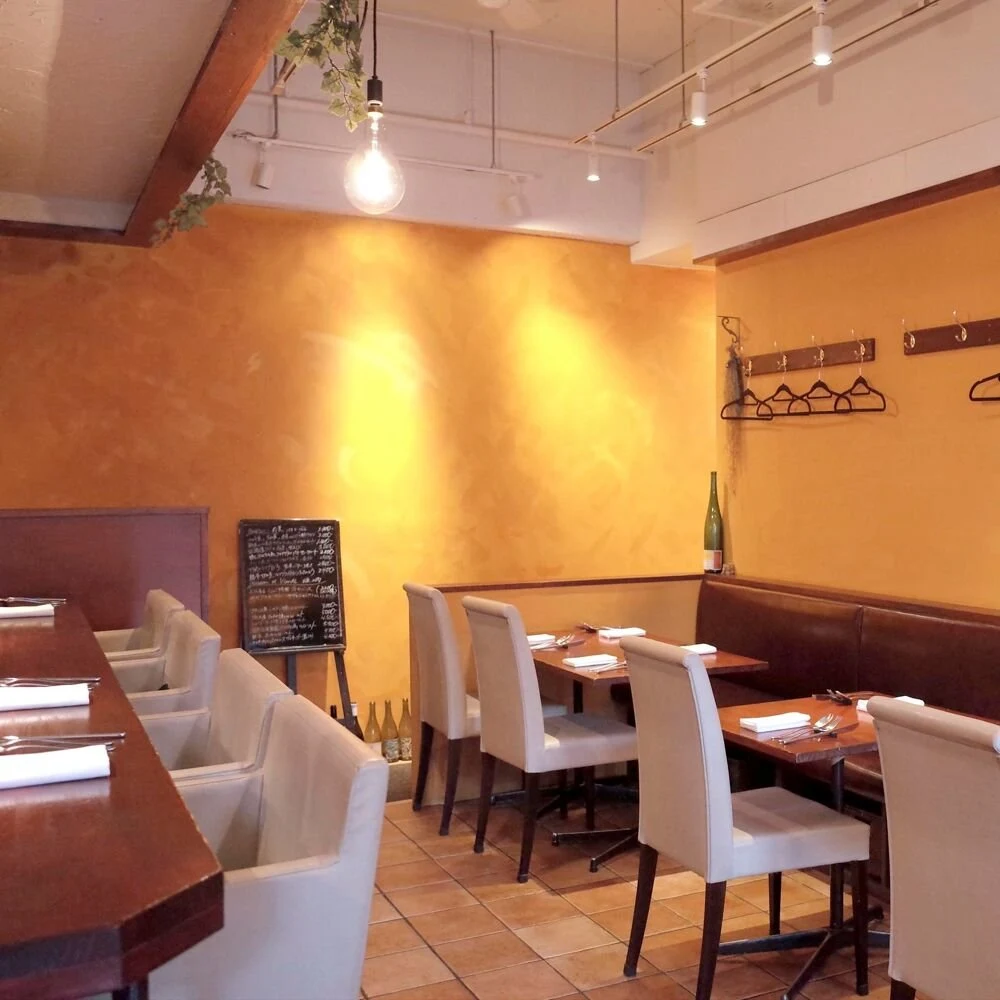
The name itself is instructive: bettola is Italian for dining hall, a word that carries none of the hushed reverence of ristorante and all of the noise, warmth, and communal purpose of a room where people actually want to eat. Chef Tsutomu Ochiai built the concept around that register deliberately, and the Michelin recognition validates the approach without asking the kitchen to abandon it.
The Menu Logic: Regional Range, Seasonal Depth, Prix Fixe Discipline
Italian regional cooking is unusually difficult to execute well in Tokyo because the sourcing distances are extreme and the customer base's reference points vary enormously. The response at LA BETTOLA da Ochiai is a prix fixe format that rotates through seasonal dishes while maintaining a framework of regional Italian cuisine across the menu. The selection within that format is wide enough that choosing between courses requires attention, the Michelin entry notes specifically that guests will find it hard to make up their minds, which is an honest description of a menu that takes its options seriously rather than padding the list with filler.
The combination appetiser platter has been identified as the recommended entry point: generous in both portion and variety, it functions as a calibration dish, establishing the kitchen's range before the main courses narrow the focus. For pasta, sea urchin spaghetti has become the restaurant's most-referenced dish, appearing across the review record as a consistent reason for return visits. The combination of Japanese sea urchin, among the world's finest in quality and availability, with a format rooted in Italian technique reflects the particular advantage Tokyo kitchens hold when they work across both culinary traditions.
Occasion Dining at the Trattoria Register
The occasion dining question at LA BETTOLA da Ochiai is worth examining directly, because the restaurant occupies an interesting middle ground. It is not the formal milestone-dinner venue that requires a jacket and a booking three months ahead. But it is also not a casual drop-in. The Ginza address, the Michelin standing, the quality of the cooking, and the prix fixe structure all place it in the category of meals that feel considered and special without the ceremony that can make celebrations feel performative.
This is the trattoria for a birthday dinner where the focus should be on the table rather than the room's theatre, for an anniversary lunch where good food at a reasonable price signals thoughtfulness rather than extravagance, or for a client meal where the recommendation itself, a Bib Gourmand trattoria in Ginza that draws daily queues, demonstrates knowledge of the city. The daily crowd referenced in the Michelin notes is itself a feature: you are eating in a room full of people who keep coming back, which is a different atmosphere from the reverent hush of a formal tasting-menu counter.
For higher-investment occasion dining in the same city, the Michelin three-star tier offers a different register: properties like Harutaka at the sushi counter level or RyuGin for kaiseki sit in the ¥¥¥¥ bracket and deliver an entirely different kind of evening. The choice between them is a choice about what kind of occasion you are marking, not a quality hierarchy.
Ginza, Chuo City: The Address in Context
The restaurant occupies a ground-floor space in the Ando Building on 1-chome, Ginza, one of the district's lower-numbered blocks, which places it toward the quieter, less retail-saturated end of the main grid. Ginza's Italian presence is scattered but serious, and the neighbourhood supports the kind of lunch and dinner traffic that keeps a value-driven trattoria viable where other cities might not. For visitors structuring a Tokyo day around the neighbourhood, the Ginza location connects naturally to the broader Chuo City dining and retail circuit.
For planning broader Tokyo dining across different categories, our full Tokyo restaurants guide covers the range from casual to formal. The Tokyo hotels guide, bars guide, and experiences guide round out the city picture, while the wineries guide covers the growing domestic wine scene.
Beyond Tokyo, Japan's Italian dining has developed regional outposts worth tracking: cenci in Kyoto applies a distinctly Japanese-Italian sensibility to the Kyoto ingredient palette, while akordu in Nara represents a different regional interpretation. For broader culinary reference across Japan, HAJIME in Osaka, Gion Sasaki in Kyoto, Goh in Fukuoka, 1000 in Yokohama, and 6 in Okinawa cover the regional depth. For Italian dining elsewhere in Asia, 8½ Otto e Mezzo Bombana in Hong Kong represents the formal high end of the regional Italian dining conversation.
Planning Your Visit
LA BETTOLA da Ochiai is located at 1-21-2 Ginza, Chuo City, Tokyo, in the Ando Building ground floor. The restaurant runs on a prix fixe format with choices at each course, and the Michelin documentation of daily queues suggests that booking ahead is advisable, particularly for weekend lunches and dinner sittings. The most reliable booking route is through a hotel concierge or a reservation service familiar with the Ginza restaurant circuit. The ¥¥ price point makes it accessible for groups or celebrations where value relative to quality is part of the brief.
Questions
Frequently asked
What recognition does LA BETTOLA da Ochiai hold?
LA BETTOLA da Ochiai holds a Michelin Bib Gourmand.
Who works at LA BETTOLA da Ochiai?
Made By profiles Tsutomu Ochiai (Chef) at LA BETTOLA da Ochiai.
How expensive is LA BETTOLA da Ochiai?
LA BETTOLA da Ochiai is listed at a price level of $$.
Where is LA BETTOLA da Ochiai and what does it serve?
LA BETTOLA da Ochiai is in Chūō, Tokyo, serving Casual Italian Trattoria.
The field
How it compares
| Place | Cuisine | Notes | Awards |
|---|---|---|---|
| LA BETTOLA da Ochiai | Casual Italian Trattoria | Chūō, $$ | · |
| Den | Modern Japanese Kaiseki | Tokyo | Michelin 2 Stars, World's 50 Best |
| Florilège | Modern French-Japanese Plant-Based Fine Dining | Tokyo | Michelin 2 Stars, World's 50 Best |
| Narisawa | Modern Japanese Satoyama Fine Dining | Tokyo | Michelin 2 Stars, World's 50 Best |
| Quintessence | Modern French Fine Dining | Tokyo | Michelin 3 Stars |
| Sazenka | Modern Chinese Fine Dining | Tokyo | Michelin 3 Stars, World's 50 Best |
| Sézanne | Modern French Fine Dining | Tokyo | Michelin 3 Stars, World's 50 Best |
In residence
Similar places
Modern Japanese Kaiseki
Den
Tokyo, Japan
★★ · 50 Best
Modern French-Japanese Plant-Based Fine Dining
Florilège
Tokyo, Japan
★★ · 50 Best
Modern Japanese Satoyama Fine Dining
Narisawa
Tokyo, Japan
★★ · 50 Best
Modern French Fine Dining
Quintessence
Tokyo, Japan
★★★
Modern Chinese Fine Dining
Sazenka
Tokyo, Japan
★★★ · 50 Best
Modern French Fine Dining
Sézanne
Tokyo, Japan
★★★ · 50 Best
The Sunday letter
Get the next Made By story in your inbox.
We send one email every Sunday morning with the places and people we covered that week.
See a sample of the Sunday emailOne email a week. Unsubscribe from any issue.