Made ByRestaurant
La Table Restaurant
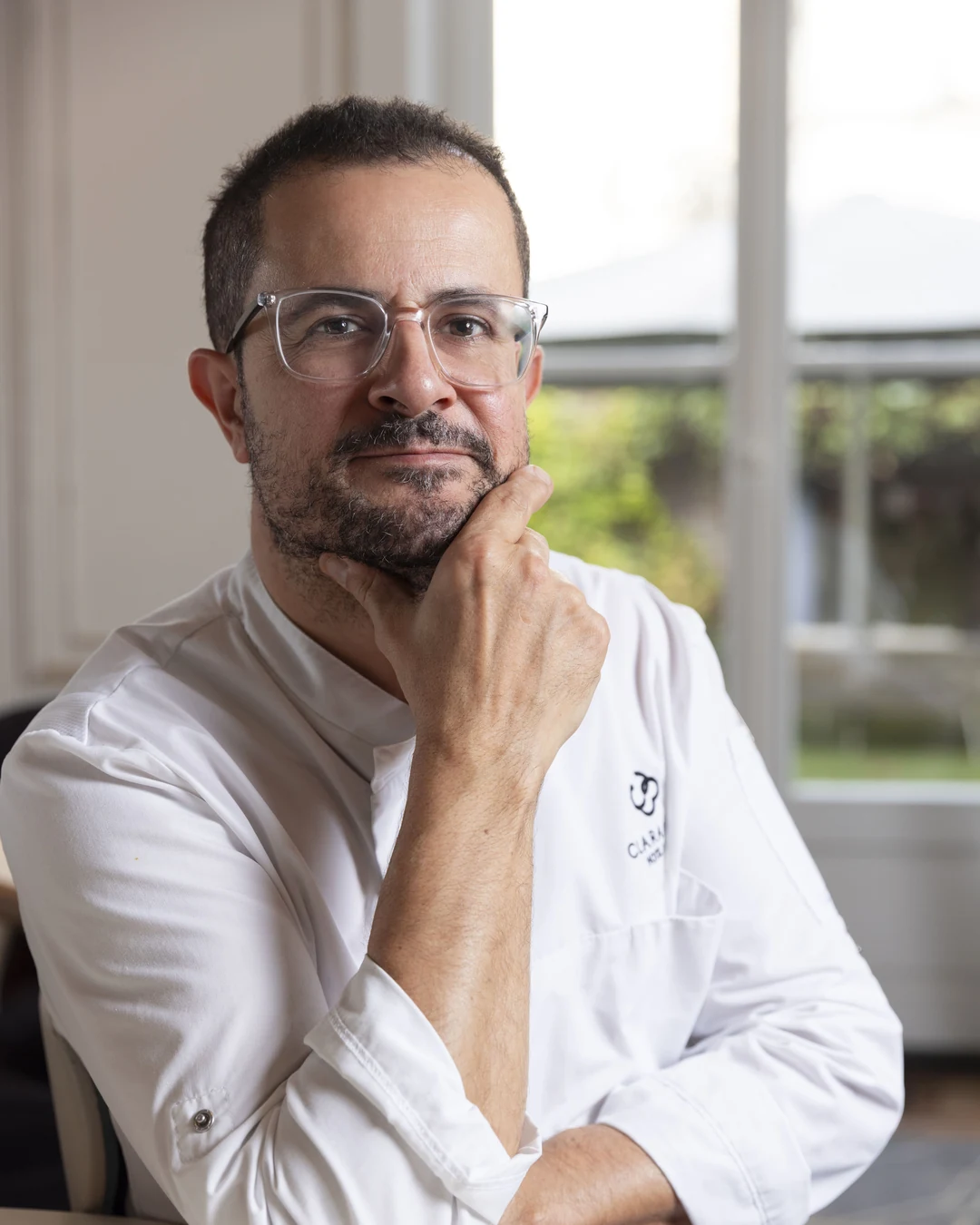
Chef in Residence
Gaëtan Citerne
Chef
- 01CuisineModern French gastronomic fine dining
- 02CityLille, France
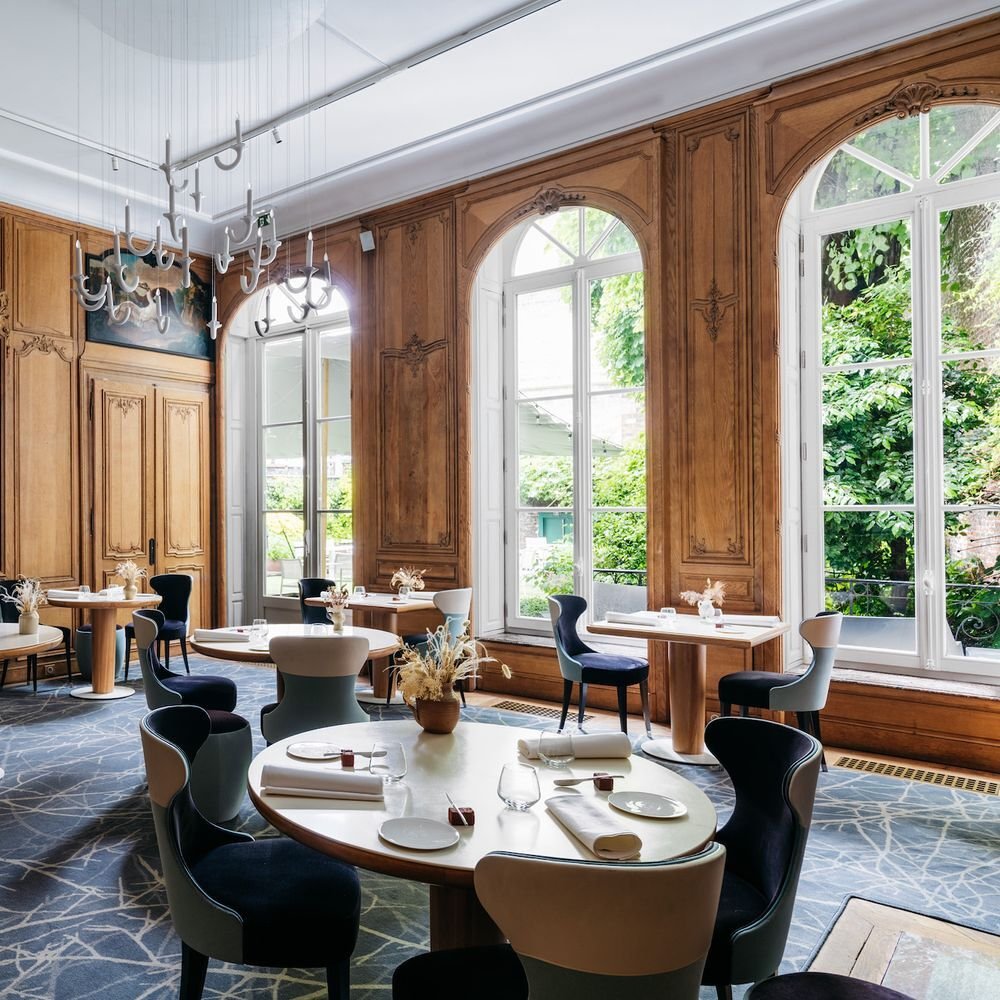
La Table Restaurant puts Lille’s creative-cooking register in a calmer, more composed setting: seasonal produce, chef Gaëtan Citerne’s inventive line, and rooms that move from traditional woodwork to a library-like intimacy and a terrace over parkland. It suits diners looking beyond Flemish comfort cooking without leaving the city’s appetite for warmth behind.
At a glance
- Cuisine
- Modern French gastronomic fine dining
- Price
- $$$$
- Per person
- $130
- Neighborhood
- Vieux-Lille
<p>The first signal at La Table Restaurant is architectural rather than theatrical: woodwork, quieter rooms, the intimacy of a library, and a terrace looking toward parkland. In Lille, where restaurant culture often swings between Flemish generosity and modern bistronomy, that physical calm matters. It frames creative cooking not as spectacle, but as a measured conversation between seasonality, technique and the city’s northern appetite.</p><p>Lille’s dining identity has changed in stages. The old model was estaminet culture, beer, carbonnade, Welsh, potjevleesch, convivial rooms built for weather and appetite. The newer tier keeps the sense of welcome but trades heaviness for sharper sourcing and more flexible composition. La Table Restaurant belongs to that latter category: creative cooking led by Chef Gaëtan Citerne, with seasonal products used as the governing structure rather than as garnish for a fixed house style.</p><h2>Creative cooking in Lille, with the room kept deliberately quiet</h2><p>The interesting question here is not whether Lille can support ambitious dining; it already does. The question is how a restaurant reads the city without flattening it into regional cliché. Seasonal produce gives La Table Restaurant a useful discipline. In creative French cooking, seasonality can become a slogan when the plate is designed first and ingredients are forced to follow. The stronger northern approach works the other way round: freshness, availability and texture set the direction, while technique stays visible but controlled.</p><p>That puts the restaurant in a different lane from the city’s more heritage-coded tables. <a href="https://www.enprimeurclub.com/restaurants/au-vieux-de-la-vieille-lille-restaurant">Au Vieux de la Vieille</a> speaks to Lille’s estaminet memory, while <a href="https://www.enprimeurclub.com/restaurants/bierbuik-lille-restaurant">Bierbuik</a> channels the city’s beer-and-snack energy through a more contemporary lens. <a href="https://www.enprimeurclub.com/restaurants/au-soyeux-lille-restaurant">Au Soyeux</a>, <a href="https://www.enprimeurclub.com/restaurants/aux-phrites-lille-restaurant">Aux éphérites</a> and Bienheureux sit around the same urban conversation in different registers: softness, informality, comfort, polish. La Table Restaurant is better understood as the composed counterweight, a place where inventiveness is expected to hold its line rather than charm the room into forgiveness.</p><p>Chef Gaëtan Citerne is the key credential, but the chef’s role should be read through output rather than biography. The cooking is described around freshness, seasonal products and distinct culinary inventiveness; that combination places it within the French creative-cooking tradition where authorship is present, but the ingredient calendar has authority. This is not a temple of regional preservation, nor a casual bistro with a few modern gestures. It is the sort of Lille table that assumes diners already know the old grammar and are ready for a more edited syntax.</p><h2>Why the setting changes the meal's tempo</h2><p>Dining rooms shape expectation before the first plate lands. Traditional woodwork carries a domestic, almost club-like register, while a library room suggests privacy and lower volume. The terrace over adjacent parkland adds another rhythm again, especially in a city where many meals happen in dense streets and brick-fronted quarters. None of this needs to be overinterpreted. It simply means the restaurant is built for a slower meal than Lille’s louder social tables, and that slower tempo is useful for cooking that depends on seasonal nuance.</p><p>For travellers, the broader Lille decision is often about which version of the city they want at the table. The estaminet route gives history, beer culture and generous plates. The contemporary route gives sharper technique and a less predictable menu structure. La Table Restaurant makes sense for the second path, particularly when a trip already includes more traditional stops. For wider planning, Our full Lille restaurants guide is the natural starting point, with Our full Lille hotels guide, Our full Lille bars guide, Our full Lille wineries guide and <a href="https://www.enprimeurclub.com/experiences/lille">Our full Lille experiences guide</a> rounding out the city brief.</p><p>The national comparison is also useful. Creative cooking in France can mean different things depending on setting: the hotel polish of 114, Faubourg in Paris, the destination-restaurant formality of 1217 in Bagnols, the regional city frame of 1387 in Strasbourg, or the Atlantic resort cadence of 14 Avenue in La Baule. Lille’s version is less about grand theatre than about fitting modern technique into a city that values warmth and directness. That tension is where La Table Restaurant becomes interesting.</p><h2>A northern table for diners who want invention without noise</h2><p>The case for La Table Restaurant is strongest when the meal is treated as part of Lille’s wider culinary evolution. The city has not abandoned comfort; it has added a more precise register alongside it. Creative cooking here works when it respects that dual identity: enough invention to justify the category, enough restraint to avoid turning dinner into a demonstration.</p><p>That makes the restaurant a sharper choice for adults seeking a composed meal than for diners simply chasing regional classics. It also suits visitors building a French itinerary around creative cooking rather than a single city. In that wider map,....Et la Fourmi in Nantes, [S] Corner in Courchevel, A-Bay Beach Bar, Creative cooking in Stari Grad and Ars Vivendi, Creative cooking in Bad Laasphe show how elastic the category becomes across Europe, from resort dining to hotel-led precision. Lille’s contribution is quieter: seasonal products, an inventive kitchen, and rooms that lower the volume enough for the cooking to carry the argument.</p>
Know before you go
- Dress code
- smart_casual
- Reservations
- essential
- Parking
- valet
- Payment
- cash, credit_card, debit_card, contactless
- Accessibility
- wheelchair_accessible
- Outdoor seating
- Yes
- Groups
- Welcomed
Frequently asked
Can I bring kids to La Table Restaurant?
The setting at 32 rue de la barre reads more like a composed dining room than a casual brasserie, so it suits children who are comfortable with a quieter, longer meal. The library room and terrace overlooking parkland suggest a calm pace rather than a high-energy atmosphere.
What should I expect atmosphere-wise at La Table Restaurant?
Expect a restrained room with traditional woodwork, an intimacy that suits the library, and an outdoor terrace facing adjacent parkland. Chef Gaëtan Citerne’s creative cooking frames the meal, but the mood is defined as much by the room as by the plate.
Does La Table Restaurant have a Michelin star or similar recognition?
La Table Restaurant has received recognition including: At gourmet restaurant La Table, chef Gaëtan Citerne offers creative cuisine that brings to life the freshness of seasonal products and which represent a distinct culinary inventiveness. Savor the flavors in rooms decorated with traditional ….
What cuisine category does La Table Restaurant fall under?
La Table Restaurant serves Creative cooking cuisine.
Where is La Table Restaurant located?
La Table Restaurant is located at 32 rue de la barre, Lille.
Who runs the kitchen at La Table Restaurant?
The chef associated with La Table Restaurant is Chef Gaëtan Citerne.
Address
32 rue de la barre
Vieux-Lille
How it compares
- Cuisine
- Modern French gastronomic fine dining
- Price
- $$$$
- Awards
- —
- Notes
- Vieux-Lille
- Cuisine
- Traditional French Gastronomic
- Price
- $$$
- Awards
- —
- Notes
- Vieux Lille 3
- Cuisine
- Modern French Bistro
- Price
- $$$
- Awards
- —
- Notes
- Lille Centre 1
- Cuisine
- Contemporary French with Mediterranean Octopus Specialization
- Price
- $$$
- Awards
- —
- Notes
- Lille Centre 19
- Cuisine
- Traditional Northern French & Belgian Estaminet
- Price
- $$$
- Awards
- —
- Notes
- Vieux Lille 4
- Cuisine
- Modern French Bistro
- Price
- $$
- Awards
- —
- Notes
- Lille Centre 8
In residence
Similar places
French
La Table - Hôtel Clarance
Lille, France
★
Modern French Gastronomique
Pureté
Lille, France
★
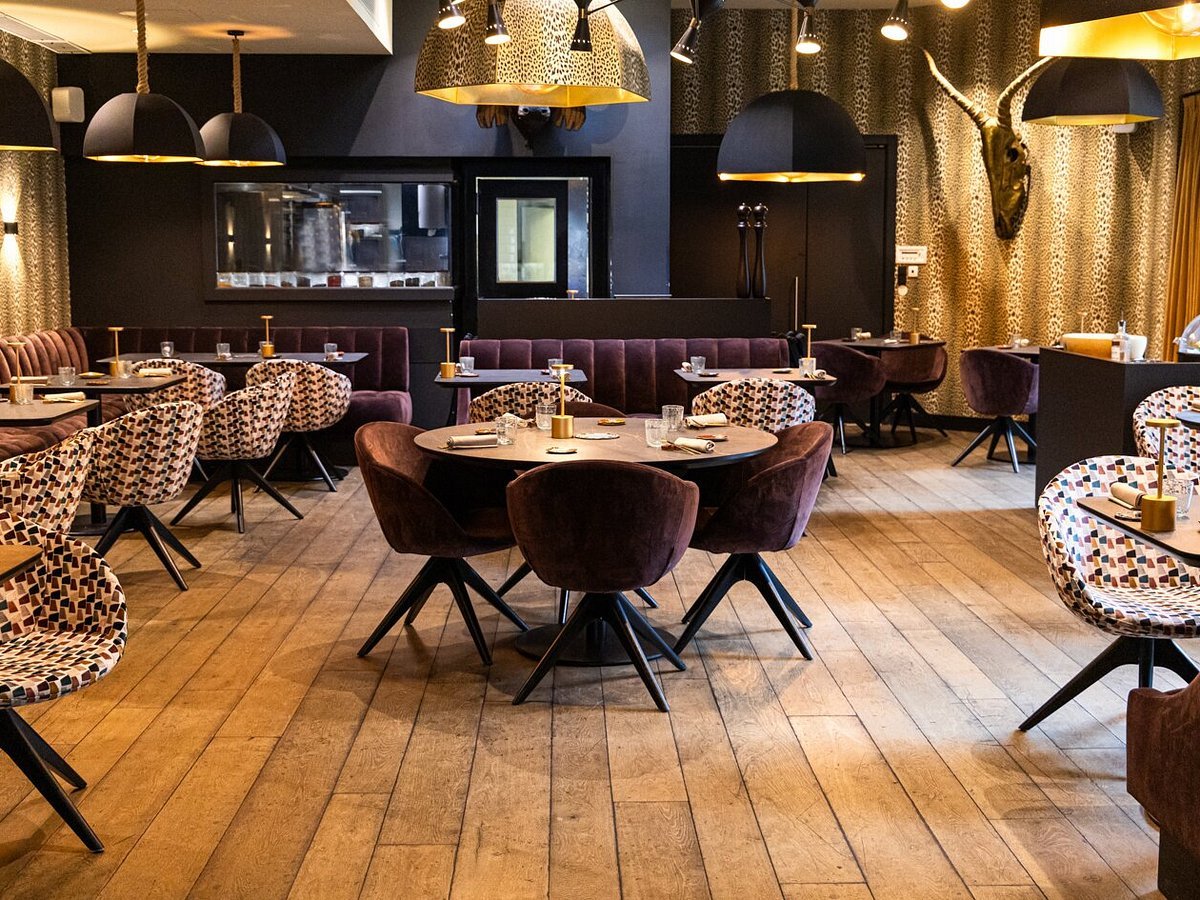
Modern French with Japanese and Italian Accents
Ginko
Lille, France
★
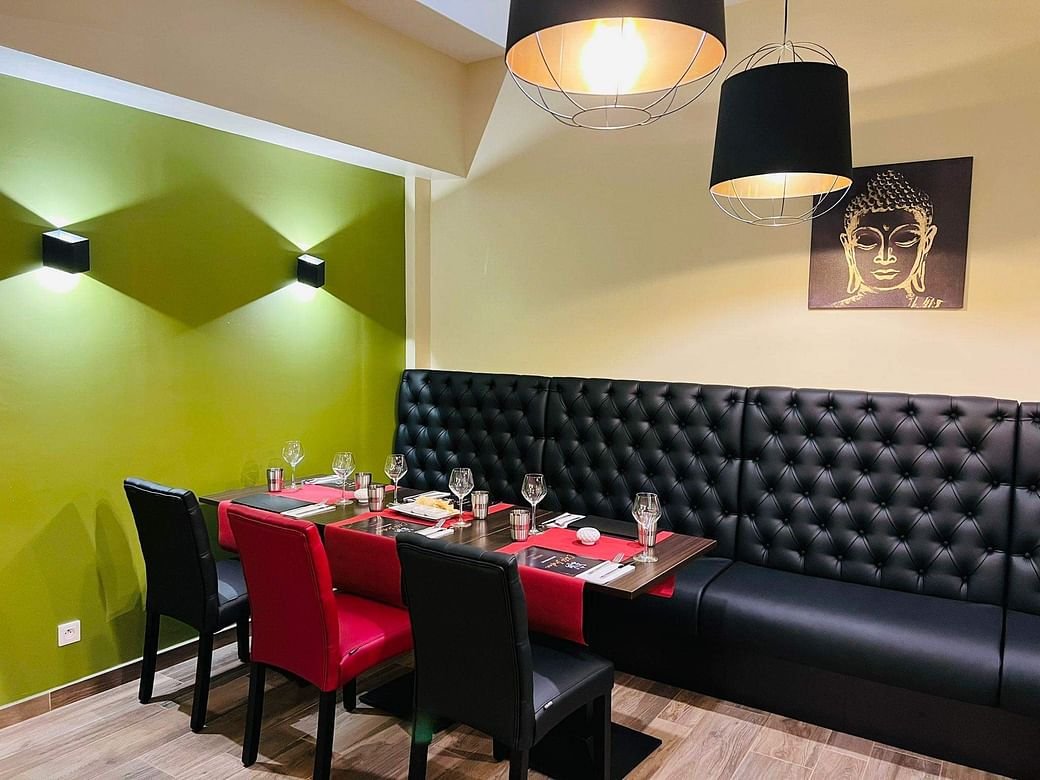
Modern French Fine Dining
Le Restaurant du Cerisier
Lille, France
★
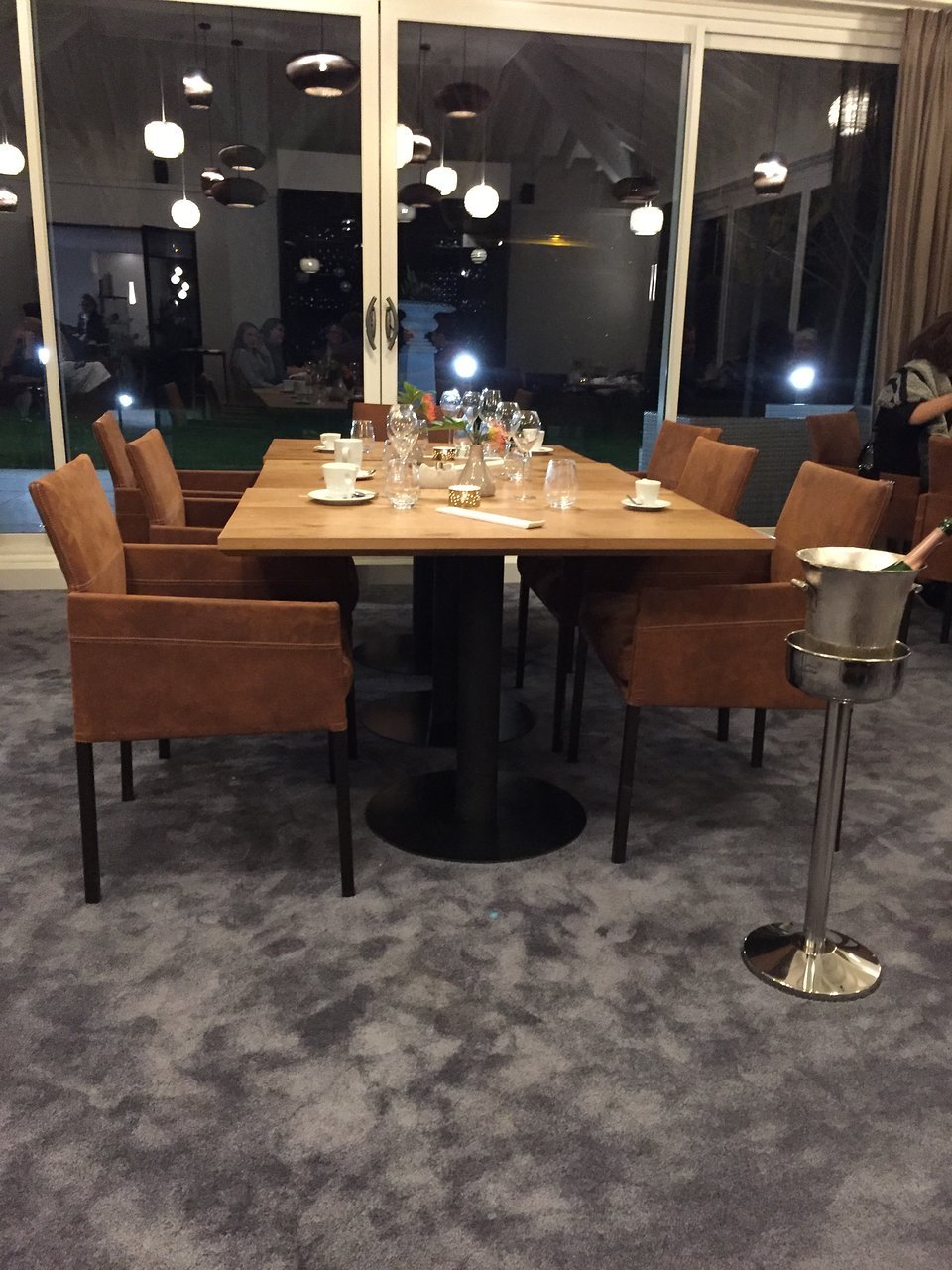
Modern French Gastronomic
La Laiterie
Lille, France
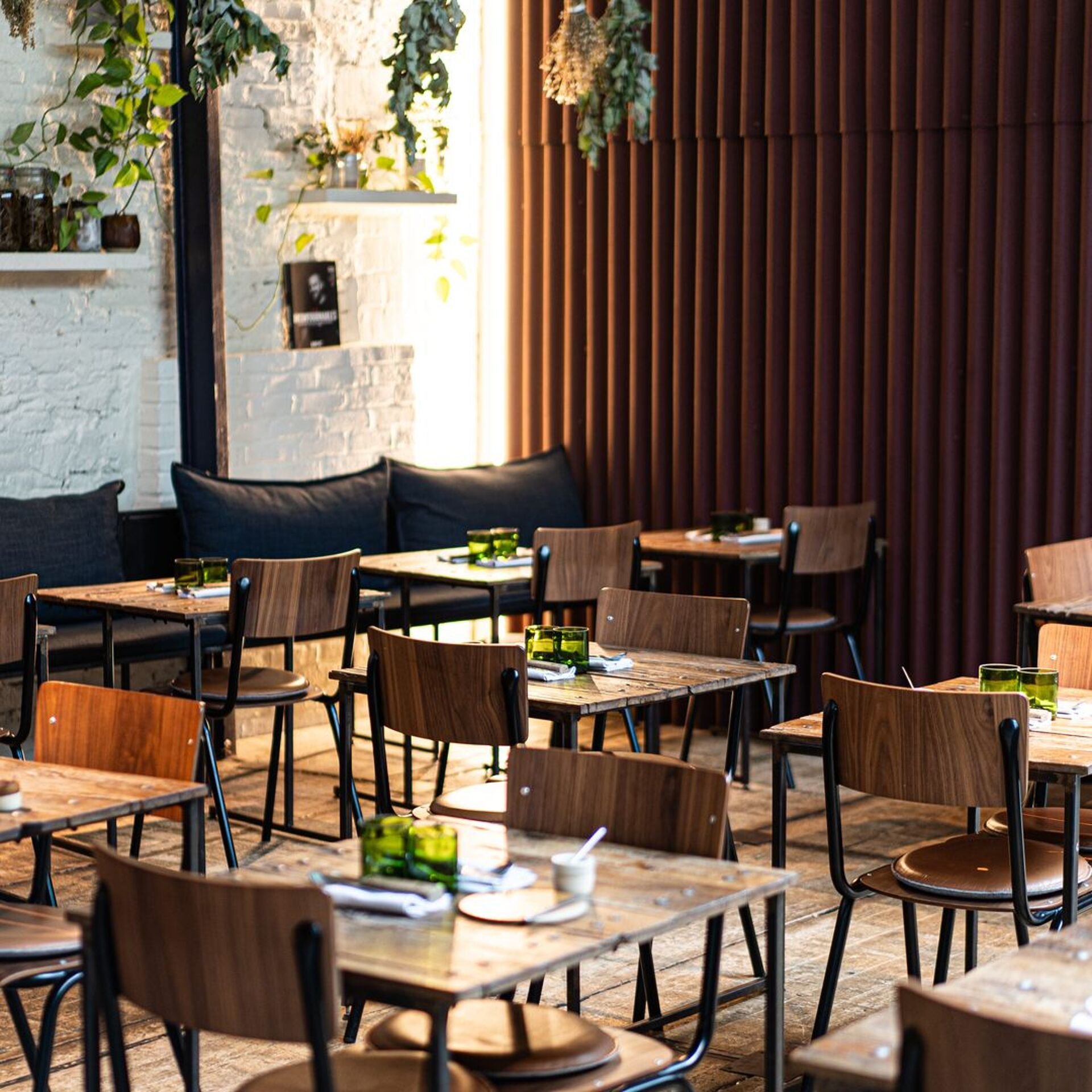
Innovative Local Flemish
Bloempot
Lille, France