La Table - Hôtel Clarance
In Residence
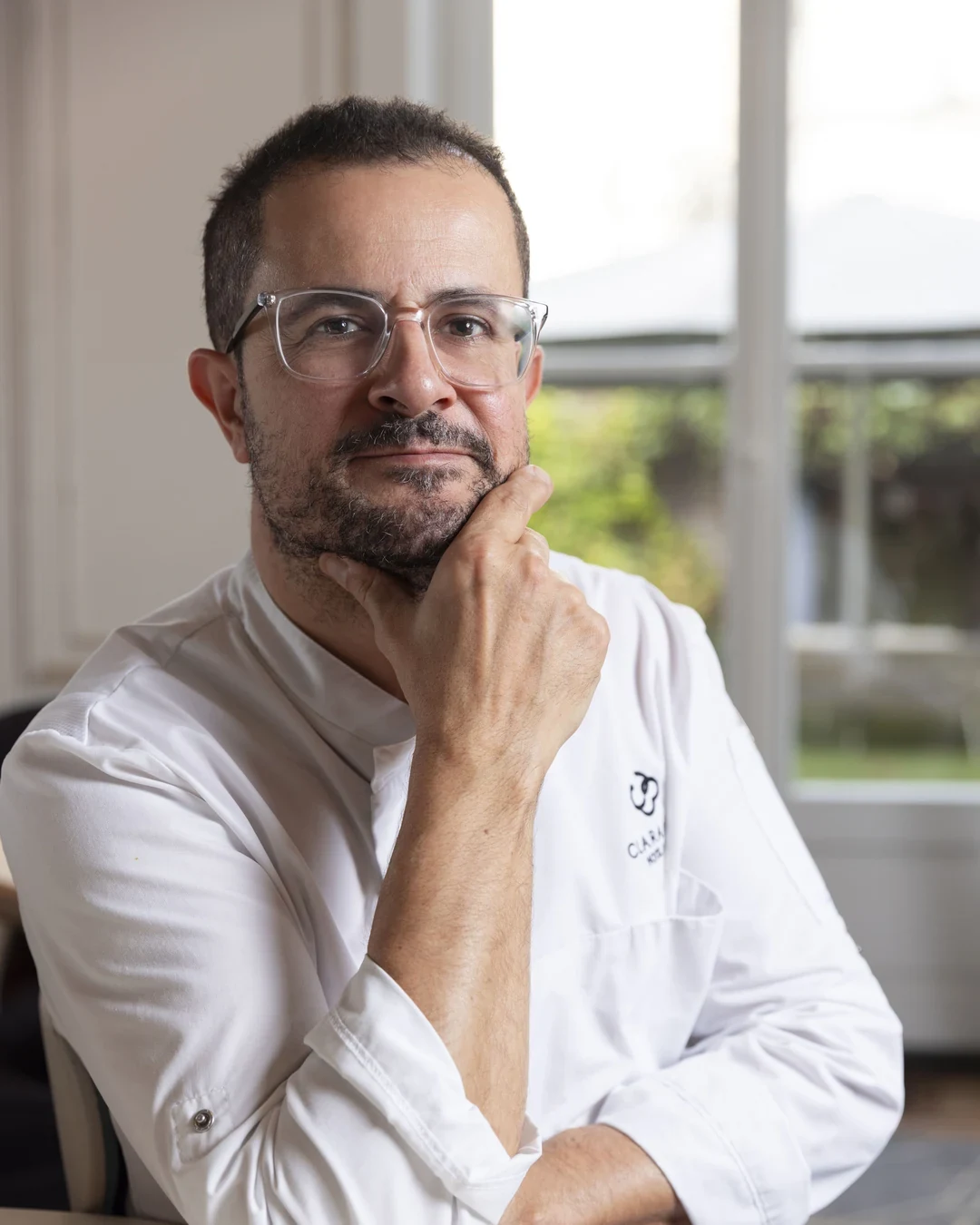
Gaëtan Citerne
Chef
- 01CuisineModern French Fine Dining
- 02CityLille, France
- 03RecognitionOne Michelin Star
- 1 Michelin Star · Michelin Guide
- Michelin Plate · 2026
- Relais Chateaux Award · 2026
- Michelin 1 Star · 2025
- Relais Chateaux Award · 2025
- Michelin 1 Star · 2024
An 18th-Century Frame for a Considered Menu
La Table - Hôtel Clarance is a one-Michelin-star restaurant in Lille, France, at the €€€€ price tier. The city's leading tables have increasingly leaned into that identity, building menus around the Channel coast's shellfish, the Hauts-de-France farmland, and the Flemish culinary traditions that mark the region off from the Loire or Provence. La Table at Hôtel Clarance sits at the upper end of that local conversation. The address is a converted 18th-century mansion on Rue de la Barre, and the building sets the terms before a single dish arrives.
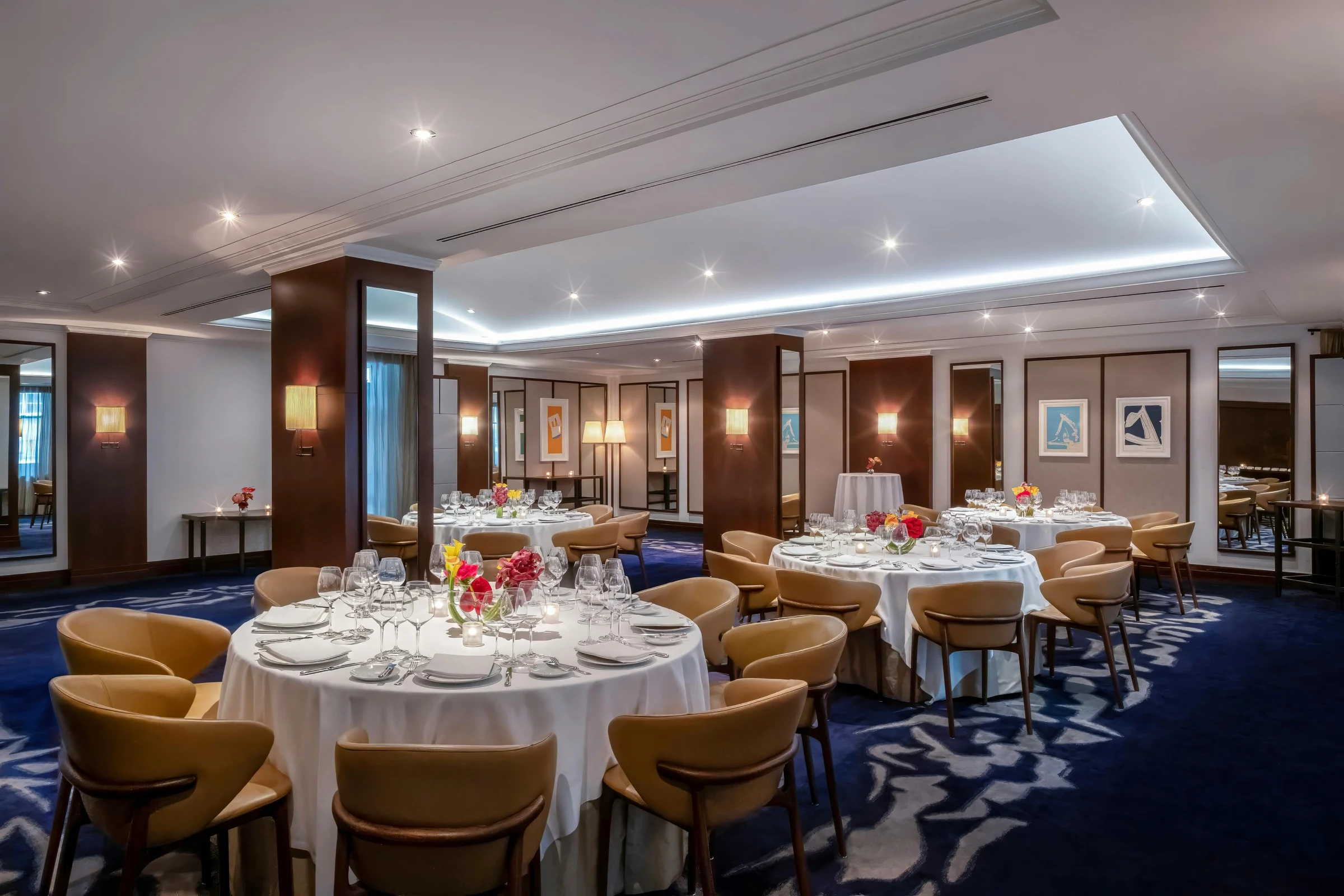
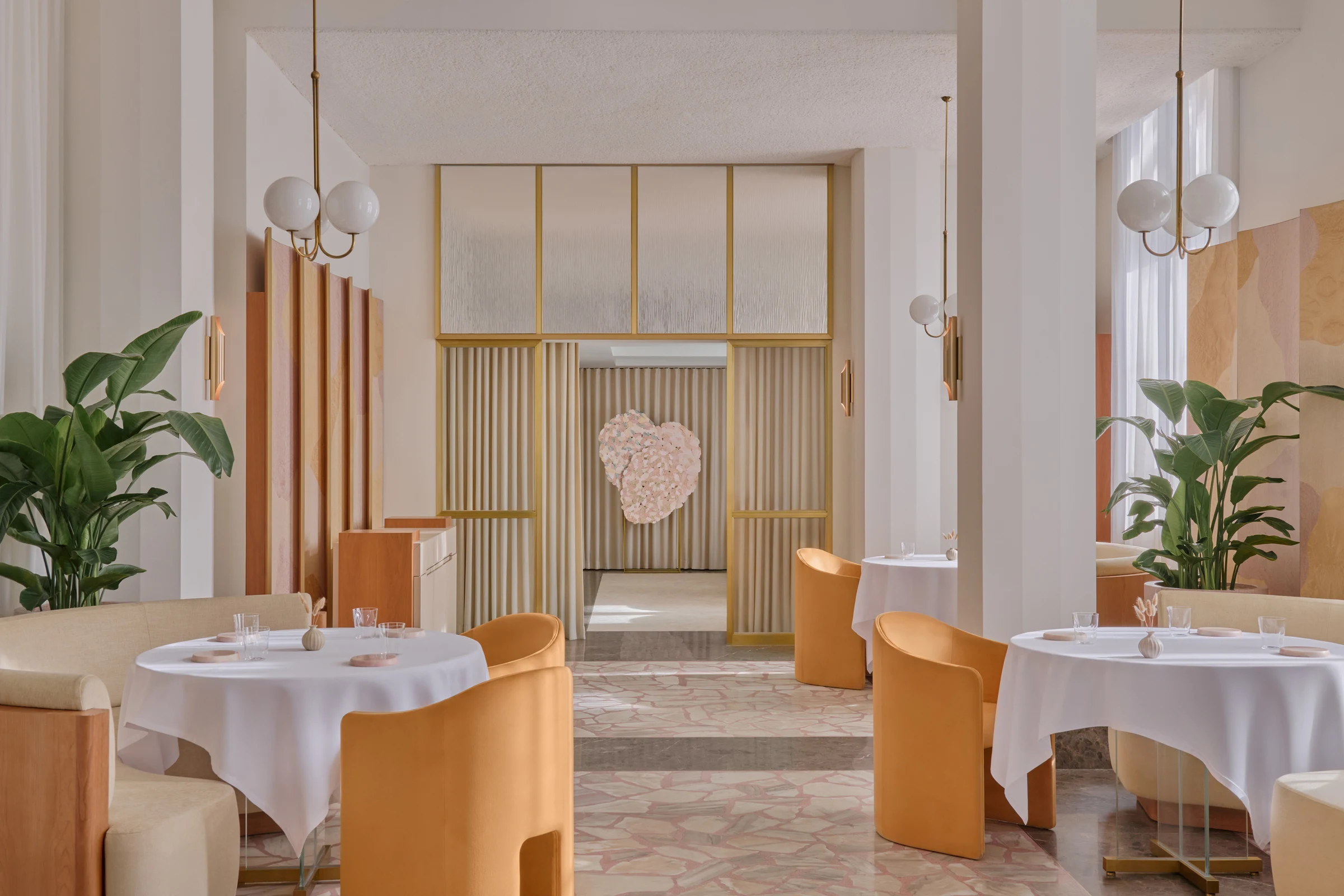
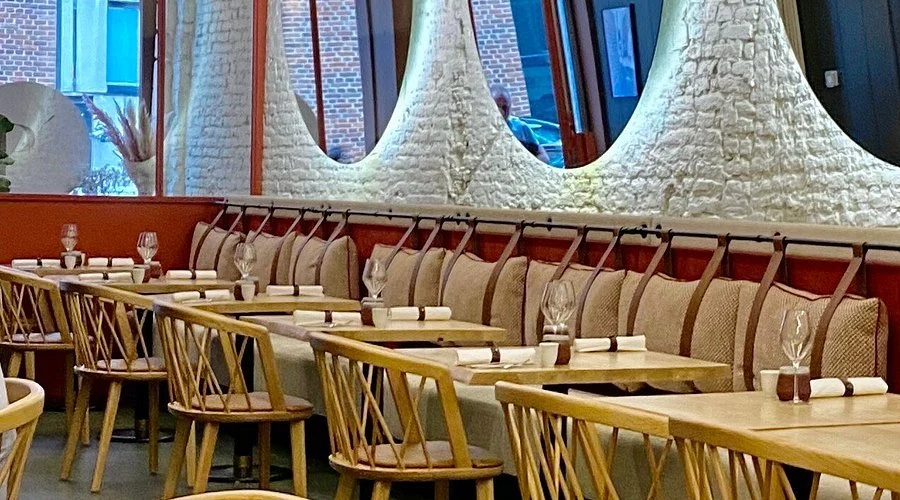
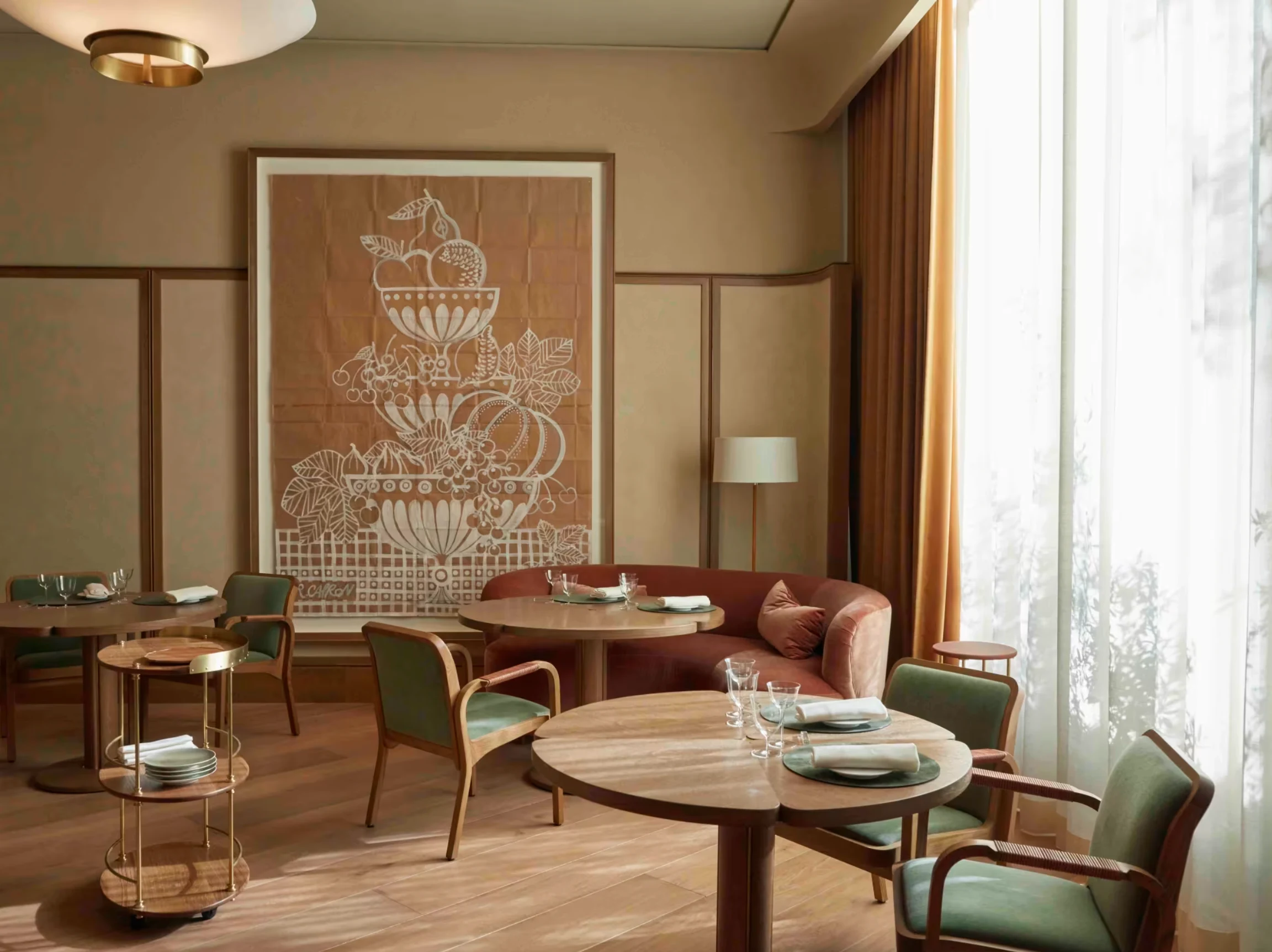
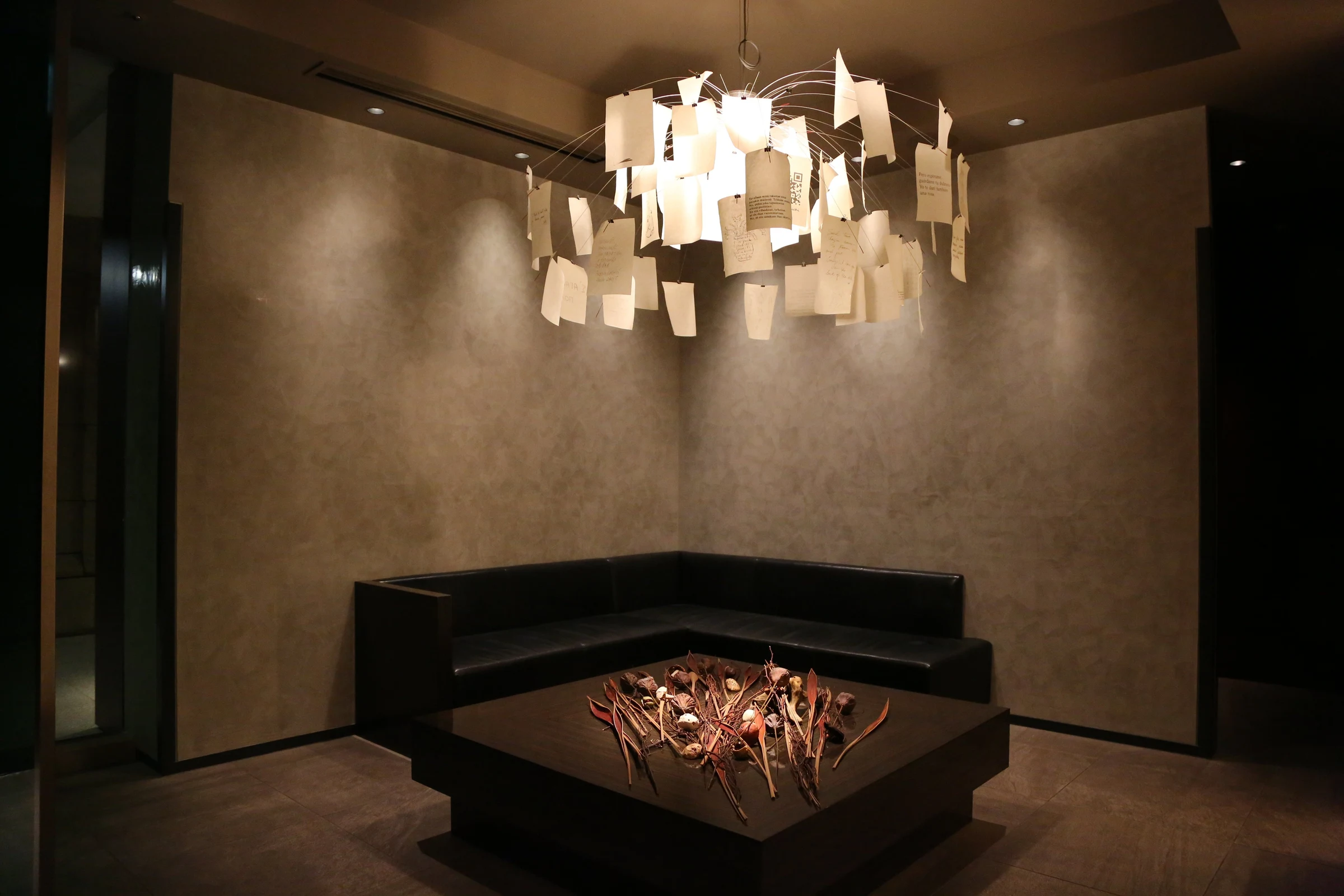
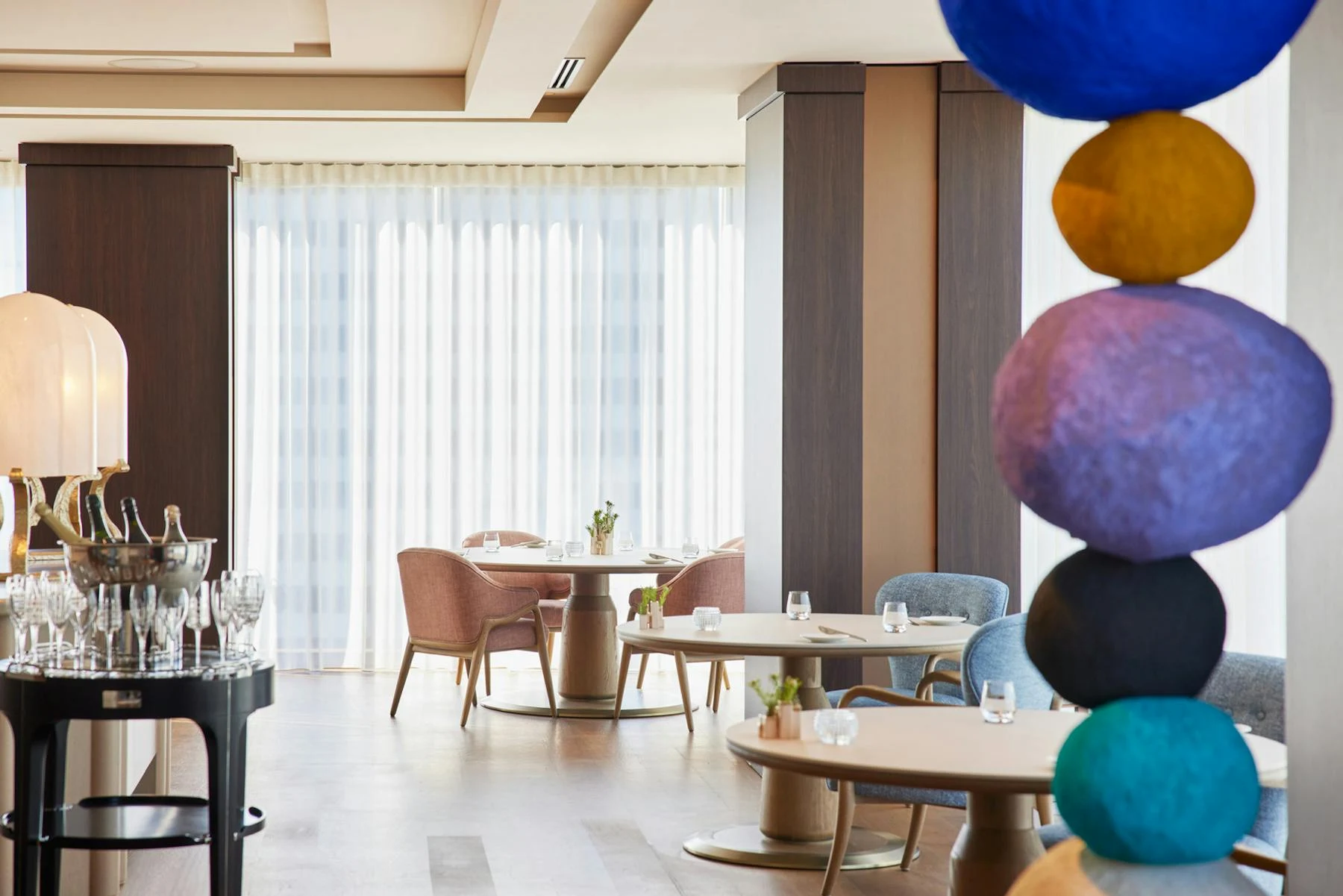
The entrance deposits you into a space that handles heritage without treating it as costume. Period wood panelling lines the main dining room, the kind of detail that in lesser hands becomes a theme-park gesture; here it reads as structural context, a backdrop against which contemporary tableware and modern plating register more sharply. A second option is the former library, where a single private table sits at the foot of a spiral staircase. That arrangement is not decorative theatre, it functions as genuine separation, useful for a small group that wants to eat without ambient noise. When the season allows, a terrace opens the operation to the outdoors, a different register again.
The Sunday letter
Find new places through the people who run them.
Our Sunday email brings you the chefs, winemakers and hoteliers behind our newest stories. See a sample before you subscribe.
See a sample of the Sunday emailOne email a week. Unsubscribe from any issue.
How the Menu Is Built
The structural logic at La Table is seasonal and set. There is no à la carte negotiation; the kitchen works through menus that move with the produce calendar rather than holding a fixed repertoire across the year. That format places the sourcing relationship at the centre of the dining proposition, the menu is, in effect, an argument about what northern France produces and when.
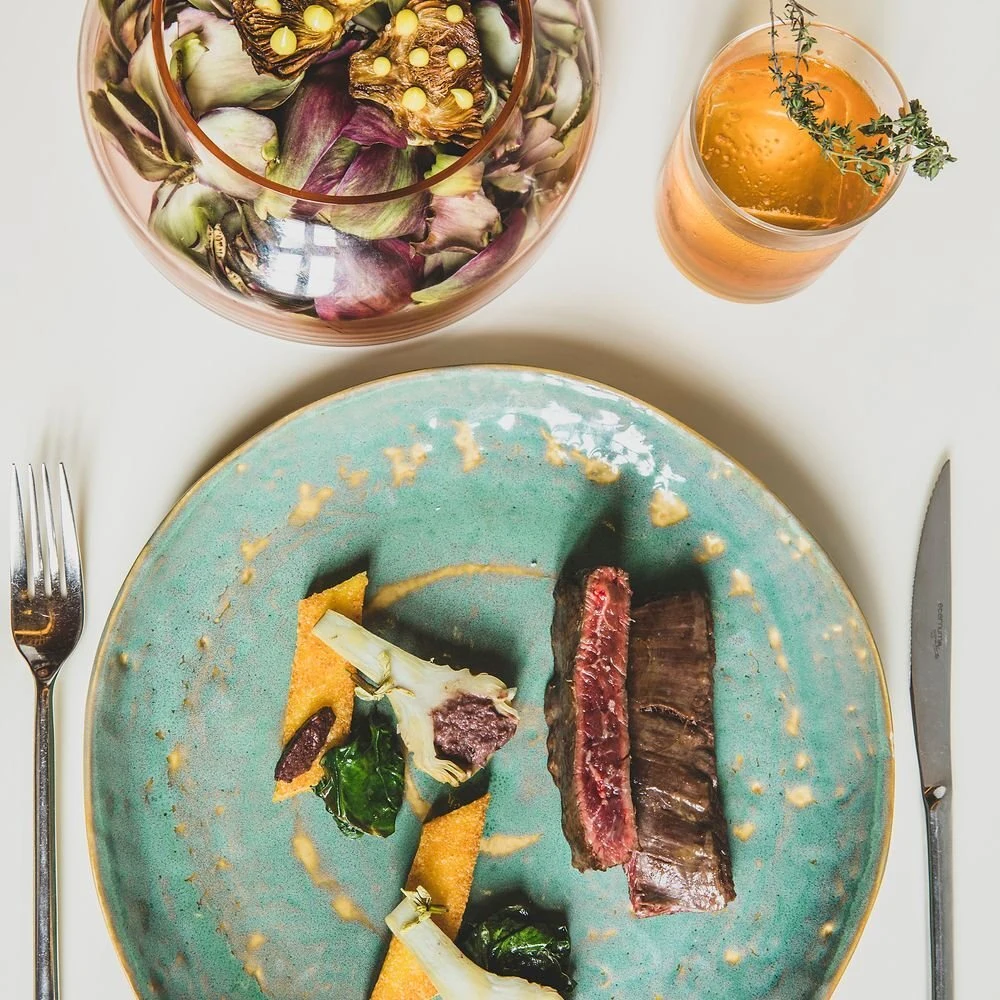
Michelin inspectors framed the kitchen's approach as creative cooking grounded in meticulously sourced local produce. The examples in their published notes are instructive: scallops from Boulogne, arriving in a carpaccio format with fermented black radish and olive oil; saddle of lamb in a casserole with a medley of carrots. Both dishes illustrate the same structural instinct, a primary ingredient of documented provenance, a preparation that sits somewhere between classical technique and contemporary restraint, and accompaniments chosen to add contrast rather than noise. The Boulogne scallop detail matters specifically: that port is among the more active fishing harbours in northern France, and anchoring a dish to it is a sourcing statement as much as a culinary one.
Chef Gaëtan Citerne leads the kitchen. Within the editorial framework that the menu format establishes, her role is to sustain the discipline the format demands: seasonal set menus collapse if the sourcing relationships are weak or if the creativity is deployed unevenly.
Where La Table Sits in Lille's Restaurant Tier
Lille currently has several addresses working in the modern French register, and the distinctions between them are worth understanding before booking. Pureté and Ginko both hold one Michelin star and operate at the €€€ price tier, a step below La Table's €€€€ positioning. That gap is meaningful: it places La Table in the same price bracket as La Laiterie and Le Restaurant du Cerisier, both of which also price at four symbols. Within that comparable set, La Table's differentiation is the hotel-mansion context, the sourcing-led seasonal format, and the Michelin continuity across 2024 and 2025.
At the more accessible end of the city's modern-cooking spectrum, Bloempot operates at €€ and takes a different angle on northern French produce. Krevette and La Cantine Urbaine - Artchives cover other segments of the city's dining range. La Table is not trying to compete across that breadth, it occupies a specific upper tier and prices accordingly.
For readers who benchmark against other French starred addresses, the comparison points are different from a Parisian context. Houses like Alléno Paris au Pavillon Ledoyen, Mirazur in Menton, or the multigenerational Troisgros in Ouches operate at higher star counts and different ambitions. Regional one-star addresses with strong terroir commitments, Auberge de l'Ill in Illhaeusern or Bras in Laguiole, are closer analogues in spirit, even if the culinary registers differ. The model of embedding a serious kitchen inside a heritage property with a regional-sourcing mandate has precedent across France; La Table is working within that tradition rather than against it.
For readers with an interest in how the modern-cuisine format travels internationally, Frantzén in Stockholm and FZN by Björn Frantzén in Dubai represent how the same seasonal-set-menu logic operates in different contexts. And mountain-region addresses like Flocons de Sel in Megève demonstrate that the sourcing-led approach works as effectively at altitude as it does near a fishing port.
Planning a Visit
La Table is open Tuesday through Saturday, covering both lunch (noon to 2 PM) and dinner (7:30 PM to 10 PM), with Sunday and Monday closed. At the €€€€ tier, this is dinner-budget territory for most visitors, though the lunch service represents a more accessible entry into the same format. The address is 32 Rue de la Barre in Lille.5 across 516 reviews.
The private library table in particular warrants requesting at reservation if that configuration suits your group.
Questions
Frequently asked
What recognition does La Table - Hôtel Clarance hold?
La Table - Hôtel Clarance holds 1 Michelin star.
Who works at La Table - Hôtel Clarance?
Made By profiles Gaëtan Citerne (Chef) at La Table - Hôtel Clarance.
How expensive is La Table - Hôtel Clarance?
La Table - Hôtel Clarance is listed at a price level of $$$$.
Where is La Table - Hôtel Clarance and what does it serve?
La Table - Hôtel Clarance is in Vieux Lille 4, Lille, serving Modern French Fine Dining.
The field
How it compares
| Place | Awards | Cuisine | Notes |
|---|---|---|---|
| La Table - Hôtel Clarance | Michelin 1 Star | Modern French Fine Dining | Vieux Lille 4, $$$$ |
| Daniel | Michelin 1 Star, World's 50 Best | Modern French Fine Dining | New York City |
| Odette | Michelin 3 Stars, World's 50 Best | Modern French Fine Dining | Singapore |
| Pureté | Michelin 1 Star | Modern French Gastronomique | Lille |
| Quince | Michelin 3 Stars, World's 50 Best | Modern French Fine Dining | San Francisco |
| Quintessence | Michelin 3 Stars | Modern French Fine Dining | Tokyo |
| Sézanne | Michelin 3 Stars, World's 50 Best | Modern French Fine Dining | Tokyo |
In residence
Similar places
Modern French Fine Dining
Daniel
New York City, United States
★ · 50 Best
Modern French Fine Dining
Odette
Singapore, Singapore
★★★ · 50 Best
Modern French Gastronomique
Pureté
Lille, France
★
Modern French Fine Dining
Quince
San Francisco, United States
★★★ · 50 Best
Modern French Fine Dining
Quintessence
Tokyo, Japan
★★★
Modern French Fine Dining
Sézanne
Tokyo, Japan
★★★ · 50 Best
The Sunday letter
Get the next Made By story in your inbox.
We send one email every Sunday morning with the places and people we covered that week.
See a sample of the Sunday emailOne email a week. Unsubscribe from any issue.