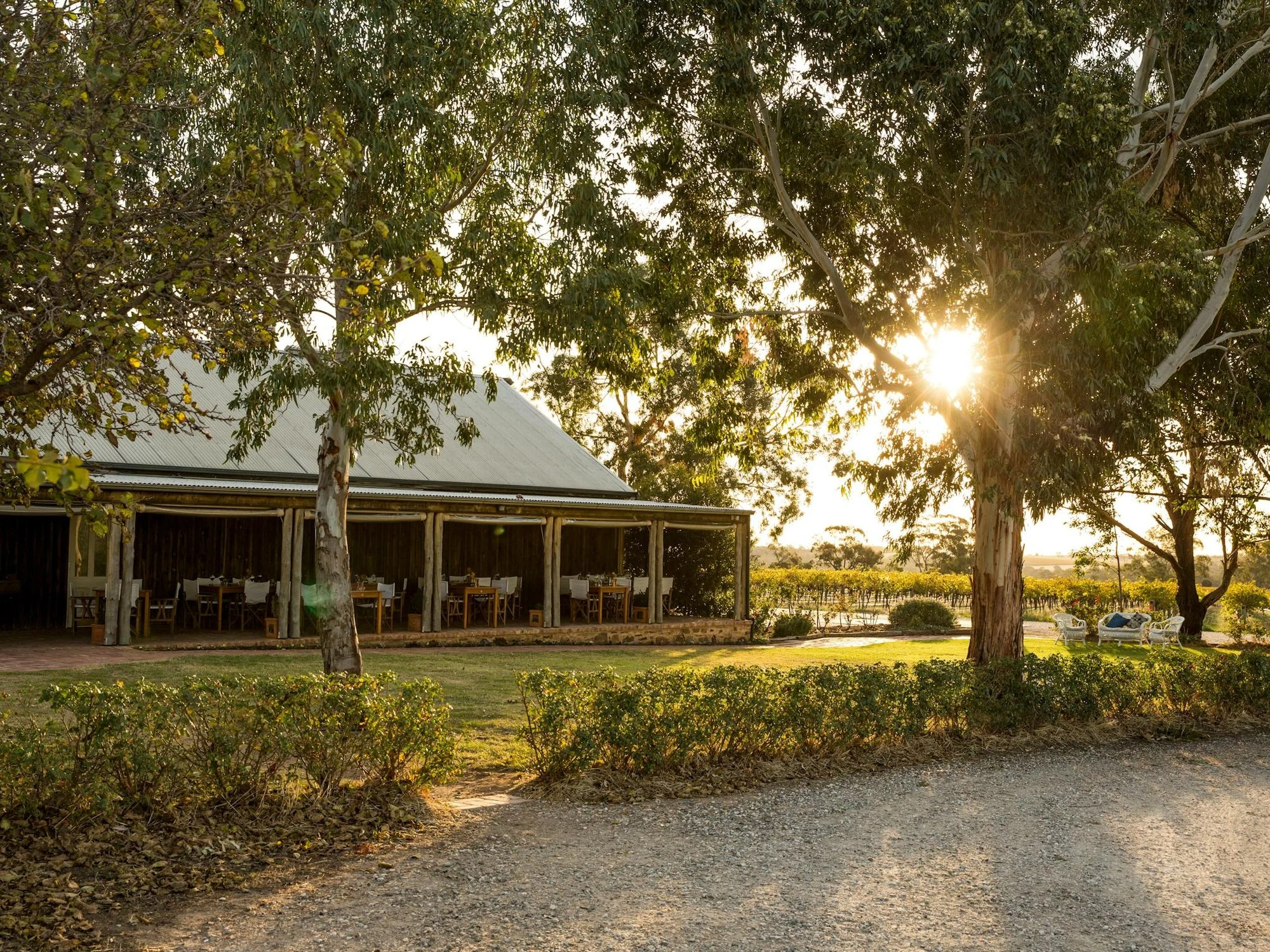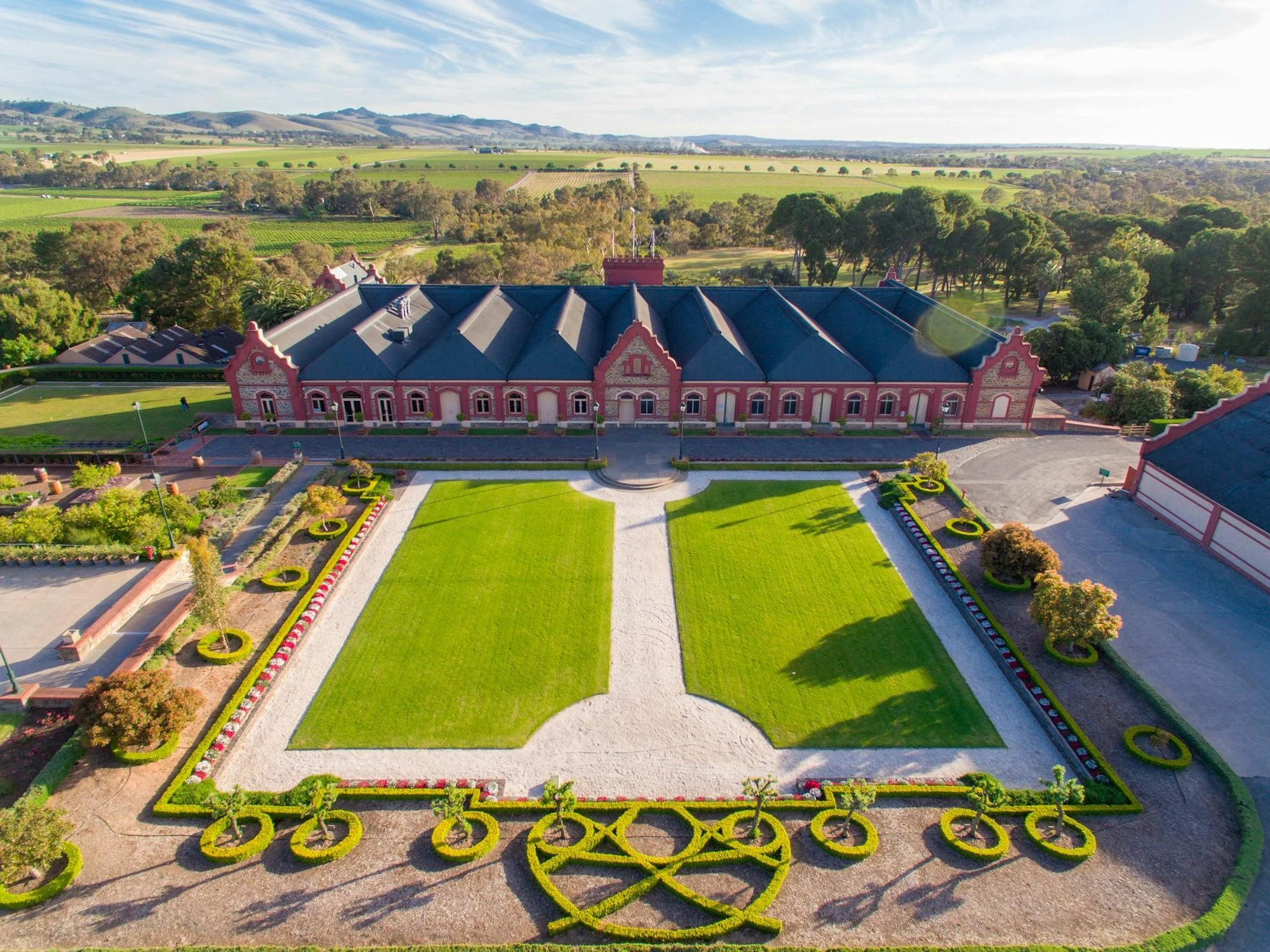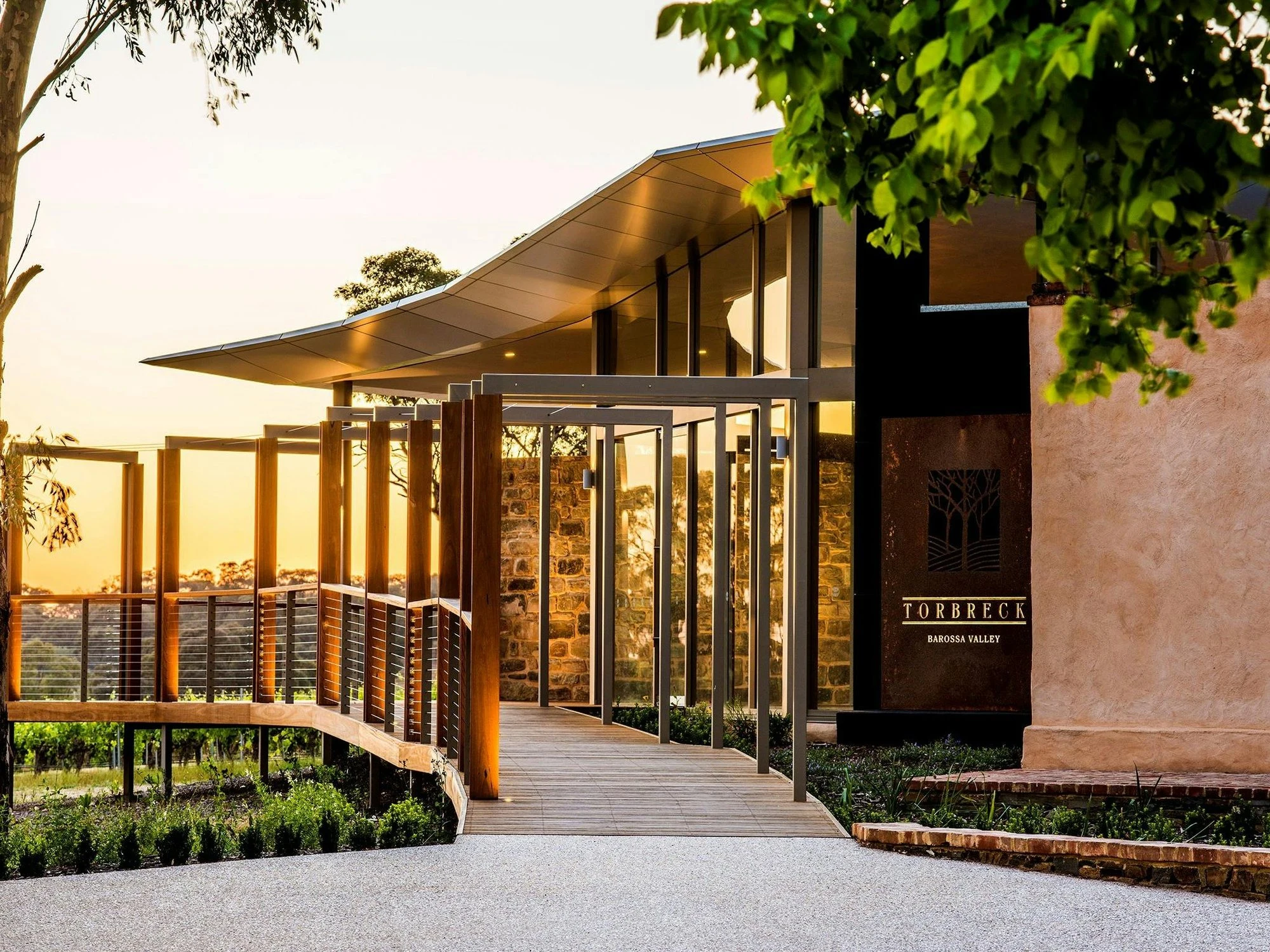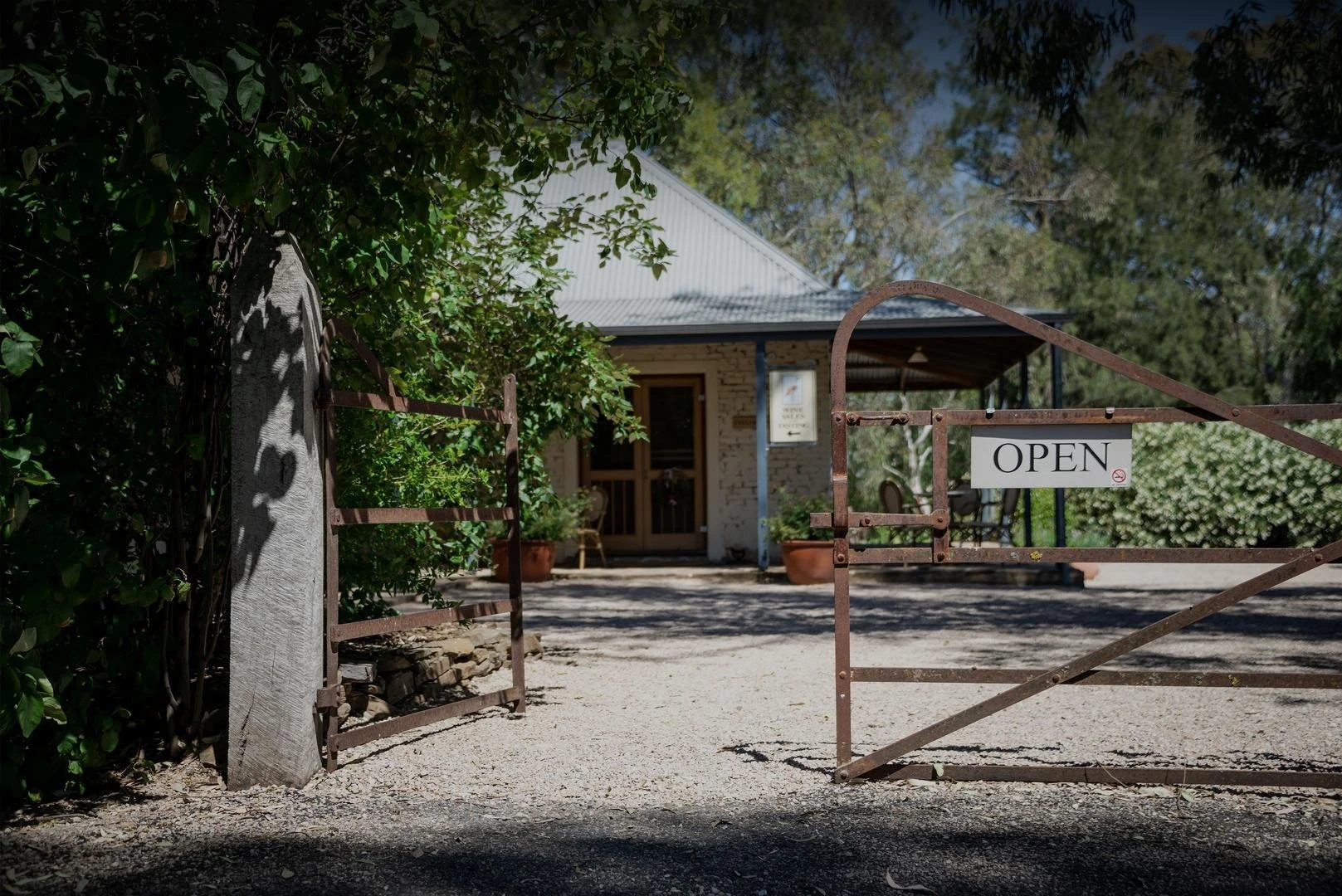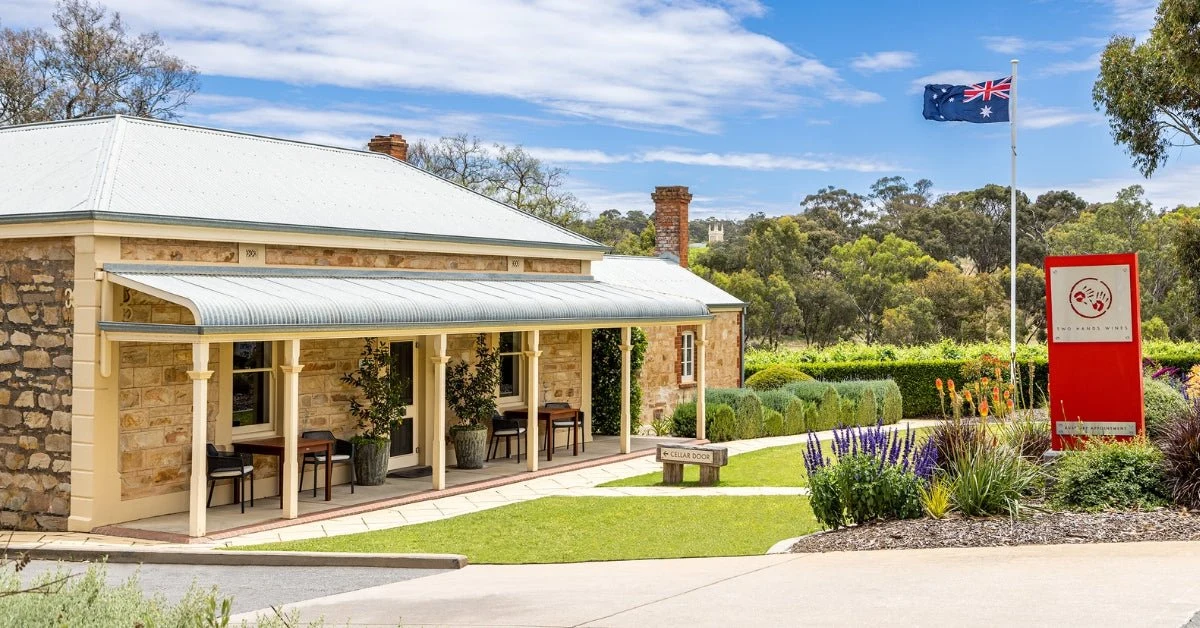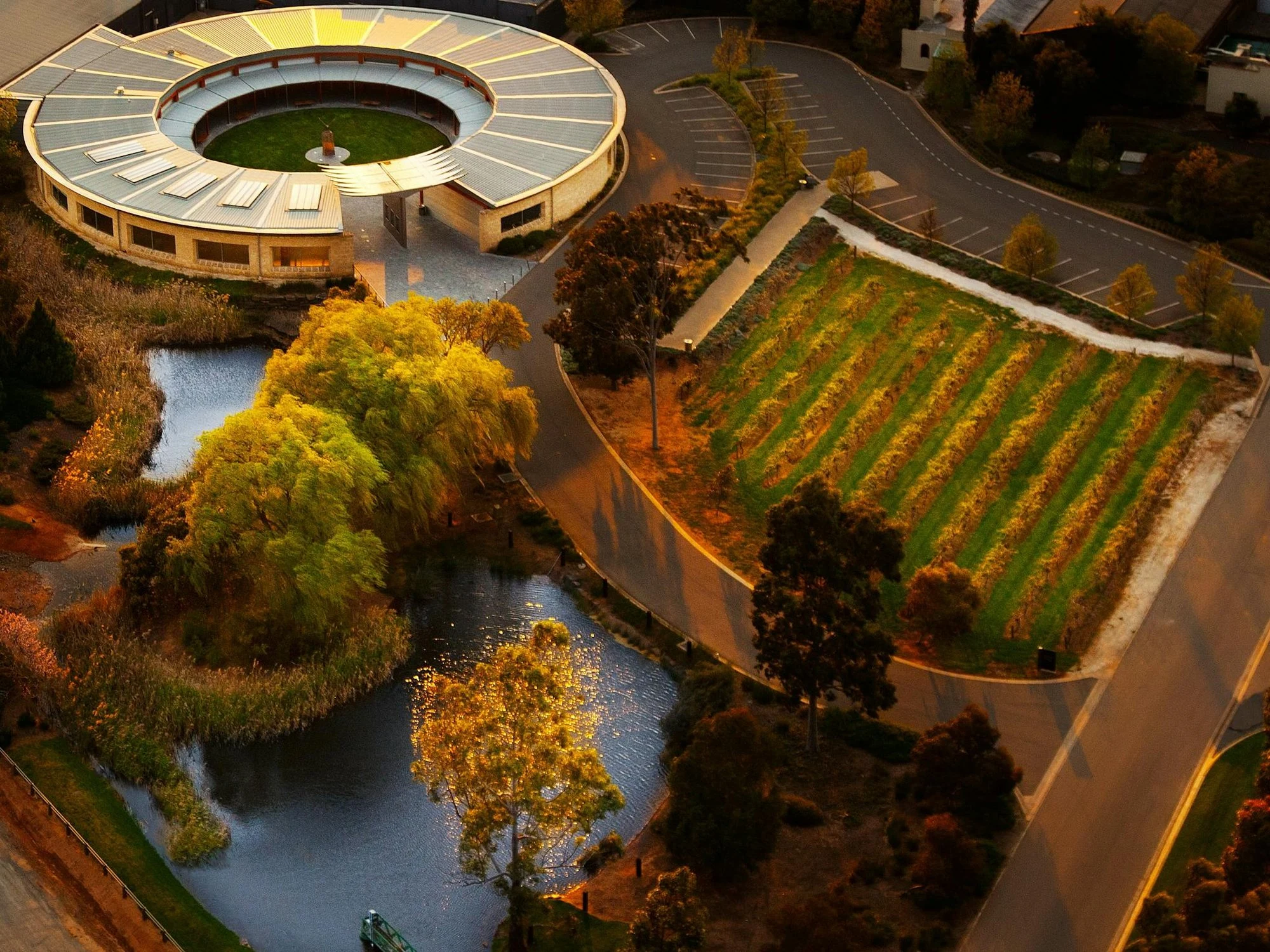
Langmeil sits at the corner of Para Road in Tanunda, one of the Barossa Valley's most historically weighted wine addresses. Awarded Pearl 2 Star Prestige in 2025, it occupies the upper tier of Barossa producers measured against both regional peers and the broader Australian fine wine conversation. The property's position within walking distance of Tanunda's main strip makes it a natural anchor for any serious Barossa itinerary.
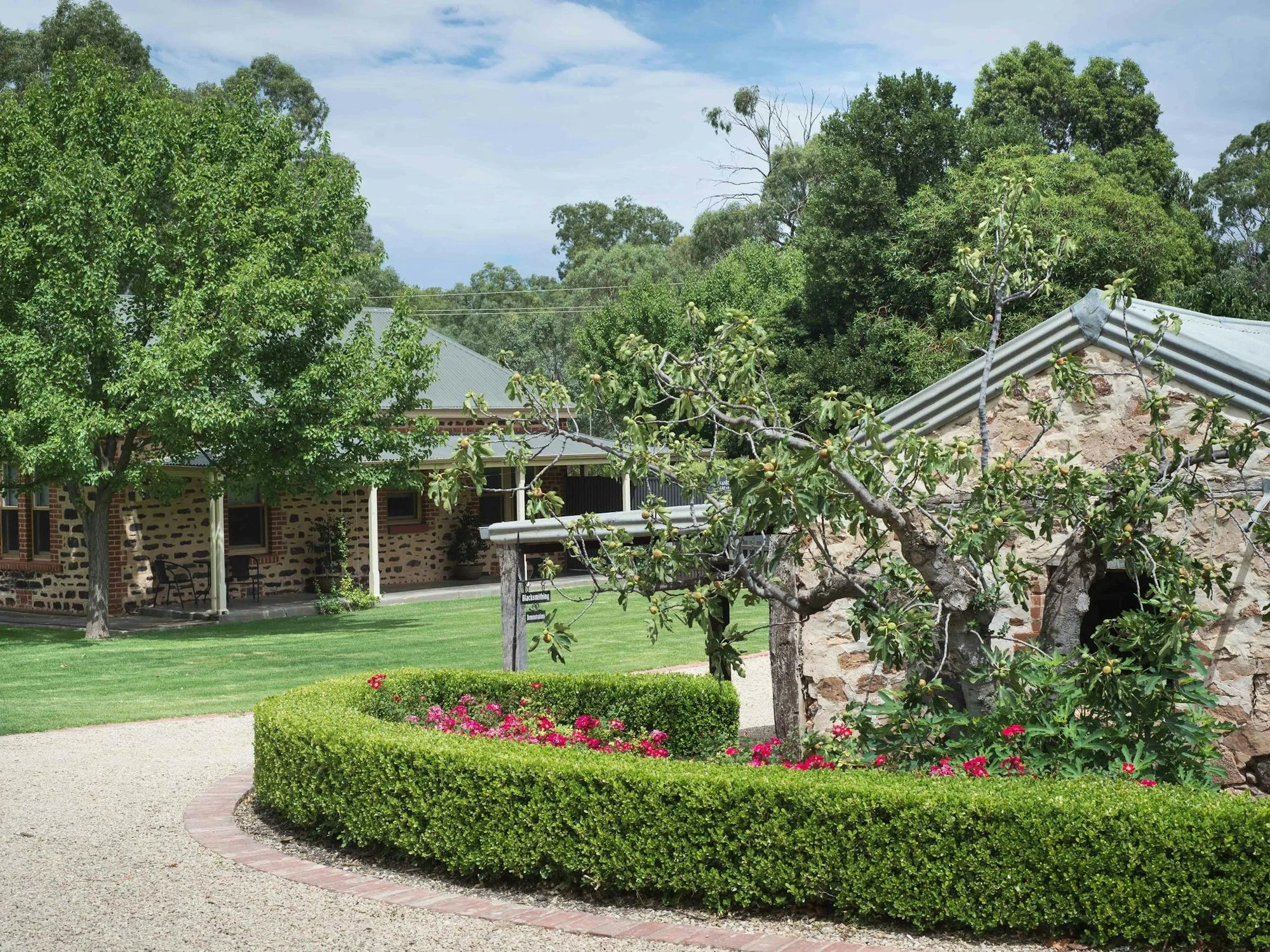
<h2>Tanunda, Para Road, and What an Address Means in the Barossa</h2><p>In the Barossa Valley, geography is argument. The question of where a winery sits, which ridge, which creek flat, which road, carries real weight in how its wines are read by the trade and by serious visitors. Para Road in Tanunda is one of those addresses that requires no further explanation to anyone who has spent time in the region. The road runs through what many producers consider the heartland of Barossa floor viticulture: deep, water-retentive soils, old-vine Shiraz and Grenache that predate federation, and a concentration of estates whose histories overlap with the valley's German-settler foundations in the 1840s.</p><p>Langmeil sits at the corner of Langmeil Road and Para Road, a position that places it physically inside this tradition rather than adjacent to it. For visitors orienting themselves in the Barossa, the address carries two pieces of practical intelligence: the winery is accessible from Tanunda's main strip without a car journey, and the surrounding block is among the most vine-dense in the immediate area. What you encounter approaching the property is the texture of an old Barossa estate rather than a purpose-built cellar door, the kind of setting where the infrastructure has accumulated over time rather than been designed in a single gesture.</p><h2>The 2025 Pearl 2 Star Prestige Rating and What It Signals</h2><p>Langmeil holds a Pearl 2 Star Prestige rating for 2025. A 2 Star Prestige designation at that level is a positioning marker: it says the wines warrant serious engagement, not casual tasting.</p><p> Sitting in the same general area, producers like <a href="https://www.enprimeurclub.com/wineries/charles-melton-wines-barossa-valley-winery">Charles Melton Wines</a>, <a href="https://www.enprimeurclub.com/wineries/chateau-tanunda-barossa-valley-winery">Château Tanunda</a>, and <a href="https://www.enprimeurclub.com/wineries/elderton-barossa-valley-winery">Elderton</a> each occupy distinct positions in that field. At the volume end, <a href="https://www.enprimeurclub.com/wineries/grant-burge-barossa-valley-winery">Grant Burge</a> and <a href="https://www.enprimeurclub.com/wineries/jacobs-creek-barossa-valley-winery">Jacob's Creek</a> represent the Barossa's commercial face, the entry points for millions of visitors who associate the region with approachable, widely distributed labels. Langmeil's 2 Star Prestige rating places it well above that tier, in the cohort where allocation, vine age, and block-level provenance drive the conversation.</p><p><a href="https://www.enprimeurclub.com/wineries/bass-phillip-gippsland-winery">Bass Phillip in Gippsland</a> and <a href="https://www.enprimeurclub.com/wineries/bests-wines-great-western-winery">Leading's Wines in Great Western</a>, where historical vine age and site continuity underpin prestige positioning independently of production scale. That same logic applies at Langmeil.</p><h2>Old Vines and the Barossa's Defining Argument</h2><p>The Barossa's claim to international significance rests substantially on its old-vine holdings. Phylloxera never reached South Australia, which means the valley holds some of the oldest continuously producing Shiraz vines in the world, a distinction that no amount of winemaking investment can replicate anywhere that did suffer the louse. For visitors making sense of why certain Barossa producers occupy a different tier from otherwise technically accomplished estates, vine age is often the answer.</p><p>Langmeil's Para Road address puts it within one of the highest concentrations of old-vine material in the central Barossa. The valley floor around Tanunda is where many of the region's most discussed single-vineyard and old-vine releases originate, and visiting a property in that zone offers something no tasting room in a newer sub-region can: proximity to the vines themselves, often visible from the cellar door, often accessible for a walk between sessions.</p><p>For visitors arriving from elsewhere in Australia's wine geography, the contrast is instructive. <a href="https://www.enprimeurclub.com/wineries/bird-in-hand-adelaide-hills-winery">Bird in Hand in Adelaide Hills</a> works a cooler-climate register, <a href="https://www.enprimeurclub.com/wineries/angove-family-winemakers-renmark-winery">Angove Family Winemakers in Renmark</a> operates on a larger, more commercial scale in the Riverland, and <a href="https://www.enprimeurclub.com/wineries/all-saints-estate-rutherglen-winery">All Saints Estate in Rutherglen</a> anchors Victoria's fortified tradition. The Barossa Shiraz argument, concentrated, structured, aged in a combination of large and small oak, belongs to a different register entirely, and Langmeil's position within the Tanunda heartland places it at the centre of that argument.</p><h2>Planning a Visit: Practical Orientation</h2><p>The Barossa Valley sits roughly an hour north of Adelaide by road, and Tanunda is the valley's most central town for visitors covering multiple estates in a day. Langmeil's corner address on Para Road is close enough to Tanunda's main commercial strip that it works as either a first or final stop on a walking or cycling itinerary through the town's cellar doors, rather than requiring a dedicated car trip. That kind of physical accessibility is not guaranteed across Barossa properties, many of which require navigating back roads to reach.</p><p>The Barossa rewards seasonal planning. Late autumn (April to May) brings harvest activity and the energy of a working vintage, with fruit still moving through the valley. Winter (June to August) quiets the tourist traffic and offers a different quality of engagement at cellar doors, more time, more direct conversation, cooler weather that suits extended tasting. Spring (September to October) arrives with vine growth and usually the prior year's releases moving through allocation, which is when prestige producers tend to open their more limited bottlings. Visitors with specific wine targets should plan around release cycles rather than simply arriving at peak tourist season in summer, when competition for time at the better cellar doors is higher.</p><p></p><h2>Langmeil in the Wider Australian Wine Conversation</h2><p>Situating Langmeil against its peers outside the Barossa sharpens the case for its Pearl 2 Star Prestige positioning. Australian wine at the prestige level has diversified considerably over the past two decades, with producers like <a href="https://www.enprimeurclub.com/wineries/blue-pyrenees-estate-pyrenees-winery">Blue Pyrenees Estate in Pyrenees</a> making a case for Victorian regional depth, and international attention reaching producers from regions that barely registered globally fifteen years ago. Against that expansion, the Barossa's prestige core has held its ground by leaning further into what no other region can replicate: vine age, soil continuity, and a winemaking tradition deep enough that individual estates can document practices across multiple generations.</p><p>Langmeil operates in that core. Its Para Road address, its 2025 prestige rating, and its position among the Tanunda estates that define the valley's floor-Shiraz argument place it alongside properties that serious Australian wine visitors treat as reference points rather than optional additions.</p><p>For those cross-referencing against international cellar-door experiences, the comparison is instructive: where <a href="https://www.enprimeurclub.com/wineries/accendo-cellars">Accendo Cellars in St. Helena</a> represents Napa's precision-focused upper tier and <a href="https://www.enprimeurclub.com/wineries/aberlour-aberlour-winery">Aberlour in Aberlour</a> anchors Speyside's whisky prestige, Langmeil occupies an equivalent position of place-rooted seriousness in the southern hemisphere's most historically weighted red wine valley. The scale differs; the intent does not.</p>
Langmeil is located at Corner Langmeil and, Para Rd, Tanunda SA 5352, Barossa Valley.
Langmeil has received recognition including: Pearl 2 Star Prestige (2025).
Langmeil's Para Road address in Tanunda places it within the Barossa floor's primary Shiraz zone, where old-vine fruit from pre-phylloxera plantings has defined the region's international reputation. Old Grenache and Mourvèdre are also present across this part of the valley. The 2025 Pearl 2 Star Prestige rating signals production at a level where the estate's Shiraz-based releases are the logical priority for any first visit.
The combination of a Para Road, Tanunda address and a 2025 Pearl 2 Star Prestige rating from EP Club's assessment framework is what sets Langmeil apart in practical terms. The Para Road corridor sits on the Barossa floor, one of the valley's most concentrated zones for old-vine holdings that survived phylloxera. Within EP Club's rating structure, the Pearl tier places Langmeil above standard cellar-door producers and into a smaller peer group defined by provenance and consistent quality.
For a cellar-door visit during the Barossa's shoulder seasons — autumn (March to May) and spring (September to November) — two to four weeks of lead time is generally sufficient. Peak summer weekends and vintage periods in late February and March attract higher visitor numbers across the valley, so earlier planning is sensible then. Langmeil sits at the corner of Langmeil and Para Roads in Tanunda, which is the valley's most central point for covering multiple estates in a single day.
Corner Langmeil and, Para Rd, Tanunda SA 5352
Tanunda