LATURE
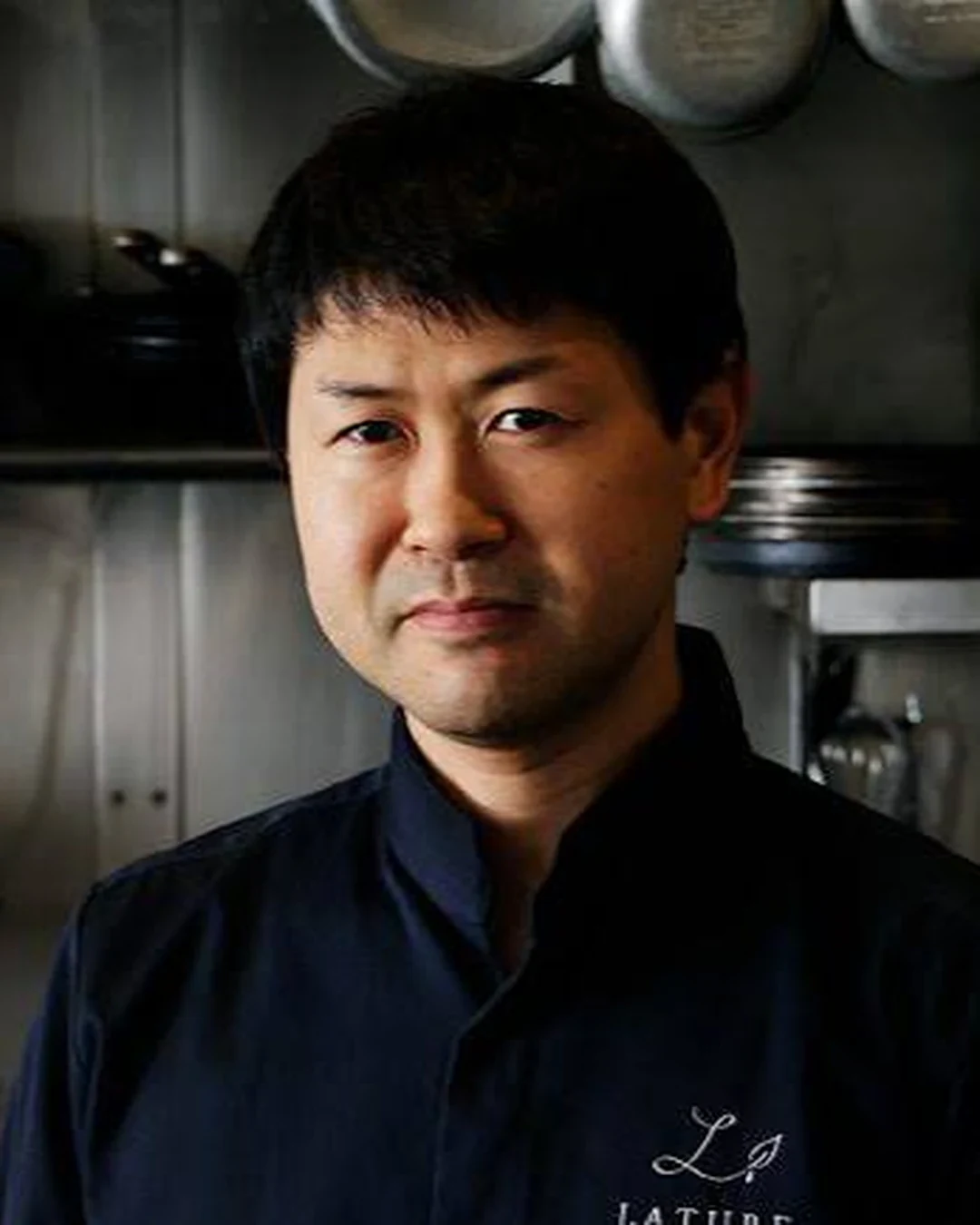
In Residence
Takuto Murota
Chef
- 01CuisineModern French Game Meat Fine Dining
- 02CityTokyo, Japan
- 03RecognitionOne Michelin Star
- 1 Michelin Star · Michelin Guide
- Opinionated About Dining Top Restaurants in Japan Ranked #113 · 2026
- Black Pearl 1 Diamond · 2026
- Michelin 1 Star · 2026
- Tabelog Bronze #239: 4.3pts · 2026
- Tabelog Bronze · 2025
- Black Pearl 1 Diamond · 2025
- Tabelog 100 #41: 4.2pts · 2025
- Opinionated About Dining Top Restaurants in Japan Ranked #76 · 2025
- Michelin 1 Star · 2024
- Opinionated About Dining Top Restaurants in Japan Ranked #111 · 2024
- Opinionated About Dining Top Restaurants in Japan Ranked #99 · 2023
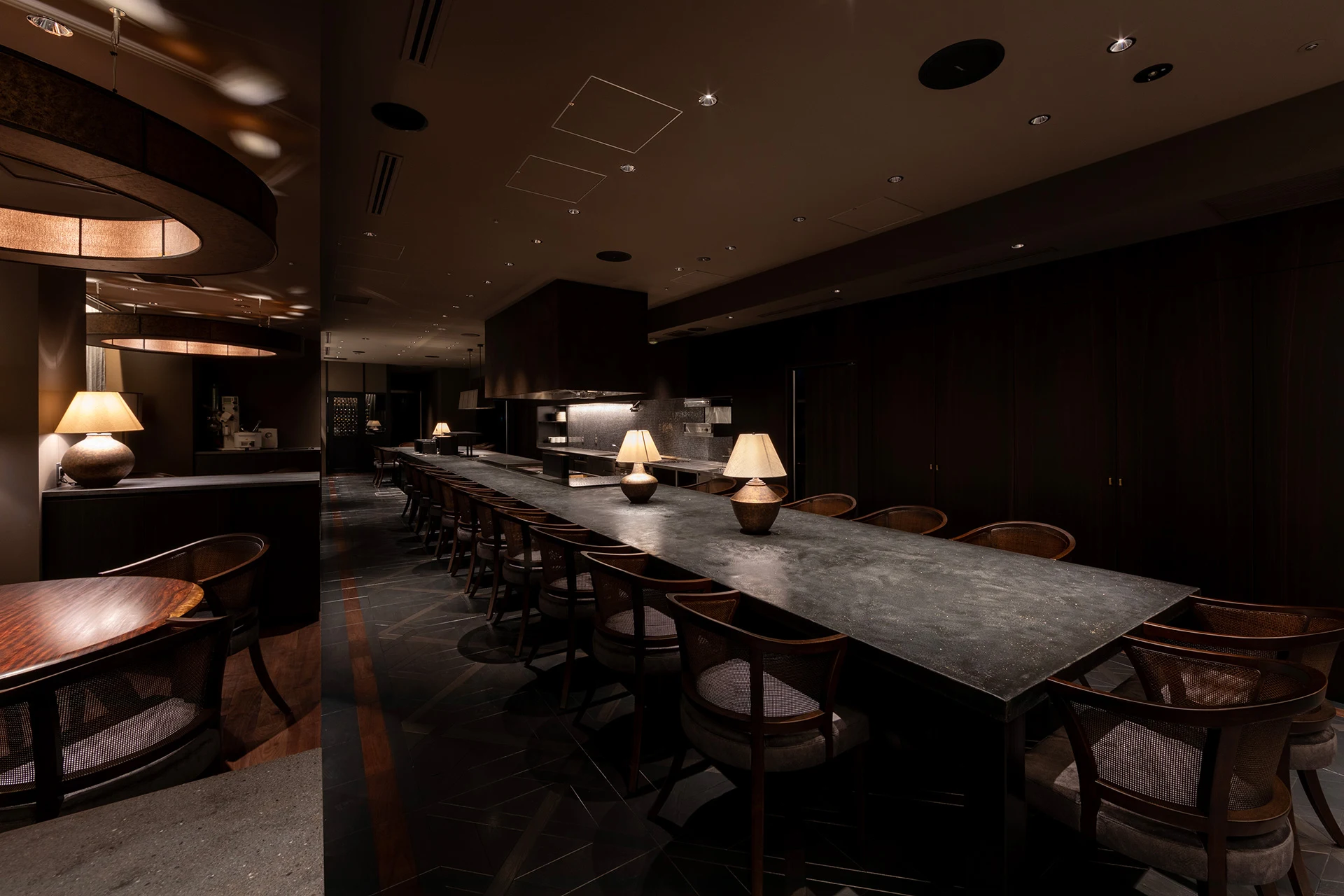
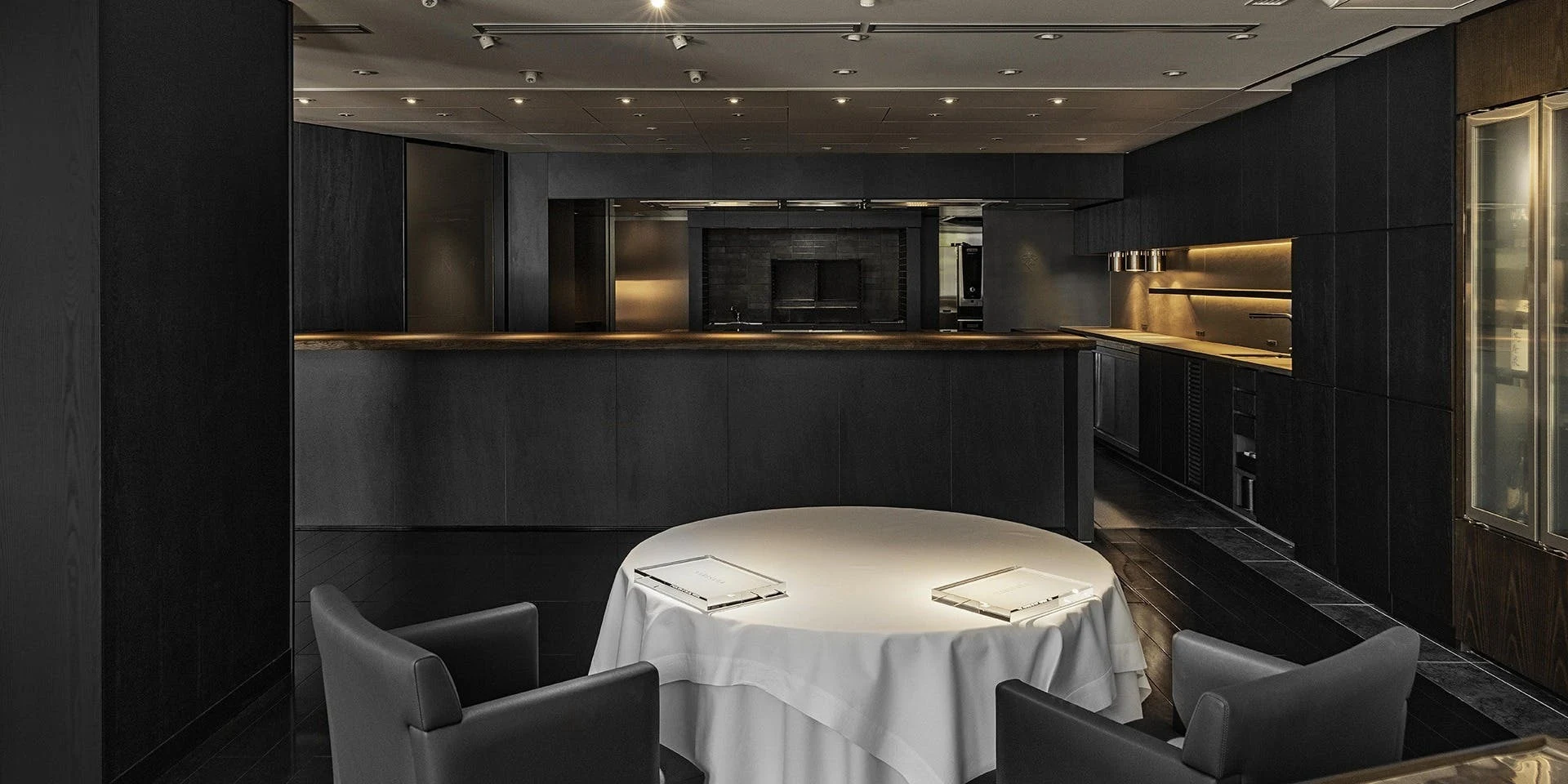
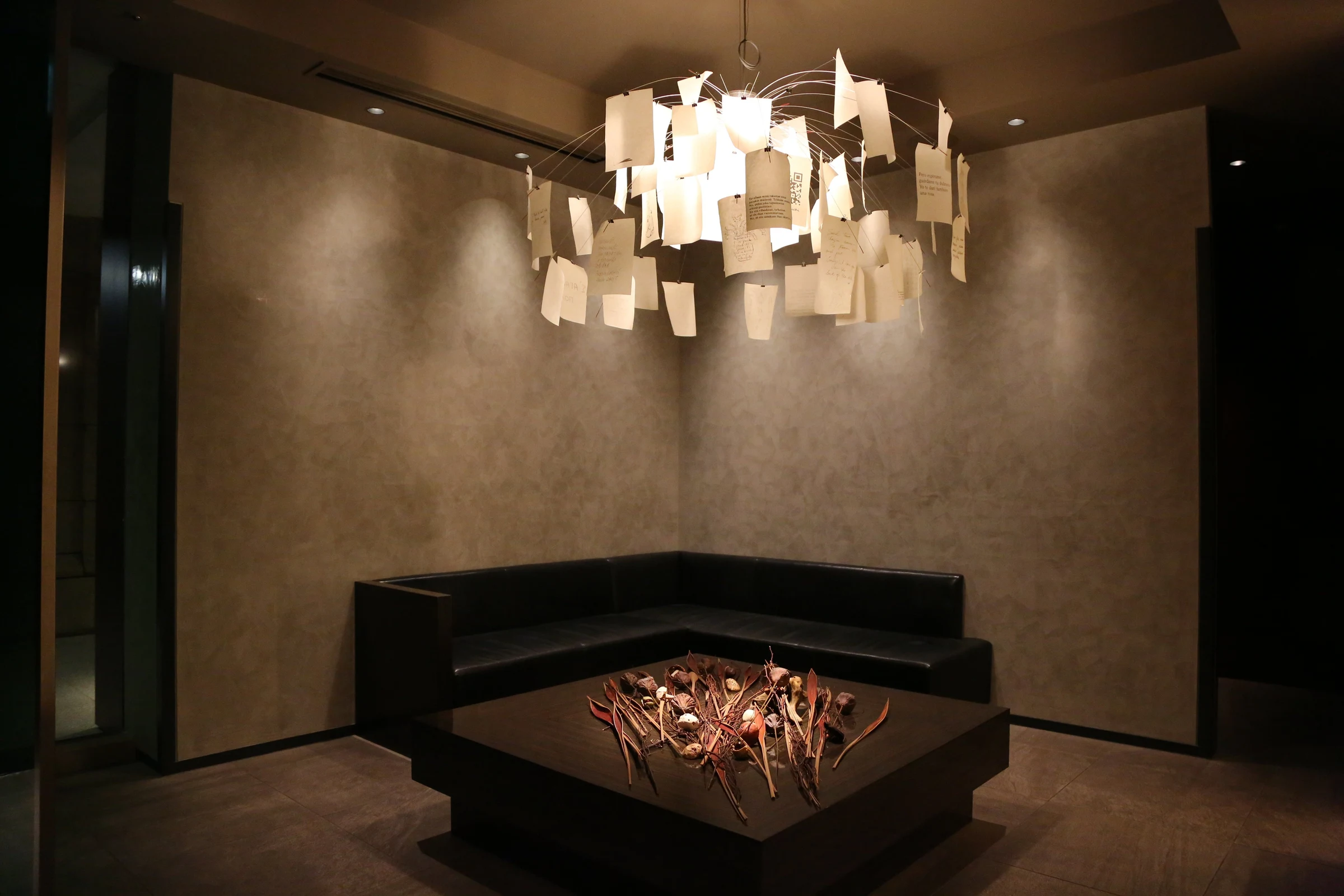
Below street level in Shibuya, the room shifts the register before the menu does. Tokyo’s French dining scene often announces itself through polished rooms in Aoyama, Ginza, and Marunouchi, but the more interesting current is quieter: compact restaurants where French structure carries Japanese seasonality, rural sourcing, and a sharper authorial hand. LATURE sits there, using classic French grammar to discuss game, vegetables, fish, and waste with conviction rather than theatre.
The useful comparison is not Parisian nostalgia. Tokyo has long absorbed French technique, then disciplined it through local produce, shorter menus, lighter sauces, and service that prizes precision over display. MONOLITH and Benoit occupy a more familiar French register, while L’Effervescence moves into a higher-budget philosophical tasting-menu tier. NéMo and Mono-bis show how varied the city’s French category has become, from seafood-led modernity to lower-priced neighborhood formats. LATURE belongs to the middle-high tier: serious enough for awards attention, small enough to keep the cooking personal, and idiosyncratic enough that the meal is defined by a chef’s subject, not genre alone.
The Sunday letter
Find new places through the people who run them.
Our Sunday email brings you the chefs, winemakers and hoteliers behind our newest stories. See a sample before you subscribe.
See a sample of the Sunday emailOne email a week. Unsubscribe from any issue.
Game, restraint, and the Tokyo version of French authorship
Takuto Murota’s cooking is often described through his relationship with nature, but the point is not biography. In Tokyo, where high-end restaurants often rely on market access and supplier networks as quiet status markers, a chef who hunts game and grows vegetables introduces another authority. The centre of gravity moves from procurement to responsibility: bones and offal enter the sauce vocabulary, vegetables carry more than garnish duty, and game is treated as a whole animal, not a luxury protein inserted for drama.
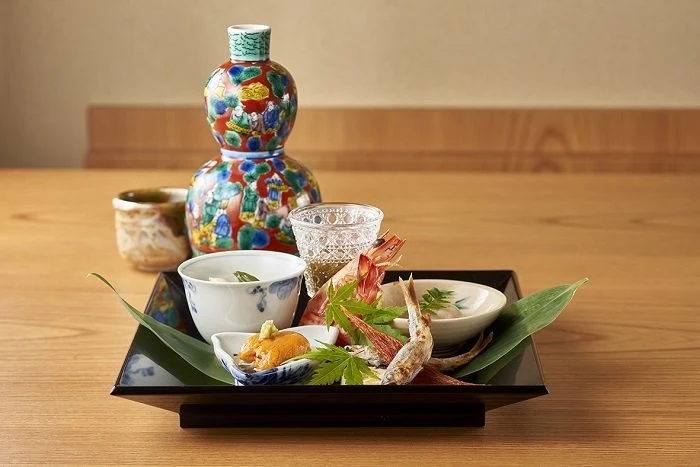
That matters because French cuisine in Japan can become refinement without risk. Here, the risk is conceptual. Venison blood macarons have become emblematic, less shock value than a statement about what French technique can metabolize. The idea belongs to a broader European nose-to-tail tradition, but Tokyo execution gives it a different edge: controlled portions, clean lines, and one unusual detail doing the argumentative work. The result is French cooking that is not trying to sound rustic, even when its raw materials come from the mountain rather than the wholesale fish market.
Awards support the proposition without explaining it fully. The restaurant holds a Tabelog Award 2026 Bronze, appeared in Tabelog’s French Tokyo 100 selection for 2025, and was ranked in Opinionated About Dining’s 2026 Japan restaurant list. Those signals place it among Tokyo’s better-documented French addresses, but the stronger reading is consistency: repeated recognition across Japanese diner culture and international restaurant-list culture suggests an experience not dependent on novelty alone.
Where it fits among Tokyo's French rooms
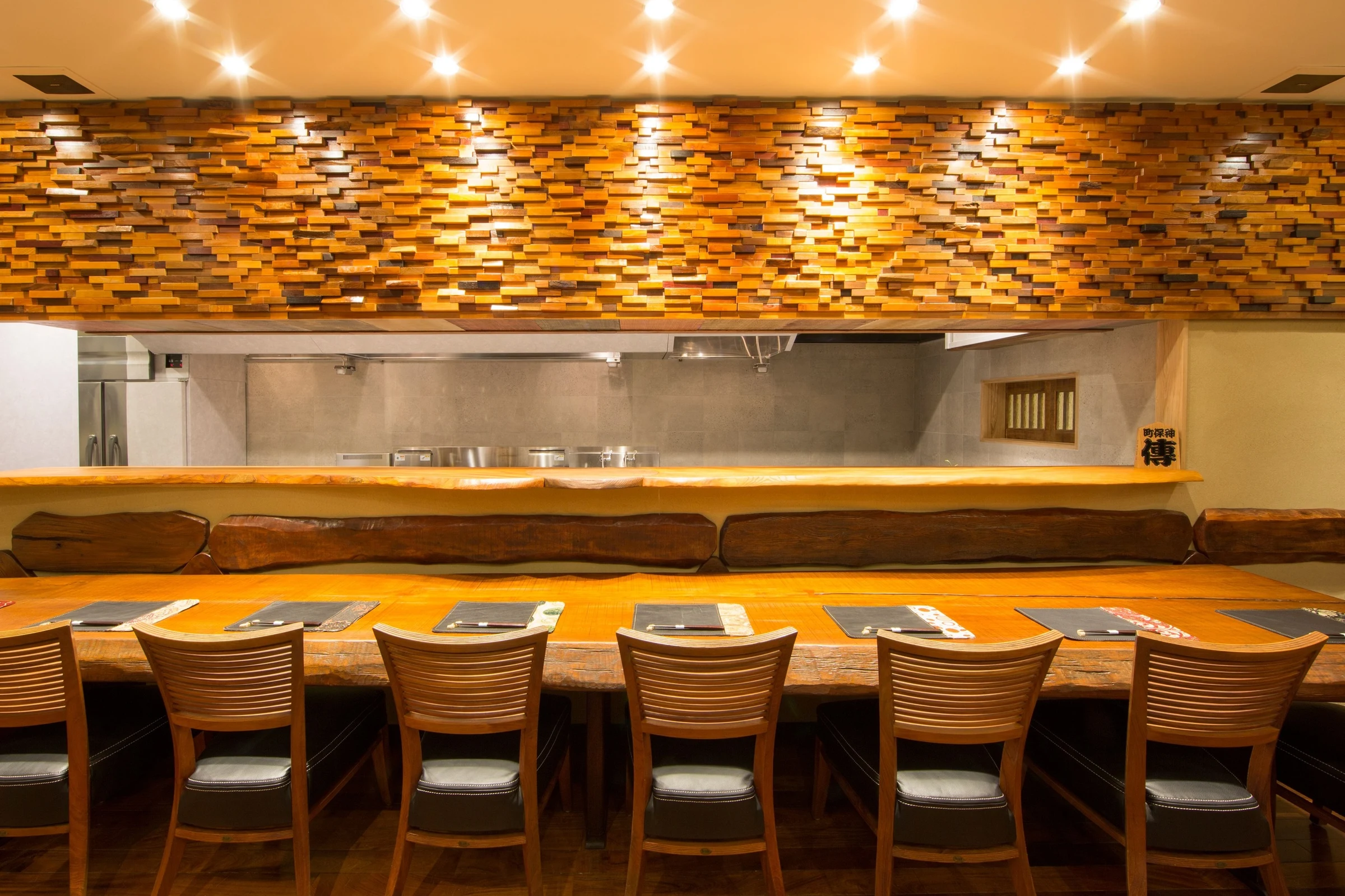
Tokyo French is not one scene. There are ceremonial tasting rooms for anniversaries, chef-counter restaurants borrowing sushi’s intimacy, hotel dining rooms with classical polish, and low-lit urban bistros built around wine and ease. LATURE draws from several without settling into one. Its 20-seat scale gives the kitchen a tight radius of control, while private-room availability makes it more flexible than the smallest counter-led restaurants. That matters in Tokyo, where a technically ambitious meal may still need to work for business dining, family occasions, or guests who do not want a hushed temple of gastronomy.
The sommelier, sake and shochu alongside wine, plus vegetarian or gluten-free options, also describe contemporary Tokyo French. The category has become less doctrinaire. A serious French restaurant can now speak comfortably with Japanese drinks, accommodate dietary boundaries with advance notice, and run a multilingual service layer without diluting the kitchen’s identity. This is not fusion as slogan. It is the operating reality of a capital where French technique has been localized for decades.
For readers mapping a broader itinerary, the surrounding Tokyo conversation is broad enough to compare across formats rather than cuisines alone. ABBESSES, abysse, Alchimiste, Alternative, and amarantos each offer a different answer to the same citywide question: how far can French form stretch before it becomes another Tokyo language? For the wider map, use Our full Tokyo restaurants guide, then build the trip through Our full Tokyo hotels guide, Our full Tokyo bars guide, Our full Tokyo wineries guide, and Our full Tokyo experiences guide.
The decision: who should prioritize this table
This is the Tokyo French address for diners interested in authorship rather than ornament. The kitchen’s subject is clear: game, seasonality, and a low-waste reading of classic technique. That makes it stronger for guests who want a point of view than for those seeking a neutral luxury meal. Non-game seasonal courses help mixed parties, but the identity is tied to meat, blood, bones, vegetables, and the ethics of using them carefully.
It also suits travelers who have already eaten through Tokyo’s obvious categories. Sushi, tempura, yakitori, and kaiseki remain the city’s first grammar for many visitors; French in Tokyo is where the second reading begins. At its better addresses, the cuisine shows how Japanese dining culture absorbs foreign forms without treating them as imported costume. A compact room, chef-led argument, and recognition from both Tabelog and OAD make LATURE a persuasive case study in that evolution.
Japan’s wider dining map sharpens the contrast. A beef specialist such as -Grilled beef Sukiyaki- KAMAKURA TANUKIAN 鎌倉 たぬき庵 in Kamakura frames tradition through a single dish form, while.cafe in Osaka,.know in Kumamoto, (Shoku) Vietnam in Kawasaki, [Curry Senmon Ten] Maruyama Kyoju. in Sapporo, and [ki:] in Kyoto show how regional dining decisions can be driven by format as much as cuisine. Beyond Japan, 3 Fils Counter, French in Dubai and 3G Trois Gourmands, French in Ho Chi Minh City underline the same point internationally: French cooking now travels less as fixed canon than as a technical system adapted to local appetite, labor, produce, and ambition.
The editorial call is clear. Choose this table when the meal’s purpose is to understand how Tokyo’s French restaurants have moved past imitation. The cooking is grounded in a chef’s rural sourcing and game practice, but the larger story is urban: a capital confident enough to make French cuisine speak in its own accent.
Questions
Frequently asked
What recognition does LATURE hold?
LATURE holds 1 Michelin star.
Who works at LATURE?
Made By profiles Takuto Murota (Chef) at LATURE.
How expensive is LATURE?
LATURE is listed at a price level of $$$$.
Where is LATURE and what does it serve?
LATURE is in Shibuya, Tokyo, serving Modern French Game Meat Fine Dining.
The field
How it compares
| Place | Awards | Cuisine | Notes |
|---|---|---|---|
| LATURE | Michelin 1 Star | Modern French Game Meat Fine Dining | Shibuya, $$$$ |
| Den | Michelin 2 Stars, World's 50 Best | Modern Japanese Kaiseki | Tokyo |
| Florilège | Michelin 2 Stars, World's 50 Best | Modern French-Japanese Plant-Based Fine Dining | Tokyo |
| Narisawa | Michelin 2 Stars, World's 50 Best | Modern Japanese Satoyama Fine Dining | Tokyo |
| Quintessence | Michelin 3 Stars | Modern French Fine Dining | Tokyo |
| Sazenka | Michelin 3 Stars, World's 50 Best | Modern Chinese Fine Dining | Tokyo |
| Sézanne | Michelin 3 Stars, World's 50 Best | Modern French Fine Dining | Tokyo |
In residence
Similar places
Modern Japanese Kaiseki
Den
Tokyo, Japan
★★ · 50 Best
Modern French-Japanese Plant-Based Fine Dining
Florilège
Tokyo, Japan
★★ · 50 Best
Modern Japanese Satoyama Fine Dining
Narisawa
Tokyo, Japan
★★ · 50 Best
Modern French Fine Dining
Quintessence
Tokyo, Japan
★★★
Modern Chinese Fine Dining
Sazenka
Tokyo, Japan
★★★ · 50 Best
Modern French Fine Dining
Sézanne
Tokyo, Japan
★★★ · 50 Best
The Sunday letter
Get the next Made By story in your inbox.
We send one email every Sunday morning with the places and people we covered that week.
See a sample of the Sunday emailOne email a week. Unsubscribe from any issue.