Restaurant
<strong>Tokyo’s French dining scene</strong> has a serious provenance branch, where Japanese agricultural detail matters as much as classical technique. L'Effervescence belongs in that conversation through <strong>three Michelin</strong> stars, a Michelin <strong>Green Star</strong>, <strong>La Liste</strong> 2026 at 93 points, and a Nishiazabu format built around <strong>prix fixe</strong> cooking, vegetables, producers, wine, sake, and ceremony rather than spectacle.
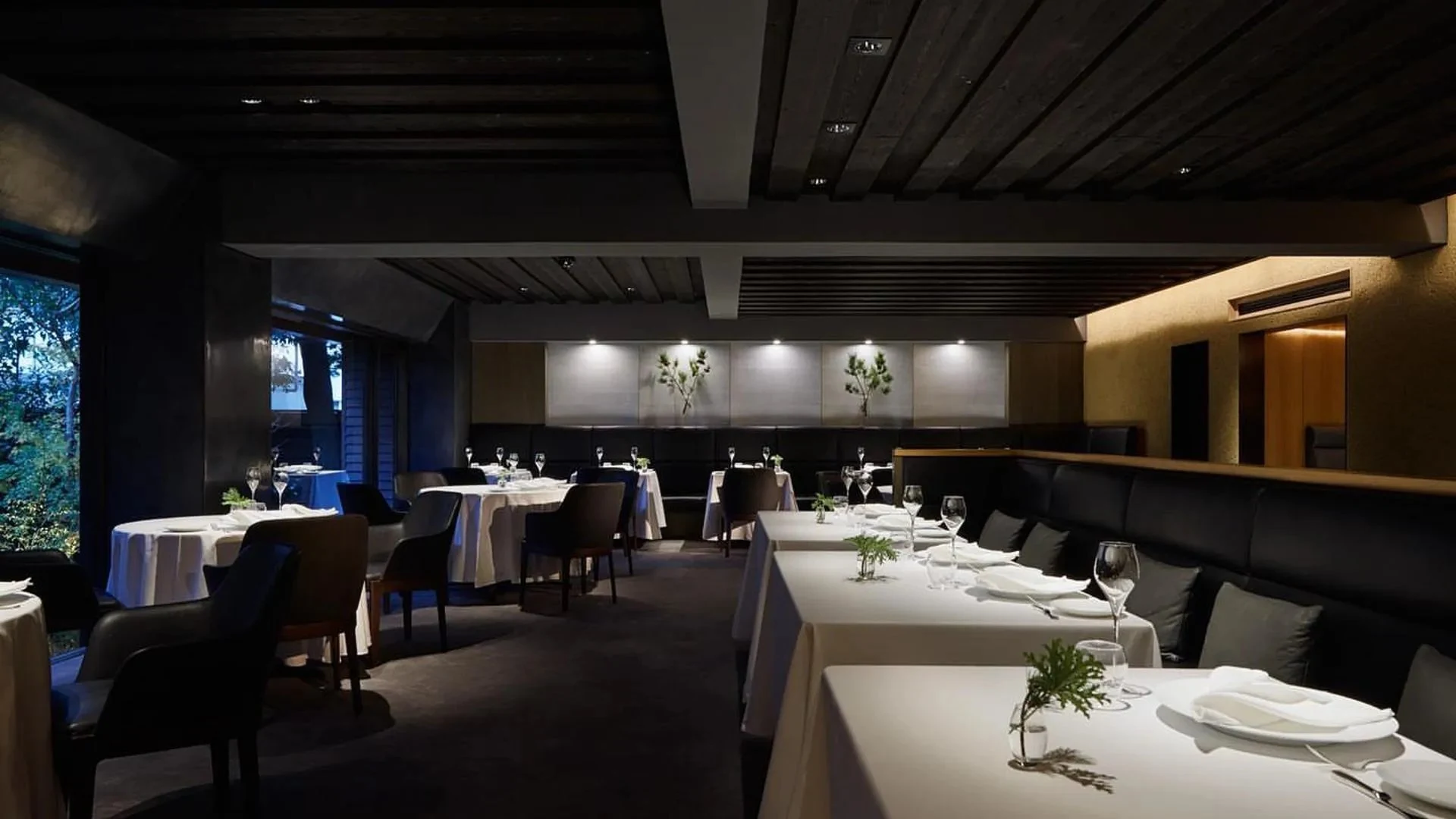
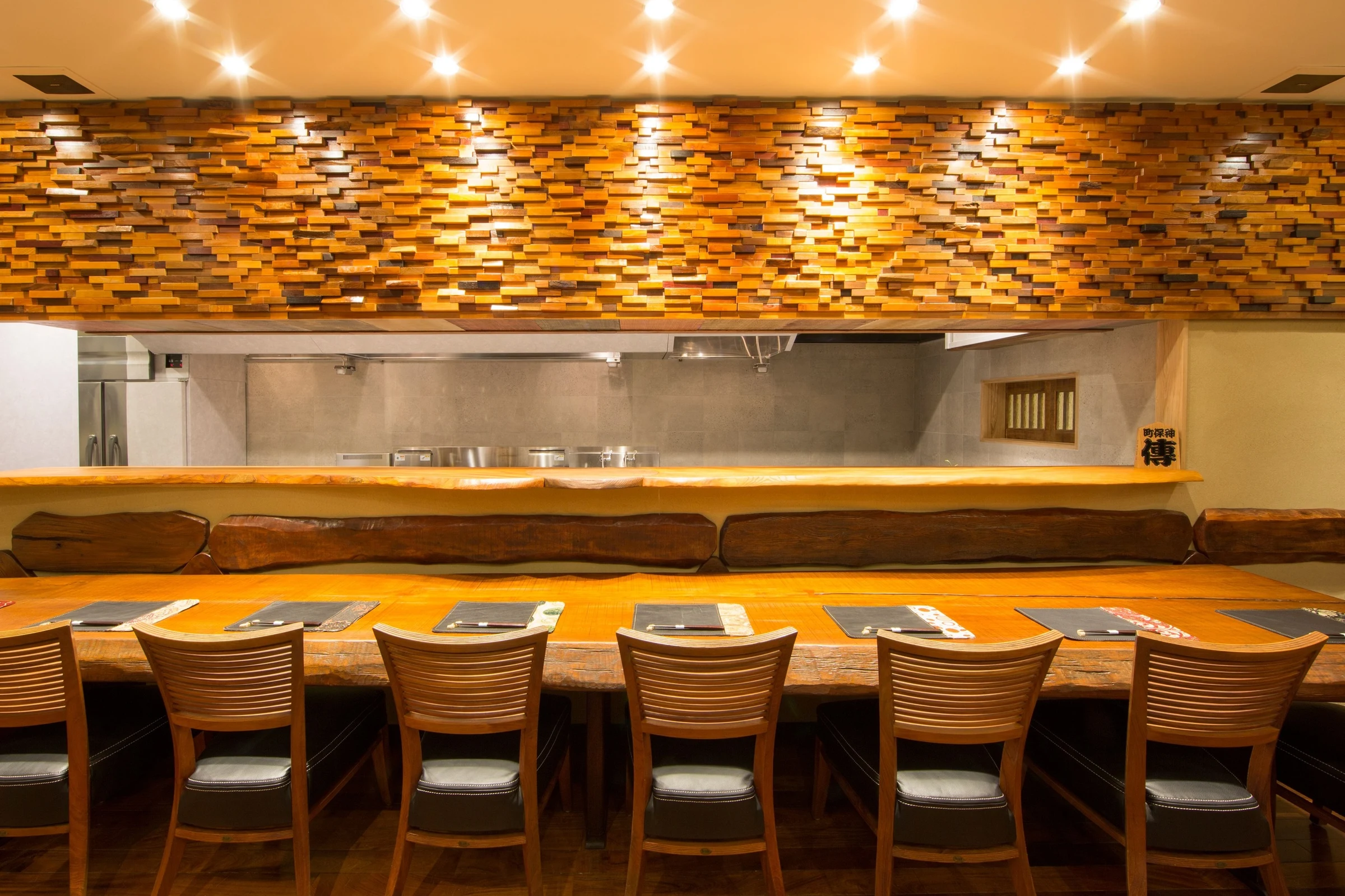
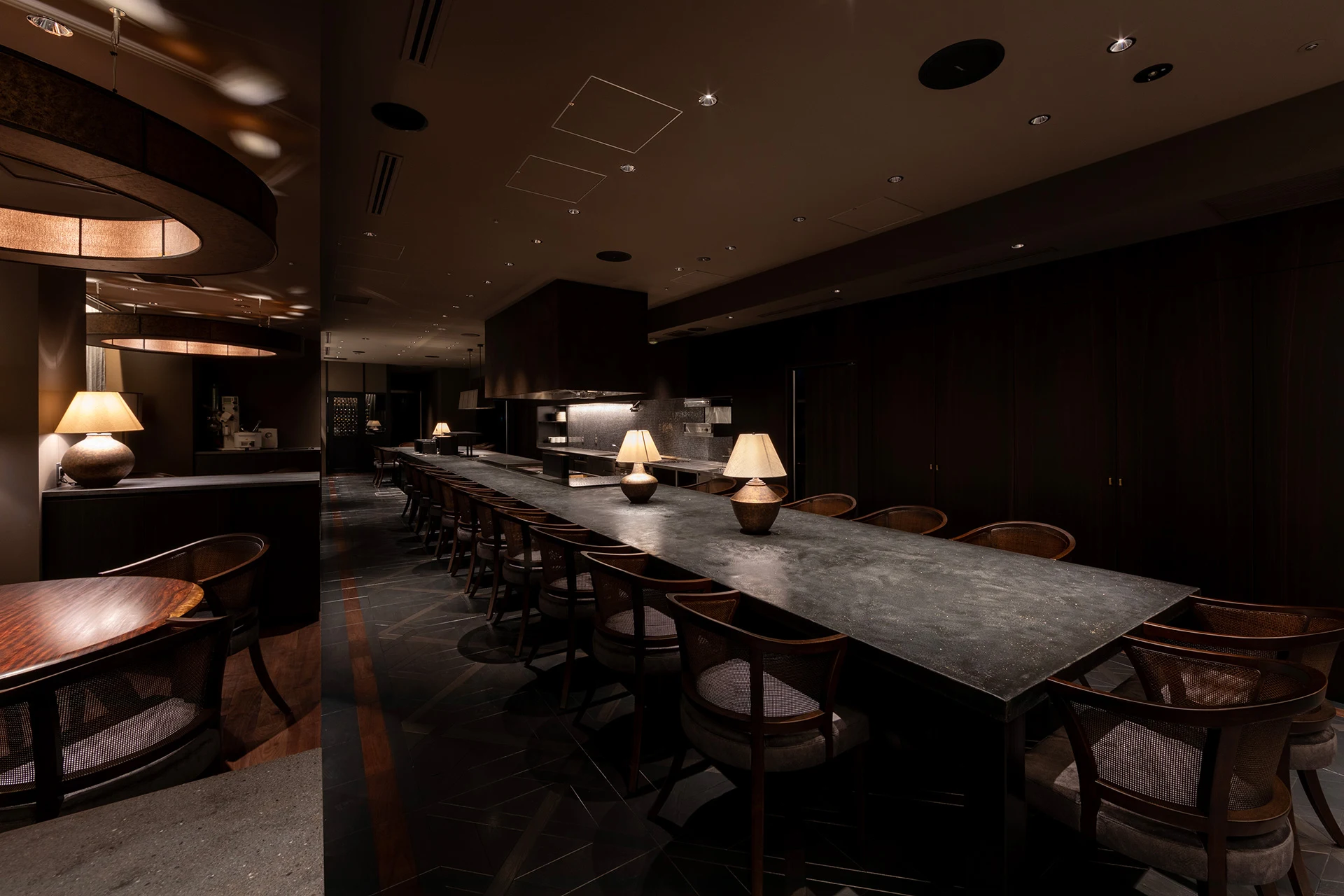
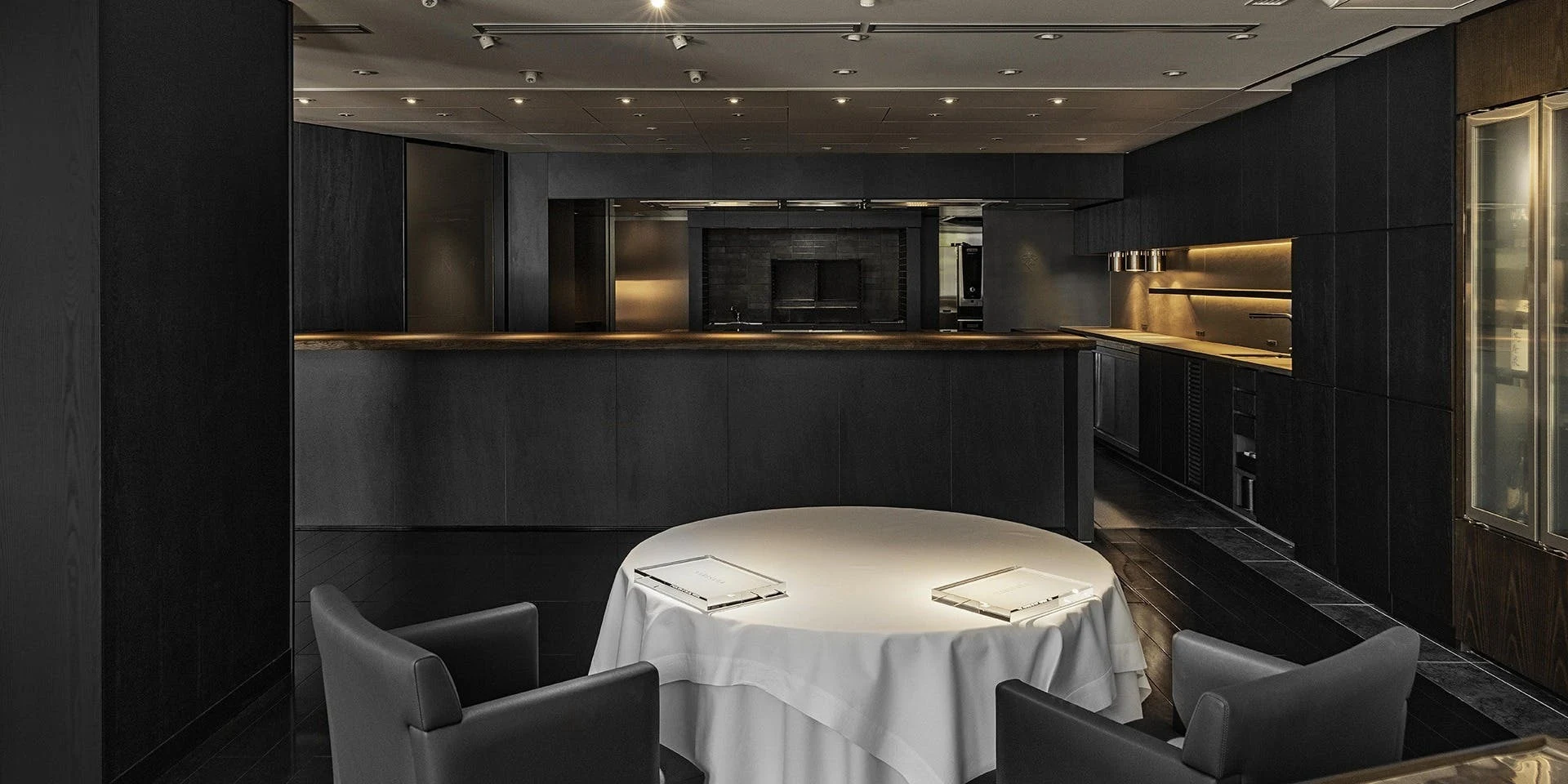
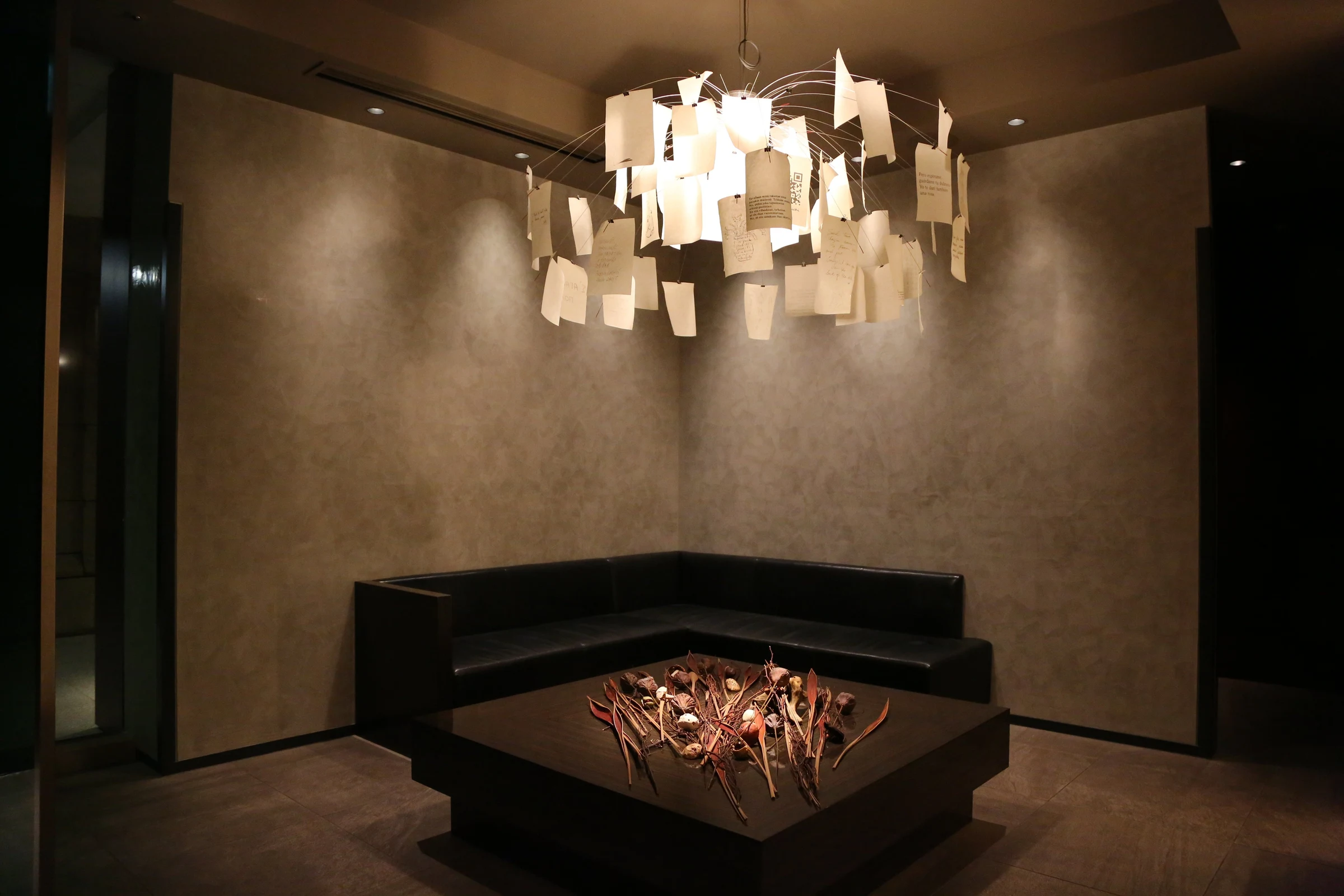
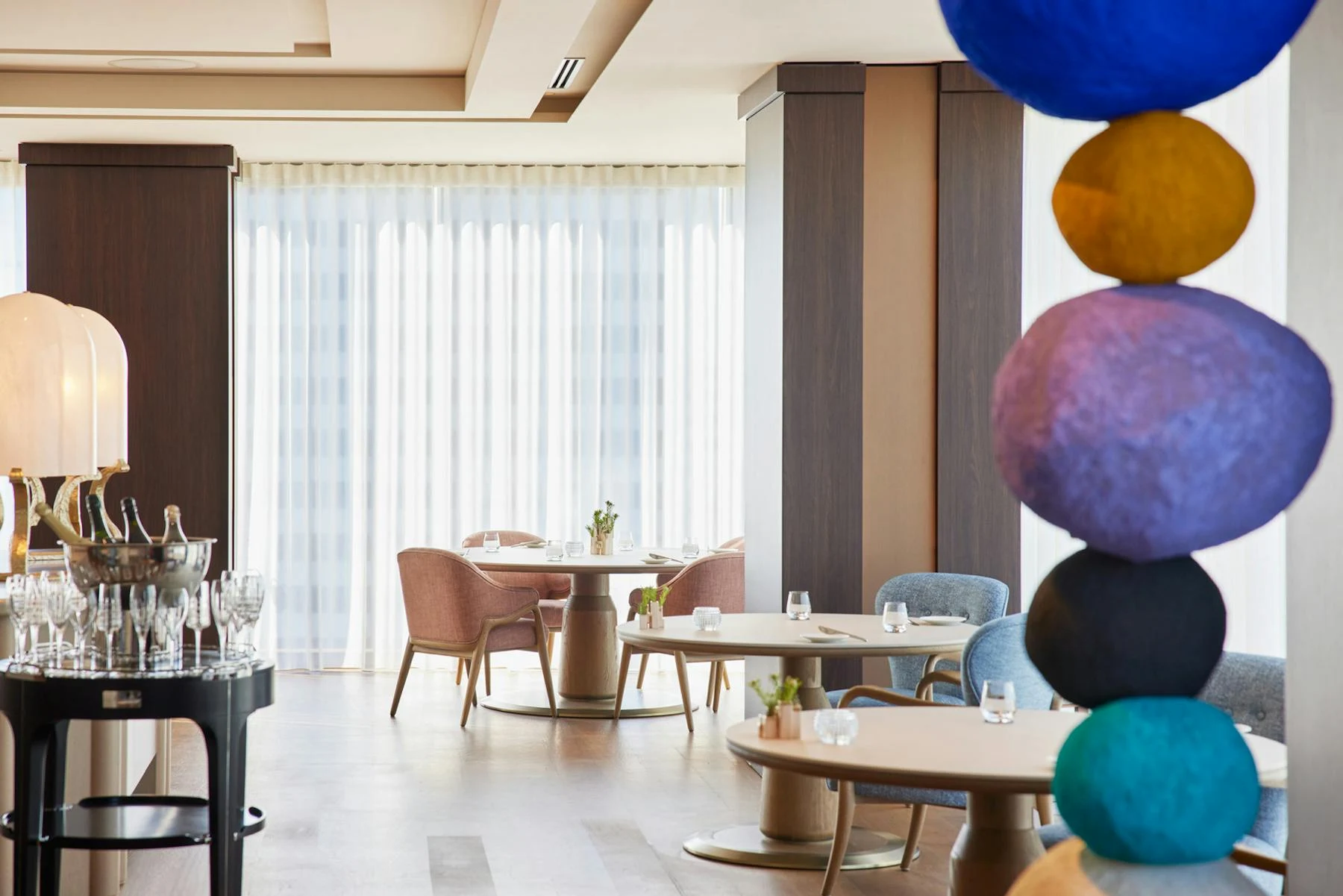
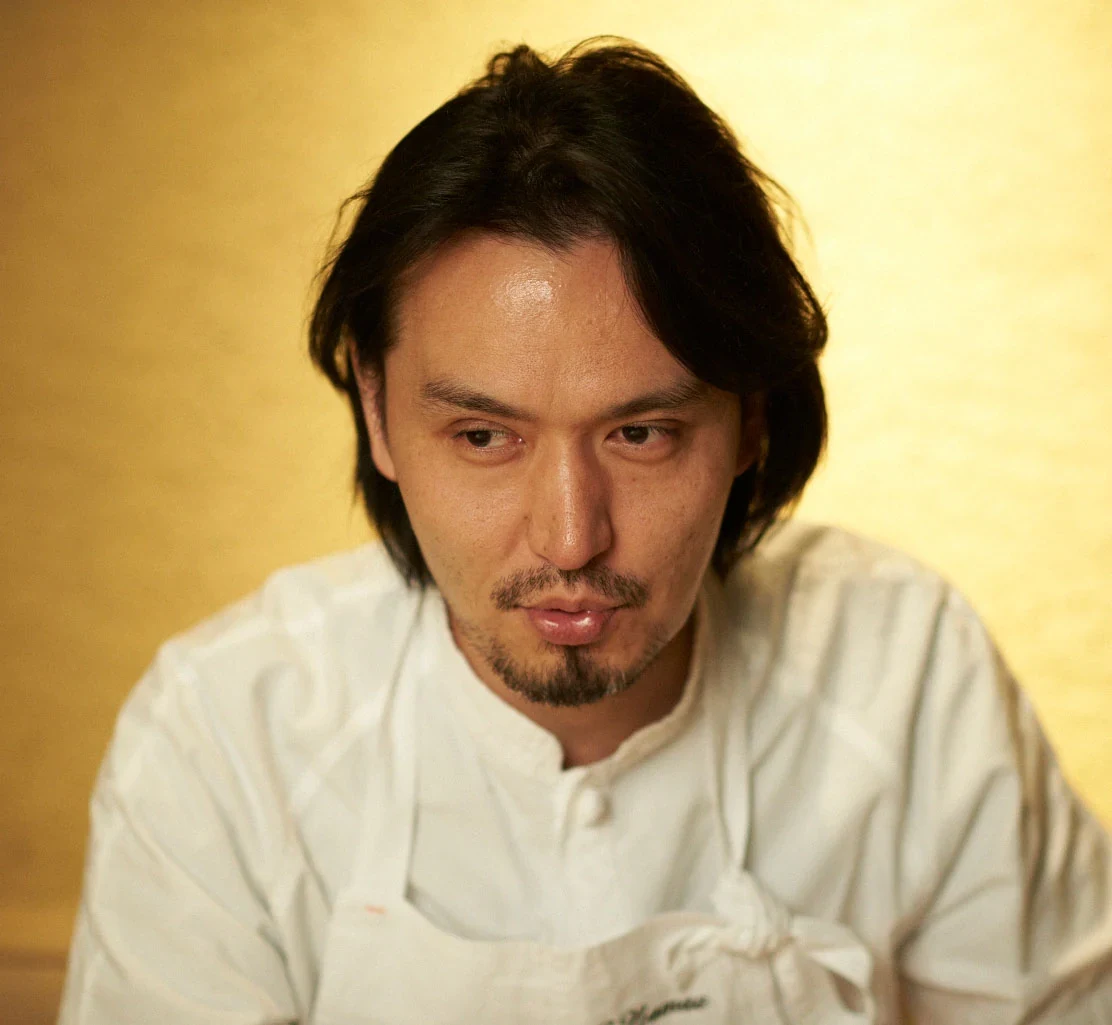
<h2>Behind Nishiazabu's Quiet Door</h2><p>Nishiazabu softens Tokyo before dinner. The district sits away from the sharper commercial glare of Ginza and the hotel polish around Marunouchi, with residential lanes, low-rise dining rooms, and the sense that serious meals here are found by address rather than frontage. At 2 Chome-26-4, the approach to L'Effervescence suits that geography: not theatre on the street, but controlled quiet, a room designed for concentration, and a 36-seat scale that keeps the evening in the register of a private conversation rather than a grand dining hall.</p><p>Tokyo has several versions of French luxury. There is the hotel dining room with international service codes, represented in different ways by <a href="https://www.enprimeurclub.com/restaurants/szanne-tokyo-restaurant">Sézanne</a> and <a href="https://www.enprimeurclub.com/restaurants/losier-tokyo-restaurant">L'OSIER</a>. There is the grand European lineage of <a href="https://www.enprimeurclub.com/restaurants/chteau-restaurant-jol-robuchon-tokyo-restaurant">Château Restaurant Joël Robuchon</a>. There is the more contemporary Japanese-French dialogue seen at <a href="https://www.enprimeurclub.com/restaurants/florilege">Florilège</a> and <a href="https://www.enprimeurclub.com/restaurants/esquisse-tokyo-restaurant">ESqUISSE</a>. Nishiazabu’s leading French rooms often work differently from the hotel set: smaller, quieter, and more dependent on a chef’s relationship with Japanese produce. This restaurant sits firmly in that latter camp.</p><p>The room data tells its own story. Tabelog records 36 seats, including a 28-seat dining area and one private room for four to eight guests, with private use possible for groups of 20 to 50. That is large enough to operate with a serious wine and service structure, but small enough for the menu to feel tied to a single kitchen’s rhythm. The dress guidance reinforces the tone: jackets are recommended for men, sportswear, shorts, and sandals are not permitted, and strong perfume is discouraged. In Tokyo’s high-end dining culture, that last point is not fussiness. It protects aroma, wine service, and the subtlety of dishes built around vegetables, grains, and seasonal products.</p><h2>French Technique, Japanese Provenance</h2><p>The essential reading of L'Effervescence is not “<strong>French restaurant</strong> in Tokyo.” That phrase is too broad for a city where French cuisine has been absorbed, reinterpreted, and disciplined for decades. The more useful frame is provenance-led French cooking through Japanese agriculture. Chef <strong>Shinobu Namae</strong> is listed in the record as the chef, and the public recognition attached to the restaurant points to a kitchen judged not only by luxury markers but by sustainability: <strong>three Michelin</strong> stars and a Michelin <strong>Green Star</strong> in 2025, plus repeat Tabelog Award recognition.</p><p>French technique gives the meal its structure, but the identity is built through Japanese sourcing and cultural reference. La Liste’s description notes <strong>prix fixe</strong> menus expressing Japanese gastronomy and culture, with a steaming risotto inspired by freshly cooked rice in chakaiseki and filled with seasonal bounty from mountain and sea. It also identifies “Artisanal Vegetables” as a signature dish and describes weak matcha tea, borrowed from the etiquette of the Sowa tea ceremony, as a signal at the meal’s end. Those details matter because they place the restaurant in a specific strand of <strong>Tokyo fine dining</strong>: not French cuisine with Japanese garnish, but a formal meal that borrows from kaiseki timing, tea ceremony closure, and producer-led vegetable work.</p><p>The sustainability reading is backed by awards rather than rhetoric. A Michelin Green Star is designed to recognize restaurants with a notable commitment to <strong>sustainable gastronomy</strong>, and that changes the peer set. In Tokyo, three <strong>Michelin stars</strong> alone place a restaurant in a narrow global category. Add the Green Star and the conversation shifts toward sourcing, producer relationships, waste, and the ethics of luxury. The restaurant’s record also includes the phrase “mindful sourcing” in its highlights, which aligns with the vegetable-forward descriptions from La Liste and other public records.</p><p>OAD’s public note adds another useful lens: Namae gained experience in the restaurants of Michel Bras, and the cooking gives plants a leading role while not neglecting the richness of the sea. The phrasing is unusually specific about process, mentioning vegetables that are marinated, cooked, fried, fermented, pickled, grilled, slow cooked, or crisped. That range is the point. In this tier of dining, vegetables are not a light counterweight to protein; they are a technical field. The meal asks the same question repeatedly: how much depth can be drawn from land, season, and handling before the plate turns ornamental?</p><h2>How It Compares in Tokyo's French Tier</h2><p>Tokyo’s French dining hierarchy is not a single ladder. It splits by setting, inheritance, sourcing language, and how much Japan is allowed to shape the grammar of the meal. A hotel restaurant such as Sézanne competes through international polish, a major luxury address, and a global dining-room cadence. L'OSIER carries the Ginza refinement of a long-running French institution. Florilège has become shorthand for contemporary Japanese-French tasting-menu theatre with a different kind of social energy. L'Effervescence occupies a quieter category: provenance-led, high-formality French cooking in Nishiazabu, with sustainability credentials that put its agricultural argument close to the center of the experience.</p><p>The recognition profile is unusually dense. The restaurant is recorded with Michelin three stars in 2024 and 2025, a Michelin Green Star in 2025, La Liste Leading Restaurants 2026 at 93 points, La Liste 2025 at 93.5 points, Asia’s 50 Best Restaurants at number 69 in 2025, and Opinionated About Dining rankings for Japan, including number 92 in 2025 and number 78 in 2024 and 2023. On Tabelog, it holds a 2026 score of 4.49 in the record provided, with Silver Award recognition in 2026, 2025, 2024, 2023, 2022, and 2021, and Gold Award recognition in earlier listed years including 2020, 2019, 2018, and 2017. It was also selected for Tabelog <strong>French TOKYO</strong> “<strong>Tabelog 100</strong>” in 2025, 2023, and 2021.</p><p>Those signals do not all measure the same thing. Michelin evaluates at the restaurant level with star and Green Star frameworks. La Liste aggregates guide and review data into a points system. Tabelog reflects a deeply local Japanese review culture, where scores above four in fine dining indicate serious local approval. Asia’s 50 Best places the restaurant in a regional visibility circuit. Taken together, they show both international and domestic validation, which is not automatic in Tokyo. Some foreign-facing restaurants gain global acclaim without equal local traction; some Japanese favorites remain less visible outside the country. This restaurant has evidence in both directions.</p><p>Price also places it in a defined bracket. Tabelog lists lunch and dinner budgets at JPY 50,000 to JPY 59,999 in one record and JPY 60,000 to JPY 79,999 in the 2025 French TOKYO selection record, while review-based averages reach JPY 80,000 to JPY 99,999 for dinner and JPY 60,000 to JPY 79,999 for lunch. The remarks list lunch and dinner at 45,000 yen before tax and service charge, and a 15 percent service charge is recorded. In Tokyo terms, this is firmly in the special-occasion, destination-dining category, priced against three-star peers rather than casual French bistros or wine bars.</p><h2>The Meal as Ceremony, Not Display</h2><p>The restaurant’s public descriptions point toward a meal organized by cadence and restraint. Prix fixe dining can easily become a parade of luxury ingredients, but the documented references here are rice, vegetables, mountain and sea products, farmers, and tea. That vocabulary matters in Japan. Chakaiseki is not simply an old-fashioned dining reference; it is a way of thinking about season, sequence, appetite, and hospitality before tea. When a risotto is described as inspired by freshly cooked rice in that context, the comparison is not decorative. It suggests a French form being used to discuss Japanese grain culture and the comfort of just-cooked rice.</p><p>Vegetables carry particular weight in contemporary luxury dining because they expose sourcing discipline. Fish and meat can arrive with obvious prestige through breed, provenance, or market reputation. Vegetables require trust in growers, timing, and kitchen technique. The documented “Artisanal Vegetables” dish, framed as an homage to farmers, gives the restaurant’s Green Star and sourcing language a concrete anchor. It also separates the meal from a French template that treats vegetables as garnish or architectural color.</p><p>Drinks add another clue. Tabelog lists sake, wine, and cocktails, with particular attention to sake and wine, plus sommelier availability. That combination is common in Tokyo’s more serious French rooms, but it remains editorially important. Wine carries the French fine-dining canon; sake lets the restaurant respond to rice, sea products, fermentation, and Japanese seasoning logic without forcing every pairing through Burgundy, Champagne, or the Loire. A diner comparing this to <a href="https://www.enprimeurclub.com/restaurants/les-amis-singapore-restaurant">Les Amis — French in Singapore</a> or <a href="https://www.enprimeurclub.com/restaurants/hotel-de-ville-crissier-crissier-restaurant">Hotel de Ville Crissier — French in Crissier</a> should expect a different axis of refinement: less about French orthodoxy alone, more about how French method behaves when Japanese provenance sets the terms.</p><p>The broader Japanese comparison is also useful. At <a href="https://www.enprimeurclub.com/restaurants/hajime-osaka-restaurant">HAJIME in Osaka</a>, high-concept French-influenced dining takes a different intellectual route. <a href="https://www.enprimeurclub.com/restaurants/gion-sasaki-kyoto-restaurant">Gion Sasaki in Kyoto</a> sits closer to Japanese culinary tradition and Kyoto ceremony. <a href="https://www.enprimeurclub.com/restaurants/tsukumo-nara-restaurant">Tsukumo in Nara</a>, <a href="https://www.enprimeurclub.com/restaurants/goh-fukuoka-restaurant">Goh in Fukuoka</a>, <a href="https://www.enprimeurclub.com/restaurants/aji-arai-oita-restaurant">Aji Arai in Oita</a>, and <a href="https://www.enprimeurclub.com/restaurants/aotsuka-shokudo-hokkaido-otaru-restaurant">Aotsuka Shokudo in Hokkaido (Otaru)</a> show how regional identity can drive the table in different registers, from refined counter culture to seafood locality. L'Effervescence belongs to that national conversation because it treats Japanese land and producers as the foundation, not a supporting theme.</p><h2>Planning the Evening</h2><p>Reservations are available, but the confirmation rules deserve attention. The restaurant states that if a reservation cannot be confirmed by phone or email at least three days before the date, cancellation may proceed. Changes in guest count, date, or cancellations should be communicated at least four days in advance; for groups of five or more, at least one week is requested in one version of the record. This is standard for a high-cost prix fixe kitchen that purchases and prepares against headcount, but it is stricter than casual Tokyo dining. Travelers should treat the confirmation process as part of the reservation, not an afterthought.</p><p>Hours also shape the decision. The current Tabelog record lists Tuesday and Wednesday dinner from 18:00 to 23:00, Thursday to Saturday lunch from 11:30 to 15:30 and dinner from 18:00 to 23:00, with Monday and Sunday closed. Another Tabelog record lists Tuesday and Wednesday dinner from 6:00 PM to 11:00 PM, Thursday to Saturday lunch and dinner, and the same Monday and Sunday closure. Dinner service only on Tuesdays and Wednesdays is noted. For visitors building a Tokyo itinerary, that makes Thursday to Saturday the stronger window if lunch is preferred, while Tuesday and Wednesday work only for dinner.</p><p>Access is practical but not instant by Tokyo standards. The Tabelog details identify Omote-Sando as the nearest station and note 12 minutes from Omotesando Station, with the restaurant 832 meters from Omote Sando. Parking is unavailable, so a taxi or a walk from the station is the cleaner plan, especially in formal shoes or after rain. The address is 2-26-4 Nishiazabu, Minato City, Tokyo 106-0031, and the phone number listed in Tabelog data is +81 3 5766 9500. Credit cards accepted include VISA, Master, JCB, AMEX, and Diners; electronic money and QR code payments are not accepted according to the record.</p><p>Private rooms for four, six, or eight guests make sense for diners who want the ceremony without the exposure of the main room, while the 28-seat dining area is better for reading the service choreography. The restaurant is non-smoking. The dress code should be taken literally: men are asked to wear a jacket or collared shirt in one record, light clothing such as shorts, jerseys, parkas, sandals, hats, and outerwear inside the dining area is discouraged, and perfume should be avoided. In a city where high-end dining often operates through quiet mutual discipline, arriving in the right register improves the night for the room as much as for the table.</p><h2>Who Should Choose It</h2><p>This is the Tokyo French reservation for diners who care about provenance, producer language, and the meeting point between French form and Japanese seasonality. It is not the obvious choice for guests who want a louder room, a casual wine-led evening, or a hotel restaurant with easier concierge pathways. The price, awards, and dress code point to a formal meal, but the content of the meal points away from heavy luxury signalling and toward agriculture, rice, vegetables, sea products, and tea ceremony cues.</p><p>For a first serious French meal in Tokyo, the choice depends on what kind of Tokyo the diner wants to understand. Sézanne explains the city’s global luxury present. L'OSIER and Château Restaurant Joël Robuchon explain older high-French prestige in polished settings. Florilège and ESqUISSE explain contemporary dialogue between French technique and Japanese imagination. L'Effervescence explains the producer-led, sustainability-aware branch, where the table is used to connect Minato dining culture with farms, sea, season, and ceremony.</p><p>For wider planning, compare it within <a href="https://www.enprimeurclub.com/restaurants/tokyo">Our full Tokyo restaurants guide</a>, then build the rest of the trip around the city’s hotel, bar, wine, and cultural circuits through <a href="https://www.enprimeurclub.com/hotels/tokyo">Our full Tokyo hotels guide</a>, <a href="https://www.enprimeurclub.com/bars/tokyo">Our full Tokyo bars guide</a>, <a href="https://www.enprimeurclub.com/wineries/tokyo">Our full Tokyo wineries guide</a>, and <a href="https://www.enprimeurclub.com/experiences/tokyo">Our full Tokyo experiences guide</a>. Tokyo rewards this kind of sequencing: a formal Nishiazabu dinner reads differently after a precise hotel stay, a quiet cocktail bar, and a day spent understanding how the city separates spectacle from craft.</p><h2>FAQ</h2><h3>Is L'Effervescence good for families?</h3><p>If the family includes older children or teenagers comfortable with a long prix fixe meal, formal service, and a JPY 50,000-plus price tier, it can work. If the group needs flexible timing, casual dress, or a low-pressure setting, Tokyo has better family options at lower prices. The venue data does not list a family-friendly policy, so families should confirm suitability directly before committing.</p><h3>What should I expect atmosphere-wise at L'Effervescence?</h3><p>If the goal is a loud, high-energy Tokyo night, this is the wrong room. Expect a quiet Nishiazabu setting, 36 seats, formal dress expectations, non-smoking conditions, and service calibrated to a three-Michelin-star, Green Star, high-price restaurant. The atmosphere is intimate and composed rather than showy, with the focus placed on sequence, sourcing, wine, sake, and the rhythm of the meal.</p>
It suits older children or teenagers who can handle a long prix fixe meal and formal service. The room has 36 seats, with private rooms for 4, 6, or 8 people, which helps for family dining. At JPY 50,000 to JPY 59,999 on Tabelog's listed average price, it sits firmly in the high-end bracket.
Expect a quiet Nishiazabu dining room rather than a loud Tokyo dining scene, with 36 seats, non-smoking rules, and a 15% service charge. The dress code is formal enough to require a jacket for men, and sportswear, shorts, sandals, and strong perfume are not permitted. The setting matches a restaurant with three Michelin stars and a Green Star.
L'Effervescence has received recognition including: L’effervescence is the culmination of chef Shinobu Namae’s vision for sustainable gastronomy. In addition to its three Michelin stars, the restaurant also boasts a Green Star for its efforts to promot...; {"Year":"2026","Award Source":"Tabe….
L'Effervescence is categorized in our database as French.
Pricing at L'Effervescence is listed as ¥¥¥¥.
2 Chome-26-4 Nishiazabu, Minato City, Tokyo 106-0031, Japan
Nishiazabu

French
Sézanne
Tokyo, Japan
★★★ · 50 Best
Modern Chinese Fine Dining
Sazenka
Tokyo, Japan
★★★ · 50 Best

Modern Japanese Satoyama Fine Dining
Narisawa
Tokyo, Japan
★★ · 50 Best

Modern French-Japanese Plant-Based Fine Dining
Florilège
Tokyo, Japan
★★ · 50 Best

Modern Japanese Kaiseki
Den
Tokyo, Japan
★★ · 50 Best

Modern French Fine Dining
Quintessence
Tokyo, Japan
★★★