Si-woo Sung, chef and owner chef at Legume in Seoul, builds vegan cuisine around plants as subject, not substitute.
- Opinionated About Dining Top Restaurants in Asia Recommended · 2026
Plants as the first decision
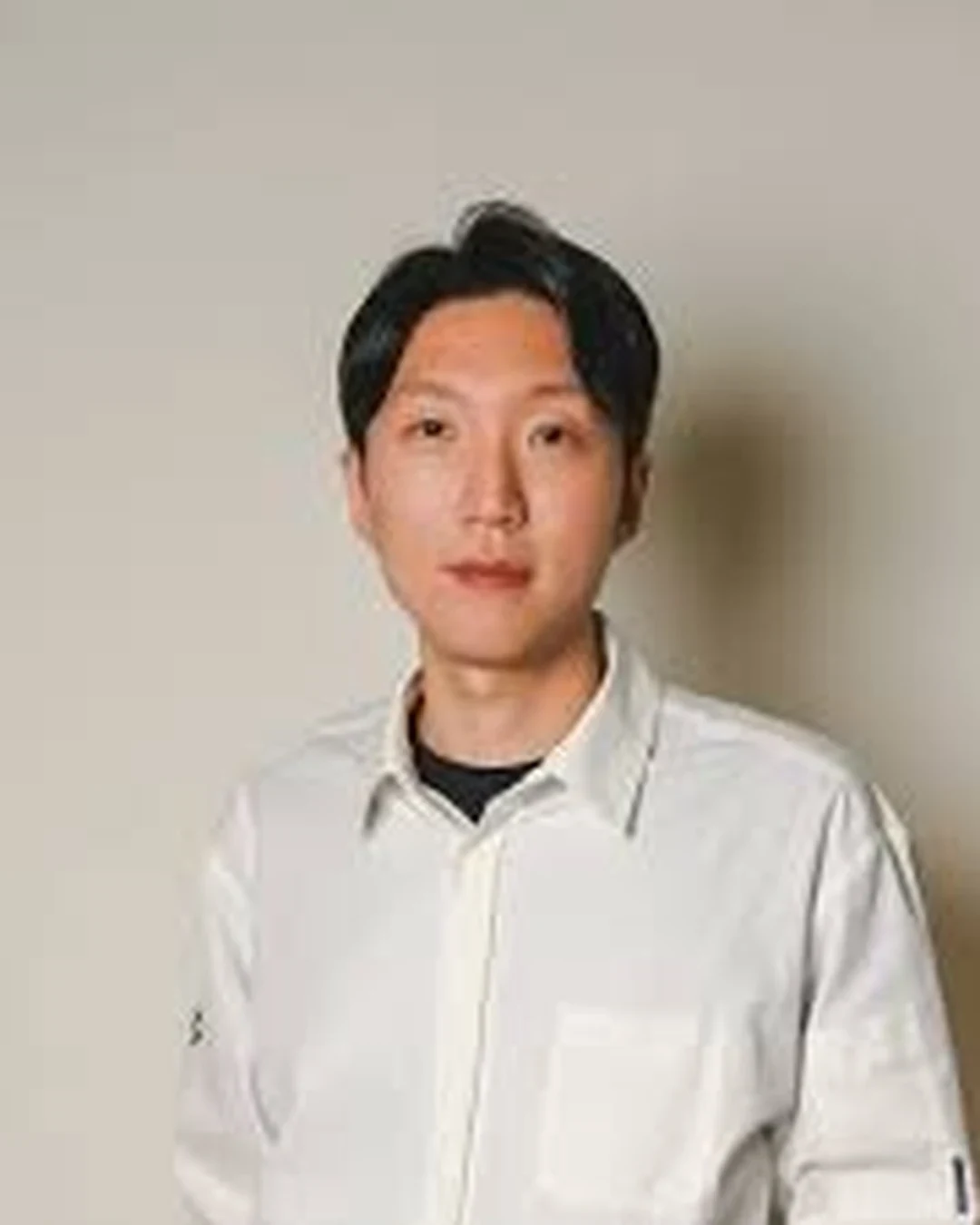
A plate begins with the plant, not with the absence of meat. Si-woo Sung, chef and owner chef at Legume in Seoul, works from that decision each service, placing vegetables and other plant ingredients at the center of the menu rather than asking them to imitate another kitchen’s vocabulary. The authorship is clear because the constraint is clear. Sung’s cooking depends on measured composition, contemporary technique, and a line back to Korean vegetarian traditions; the dish has to hold its shape without the easy drama of substitution. How long Sung has held this station is not something the restaurant states, and no teacher is named in the house’s public account. What is visible is the discipline of the role: owner chef as maker, editor, and final hand. At Legume, the vegan frame is not treated as a category to explain. It is the working method, the condition under which the kitchen finds clarity.
Technique held against tradition
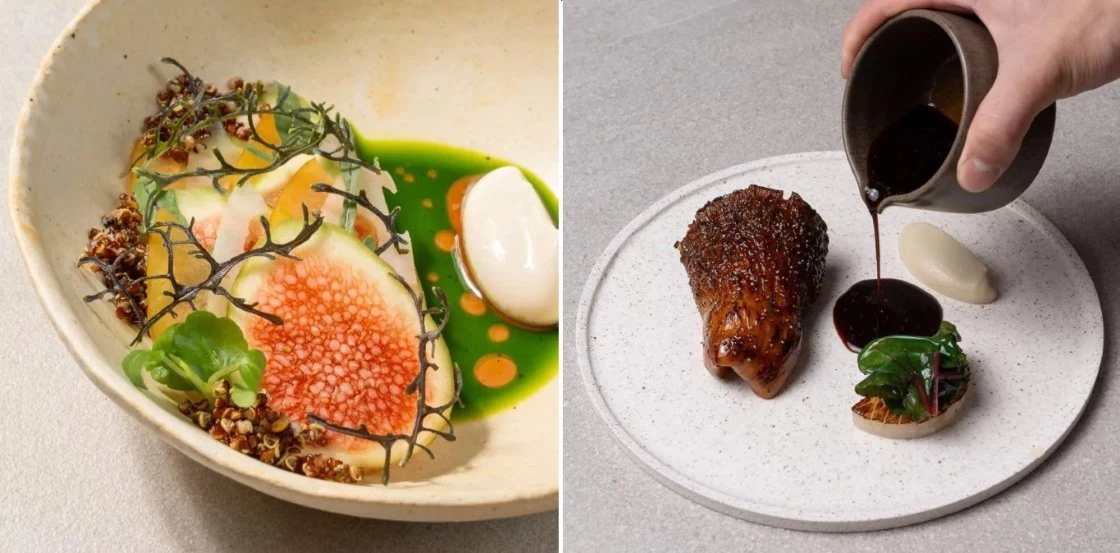
The kitchen’s program turns on control. Contemporary methods and Korean vegetarian traditions operate together, with technique serving the idea of the plate rather than competing for notice. Sung builds a vegan cuisine through balance and sequence: a plant ingredient receives the attention normally reserved for a main subject, then the rest of the composition is brought into line around it. That restraint matters. It keeps the cooking from becoming a display of clever replacements, and it gives the menu a coherence from course to course. The effect is not nostalgic, even when the grammar draws from tradition. Nor is it spectacle. Legume’s method is closer to editing at the bench, removing anything that clouds the ingredient’s role, then letting the plate read cleanly. In that sense, the restaurant’s craft is a refusal as much as a technique: no mimicry, no excess, no need to borrow authority from meat.
The room around the pass
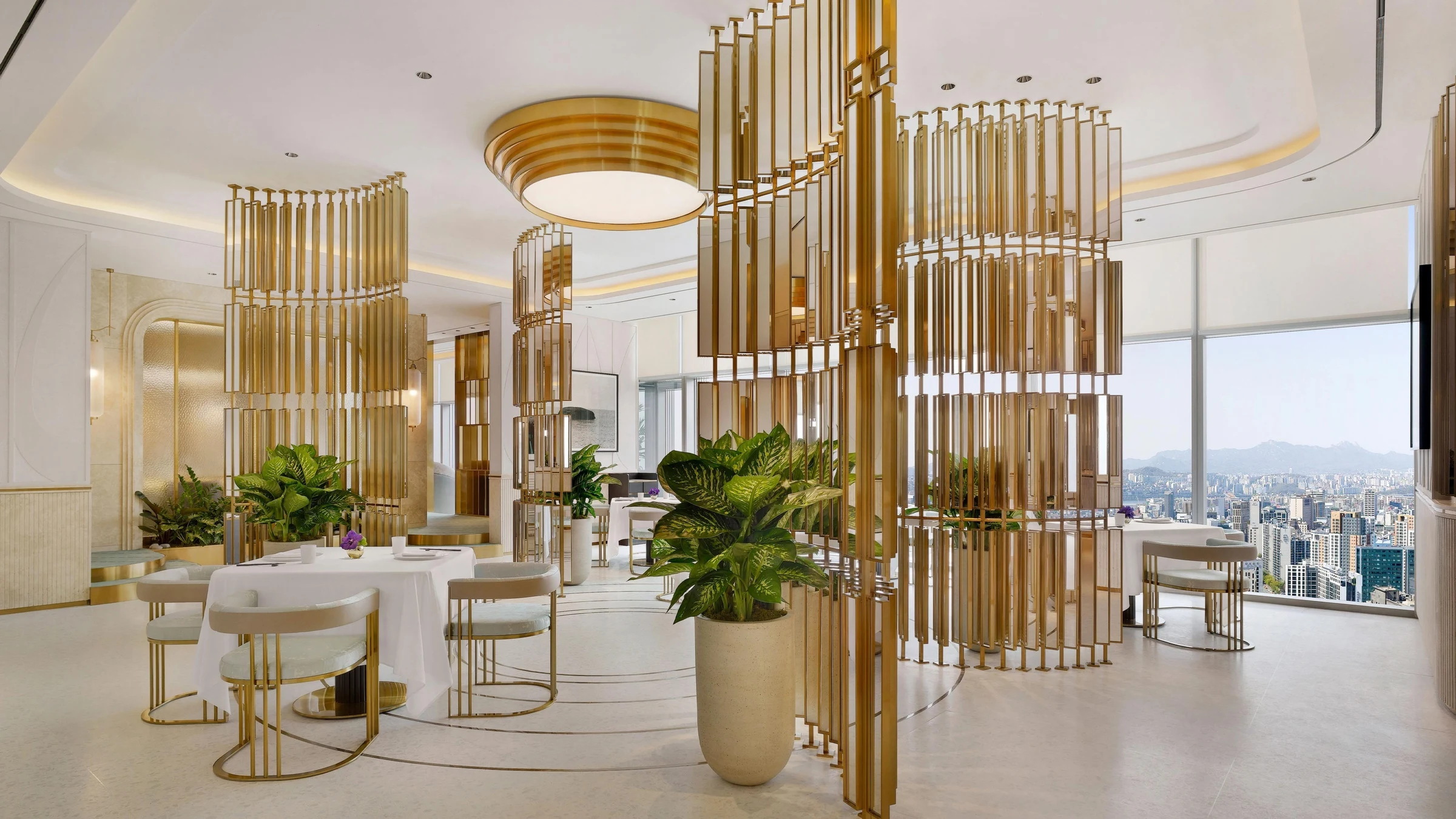
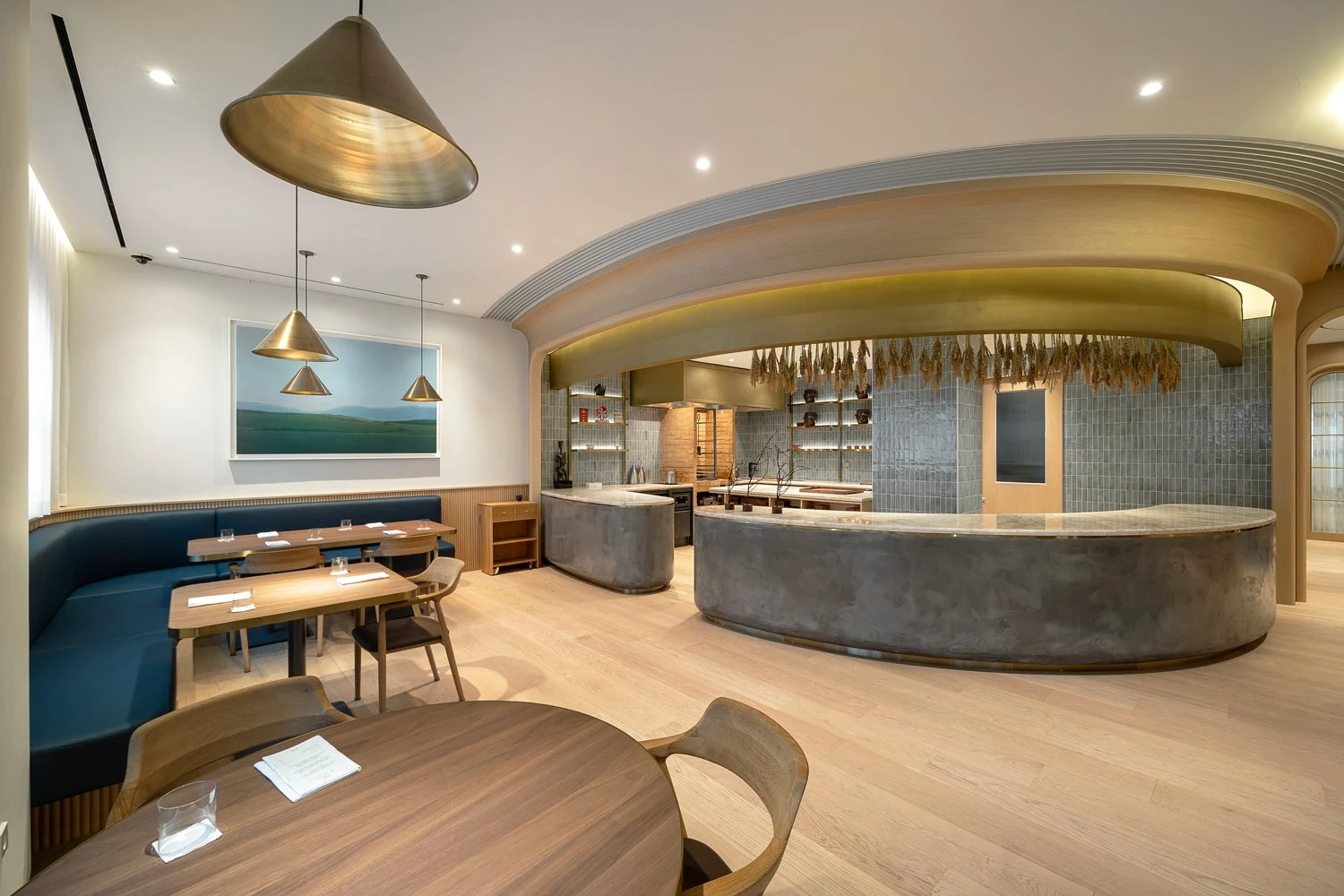
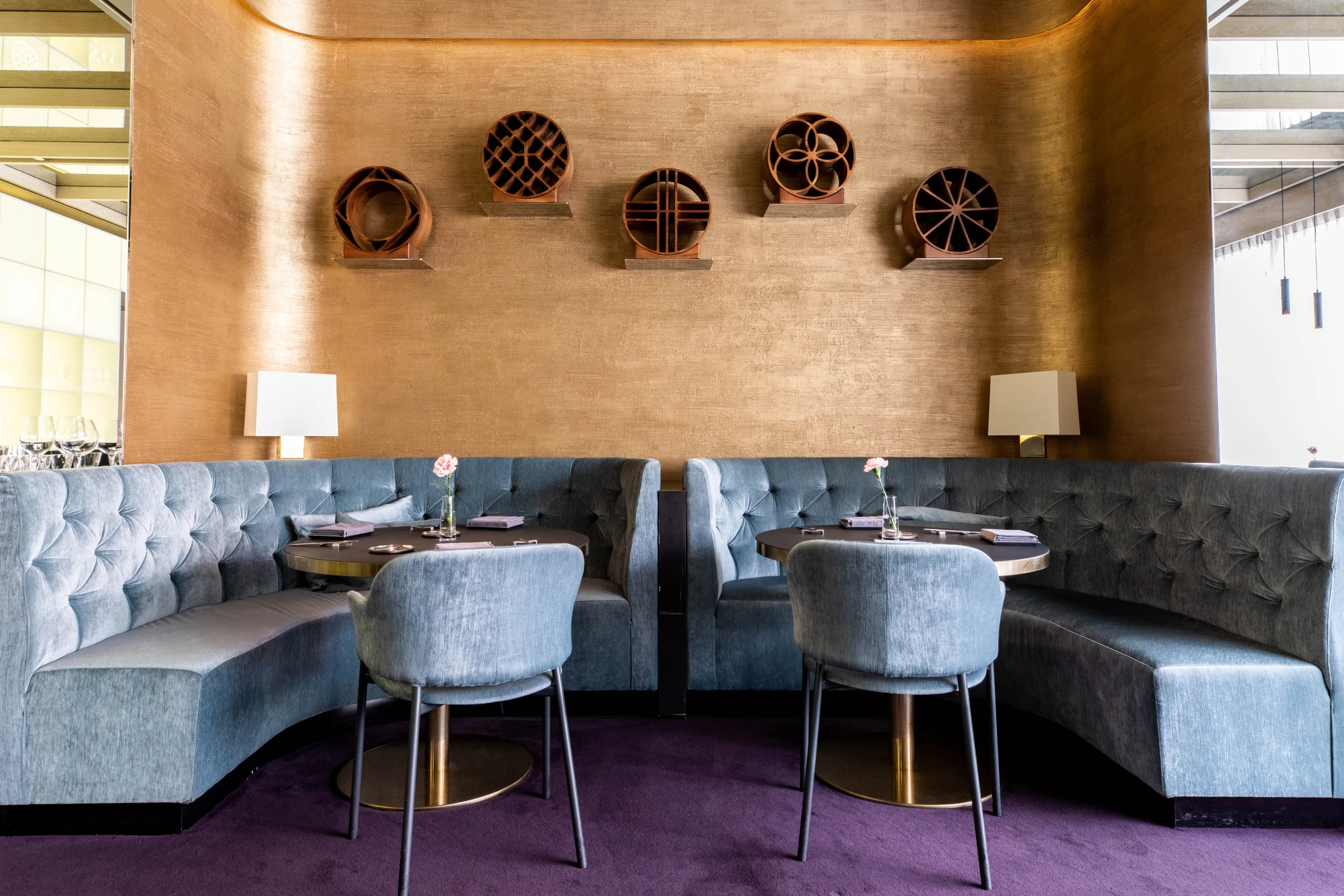
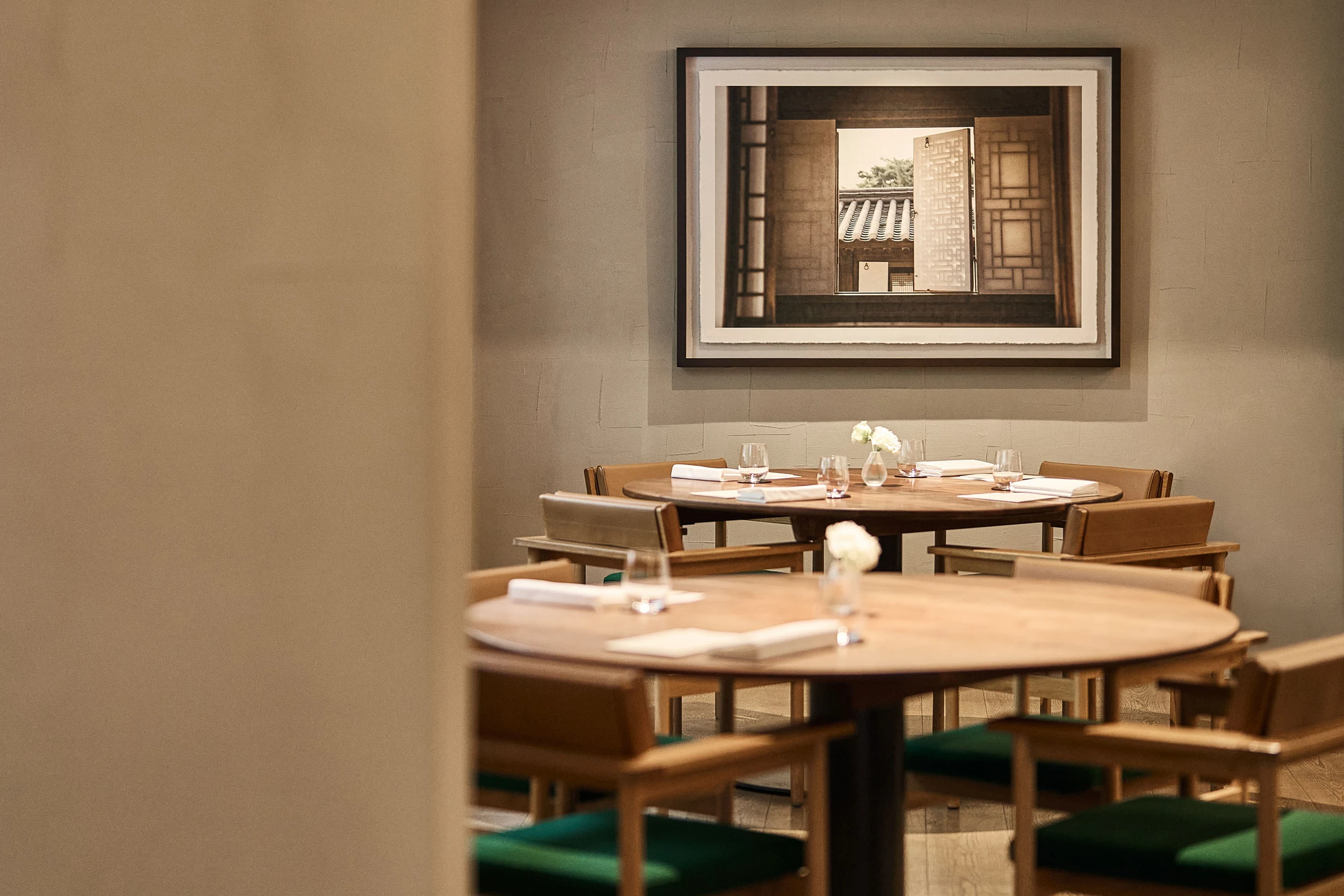
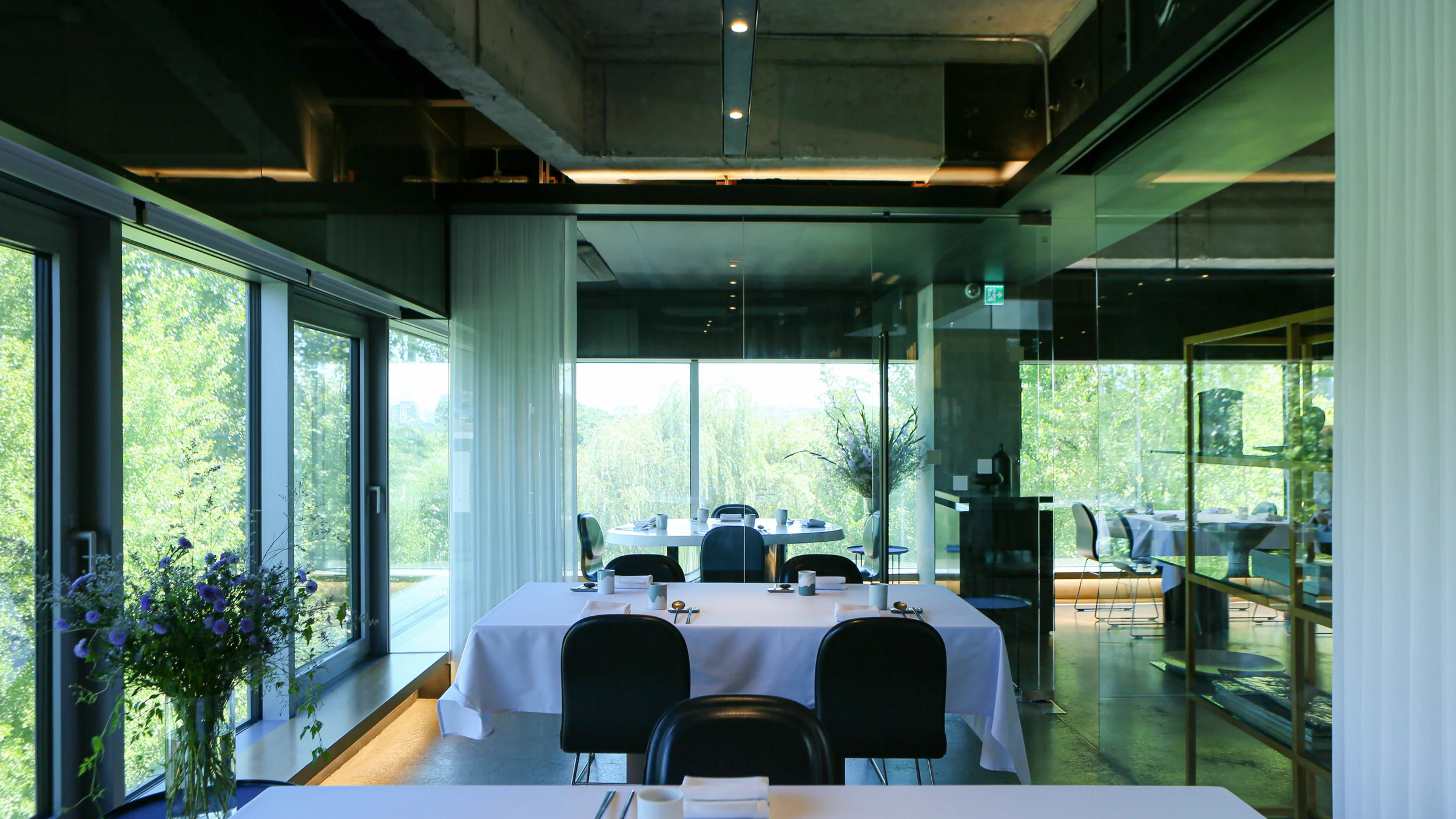
The room has to carry a quiet form of concentration, because this cooking does not arrive with noise. A vegan restaurant can be forced into explanation before the first course reaches the table; Legume resists that by letting the pass and the plate do the work. The counterpoint is Korean and contemporary at once, not as a theme, but as a way of deciding what belongs. In service, that means the kitchen’s rhythm must stay exact: each plate composed so the plant ingredient remains legible, each gesture kept inside the bounds of the dish. There is luxury in that kind of editing. It asks the diner to look closely, and it gives the kitchen nowhere to hide.
A star held by the house
Legume holds recognition in the MICHELIN Guide Seoul 2024, with one Michelin star attached to the Seoul restaurant. Awards do not explain the cooking, but they can mark the moment when a disciplined point of view becomes legible beyond the room. Sung’s next work remains tied to the same question that defines the house: what a vegetable can carry when the kitchen gives it the full weight of the meal. The answer continues from the pass at Legume.
Questions
Frequently asked
What kind of restaurant is Legume?
Legume is a vegan restaurant in Seoul.
Who cooks at Legume?
Si-woo Sung is the chef and owner chef at Legume.
What is Legume known for in its cooking?
The kitchen builds vegan cuisine around plants as the subject of the plate, rather than as substitutes for meat. Sung works with vegetables and other plant ingredients at the centre of the menu, using measured composition, contemporary technique, and Korean vegetarian traditions.
Does Legume have Michelin recognition?
Legume holds one Michelin star in the MICHELIN Guide Seoul 2024.
What does the house say about its style of cooking?
The restaurant describes its method as a clear refusal of mimicry and excess. Technique and tradition are held together so the plate reads cleanly, with the plant ingredient kept legible through the course of service.
The field
How it compares
| Place | Cuisine | Awards | Notes |
|---|---|---|---|
| Legume | Vegan | · | · |
| alla prima | Modern Fusion Fine Dining | Michelin 2 Stars, World's 50 Best | Seoul |
| Eatanic Garden | Modern Korean Contemporary | Michelin 1 Star, World's 50 Best | Seoul |
| Evett | Modern Innovative Korean | Michelin 2 Stars | Seoul |
| Jungsik | Modern Korean Fine Dining | Michelin 2 Stars, World's 50 Best | Seoul |
| Mingles | Modern Korean Fine Dining | Michelin 3 Stars, World's 50 Best | Seoul |
| Onjium | Modern Korean Royal Court Cuisine | Michelin 1 Star, World's 50 Best | Seoul |
In residence
Similar places
Modern Fusion Fine Dining
alla prima
Seoul, South Korea
★★ · 50 Best
Modern Korean Contemporary
Eatanic Garden
Seoul, South Korea
★ · 50 Best
Modern Innovative Korean
Evett
Seoul, South Korea
★★
Modern Korean Fine Dining
Jungsik
Seoul, South Korea
★★ · 50 Best
Modern Korean Fine Dining
Mingles
Seoul, South Korea
★★★ · 50 Best
Modern Korean Royal Court Cuisine
Onjium
Seoul, South Korea
★ · 50 Best