Leo
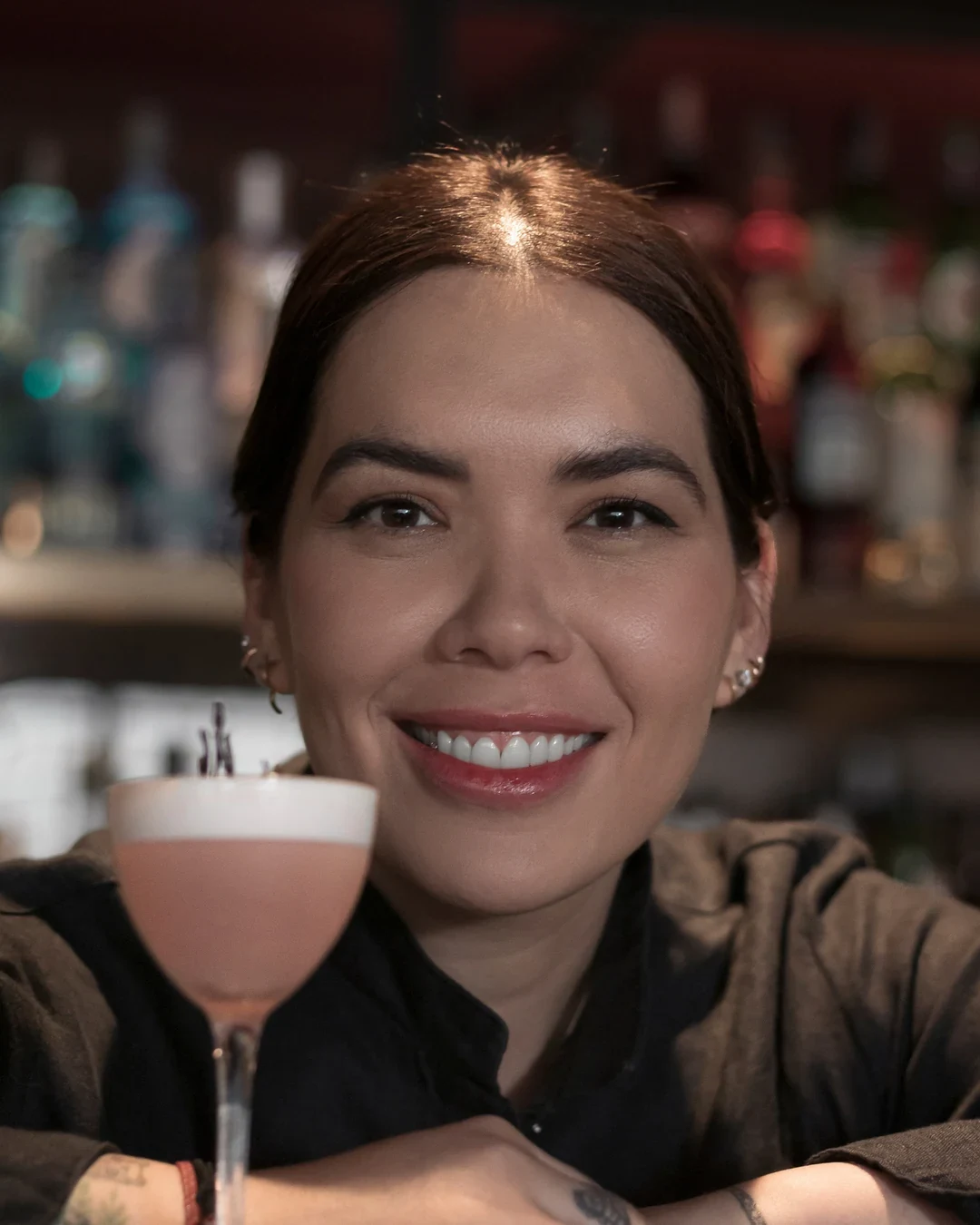
In Residence
Laura Hernández Espinosa
Chef
- 01CuisineModern Colombian Fine Dining
- 02CityBogotá, Colombia
- 03RecognitionWorld's 50 Best — No. 23
- World's 50 Best · #23 · World's 50 Best Restaurants
- La Liste Top Restaurants: 89pts · 2026
- Opinionated About Dining Top Restaurants in South America Ranked #10 · 2026
- World's 50 Best Latin America's Best Restaurants #23 · 2025
- La Liste Top Restaurants: 92pts · 2025
- Opinionated About Dining Top Restaurants in South America Ranked #32 · 2025
- The Best Chef Three Knives · 2025
- World's 50 Best Best Restaurants #76 · 2025
- World's 50 Best Best Restaurants #53 · 2024
- World's 50 Best Best Restaurants #43 · 2023
- World's 50 Best Best Restaurants #48 · 2022
- World's 50 Best Best Restaurants #46 · 2021
- World's 50 Best Best Restaurants #49 · 2019
Where Colombia's Coastlines and Forests Arrive on a Single Table
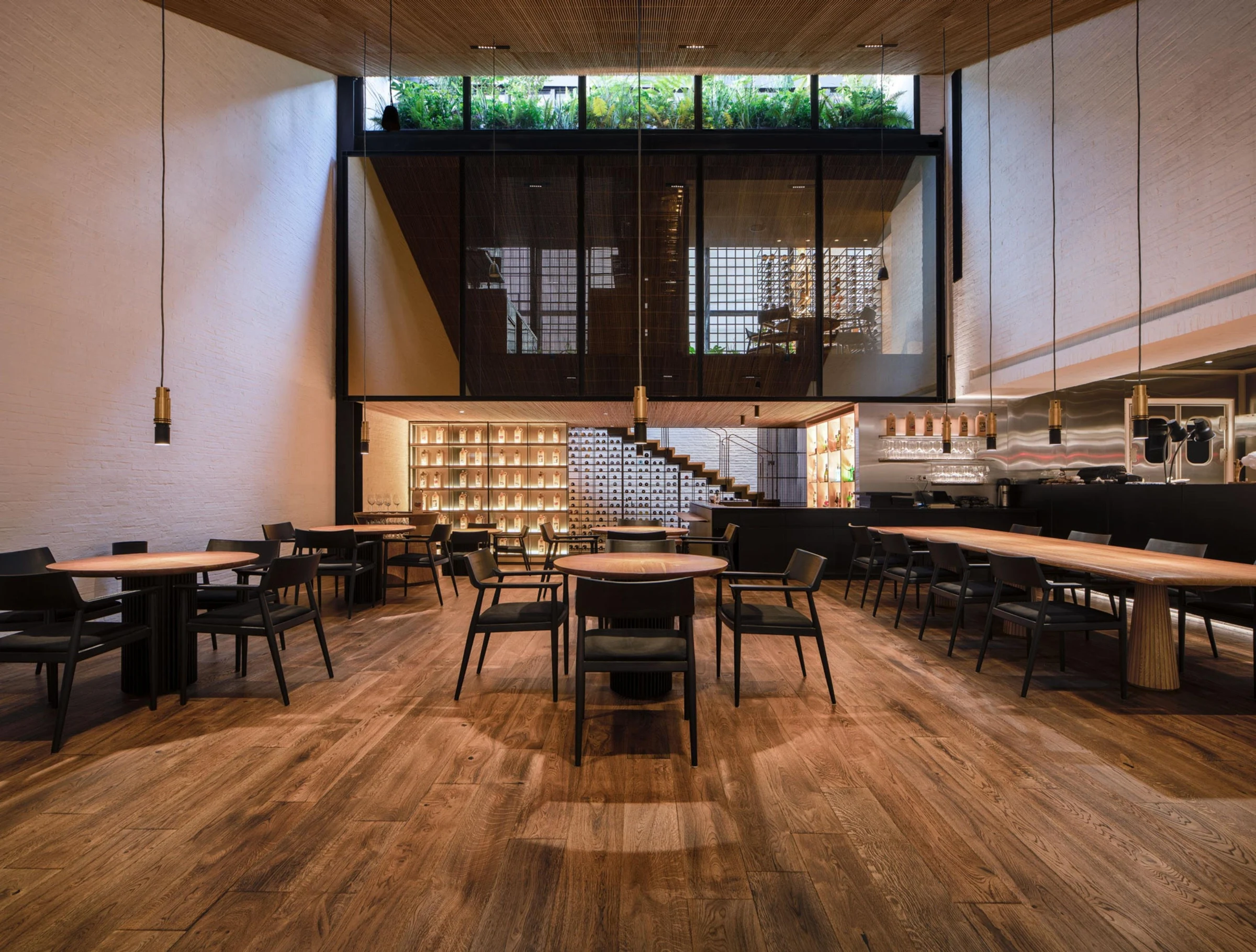
On Calle 65 Bis in the Chapinero Alto neighbourhood, the building that houses Leo reads as quietly residential from the street. There is no marquee moment of arrival, no grand façade signalling what the room contains. That restraint is, in a sense, the opening argument of the meal: the spectacle is inside Colombia's ecosystems, not outside them.
Latin America's fine dining conversation has spent the last decade sorting itself into two broad tendencies. One strand moves toward coastal identity, ceviche, raw preparations, tidal-zone ingredients, a thread that connects Lima's acid-forward tradition with the Caribbean seafood counters of Cartagena and the Pacific-facing kitchens of Cali. The other reaches inland toward biodiversity: fermented compounds, wild forest botanicals, ingredients with no commercial supply chain. Leo sits emphatically in the second camp, but it draws from Colombia's coastlines as readily as its river basins, because Colombia's geography contains both, often in the same ecosystem transition.
The Sunday letter
Find new places through the people who run them.
Our Sunday email brings you the chefs, winemakers and hoteliers behind our newest stories. See a sample before you subscribe.
See a sample of the Sunday emailOne email a week. Unsubscribe from any issue.
That geographic ambition is the structural premise of the Ciclo-Biome tasting menu. Each iteration moves through the country's distinct biological zones, the Amazon basin, the Andean highlands, the Caribbean and Pacific coasts, sequencing ingredients in a way that tracks seasonal availability and ecological context. For the coastal courses, that means Pacific fish, Caribbean shellfish, and Amazonian river species that most diners have never encountered outside their point of origin. The methodology shares a philosophical family resemblance with what Le Bernardin in New York City does with oceanic sourcing: the ingredient's provenance and handling method are as much the subject of the dish as the flavour it delivers.
Leo in Bogotá's Modern Colombian Context
Bogotá now supports a tier of modern Colombian restaurants that would have been difficult to predict fifteen years ago. El Chato works from a different angle, looser in format, more rooted in local market sourcing, while Debora Restaurante and Afluente occupy adjacent positions in the city's contemporary dining tier. Casa Mamá Luz and Gamberro work closer to the neighbourhood bistro register. Leo operates at a different altitude from all of them, not in terms of hospitality warmth, but in terms of the external validation it carries and the conceptual ambition of its programme.
Leo is ranked #23 in the World's 50 Best Restaurants list.
Beyond Bogotá, Colombia's broader fine dining geography provides useful context for understanding what Leo represents nationally. 1621 The Restaurant in Cartagena and Celele in Cartagena approach Colombian identity from a Caribbean coastal frame, seafood-forward, heat-inflected, oriented toward the Atlantic. Carmen in Medellín works the Antioquian highlands. Domingo in Cali operates closer to Pacific coast and Afro-Colombian culinary traditions. Harry Sasson in Bogotá and Manuel in Barranquilla represent older, more cosmopolitan fine dining formats. Leo's project is distinct from all of these: it presents Colombia's biological and cultural diversity within a single tasting format, rotating seasonally as ecosystems shift.
The Ciclo-Biome Format and What It Demands of the Diner
Tasting menus built around ecological research require a particular kind of engagement from the table. Leo's Ciclo-Biome works from Colombia's coastal and inland zones simultaneously, which gives it a geographic range that neither of those programmes matches, Colombia contains Amazon basin, Andean cloud forest, Caribbean coast, and Pacific shoreline within a single national territory.
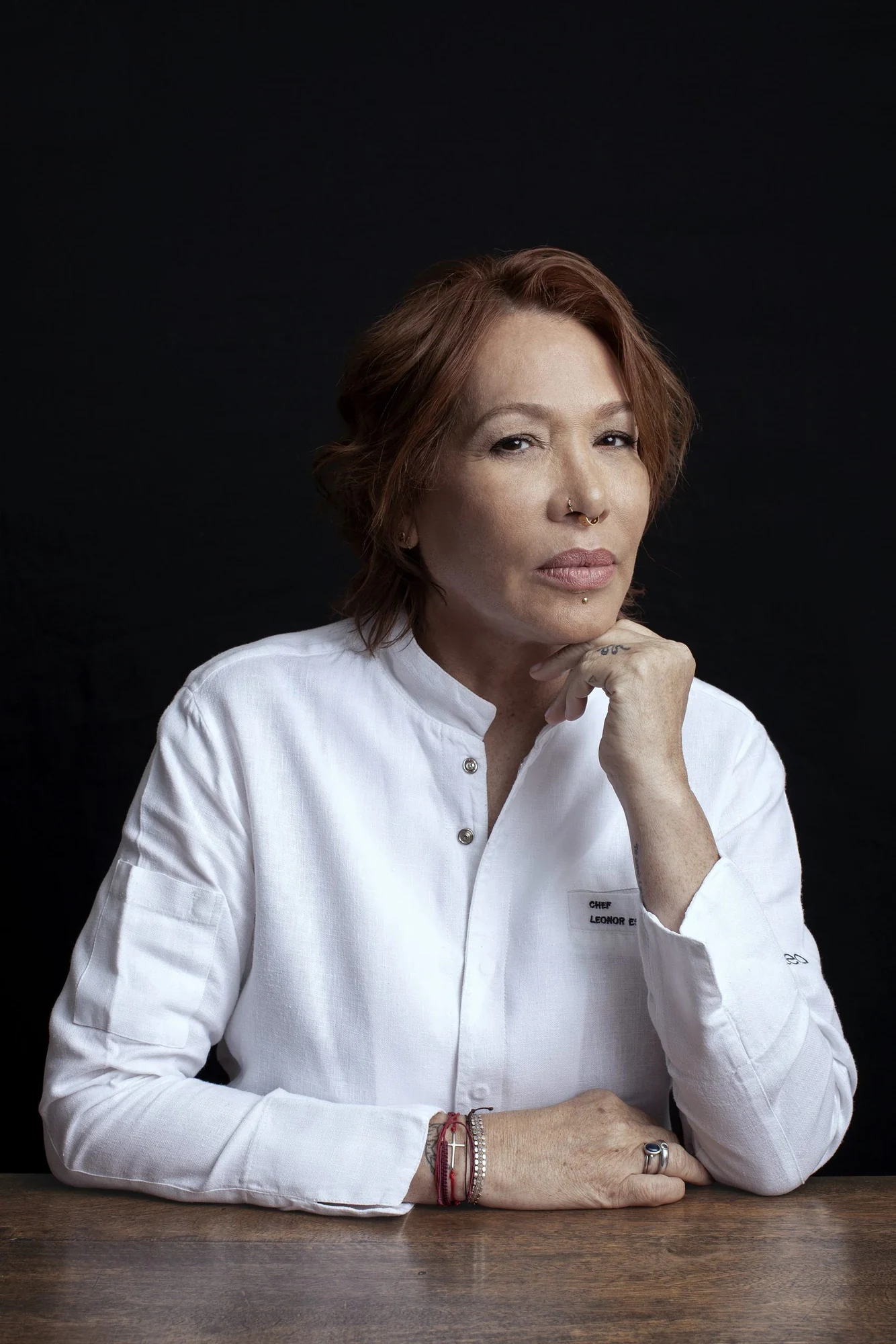
For the coastal and seafood sections of the menu, this means encounters with ingredients that lack familiar reference points. Pacific Colombia's marine resources include species with no international commercial profile. The Caribbean coast contributes shellfish and reef fish preparations that carry historical and indigenous context. Leonor Espinosa's training and the restaurant's ongoing anthropological research, conducted partly through the FUNLEO foundation's fieldwork with indigenous and Afro-Colombian communities, inform how these ingredients are sourced and presented. The ethical dimension is not decorative; it determines which ingredients appear and which do not, based on community relationships and harvest sustainability.
This is a different proposition from a restaurant that sources well and presents cleanly. It is also, frankly, a more demanding one for the diner. The format rewards those who come prepared to follow the menu's internal logic rather than impose external expectations about how Colombian food should taste. That cognitive engagement is part of the experience, not a barrier to it.
Planning a Visit
The restaurant's address, Cl. 65 Bis #4-23, Bogotá, places it in Chapinero, accessible by taxi or rideshare from most central and northern Bogotá hotels. Google reviews from 1,671 contributors average 4.4 out of 5.
The Editorial Judgement
Leo's position in the 2025 World's 50 Best list at #76 represents a modest slide from its 2023 peak of #43, a movement that mirrors broader list dynamics rather than any identifiable decline in programme quality. For a visitor to Bogotá with one significant dinner to allocate, the question is whether the conceptual format, with its indigenous ingredient focus and ecosystem-based sequencing, is the experience they want. If the answer is yes, there is no equivalent programme in the country doing what Leo does at the same level of external recognition and research depth.
Frequently Asked Questions
What do people recommend at Leo?
Given Leo's Ciclo-Biome format, the menu changes with the season and the availability of ingredients sourced directly from Colombia's diverse ecosystems, including its Amazon basin, Caribbean coast, and Pacific shoreline. Rather than individual dishes, what diners consistently point to is the encounter with indigenous ingredients that have no presence on commercial menus elsewhere, preparations that carry explicit anthropological context, and the cohesion of a menu that moves through Colombia's biological zones as a deliberate sequence. Chef Leonor Espinosa's programme has earned consistent placement in the World's 50 Best Restaurants since 2019, reaching #43 in 2023, and the consensus from the restaurant's 4.4-star average across over 1,600 Google reviews is that the tasting format delivers what its concept promises.
Questions
Frequently asked
What recognition does Leo hold?
Leo holds a place on the World's 50 Best list at number 23.
Who works at Leo?
Made By profiles Laura Hernández Espinosa (Chef) and Leonor Espinosa (Chef) at Leo.
How expensive is Leo?
Leo is listed at a price level of $$$$.
Where is Leo and what does it serve?
Leo is in Granada, Bogotá, serving Modern Colombian Fine Dining.
The field
How it compares
| Place | Awards | Cuisine | Notes |
|---|---|---|---|
| Leo | World's 50 Best #23 | Modern Colombian Fine Dining | Granada, $$$$ |
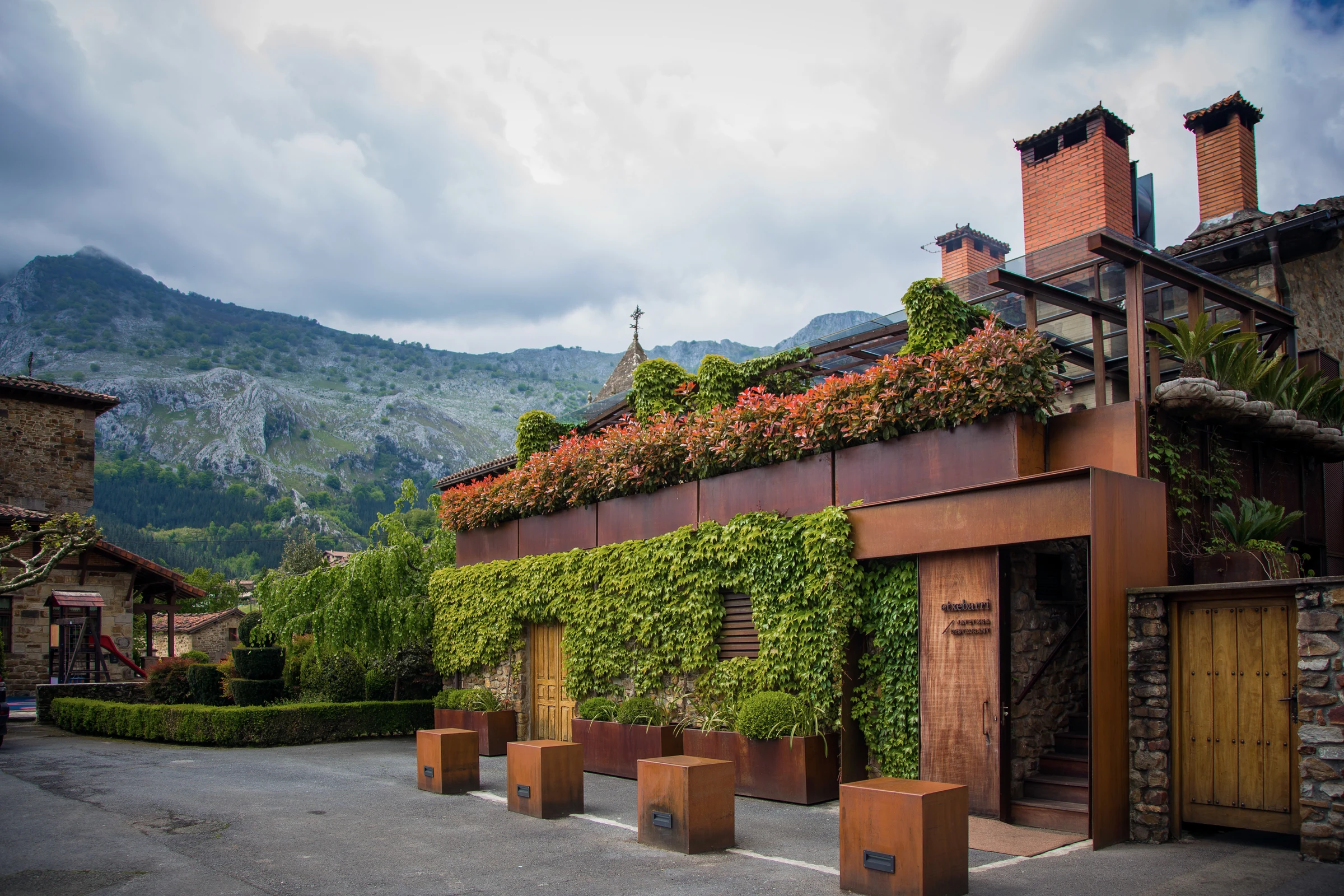
| Asador Etxebarri | Michelin 1 Star, World's 50 Best | Basque Wood-Fired Grill | Atxondo |
| El Chato | World's 50 Best | Contemporary Colombian | Bogotá |
| Florilège | Michelin 2 Stars, World's 50 Best | Modern French-Japanese Plant-Based Fine Dining | Tokyo |
| Gabriel Kreuther | Michelin 2 Stars | Modern Alsatian-French Fine Dining | New York City |
| Humo Negro | World's 50 Best | Modern Japanese Izakaya with Colombian Fusion | Bogotá |
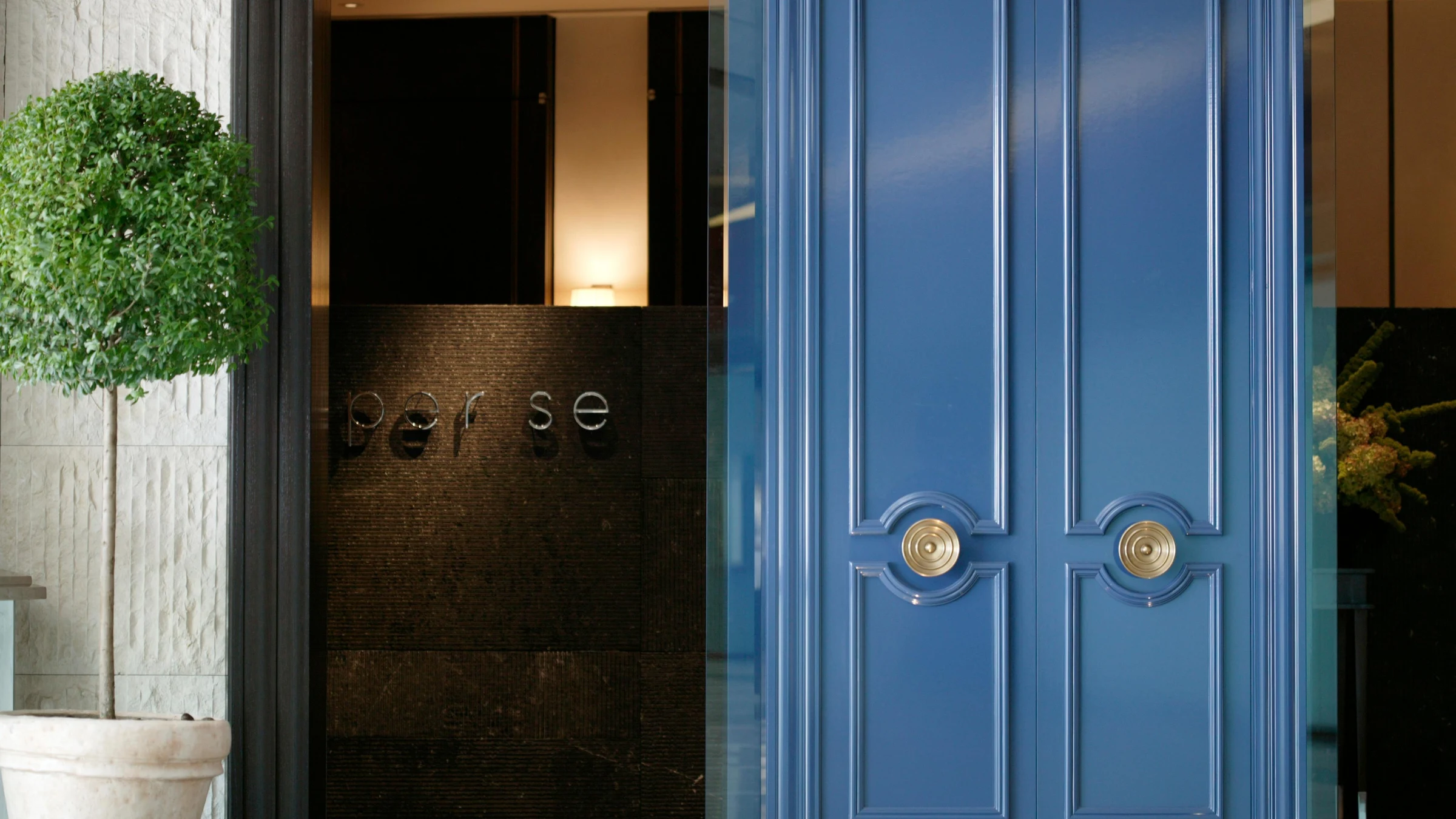
| Per Se | Michelin 3 Stars, World's 50 Best | French Fine Dining Tasting Menu | New York City |
In residence
Similar places
Basque Wood-Fired Grill
Asador Etxebarri
Atxondo, Spain
★ · 50 Best
Contemporary Colombian
El Chato
Bogotá, Colombia
50 Best
Modern French-Japanese Plant-Based Fine Dining
Florilège
Tokyo, Japan
★★ · 50 Best
Modern Alsatian-French Fine Dining
Gabriel Kreuther
New York City, United States
★★
Modern Japanese Izakaya with Colombian Fusion
Humo Negro
Bogotá, Colombia
50 Best
French Fine Dining Tasting Menu
Per Se
New York City, United States
★★★ · 50 Best
The Sunday letter
Get the next Made By story in your inbox.
We send one email every Sunday morning with the places and people we covered that week.
See a sample of the Sunday emailOne email a week. Unsubscribe from any issue.