レ セゾン - Les Saisons - Hotel Imperial
In Residence
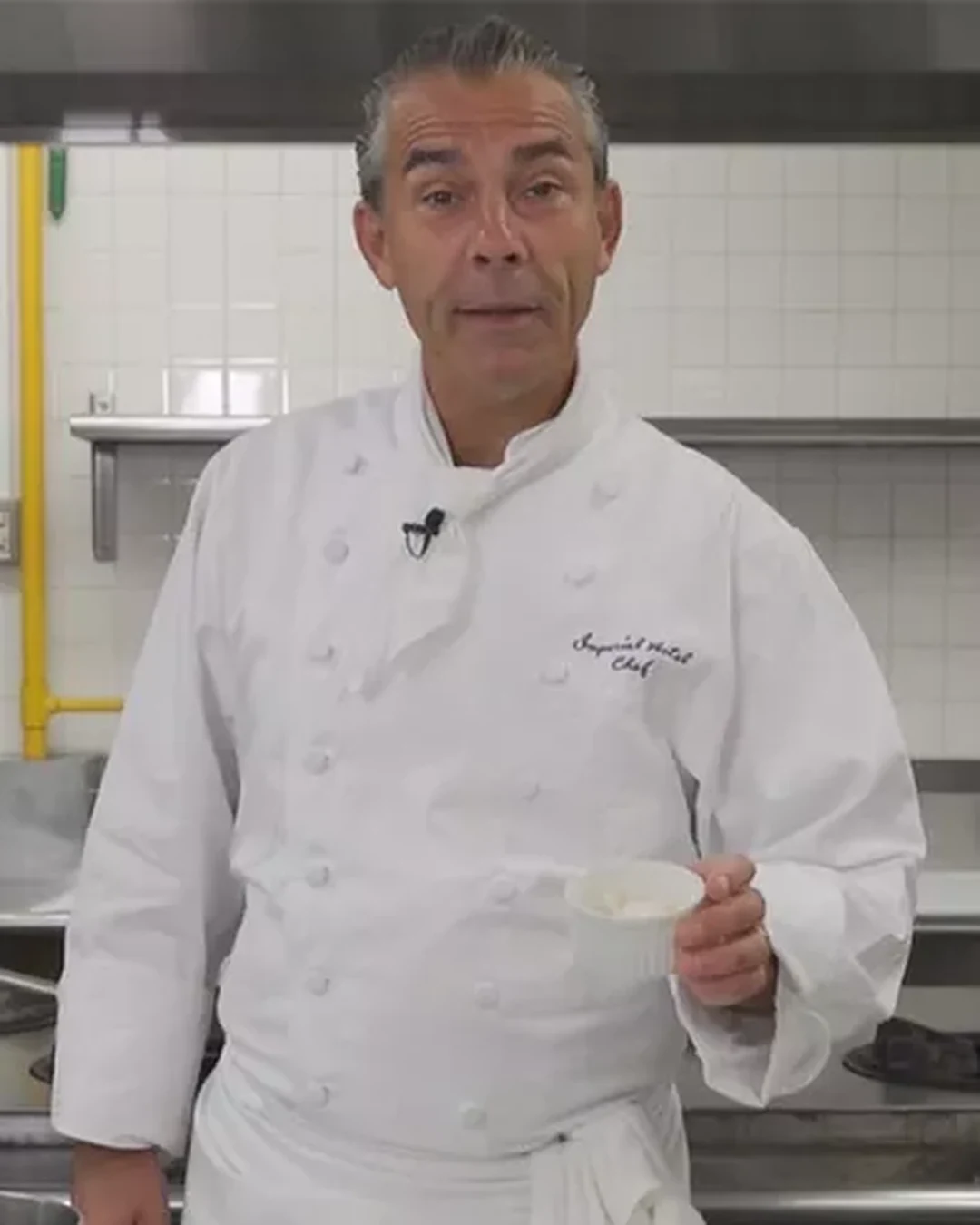
Thierry Voison
Chef
- 01CuisineClassical French with Japanese Influences
- 02CityTokyo, Japan
- 03RecognitionOne Michelin Star
- 1 Michelin Star · Michelin Guide
- Tabelog Silver #71: 4.3pts · 2026
- Michelin 1 Star · 2026
- La Liste Top Restaurants: 81pts · 2026
- Opinionated About Dining Top Restaurants in Japan Recommended · 2026
- Tabelog 100 #88: 4.3pts · 2025
- Tabelog Bronze · 2025
- La Liste Top Restaurants: 83.5pts · 2025
- Michelin 1 Star · 2024
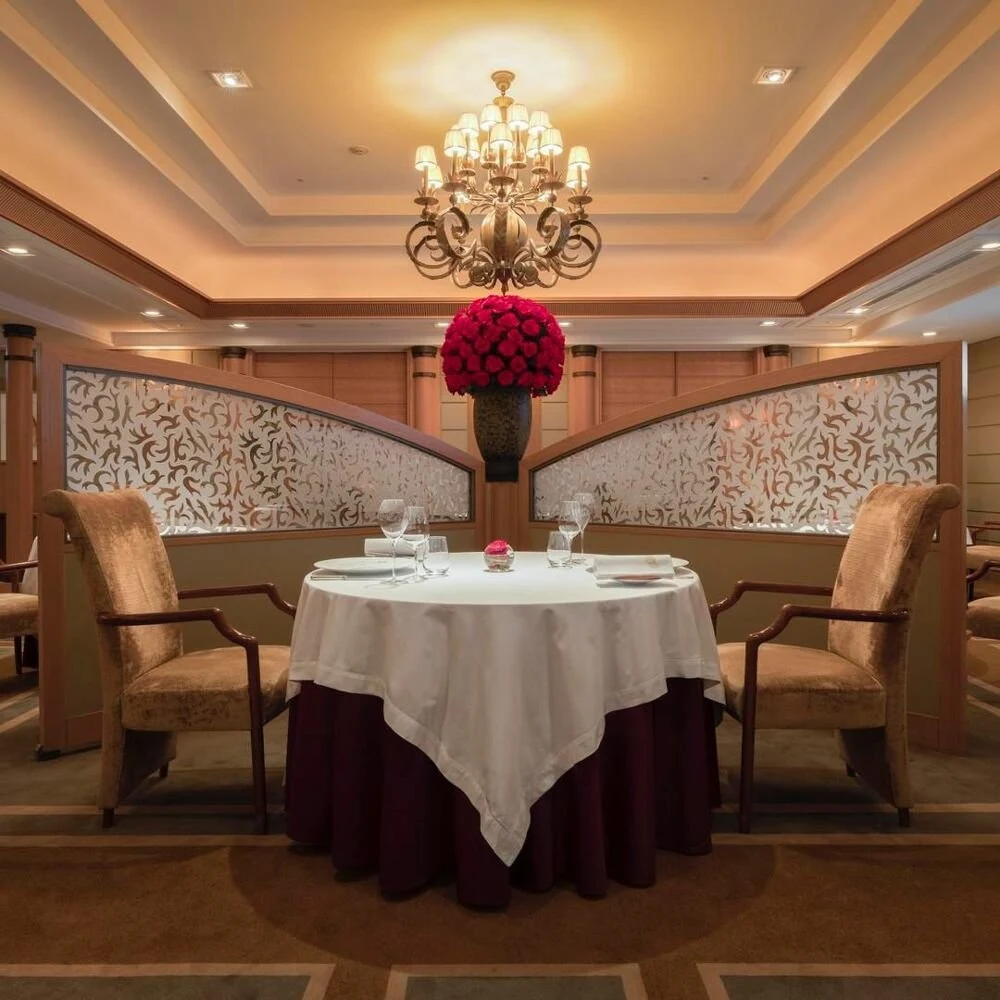
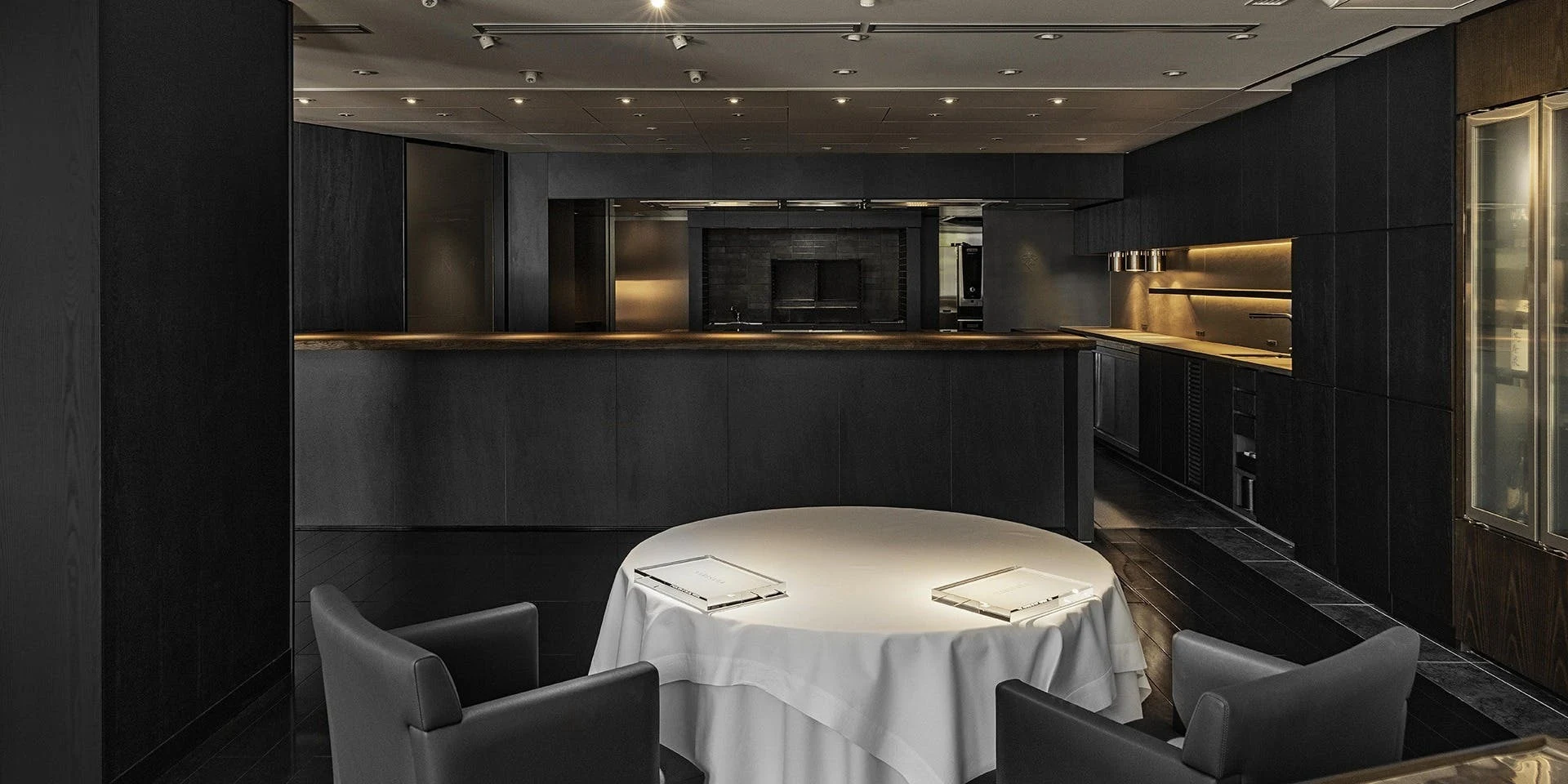
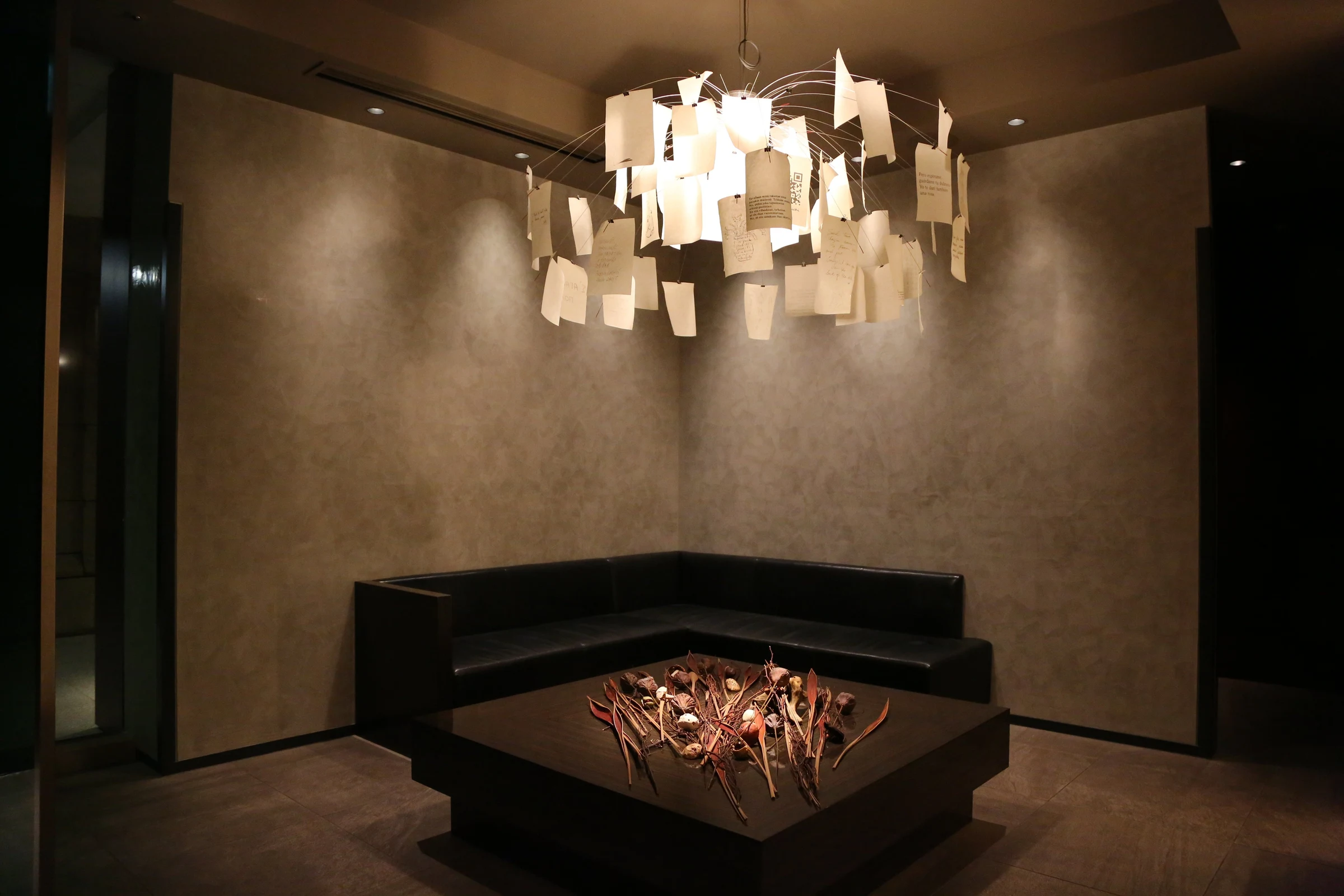
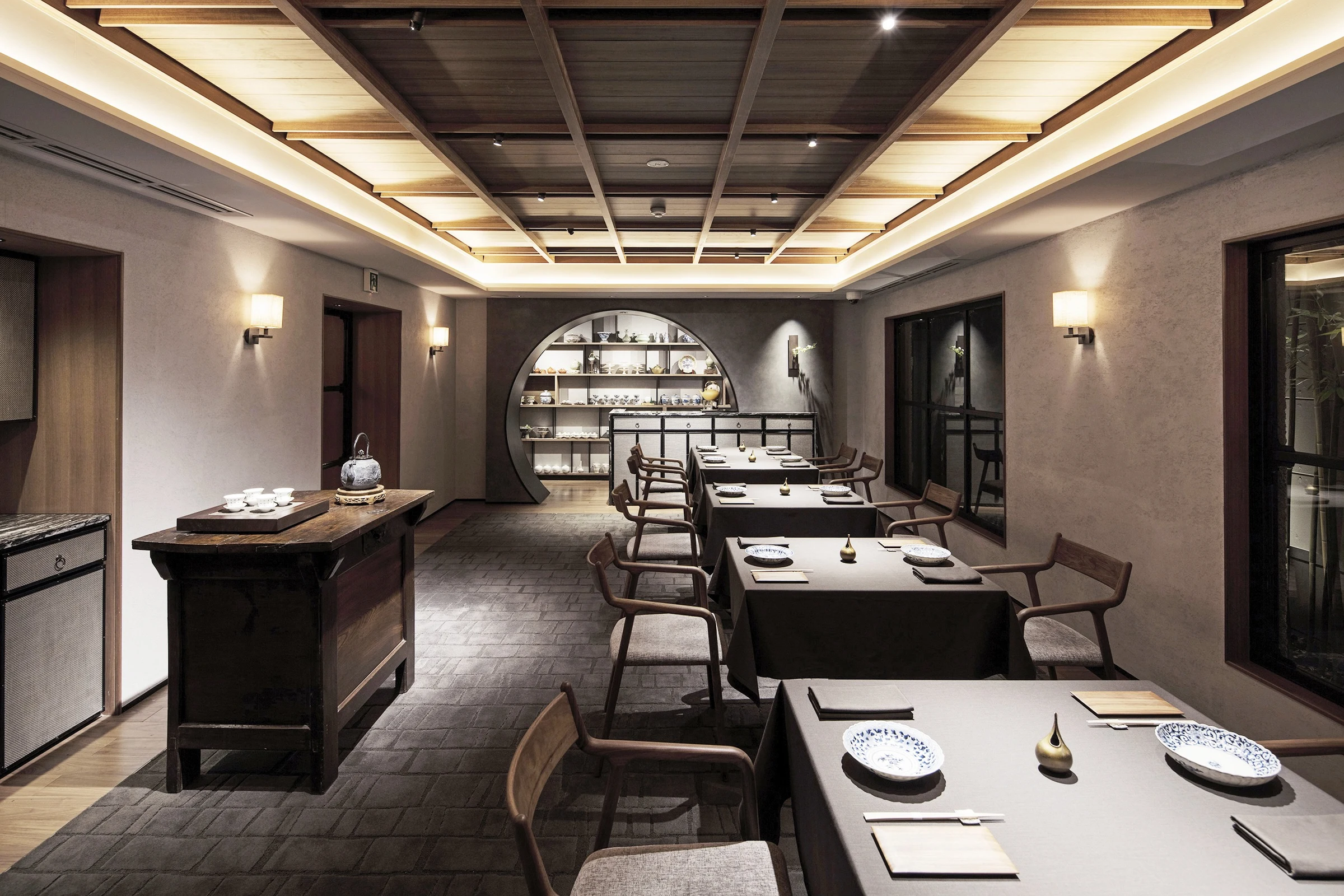
The approach begins with hotel grammar, not street-level appetite: lobby, staircase, and the measured pause before a dining room built for linen, wine service, and ceremony. In Tokyo, that matters. French dining here has never been only imported Paris; it is a stage where Japanese seasonality, luxury hotel service, and European technique test one another. レ セゾン - Les Saisons - Hotel Imperial sits in that grand-hotel tradition, asking a different question from the city’s compact counter restaurants: how much classical formality stays persuasive as Tokyo dining moves toward smaller, faster, more personal formats?
The answer is not bistro informality, despite the French lineage. A true bistro is a neighborhood machine: tight room, regular clientele, sturdy dishes, modest ritual. Tokyo has excellent French restaurants that borrow from that register, but this room sits at the opposite end. The comparison clarifies. Where bistro culture prizes compression, speed, and everydayness, this format preserves haute cuisine’s slow architecture: service-paced courses, a cellar-minded meal, and a room where the hotel becomes part of the experience.
The Sunday letter
Find new places through the people who run them.
Our Sunday email brings you the chefs, winemakers and hoteliers behind our newest stories. See a sample before you subscribe.
See a sample of the Sunday emailOne email a week. Unsubscribe from any issue.
Classical French technique filtered through Japanese seasons
Tokyo’s serious French scene splits into several lanes: polished Ginza rooms such as L'OSIER and ESqUISSE, mid-sized modern French restaurants such as Gendaisaryo Ginza Fugetsudo and l'Odorante par Minoru Nakijin, and luxury-adjacent formats such as ESPRIT C. KEI GINZA. The Imperial Hotel room belongs to the old-school institutional lane, but its cooking is not museum French. La Liste calls the theme “classical modern,” with a French base overlaid by Japanese ingredients including seaweed and mountain vegetables. That is the useful lens: not fusion as novelty, but Franco-Japanese grammar shaped by seasonality.
Thierry Voison’s name functions less as biography than credential. In Tokyo, French restaurants earn loyalty by showing technical confidence without losing the Japanese calendar. Les Saisons is framed around that tension: luxury ingredients, formal sauce work, and Japanese seasonal references. Tabelog’s 2026 score of 4.31 and Silver Award place it among a narrow group of French restaurants maintaining local diner confidence over time, while La Liste’s 81-point 2026 assessment and Opinionated About Dining’s Japan Recommended listing add international recognition without making it merely a trophy stop.
The bistro comparison also shows what this room refuses. There is no claim to neighborhood looseness, no zinc-counter Paris mimicry, and no need to pretend hotel dining is casual. Tokyo’s more interesting French meals often come from accepting format honestly. A bistro can be judged on repetition and ease; a grand hotel restaurant must justify ceremony. Here, the case rests on continuity: repeated Tabelog Award recognition from 2017 through 2026, plus Tabelog French TOKYO 100 selections in 2021, 2023, and 2025. That pattern matters more than one badge, suggesting durable relevance in a city that quickly replaces dining fashions.
A grand-hotel dining room in a city of small counters
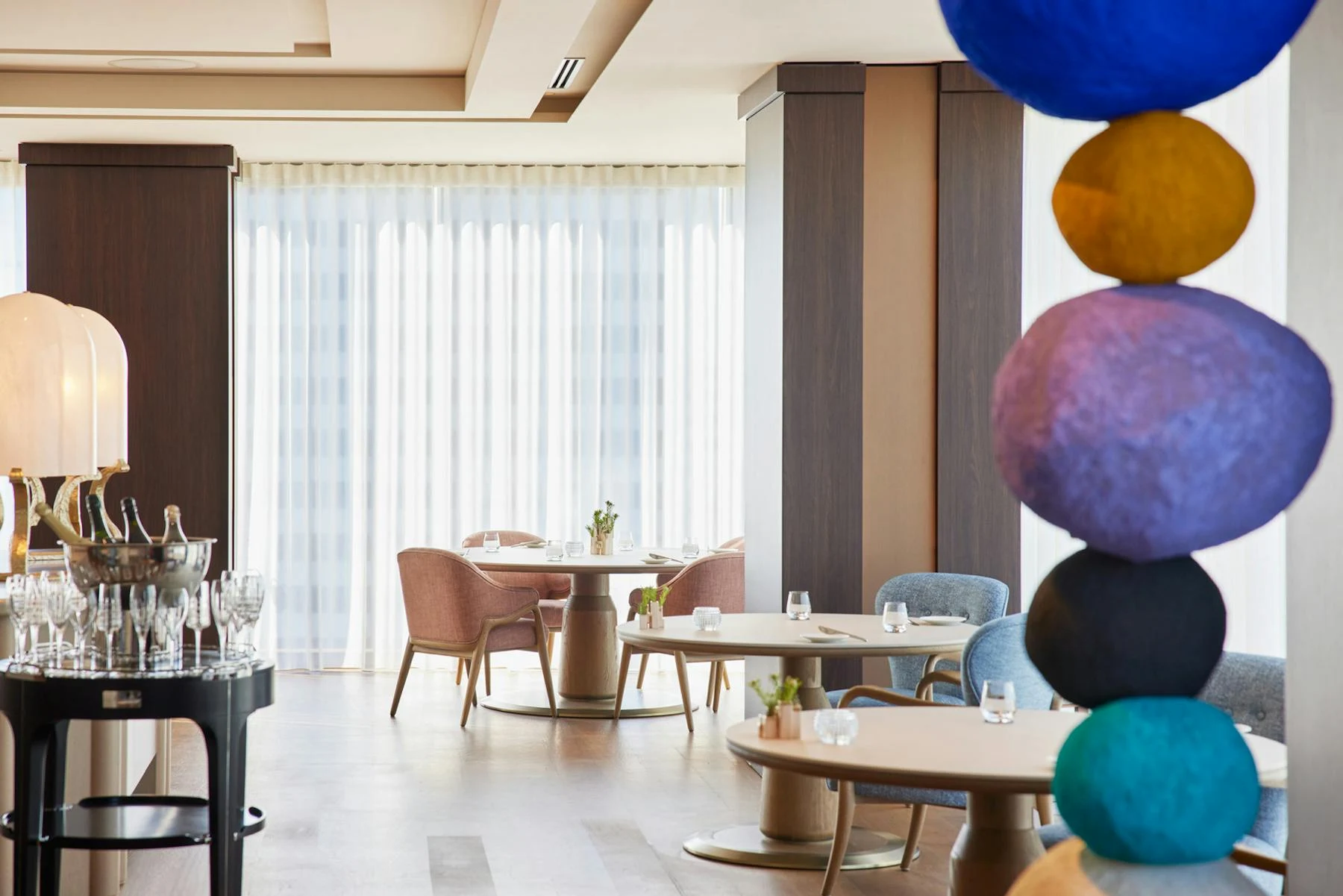
Tokyo is famous abroad for intimate formats: sushi counters, kappo rooms, wine bars with a handful of seats. French dining followed that compression, with chef-led rooms where guests read the kitchen’s tempo from a few meters away. A 94-seat hotel restaurant makes another argument. Scale allows private rooms, sommelier service, and occasion in ways smaller restaurants cannot easily reproduce. It also raises the bar: a large formal room must avoid feeling generic, and awards alone cannot solve that.
The more persuasive reading is cultural. Grand-hotel French in Japan carries a lineage tied to diplomacy, celebration, and Meiji-era appetite for European forms, later refined through postwar luxury hospitality. That history can feel stiff without precision. At its strongest, it counterweights Tokyo’s reservation-chase dining culture: less access theater, more a long meal in a room built for distance, conversation, and old-fashioned service choreography.
For readers mapping Tokyo rather than collecting names, the restaurant belongs on an itinerary when the desired experience is formal French with Japanese seasonal intelligence, not casual bistro eating. For a tighter, more contemporary French frame, compare it against ABBESSES, abysse, Alchimiste, Alternative, and amarantos. Those comparisons define the decision: contemporary intimacy or hotel ceremony, chef-room immediacy or institutional polish.
How to place it within a Tokyo trip
The strongest use case is a serious dinner where formality is part of the appeal: business hosting, milestone dining, or a traveler wanting Tokyo’s hotel-French tradition rather than another counter meal. Its recognition profile supports that role. Tabelog Award 2026 Silver, Tabelog French TOKYO 100 selection in 2025, La Liste 2026 at 81 points, and OAD Japan Recommended create layered trust: Japanese diner approval, category-specific French recognition, and international guide visibility.
The practical reading is equally clear. This is not the French answer to a bistro lunch between appointments. It is a planned formal meal inside one of Tokyo’s classic hotel settings, with wine and service central. Families should treat it as adult-leaning rather than a general children’s option, since the age policy is restrictive. In summer, dress expectations for men become more explicit, reinforcing the broader point: old codes still matter here.
For broader planning, use Our full Tokyo restaurants guide alongside Our full Tokyo hotels guide, Our full Tokyo bars guide, Our full Tokyo wineries guide, and Our full Tokyo experiences guide. Japan-wide dining detours can run from -Grilled beef Sukiyaki- KAMAKURA TANUKIAN 鎌倉 たぬき庵 in Kamakura to.cafe in Osaka,.know in Kumamoto, (Shoku) Vietnam in Kawasaki, [Curry Senmon Ten] Maruyama Kyoju. in Sapporo, and [ki:] in Kyoto. For French outside Japan, 3 Fils Counter, French in Dubai and 3G Trois Gourmands, French in Ho Chi Minh City show how differently the tradition travels when hotel formality is removed.
Questions
Frequently asked
What recognition does レ セゾン - Les Saisons - Hotel Imperial hold?
レ セゾン - Les Saisons - Hotel Imperial holds 1 Michelin star.
Who works at レ セゾン - Les Saisons - Hotel Imperial?
Made By profiles Thierry Voison (Chef) at レ セゾン - Les Saisons - Hotel Imperial.
How expensive is レ セゾン - Les Saisons - Hotel Imperial?
レ セゾン - Les Saisons - Hotel Imperial is listed at a price level of $$$$.
Where is レ セゾン - Les Saisons - Hotel Imperial and what does it serve?
レ セゾン - Les Saisons - Hotel Imperial is in Chiyoda, Tokyo, serving Classical French with Japanese Influences.
The field
How it compares
| Place | Awards | Cuisine | Notes |
|---|---|---|---|
| レ セゾン - Les Saisons - Hotel Imperial | Michelin 1 Star | Classical French with Japanese Influences | Chiyoda, $$$$ |
| Den | Michelin 2 Stars, World's 50 Best | Modern Japanese Kaiseki | Tokyo |
| Florilège | Michelin 2 Stars, World's 50 Best | Modern French-Japanese Plant-Based Fine Dining | Tokyo |
| Narisawa | Michelin 2 Stars, World's 50 Best | Modern Japanese Satoyama Fine Dining | Tokyo |
| Quintessence | Michelin 3 Stars | Modern French Fine Dining | Tokyo |
| Sazenka | Michelin 3 Stars, World's 50 Best | Modern Chinese Fine Dining | Tokyo |
| Sézanne | Michelin 3 Stars, World's 50 Best | Modern French Fine Dining | Tokyo |
In residence
Similar places
Modern Japanese Kaiseki
Den
Tokyo, Japan
★★ · 50 Best
Modern French-Japanese Plant-Based Fine Dining
Florilège
Tokyo, Japan
★★ · 50 Best
Modern Japanese Satoyama Fine Dining
Narisawa
Tokyo, Japan
★★ · 50 Best
Modern French Fine Dining
Quintessence
Tokyo, Japan
★★★
Modern Chinese Fine Dining
Sazenka
Tokyo, Japan
★★★ · 50 Best
Modern French Fine Dining
Sézanne
Tokyo, Japan
★★★ · 50 Best
The Sunday letter
Get the next Made By story in your inbox.
We send one email every Sunday morning with the places and people we covered that week.
See a sample of the Sunday emailOne email a week. Unsubscribe from any issue.